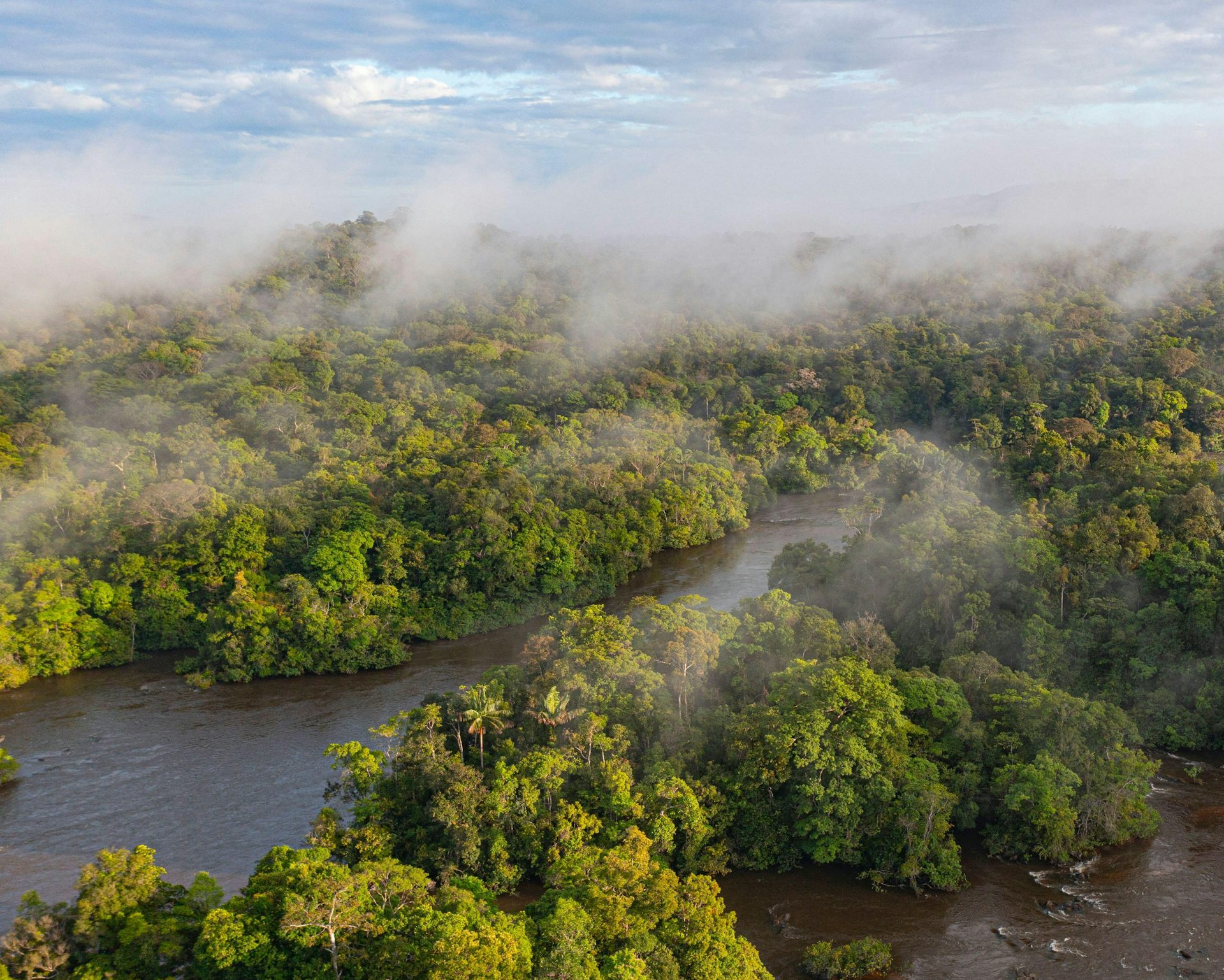
पुरातत्व के महान रहस्य: आकाश से खुला एक प्राचीन अमेज़न विश्व
Great mysteries of archaeology: an ancient Amazonian world revealed from the sky
Archaeologists thought ancient Amazonia was only home to wandering people, but new technology has uncovered complex societies living in forest cities.
पुरातत्वविदों को लगता था कि प्राचीन अमेज़ोनिया केवल भटकने वाले लोगों का निवास स्थान था, लेकिन नई तकनीक ने जंगल के शहरों में रहने वाले जटिल समाजों का पता लगाया है।
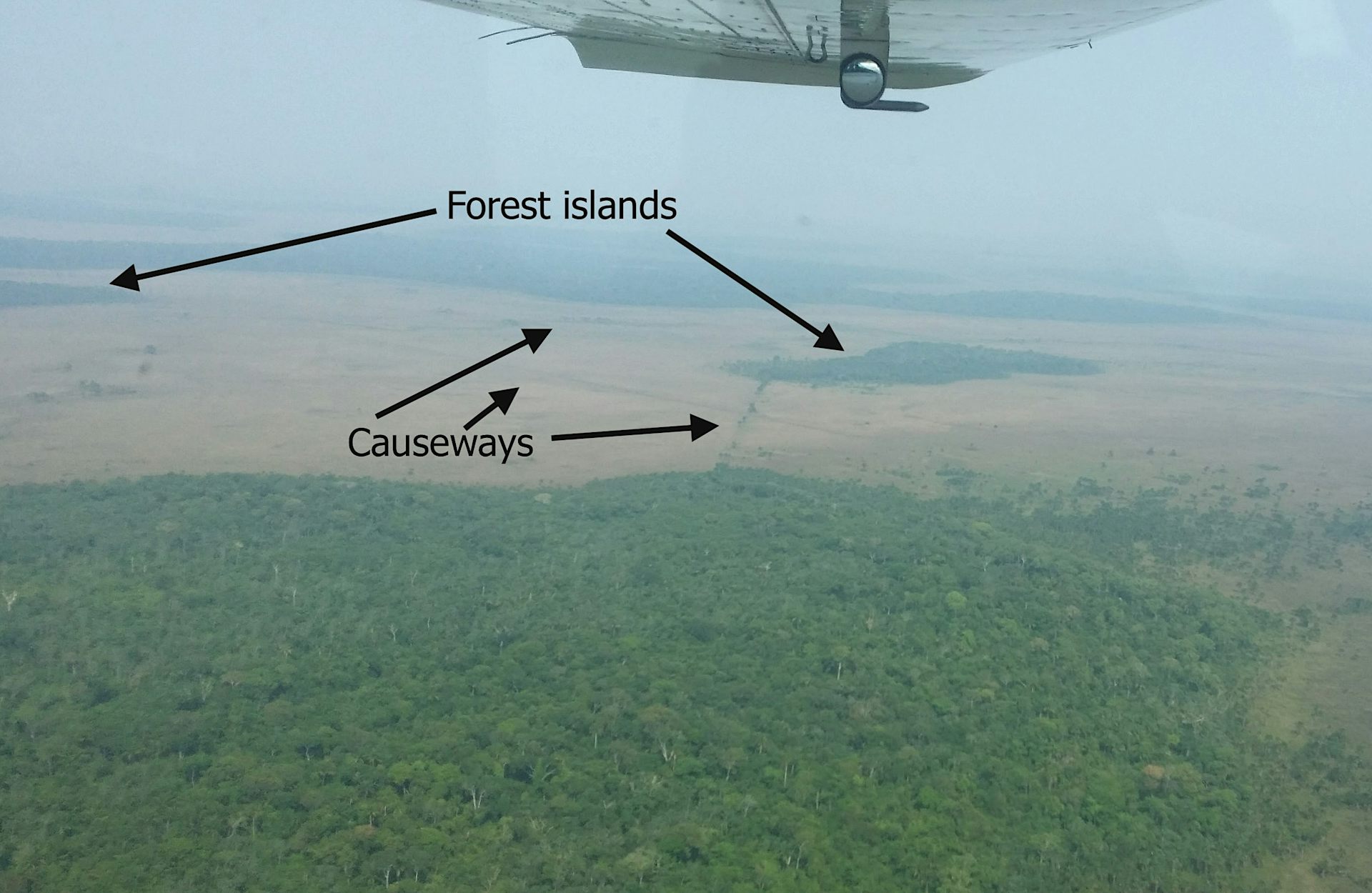
From the air, you see it only through the constant jolt, tilt and shudder of the low-flying Cessna aircraft. The landscape of the Llanos de Moxos, northern Bolivia, appears as a disconnected patchwork of open grassland savannahs, forest islands and lakes.
हवा से, आप इसे केवल कम ऊंचाई पर उड़ते सेसना विमान के लगातार झटके, झुकाव और कंपन से देख पाते हैं। उत्तरी बोलीविया के लानोस डी मोक्सोस का परिदृश्य खुले घास के मैदानों के सवाना, वन द्वीपों और झीलों के एक विच्छेदित पैचवर्क जैसा दिखता है।
It feels random, almost unreadable. Only gradually does the pattern resolve itself: raised causeways or paths fanning out to link the forest islands, and a dense, scattered web of canals threading the terrain. Slowly you realise it’s a structured network of intersecting lines, enclosures and roads – the imprint of past human design.
यह यादृच्छिक लगता है, लगभग अपठनीय। धीरे-धीरे ही पैटर्न खुद को स्पष्ट करता है: ऊंचे तटबंध या रास्ते जो वन द्वीपों को जोड़ने के लिए फैले हुए हैं, और नहरों का एक घना, बिखरा हुआ जाल जो इलाके में गुंथा हुआ है। धीरे-धीरे आपको एहसास होता है कि यह intersecting लाइनों, बाड़ों और सड़कों का एक संरचित नेटवर्क है – अतीत की मानवीय डिज़ाइन की छाप।
If you stand on the open savannah, there is almost nothing to see of this ancient network. The horizon feels open, with fires in the distance from local people burning pastures and clearing forest as dry season begins. The old geometry is still faintly perceptible, but you have to know how to look.
यदि आप खुले सवाना पर खड़े हैं, तो इस प्राचीन नेटवर्क में देखने के लिए लगभग कुछ भी नहीं है। क्षितिज खुला महसूस होता है, दूर स्थानीय लोगों द्वारा चरागाहों को जलाते और जंगल साफ करते हुए आग लगी हुई दिखाई देती है क्योंकि शुष्क मौसम शुरू हो रहा है। पुरानी ज्यामिति अभी भी हल्की रूप से स्पष्ट है, लेकिन आपको देखना आना चाहिए।
Step into the patches of forest and the canopy closes in. The earth softens underfoot and mosquitoes descend in relentless swarms. The sweat on your neck thickens into a humid film, carrying the familiar scent of suncream and the sharper, chemical note of DEET.
जंगल के पैच में कदम रखें और चंदवा बंद हो जाती है। ज़मीन पैरों के नीचे नरम हो जाती है और मच्छर अथक झुंडों में उतरते हैं। आपकी गर्दन पर पसीना एक नम फिल्म में गाढ़ा हो जाता है, जिसमें सनस्क्रीन की परिचित गंध और डीईईटी (DEET) की तेज, रासायनिक महक आती है।
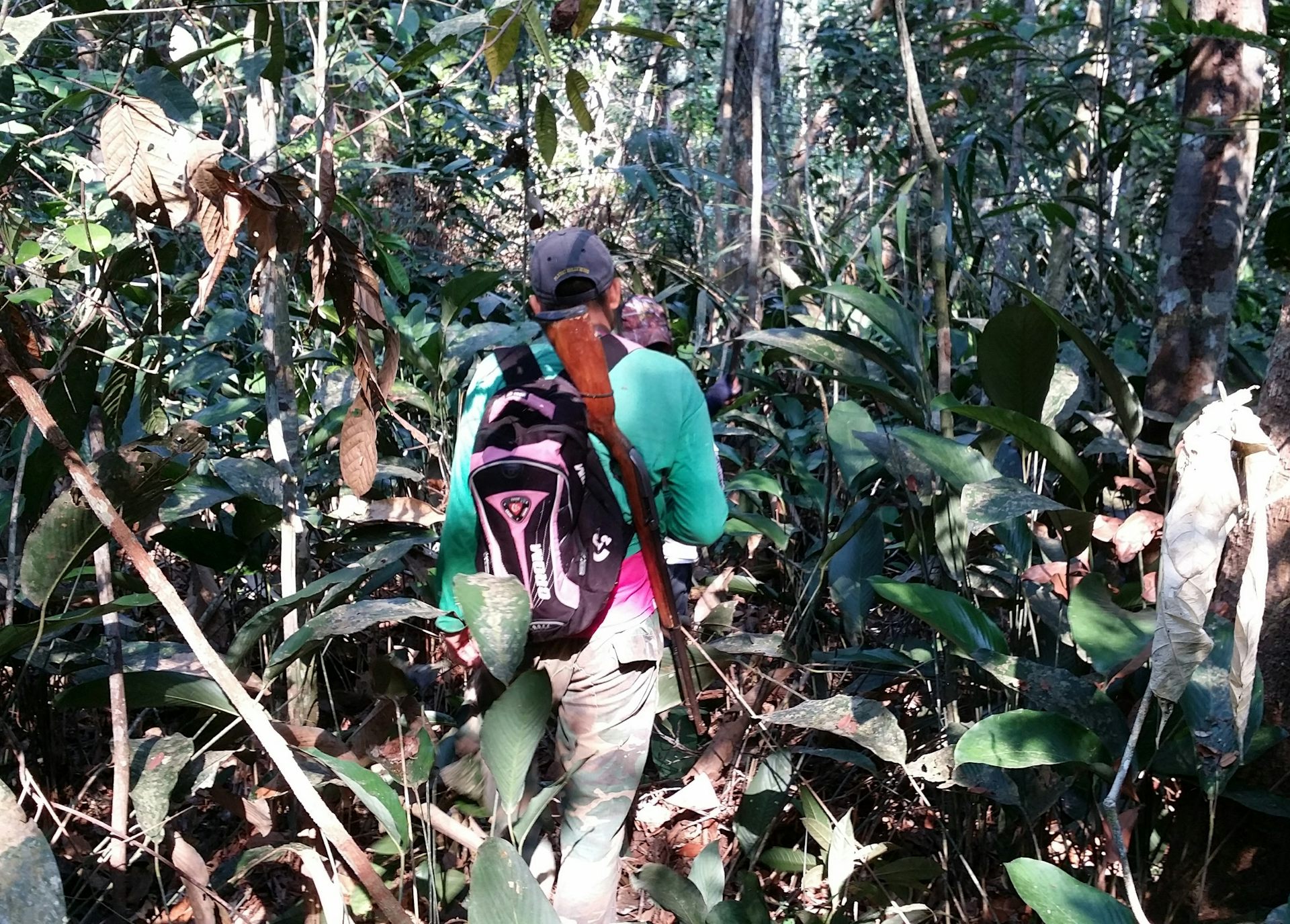
In the uneven light between the trees, the landscape dissolves into subtle rises and depressions. Against the rhythmic swish of machetes as our guides cut through the vegetation, your mind tries to piece together the fragments of structures into something coherent. Flying overhead doesn’t reveal anything about this forest area in the way that it does with the savannah. But fortunately recent advances in technology have transformed what we are able to see.
पेड़ों के बीच असमान रोशनी में, परिदृश्य सूक्ष्म उभारों और अवसादों में घुलमिल जाता है। हमारे गाइड द्वारा वनस्पति को काटने पर कुल्हाड़ियों की लयबद्ध सरसराहट के विपरीत, आपका मन संरचनाओं के टुकड़ों को एक सुसंगत चीज़ में जोड़ने की कोशिश करता है। ऊपर से उड़ना इस जंगल क्षेत्र के बारे में कुछ भी नहीं बताता जिस तरह से यह सवाना के बारे में बताता है। लेकिन सौभाग्य से प्रौद्योगिकी में हालिया प्रगति ने हम जो देख सकते हैं उसे बदल दिया है।
Archaeological explorations in this part of the world have been completely changed by lidar in the past couple of decades. Lidar maps an area from a plane or drone by bouncing rapid laser pulses off the Earth’s surface. Some of these pulses penetrate the forest canopy, reach the ground and reflect back to the sensor.
पिछले कुछ दशकों में इस दुनिया के हिस्से में पुरातात्विक खोजें लिडार (lidar) द्वारा पूरी तरह से बदल गई हैं। लिडार एक हवाई जहाज या ड्रोन से पृथ्वी की सतह पर तीव्र लेजर पल्स उछालकर एक क्षेत्र का नक्शा बनाता है। इन पल्सों में से कुछ जंगल के चंदवा को भेदते हुए, ज़मीन तक पहुँचते हैं और सेंसर पर वापस परावर्तित होते हैं।
By measuring the return time, the system can generate highly precise three-dimensional models of the terrain. This allows you to strip away the camouflage of vegetation, making it possible to see what lies below the Amazonian forest for the first time.
रिटर्न टाइम मापकर, सिस्टम इलाके के अत्यधिक सटीक त्रि-आयामी मॉडल उत्पन्न कर सकता है। यह आपको वनस्पति के छलावरण को हटाने की अनुमति देता है, जिससे पहली बार अमेज़ोनियन जंगल के नीचे क्या है, यह देखना संभव हो जाता है।
It reveals the ancient Llanos de Moxos as not simply a collection of settlements, but an entire urbanised landscape. A large part in the south-east of this region belonged to the Casarabe culture, which dominated between around AD500 and 1400. It extends across 20,000km², which is roughly the size of New Jersey in the US.
यह प्राचीन लानोस डी मोक्सोस को केवल बस्तियों का संग्रह नहीं, बल्कि एक संपूर्ण शहरीकृत परिदृश्य के रूप में प्रकट करता है। इस क्षेत्र के दक्षिण-पूर्व में एक बड़ा हिस्सा कासाराबे संस्कृति से संबंधित था, जो लगभग ईसा पूर्व 500 और 1400 के बीच प्रमुख थी। यह 20,000 वर्ग किमी तक फैला हुआ है, जिसका आकार मोटे तौर पर अमेरिका में न्यू जर्सी जितना है।
The Casarabe organised into a hierarchy of four different sizes of settlements (those forest islands mentioned above) . The biggest ones – the primary settlements – were as large as 3km² or 300 hectares. That’s enough space for over 400 football pitches, suggesting that they could have accommodated substantial numbers of people.
कासाराबे चार अलग-अलग आकार की बस्तियों के पदानुक्रम में व्यवस्थित थे (ऊपर बताए गए वन द्वीप) । सबसे बड़े – प्राथमिक बस्तियाँ – 3 वर्ग किमी या 300 हेक्टेयर तक बड़ी थीं। यह 400 से अधिक फुटबॉल मैदानों के लिए पर्याप्त जगह है, जो बताता है कि वे बड़ी संख्या में लोगों को समायोजित कर सकते थे।
Welcome to our series on the great mysteries of archaeology. Viking explorers, Amazonian cities, artefacts from before civilisation. Archaeology may be all about the past, but it’s constantly shifting with every scientific discovery. This series will dig into some of the most fascinating debates in the field today.
पुरातत्व के महान रहस्यों पर हमारी श्रृंखला में आपका स्वागत है। वाइकिंग खोजकर्ता, अमेज़ॅन शहर, सभ्यता-पूर्व कलाकृतियाँ। पुरातत्व शायद अतीत के बारे में हो सकता है, लेकिन यह हर वैज्ञानिक खोज के साथ लगातार बदल रहा है। यह श्रृंखला आज के क्षेत्र में कुछ सबसे आकर्षक बहसों की गहराई से पड़ताल करेगी।
These settlements connect along the raised causeways to smaller secondary and tertiary sites a number of kilometres away, all of which were permanently inhabited as opposed to empty ceremonial hubs. A fourth tier consists of groups of isolated mounds located out in the pampas, which likely correspond to dwelling areas occupied by farmers who would have worked the fields.
ये बस्तियां ऊंचे तटबंधों के साथ कई किलोमीटर दूर स्थित छोटी द्वितीयक और तृतीयक साइटों से जुड़ी हैं, जिनमें से सभी खाली अनुष्ठान केंद्र होने के बजाय स्थायी रूप से बसे हुए थे। एक चौथा स्तर पम्पास में स्थित अलग-थलग टीलों का समूह है, जो संभवतः किसानों द्वारा कब्जा किए गए निवास क्षेत्रों से मेल खाते होंगे जो खेतों में काम करते होंगे।
It’s not possible to show a lidar image of these four different types of sites interconnecting because they are too far apart for the resolution available, but the image below of a primary settlement known as Loma Cotoca shows the kinds of things we are now documenting.
इन चार अलग-अलग प्रकार की साइटों को आपस में जोड़ते हुए लिडार छवि दिखाना संभव नहीं है क्योंकि वे उपलब्ध रिज़ॉल्यूशन के लिए बहुत दूर हैं, लेकिन लोमा कोटोका नामक एक प्राथमिक बस्ती की नीचे दी गई छवि उन तरह की चीज़ों को दिखाती है जिन्हें हम अब दस्तावेजीकरण कर रहे हैं।
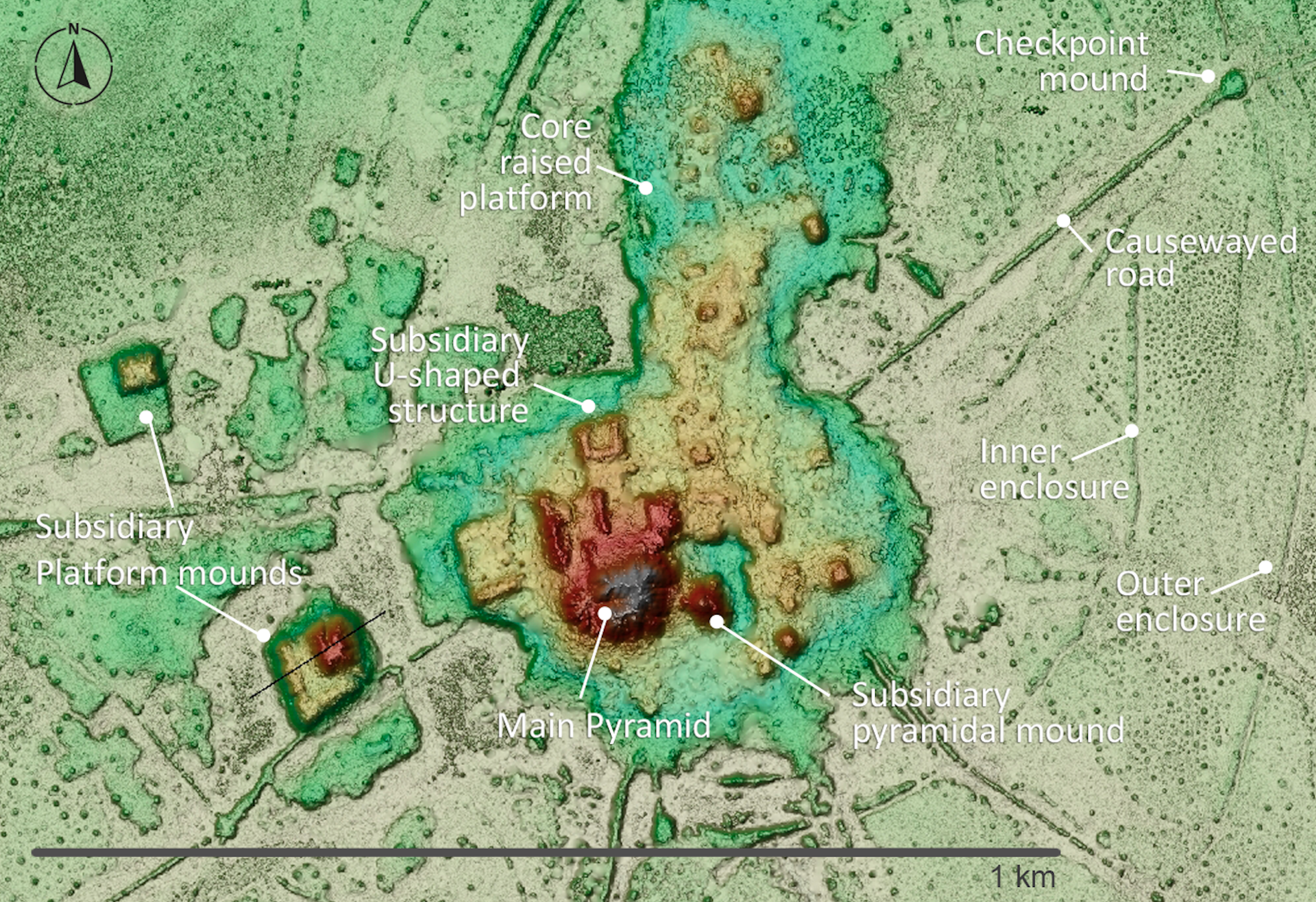
It features some very impressive civic-ceremonial architecture: conical pyramids over 20 metres tall and U-shaped structures that may have acted as areas for public gatherings for speeches or ceremonies. These were built on top of man-made platforms rising as much as five metres off the ground and extending over 20 hectares. To be clear, this is all still hiding under the forest, but the lidar data reveals the shape, height and layout of what lies below.
इसमें कुछ बहुत प्रभावशाली नागरिक-औपचारिक वास्तुकला है: बीस मीटर से अधिक ऊंचे शंक्वाकार पिरामिड और यू-आकार की संरचनाएं जो भाषणों या समारोहों के लिए सार्वजनिक सभाओं के क्षेत्र के रूप में कार्य करती होंगी। इन्हें मानव निर्मित मंचों पर बनाया गया था जो जमीन से पाँच मीटर तक ऊंचे थे और बीस हेक्टेयर से अधिक क्षेत्र में फैले हुए थे। स्पष्ट रूप से कहें तो, यह सब अभी भी जंगल के नीचे छिपा हुआ है, लेकिन लिडार डेटा (lidar data) जो नीचे स्थित है, उसका आकार, ऊंचाई और लेआउट प्रकट करता है।
The volume of earth moved to create this architecture would have rivalled – and in some cases exceeded – that of well known Andean monuments such as Akapana a few hundred miles to the south-west on the other side of the Andes. Akapana was the epicentre of the Tiwanaku empire that dominated the southern Andes between about AD600 and 1000.
इस वास्तुकला को बनाने के लिए विस्थापित मिट्टी का आयतन – जानी-मानी एंडियन स्मारकों जैसे अकापाना (जो एंडीज़ के दूसरी ओर, दक्षिण-पश्चिम में कुछ सौ मील दूर है) के बराबर रहा होगा और कुछ मामलों में उससे अधिक भी रहा होगा। अकापाना तिवानकु साम्राज्य का केंद्र था, जिसने लगभग ईसवी सन् ६०० और १००० के बीच दक्षिणी एंडीज़ पर अपना प्रभुत्व जमाया।
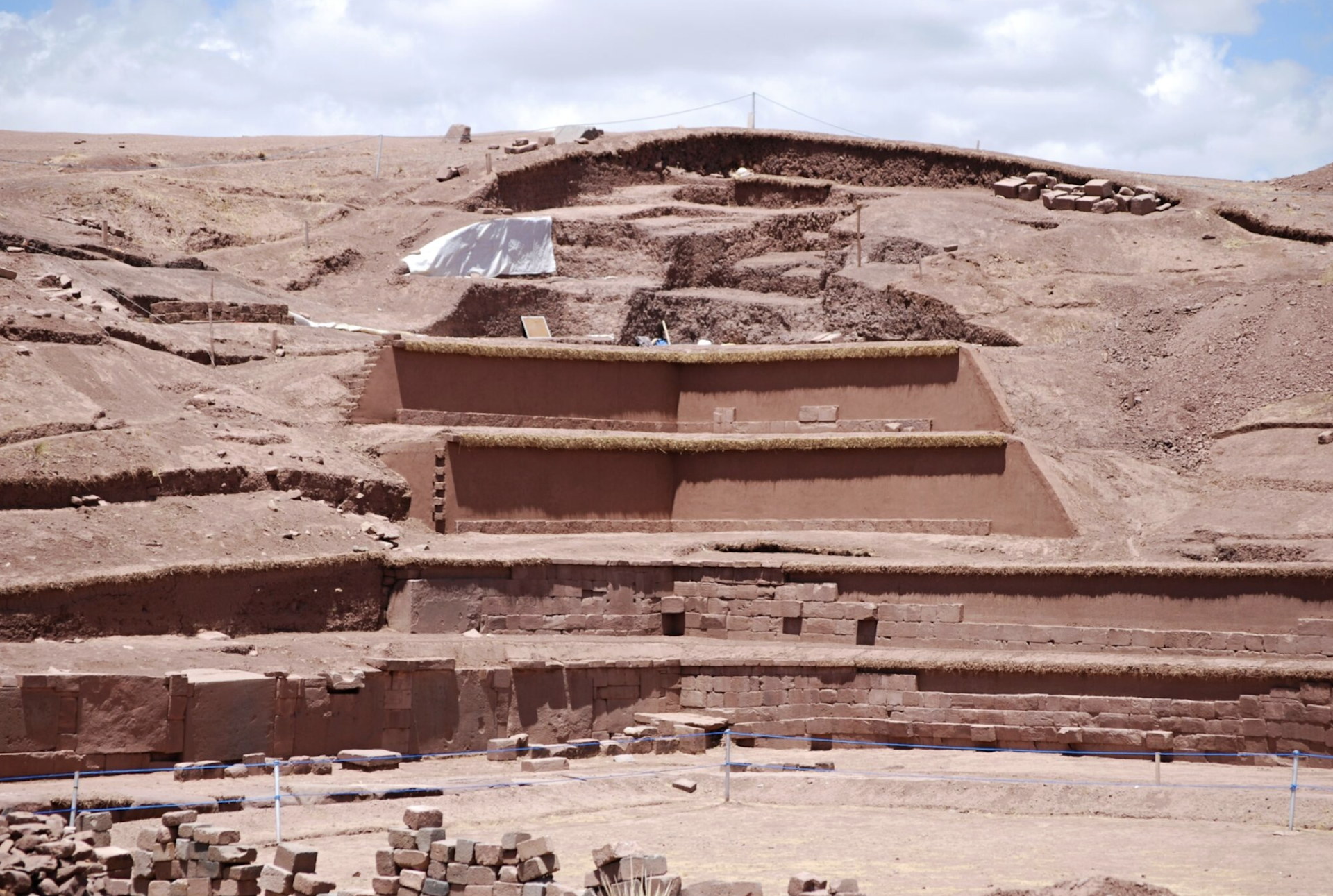
Yet where monuments like Akapana were surrounded by classic, compact bounded cities with thousands of inhabitants, the Casarabe equivalent was completely different. This was dispersed, low-density living amid extensive green space – a form of tropical urbanism that challenges longstanding assumptions about this area as sparsely populated and only lightly modified. It invites comparison with other low-density tropical urban landscapes such as the Maya in central America and the Angkor in latter day Cambodia.
लेकिन जहाँ अकापाना जैसे स्मारक हजारों निवासियों वाले क्लासिक, सघन सीमांकित शहरों से घिरे थे, वहीं कैसारेबे का समकक्ष पूरी तरह से अलग था। यह व्यापक हरित स्थान के बीच बिखरा हुआ, कम घनत्व वाला जीवन था – उष्णकटिबंधीय शहरीकरण का एक ऐसा रूप जो इस क्षेत्र को विरल आबादी और केवल हल्के ढंग से संशोधित मानने की पुरानी धारणाओं को चुनौती देता है। यह मध्य अमेरिका में माया और बाद के दिनों के कंबोडिया में अंकोर जैसे अन्य कम घनत्व वाले उष्णकटिबंधीय शहरी परिदृश्यों के साथ तुलना को आमंत्रित करता है।
Equally important is the coherence of the Casarabe system. The settlements are rarely isolated, part of a tightly connected network with shared water-management systems. It was clearly all planned and coordinated, designed not only as living spaces but for integrating the population across the region.
कासारबे प्रणाली की सुसंगति भी उतनी ही महत्वपूर्ण है। ये बस्तियाँ शायद ही कभी अलग-थलग होती थीं, बल्कि साझा जल-प्रबंधन प्रणालियों वाले एक घने रूप से जुड़े नेटवर्क का हिस्सा थीं। यह स्पष्ट रूप से सब कुछ योजनाबद्ध और समन्वित था, जिसे न केवल रहने की जगह के रूप में, बल्कि पूरे क्षेत्र में आबादी को एकीकृत करने के उद्देश्य से भी डिज़ाइन किया गया था।
We can see that the Casarabe were sustained by drained-field agriculture: the canals were dug to make the land viable for planting during the wet season. The most prominent crop was maize, but there was a remarkable diversity of other produce. This was all embedded within a landscape that was engineered through reservoirs and farm ponds, which helped the Casarabe sustain cultivation and maintain access to water through the dry season in this extremely seasonal environment.
हम देख सकते हैं कि कासारबे लोग जल निकासी कृषि पर निर्भर थे: नहरें इसलिए खोदी जाती थीं ताकि वर्षा ऋतु में भूमि रोपण के लिए उपजाऊ हो सके। सबसे प्रमुख फसल मक्का थी, लेकिन अन्य उत्पादों में भी अद्भुत विविधता थी। यह सब एक ऐसे परिदृश्य में समाहित था जिसे जलाशयों और खेत के तालाबों के माध्यम से व्यवस्थित किया गया था, जिसने कासारबे लोगों को इस अत्यधिक मौसमी वातावरण में शुष्क मौसम के दौरान खेती बनाए रखने और पानी तक पहुंच सुनिश्चित करने में मदद की।
Also very noticeable is the fact that all the major architectural features and burial sites are oriented north-north-west. This suggests these people may have been led by cosmology, with important celestial bodies or regions of the night sky serving as symbolic reference points – hinting at a world where infrastructure, settlement and belief were inseparable.
यह भी बहुत ध्यान देने योग्य है कि सभी प्रमुख स्थापत्य विशेषताएँ और दफन स्थल उत्तर-उत्तर-पश्चिम दिशा में उन्मुख हैं। यह सुझाव देता है कि ये लोग ब्रह्मांड विज्ञान द्वारा निर्देशित हो सकते थे, जिसमें महत्वपूर्ण खगोलीय पिंड या रात के आकाश के क्षेत्र प्रतीकात्मक संदर्भ बिंदु के रूप में कार्य करते थे – जो एक ऐसी दुनिया की ओर इशारा करता है जहाँ बुनियादी ढाँचा, बस्ती और विश्वास अविभाज्य थे।
Rethinking the Amazon
अमेज़ॅन पर पुनर्विचार
The Casarabe culture covered much less than 1% of Amazonia, which is the whole tropical interior of South America, spanning close to half of the entire continent. For much of the 20th century, this vast area was viewed by archaeologists as an environment that was limiting for human existence.
कासाराबे संस्कृति अमेज़ोनिया का बहुत कम से कम 1% क्षेत्र कवर करती थी, जो दक्षिण अमेरिका के पूरे उष्णकटिबंधीय आंतरिक भाग को संदर्भित करता है और यह संपूर्ण महाद्वीप के लगभग आधे हिस्से तक फैला हुआ है। बीसवीं शताब्दी के अधिकांश समय तक, पुरातत्वविदों द्वारा इस विशाल क्षेत्र को मानव अस्तित्व के लिए सीमित वातावरण माना जाता था।
Poor soils, scarce game, extreme El Niño floods and droughts, and the challenges of tropical disease were all thought to constrain human populations to small, wandering groups living off the land as best they could. Large, settled societies – let alone towns or cities – were considered unlikely, if not impossible.
खराब मिट्टी, दुर्लभ वन्यजीव, अत्यधिक अल नीनो बाढ़ और सूखा, और उष्णकटिबंधीय बीमारियों की चुनौतियाँ—ये सब यह विचार देते थे कि ये मानव आबादी को छोटे, भटकते समूहों तक सीमित करती हैं जो अपनी क्षमतानुसार भूमि पर जीवन यापन करते थे। बड़े, बसे हुए समाज – तो दूर की बात है कस्बों या शहरों का – असंभव माने जाते थे।
This view began to shift in the late 20th century for several reasons. Archaeologists realised that Amazonian people had been domesticating a diversity of plants since the end of the Ice Age. They manufactured some of the earliest ceramics in the Americas, and also devised soils known as Amazonian Dark Earths, which combined charcoal, bone and waste materials with the existing poor-quality soil to make it fertile enough for widespread farming.
यह दृष्टिकोण बीसवीं शताब्दी के उत्तरार्ध में कई कारणों से बदलना शुरू हुआ। पुरातत्वविदों ने महसूस किया कि अमेज़ोनिया के लोगों ने हिमयुग के अंत से ही पौधों की विविधता को पालतू बनाना शुरू कर दिया था। उन्होंने अमेरिका में सबसे शुरुआती सिरेमिक का निर्माण किया, और साथ ही ‘अमेज़ोनियन डार्क अर्थ्स’ नामक मिट्टी भी विकसित की, जिसमें मौजूदा खराब गुणवत्ता वाली मिट्टी को उपजाऊ बनाने के लिए चारकोल, हड्डी और अपशिष्ट सामग्री मिलाई जाती थी ताकि व्यापक खेती हो सके।
It also became apparent that just like the Casarabe people, many other cultures across Amazonia had reclaimed vast expanses of seasonally flooded savannahs over several thousand years to create raised and drained field systems.
यह भी स्पष्ट हुआ कि जिस तरह कासाराबे लोग थे, उसी तरह अमेज़ोनिया में कई अन्य संस्कृतियों ने भी कई हज़ार वर्षों में मौसमी रूप से बाढ़ग्रस्त सवाना के विशाल विस्तार को पुनः प्राप्त किया था ताकि ऊंचे और निकासित खेत प्रणाली बनाई जा सके।
These discoveries were evidence of long-term settlement and landscape management far beyond what was previously thought possible. It meant Amazonia was not simply a backdrop to human activity; much of the landscape was shaped over the last 13 millennia by the people who lived there.
ये खोजें दीर्घकालिक बस्ती और परिदृश्य प्रबंधन का प्रमाण थीं जो पहले सोचे गए संभव क्षेत्र से कहीं अधिक थी। इसका मतलब यह था कि अमेज़ोनिया केवल मानव गतिविधि की पृष्ठभूमि नहीं था; इस परिदृश्य का अधिकांश भाग पिछले 13 सहस्राब्दियों में यहाँ रहने वाले लोगों द्वारा आकार दिया गया था।
Enter lidar
एंटर लिडार
Like lasers in the sky, lidar technology has accelerated this transformation in our understanding. The digital process feels near-magical, a “vegetation removal algorithm” that reveals the secrets below.
आकाश में लेज़रों की तरह, लिडार तकनीक ने हमारी समझ में इस परिवर्तन को गति दी है। यह डिजिटल प्रक्रिया लगभग जादुई लगती है, एक “वनस्पति हटाने का एल्गोरिथम” जो नीचे के रहस्य उजागर करता है।
In practice, however, working with lidar in Amazonia is anything but straightforward. Running such a project here, as I have done, can feel like one of the greatest emotional rollercoasters in field archaeology. It’s all anticipation, frustration and sudden revelation – only comparable, perhaps, with shipwreck exploration.
हालांकि, व्यवहार में, अमेज़ोनिया में लिडार के साथ काम करना बिल्कुल भी सीधा नहीं है। यहाँ ऐसा प्रोजेक्ट चलाना, जैसा मैंने किया है, फील्ड पुरातत्व (field archaeology) में सबसे बड़े भावनात्मक रोलरकोस्टर में से एक जैसा महसूस हो सकता है। यह सब प्रत्याशा, निराशा और अचानक खुलासे का मिश्रण है – जिसकी तुलना शायद जहाज़ों के मलबे की खोज से ही की जा सकती है।
Depending on what technology is available and most suitable for exploring a particular area, I’ve worked with lidar attached to drones, aeroplanes and helicopters. I’ve learned through trial and error that the technology is only as effective as the logistics and personalities behind it – above all on one occasion when we were trying to integrate a Hungarian lidar sensor with a Brazilian drone.
उपलब्ध और किसी विशेष क्षेत्र का पता लगाने के लिए सबसे उपयुक्त तकनीक पर निर्भर करते हुए, मैंने ड्रोन, हवाई जहाजों और हेलीकॉप्टरों से जुड़े लिडार के साथ काम किया है। मैंने अनुभव से सीखा है कि यह तकनीक केवल इसके पीछे के लॉजिस्टिक्स और व्यक्तित्व जितनी ही प्रभावी होती है – खासकर एक बार जब हम एक हंगेरियन लिडार सेंसर को ब्राज़ीलियाई ड्रोन के साथ एकीकृत करने की कोशिश कर रहे थे।
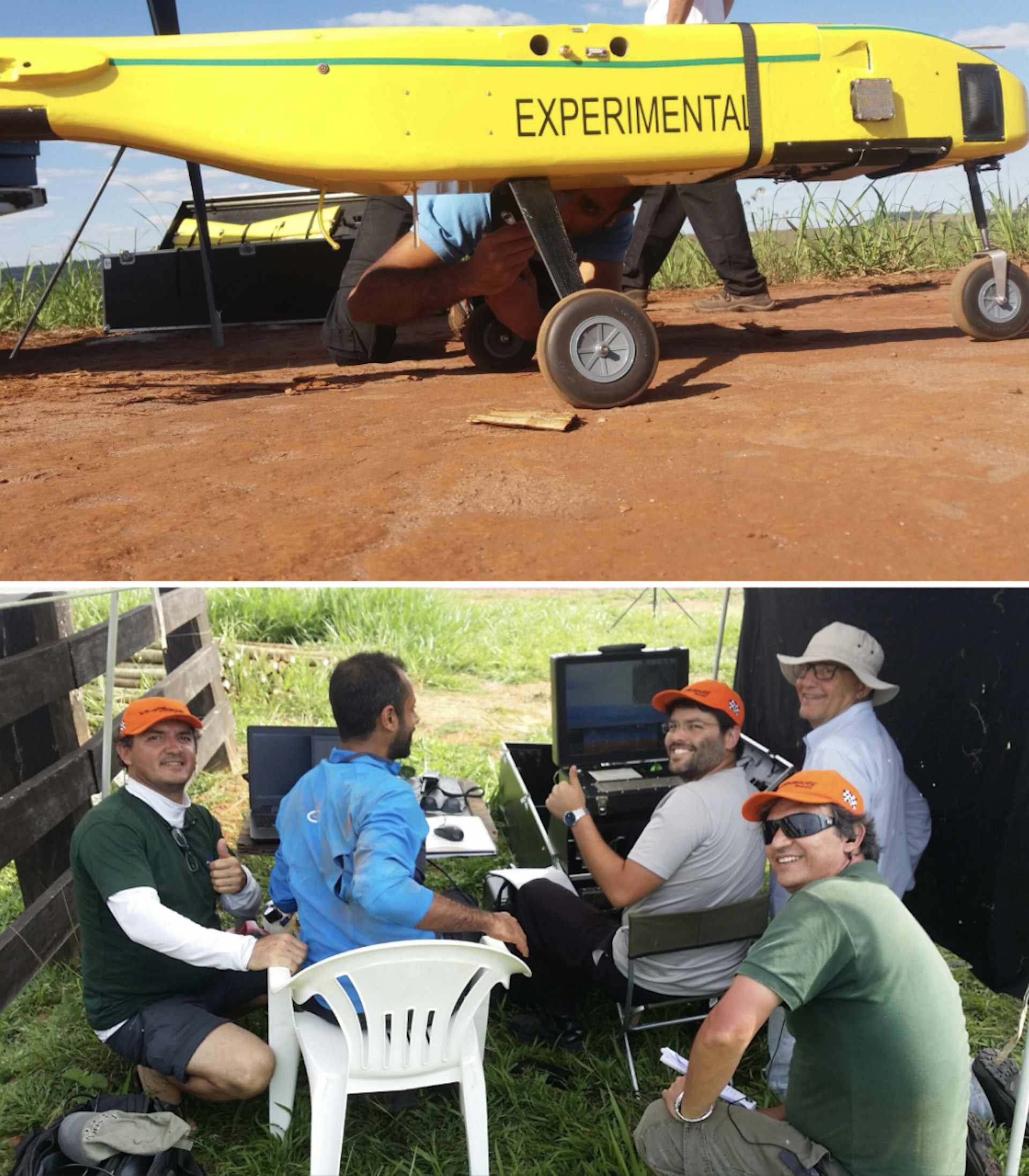
Lidar can perform beautifully one day and fail the next, depending on the equipment, weather, terrain, batteries, communications and the sheer difficulty of operating in remote Amazonian conditions.
लिडार एक दिन खूबसूरती से प्रदर्शन कर सकता है और अगले ही दिन विफल हो सकता है, यह उपकरण, मौसम, भूभाग, बैटरी, संचार और दूरदराज के अमेज़ोनियन वातावरण में काम करने की शुद्ध कठिनाई पर निर्भर करता है।
Flights must be carefully planned in remote areas with limited infrastructure, where convective clouds, smoke from fires, wind and even vultures riding thermals can disrupt data acquisition. You have to arrange fuel in advance and improvise landings wherever a safe clearing can be found. Here’s our team refuelling a lidar helicopter in the football field of a small village in Acre state, western Brazil:
सीमित बुनियादी ढांचे वाले दूरदराज के क्षेत्रों में उड़ानों की सावधानीपूर्वक योजना बनाना आवश्यक होता है, जहाँ संवहनी बादल (convective clouds) , आग का धुआँ, हवा और यहाँ तक कि ऊष्मा धाराओं पर उड़ते गिद्ध भी डेटा अधिग्रहण को बाधित कर सकते हैं। आपको पहले से ईंधन की व्यवस्था करनी होगी और जहाँ भी सुरक्षित खुला स्थान मिल सके, वहाँ लैंडिंग के लिए तात्कालिक उपाय करने होंगे। यह हमारी टीम है जो पश्चिमी ब्राज़ील के एक छोटे से गाँव के फुटबॉल मैदान में लिडार हेलीकॉप्टर को फिर से ईंधन दे रही है:
You also have to do constant troubleshooting with the technology, such as making sure it’s calibrated correctly and that the data from different flight paths all aligns. What appears in the final images as a seamless “removal” of the forest is, in reality, the product of improvisation, negotiation and persistence.
आपको तकनीक के साथ लगातार समस्या निवारण (troubleshooting) करना पड़ता है, जैसे सुनिश्चित करना कि इसे सही ढंग से कैलिब्रेट किया गया है और विभिन्न उड़ान पथों से प्राप्त डेटा सभी संरेखित होते हैं। जो अंतिम छवियों में जंगल का सहज “हटाव” दिखाई देता है, वह वास्तव में तात्कालिकता, बातचीत और दृढ़ता का उत्पाद होता है।
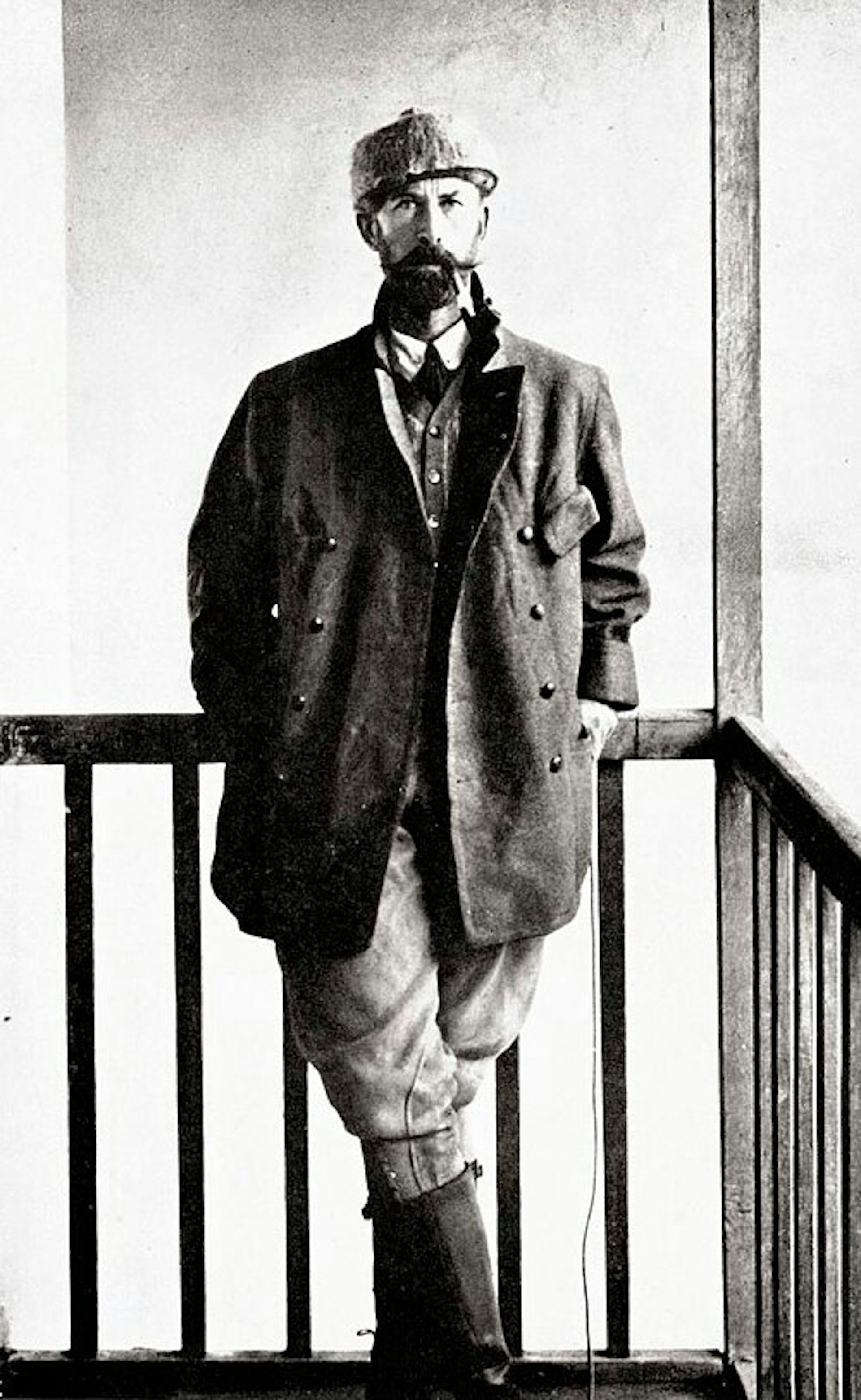
But given all these challenges, it makes the first successful images all the more powerful when they finally appear. The reward is that we’re finally finding the “lost civilisation” that explorers like Percy Fawcett were searching for a century ago, but by cajoling a drone rather than battering through jungle.
लेकिन इन सभी चुनौतियों को देखते हुए, जब पहली सफल छवियां आखिरकार दिखाई देती हैं तो वे और भी अधिक शक्तिशाली हो जाती हैं। इनाम यह है कि हम अंततः “खोई हुई सभ्यता” ढूंढ रहे हैं जिसे पर्सी फॉसेट जैसे खोजकर्ता सौ साल पहले खोज रहे थे, लेकिन जंगल में बलपूर्वक घुसने के बजाय एक ड्रोन को फुसलाकर।
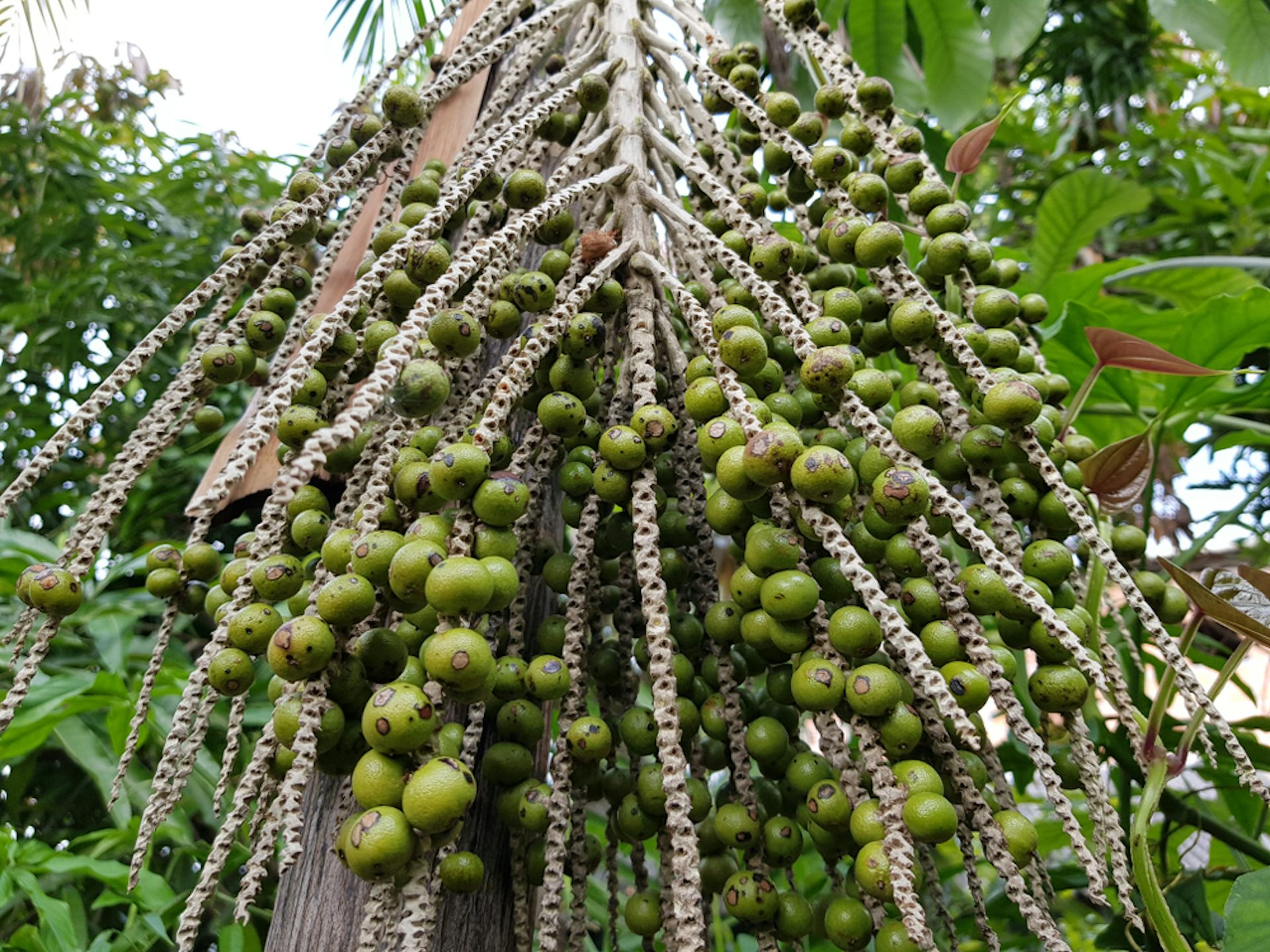
Incidentally, this technology also has important uses beyond archaeology. It can help people to locate and harvest crops like rubber or açaí palm fruits without having to clear so much rainforest. It is also used by pioneering projects such as Amazonia Revelada, which helps Indigenous and traditional people of the Amazon to prove their historic presence within an area to ward off modern commercial interests like loggers or farmers, while also protecting the living history and nature embedded in these landscapes.
संयोग से, इस तकनीक का पुरातत्व से परे भी महत्वपूर्ण उपयोग है। यह लोगों को रबर या असाई ताड़ के फलों जैसी फसलों का पता लगाने और उन्हें काटने में मदद कर सकती है बिना बहुत अधिक वर्षावन साफ किए। इसका उपयोग अमेज़ोनिया रेवेलाडा (Amazonia Revelada) जैसे अग्रणी प्रोजेक्ट्स द्वारा भी किया जाता है, जो स्वदेशी और पारंपरिक अमेज़ॅन लोगों को क्षेत्र के भीतर अपनी ऐतिहासिक उपस्थिति साबित करने में मदद करता है ताकि वे लॉगर्स या किसानों जैसे आधुनिक वाणिज्यिक हितों से बच सकें, साथ ही इन परिदृश्यों में निहित जीवित इतिहास और प्रकृति की रक्षा भी कर सके।
Other lidar discoveries
अन्य लिडार खोजें
Lidar surveys by French and Ecuadorian archaeologists have revealed that the Llanos de Moxos was certainly not the only example of large-scale, highly integrated society in Amazonia. The Upano Valley, which covers some 300-600km² on the mountainous forest of the Ecuadorian eastern flanks of the Andes, offers another striking example – this time from between about 500BC and AD600–700.
फ्रांसीसी और इक्वाडोरियन पुरातत्वविदों द्वारा किए गए लिडार सर्वेक्षणों से पता चला है कि लानोस डी मोक्सोस अमेज़ोनिया में बड़े पैमाने का, अत्यधिक एकीकृत समाज होने का एकमात्र उदाहरण निश्चित रूप से नहीं था। अपानो घाटी, जो एंडीज़ के इक्वाडोरियन पूर्वी किनारों के पहाड़ी जंगल पर लगभग ३००-६०० वर्ग किलोमीटर क्षेत्र में फैली हुई है, एक और उल्लेखनीय उदाहरण प्रस्तुत करती है – यह इस बार लगभग ५०० ईसा पूर्व और ६००–७०० ईस्वी के बीच का है।
Lidar discovery areas
लिडार खोज क्षेत्र
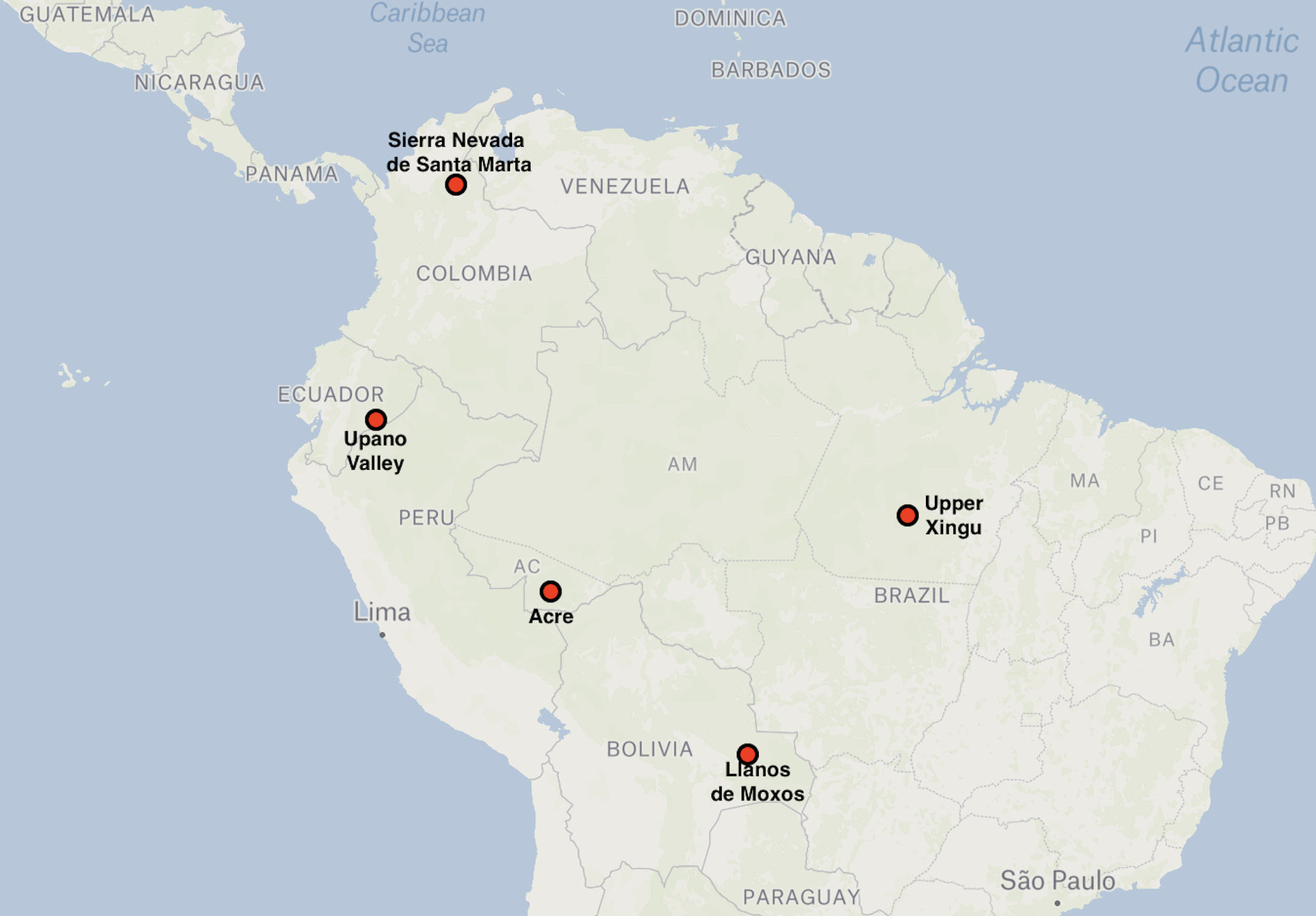
In Upano, archaeologists have been able to map a vast network of settlements connected by extensive road systems, with large platforms and clusters of buildings arranged in organised layouts across a broad area.
अपानो में, पुरातत्वविदों ने विस्तृत सड़क प्रणालियों से जुड़े बस्तियों के एक विशाल नेटवर्क का मानचित्रण करने में सफलता प्राप्त की है। इसमें बड़े मंच और इमारतों के समूह शामिल हैं जो एक व्यापक क्षेत्र में व्यवस्थित लेआउट में रखे गए हैं।
What stands out is not just the scale – thousands of structures – but the rigour of the planning. The settlements didn’t just grow randomly, but as part of a deliberate design: we see straight lines of flat-topped platforms laid out in repeating rows and connected by straight paths that cut cleanly across the landscape, as you can see below.
जो बात ध्यान खींचती है वह केवल पैमाना नहीं है – हज़ारों संरचनाएँ नहीं हैं – बल्कि नियोजन की सटीकता है। बस्तियाँ केवल बेतरतीब ढंग से विकसित नहीं हुईं, बल्कि एक सुनियोजित डिज़ाइन के हिस्से के रूप में थीं: हम समतल छत वाले प्लेटफार्मों की सीधी रेखाएँ देखते हैं जो दोहराई जाने वाली पंक्तियों में बिछे हुए हैं और सीधे रास्तों से जुड़े हुए हैं जो परिदृश्य को साफ-सुथरा काटते हैं, जैसा कि आप नीचे देख सकते हैं।
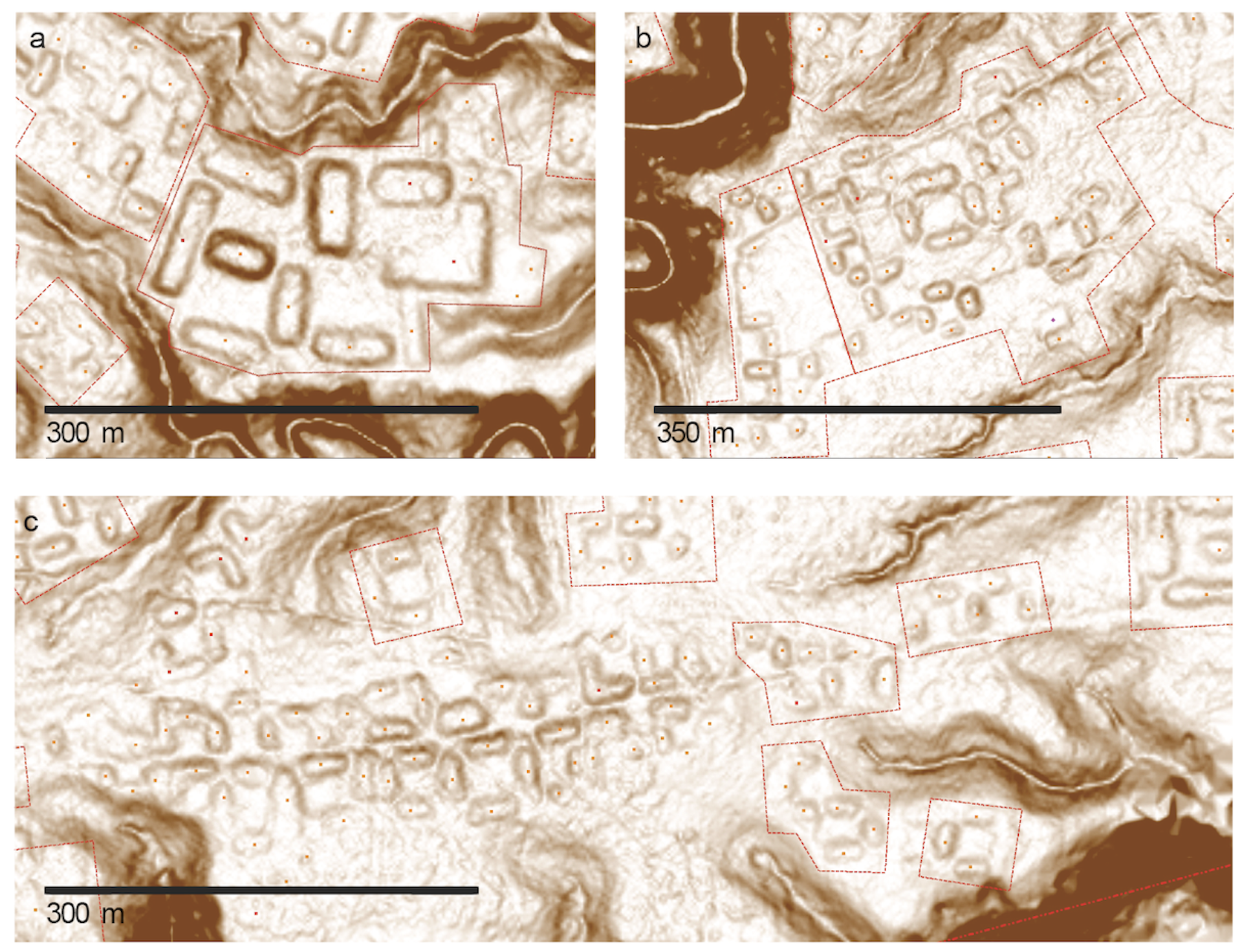
Again, this is not urbanism in the conventional sense of dense, continuous occupation. There would have been none of the vertical stacking of buildings that you’d get in European settlements, and there were also green spaces between platform complexes – much more like a forest city.
फिर से, यह सघन, निरंतर बसावट के पारंपरिक अर्थ में शहरीकरण नहीं है। यूरोपीय बस्तियों में मिलने वाली इमारतों का ऊर्ध्वाधर जमावड़ा यहाँ नहीं होगा, और प्लेटफॉर्म परिसरों के बीच हरित क्षेत्र भी थे – जो एक जंगल शहर जैसा अधिक था।
Like the Casarabe region, this is a distributed settlement pattern that is both open and highly structured, but the arrangement is much more compact. This reflects the limited flat space available on the upper terraces of the Upano River, which rise up to 100 metres above the surrounding landscape.
कैसारबे क्षेत्र की तरह, यह एक वितरित बस्ती पैटर्न है जो खुला और अत्यधिक संरचित दोनों है, लेकिन इसकी व्यवस्था कहीं अधिक सघन है। यह अपानो नदी की ऊपरी छतों पर उपलब्ध सीमित समतल जगह को दर्शाता है, जो आसपास के परिदृश्य से 100 मीटर तक ऊँचा उठती हैं।
Elsewhere in Amazonia, we see more variations. In the Upper Xingu of central Brazil, interconnected settlements were arranged around a shared ceremonial and road network, again suggesting a regionally coordinated social world.
अमेज़ोनिया के अन्य हिस्सों में, हमें अधिक विविधताएँ दिखाई देती हैं। मध्य ब्राजील के ऊपरी शिंगु में, आपस में जुड़ी बस्तियाँ एक साझा अनुष्ठानिक और सड़क नेटवर्क के चारों ओर व्यवस्थित थीं, जो फिर से एक क्षेत्रीय स्तर पर समन्वित सामाजिक दुनिया का सुझाव देती हैं।
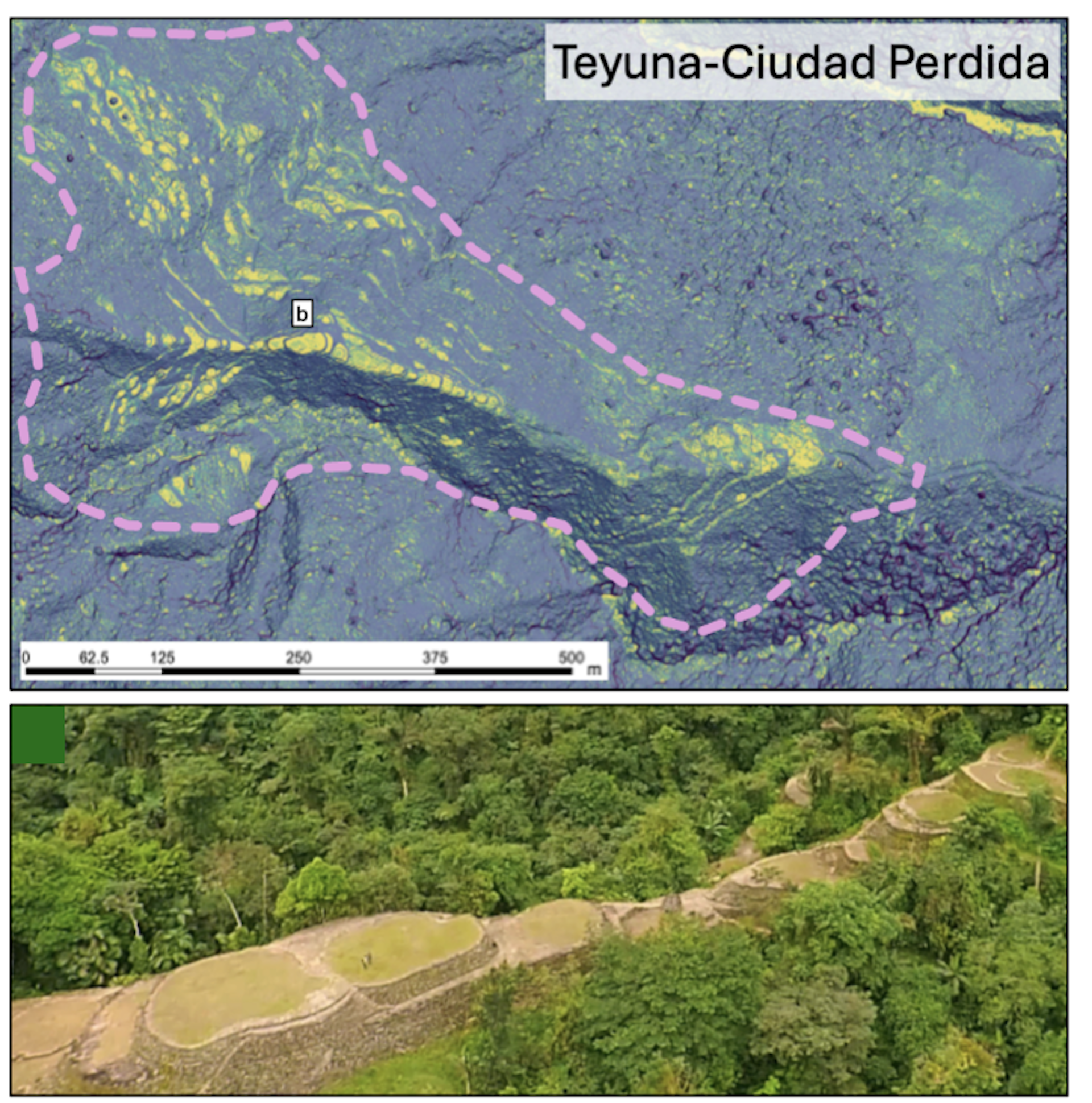
Further north, the Tairona people of the Sierra Nevada de Santa Marta in present-day Colombia built terraced stone towns in the mountains, linked by paved paths. This was a form of urbanism shaped entirely by the demands of steep, high-altitude terrain. Below is a lidar image of one area in this region, with the platforms that would have housed the settlements marked in yellow. Below that, you can see what the platforms look like.
वर्तमान कोलंबिया में स्थित सिएरा नेवाडा डी सांता मार्टा के ताइरोना लोगों ने पहाड़ों में सीढ़ीदार पत्थर के शहर बनाए, जो पक्की पगडंडियों से जुड़े थे। यह एक प्रकार का शहरीकरण था जो पूरी तरह से खड़ी और ऊँचाई वाले इलाके की माँगों से आकार लेता था। नीचे इस क्षेत्र के एक इलाके की लिडार छवि है, जिसमें बस्तियों को रखने वाले मंच पीले रंग में चिह्नित हैं। उसके नीचे आप देख सकते हैं कि वे मंच कैसे दिखते थे।
In western Amazonia, Acre adds another important variation. From around AD1–1000, people built large ditched enclosures, or geoglyphs, mainly in the south-eastern part of this region along the upper Purus River. These were square, circular, hexagonal or octagonal mounds, often 1-3 hectares in size, with ditches up to four metres deep. These were probably used as ceremonial gathering places rather than permanent settlements.
पश्चिमी अमेज़ोनिया में, एकड़ एक और महत्वपूर्ण भिन्नता जोड़ता है। लगभग ईसवी सन् 1-1000 तक, लोगों ने बड़े खाई वाले घेरे, या भू-चित्र (geoglyphs) , मुख्य रूप से इस क्षेत्र के दक्षिण-पूर्वी भाग में ऊपरी पुरस नदी के किनारे बनाए थे। ये चौकोर, गोलाकार, षट्कोणीय या अष्टकोणीय टीले थे, जो अक्सर 1-3 हेक्टेयर आकार के होते थे और जिनमें चार मीटर तक गहरी खाइयाँ होती थीं। इनका उपयोग शायद स्थायी बस्तियों के बजाय अनुष्ठानिक सभा स्थलों के रूप में किया जाता था।
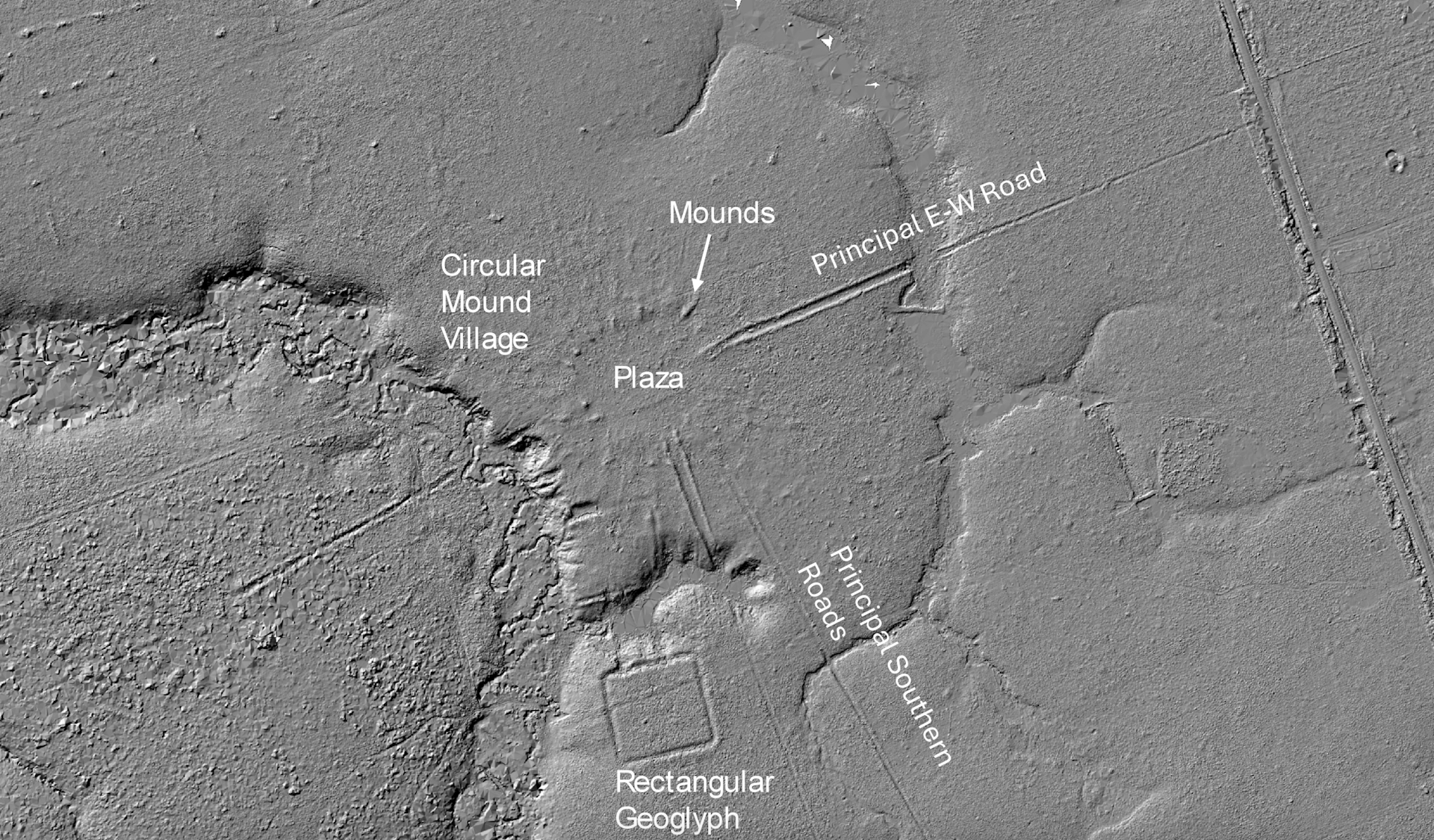
After about AD1000, these were followed by what we call circular mound villages, occupied until around AD 1650–1700. They featured rings of mounds around central plazas and straight roads radiating out like the rays of the Sun, often built to align with the four main compass points. These “Sun villages” were true settlements, and formed interconnected networks across the southern rim of Amazonia. You can see an example in the lidar image below.
लगभग ईसवी सन् 1000 के बाद, इनके बाद जिन्हें हम गोलाकार टीले वाले गाँव कहते हैं, वे आए, जो लगभग ईसवी सन् 1650–1700 तक बसे रहे। इनमें केंद्रीय चौराहों के चारों ओर टीलों की वलयें और सीधी सड़कें थीं जो सूर्य की किरणों की तरह फैली हुई थीं, जिन्हें अक्सर चार मुख्य दिशा बिंदुओं (compass points) के साथ संरेखित करने के लिए बनाया जाता था। ये “सूर्य गाँव” वास्तविक बस्तियाँ थीं, और इन्होंने अमेज़ोनिया की दक्षिणी सीमा पर आपस में जुड़े नेटवर्क बनाए। आप नीचे दिए गए लिडार चित्र में एक उदाहरण देख सकते हैं।
Taken together, these discoveries fundamentally reshape our understanding of Amazonia. We now see a mosaic of managed landscapes, engineered environments and, in some cases, city-scale societies. What unites them is not a shared blueprint but a shared impulse: the organisation of people, space and movement across large landscapes in ways that were deliberate, durable and distinctly their own.
एक साथ मिलकर, ये खोजें अमेज़ोनिया की हमारी समझ को मौलिक रूप से बदल देती हैं। अब हम प्रबंधित परिदृश्यों, इंजीनियर किए गए वातावरणों और कुछ मामलों में शहर-स्तर के समाजों का एक मिश्रण देखते हैं। जो उन्हें एकजुट करता है वह कोई साझा खाका नहीं है, बल्कि एक साझा प्रेरणा है: बड़े परिदृश्यों में लोगों, स्थान और आवाजाही का ऐसा संगठन करना जो जानबूझकर किया गया था, टिकाऊ था और स्पष्ट रूप से उनका अपना था।
To stress, Amazonia was not uniformly dense or urban. It supported a diversity of types of settlements, from dispersed networks like Moxos to tighter grids like Upano, each of them adapted to local ecological conditions. They shared a low-density urbanism, in the sense of large, interconnected populations without the density of classic cities.
ज़ोर देकर कहना है कि अमेज़ोनिया न तो समान रूप से घना था और न ही शहरी। इसने बस्तियों के प्रकारों की विविधता का समर्थन किया, जो मोक्सोस जैसे बिखरे हुए नेटवर्क से लेकर अपानो जैसे सघन ग्रिड तक थे; ये सभी स्थानीय पारिस्थितिक परिस्थितियों के अनुकूल थे। वे एक कम घनत्व वाले शहरीकरण को साझा करते थे, जिसका अर्थ था कि क्लासिक शहरों के घनत्व के बिना बड़े, आपस में जुड़े हुए जनसंख्या समूह मौजूद थे।
What we still don’t know
हम क्या अभी भी नहीं जानते
How were these societies organised politically and socially? How did they interact with variations in the climate and environment, ranging from the heavy rainfalls and droughts caused by El Niño to rivers forging new routes that could move them away from a settlement within a few generations?
इन समाजों का राजनीतिक और सामाजिक रूप से संगठन कैसे था? उन्होंने जलवायु और पर्यावरण में आए बदलावों के साथ कैसे तालमेल बिठाया, जिसमें एल नीनो के कारण होने वाली भारी वर्षा और सूखे से लेकर नदियाँ जो नए रास्ते बनाती थीं और कुछ पीढ़ियों के भीतर उन्हें बस्ती से दूर ले जा सकती थीं?
What, if any, connections existed with mountain societies in the Andes? And perhaps most importantly, since both the Casarabe and Upano ceased to build monuments after 1492, what led to their transformation or decline before the arrival of Europeans?
एंडिज में पहाड़ी समाजों के साथ क्या कोई संबंध था, यदि कोई था? और शायद सबसे महत्वपूर्ण बात यह है कि चूँकि कैसाराबे (Casarabe) और अपानो (Upano) दोनों ने 1492 के बाद स्मारक बनाना बंद कर दिया था, यूरोपीय लोगों के आगमन से पहले उनके परिवर्तन या पतन का कारण क्या था?
There is active debate between archaeologists over whether these societies transformed because of environmental stress, internal political change, or shifts in things like trade routes or migration.
पुरातत्वविदों के बीच इस बात पर सक्रिय बहस है कि क्या ये समाज पर्यावरणीय तनाव, आंतरिक राजनीतिक बदलाव, या व्यापार मार्गों या प्रवासन जैसी चीजों में बदलाव के कारण परिवर्तित हुए थे।
In the Llanos de Moxos, one possibility is that a prolonged period of climate change affected the Casarabe water-management systems that were so critical to feeding this thriving society. In the Upano Valley, volcanic eruptions and earthquakes may have disrupted settlements and agriculture, although it’s unclear whether that could have led to the area being abandoned.
एलानोस डी मोक्सोस (Llanos de Moxos) में, एक संभावना यह है कि जलवायु परिवर्तन की लंबी अवधि ने कैसाराबे जल-प्रबंधन प्रणालियों को प्रभावित किया था जो इस समृद्ध समाज के लिए बहुत महत्वपूर्ण थीं। अपानो घाटी (Upano Valley) में, ज्वालामुखी विस्फोट और भूकंपों ने बस्तियों और कृषि को बाधित किया होगा, हालांकि यह स्पष्ट नहीं है कि क्या इससे क्षेत्र वीरान हो गया होगा।
It seems likely that as we uncover new things, it will reveal more and more integration between different societies. What we are seeing now in Amazonia is much like looking at a satellite image of a country at night: bright, isolated clusters of light – cities that appear disconnected. But as we continue to expand our coverage and fill in the gaps, I think this will change.
ऐसा लगता है कि जैसे-जैसे हम नई चीजें उजागर करेंगे, यह विभिन्न समाजों के बीच अधिक से अधिक एकीकरण का खुलासा करेगा। अमेज़ोनिया में जो कुछ भी हम अभी देख रहे हैं वह रात में किसी देश की सैटेलाइट छवि देखने जैसा है: प्रकाश के चमकीले, अलग-थलग समूह – ऐसे शहर जो डिस्कनेक्ट दिखाई देते हैं। लेकिन जैसे ही हम अपनी कवरेज का विस्तार करना और अंतराल भरना जारी रखेंगे, मुझे लगता है कि यह बदल जाएगा।
What now appear as isolated clusters may also resolve into extensive networks. For example a study across the southern rim of Amazonia has predicted that the kinds of settlement mounds that have been identified so far are likely to occur across about 400,000km², supporting an estimated regional population of roughly 500,000 to 1 million people in the era before the Europeans arrived.
जो अभी अलग-थलग समूह प्रतीत होते हैं वे व्यापक नेटवर्क में भी घुलमिल सकते हैं। उदाहरण के लिए, अमेज़ोनिया की दक्षिणी सीमा पर एक अध्ययन ने भविष्यवाणी की है कि अब तक पहचाने गए बस्ती टीलों (settlement mounds) के प्रकार लगभग 400,000 वर्ग किमी में होने की संभावना है, जो यूरोपीय लोगों के आने से पहले के युग में अनुमानित क्षेत्रीय आबादी लगभग 5 लाख से 10 लाख लोगों का समर्थन करते हैं।
Entire regions may emerge as previously unrecognised centres of population and landscape management. This could be particularly so for the Llanos de Moxos. The whole area covers as much as 200,000km², depending on where you draw the boundaries, stretching into Brazil and even Peru. It is often divided into several apparently distinct cultural regions — the Casarabe (aka the monumental mound region) , and then two others called the platform ridge and zanjas (ditches) regions.
पूरे क्षेत्र पहले से अज्ञात जनसंख्या और परिदृश्य प्रबंधन केंद्र के रूप में उभर सकते हैं। यह विशेष रूप से लानोस डी मोक्सोस के लिए हो सकता है। पूरा क्षेत्र, सीमाओं को कहाँ खींचा जाता है, इसके आधार पर, 200,000 वर्ग किमी तक फैला हुआ है, जो ब्राजील और यहाँ तक कि पेरू में भी फैला हुआ है। इसे अक्सर कई स्पष्ट रूप से अलग सांस्कृतिक क्षेत्रों में विभाजित किया गया है — कैसाराबे (या स्मारक टीला क्षेत्र) , और फिर प्लेटफ़ॉर्म रिज और ज़ानजास (खाइयाँ) नामक दो अन्य क्षेत्र।
As lidar coverage expands and more archaeological work is conducted, we may begin to understand how these societies were economically specialised. We know, for example, that the fortified villages of the zanjas region had fish weirs spanning hundreds of miles that were capable of capturing vast quantities of migratory fish. The platform ridge region consisted of large drained fields, which could potentially produce surpluses of maize. It is conceivable that these belonged to a broader network that supported the more complex Casarabe centres.
जैसे-जैसे लिडार कवरेज का विस्तार होता है और अधिक पुरातात्विक कार्य किया जाता है, हम यह समझना शुरू कर सकते हैं कि ये समाज आर्थिक रूप से कैसे विशिष्ट थे। हम जानते हैं, उदाहरण के लिए, कि ज़ानजास क्षेत्र के किलेबंद गाँवों में मछली के वेअर (fish weirs) थे जो सैकड़ों मील तक फैले हुए थे और बड़ी मात्रा में प्रवासी मछली को पकड़ने में सक्षम थे। प्लेटफ़ॉर्म रिज क्षेत्र बड़े निकास किए गए खेत थे, जो संभावित रूप से मक्का का अधिशेष पैदा कर सकते थे। यह कल्पना करना संभव है कि ये एक व्यापक नेटवर्क से संबंधित थे जो अधिक जटिल कैसाराबे केंद्रों का समर्थन करते थे।
Or perhaps – who knows – the relationships were more fluid and reciprocal. For now, the question remains open. But it is precisely this possibility of deep regional integration that lidar is beginning to bring into view. In time, we may even begin to identify Casarabe outposts scattered across the Llanos de Moxos.
या शायद – कौन जानता है – संबंध अधिक तरल और पारस्परिक थे। फिलहाल, प्रश्न खुला है। लेकिन यह ठीक यही संभावना है कि गहरा क्षेत्रीय एकीकरण लिडार दृश्य में लाना शुरू कर रहा है। समय के साथ, हम लानोस डी मोक्सोस में बिखरे हुए कैसाराबे आउटपोस्ट की पहचान भी करना शुरू कर सकते हैं।
What happens next
आगे क्या होता है
There’s still a huge amount to be done with lidar. Vast areas, particularly in the Ecuadorian and Peruvian Amazon – remain unexplored. One recent study suggested that there could be more than 10,000 more urban structures of the kind I’ve been describing still hidden throughout Amazonia, all of them dating from pre-European times.
लिडार के साथ अभी भी बहुत काम किया जाना बाकी है। विशाल क्षेत्र, विशेष रूप से इक्वाडोर और पेरू के अमेज़ॅन में, अछूते बने हुए हैं। एक हालिया अध्ययन ने सुझाव दिया कि जिस तरह की मैं वर्णन कर रहा हूँ, ऐसी 10,000 से अधिक शहरी संरचनाएं अभी भी पूरे अमेज़ोनिया में छिपी हो सकती हैं, ये सभी पूर्व-यूरोपीय काल की हैं।
Looking ahead 20 years, it is likely that our map of Amazonia will look very different. One promising technology is satellite-based lidar systems, which could provide broader, though less detailed, datasets across large areas. Advances in machine learning are also beginning to help us identify archaeological features within massive datasets, speeding up a labour-intensive process.
आने वाले 20 वर्षों में, यह संभावना है कि अमेज़ोनिया का हमारा नक्शा बहुत अलग दिखेगा। एक आशाजनक तकनीक उपग्रह-आधारित लिडार सिस्टम हैं, जो बड़े क्षेत्रों में व्यापक, हालांकि कम विस्तृत, डेटासेट प्रदान कर सकते हैं। मशीन लर्निंग में प्रगति भी विशाल डेटासेट के भीतर पुरातात्विक विशेषताओं की पहचान करने में हमारी मदद करना शुरू कर रही है, जिससे एक श्रमसाध्य प्रक्रिया तेज हो जाएगी।
Against this, there are time pressures in some places. Llanos de Moxos, for instance, is unfortunately in rapid transition. The very ground that holds the traces of ancient networks is being transformed by mechanised agriculture and large-scale terraforming for rice cultivation and pastures.
इसके विपरीत, कुछ स्थानों पर समय का दबाव है। उदाहरण के लिए, लानोस डी मोक्सोस दुर्भाग्य से तीव्र परिवर्तन से गुज़र रहा है। वह ज़मीन जो प्राचीन नेटवर्क के निशान रखती है, मशीनीकृत कृषि और चावल की खेती तथा चरागाहों के लिए बड़े पैमाने पर भू-निर्माण (टेराफॉर्मिंग) द्वारा बदल दी जा रही है।
We also need to keep reminding ourselves that lidar is only the first step. What really matters is how it’s brought together with other lines of evidence. Most sites discovered by lidar have yet to be excavated, so we’ll have to do much of that, looking for everything from bones and plants to ceramics and weapons.
हमें खुद को यह याद दिलाते रहना होगा कि लिडार केवल पहला कदम है। जो वास्तव में मायने रखता है वह यह है कि इसे अन्य साक्ष्य की पंक्तियों के साथ कैसे जोड़ा जाता है। लिडार द्वारा खोजे गए अधिकांश स्थलों को अभी तक खोदा नहीं गया है, इसलिए हमें बहुत कुछ करना होगा, जिसमें हड्डियों और पौधों से लेकर सिरेमिक्स और हथियारों तक सब कुछ देखना शामिल है।
So far, most excavation has been in the Casarabe area of the Llanos de Moxos. The reason, for instance, that we know the culture lived primarily on maize was through the discovery of over 60 human skeletons, which underwent carbon isotope analysis. The same research paper also analysed excavated duck bones to show that the Casarabe were feeding them maize too, suggesting animal domestication in a continent that was not generally known for it.
अब तक, अधिकांश उत्खनन लानोस डी मोक्सोस के कासाराबे क्षेत्र में हुआ है। उदाहरण के लिए, यह जानना कि संस्कृति मुख्य रूप से मक्के पर जीवित थी, 60 से अधिक मानव कंकालों की खोज के माध्यम से संभव हुआ, जिन पर कार्बन आइसोटोप विश्लेषण किया गया था। उसी शोध पत्र में उत्खनित बत्तख की हड्डियों का भी विश्लेषण किया गया ताकि यह दिखाया जा सके कि कासाराबे उन्हें मक्का खिला रहे थे, जो एक ऐसे महाद्वीप पर पशु पालतूकरण का सुझाव देता है जिसके लिए सामान्य रूप से यह ज्ञात नहीं था।
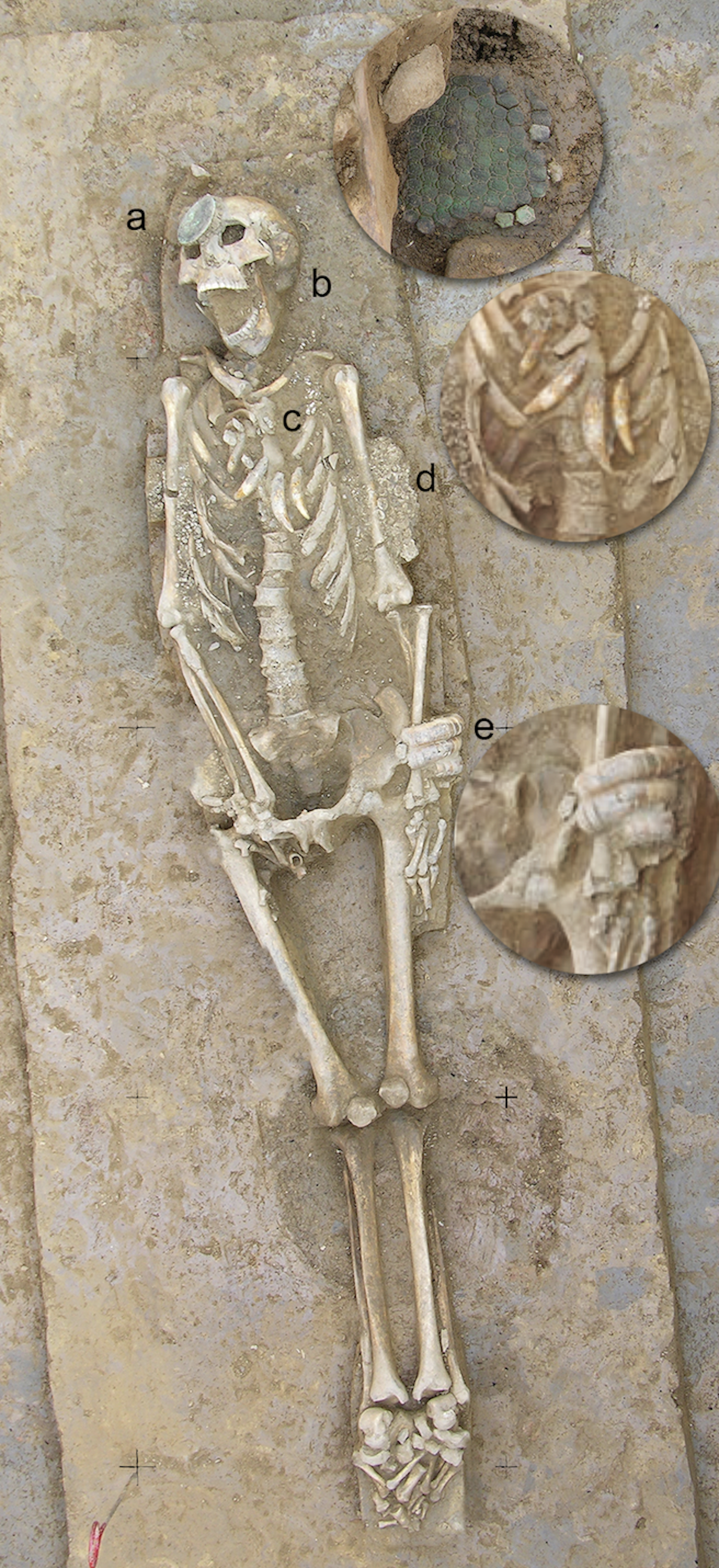
Another fascinating Casarabe find is a single buried skeleton who may have been a leader, because he had a collar of jaguar teeth around his neck. He was also wearing ear pieces made of armadillo shell, studded with mottled blue stones called sodalite – it’s not clear what these were for.
कासाराबे से मिली एक और आकर्षक खोज एक एकल दफन कंकाल है जो शायद एक नेता रहा होगा, क्योंकि उसके गले में जगुआर के दाँतों का हार था। वह आर्माडिलो के खोल से बने कान के टुकड़े भी पहने हुए था, जिसमें सोडालाइट नामक धब्बेदार नीले पत्थर जड़े थे – यह स्पष्ट नहीं है कि ये किसलिए थे।
We’ll also need to obtain more precise dates for key events using techniques like radiocarbon dating, and more pinpoint accurate environmental data to help support theories about ancient changes to the climate – as opposed to the wider regional information we’ve tended to rely on until now. Lake sediments are great environmental archives, preserving evidence of things like vegetation change and landscape disturbance.
हमें महत्वपूर्ण घटनाओं के लिए रेडियोकार्बन डेटिंग जैसी तकनीकों का उपयोग करके अधिक सटीक तिथियाँ प्राप्त करने की भी आवश्यकता होगी, और जलवायु में प्राचीन परिवर्तनों से संबंधित सिद्धांतों का समर्थन करने में मदद करने के लिए अत्यधिक सटीक पर्यावरणीय डेटा की भी आवश्यकता होगी – न कि उस व्यापक क्षेत्रीय जानकारी पर जिस पर हम अब तक निर्भर रहे हैं। झील के तलछट उत्कृष्ट पर्यावरणीय अभिलेखागार होते हैं, जो वनस्पति परिवर्तन और भूदृश्य की गड़बड़ी जैसी चीज़ों के प्रमाण को संरक्षित करते हैं।
Also important is comparing genetic data from excavated bones with people who live in these areas today – in dialogue and collaboration with local communities whose histories, memories and knowledge are essential to understanding these landscapes.
यह भी महत्वपूर्ण है कि उत्खनित हड्डियों से प्राप्त आनुवंशिक डेटा की तुलना आज इन क्षेत्रों में रहने वाले लोगों के साथ की जाए – स्थानीय समुदायों के संवाद और सहयोग में जिनकी इतिहास, स्मृतियाँ और ज्ञान इन परिदृश्यों को समझने के लिए आवश्यक हैं।
It’s all a question of how lidar is brought together with all this other evidence. The most convincing reconstructions will come from the convergence of all of these. One further major challenge ahead, however, will be to bridge the gap between scientific reconstructions and how past peoples understood and inhabited their world. Archaeology is increasingly rich in data, but we have to relate it to lived experience.
यह सब इस बात पर निर्भर करता है कि लिडार को अन्य सभी साक्ष्यों के साथ कैसे जोड़ा जाता है। सबसे विश्वसनीय पुनर्निर्माण इन सभी के अभिसरण से आएंगे। हालांकि, आगे एक और बड़ी चुनौती वैज्ञानिक पुनर्निर्माणों और उस तरीके के बीच की खाई को पाटना होगी जिससे अतीत के लोगों ने अपनी दुनिया को समझा और उसमें निवास किया। पुरातत्व डेटा में तेजी से समृद्ध हो रहा है, लेकिन हमें इसे जीवन के अनुभव से जोड़ना होगा।
That is no easy feat, but it is essential if we are to move from mapping past worlds to understanding them. Crucially, Amazonia – with its rich, still-vibrant Indigenous societies and ethnographic record – offers an exceptional opportunity to do this, providing rare continuities through which to anchor and critically engage our interpretations of the past.
यह कोई आसान उपलब्धि नहीं है, लेकिन यदि हमें अतीत की दुनियाओं का केवल मानचित्रण करने से आगे बढ़कर उन्हें समझने की दिशा में बढ़ना है, तो यह आवश्यक है। महत्वपूर्ण रूप से, अमेज़ोनिया – अपने समृद्ध, अभी भी जीवंत स्वदेशी समाजों और नृवंशविज्ञान रिकॉर्ड के साथ – ऐसा करने का एक असाधारण अवसर प्रदान करता है, जो अतीत की हमारी व्याख्याओं को आधार देने और आलोचनात्मक रूप से संलग्न होने के लिए दुर्लभ निरंतरताएँ उपलब्ध कराता है।
Lessons for today
आज के लिए सबक
My own sense is that we will move towards a view of Amazonia not as an exception, in line with the old view that the people lived within an untouched paradise, but as part of a broader pattern of human-environment interaction. The rainforest will be understood not only as a biological system, but as a historical one – shaped, in part, by the people who lived within it.
मेरा अपना विचार है कि हम अमेज़ोनिया को एक अपवाद के रूप में नहीं, बल्कि मानव-पर्यावरण संपर्क के व्यापक पैटर्न के हिस्से के रूप में देखने की ओर बढ़ेंगे, जैसा कि पुराने दृष्टिकोण में था कि लोग एक अछूते स्वर्ग में रहते थे। वर्षावन को न केवल एक जैविक प्रणाली के रूप में समझा जाएगा, बल्कि एक ऐतिहासिक प्रणाली के रूप में भी – आंशिक रूप से उन लोगों द्वारा आकार दिया गया जो इसमें रहते थे।
This does not mean the Amazonian people who simply lived “in harmony” with nature; the evidence points to something more interesting. Although Amazonian societies developed complex, and at times intensive, forms of land use, the evidence consistently shows that they often did so while maintaining continuous forest cover. Far from the large-scale deforestation that we might assume was necessary for such elaborate forms of human life, their practices created mosaics of managed forest, gardens, orchards, wetlands and settlement areas.
इसका मतलब यह नहीं है कि अमेज़ोनियन लोग प्रकृति के साथ बस “सामंजस्य” में रहते थे; सबूत कुछ अधिक दिलचस्प की ओर इशारा करते हैं। हालांकि अमेज़ोनियन समाजों ने भूमि उपयोग के जटिल, और कभी-कभी गहन रूप विकसित किए, लेकिन साक्ष्य लगातार दिखाते हैं कि उन्होंने अक्सर निरंतर वन आवरण बनाए रखते हुए ऐसा किया। मानव जीवन के इतने विस्तृत रूपों के लिए आवश्यक माने जाने वाले बड़े पैमाने पर वनों की कटाई से कोसों दूर, उनके अभ्यासों ने प्रबंधित वन, बगीचों, बागानों, वेटलैंड और बस्ती क्षेत्रों का मोज़ेक बनाया।
We know partly from lake sediment data that people enriched the forests with species that provided food, building materials, medicines and other resources, from açaí and cacao to palms, cinchona and copaiba. The fact that some of these species endure today suggests that past land use left lasting ecological legacies.
हम झील तलछट डेटा से आंशिक रूप से जानते हैं कि लोगों ने जंगलों को प्रजातियों से समृद्ध किया जो भोजन, निर्माण सामग्री, दवाइयाँ और अन्य संसाधन प्रदान करती थीं, जैसे अकाज़ी और कोको से लेकर ताड़ के पेड़, सिनकोना और कोपाइबा तक। यह तथ्य कि आज भी कुछ प्रजातियाँ जीवित हैं, बताता है कि पिछले भूमि उपयोग ने स्थायी पारिस्थितिक विरासतें छोड़ी हैं।
In the context of today’s climate crisis, the long-term balance that these people achieved offers a powerful lesson: it is possible to sustain complex societies without destroying the forest, if land use is guided by principles that integrate ecological knowledge, cultural values and a commitment to the continuity of the living landscape.
आज के जलवायु संकट के संदर्भ में, इन लोगों द्वारा प्राप्त दीर्घकालिक संतुलन एक शक्तिशाली सबक प्रदान करता है: यह संभव है कि पारिस्थितिक ज्ञान, सांस्कृतिक मूल्यों और जीवित परिदृश्य की निरंतरता के प्रति प्रतिबद्धता द्वारा निर्देशित भूमि उपयोग के बिना जटिल समाजों को बनाए रखा जाए।
What lies beneath the Amazon is not just a hidden past. It is a reminder that even the most seemingly untouched landscapes can carry deep histories, waiting – sometimes just beneath our feet – to be revealed.
अमेज़ोन के नीचे जो कुछ है वह केवल एक छिपा हुआ अतीत नहीं है। यह एक अनुस्मारक है कि सबसे प्रतीत होने वाले अछूते भूदृश्य भी गहरे इतिहास ले जा सकते हैं, जो कभी-कभी बस हमारे पैरों के नीचे इंतजार कर रहे होते हैं, प्रकट होने के लिए।
This article features references to books that have been included for editorial reasons, and may contain links to bookshop.org. If you click on one of the links and go on to buy something from bookshop.org The Conversation UK may earn a commission.
इस लेख में पुस्तकों का संदर्भ दिया गया है जिन्हें संपादकीय कारणों से शामिल किया गया है, और इसमें bookshop.org के लिंक हो सकते हैं। यदि आप किसी एक लिंक पर क्लिक करते हैं और bookshop.org से कुछ खरीदना शुरू करते हैं तो The Conversation UK को कमीशन मिल सकता है।
For you: more from our Insights series:
आपके लिए: हमारी इनसाइट्स सीरीज़ से अधिक::
Underground data fortresses: the nuclear bunkers, mines and mountains being transformed to protect our ‘new gold’ from attack
भूमिगत डेटा किले: परमाणु बंकर, खदानें और पहाड़ जो हमारे ‘नए सोने’ की रक्षा के लिए रूपांतरित हो रहे हैं
‘People think you come out … and live happily ever after. If only.’ The reality of life after wrongful conviction
‘लोग सोचते हैं कि आप बाहर निकलेंगे… और हमेशा खुशी-खुशी रहेंगे। काश।’ गलत दोषसिद्धि के बाद जीवन की वास्तविकता
The grief myth: it doesn’t come in stages or follow a checklist – like love, it endures
दुःख का मिथक: यह चरणों में नहीं आता या चेकलिस्ट का पालन नहीं करता – प्यार की तरह, यह बना रहता है
Inside Porton Down: what I learned during three years at the UK’s most secretive chemical weapons laboratory
पोर्टन डाउन के अंदर: यूके की सबसे गुप्त रासायनिक हथियार प्रयोगशाला में तीन साल बिताने के दौरान मैंने क्या सीखा
To hear about new Insights articles, join the hundreds of thousands of people who value The Conversation’s evidence-based news. Subscribe to our newsletter.
नए इनसाइट्स लेखों के बारे में जानने के लिए, उन हजारों लोगों से जुड़ें जो The Conversation की साक्ष्य-आधारित खबरों को महत्व देते हैं। हमारे न्यूज़लेटर की सदस्यता लें।
José Iriarte receives funding from the European Research Council, the Arts and Humanities Research Council, the British Academy, National Geographic and the Wenner-Gren Foundation for Anthropological Research.
जोसे इरियारटे को यूरोपीय रिसर्च काउंसिल, आर्ट्स एंड ह्यूमैनिटीज़ रिसर्च काउंसिल, द ब्रिटिश एकेडमी, नेशनल ज्योग्राफिक और वेनर-ग्रेन फाउंडेशन फॉर एन्थ्रोपोलॉजिकल रिसर्च से फंडिंग मिलती है।
Read more
-
विश्व कप: मेस्सी जैसे बाएं पैर वाले खिलाड़ी फुटबॉल में इतने मूल्यवान क्यों होते हैं?
World Cup: why are left-footers like Messi so valuable in soccer?
-
द बैकरूम्स: कैसे एक किशोर की डरावनी यूट्यूब सीरीज़ साल की सबसे प्रतीक्षित हॉरर बनी
The Backrooms: how a teenager’s creepy YouTube series became the year’s most anticipated horror