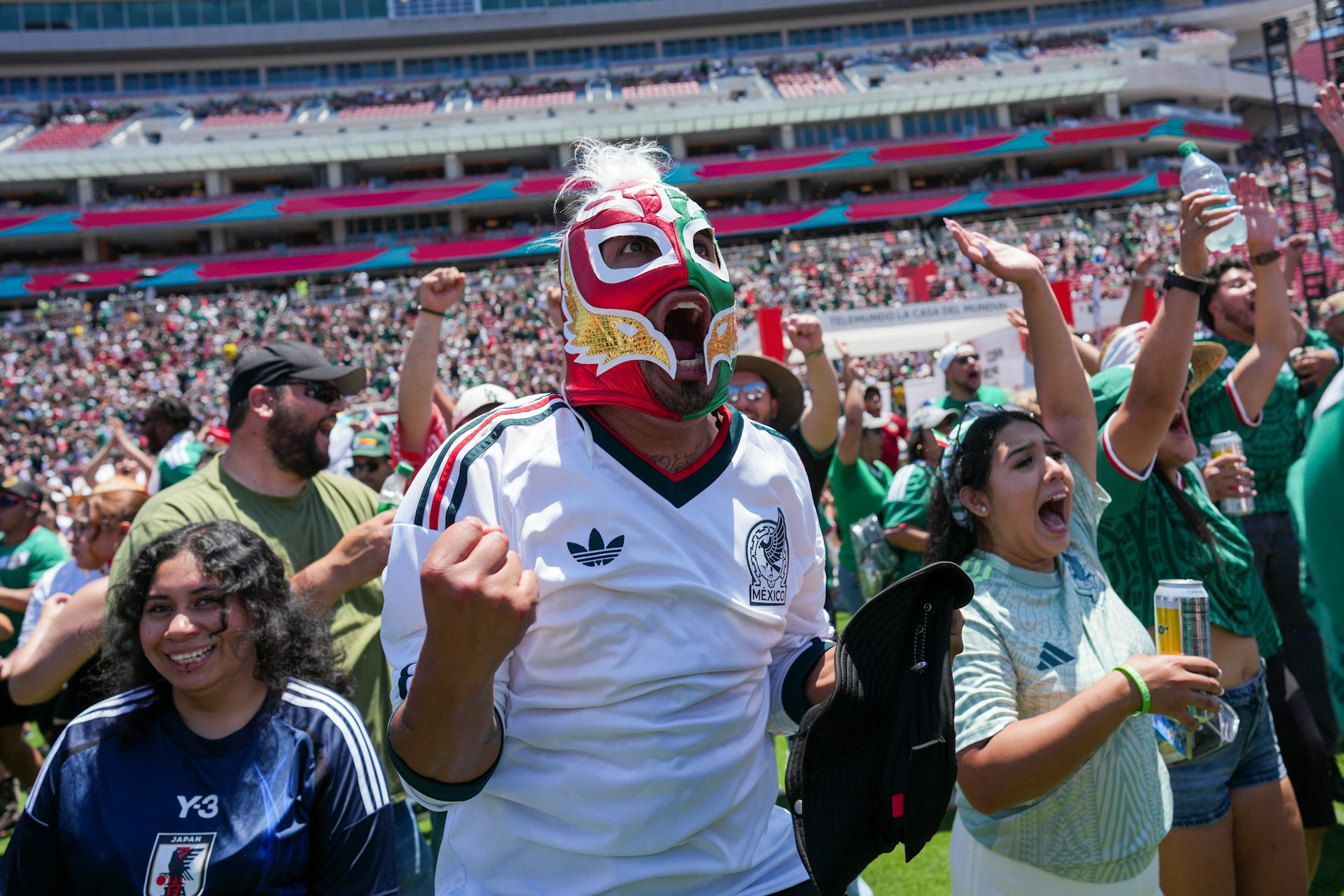
لماذا يتم السخرية من هتافات كأس العالم الأمريكية – وما الذي يجعل الهتاف رائعاً؟
Why the US World Cup chants are being mocked – and what makes a great one
From the cringey ‘U-S-A!’ to the iconic ‘You’ll Never Walk Alone’, the battle for soccer’s top prize starts in the stands.
من هتاف “U-S-A!” المحرج إلى الهتاف الأيقوني “You’ll Never Walk Alone”، تبدأ المعركة على الجائزة الكبرى لكرة القدم في المدرجات.
As the 2026 FIFA World Cup arrives in Canada, Mexico and the United States, one contest has already begun online: the fight over who sounds like a “real” soccer fan.
مع اقتراب كأس العالم لكرة القدم 2026 في كندا والمكسيك والولايات المتحدة، بدأت منافسة بالفعل عبر الإنترنت: وهي الصراع حول من يبدو وكأنه مشجع كرة قدم “حقيقي.”
Fans in the US have been mocked on social media for chants such as “I believe that we will win” and “U-S-A! U-S-A!”
لقد تعرض المشجعون في الولايات المتحدة للسخرية على وسائل التواصل الاجتماعي بسبب هتافات مثل “أعتقد أننا سنفوز” و “يو-إس-إيه! يو-إس-إيه!.”
To some, they sound joyful. To others, especially those raised on older soccer traditions, they sound awkward, rehearsed or painfully unoriginal.
بالنسبة للبعض، تبدو هذه الهتافات مبهجة. وبالنسبة للآخرين، وخاصة أولئك الذين نشأوا على تقاليد كرة القدم القديمة، فإنها تبدو محرجة أو مُتدَرَّبة أو تفتقر إلى الأصالة بشكل مؤلم.
But this debate is about much more than whether one chant is better than another. Sports chants are cultural passports. They teach people how to belong – who counts as an insider – and whose version of soccer is “legitimate”.
لكن هذا النقاش يتجاوز بكثير مجرد تحديد ما إذا كان هتاف معين أفضل من آخر. إن الهتافات الرياضية هي جوازات سفر ثقافية. فهي تُعلِّم الناس كيفية الانتماء – ومن يُعتبر داخلياً – وما هو الإصدار “الشرعي” لكرة القدم.
Chants are older than TikTok
الأغاني الهتافية أقدم من تيك توك
Soccer fans have been shouting, singing and chanting for well over a century. Early records of soccer cries and songs date back to the 1880s, while some club songs still used today emerged in the 1890s.
لطالما كان مشجعو كرة القدم يصرخون ويغنون ويهتفون لأكثر من قرن. وتعود السجلات المبكرة لغناء وهتافات كرة القدم إلى حقبة الثمانينيات من القرن التاسع عشر، بينما ظهرت بعض الأغاني الخاصة بالأندية التي لا تزال تُستخدم حتى اليوم في التسعينيات.
By the 1960s, modern soccer chanting had become deeply tied to terrace culture, the supporter culture that grew from the sport’s standing sections. Fans borrowed tunes from pop music, hymns, folk songs and local jokes, then rewrote them for players, rival clubs and match-day drama.
بحلول الستينيات، أصبح الهتاف الحديث لكرة القدم مرتبطًا بعمق بثقافة المدرجات، وهي ثقافة المشجعين التي نشأت من المقاعد الواقفة في الملعب. استعار المشجعون الألحان من موسيقى البوب والتراتيل والأغاني الشعبية والنكات المحلية، ثم أعادوا كتابتها لتناسب اللاعبين والأندية المنافسة ودراما يوم المباراة.
This is why the best chants often feel half familiar and half new. The tune may come from somewhere else, but the words belong to the crowd.
لهذا السبب غالبًا ما تبدو أفضل الهتافات مألوفة جزئيًا وجديدة جزئيًا. قد يأتي اللحن من مكان آخر، لكن الكلمات تنتمي إلى الجمهور.
Team Brazil Chant
هتاف فريق البرازيل
So what makes a good chant?
ما الذي يجعل الهتاف جيداً؟
While there are numerous factors that contribute to the success of a soccer chant, a great chant will usually have five key ingredients.
على الرغم من وجود عوامل عديدة تساهم في نجاح هتافات كرة القدم، إلا أن الهتاف العظيم عادة ما يحتوي على خمسة مكونات أساسية.
It is simple. People must be able to learn it in seconds.
إنه بسيط. يجب أن يكون الناس قادرين على تعلمه في ثوانٍ.
It is repeatable. It needs to survive noise, nerves, bad singing and thousands of people joining at slightly different times.
قابل للتكرار. يجب أن يصمد أمام الضوضاء والأعصاب والغناء السيئ وآلاف الأشخاص الذين ينضمون في أوقات مختلفة قليلاً.
It is shared. A chant only works when it stops being owned by one person and becomes the crowd’s voice.
مشترك. لا ينجح الهتاف إلا عندما يتوقف عن كونه ملكاً لشخص واحد ويصبح صوت الحشد.
It is emotionally timed. It needs to land after a goal, during a tense defensive stand, when a rival is rattled, or when hope is fading.
مُزمن عاطفياً. يجب أن يصل بعد هدف، أو أثناء وقفة دفاعية متوترة، أو عندما يشعر المنافس بالاضطراب، أو عندما تتلاشى الآمال.
It is tied to identity. It says “this is who we are, this is where we are from, and this is who we are not”.
مرتبط بالهوية. يقول: “هذه هويتنا، ومن أين أتينا، ولمن لسنا.”
Think of Iceland’s “thunderclap” at Euro 2016. It was not lyrically complex. Its power came from timing, rhythm and unity.
فكر في “الرعد” الأيسلندي في يورو 2016. لم يكن معقداً من الناحية الغنائية. جاءت قوته من التوقيت والإيقاع والوحدة.
Then there’s “Will Grigg’s on fire”, which took a dance track and used it to turn a squad player into a tournament folk hero.
ثم هناك “ويل غريغ المشتعل”، الذي أخذ مقطوعة رقص واستخدمها لتحويل لاعب فريق إلى بطل شعبي للبطولة.
Liverpool’s “You’ll Never Walk Alone”, which derives from 1963 song by Gerry and the Pacemakers, works less as a chant and more as a shared emotional ritual.
أما أغنية ليفربول “لن تمشي وحيداً” (You’ll Never Walk Alone) ، التي تعود لأغنية عام 1963 للفنان جيري وذا باك ميكرز، فتنجح كطقس عاطفي مشترك أكثر من كونها هتافاً.
Great chants are not always beautiful. Many are blunt, funny, silly or rude. But they usually feel like they have come from the crowd – not been handed to the crowd.
الهتافات العظيمة ليست دائماً جميلة. فالعديد منها صريحة أو مضحكة أو سخيفة أو وقحة. لكنها عادة ما تبدو وكأنها أتت من الحشد – ولم تُمنح إليهم.
Critics are calling US chants “cringe”, arguing that they tend to rely on simplistic American sports cheers recycled from other sports instead of authentic soccer traditions.
ينتقد المعلقون الهتافات الأمريكية واصفين إياها بأنها “محرجة” (cringe) ، ويجادلون بأنها تميل إلى الاعتماد على هتافات رياضية أمريكية مبسطة ومُعاد تدويرها من رياضات أخرى بدلاً من التقاليد الكروية الأصيلة.
European and South American fans in particular have said the US chants show a lack of depth, originality and creativity, and sound more like corporate promotions than passionate rally cries.
وقد قال المشجعون الأوروبيون وأمريكا الجنوبية على وجه الخصوص إن الهتافات الأمريكية تُظهر نقصاً في العمق والأصالة والإبداع، وتبدو أقرب إلى العروض الترويجية للشركات منها إلى صيحات الحشد الشغوفة.
Chants turn spectators into participants
تُحوّل الهتافات المتفرجين إلى مشاركين
Chanting can become the mechanism that moves individuals from the role of a passive observer to a collective “off-field team”.
يمكن أن يصبح الهتاف الآلية التي تنقل الأفراد من دور المراقب السلبي إلى ما يمكن تسميته بـ “الفريق خارج الملعب” الجماعي.
Research has shown crowd behaviour can influence team performance by either boosting motivation through support, or undermining it through pressure, anxiety and distraction.
أظهر البحث أن سلوك الحشود يمكن أن يؤثر على أداء الفريق إما عن طريق تعزيز الدافعية عبر الدعم، أو تقويضها عبر الضغط والقلق والتشتيت.
Team US chant
هتاف فريق الولايات المتحدة
By chanting non-stop throughout the match, a collective fan base can narrate the game, further contributing to the “us against them” mentality that defines the stadium experience.
من خلال الهتاف دون توقف طوال المباراة، يمكن لقاعدة جماهيرية جماعية أن تروي أحداث اللعبة، مما يساهم بشكل أكبر في عقلية “نحن ضد هم” التي تحدد تجربة الملعب.
Loud crowd chants and cheers can also bias referee decision-making by acting as an auditory cue.
يمكن أيضاً لهتافات وهتاجات الحشود الصاخبة أن تحيز قرارات الحكم من خلال العمل بمثابة إشارة سمعية.
A 2002 study found referees who watched game play footage with audible crowd noise were less confident in their judgements, and called 15.5% fewer fouls against the home team compared to those who watched in silence.
وجدت دراسة أجريت عام 2002 أن الحكام الذين شاهدوا لقطات اللعب مع ضوضاء حشد مسموعة كانوا أقل ثقة في أحكامهم، وأشاروا على عدد أقل بنسبة 15.5% من الأخطاء ضد الفريق المضيف مقارنة بمن شاهدوا في صمت.
The line between banter and harm
الخط الفاصل بين المزاح والأذى
Soccer chants also have a darker side.
لأغاني المشجعين في كرة القدم جانب أكثر قتامة أيضاً.
Because they mark “us” and “them”, they can slide from humour into racism, homophobia, misogyny or tragedy abuse, where rival fans mock deaths, disasters or traumatic events connected to another club or community.
لأنها تحدد من هو “نحن” ومن هم “هم”، يمكن أن تنزلق من مجرد الدعابة إلى العنصرية، أو كراهية المثلية الجنسية، أو كراهية المرأة، أو الإساءة المأساوية، حيث يسخر المشجعون المنافسون من الوفيات أو الكوارث أو الأحداث المؤلمة المرتبطة بنادٍ آخر أو جماعة أخرى.
FIFA and other soccer authorities have repeatedly punished federations and clubs over discriminatory chants.
لقد عاقبت الفيفا والسلطات الأخرى لكرة القدم مراراً وتكراراً الاتحادات والأندية بسبب الهتافات التمييزية.
A prominent example is a long-running homophobic chant associated with some Mexico fans. Once dismissed by some as banter, it has brought repeated FIFA sanctions and stadium restrictions.
مثال بارز هو هتاف كراهية المثلية الجنسية المستمر المرتبط ببعض مشجعي المكسيك. فبعد أن تجاهله البعض ووصفوه بأنه مجرد مزاح، فقد أدى إلى عقوبات متكررة من الفيفا وقيود على الملاعب.
This matters because chanting is never just background noise. It tells us what a fan base is willing to celebrate, tolerate or challenge.
هذا الأمر مهم لأن الهتافات ليست أبداً مجرد ضوضاء خلفية. إنها تخبرنا بما يرحب به المشجعون أو يتسامحون معه أو يتحدونه.
The best soccer cultures are not the ones with the loudest fans. They are the ones where fans create atmosphere without making other people feel unsafe.
إن أفضل الثقافات الكروية ليست تلك التي لديها أكثر المشجعين صخباً. بل هي تلك التي يخلق فيها المشجعون الأجواء دون أن يجعلوا الآخرين يشعرون بعدم الأمان.
Melbourne Victory chant
هتاف ميلبورن فيكتوري
A lesson for World Cup fans
درس لمشجعي كأس العالم
So, should US fans throw out “I believe that we will win”?
إذًا، هل يجب على مشجعي الولايات المتحدة التخلص من عبارة “أعتقد أننا سنفوز”؟
Not necessarily. Every soccer culture starts somewhere. A chant that sounds awkward today can become meaningful if people attach memories and emotions to it.
ليس بالضرورة. كل ثقافة كرة قدم تبدأ من مكان ما. الهتاف الذي يبدو غريبًا اليوم يمكن أن يصبح ذا مغزى إذا ربط الناس به الذكريات والمشاعر.
But the online mockery does point to something real. The strongest chants do not just declare support. They reveal a story. They carry place, humour, history and timing.
لكن السخرية عبر الإنترنت تشير إلى شيء حقيقي. أقوى الهتافات لا تكتفي بإعلان الدعم فحسب. بل تكشف عن قصة. إنها تحمل المكان، والفكاهة، والتاريخ، والتوقيت.
That is the challenge for every nation at this World Cup. Not just to copy the sound of other soccer cultures, but to create one.
هذا هو التحدي الذي يواجه كل أمة في كأس العالم هذه. ليس مجرد تقليد صوت الثقافات الكروية الأخرى، بل خلق ثقافة خاصة بها.
The chant that lasts will not be the most polished. It will be the one that thousands of people make their own.
الهتاف الذي يدوم لن يكون الأكثر صقلاً. بل سيكون الهتاف الذي يصنعه الآلاف بأنفسهم.
The authors do not work for, consult, own shares in or receive funding from any company or organisation that would benefit from this article, and have disclosed no relevant affiliations beyond their academic appointment.
لا يعمل المؤلفون أو يستشيرون أو يملكون حصصًا في أي شركة أو منظمة ولا يتلقون تمويلاً منها يمكن أن يستفيد من هذا المقال، ولم يفصحوا عن أي انتماءات ذات صلة تتجاوز تعيينهم الأكاديمي.
Read more
-
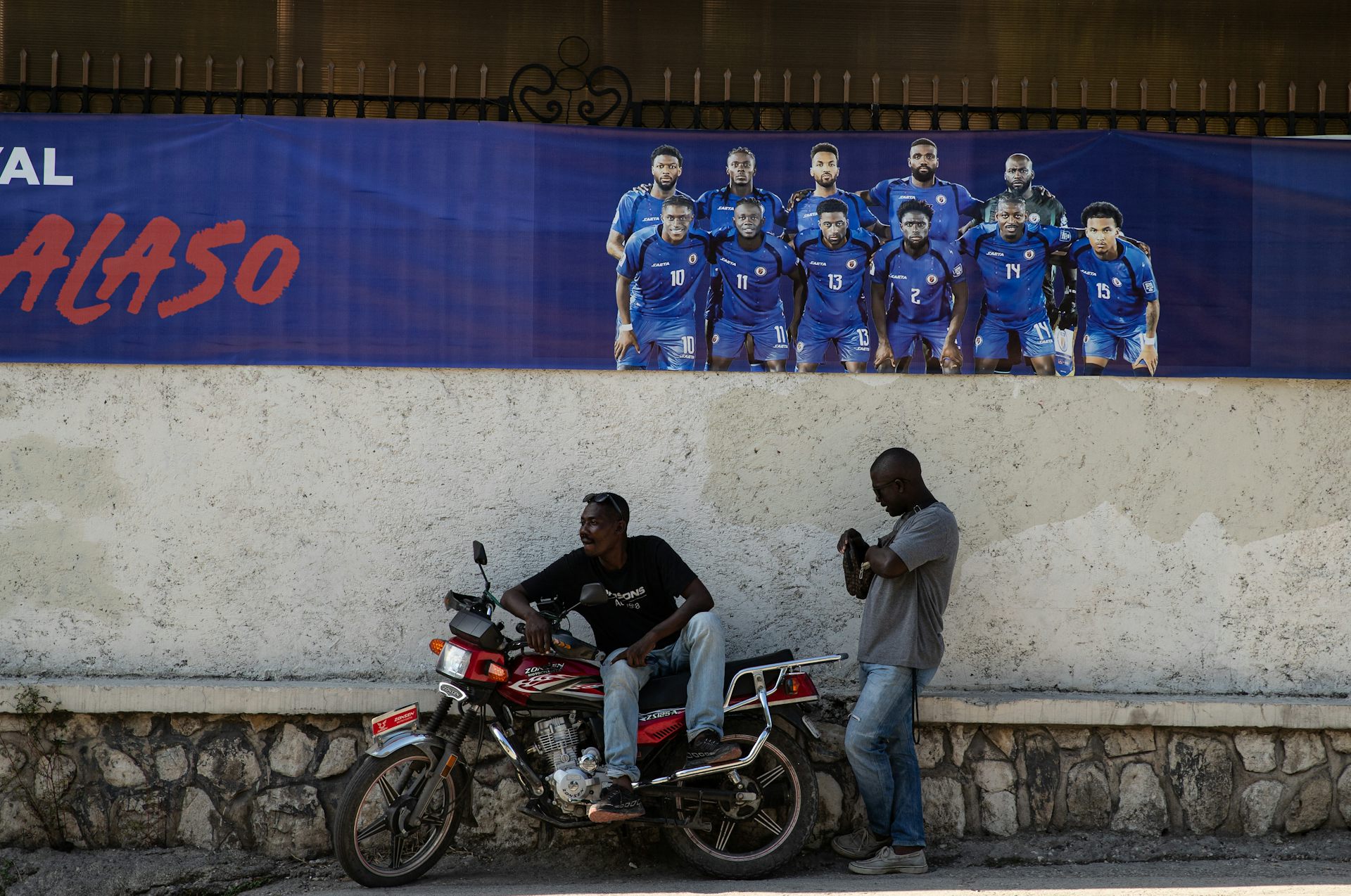
إن مشاركة هايتي في كأس العالم هي أكثر من مجرد قصة فريق غير مرجح؛ إنها قصة الهجرة العالمية.
Haiti at the World Cup is more than an underdog tale – it is the story of global migration
-

وعدت البيولوجيا التركيبية بإعادة كتابة الحياة – فبعد وفاة رائدها، ج. كريج فينتر، إلى أي مدى وصل العلماء؟
Synthetic biology promised to rewrite life – with the death of its pioneer, J. Craig Venter, how close are scientists?