إن مشاركة هايتي في كأس العالم هي أكثر من مجرد قصة فريق غير مرجح؛ إنها قصة الهجرة العالمية.
Haiti at the World Cup is more than an underdog tale – it is the story of global migration
For the first time since 1974, the Haitian men’s team has qualified for the World Cup. This is their story.
لأول مرة منذ عام 1974، تأهل المنتخب الهايتي للرجال إلى كأس العالم. هذه هي قصتهم.
When Haiti’s soccer team lines up against Scotland on June 13, 2026, its players will be representing the Caribbean nation at a World Cup for the first time since 1974. They will also embody the complexities and possibilities of Haiti and its diaspora.
عندما يواجه فريق كرة القدم الهايتية اسكتلندا في 13 يونيو 2026، سيُمثل لاعبوه الأمة الكاريبية في كأس العالم لأول مرة منذ عام 1974. كما سيمثلون تعقيدات وإمكانيات هايتي وشتاتها.
Of the 26 players selected for the squad, only 10 were born in Haiti. And just one, Woodensky Pierre, plays for a Haitian club. Twelve were born in France of Haitian parents, one in Canada, one in Switzerland and two in the United States.
من بين الـ 26 لاعبًا الذين تم اختيارهم للتشكيلة، ولد عشرة فقط في هايتي. ولا يلعب لنادي هايتي سوى واحد هو وودينسكي بيير. وولد اثنا عشر في فرنسا لوالدين هايتيين، وواحد في كندا، وواحد في سويسرا، واثنان في الولايات المتحدة.
The team is both a symbol of national pride and a condensation of battles Haitians have long fought for dignity and self-determination. Soccer commentator Nico Cantor captured this powerfully when he effused about the deep meaning of Haiti’s qualification for the World Cup on Nov. 18, 2025, exactly 222 years after revolutionary leader Jean‑Jacques Dessalines fought a famous battle against the French on the way to independence. “Their national team has given Haiti something to be proud of,” Cantor said. “It is historic for many reasons.”
الفريق هو رمز للفخر الوطني وتكثيف للمعارك التي حارب الهايتيون طويلاً من أجل الكرامة وتقرير المصير. وقد لخص هذا المعلق الرياضي نيكو كانتور بقوة عندما تحدث عن المعنى العميق لتأهل هايتي لكأس العالم في 18 نوفمبر 2025، أي بعد 222 عامًا بالضبط من معركة خاضها الزعيم الثوري جان جاك دسالين ضد الفرنسيين في طريق الاستقلال. وقال كانتور: “لقد منح فريقهم الوطني هايتي شيئاً تفتخر به.” وأضاف: “إنه أمر تاريخي لأسباب عديدة.”
Imagined communities and 11 named players
مجتمعات متخيلة و11 لاعبًا مُسمَّى
During the World Cup, individual actions can catapult a player to the status of national icon or never-forgotten villain. But we also see teams either connect and pull together or fragment and fall apart. It can become a powerful metaphor for the fate of nations themselves, resonating with a broader human experience.
خلال كأس العالم، يمكن للأفعال الفردية أن تقذف باللاعب إلى مكانة الأيقونة الوطنية أو الشرير الذي لا يُنسى. ولكننا نرى أيضًا الفرق إما تتكاتف وتتحد أو تتفتت وتتفكك. وقد يصبح ذلك استعارة قوية لمصير الأمم نفسها، مرددةً صدى تجربة إنسانية أوسع.
How does this dynamic shift when a team, like Haiti, consists of players whose personal stories are ones of migration to another country, but who have chosen to represent the nations of their parents in international competition?
كيف يتغير هذا التحول الديناميكي عندما يتكون فريق، مثل هايتي، من لاعبين قصصهم الشخصية تدور حول الهجرة إلى بلد آخر، لكنهم اختاروا تمثيل دول آبائهم في المنافسات الدولية؟
Haiti is not alone. Since 2004, FIFA has allowed players who have played for the national team of one country to switch to another if they do so before their 21st birthday. In 2020, the rules were further loosened so that players can change in some contexts after that age.
هاييتي ليست وحدها. فمنذ عام 2004، سمحت الفيفا للاعبين الذين لعبوا لمنتخب دولة ما بالتحول إلى منتخب آخر إذا فعلوا ذلك قبل بلوغ سن الحادية والعشرين. وفي عام 2020، تم تخفيف القواعد أكثر بحيث يمكن للاعبين التغيير في سياقات معينة بعد هذا العمر.
Haitians at the World Cup
هايتيان في كأس العالم
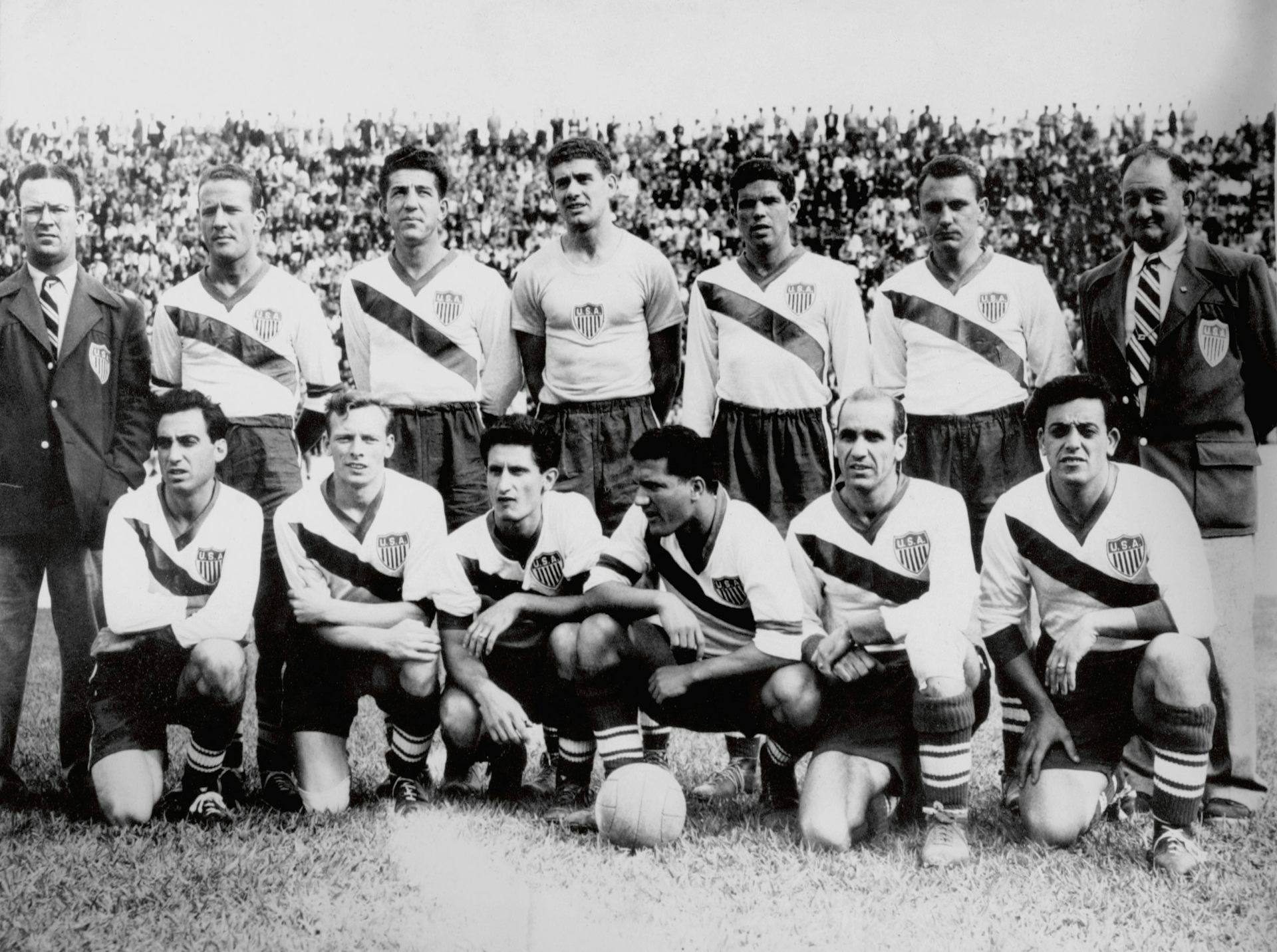
The broader history of Haitians at the World Cup has long been shaped by diasporic movement. At the 1950 World Cup, when a scrappy U.S. team composed mostly of immigrants famously defeated England 1-0, it was a Haitian man, Joe Gaetjens, who scored the crucial goal.
لطالما تشكّل التاريخ الأوسع لحضور الهايتيين في كأس العالم بفعل الحركة الشتاتية. ففي كأس العالم عام 1950، عندما هزم فريق أمريكي متواضع يتكون معظم أعضائه من المهاجرين إنجلترا بنتيجة 1-0، سجل لاعب هايتي، جو غاتجينز (Joe Gaetjens) ، الهدف الحاسم.
Decades later, Jozy Altidore, a child of Haitian immigrants, played in every game for the U.S. during its 2010 World Cup run.
بعد عقود، شارك جوزي ألتيدور (Jozy Altidore) ، ابن مهاجر هايتي، في كل مباراة لفريق الولايات المتحدة خلال مشاركتهم في كأس العالم 2010.
Until now, Haiti’s national teams have appeared in only two World Cups. Most recently, the country’s team qualified for the 2023 Women’s World Cup, overcoming many obstacles in the process. Like the men’s team in this year’s competition, the women could not train or play games at home in Haiti. But playing for Haiti helped their star player, Melchie Durmonay, begin a professional career in France, where she plays for the leading team, Olympique de Lyon, and is considered one of the best players in global women’s soccer.
حتى الآن، ظهر المنتخب الوطني لهايتي في نسختين فقط من كأس العالم. ومؤخراً، تأهلت بعثة البلاد إلى كأس العالم للسيدات 2023، متجاوزة العديد من العقبات في هذه العملية. وعلى غرار فريق الرجال في منافسات هذا العام، لم تتمكن السيدات من التدريب أو لعب المباريات في الوطن بهايتي. لكن اللعب باسم هايتي ساعدت نجمتهن، ميلشي دورموناي (Melchie Durmonay) ، على بدء مسيرة مهنية في فرنسا، حيث تلعب لفريق ليون أوبليمبيك (Olympique de Lyon) الرائد، وتُعتبر واحدة من أفضل اللاعبات في كرة القدم النسائية العالمية.
The men’s team has previously competed only in the 1974 tournament. On that occasion a team made up of players who had all been born in Haiti shocked an Italy team famed for its impregnable defense. Early in the second half, Haiti’s Emmanuel Sanon broke away to catch a masterful pass downfield, dribbled expertly around an Italian defender and powered the ball into the goal.
شارك فريق الرجال سابقاً فقط في بطولة عام 1974. وفي تلك المناسبة، صدم فريق مكون من لاعبين ولدوا جميعهم في هايتي فريق إيطاليا المشهور بدفاعه المنيع. ففي وقت مبكر من الشوط الثاني، انطلق إيمانويل سانون (Emmanuel Sanon) من هايتي ليقبض تمريرة بارعة إلى عمق الملعب، ومَرّر ببراعة حول مدافع إيطالي ووجه الكرة بقوة نحو المرمى.
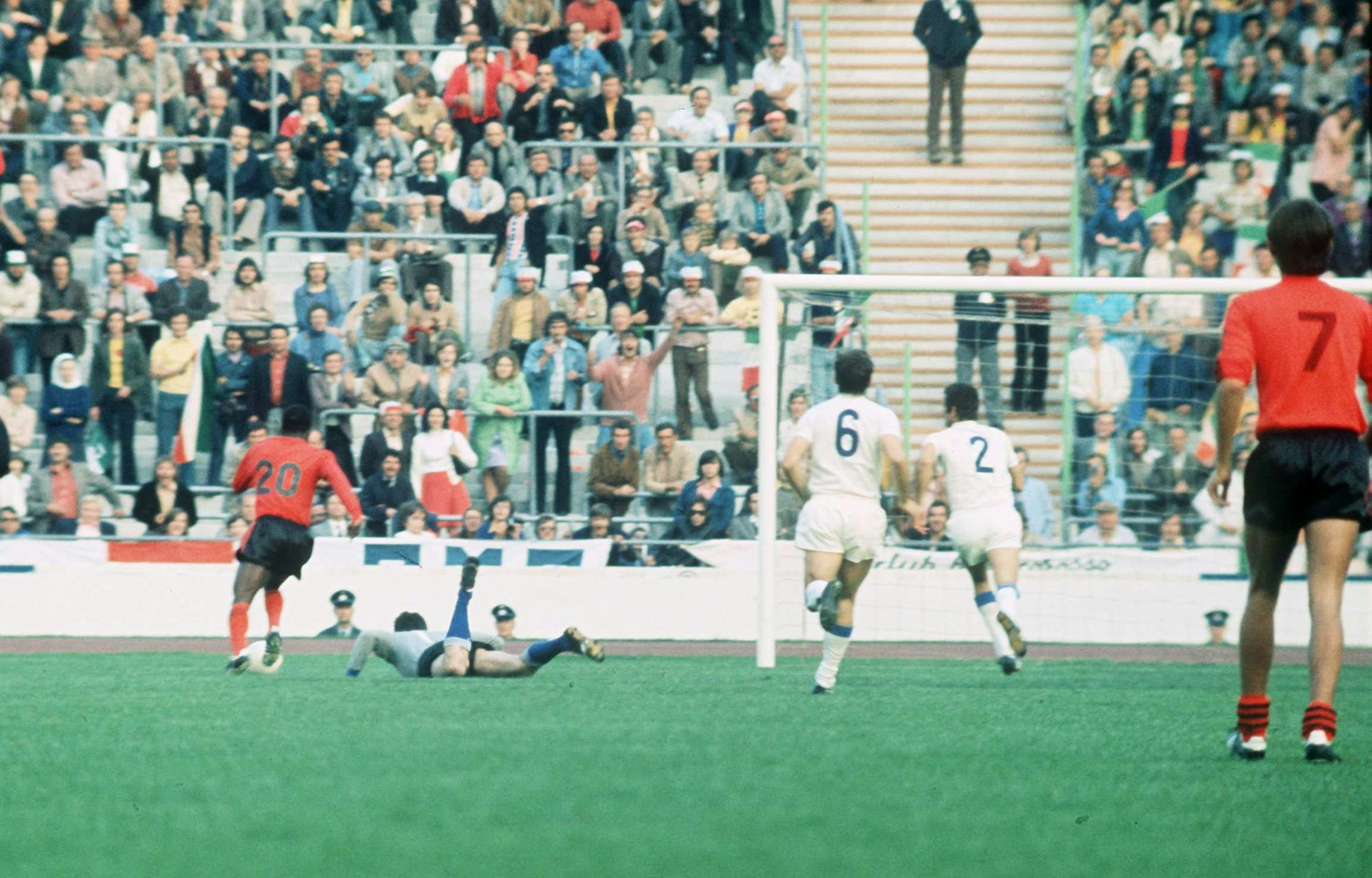
It remains the most celebrated goal in Haitian football. And although Haiti lost that game 3-1, Sanon became a national hero. He went on to a professional career in Florida in the 1980s and later managed the Haitian national team.
ويظل هذا الهدف هو أكثر الأهداف احتفالاً في تاريخ كرة القدم الهايتية. وعلى الرغم من خسارة هايتي لتلك المباراة بنتيجة 3-1، أصبح سانون بطلاً قومياً. وقد أكمل مسيرته المهنية في فلوريدا في الثمانينيات، وفي وقت لاحق تولى تدريب المنتخب الوطني الهايتي.
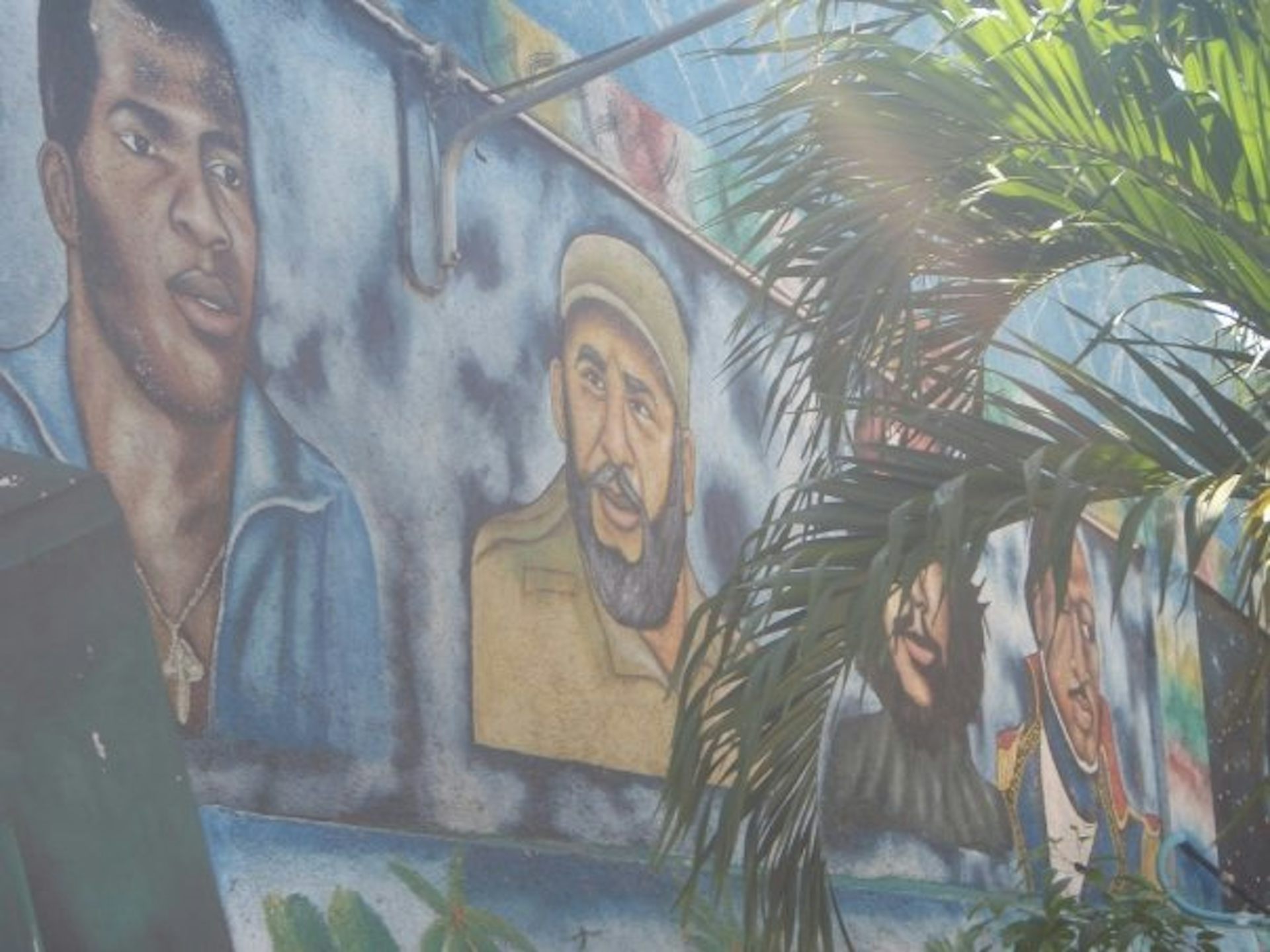
When he died in Orlando in 2008, he was buried and received a state funeral in Haiti. A soccer park is named after him in Miami’s Little Haiti in recognition of his place in the country’s history.
عند وفاته في أورلاندو عام 2008، دُفن وأقيم له جنازة رسمية في هايتي. وتمت تسمية حديقة كرة قدم باسمه في حي ليتل هايتي بميامي اعترافاً بمكانته في تاريخ البلاد.
A diaspora on the pitch
الشتات في الملعب
The life histories brought together for the 2026 tournament capture the broader story of Haitian migration, but they also illustrate the different kinds of opportunities young athletes have in different countries.
تجسد القصص الحياتية التي جُمعت لبطولة عام 2026 القصة الأوسع للهجرة الهايتية، ولكنها أيضاً توضح أنواع الفرص المختلفة المتاحة للرياضيين الشباب في بلدان مختلفة.
Some of Haiti’s players, like Hannes Delcroix, have had access to the most elite and well-resourced structures in global soccer. He was born in the Artibonite Valley in Haiti but as a child moved with his parents to Belgium. There, he trained at the youth academy of the Belgium professional team Anderlecht and also played on Belgium’s international youth teams. He now plays professionally in Switzerland.
لقد أتيحت لبعض لاعبي هايتي، مثل هانز ديلكروكس، الفرصة للوصول إلى أكثر الهياكل نخبوية وتجهيزاً في كرة القدم العالمية. وُلد في وادي آرتيبونيت في هايتي، لكنه انتقل مع والديه عندما كان طفلاً إلى بلجيكا. وهناك، تدرب في أكاديمية الشباب للفريق البلجيكي المحترف أنديرليخت، ولعب أيضاً مع المنتخبات الوطنية الشابة لبلجيكا. وهو يلعب الآن بشكل احترافي في سويسرا.
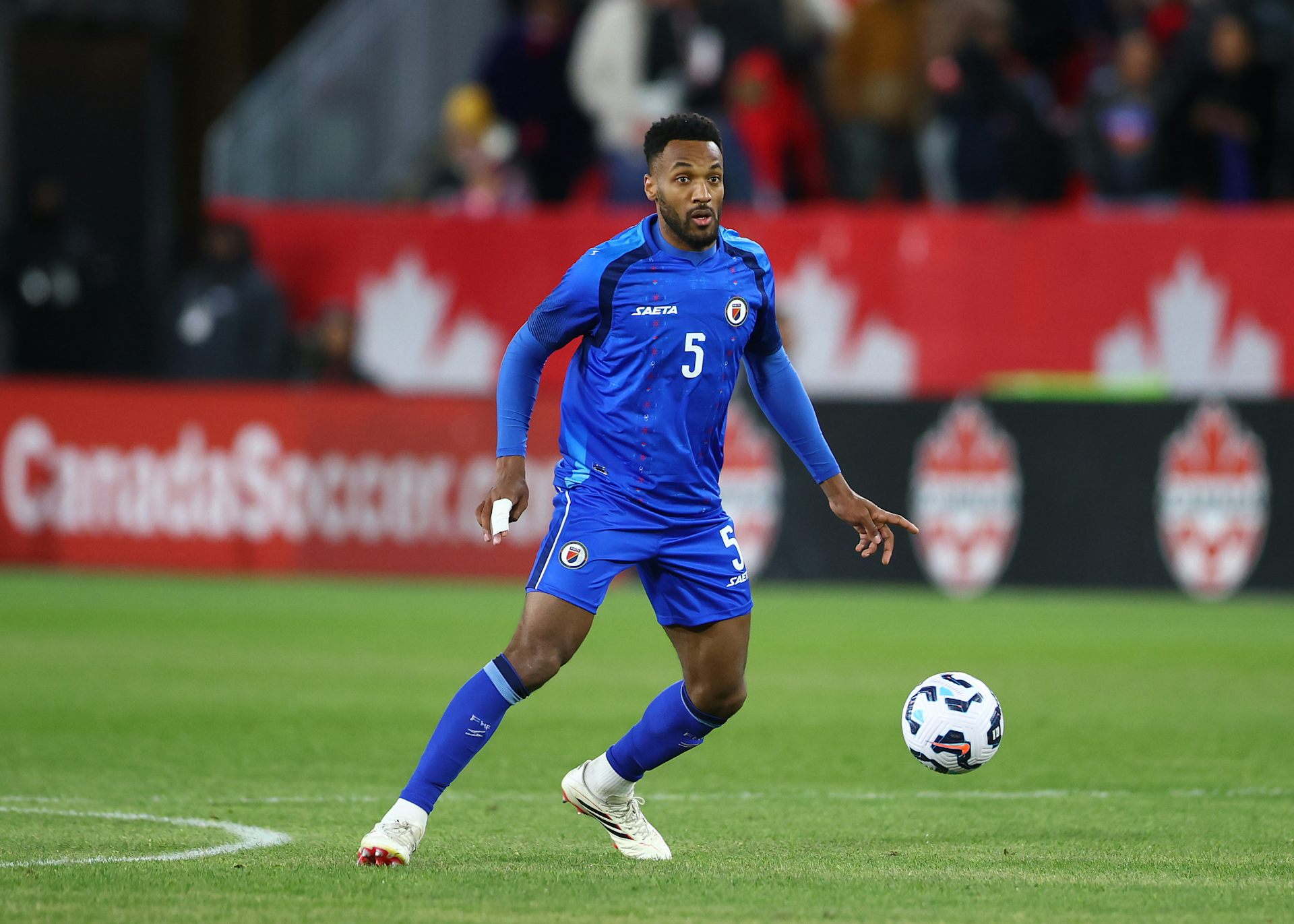
But it is France’s soccer infrastructure that has in many ways most deeply shaped the trajectories of Haiti’s team. The Haitian diaspora in France is much smaller than in the U.S. – it is estimated at around 100,000 – but its children have had access to one of the most successful systems for soccer training in the world.
لكن البنية التحتية لكرة القدم الفرنسية هي التي شكلت، بطرق عديدة وعميقة، مسارات فريق هايتي. الشتات الهايتي في فرنسا أصغر بكثير مما هو عليه في الولايات المتحدة – ويُقدّر بحوالي مائة ألف نسمة – لكن أطفالهم تمكنوا من الوصول إلى أحد أنجح الأنظمة لتدريب كرة القدم في العالم.
Facing many social and economic barriers, children of immigrants, many of whom live in the housing projects in the suburbs of Paris and other French cities, often see an athletic career as their best chance for success. And the country invests heavily in sporting infrastructure with high level of state investment at the local and national level. As a result, immigrant communities in France have become some of the most remarkable generators of soccer talent in the world. Two of the standouts of the French national team – Ousmane Dembele and Kylian Mbappé – are products of the French soccer system. and both are sons of African immigrants. Meanwhile, 75 players born in France will be playing on non-French national teams.
يواجه أطفال المهاجرين، الذين يعيش الكثير منهم في مشاريع الإسكان في ضواحي باريس والمدن الفرنسية الأخرى، العديد من الحواجز الاجتماعية والاقتصادية، وغالباً ما يرون المسيرة الرياضية كأفضل فرصة لهم للنجاح. وتستثمر الدولة بكثافة في البنية التحتية الرياضية بمستوى عالٍ من الاستثمار على المستويين المحلي والوطني. ونتيجة لذلك، أصبحت الجاليات المهاجرة في فرنسا من أبرز المواقع التي تولد مواهب كرة القدم في العالم. ويُعد كل من عثمان ديمبيلي وكيليان مبابي، وهما نجمان في المنتخب الفرنسي، نتاجاً للنظام الكروي الفرنسي، وكلاهما ابنا مهاجرين أفارقة. وفي الوقت نفسه، سيلعب 75 لاعباً ولدوا في فرنسا ضمن منتخبات وطنية غير فرنسية.
Paths to the World Cup
مسارات إلى كأس العالم
Haiti’s talisman and top scorer, Duckens Nazon, was born in a Parisian suburb and played with a series of French professional teams before being recruited to the English team Wolverhampton Wanderers in 2017. His stint there was brief, and he has since moved a few times, playing professionally in Iran for Estaghlal this past year and having to make a harrowing escape from the war there in order to be able to play in the World Cup.
ولد دكنز نازون، أيقونة وتوظيف الهيتي ومسجله لأهداف الفريق، في ضاحية باريس ولعب مع سلسلة من الفرق الفرنسية المحترفة قبل أن يتم التعاقد معه للانضمام إلى فريق ولفرهامبتون واندررز الإنجليزي عام 2017. كانت فترة وجوده هناك قصيرة، ومنذ ذلك الحين انتقل عدة مرات، حيث لعب محترفاً في إيران مع نادي استقلال العام الماضي واضطر للفرار المروع من الحرب هناك ليكون قادراً على اللعب في كأس العالم.
The strong representation of Franco-Haitian players, and the relatively small number of those born in the U.S., speaks volumes about the difference in the infrastructure and structure of opportunity around soccer in the two countries.
إن التمثيل القوي للاعبين ذوي الأصول الفرنسية-الهايتية، والعدد المنخفض نسبياً ممن ولدوا في الولايات المتحدة، يتحدث كثيراً عن الفارق في البنية التحتية وهيكل الفرص المتاحة لكرة القدم في البلدين.
The U.S. is home to the largest Haitian diaspora in the world, with a population of approximately 1.1 million registered in the 2021 census. Actual numbers – both then and now – are likely larger. Yet only two players born in the U.S. are on Haiti’s World Cup squad: Derrick Etienne Jr., born in Richmond, Virginia, and Duke Lacroix, born in New Jersey.
تُعد الولايات المتحدة موطناً لأكبر الشتات الهايتي في العالم، حيث يبلغ عدد سكانها حوالي 1.1 مليون شخص مسجلين في تعداد عام 2021. ومن المحتمل أن تكون الأرقام الفعلية – سواء آنذاك أو الآن – أكبر. ومع ذلك، يوجد لاعبان فقط من مواليد الولايات المتحدة ضمن تشكيلة هايتي لكأس العالم: ديريك إيتيان جونيور، المولود في ريتشموند بولاية فرجينيا، ودويك لاكروا، المولود في نيوجيرسي.
In both cases, the players were able to find their way to the pathways for professional sport that exist in the U.S. – notably elite universities – that are not available to many other children of Haitian immigrants.
في كلتا الحالتين، تمكن اللاعبون من إيجاد طريقهم إلى المسارات الرياضية الاحترافية الموجودة في الولايات المتحدة – ولا سيما الجامعات النخبوية – وهي مسارات غير متاحة للعديد من أطفال المهاجرين الهايتيين.
Frantzdy Pierrot, one of the team’s stars, is part of a more recent history of migration from Haiti to the U.S.
فرانزدي بييروت، أحد نجوم الفريق، هو جزء من تاريخ هجرة أحدث من هايتي إلى الولايات المتحدة.
He was born in Cap Haïtien in 1995 but migrated to Melrose, Massachusetts, as a child. After high school there, he played at Northeastern University and then Coastal Carolina University before embarking on a professional career that has taken him to England, France, Israel and Turkey. On May 26, 2026, the governor of Massachusetts celebrated his achievements by declaring that day Frantzdy Pierrot Day in the state.
ولد في كاب هايتي عام 1995 ولكنه هاجر إلى ميلروز بولاية ماساتشوستس عندما كان طفلاً. بعد المدرسة الثانوية هناك، لعب في جامعة نورثرن إيست، ثم جامعة كوستال كارولينا قبل أن يبدأ مسيرة مهنية حملته إلى إنجلترا وفرنسا وإسرائيل وتركيا. وفي 26 مايو 2026، احتفل حاكم ماساتشوستس بإنجازاته بإعلان ذلك اليوم “يوم فرانزدي بييروت” في الولاية.
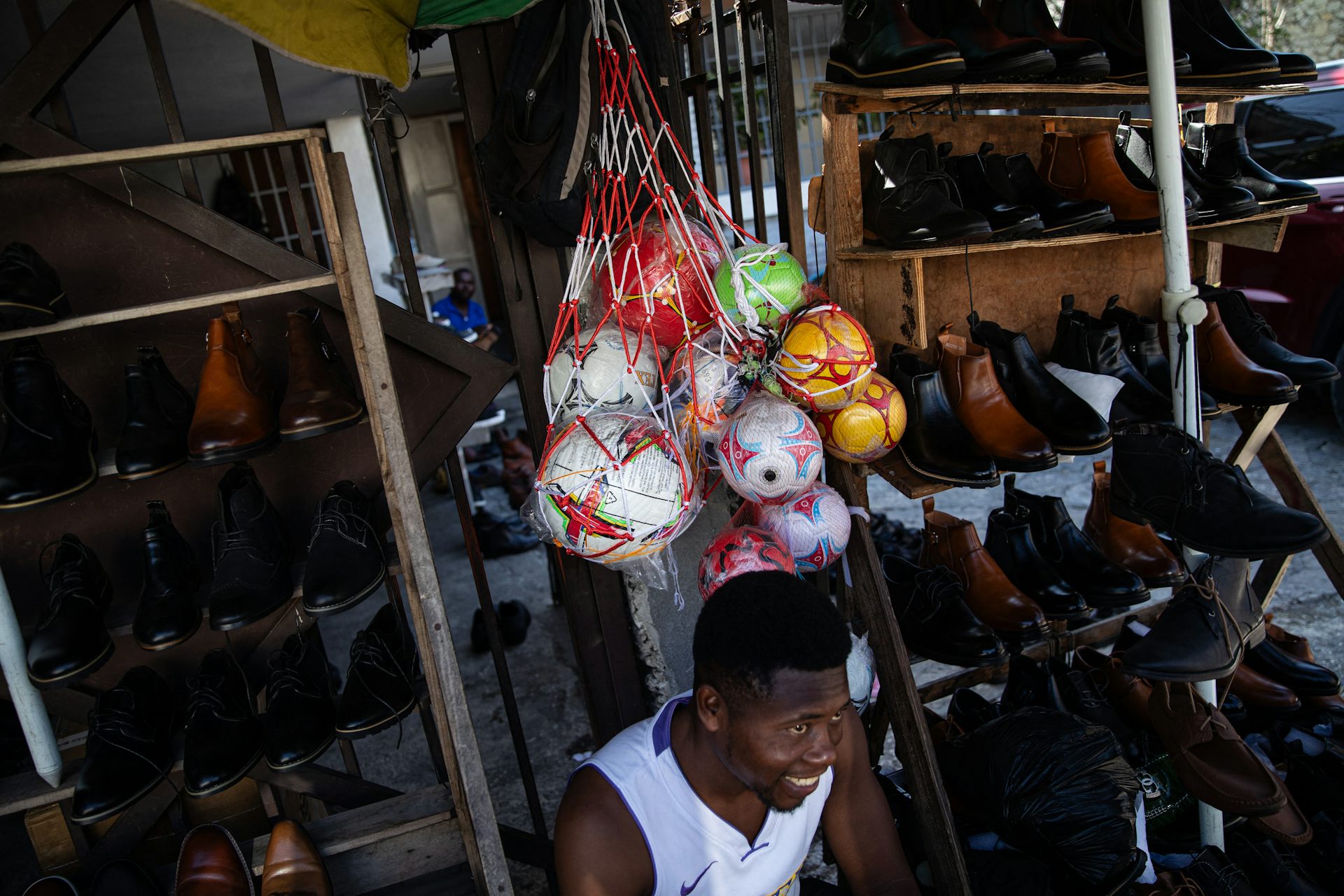
A global Haiti
هايتي العالمية
Whatever happens on the pitch for Haiti this tournament, their games are going to be an occasion for unity and celebration.
مهما يحدث في الملعب لمنتخب هايتي خلال هذه البطولة، فإن مبارياته ستكون مناسبة للوحدة والاحتفال.
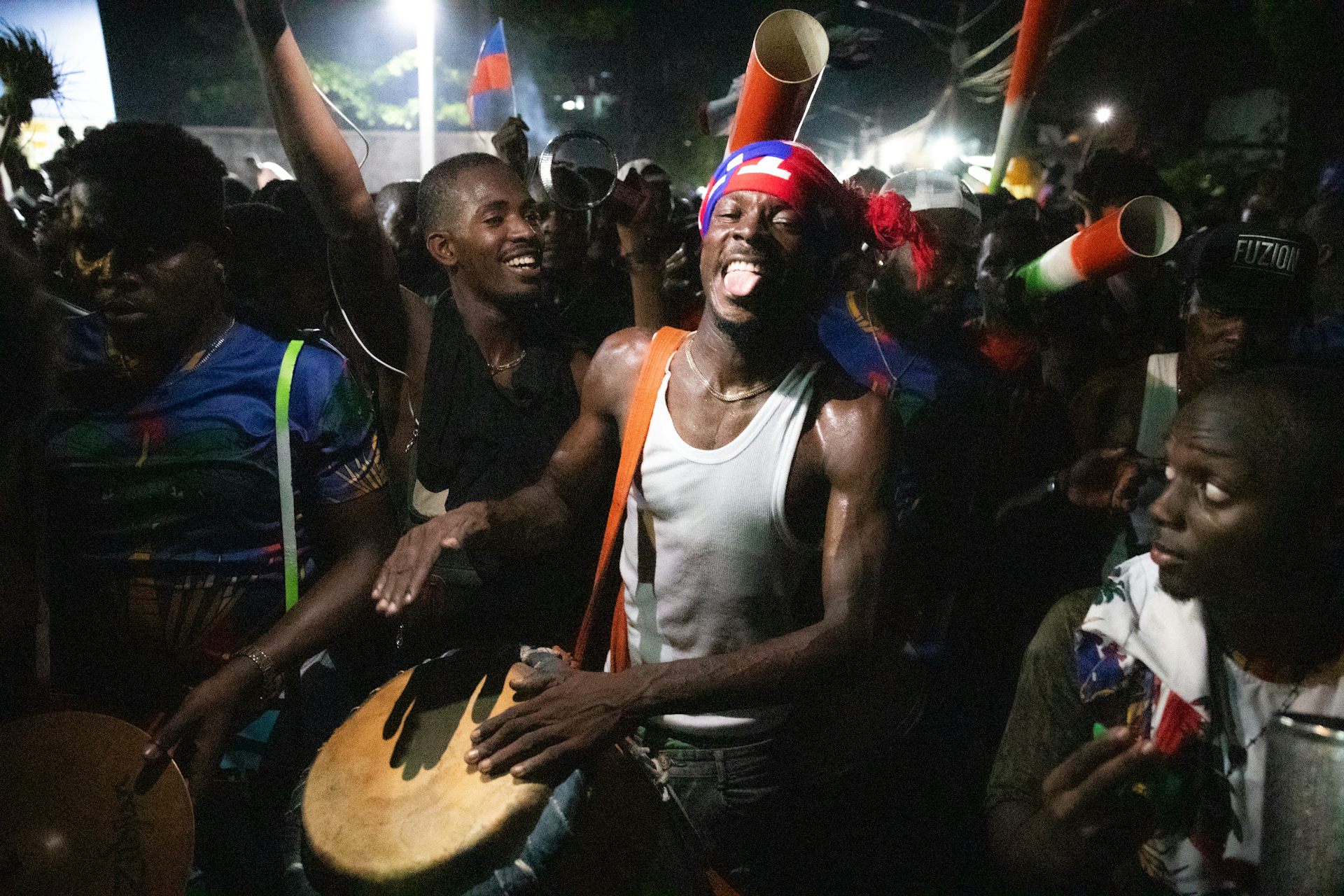
Haiti team’s fans are legendary for their passion. One of the most intense victory celebrations I have witnessed took place outside a stadium in Harrison, New Jersey, in June 2019 when Haiti defeated Costa Rica in a Gold Cup group match. The parking lot filled up for many hours afterward, with Rara music and dancing.
يُعرف مشجعو فريق هايتي بشغفهم الأسطوري. وقد وقع أحد أكثر احتفالات الانتصار حدة التي شاهدتها خارج ملعب رياضي في هاريسون، نيوجيرسي، في يونيو 2019 عندما هزمت هايتي كوستاريكا في مباراة ضمن مجموعة كأس الذهبية. امتلأت ساحة وقوف السيارات لساعات بعد ذلك، مع موسيقى “رارا” والرقص.
Sadly, a visa ban against Haiti means that few Haitians will be able to travel from their country to the U.S. to watch their team play.
للأسف، يعني الحظر التأشيري المفروض على هايتي أن عددًا قليلاً من الهايتيين سيتمكنون من السفر من بلادهم إلى الولايات المتحدة لمشاهدة فريقهم يلعب.
But on June 13, Haiti itself will be at a standstill during the games, and across the diaspora – in Boston, New York, Houston, Montreal and Paris, but also in the Bahamas, Brazil, Chile and other parts of Latin America – crowds will gather to be together in pride.
ولكن في 13 يونيو، ستتوقف هايتي نفسها عن النشاط خلال المباريات، وعبر الشتات – في بوسطن ونيويورك وهيوستن ومونتريال وباريس، وكذلك في باهاماس والبرازيل وتشيليه وأجزاء أخرى من أمريكا اللاتينية – سيتجمع الحشود ليكونوا معًا بفخر.
Many others, me included, will join in supporting Haiti out of solidarity, taken by this story of possibility. And if, like Sanon in 1974, one of Haiti’s new generation of players breaks through and scores a goal, the celebration will be truly global.
الكثيرون غيري، سينضمون لدعم هايتي تضامناً، بسبب هذه القصة المليئة بالإمكانيات. وإذا، مثل سانون في عام 1974، اخترق أحد اللاعبين من الجيل الجديد في هايتي وشبّك هدفاً، فسيكون الاحتفال عالمياً حقاً.
Laurent Dubois does not work for, consult, own shares in or receive funding from any company or organization that would benefit from this article, and has disclosed no relevant affiliations beyond their academic appointment.
لا يعمل لوران دوبوا أو يستشير أو يمتلك حصصًا في أي شركة أو منظمة ولا يتلقى تمويلاً منها يمكن أن تستفيد من هذه المقالة، ولم يفصح عن أي انتماءات ذات صلة تتجاوز منصبه الأكاديمي.
Read more
-

تيم ماكجرو في العشرين: كيف وضعت أغنية تايلور سويفت المنفردة الأولى صيغتها للنجاح
Tim McGraw at 20: how Taylor Swift’s debut single set her formula for success