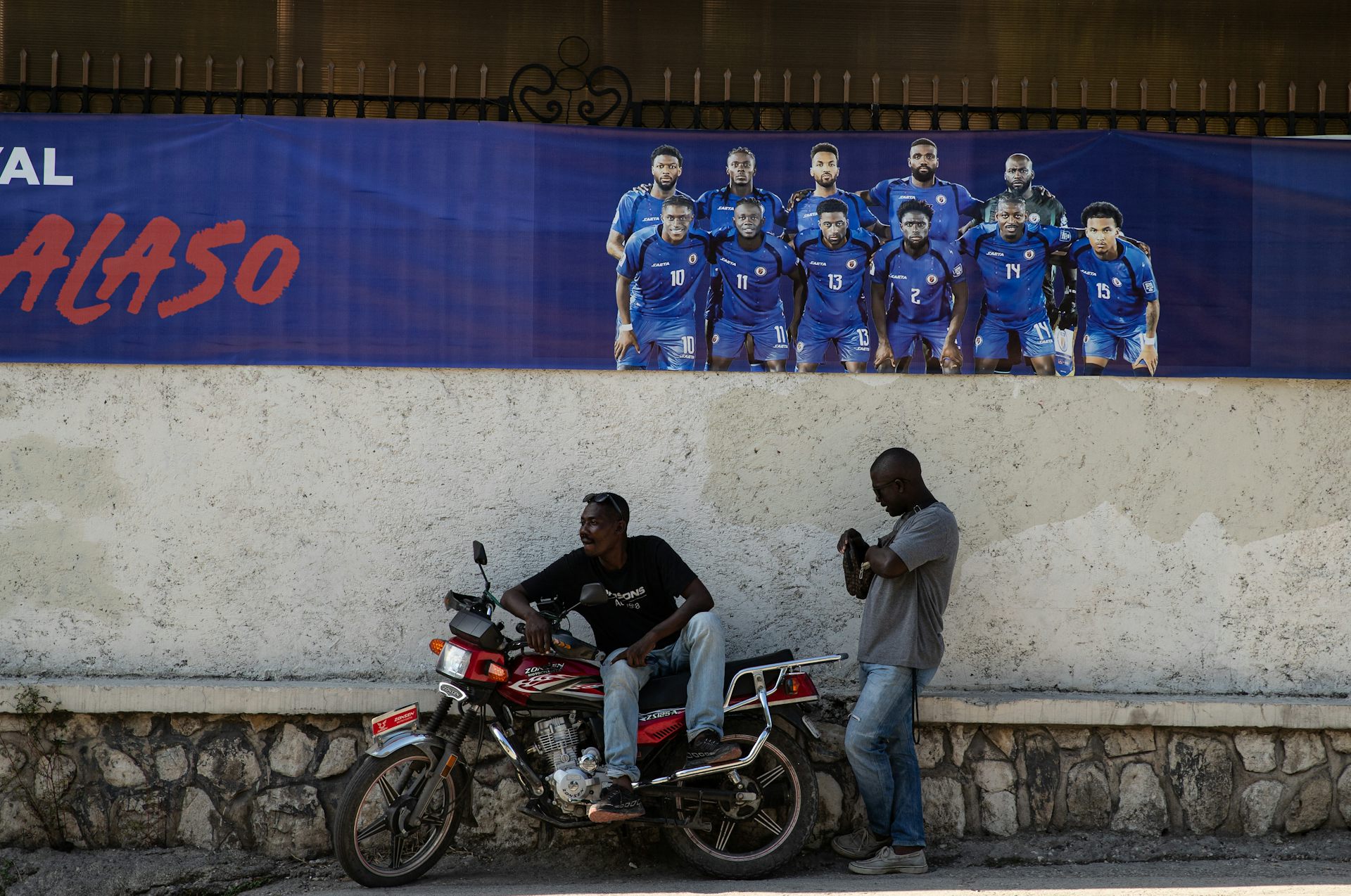
Haití en el Mundial es más que un cuento de azarones: es la historia de la migración global
Haiti at the World Cup is more than an underdog tale – it is the story of global migration
For the first time since 1974, the Haitian men’s team has qualified for the World Cup. This is their story.
Por primera vez desde 1974, la selección masculina haitiana se ha clasificado para el Mundial. Esta es su historia.
When Haiti’s soccer team lines up against Scotland on June 13, 2026, its players will be representing the Caribbean nation at a World Cup for the first time since 1974. They will also embody the complexities and possibilities of Haiti and its diaspora.
Cuando el equipo de fútbol de Haití se enfrente a Escocia el 13 de junio de 2026, sus jugadores representarán a la nación caribeña en una Copa Mundial por primera vez desde 1974. También encarnarán las complejidades y posibilidades de Haití y su diáspora.
Of the 26 players selected for the squad, only 10 were born in Haiti. And just one, Woodensky Pierre, plays for a Haitian club. Twelve were born in France of Haitian parents, one in Canada, one in Switzerland and two in the United States.
De los 26 jugadores seleccionados para el equipo, solo 10 nacieron en Haití. Y solo uno, Woodensky Pierre, juega para un club haitiano. Doce nacieron en Francia de padres haitianos, uno en Canadá, uno en Suiza y dos en Estados Unidos.
The team is both a symbol of national pride and a condensation of battles Haitians have long fought for dignity and self-determination. Soccer commentator Nico Cantor captured this powerfully when he effused about the deep meaning of Haiti’s qualification for the World Cup on Nov. 18, 2025, exactly 222 years after revolutionary leader Jean‑Jacques Dessalines fought a famous battle against the French on the way to independence. “Their national team has given Haiti something to be proud of,” Cantor said. “It is historic for many reasons.”
El equipo es tanto un símbolo de orgullo nacional como una condensación de las batallas que los haitianos han librado durante mucho tiempo por la dignidad y la autodeterminación. El comentarista deportivo Nico Cantor capturó esto poderosamente cuando habló sobre el profundo significado de la clasificación de Haití para la Copa Mundial el 18 de noviembre de 2025, exactamente 222 años después de que el líder revolucionario Jean-Jacques Dessalines luchara en una famosa batalla contra los franceses en el camino hacia la independencia. «Su selección nacional le ha dado a Haití algo de lo que estar orgulloso», dijo Cantor. «Es histórico por muchas razones.»
Imagined communities and 11 named players
Comunidades imaginadas y 11 jugadores nombrados
During the World Cup, individual actions can catapult a player to the status of national icon or never-forgotten villain. But we also see teams either connect and pull together or fragment and fall apart. It can become a powerful metaphor for the fate of nations themselves, resonating with a broader human experience.
Durante la Copa Mundial, las acciones individuales pueden catapultar a un jugador al estatus de icono nacional o villano inolvidable. Pero también vemos equipos que se conectan y cohesionan o que se fragmentan y se desmoronan. Esto puede convertirse en una poderosa metáfora del destino de las propias naciones, resonando con una experiencia humana más amplia.
How does this dynamic shift when a team, like Haiti, consists of players whose personal stories are ones of migration to another country, but who have chosen to represent the nations of their parents in international competition?
¿Cómo cambia esta dinámica cuando un equipo, como Haití, está compuesto por jugadores cuyas historias personales son de migración a otro país, pero que han elegido representar las naciones de sus padres en la competencia internacional?
Haiti is not alone. Since 2004, FIFA has allowed players who have played for the national team of one country to switch to another if they do so before their 21st birthday. In 2020, the rules were further loosened so that players can change in some contexts after that age.
Haití no está solo. Desde 2004, la FIFA ha permitido que los jugadores que han jugado para la selección nacional de un país cambien a otro si lo hacen antes de cumplir 21 años. En 2020, las reglas se relajaron aún más para que los jugadores puedan cambiar en ciertos contextos después de esa edad.
Haitians at the World Cup
Haitianos en el Mundial
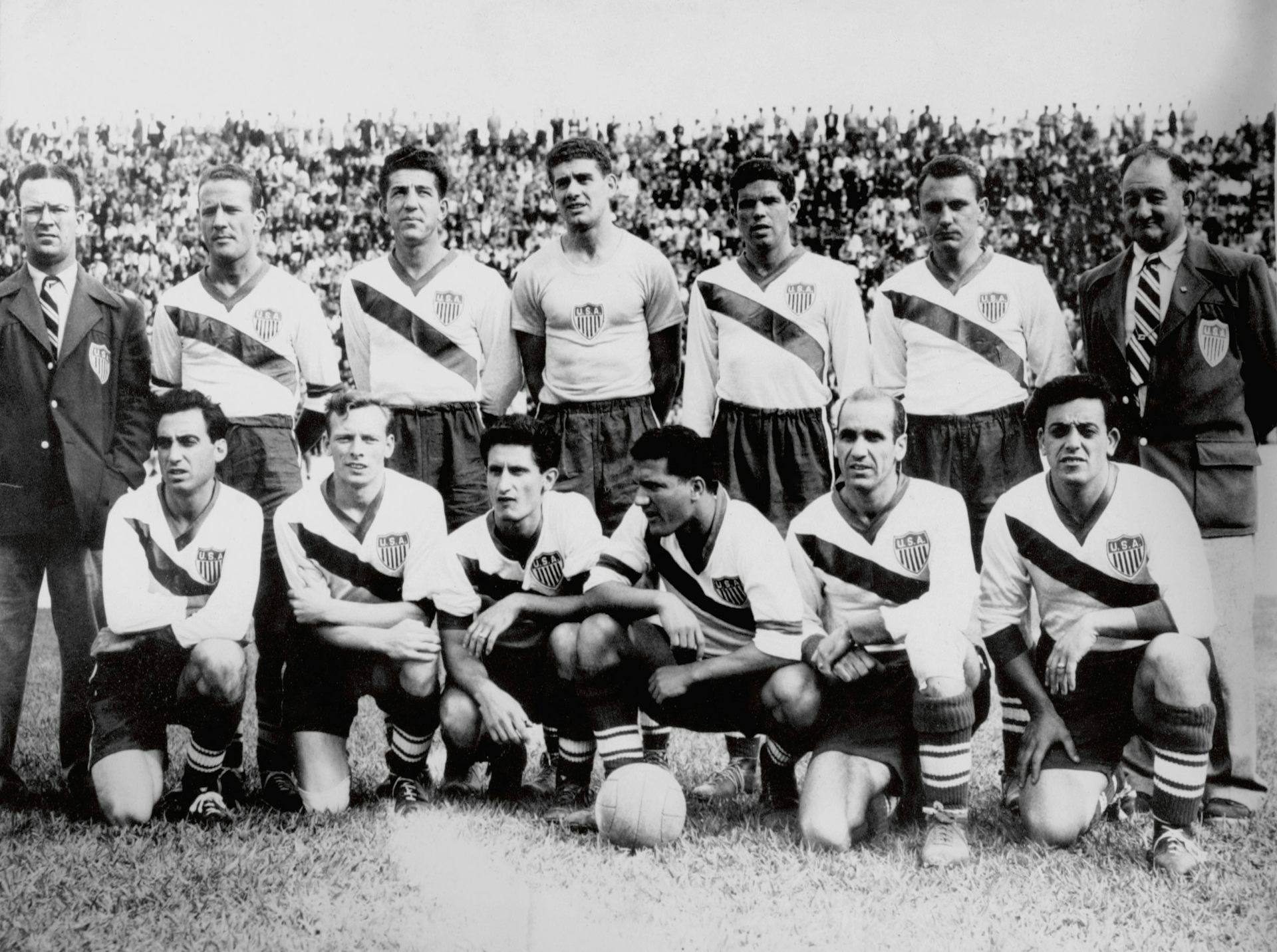
The broader history of Haitians at the World Cup has long been shaped by diasporic movement. At the 1950 World Cup, when a scrappy U.S. team composed mostly of immigrants famously defeated England 1-0, it was a Haitian man, Joe Gaetjens, who scored the crucial goal.
La historia más amplia de los haitianos en la Copa del Mundo ha estado marcada durante mucho tiempo por el movimiento de la diáspora. En el Mundial de 1950, cuando un equipo estadounidense improvisado compuesto en su mayoría por inmigrantes derrotó a Inglaterra con un marcador de 1-0, fue un hombre haitiano, Joe Gaetjens, quien marcó el gol crucial.
Decades later, Jozy Altidore, a child of Haitian immigrants, played in every game for the U.S. during its 2010 World Cup run.
Décadas después, Jozy Altidore, hijo de inmigrantes haitianos, jugó en todos los partidos del equipo estadounidense durante su participación en el Mundial de 2010.
Until now, Haiti’s national teams have appeared in only two World Cups. Most recently, the country’s team qualified for the 2023 Women’s World Cup, overcoming many obstacles in the process. Like the men’s team in this year’s competition, the women could not train or play games at home in Haiti. But playing for Haiti helped their star player, Melchie Durmonay, begin a professional career in France, where she plays for the leading team, Olympique de Lyon, and is considered one of the best players in global women’s soccer.
Hasta ahora, las selecciones nacionales de Haití han aparecido solo en dos Copas del Mundo. Más recientemente, el equipo del país se clasificó para la Copa Mundial Femenina de 2023, superando muchos obstáculos en el proceso. Al igual que el equipo masculino en esta edición, las mujeres no pudieron entrenar ni jugar partidos en casa, en Haití. Pero jugar por Haití ayudó a su jugadora estrella, Melchie Durmonay, a comenzar una carrera profesional en Francia, donde juega para el equipo líder, Olympique de Lyon, y es considerada una de las mejores futbolistas del mundo.
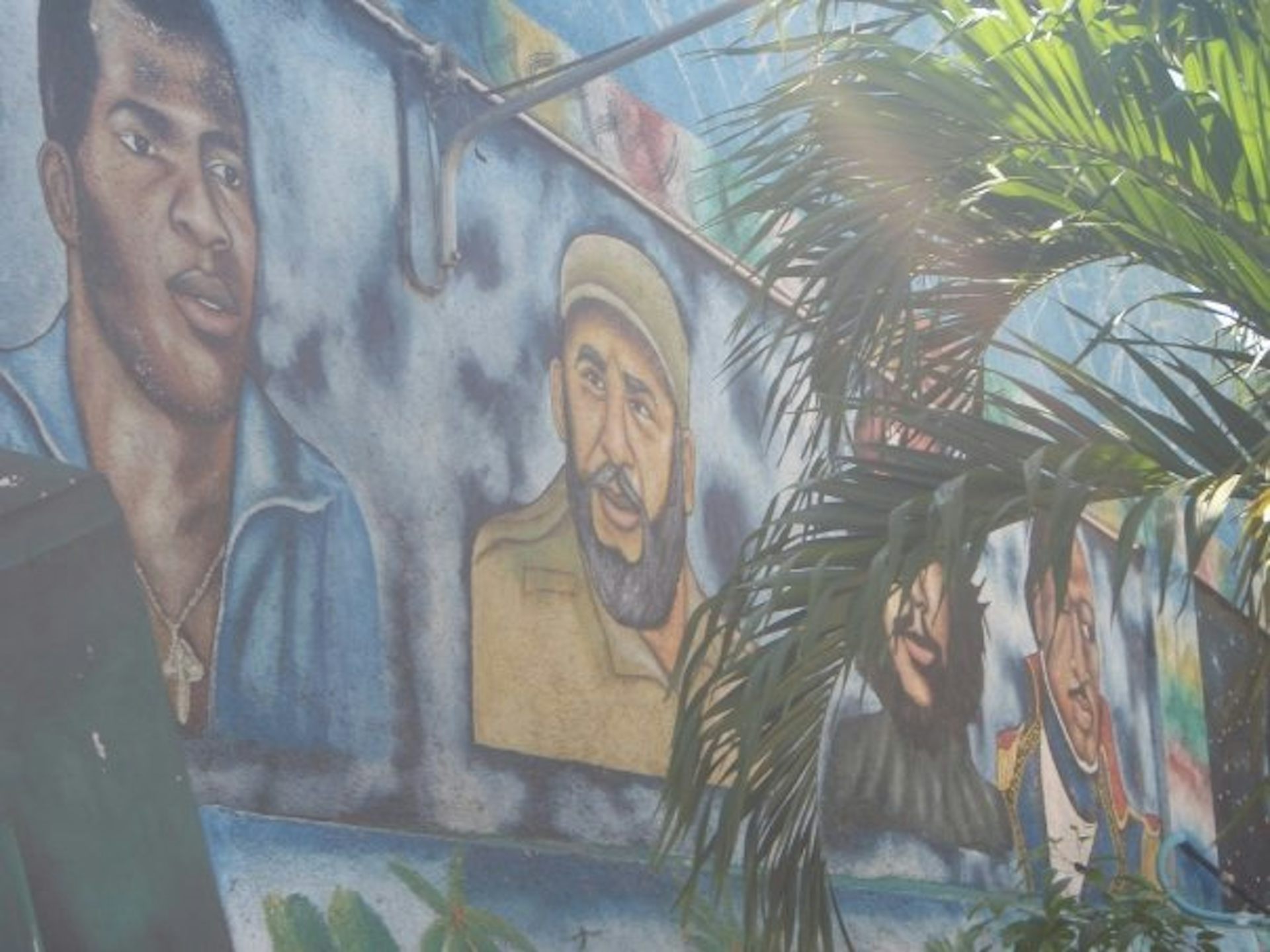
The men’s team has previously competed only in the 1974 tournament. On that occasion a team made up of players who had all been born in Haiti shocked an Italy team famed for its impregnable defense. Early in the second half, Haiti’s Emmanuel Sanon broke away to catch a masterful pass downfield, dribbled expertly around an Italian defender and powered the ball into the goal.
El equipo masculino compitió previamente solo en el torneo de 1974. En esa ocasión, un equipo formado por jugadores que habían nacido todos en Haití sorprendió a un equipo italiano famoso por su defensa inexpugnable. Al principio del segundo tiempo, Emmanuel Sanon, de Haití, se abrió paso para interceptar un pase magistral hacia el campo, dribló hábilmente alrededor de un defensor italiano y remató con potencia el balón al arco.
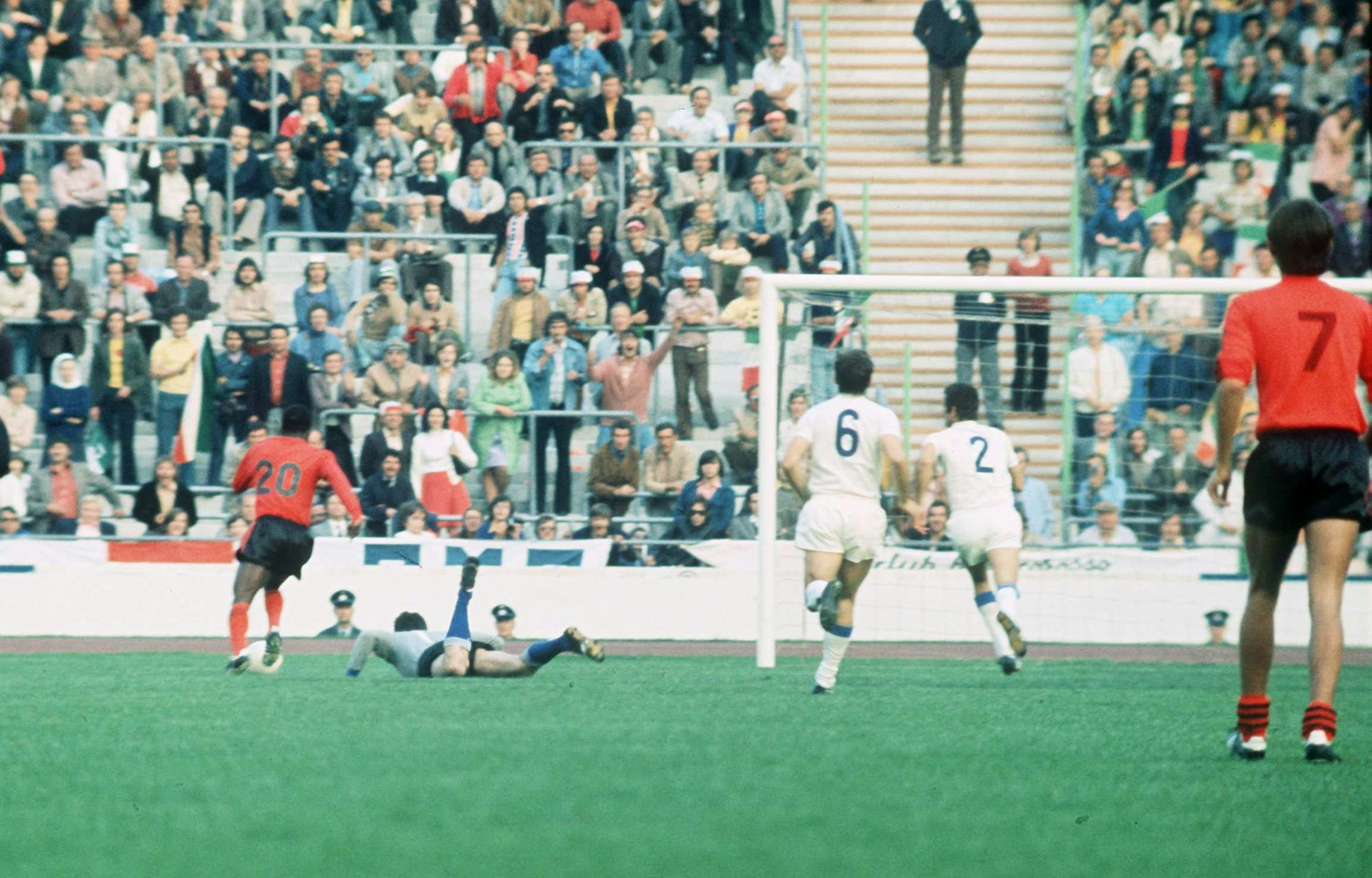
It remains the most celebrated goal in Haitian football. And although Haiti lost that game 3-1, Sanon became a national hero. He went on to a professional career in Florida in the 1980s and later managed the Haitian national team.
Sigue siendo el gol más celebrado en el fútbol haitiano. Y aunque Haití perdió ese partido 3-1, Sanon se convirtió en un héroe nacional. Continuó con una carrera profesional en Florida en la década de 1980 y más tarde dirigió a la selección nacional haitiana.
When he died in Orlando in 2008, he was buried and received a state funeral in Haiti. A soccer park is named after him in Miami’s Little Haiti in recognition of his place in the country’s history.
Cuando murió en Orlando en 2008, fue enterrado y recibió un funeral de estado en Haití. Un parque de fútbol lleva su nombre en Little Haiti, Miami, en reconocimiento a su lugar en la historia del país.
A diaspora on the pitch
Una diáspora en el campo de juego
The life histories brought together for the 2026 tournament capture the broader story of Haitian migration, but they also illustrate the different kinds of opportunities young athletes have in different countries.
Las historias de vida reunidas para el torneo de 2026 capturan la historia más amplia de la migración haitiana, pero también ilustran los diferentes tipos de oportunidades que tienen los atletas jóvenes en distintos países.
Some of Haiti’s players, like Hannes Delcroix, have had access to the most elite and well-resourced structures in global soccer. He was born in the Artibonite Valley in Haiti but as a child moved with his parents to Belgium. There, he trained at the youth academy of the Belgium professional team Anderlecht and also played on Belgium’s international youth teams. He now plays professionally in Switzerland.
Algunos jugadores de Haití, como Hannes Delcroix, han tenido acceso a las estructuras más elitistas y mejor dotadas del fútbol mundial. Nació en el Valle de Artibonite en Haití, pero cuando era niño se mudó con sus padres a Bélgica. Allí, entrenó en la academia juvenil del equipo profesional belga Anderlecht y también jugó con las selecciones juveniles internacionales de Bélgica. Actualmente juega profesionalmente en Suiza.
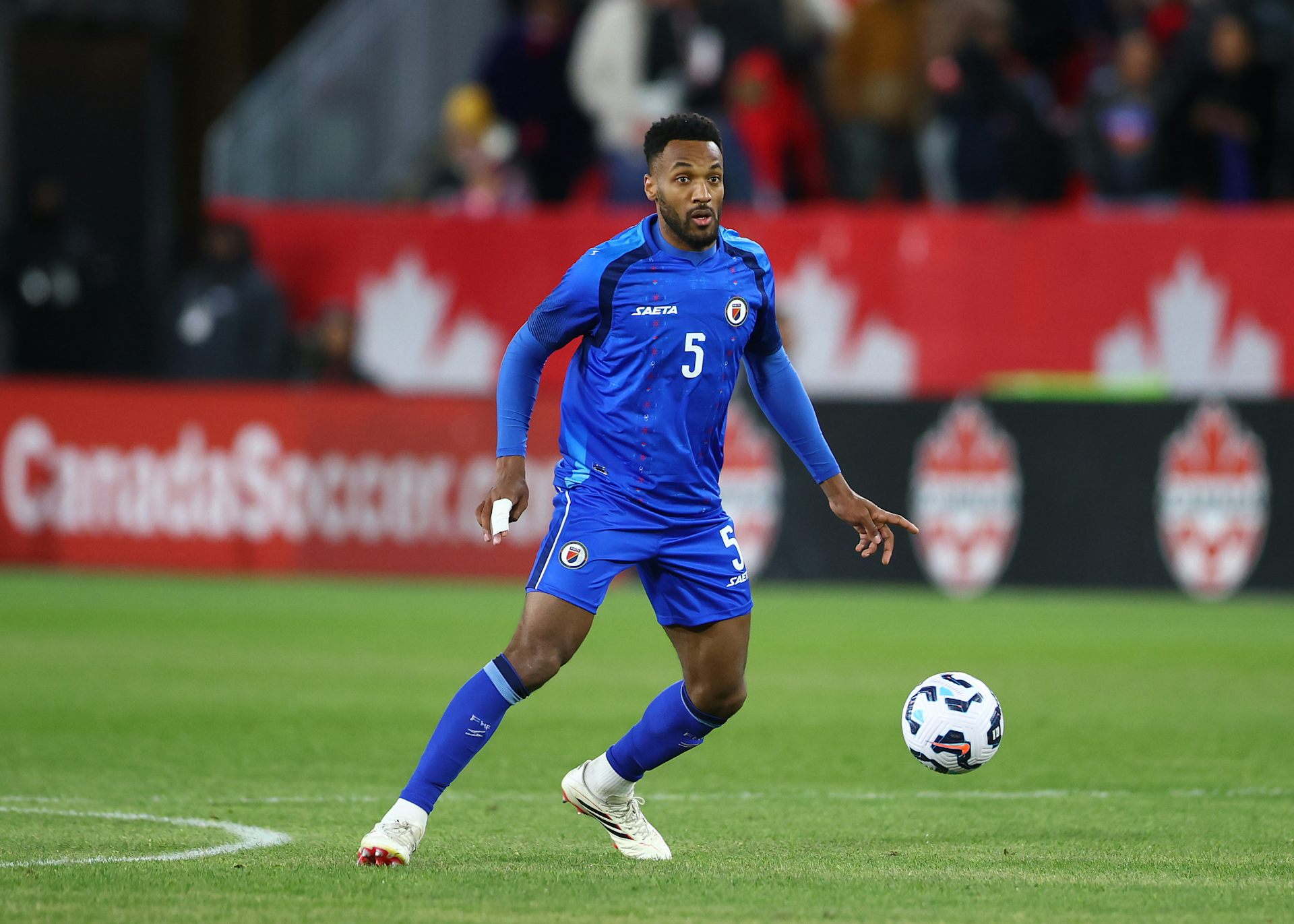
But it is France’s soccer infrastructure that has in many ways most deeply shaped the trajectories of Haiti’s team. The Haitian diaspora in France is much smaller than in the U.S. – it is estimated at around 100,000 – but its children have had access to one of the most successful systems for soccer training in the world.
Pero es la infraestructura futbolística de Francia lo que ha moldeado en muchos aspectos de manera más profunda las trayectorias del equipo de Haití. La diáspora haitiana en Francia es mucho más pequeña que la de EE. UU.—se estima en alrededor de 100,000—, pero sus hijos han tenido acceso a uno de los sistemas más exitosos de entrenamiento de fútbol del mundo.
Facing many social and economic barriers, children of immigrants, many of whom live in the housing projects in the suburbs of Paris and other French cities, often see an athletic career as their best chance for success. And the country invests heavily in sporting infrastructure with high level of state investment at the local and national level. As a result, immigrant communities in France have become some of the most remarkable generators of soccer talent in the world. Two of the standouts of the French national team – Ousmane Dembele and Kylian Mbappé – are products of the French soccer system. and both are sons of African immigrants. Meanwhile, 75 players born in France will be playing on non-French national teams.
Enfrentando muchas barreras sociales y económicas, los hijos de inmigrantes, muchos de los cuales viven en los proyectos habitacionales en los suburbios de París y otras ciudades francesas, a menudo ven una carrera atlética como su mejor oportunidad de éxito. Y el país invierte fuertemente en infraestructura deportiva con un alto nivel de inversión estatal a nivel local y nacional. Como resultado, las comunidades inmigrantes en Francia se han convertido en algunos de los generadores más notables de talento futbolístico del mundo. Dos de los mejores jugadores de la selección nacional francesa – Ousmane Dembélé y Kylian Mbappé – son productos del sistema futbolístico francés, y ambos son hijos de inmigrantes africanos. Mientras tanto, 75 jugadores nacidos en Francia jugarán en equipos nacionales no franceses.
Paths to the World Cup
Caminos hacia el Mundial
Haiti’s talisman and top scorer, Duckens Nazon, was born in a Parisian suburb and played with a series of French professional teams before being recruited to the English team Wolverhampton Wanderers in 2017. His stint there was brief, and he has since moved a few times, playing professionally in Iran for Estaghlal this past year and having to make a harrowing escape from the war there in order to be able to play in the World Cup.
El talismán y máximo goleador de Haití, Duckens Nazon, nació en un suburbio parisino y jugó con una serie de equipos profesionales franceses antes de ser reclutado por el equipo inglés Wolverhampton Wanderers en 2017. Su paso allí fue breve, y desde entonces se ha trasladado varias veces, jugando profesionalmente en Irán para Estaghlal el año pasado y teniendo que escapar de manera angustiosa de la guerra allí para poder jugar en el Mundial.
The strong representation of Franco-Haitian players, and the relatively small number of those born in the U.S., speaks volumes about the difference in the infrastructure and structure of opportunity around soccer in the two countries.
La fuerte representación de jugadores franco-haitianos, y el número relativamente pequeño de aquellos nacidos en EE. UU., habla mucho sobre la diferencia en la infraestructura y la estructura de oportunidades alrededor del fútbol en los dos países.
The U.S. is home to the largest Haitian diaspora in the world, with a population of approximately 1.1 million registered in the 2021 census. Actual numbers – both then and now – are likely larger. Yet only two players born in the U.S. are on Haiti’s World Cup squad: Derrick Etienne Jr., born in Richmond, Virginia, and Duke Lacroix, born in New Jersey.
EE. UU. alberga la diáspora haitiana más grande del mundo, con una población de aproximadamente 1.1 millones registrada en el censo de 2021. Los números reales —tanto entonces como ahora— probablemente son mayores. Sin embargo, solo dos jugadores nacidos en EE. UU. están en la plantilla de Haití para el Mundial: Derrick Etienne Jr., nacido en Richmond, Virginia, y Duke Lacroix, nacido en Nueva Jersey.
In both cases, the players were able to find their way to the pathways for professional sport that exist in the U.S. – notably elite universities – that are not available to many other children of Haitian immigrants.
En ambos casos, los jugadores pudieron encontrar su camino hacia las vías del deporte profesional que existen en EE. UU., notablemente universidades de élite, que no están disponibles para muchos otros hijos de inmigrantes haitianos.
Frantzdy Pierrot, one of the team’s stars, is part of a more recent history of migration from Haiti to the U.S.
Frantzdy Pierrot, una de las estrellas del equipo, es parte de una historia más reciente de migración desde Haití a EE. UU.
He was born in Cap Haïtien in 1995 but migrated to Melrose, Massachusetts, as a child. After high school there, he played at Northeastern University and then Coastal Carolina University before embarking on a professional career that has taken him to England, France, Israel and Turkey. On May 26, 2026, the governor of Massachusetts celebrated his achievements by declaring that day Frantzdy Pierrot Day in the state.
Nació en Cap-Haïtien en 1995, pero emigró a Melrose, Massachusetts, cuando era niño. Después de la escuela secundaria allí, jugó en Northeastern University y luego en Coastal Carolina University antes de embarcarse en una carrera profesional que lo ha llevado a Inglaterra, Francia, Israel y Turquía. El 26 de mayo de 2026, el gobernador de Massachusetts celebró sus logros declarando ese día como Día Frantzdy Pierrot en el estado.
A global Haiti
Un Haití global
Whatever happens on the pitch for Haiti this tournament, their games are going to be an occasion for unity and celebration.
Lo que pase en el campo de juego para Haití en este torneo, sus partidos serán una ocasión de unidad y celebración.
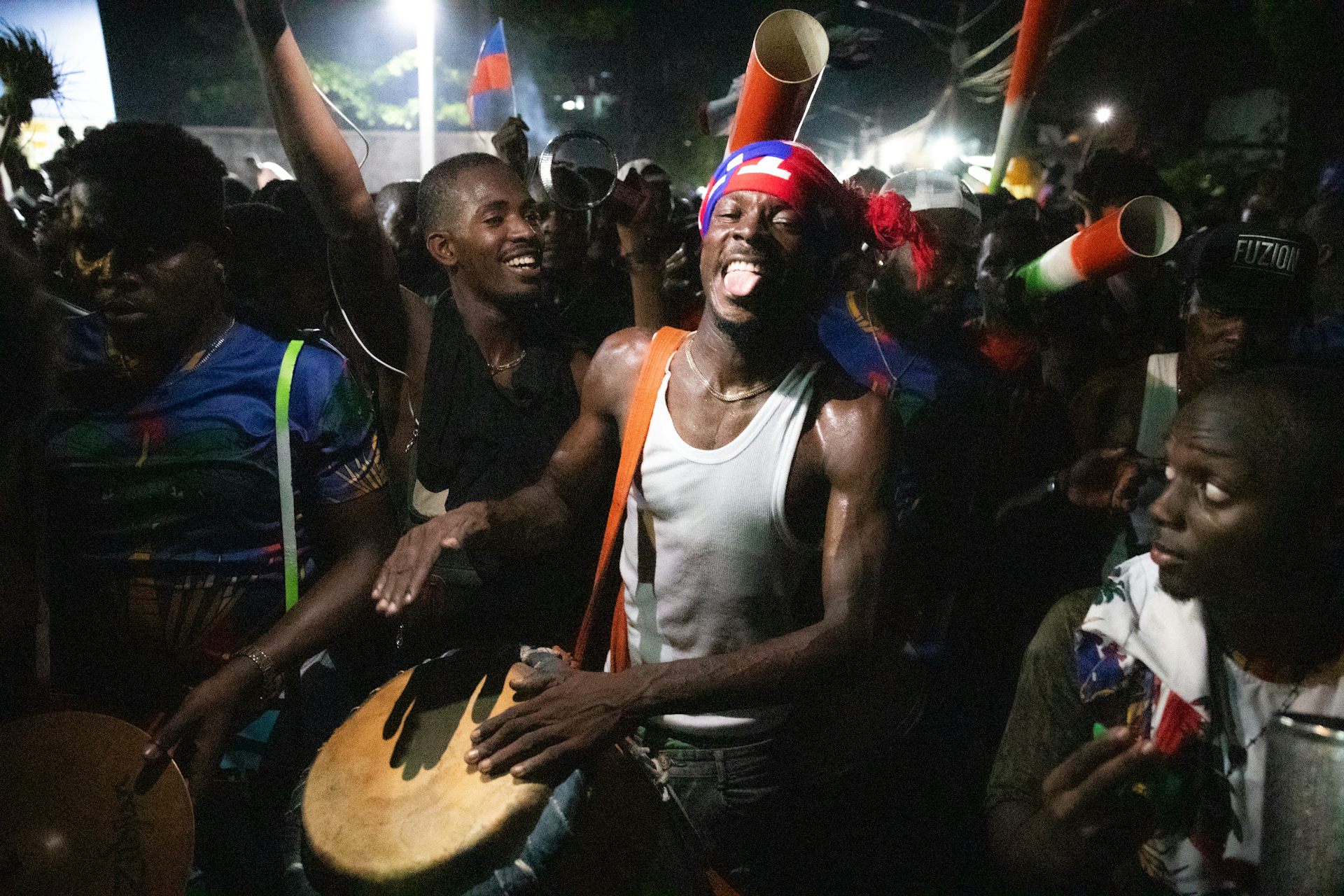
Haiti team’s fans are legendary for their passion. One of the most intense victory celebrations I have witnessed took place outside a stadium in Harrison, New Jersey, in June 2019 when Haiti defeated Costa Rica in a Gold Cup group match. The parking lot filled up for many hours afterward, with Rara music and dancing.
Los aficionados del equipo haitiano son legendarios por su pasión. Una de las celebraciones de victoria más intensas que he presenciado tuvo lugar fuera de un estadio en Harrison, Nueva Jersey, en junio de 2019, cuando Haití derrotó a Costa Rica en un partido de grupo de la Copa Oro. El estacionamiento se llenó durante muchas horas después, con música y baile Rara.
Sadly, a visa ban against Haiti means that few Haitians will be able to travel from their country to the U.S. to watch their team play.
Lamentablemente, una prohibición de visas contra Haití significa que pocos haitianos podrán viajar desde su país a EE. UU. para ver jugar a su equipo.
But on June 13, Haiti itself will be at a standstill during the games, and across the diaspora – in Boston, New York, Houston, Montreal and Paris, but also in the Bahamas, Brazil, Chile and other parts of Latin America – crowds will gather to be together in pride.
Pero el 13 de junio, Haití mismo se detendrá durante los juegos, y en toda la diáspora —en Boston, Nueva York, Houston, Montreal y París, pero también en las Bahamas, Brasil, Chile y otras partes de América Latina— se reunirán multitudes para estar juntas con orgullo.
Many others, me included, will join in supporting Haiti out of solidarity, taken by this story of possibility. And if, like Sanon in 1974, one of Haiti’s new generation of players breaks through and scores a goal, the celebration will be truly global.
Muchos otros, incluyéndome a mí, se unirán para apoyar a Haití por solidaridad, conmovidos por esta historia de posibilidad. Y si, como Sanon en 1974, uno de los nuevos jugadores de Haití rompe y anota un gol, la celebración será verdaderamente global.
Laurent Dubois does not work for, consult, own shares in or receive funding from any company or organization that would benefit from this article, and has disclosed no relevant affiliations beyond their academic appointment.
Laurent Dubois no trabaja para, asesora, posee acciones de ni recibe financiación de ninguna empresa u organización que se beneficiaría de este artículo, y no ha revelado afiliaciones relevantes más allá de su nombramiento académico.
Read more
-
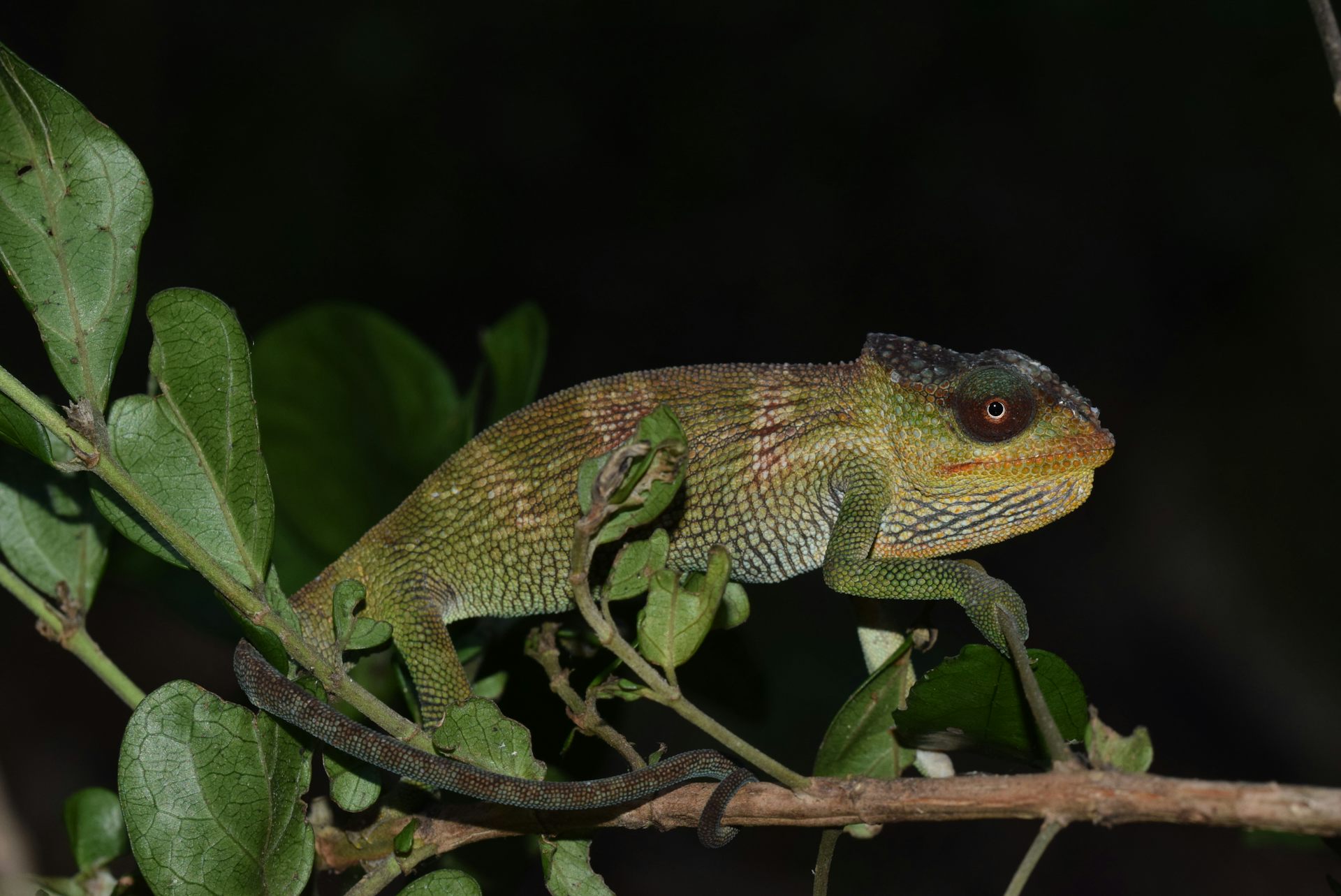
Expediciones a la ‘isla en el cielo’ de Mozambique encontraron 4 nuevas especies de camaleón, ya en riesgo por la pérdida de bosques.
Mozambique ‘sky island’ expeditions found 4 new species of chameleon – already at risk from forest loss
-
Las compositoras y productoras negras de Motown fueron las arquitectas invisibles detrás del gigante de la música pop.
Motown’s Black women songwriters and producers were the invisible architects behind the pop music juggernaut