为什么美国的世界杯助威声被嘲笑——以及什么才算得上是优秀的助威声
Why the US World Cup chants are being mocked – and what…
From the cringey ‘U-S-A!’ to the iconic ‘You’ll Never Walk Alone’, the battle for soccer’s top prize starts in the stands.
从令人尴尬的“U-S-A!”到经典的“You’ll Never Walk Alone”,争夺足球最高荣誉的战役始于看台。
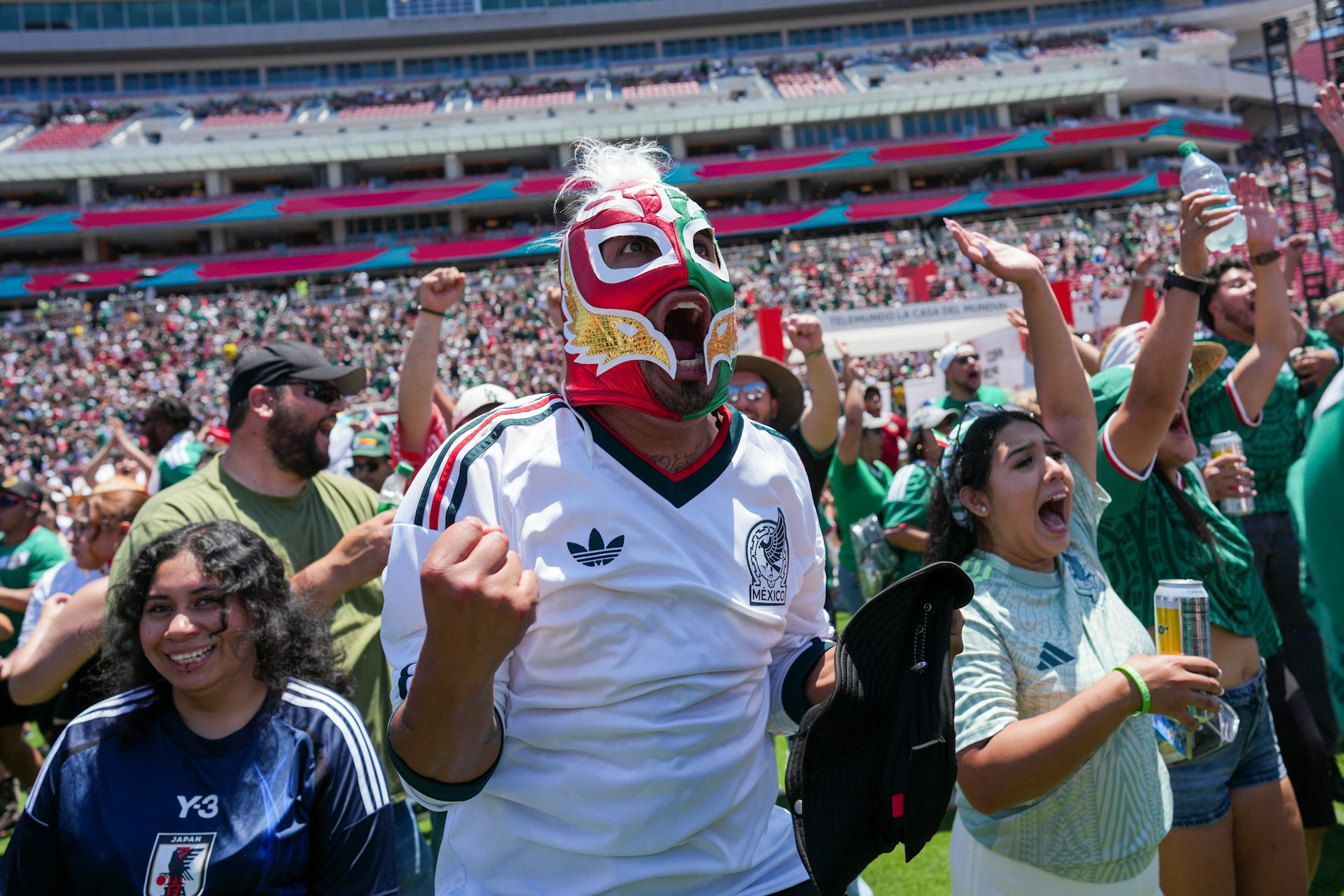
As the 2026 FIFA World Cup arrives in Canada, Mexico and the United States, one contest has already begun online: the fight over who sounds like a “real” soccer fan.
随着2026年国际足联世界杯临近,比赛地包括加拿大、墨西哥和美国。一场关于谁听起来像“真正”球迷的争论已经在网络上打响了。
Fans in the US have been mocked on social media for chants such as “I believe that we will win” and “U-S-A! U-S-A!”
美国球迷因唱“我相信我们会赢”和“U-S-A! U-S-A!”等口号而在社交媒体上遭到嘲笑。
To some, they sound joyful. To others, especially those raised on older soccer traditions, they sound awkward, rehearsed or painfully unoriginal.
对一些人来说,这些口号听起来充满欢乐。但对另一些人,尤其是那些成长于传统足球文化的群体来说,它们听起来却很别扭、像是排练过,或者让人感到极度缺乏新意。
But this debate is about much more than whether one chant is better than another. Sports chants are cultural passports. They teach people how to belong – who counts as an insider – and whose version of soccer is “legitimate”.
但这场辩论的内容远不止于哪个口号更好。体育口号是文化的“护照”。它们教会人们如何属于某个群体——谁被视为“圈内人”,以及哪一种版本的足球才是“正统”的。
Chants are older than TikTok
助威歌曲比抖音更古老
Soccer fans have been shouting, singing and chanting for well over a century. Early records of soccer cries and songs date back to the 1880s, while some club songs still used today emerged in the 1890s.
足球球迷们已经喊叫、歌唱和助威超过一个世纪了。最早的足球呐喊和歌曲记录可以追溯到1880年代,而一些至今仍在使用的俱乐部歌曲则起源于1890年代。
By the 1960s, modern soccer chanting had become deeply tied to terrace culture, the supporter culture that grew from the sport’s standing sections. Fans borrowed tunes from pop music, hymns, folk songs and local jokes, then rewrote them for players, rival clubs and match-day drama.
到20世纪60年代,现代足球助威文化已经与看台文化深度结合,这种支持者文化源于体育场地的站立区域。球迷们从流行音乐、圣歌、民谣和当地笑话中借用旋律,然后将其改写成关于球员、对手俱乐部和比赛日戏剧的歌曲。
This is why the best chants often feel half familiar and half new. The tune may come from somewhere else, but the words belong to the crowd.
这就是为什么最好的助威歌曲往往让人感觉既熟悉又新颖。旋律可能来自别处,但歌词属于人群。
Team Brazil Chant
巴西队助威歌曲
So what makes a good chant?
那么,一个好的助威歌曲(chant)是什么样的?
While there are numerous factors that contribute to the success of a soccer chant, a great chant will usually have five key ingredients.
虽然有许多因素能促成足球助威歌曲的成功,但优秀的助威歌曲通常具备五个关键要素。
It is simple. People must be able to learn it in seconds.
它简单易懂。人们必须能在几秒钟内学会唱。
It is repeatable. It needs to survive noise, nerves, bad singing and thousands of people joining at slightly different times.
它具有重复性。它需要抵抗噪音、紧张情绪、糟糕的歌声以及数千人在略微不同的时间加入合唱。
It is shared. A chant only works when it stops being owned by one person and becomes the crowd’s voice.
它是共享的。只有当助威歌曲不再属于某一个人,而是成为人群的声音时,它才真正发挥作用。
It is emotionally timed. It needs to land after a goal, during a tense defensive stand, when a rival is rattled, or when hope is fading.
它在情感上恰到好处。它需要在进球后、在紧张的防守时刻、对手心神不宁时,或是在希望正在消退时响起。
It is tied to identity. It says “this is who we are, this is where we are from, and this is who we are not”.
它与身份认同挂钩。它传达着“这就是我们是谁,这是我们的家乡,以及我们不是谁”。
Think of Iceland’s “thunderclap” at Euro 2016. It was not lyrically complex. Its power came from timing, rhythm and unity.
想想冰岛在2016年欧洲杯上的“雷鸣声”。它的歌词并不复杂。它的力量来自于时机、节奏和团结。
Then there’s “Will Grigg’s on fire”, which took a dance track and used it to turn a squad player into a tournament folk hero.
还有“Will Grigg’s on fire”,这首歌将一支舞蹈曲用作助威歌曲,让一名替补球员成为了锦州级的民间英雄。
Liverpool’s “You’ll Never Walk Alone”, which derives from 1963 song by Gerry and the Pacemakers, works less as a chant and more as a shared emotional ritual.
利物浦的“You’ll Never Walk Alone”(你永远不会孤单),源自1963年盖里和帕斯梅克乐队(Gerry and the Pacemakers)的一首歌,它更多地像是一种共享的情感仪式,而非单纯的助威歌曲。
Great chants are not always beautiful. Many are blunt, funny, silly or rude. But they usually feel like they have come from the crowd – not been handed to the crowd.
优秀的助威歌曲并不总是优美的。许多是直白的、有趣的、傻气的或粗鲁的。但它们通常让人感觉是源自人群——而不是被“递给”人群的。
Critics are calling US chants “cringe”, arguing that they tend to rely on simplistic American sports cheers recycled from other sports instead of authentic soccer traditions.
批评人士称美国的助威歌曲为“令人尴尬”(cringe),认为它们倾向于依赖从其他运动回收来的简单美式体育欢呼,而非地道的足球传统。
European and South American fans in particular have said the US chants show a lack of depth, originality and creativity, and sound more like corporate promotions than passionate rally cries.
特别是欧洲和南美洲的球迷指出,美国助威歌曲缺乏深度、原创性和创造力,听起来更像是企业宣传口号,而不是充满激情的呐喊。
Chants turn spectators into participants
助威声将观众变成参与者
Chanting can become the mechanism that moves individuals from the role of a passive observer to a collective “off-field team”.
助威可以成为一种机制,将个体从被动的观察者角色带入一个集体的“场外队伍”中。
Research has shown crowd behaviour can influence team performance by either boosting motivation through support, or undermining it through pressure, anxiety and distraction.
研究表明,人群行为可以通过支持来提高动机,或通过压力、焦虑和分心来削弱团队表现。
Team US chant
“美国队”助威
By chanting non-stop throughout the match, a collective fan base can narrate the game, further contributing to the “us against them” mentality that defines the stadium experience.
通过在整个比赛中持续助威,一个集体的粉丝群可以“讲述”这场比赛,进一步加剧了定义体育场体验的“我们对抗他们”的心态。
Loud crowd chants and cheers can also bias referee decision-making by acting as an auditory cue.
响亮的观众助威和欢呼也会通过充当听觉线索来影响裁判的判罚。
A 2002 study found referees who watched game play footage with audible crowd noise were less confident in their judgements, and called 15.5% fewer fouls against the home team compared to those who watched in silence.
一项2002年的研究发现,观看带有可听到人群噪音的比赛录像的裁判,其判决信心较低;与在寂静环境下观看相比,他们对主队判罚了15.5%更少的犯规。
The line between banter and harm
玩笑与伤害的界限
Soccer chants also have a darker side.
足球歌声也有阴暗面。
Because they mark “us” and “them”, they can slide from humour into racism, homophobia, misogyny or tragedy abuse, where rival fans mock deaths, disasters or traumatic events connected to another club or community.
因为它们划分了“我们”和“他们”,所以歌声可能会从幽默滑向种族主义、恐同症、厌女症或悲剧滥用,让敌对球迷嘲笑与另一家俱乐部或社区相关的死亡、灾难或创伤事件。
FIFA and other soccer authorities have repeatedly punished federations and clubs over discriminatory chants.
国际足联和其他足球管理机构曾多次因歧视性歌声惩罚过国家和俱乐部。
A prominent example is a long-running homophobic chant associated with some Mexico fans. Once dismissed by some as banter, it has brought repeated FIFA sanctions and stadium restrictions.
一个突出的例子是与一些墨西哥球迷相关的长期恐同歌声。它曾被一些人视为玩笑,但却多次招致国际足联的制裁和体育场限制。
This matters because chanting is never just background noise. It tells us what a fan base is willing to celebrate, tolerate or challenge.
这很重要,因为歌声从来都不是背景噪音。它告诉我们一个球迷群体愿意庆祝、容忍或挑战什么。
The best soccer cultures are not the ones with the loudest fans. They are the ones where fans create atmosphere without making other people feel unsafe.
最好的足球文化不是那些拥有最吵闹球迷的文化。而是让球迷在不让其他人感到不安全的情况下创造氛围的文化。
Melbourne Victory chant
墨尔本胜利队歌声
A lesson for World Cup fans
世界杯球迷的一课
So, should US fans throw out “I believe that we will win”?
那么,美国球迷是否应该扔掉“我相信我们会赢”呢?
Not necessarily. Every soccer culture starts somewhere. A chant that sounds awkward today can become meaningful if people attach memories and emotions to it.
不一定。每个足球文化都是从某个地方开始的。今天听起来有些别扭的口号,如果人们将记忆和情感附着于它,它就能变得有意义。
But the online mockery does point to something real. The strongest chants do not just declare support. They reveal a story. They carry place, humour, history and timing.
但网络上的嘲讽确实指出了一个真实的问题。最棒的口号不仅仅是宣告支持。它们揭示了一个故事。它们承载了地域特色、幽默感、历史和时机。
That is the challenge for every nation at this World Cup. Not just to copy the sound of other soccer cultures, but to create one.
这就是本届世界杯每个国家面临的挑战。不只是模仿其他足球文化的声调,而是创造属于自己的文化。
The chant that lasts will not be the most polished. It will be the one that thousands of people make their own.
能够流传下去的口号不会是最完美的。它会是成千上万个人共同创造出来的那个。
The authors do not work for, consult, own shares in or receive funding from any company or organisation that would benefit from this article, and have disclosed no relevant affiliations beyond their academic appointment.
作者并未受任何公司或组织聘用、咨询、拥有股份或获得资金支持,这些公司或组织也不会从本文中受益,且除了其学术任职外,未披露任何相关隶属关系。