وعدت البيولوجيا التركيبية بإعادة كتابة الحياة – فبعد وفاة رائدها، ج. كريج فينتر، إلى أي مدى وصل العلماء؟
Synthetic biology promised to rewrite life – with the death of its pioneer, J. Craig Venter, how close are scientists?
Advances in genetic engineering have enabled researchers to seek ways to program new life. But has synthetic biology actually changed medicine and the environment, nearly two decades on?
لقد مكنت التطورات في الهندسة الوراثية الباحثين من البحث عن طرق لبرمجة حياة جديدة. ولكن، هل غيرت البيولوجيا التركيبية فعلاً الطب والبيئة، بعد ما يقرب من عقدين؟
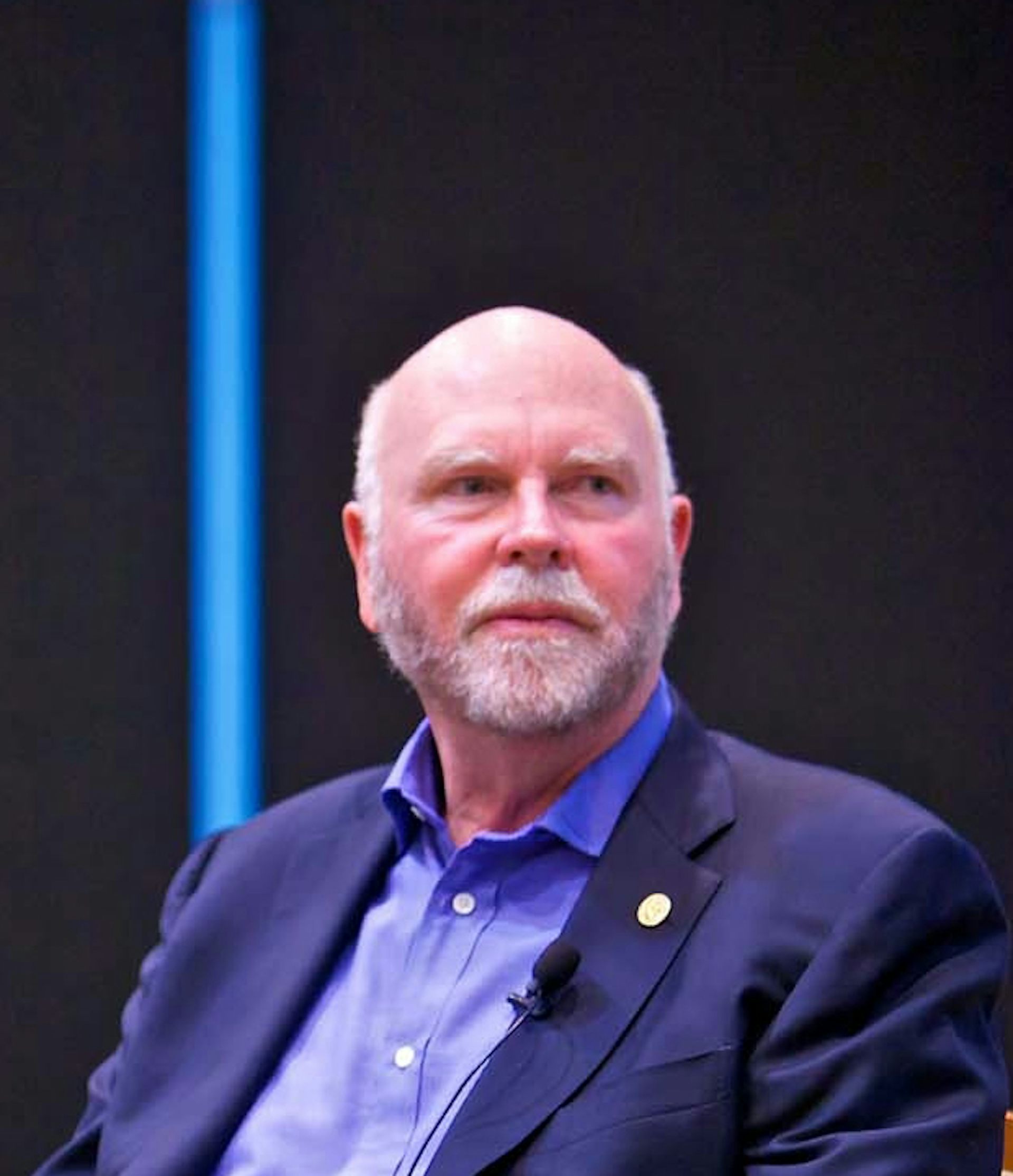
When scientist J. Craig Venter and his team announced in 2010 that they had created the first cell controlled by a fully synthetic genome, it marked a turning point in how scientists think about life.
عندما أعلن العالم ج. كريج فينتر وفريقه في عام 2010 أنهم قد أنشأوا أول خلية يتم التحكم فيها بواسطة جينوم اصطناعي بالكامل، مثّل ذلك نقطة تحول في طريقة تفكير العلماء حول الحياة.
For the first time, DNA – the molecule that carries the instructions for life – had been written on a computer, assembled in a laboratory and used to control a living cell. The achievement suggested something profound: Life might not only be understood but designed.
لأول مرة، تم كتابة الحمض النووي (DNA) – الجزيء الذي يحمل تعليمات الحياة – على جهاز كمبيوتر، وتجميعه في مختبر، واستخدامه للتحكم في خلية حية. وأشار هذا الإنجاز إلى شيء عميق: قد لا تقتصر الحياة على أن تُفهم فحسب، بل يمكن تصميمها أيضاً.
A biologist widely recognized for his groundbreaking contributions to genomics, including leading efforts to sequence the first draft of the human genome, Venter and his team’s successful creation of the first synthetic bacterial cell is considered pivotal to the field of synthetic biology.
يُعتبر نجاح فينتر وفريقه في إنشاء أول خلية بكتيرية اصطناعية أمراً محورياً في مجال البيولوجيا الاصطناعية، وذلك بالنظر إلى أن فينتر، وهو عالم أحياء معترف به على نطاق واسع لمساهماته الرائدة في علم الجينوم، بما في ذلك قيادته لجهود تسلسل المسودة الأولى للجينوم البشري.
By combining biology and engineering, synthetic biology seeks to design and build new biological systems or redesign existing ones for useful purposes. Rather than only observing how life works, scientists use tools such as DNA synthesis and genetic engineering to “program” cells to perform specific tasks, such as producing vaccines, developing sustainable fuels or detecting environmental toxins.
من خلال الجمع بين علم الأحياء والهندسة، تسعى البيولوجيا الاصطناعية إلى تصميم وبناء أنظمة بيولوجية جديدة أو إعادة تصميم الأنظمة الموجودة لأغراض مفيدة. فبدلاً من مجرد مراقبة كيفية عمل الحياة، يستخدم العلماء أدوات مثل تخليق الحمض النووي والهندسة الوراثية “لبرمجة” الخلايا لأداء مهام محددة، مثل إنتاج اللقاحات، أو تطوير الوقود المستدام، أو الكشف عن السموم البيئية.
But how far has the field gone since Venter’s original synthetic bacterial cell?
ولكن إلى أي مدى وصل هذا المجال منذ الخلية البكتيرية الاصطناعية الأصلية لفينتر؟
As a biochemist who uses genomics in my teaching and research, I am interested in understanding what this shift in biology means and how far it has actually taken scientific innovation. Following Venter’s death on April 29, 2026, it is worth revisiting that moment and asking whether synthetic biology has delivered on its promise.
بصفتي عالم كيمياء حيوية يستخدم علم الجينوم في تدريسي وبحثي، أنا مهتم بفهم ما يعنيه هذا التحول في علم الأحياء وإلى أي مدى حقق الابتكار العلمي فعلياً. في أعقاب وفاة فينتر في 29 أبريل 2026، من الجدير إعادة النظر في تلك اللحظة والتساؤل عما إذا كانت البيولوجيا الاصطناعية قد وفّت بوعدها.
What is synthetic biology?
ما هي البيولوجيا التركيبية؟
For much of the 20th century, biology focused on decoding life.
خلال جزء كبير من القرن العشرين، ركز علم الأحياء على فك شفرة الحياة.
The discovery of DNA’s structure in 1953 revealed how genetic information is stored. Decades later, the Human Genome Project that Venter helped accelerate mapped the full set of human genes.
كشف اكتشاف بنية الحمض النووي (DNA) في عام 1953 كيف يتم تخزين المعلومات الوراثية. وبعد عقود، قام مشروع الجينوم البشري، الذي ساعد في تسريع عمله فِنتر، برسم خريطة لمجموعة الجينات البشرية الكاملة.
But Venter and others pushed the field further: If DNA could be read like code, could it also be written?
لكن فِنتر وغيره دفعوا المجال إلى أبعد من ذلك: إذا كان من الممكن قراءة الحمض النووي كشفرة، فهل يمكن كتابته أيضًا؟
This idea underpins synthetic biology, which aims to design and construct biological systems rather than simply study them. Instead of modifying one gene at a time, researchers began exploring whether entire genomes could be built and inserted into cells.
تكمن هذه الفكرة في أساس البيولوجيا التركيبية، التي تهدف إلى تصميم وبناء الأنظمة البيولوجية بدلاً من مجرد دراستها. فبدلاً من تعديل جين واحد في كل مرة، بدأ الباحثون في استكشاف ما إذا كان من الممكن بناء جينومات كاملة وإدخالها في الخلايا.
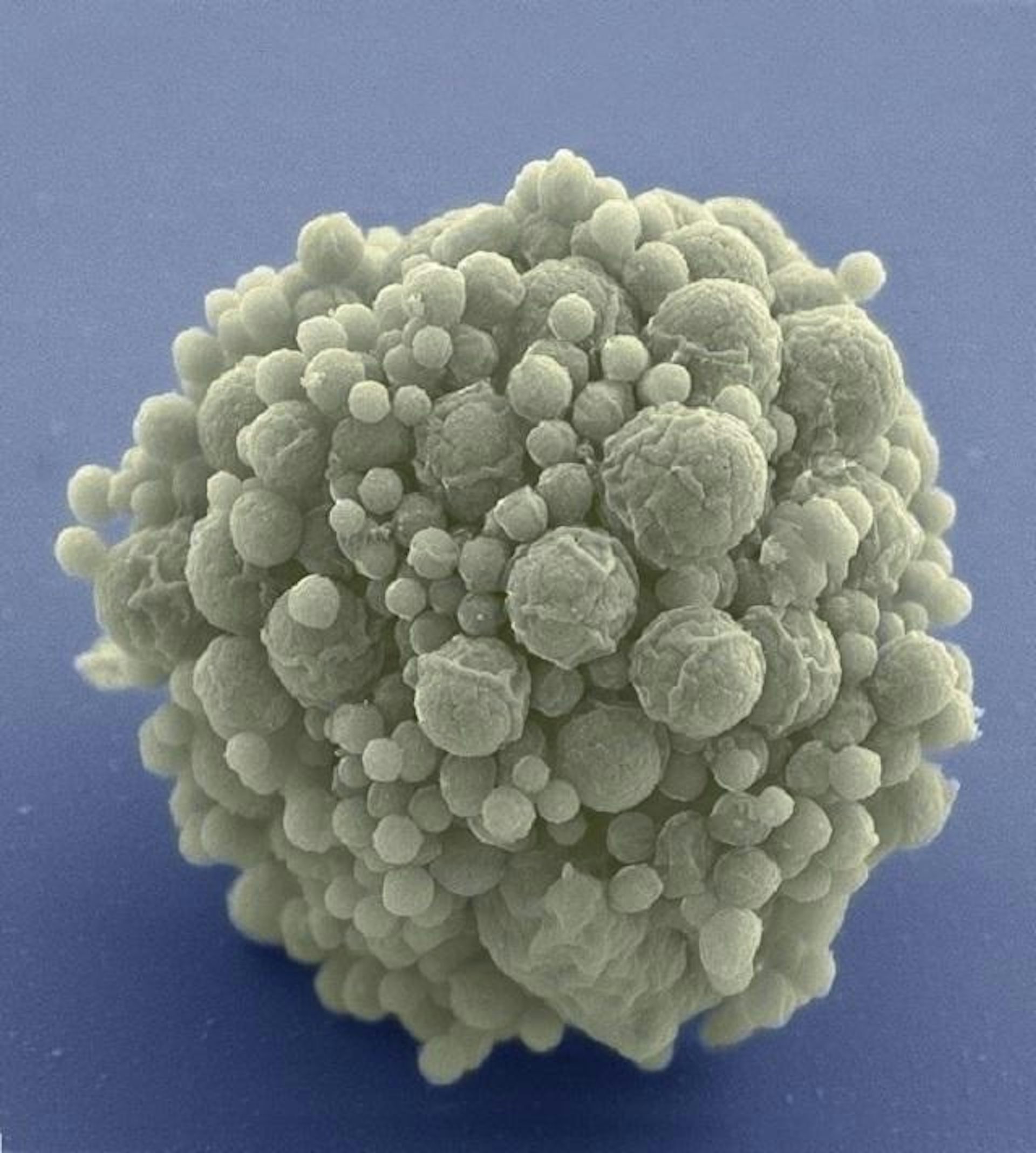
In 2010, Venter’s team demonstrated that this was possible. They constructed a bacterial genome and used it to take control of a living cell. While the cell itself was not built entirely from scratch, their work showed that the instructions for life could be engineered.
في عام 2010، أثبت فريق فِنتر أن هذا ممكن. فقد قاموا ببناء جينوم بكتيري واستخدموه للسيطرة على خلية حية. وعلى الرغم من أن الخلية نفسها لم تُبنَ بالكامل من الصفر، إلا أن عملهم أظهر أن تعليمات الحياة يمكن هندستها.
In other words, synthetic biologists were moving from reading life to rewriting it entirely.
بعبارة أخرى، كان علماء البيولوجيا التركيبية ينتقلون من قراءة الحياة إلى إعادة كتابتها بالكامل.
Big promises and bold expectations
وعود كبيرة وتوقعات جريئة
Synthetic biology has already led to a range of promising outcomes across medicine, energy and environmental science.
لقد أدت البيولوجيا التركيبية بالفعل إلى مجموعة من النتائج الواعدة في مجالات الطب والطاقة والعلوم البيئية.
Researchers have engineered microbes to produce lifesaving drugs such as artemisinin, an antimalarial compound, and to manufacture sustainable biofuels that could reduce reliance on fossil fuels. In addition, researchers are using synthetic biology to design organisms capable of detecting and breaking down environmental pollutants, offering new tools for bioremediation.
قام الباحثون بهندسة ميكروبات لإنتاج أدوية منقذة للحياة مثل الأرتيميسينين، وهو مركب مضاد للملاريا، وتصنيع وقود حيوي مستدام يمكن أن يقلل الاعتماد على الوقود الأحفوري. بالإضافة إلى ذلك، يستخدم الباحثون البيولوجيا التركيبية لتصميم كائنات قادرة على الكشف عن الملوثات البيئية وتحليلها، مما يوفر أدوات جديدة للمعالجة البيولوجية.
At the heart of these ideas was a powerful analogy: If biology could be treated like software, then designing organisms might one day resemble writing code.
في قلب هذه الأفكار كانت هناك تشبيه قوي: إذا كان يمكن التعامل مع علم الأحياء كبرنامج حاسوبي، فإن تصميم الكائنات قد يشبه يوماً ما كتابة الشفرة البرمجية.
This vision attracted significant investment and policy attention. The U.S. Government Accountability Office has highlighted synthetic biology’s potential to address challenges in multiple industries while also raising important ethical and safety considerations. For example, synthetic biology techniques could be used to develop biological weapons and could unintentionally harm ecosystems and human health.
جذبت هذه الرؤية استثمارات كبيرة واهتماماً سياسياً. وقد سلط مكتب محاسبة الحكومة الأمريكية الضوء على إمكانات البيولوجيا التركيبية لمعالجة التحديات في صناعات متعددة، مع إثارة في الوقت نفسه اعتبارات أخلاقية وسلامة مهمة. على سبيل المثال، يمكن استخدام تقنيات البيولوجيا التركيبية لتطوير أسلحة بيولوجية ويمكن أن تضر بشكل غير مقصود بالنظم البيئية وصحة الإنسان.
Progress slower than expected
التقدم أبطأ مما كان متوقعاً
Despite this progress, synthetic biology has not fully realized its early ambitions. One major reason is the complexity of living systems.
على الرغم من هذا التقدم، لم تحقق البيولوجيا التركيبية طموحاتها المبكرة بالكامل. أحد الأسباب الرئيسية لذلك هو تعقيد الأنظمة الحية.
Early approaches to synthetic biology treated cells as modular systems, where components could be predictably exchanged. In practice, biological systems are highly interconnected. Gene interactions are difficult to predict, and results observed in controlled laboratory conditions do not always scale to real-world environments.
تعاملت الأساليب المبكرة للبيولوجيا التركيبية مع الخلايا كنظم نمطية (وحدات) ، حيث يمكن تبادل المكونات بشكل يمكن التنبؤ به. في الممارسة العملية، الأنظمة البيولوجية مترابطة للغاية. من الصعب التنبؤ بتفاعلات الجينات، والنتائج المرصودة في ظروف المختبر المتحكم بها لا تتوسع دائماً لتشمل البيئات الواقعية.
This challenge has been particularly evident in areas such as biofuels, where translating laboratory successes into industrial-scale production has proved difficult.
كان هذا التحدي واضحاً بشكل خاص في مجالات مثل الوقود الحيوي، حيث أثبت نقل النجاحات المخبرية إلى إنتاج على نطاق صناعي صعوبة.
There are also more fundamental limitations. Scientists still cannot construct a fully living organism from nonliving components alone. Even Venter’s synthetic cell depended on an existing biological system to function.
هناك أيضاً قيود أكثر جوهرية. لا يزال العلماء غير قادرين على بناء كائن حي بالكامل من مكونات غير حية وحدها. حتى الخلية التركيبية لفينتر اعتمدت على نظام بيولوجي موجود لكي تعمل.
As a result, the goal of creating life entirely from scratch remains out of reach for now.
ونتيجة لذلك، يظل هدف خلق الحياة بالكامل من الصفر بعيد المنال في الوقت الحالي.
New questions and emerging risks
أسئلة جديدة ومخاطر ناشئة
As technology has advanced, it has also raised new ethical and security concerns. The same tools used to design beneficial organisms could potentially be misused.
مع تقدم التكنولوجيا، أثارت أيضاً مخاوف أخلاقية وأمنية جديدة. يمكن إساءة استخدام الأدوات نفسها المستخدمة لتصميم الكائنات الحية المفيدة.
Synthetic biology is widely recognized as a dual-use field, where advances in gene editing, DNA synthesis and bioengineering may enable not only medical and environmental innovations but also the creation or modification of harmful organisms.
تُعرف البيولوجيا التركيبية على نطاق واسع بأنها مجال مزدوج الاستخدام، حيث قد تتيح التطورات في تحرير الجينات وتخليق الحمض النووي والهندسة الحيوية ليس فقط الابتكارات الطبية والبيئية، بل وأيضاً إنشاء أو تعديل الكائنات الحية الضارة.
The increasing accessibility of these technologies further lowers barriers to misuse, making biosecurity threats more distributed and difficult to control. At the same time, governance frameworks often struggle to keep pace with rapid technological developments, leaving gaps in oversight and international coordination.
إن سهولة الوصول المتزايدة إلى هذه التقنيات تخفض كذلك حواجز سوء الاستخدام، مما يجعل تهديدات الأمن البيولوجي أكثر انتشاراً ويصعب السيطرة عليها. وفي الوقت نفسه، غالباً ما تكافح أطر الحوكمة لمواكبة التطورات التكنولوجية السريعة، مما يترك ثغرات في الرقابة والتنسيق الدولي.
Beyond immediate risks, broader questions remain about how far humans should go in redesigning life and what unintended consequences such changes could have for ecosystems. Engineered organisms may introduce risks such as genetic contamination and ecosystem disruption, which would harm biodiversity and ecosystem services.
وبعيداً عن المخاطر المباشرة، لا تزال هناك أسئلة أوسع حول مدى تقدم البشر في إعادة تصميم الحياة وما هي العواقب غير المقصودة التي يمكن أن تحدثها مثل هذه التغييرات على النظم البيئية. قد تُدخل الكائنات المُهندسة مخاطر مثل التلوث الجيني وتعطيل النظام البيئي، مما يضر بالتنوع البيولوجي وخدمات النظام البيئي.
These concerns are likely to become more pressing as the technology behind synthetic biology continues to develop, particularly as emerging tools such as artificial intelligence accelerate the design of new biological systems.
ومن المرجح أن تصبح هذه المخاوف أكثر إلحاحاً مع استمرار تطور التكنولوجيا الكامنة وراء البيولوجيا التركيبية، خاصة مع تسريع الأدوات الناشئة مثل الذكاء الاصطناعي لتصميم أنظمة بيولوجية جديدة.
Venter’s legacy
إرث فينتر
The implications of the idea that life could be engineered rather than just observed is still unfolding.
لا تزال تداعيات فكرة إمكانية هندسة الحياة بدلاً من مجرد ملاحظتها تتكشف.
Synthetic biology has not yet delivered a world of fully programmable organisms solving global challenges. But it has changed expectations, both within science and beyond, about what might be possible in biological design.
لم تقدم البيولوجيا التركيبية بعد عالماً من الكائنات الحية القابلة للبرمجة بالكامل لحل التحديات العالمية. لكنها غيرت التوقعات، سواء داخل العلم أو خارجه، حول ما يمكن أن يكون ممكناً في التصميم البيولوجي.
In that sense, the impact of synthetic biology is already clear: It has altered not just how scientists study life but how society imagines its future.
بهذا المعنى، أصبح تأثير البيولوجيا التركيبية واضحاً بالفعل: فقد غيّر ليس فقط طريقة دراسة العلماء للحياة، بل غيّر أيضاً الطريقة التي يتخيل بها المجتمع مستقبلها.
Venter’s legacy includes the questions he made unavoidable: how far scientists should go in designing life, who gets to decide, and what responsibilities come with that power. The answers remain unsettled. But the trajectory seems to be that science is learning, cautiously and imperfectly, to author life.
يشمل إرث فينتر التساؤلات التي جعلها أمراً حتمياً: إلى أي مدى يجب أن يذهب العلماء في تصميم الحياة، ومن يملك الحق في اتخاذ القرار، وما هي المسؤوليات التي تأتي مع تلك القوة. تبقى الإجابات غير محسومة. لكن المسار يبدو أن العلم يتعلم، بحذر وبشكل غير كامل، تأليف الحياة.
André O. Hudson receives funding from the National Institutes of Health and the National Science Foundation
يتلقى أندريه أو. هادسون تمويلاً من المعاهد الوطنية للصحة والمؤسسة الوطنية للعلوم
Read more
-
الجنوب أفريقيون أقل تسامحاً مع المهاجرين مما كان عليه في السابق – بؤر ساخنة، ودوافع، وحلول
South Africans are far less tolerant of migrants than before – hotspots, drivers and solutions
-
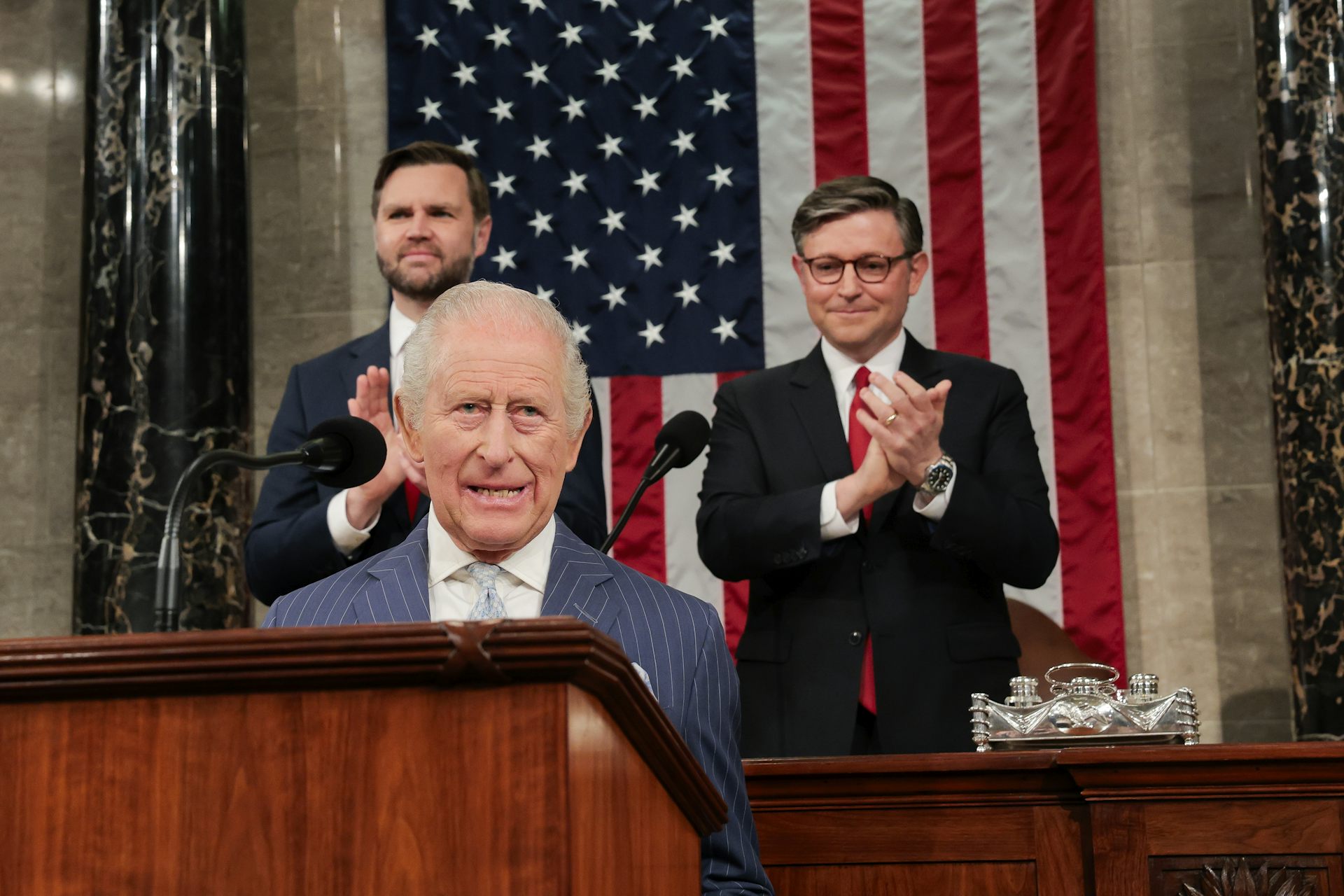
كيف أبهر الملك تشارلز الولايات المتحدة بينما يوجه السخرية لترامب
How King Charles charmed the US while taking digs at Trump