الذاكرة الفوتوغرافية أسطورة – إليك ما يقوله البحث حقاً حول التذكر
Photographic memory is a myth – here’s what research really says about remembering
Hollywood loves a character who has the perfect total recall of a photographic memory. But this idea is a fantasy. It’s not how memory works – for good reason.
تحب هوليوود الشخصية التي لديها استدعاء كامل ومثالي للذاكرة الفوتوغرافية. لكن هذه الفكرة مجرد خيال. إنها ليست الطريقة التي تعمل بها الذاكرة – ولهذا سبب وجيه.
Hollywood loves a superpower. Not all involve capes or cosmic rays. Some are cognitive: characters who can remember everything. In movies and on TV, viewers repeatedly encounter those with extraordinary minds who glance once at a page, a room or a face – and later recreate every detail with surgical precision.
تحب هوليوود القوى الخارقة. ولا تقتصر كلها على الأردية أو الأشعة الكونية. بعضها معرفي: شخصيات تتذكر كل شيء. في الأفلام والتلفزيون، يواجه المشاهدون مراراً وتكراراً أولئك ذوي العقول الاستثنائية الذين يلقون نظرة خاطفة على صفحة، أو غرفة، أو وجه – ثم يعيدون إنشاء كل تفصيل بدقة جراحية.
You see it everywhere: “Suits,” “Sherlock” and “The Girl with the Dragon Tattoo.” Even in children’s literature there’s fifth grader Cam Jansen, who activates her photolike memory by saying “Click!”
تراها في كل مكان: “Suits” و “Sherlock” و “The Girl with the Dragon Tattoo”. وحتى في الأدب الموجه للأطفال، هناك الطالبة في الصف الخامس كام جانسن، التي تنشط ذاكرتها الشبيهة بالتصوير بقولها “نقرة!” (Click!) .
Most recently, it appeared in the television series “The Pitt,” set in a hospital emergency department. When the digital patient board suddenly went offline, medical student Joy Kwon saved the day by effortlessly reciting from memory every lost detail – names, rooms, doctors, conditions, vitals. It’s a gripping moment. The stakes are high, recall is perfect, and the implication is clear: Some people have minds that function like high-resolution cameras.
مؤخراً، ظهرت في المسلسل التلفزيوني “The Pitt”، الذي تدور أحداثه في قسم طوارئ مستشفى. عندما تعطلت لوحة المرضى الرقمية فجأة، أنقذت الطالبة الطبية جوي كوون الموقف بتلاوة كل تفصيل مفقود دون عناء – الأسماء، الغرف، الأطباء، الحالات، العلامات الحيوية. إنها لحظة مشوقة. المخاطر عالية، والاستدعاء مثالي، والاستنتاج واضح: بعض الناس يمتلكون عقولاً تعمل كالكاميرات عالية الدقة.
The idea of photographic memory is simple and powerful: Experience is captured objectively, stored completely and retrieved perfectly. See it once, keep it forever.
فكرة الذاكرة الفوتوغرافية بسيطة وقوية: يتم التقاط التجربة بموضوعية، وتخزينها بالكامل، واسترجاعها بشكل مثالي. تراها مرة واحدة، وتحتفظ بها إلى الأبد.
There’s just one problem. There’s no scientific evidence it exists.
هناك مشكلة واحدة فقط. لا يوجد دليل علمي على وجودها.
Your memory doesn’t record, it reconstructs
ذاكرتك لا تسجل، بل تعيد البناء
As a memory researcher, I understand that belief in photographic memory is common and the idea is compelling. But it is simply wrong.
بصفتي باحثاً في الذاكرة، أتفهم أن الاعتقاد بالذاكرة الفوتوغرافية أمر شائع والفكرة مقنعة. لكنها خاطئة ببساطة.
Human memory does not work like a recording device. It’s a reconstructive process even among those with the most extraordinary skills. When you recall an event, memory doesn’t just hand you your experiences the same way every time. It’s never a matter of simply accessing, retrieving and playing back a static record of a stored slice of the past.
الذاكرة البشرية لا تعمل كجهاز تسجيل. إنها عملية إعادة بناء حتى بين أولئك الذين يمتلكون المهارات الاستثنائية. عندما تسترجع حدثاً ما، فإن الذاكرة لا تقدم لك تجاربك بالطريقة نفسها في كل مرة. إنها ليست مسألة مجرد الوصول إلى سجل ثابت ومسترجع ومُعاد تشغيله لقطعة مخزنة من الماضي.
Rather, you reconstruct the past by piecing together the remnants of experience available to you in the moment of recollection. It’s a process shaped by a range of factors, including the search cues you use; your present knowledge, attitudes and goals; and your current state of mind or mood.
بل إنك تعيد بناء الماضي عن طريق تجميع بقايا الخبرة المتاحة لك في لحظة التذكر. إنها عملية تتشكل بفعل مجموعة من العوامل، بما في ذلك إشارات البحث التي تستخدمها؛ ومعرفتك ومواقفك وأهدافك الحالية؛ وحالتك الذهنية أو مزاجك الحالي.
Because each of these factors is dynamic and changing, you’ll remember the past differently today – if ever so slightly – from how you remembered it yesterday, and differently from how you’ll remember it tomorrow. What you remember is not only incomplete but also inexact.
نظراً لأن كل عامل من هذه العوامل ديناميكي ومتغير، فسوف تتذكر الماضي اليوم بشكل مختلف – ولو بشكل طفيف – عما تذكرته بالأمس، وبشكل مختلف عما ستتذكره غداً. ما تتذكره ليس غير مكتمل فحسب، بل هو غير دقيق أيضاً.
A closer look at extraordinary memory
نظرة أقرب على الذاكرة الخارقة
Some people, such as memory competition champions, do have extraordinary memories. They can memorize thousands of digits or entire decks of cards in minutes. Their feats are real, but they don’t come from a memory that takes mental snapshots.
يمتلك بعض الأشخاص، مثل أبطال مسابقات الذاكرة، ذكريات خارقة بالفعل. يمكنهم حفظ آلاف الأرقام أو مجموعات كاملة من أوراق اللعب في دقائق. إن إنجازاتهم حقيقية، لكنها لا تأتي من ذاكرة تلتقط لقطات ذهنية.
Instead, these people rely on strategies – mental frameworks built through thousands of hours of deliberate practice to scaffold their memory in specific domains. Without these strategies and in other aspects of life, their recall looks pretty much like everyone else’s. Experts’ performance reflects better methods, not different machinery.
بدلاً من ذلك، يعتمد هؤلاء الأشخاص على الاستراتيجيات – وهي أطر ذهنية تُبنى من خلال آلاف الساعات من الممارسة المتعمدة لتدعيم ذاكرتهم في مجالات محددة. وبدون هذه الاستراتيجيات، وفي جوانب أخرى من الحياة، يبدو استرجاعهم مشابهاً إلى حد كبير استرجاع الجميع. إن أداء الخبراء يعكس طرقاً أفضل، وليس آليات مختلفة.
In the scientific literature, the ability that comes closest to photographic memory is eidetic imagery: a form of visual mental imagery in which people claim they can briefly continue to “see” pictures they carefully studied and that are then removed from view.
في الأدبيات العلمية، القدرة الأقرب إلى الذاكرة الفوتوغرافية هي التصوير الذهني (eidetic imagery): وهو شكل من أشكال التخيل البصري الذهني يزعم فيه الناس أنهم يستطيعون “رؤية” الصور التي درسوها بعناية لفترة وجيزة، حتى بعد إزالتها من مجال الرؤية.
This ability is rare, is seen mostly in children, and usually disappears by adolescence. Even at its peak, however, it falls short of the Hollywood ideal. Eidetic images fade quickly and are not perfectly accurate. They can include distortions and even details that were not seen.
هذه القدرة نادرة، وتُرى في الغالب لدى الأطفال، وعادة ما تختفي بحلول فترة المراهقة. ومع ذلك، حتى في ذروتها، فإنها تقصر عن المثالية التي تصورها هوليوود. تتلاشى الصور التصويرية بسرعة وليست دقيقة تماماً. وقد تتضمن تشوهات وحتى تفاصيل لم تُشاهَد.
It’s exactly what you’d expect from a reconstructive memory system – and exactly what you would not expect from a literal recording.
هذا هو بالضبط ما تتوقعه من نظام الذاكرة البنائي – وما لا تتوقعه من تسجيل حرفي.
Forgetting is a feature and not a flaw
النسيان ميزة وليس عيباً
The myth about photographic memories feeds into the idea that your memory has failed if you can’t remember – that if your memory worked right, it would operate like a camera. When you can’t retrieve information or you lose it entirely, it can feel like something has gone wrong.
تغذي الأسطورة المتعلقة بالذكريات الفوتوغرافية فكرة أن ذاكرتك قد فشلت إذا لم تتمكن من التذكر – وأن ذاكرتك، لو عملت بشكل صحيح، لكانت تعمل مثل الكاميرا. عندما لا تتمكن من استرجاع المعلومات أو تفقدها بالكامل، قد تشعر وكأن شيئاً ما قد سار بشكل خاطئ.
In reality, forgetting is functional. Without it, we’d never get by.
في الواقع، النسيان وظيفي. وبدونه، لن نتمكن من العيش.
For instance, people use their memories of the past to forecast the future. Perfect memory would be a liability. Forgetting washes out the details of specific episodes and retains the gist so you can apply past experiences to novel situations, not just those that exactly match what happened before.
على سبيل المثال، يستخدم الناس ذكريات الماضي للتنبؤ بالمستقبل. وستكون الذاكرة المثالية عبئاً. يمحو النسيان تفاصيل الحلقات المحددة ويحتفظ بالجوهر حتى تتمكن من تطبيق التجارب الماضية على مواقف جديدة، وليس فقط تلك التي تطابق تماماً ما حدث من قبل.
Forgetting also guards your emotional health. The dulling of memories for negative events, like say an embarrassing episode, makes it easier for you to move on than if you reexperienced all the details in full force every time the event came to mind.
كما يحمي النسيان صحتك العاطفية. إن بهتان الذكريات للأحداث السلبية، مثل حادثة محرجة مثلاً، يسهل عليك المضي قدماً أكثر مما لو عشت كل التفاصيل بكامل قوتها في كل مرة يتبادر فيها الحدث إلى ذهنك.
Forgetting protects your sense of self as well. Memories of your past form the foundation of your identity. To help maintain a stable self-concept, people selectively modify or even forget those memories that challenge their views of themselves.
يحمي النسيان أيضاً إحساسك بالذات. تشكل ذكريات ماضيك أساس هويتك. للمساعدة في الحفاظ على مفهوم ذات مستقر، يقوم الناس بتعديل أو حتى نسيان تلك الذكريات التي تتحدى رؤيتهم لأنفسهم بشكل انتقائي.
The rare individuals who come closest to having near-perfect memory often reveal the downsides. People with highly superior autobiographical memory can remember nearly every day of their lives in vivid detail. If you ask one of these people to recall what they did on Nov. 24, 1999, they likely can tell you.
الأفراد النادرون الذين يقتربون من امتلاك ذاكرة شبه مثالية غالباً ما يكشفون عن الجوانب السلبية. يمكن للأشخاص ذوي الذاكرة السيرية الذاتية المتفوقة للغاية تذكر كل يوم تقريباً من حياتهم بتفاصيل حية. إذا طلبت من أحد هؤلاء الأشخاص تذكر ما فعلوه في 24 نوفمبر 1999، فمن المحتمل أن يتمكنوا من إخبارك.
Their extraordinary ability seems to come from a habitual, even compulsive, reflection on their past and a focus on anchoring memories to dates. However, this skill is limited to autobiographical events, and they are prone to various kinds of memory distortions and errors just like everyone else.
يبدو أن قدرتهم الاستثنائية تأتي من التأمل المعتاد، بل القهري، في ماضيهم والتركيز على ربط الذكريات بالتواريخ. ومع ذلك، تقتصر هذه المهارة على الأحداث السيرية الذاتية، وهم عرضة لأنواع مختلفة من تشوهات وأخطاء الذاكرة تماماً مثل أي شخص آخر.
While this ability might sound like an advantage, many people with highly superior autobiographical memory describe it as exhausting. They struggle to move past negative experiences because their memories make them seem as sharp as ever.
في حين أن هذه القدرة قد تبدو ميزة، يصفها العديد من الأشخاص ذوي الذاكرة السيرية الذاتية المتفوقة للغاية بأنها مرهقة. إنهم يكافحون للمضي قدماً بعد التجارب السلبية لأن ذكرياتهم تجعلهم يبدون حادين كالسابق دائماً.
Accurate – and empowering – view of memory
نظرة دقيقة – ومُمكنة – للذاكرة
Beliefs about “perfect memory” shape how people judge students, eyewitnesses, patients and even themselves. They influence legal decisions, educational practices and unrealistic expectations about what human minds can – and should – do.
تُشكّل المعتقدات حول “الذاكرة المثالية” الطريقة التي يحكم بها الناس على الطلاب، والشهود العيان، والمرضى، وحتى أنفسهم. فهي تؤثر على القرارات القانونية، والممارسات التعليمية، والتوقعات غير الواقعية حول ما يمكن للعقول البشرية أن تفعله – ويجب أن تفعله.
Letting go of the camera metaphor could be a step toward better understanding how memory works. The brain is not a roll of film, it’s a storyteller – one that edits, interprets and reshapes the past in light of the present.
قد يمثل التخلي عن استعارة الكاميرا خطوة نحو فهم أفضل لكيفية عمل الذاكرة. فالدماغ ليس بكرة فيلم، بل هو راوٍ قصص – يقوم بتحرير الماضي وتفسيره وإعادة تشكيله في ضوء الحاضر.
And that’s not a limitation. It’s a superpower.
وهذه ليست قيداً. إنها قوة خارقة.
Gabrielle Principe does not work for, consult, own shares in or receive funding from any company or organization that would benefit from this article, and has disclosed no relevant affiliations beyond their academic appointment.
غابرييل برينسيبي لا تعمل لدى، أو تستشير، أو تمتلك حصصاً في، أو تتلقى تمويلاً من أي شركة أو منظمة قد تستفيد من هذه المقالة، ولم تفصح عن أي انتماءات ذات صلة تتجاوز منصبها الأكاديمي.
Read more
-
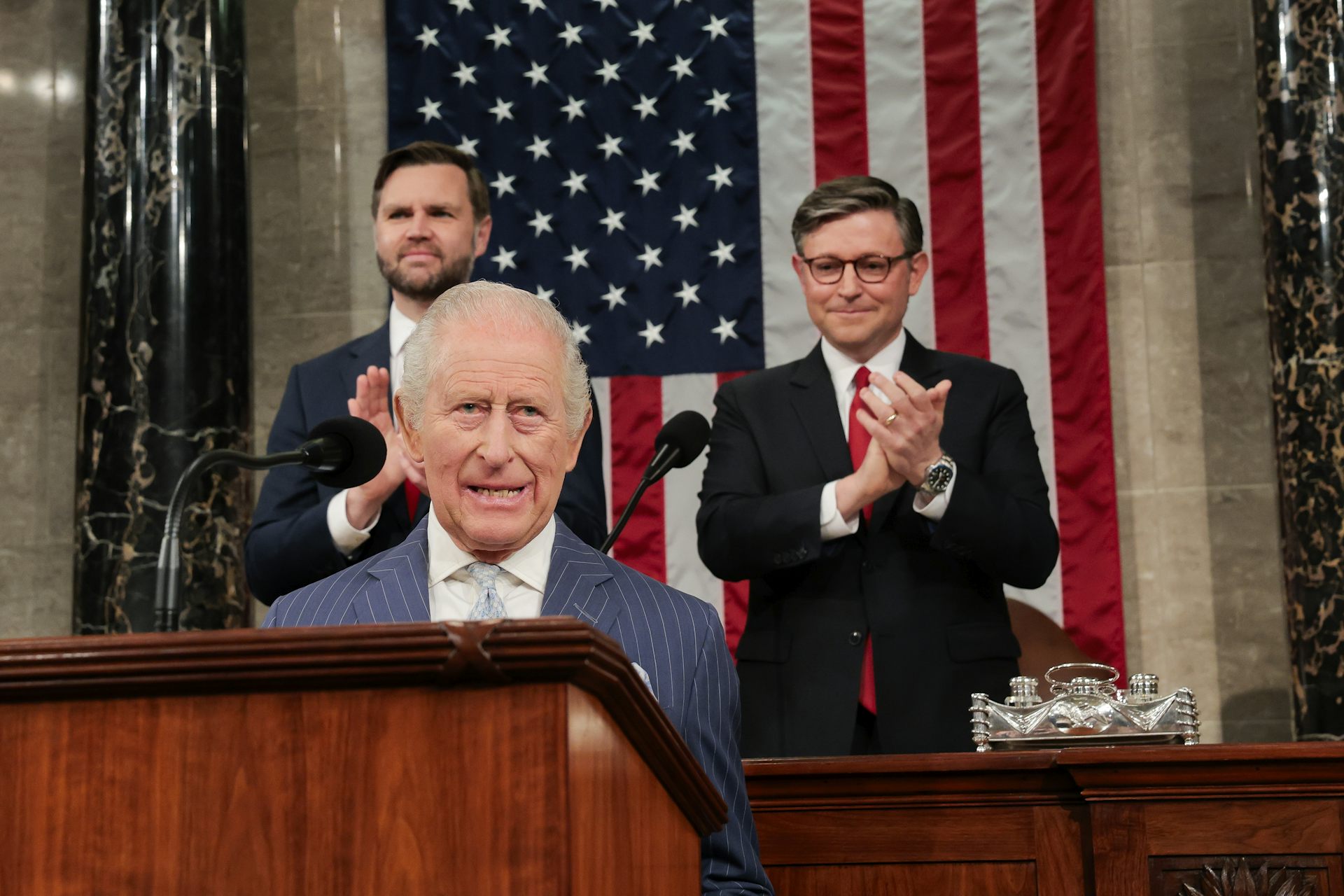
كيف أبهر الملك تشارلز الولايات المتحدة بينما يوجه السخرية لترامب
How King Charles charmed the US while taking digs at Trump