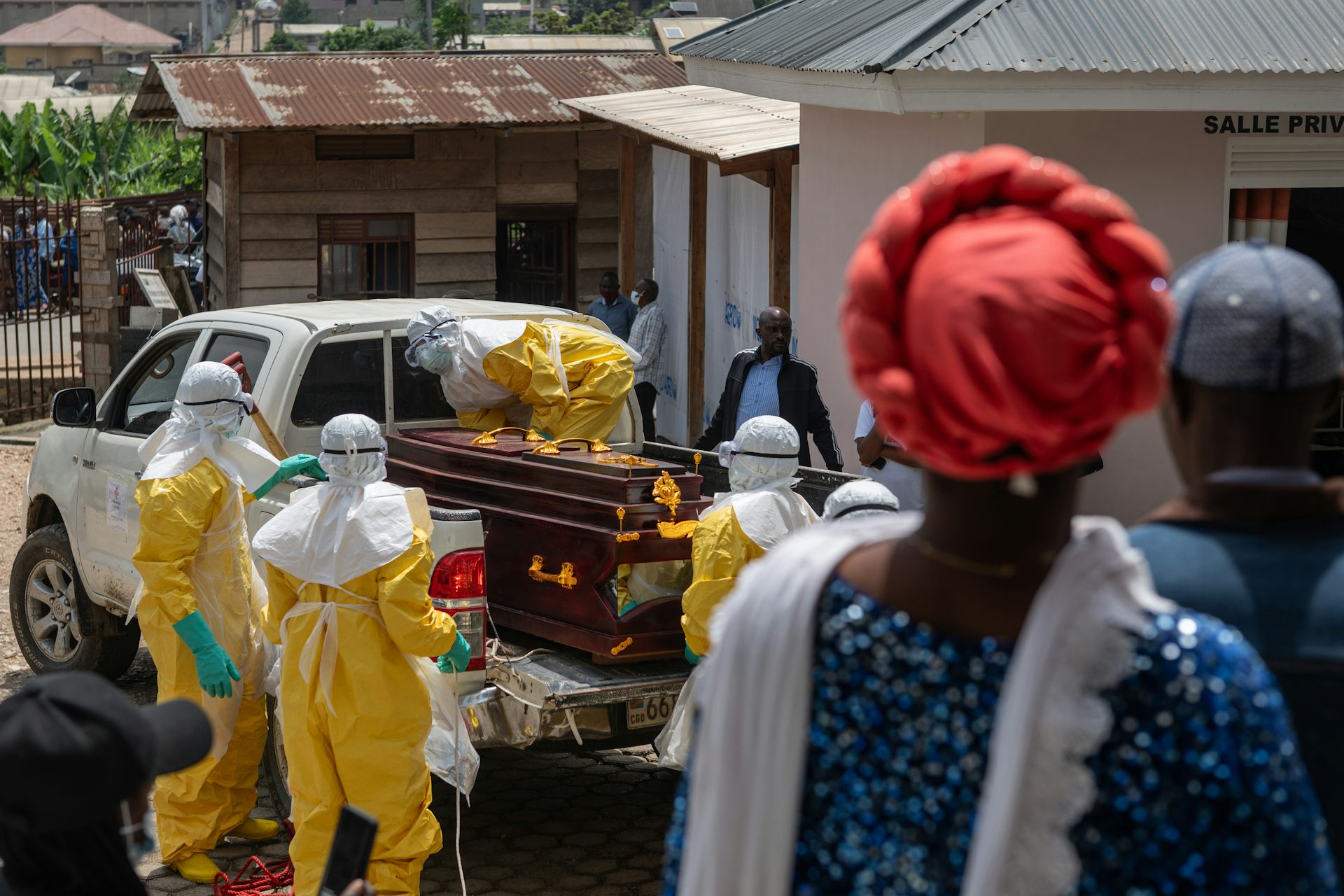
عالمان في سباق لتطوير لقاح جديد لإيبولا
Two scientists on their race to make a new Ebola vaccine
The Bundibugyo strain of Ebola causing the ongoing outbreak in the Democratic Republic of Congo currently has no vaccine. The Conversation Weekly podcast speaks to two researchers working to develop one.
سلالة بونديبوغيو من إيبولا، المسببة للتفشي المستمر في جمهورية الكونغو الديمقراطية، لا يوجد لها لقاح حاليًا. يتحدث بودكاست “ذا كونفرسيشن ويكلي” إلى باحثين يعملان على تطوير لقاح له.
As health workers in the Democratic Republic of Congo (DRC) continue to battle an ongoing Ebola outbreak, scientists around the world are racing to develop a vaccine against the strain of the virus that’s causing it.
بينما يواصل العاملون الصحيون في جمهورية الكونغو الديمقراطية (DRC) محاربة تفشي إيبولا المستمر، يتسابق العلماء في جميع أنحاء العالم لتطوير لقاح ضد سلالة الفيروس المسببة له.
Two approved vaccines exist for Ebola, but they target the Zaire strain of the virus, not the Bundibugyo strain causing the 2026 outbreak – which has so far killed 61 people, with 359 confirmed cases in the DRC and neighbouring Uganda.
توجد لقاحات معتمدة لإيبولا، لكنها تستهدف سلالة زائير من الفيروس، وليس سلالة بونديبوغيو المسببة لتفشي عام 2026 – والتي تسببت حتى الآن في وفاة 61 شخصًا، مع 359 حالة مؤكدة في جمهورية الكونغو الديمقراطية وأوغندا المجاورة.
The outbreak is centred in the Ituri province of northeastern DRC, where conflict, displaced people, a large migrant community and poorly resourced health facilities make stopping the spread particularly challenging.
يتمركز التفشي في مقاطعة إيتوري بشمال شرق جمهورية الكونغو الديمقراطية، حيث يجعل الصراع، والنازحين، والجالية المهاجرة الكبيرة، والمرافق الصحية التي تفتقر إلى الموارد، وقف الانتشار أمرًا صعبًا بشكل خاص.
In this episode of The Conversation Weekly podcast, we speak to two scientists from the Oxford Vaccine Group at the University of Oxford, Teresa Lambe and Rebecca Makinson, who are developing a vaccine candidate for Bundibugyo virus. On June 1, they were among three research groups to receive fast-track funding from the Coalition for Epidemic Preparedness Innovations, alongside Moderna and IAVI.
في هذه الحلقة من بودكاست “The Conversation Weekly”، نتحدث إلى عالمين من مجموعة أكسفورد للقاحات في جامعة أكسفورد، تيريزا لامبي وريبيكا ماكينسون، اللتين تعملان على تطوير مرشح لقاح لفيروس بونديبوغيو. في الأول من يونيو، كانتا ضمن ثلاث مجموعات بحثية تلقت تمويلاً سريعًا من التحالف من أجل الابتكارات في الاستعداد للأوبئة، إلى جانب شركتي موديرنا وIAVI.
The Oxford group are using ChADOx1, a viral-vector platform that formed the basis of the Oxford-AstraZeneca COVID-19 vaccine, and adapting it for use against the Bundibugyo strain of Ebola. This builds on previous work developing a vaccine against another strain of Ebola in 2022.
تستخدم مجموعة أكسفورد منصة ChADOx1، وهي منصة ناقل فيروسي شكلت أساس لقاح أكسفورد-أسترازينيكا لمرض كوفيد-19، وتكيّفها لاستخدامها ضد سلالة بونديبوغيو من إيبولا. ويُبنى هذا على عمل سابق لتطوير لقاح ضد سلالة أخرى من إيبولا في عام 2022.
Development of a vaccine typically involves three stages: pre-clinical trials, tests in animals, and manufacture of batches of the vaccine for use in clinical trials in humans, explains Lambe. “Because we are using a platform technology where we have amassed a lot of knowledge around how to make these types of vaccines, we’re trying to run each of those different streams at the same time.”
يشرح لامبي أن تطوير لقاح يتضمن عادةً ثلاث مراحل: التجارب قبل السريرية، والاختبارات على الحيوانات، وتصنيع دفعات من اللقاح لاستخدامه في التجارب السريرية على البشر. وتضيف قائلة: “لأننا نستخدم تقنية منصة حيث تراكمنا الكثير من المعرفة حول كيفية صنع هذه الأنواع من اللقاحات، فإننا نحاول تشغيل كل من هذه المسارات المختلفة في نفس الوقت.”
Lambe says they have already begun testing the vaccine on small animals while manufacturing batches of it for trials, adding that they hope to do a phase one clinical trial “relatively soon, and certainly faster than you would routinely do”.
تقول لامبي إنهم بدأوا بالفعل باختبار اللقاح على حيوانات صغيرة أثناء تصنيع دفعات منه للتجارب، مضيفة أنهم يأملون إجراء تجربة سريرية للمرحلة الأولى “قريب نسبيًا، وبالتأكيد أسرع مما يتم بشكل روتيني.”
“The question isn’t really whether we can make an Ebola vaccine because it’s very clear that’s possible,” explains Makinson, a postdoctoral researcher in Lambe’s group. “The big challenge is being able to develop these vaccines … when there’s not an outbreak happening, and then making sure that they’re available as and when and where the outbreaks occur.”
توضح ماكينسون، الباحثة ما بعد الدكتوراه في مجموعة لامبي: “السؤال ليس حقًا ما إذا كان بإمكاننا صنع لقاح إيبولا، لأنه من الواضح جدًا أن ذلك ممكن. التحدي الأكبر هو القدرة على تطوير هذه اللقاحات… عندما لا يحدث تفشي، والتأكد من أنها متاحة عندما وأين تحدث تفشيات”.
Listen to the interview with Lambe and Makinson on The Conversation Weekly podcast.
استمع إلى المقابلة مع لامبي وماكينسون على بودكاست “The Conversation Weekly.”
This episode of The Conversation Weekly was written and produced by Gemma Ware, Katie Flood and Mend Mariwany. Mixing by Eleanor Brezzi and theme music by Neeta Sarl.
كُتبت هذه الحلقة من “The Conversation Weekly” وأُنتجت بواسطة جيما وير، وكيتي فلود، وميند ماريواني. الميكساج بواسطة إليانور بريزي والموسيقى التصويرية بواسطة نيتا سارل.
Newsclips in this video from France 24 English and CBS News.
مقاطع إخبارية في هذا الفيديو من فرانس 24 الإنجليزية وCBS News.
Listen to The Conversation Weekly via any of the apps listed above, download it directly via our RSS feed or find out how else to listen here. A transcript of this episode is available via the Apple Podcasts or Spotify apps.
استمع إلى “The Conversation Weekly” عبر أي من التطبيقات المذكورة أعلاه، أو قم بتنزيله مباشرة عبر موجز RSS الخاص بنا، أو اكتشف كيف يمكنك الاستماع إليه بطرق أخرى هنا. يتوفر نص هذه الحلقة عبر تطبيقات Apple Podcasts أو Spotify.
Teresa Lambe and Rebecca Makinson are investigators based at the University of Oxford, as part of this research portfolio, have received funds from DHSC and CEPI related to filovirus vaccine research. Teresa Lambe was one of the Principal Investigators overseeing the Oxford/AstraZeneca vaccine programme and is named as an inventor on a patent application for a vaccine against SARS CoV-2.
تيريزا لامبي وريبيكا ماكينسون باحثتان مقيمان في جامعة أكسفورد، وبموجب محفظة الأبحاث هذه، تلقتا تمويلاً من وزارة الصحة والرعاية الاجتماعية (DHSC) والتحالف من أجل الاستعداد للأوبئة (CEPI) فيما يتعلق بأبحاث لقاح الفيروسات الخيطية. كانت تيريزا لامبي إحدى الباحثات الرئيسيات المشرفات على برنامج لقاح أكسفورد/أسترازينيكا، ويُذكر اسمها كمخترعة في طلب براءة اختراع للقاح ضد فيروس سارس كوف-2.
Read more
-
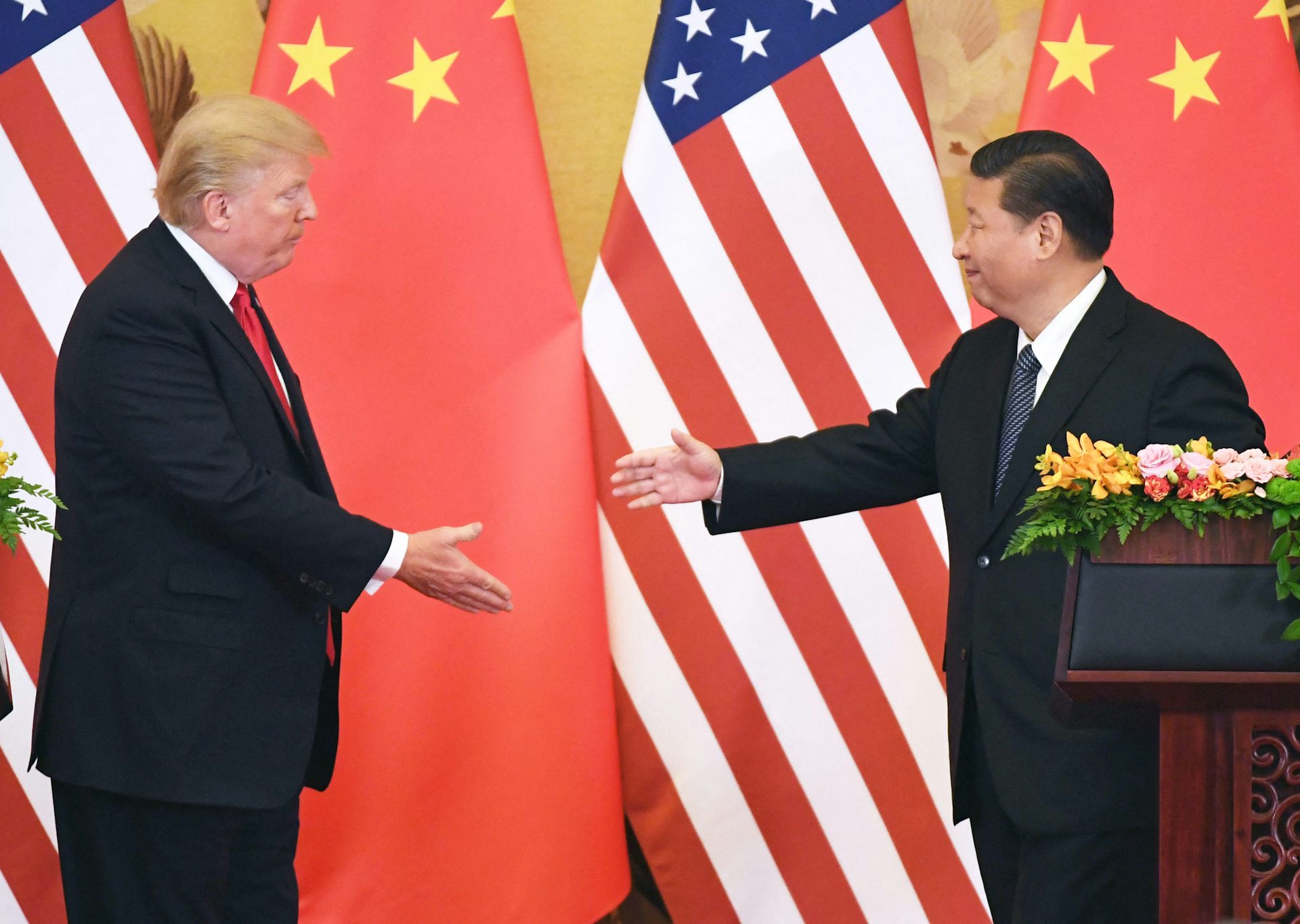
قمة ترامب وشي: الرئيس الأمريكي يقول إنه سيناقش بيع الأسلحة إلى تايوان – ما يكسر عقوداً من السياسة الأمريكية
Trump-Xi summit: US president says he will discuss arms sales to Taiwan – breaking decades of US policy