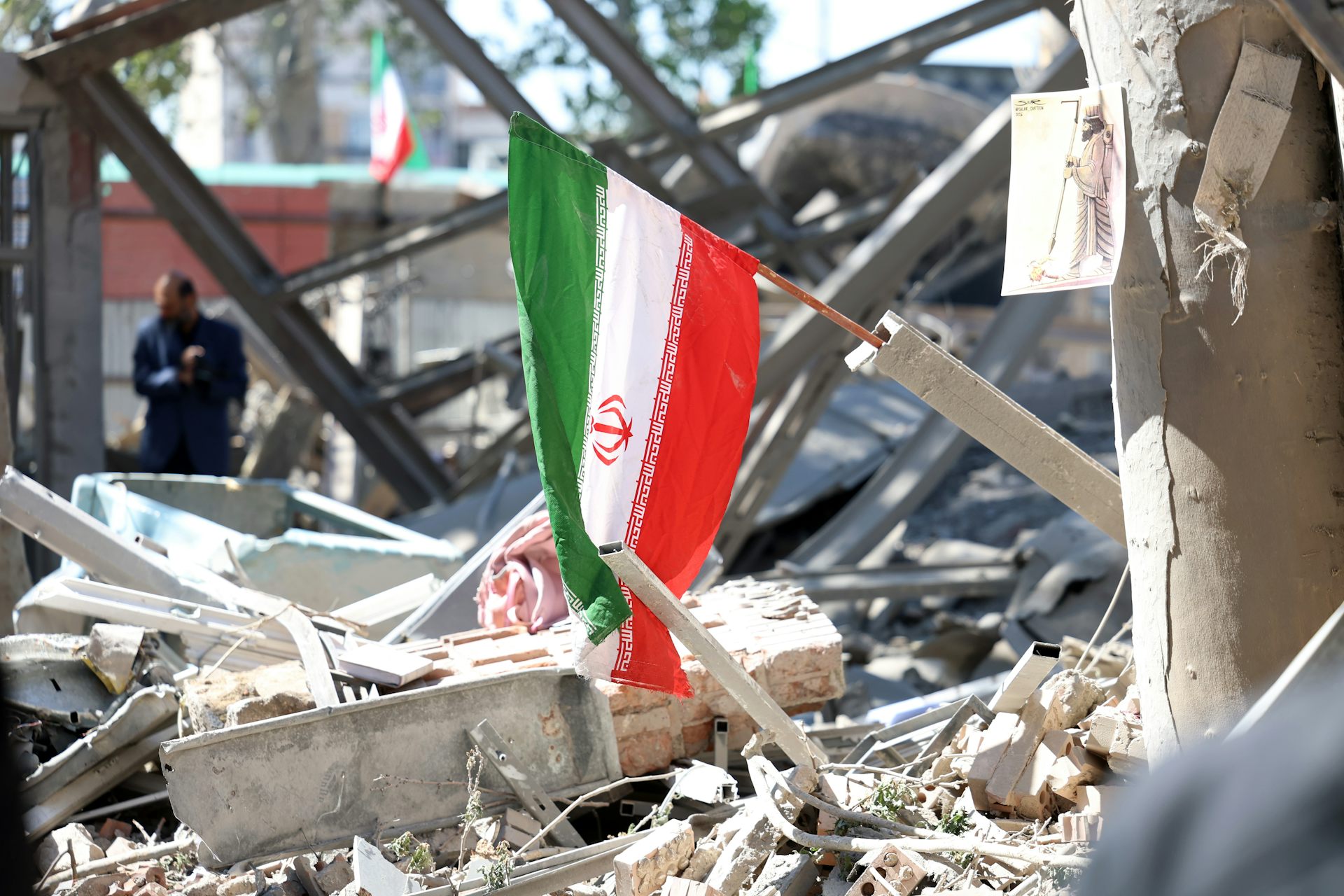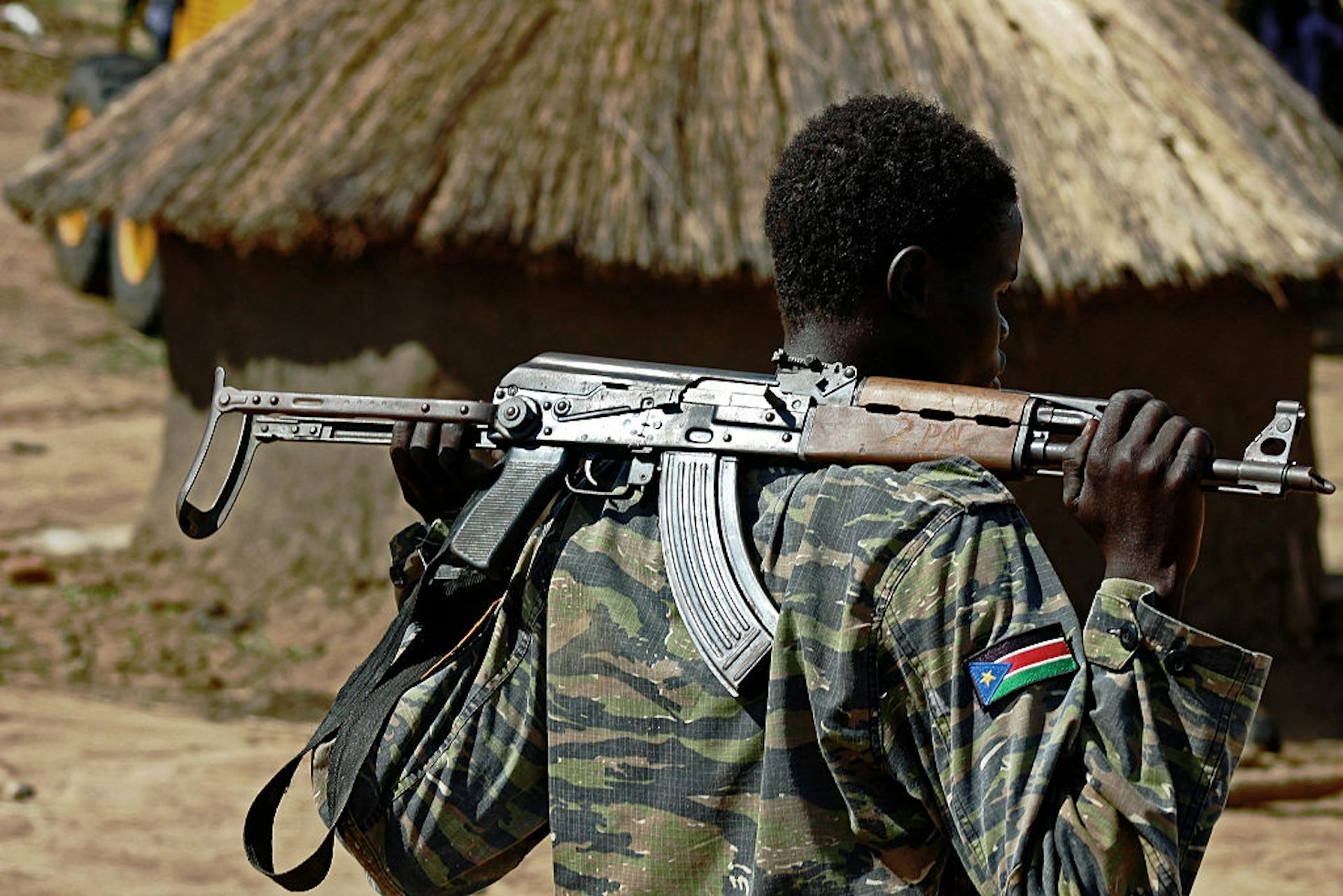
援助削减是否助长非洲暴力冲突?如何促进和平
Do aid cuts fuel violent conflict in Africa? How to pro…
In areas that had received the most American aid, the probability of conflict increased by 3.1 percentage points.
在接收了最多美国援助的地区,冲突的可能性增加了3.1个百分点。
The last 18 months have seen a historic decline in development aid budgets from various donor countries, in a period where many of them are earmarking more funds for rearmament. The biggest waves have been made by the abrupt and massive reduction in American aid.
过去18个月,来自各个捐助国的发展援助预算出现了历史性下降,而这些国家许多正在为再军备化划拨更多资金。最大的冲击来自于美国援助的突然和大规模削减。
Less than a week after President Donald Trump’s inauguration in January 2025, his administration ordered the immediate suspension of all programmes run by the United States Agency for International Development (USAID) – historically the world’s largest national humanitarian donor. Officers had hours to vacate their posts, local contracts were terminated, and medical and food supply chains ground to a halt.
在唐纳德·特朗普总统于2025年1月就职后不到一周的时间里,他的政府下令立即暂停了由美国国际开发署(USAID)运营的所有项目——该机构历史上是全球最大的国家人道主义捐助方。工作人员只有数小时时间搬离岗位,当地合同被终止,医疗和食品供应链停滞不前。
Researchers have already issued warnings of the severe health toll. A study published in Lancet Global Health estimates that USAID helped prevent nearly 92 million deaths between 2001 and 2021. It also projects more than 14 million additional deaths by 2030 if the cuts continue.
研究人员已经发出了关于严重健康代价的警告。《柳叶刀-全球健康》上发表的一项研究估计,在2001年至2021年间,USAID帮助阻止了近9200万人死亡。它还预测,如果削减持续下去,到2030年将造成超过1400万人额外的死亡。
The rapid and massive decline in foreign aid experienced by various recipient countries can have very substantial consequences, ranging from health outcomes to armed conflict. Recent evidence suggests what types of international support could allow countries to build back better and foster peace and prosperity for coming generations.
各国经历的外国援助的快速和大规模下降可能产生非常重大的后果,范围从健康状况到武装冲突。最近的证据表明了何种国际支持类型能够帮助国家更好地重建,并为后代促进和平与繁荣。
Development aid also matters for various socio-economic outcomes. Hence one would expect aid cuts to have wide-ranging societal consequences as well. Drawing on our past work on political economic topics and development economics, we have decided to investigate this question.
发展援助也关系到各种社会经济结果。因此,人们预计援助削减也会带来广泛的社会后果。基于我们过去在政治经济学和发展经济学领域的工作,我们决定调查这个问题。
Our new study finds that the sudden cuts to USAID programmes are associated with surging armed conflict in various regions across Africa.
我们的新研究发现,USAID项目突然的削减与非洲多个地区的武装冲突激增相关联。
We cross-referenced geolocated data on historical USAID disbursements with violent incidents recorded by the Armed Conflict Location and Event Data (ACLED) project across 870 African regions and over nearly two years. The project monitors conflicts.
我们将历史USAID拨付的地理定位数据,与“武装冲突地点和事件数据”(ACLED)项目记录的暴力事件进行了交叉引用,覆盖了870个非洲地区和两年多的时间跨度。该项目监测着冲突。
The data paint a clear picture: in areas that had received the most American aid, the probability of conflict increased by 3.1 percentage points after January 2025 relative to the control group of places not benefiting from USAID. To account for the fact that places with US aid and others may be different from each other, we filter out the time-invariant conflict risk of particular places and focus solely on changes over time.
数据显示了一幅清晰的图景:在接收到最多美国援助的地区,其冲突概率在2025年1月之后相对于未受益于USAID的对照组增加了3.1个百分点。为了考虑到拥有美国援助和其它地方可能存在差异的事实,我们剔除了特定地点不随时间变化的冲突风险,而只关注随时间的变化。
This amounts to a relative rise in conflict risk of 6.5%. Battles increased by nearly 7%, protests and riots by more than 5%, and conflict-related deaths by roughly 9%. These effects appear within the first few weeks and intensify over time.
这相当于冲突风险相对上升了6.5%。交战次数增加了近7%,抗议和暴动增加了超过5%,与冲突相关的死亡人数大约增加了9%。这些影响在最初的几周内出现,并随着时间的推移加剧。
International aid has always divided opinion. Some economists see it as a lever for stability; others, as fertile ground for corruption and conflict, by creating resources worth fighting over. Academic work has indeed found evidence pointing in both peace-promoting and conflict-fuelling directions when it comes to gradual aid flows. But a massive, sudden withdrawal follows a different logic – and our results confirm this.
国际援助一直以来都是意见不一的。一些经济学家将其视为稳定器;而另一些人则认为它为腐败和冲突提供了温床,因为它创造了值得争夺的资源。学术界确实发现,在渐进的援助流动方面,证据指向促进和平和助长冲突的两个方向。但大规模、突然的撤回遵循着不同的逻辑——我们的结果证实了这一点。
When aid vanishes abruptly, economic opportunities contract very quickly. The cost of rebellion mechanically decreases, as participants have less to lose, yet many of the underlying reasons for conflict – economic rents, territorial disputes, ethnic tensions, political grievances – remain intact.
当援助突然消失时,经济机会会迅速萎缩。叛乱成本机械性地降低,因为参与者失去得更少,然而许多导致冲突的根本原因——经济租金、领土争端、民族紧张局势、政治不满——仍然存在。
This mechanism may explain why violence flares up precisely where aid had been most present. Our data also show that institutions play a buffering role: where governance is stronger, the destabilising effects are markedly weaker.
这种机制可能解释了为什么暴力会在援助曾经最充足的地方爆发。我们的数据还显示,制度发挥着缓冲作用:治理越强,破坏稳定的效应就明显越弱。
We find no evidence, however, that the presence of Chinese aid projects softens the impact of USAID’s withdrawal.
然而,我们没有发现任何证据表明中国援助项目的存在能够减轻USAID撤回的影响。
What to do next?
接下来该做什么?
Sub-Saharan Africa, where USAID primarily funded health, food security and basic services, is also the continent where state fragility is most widespread. Our estimates likely represent a lower bound: other European donors (including France) have begun reducing their own contributions. If these cuts accumulate, the effects could exceed what we are measuring so far.
撒哈拉以南非洲是美国国际开发署(USAID)主要资助卫生、粮食安全和基本服务的地区,也是国家脆弱性最为普遍的大陆。我们的估算可能只是一个下限:其他欧洲捐助方(包括法国)已经开始削减自身的贡献。如果这些削减持续积累,其影响可能会超出我们目前所衡量的范围。
Since today’s conflicts are the best predictor of tomorrow’s, a spike in violence can quickly become a trap that is very hard to escape.
由于今天的冲突是预测明天最好的指标,暴力的激增可以迅速成为一个难以逃脱的陷阱。
Hence, the policy implications of these results are manifold. As far as other major donors are concerned, one interpretation of our findings is that at present they may want to act slowly and cautiously. After having witnessed a very significant drop in global aid and a surge in armed fighting, a rapid and massive disengagement of other major donor countries may very well accentuate the serious effects that we have documented.
因此,这些结果的政策意义是多方面的。至于其他主要捐助国,我们发现的一个解释是,目前它们可能希望采取缓慢和谨慎的行动。在目睹全球援助大幅下降和武装冲突激增之后,其他主要捐助国若迅速且大规模地撤离,可能会极大地加剧我们所记录的严重影响。
Rethinking development aid
重新思考发展援助
In the wake of USAID’s dismantlement there is an urgent need to rethink development aid. It is the right moment to ask difficult questions and reassess the type of international support that is best suited to promote peace and prosperity. Many questions arise: how can aid be made more resilient, less dependent on a single donor, more firmly rooted in local institutions?
在美国国际开发署(USAID)解体之后,迫切需要重新思考发展援助。现在是提出艰难问题、重新评估最适合促进和平与繁荣的国际支持类型的正确时机。许多问题随之产生:如何使援助更具韧性,减少对单一捐助方的依赖,并更牢固地植根于当地机构?
A growing academic literature on optimal policies for peace can serve as a useful guide. A synthesis of recent research highlights the role of sound institutions, security guarantees and productivity-promoting policies. While institution building is often home-grown, international cooperation is key for the other two aspects. In particular, a series of recent studies documents the paramount importance of UN blue helmets for guaranteeing security. The presence of United Nations troops prevents the worst atrocities, suggesting that what the international community should do is to increase the blue helmets budget rather than cutting it.
关于实现和平的最佳政策的学术文献正在不断增长,可以作为有用的指导。近期研究的综合分析强调了健全的制度、安全保障和促进生产力的政策的作用。虽然制度建设通常是本土化的,但国际合作对于其他两个方面至关重要。特别是,一系列最近的研究记录了联合国维和部队(蓝盔)在确保安全方面的首要重要性。联合国部队的存在可以防止最严重的暴行,这表明国际社会应该做的是增加维和部队的预算,而不是削减它。
Relatedly, financial aid can play a key role when it comes to investments into the economy, with wide-ranging consequences. When people have opportunities and perspective in life, they are much less likely to engage in armed conflict as leaving legal employment would entail much larger opportunity costs. Hence, it is not surprising that policies such as school construction, better health treatments and labour-market access have been found to promote peace.
相关地,当涉及到对经济的投资时,财政援助可以发挥关键作用,其影响是广泛的。当人们拥有生活机会和前景时,他们不太可能参与武装冲突,因为离开合法工作会带来更大的机会成本。因此,发现学校建设、更好的医疗待遇和劳动力市场准入等政策能够促进和平,也就不足为奇了。
Sound public policies and safety nets are crucial. As shown in a recent article, public employment programmes can provide insurance in the face of adverse shocks, leading to lower conflict levels.
健全的公共政策和安全网至关重要。正如最近的一篇文章所示,公共就业计划可以在遭遇不利冲击时提供保障,从而使冲突水平降低。
Build back better
重建更美好
Now that the previous foreign aid system has been largely broken, the international community should not aim to restore much of the same. Rather we should aim to “build back better”. This starts with favouring types of investments that cannot be easily appropriated – physical capital can be stolen while human capital cannot. We need to make sure that money gets invested in ways that boost productivity and economic perspectives for everybody.
鉴于此前外国援助体系已在很大程度上瓦解,国际社会不应旨在恢复大部分原有体系。相反,我们应该致力于“重建更美好”。这始于偏爱那些不能被轻易挪用的投资类型——物理资本可以被偷窃,但人力资本则不行。我们需要确保资金投入的方式能够提高所有人的生产力和经济前景。
Together with domestic pushes for the strengthening of institutions and of inclusive governance, such international financial aid can bear fruits for generations to come.
结合国内加强制度和包容性治理的努力,此类国际金融援助能够为后代带来福祉。
Dominic Rohner receives funding from CEPR through the research initiative Reducing Conflict and Improving Performance in the Economy (ReCIPE) funded by FCDO. He is affiliated with CEPR/ReCIPE.
Dominic Rohner通过英国外交部资助的“减少冲突与改善经济绩效”(ReCIPE)研究计划从CEPR获得资金支持。他隶属于CEPR/ReCIPE。
Austin L. Wright receives funding from CEPR through the research initiative Reducing Conflict and Improving Performance in the Economy (ReCIPE) funded by FCDO. He is affiliated with CEPR/ReCIPE.
Austin L. Wright通过英国外交部资助的“减少冲突与改善经济绩效”(ReCIPE)研究计划从CEPR获得资金支持。他隶属于CEPR/ReCIPE。
Oliver Vanden Eynde receives funding from CEPR through the research initiative Reducing Conflict and Improving Performance in the Economy (ReCIPE) funded by FCDO. He is affiliated with CEPR/ReCIPE.
Oliver Vanden Eynde通过英国外交部资助的“减少冲突与改善经济绩效”(ReCIPE)研究计划从CEPR获得资金支持。他隶属于CEPR/ReCIPE。
Uwe Sunde receives funding from CEPR through the research initiative Reducing Conflict and Improving Performance in the Economy (ReCIPE) funded by FCDO. He is affiliated with CEPR/ReCIPE. He is affiliated with CEPR/ReCIPE.
Uwe Sunde通过英国外交部资助的“减少冲突与改善经济绩效”(ReCIPE)研究计划从CEPR获得资金支持。他隶属于CEPR/ReCIPE。他隶属于CEPR/ReCIPE。
Jing-Rong Zeng does not work for, consult, own shares in or receive funding from any company or organisation that would benefit from this article, and has disclosed no relevant affiliations beyond their academic appointment.
曾景融没有为任何受益于本文的公司或组织工作、提供咨询、持有股份或接受资金,并且除了其学术任职外,未披露任何相关关联。