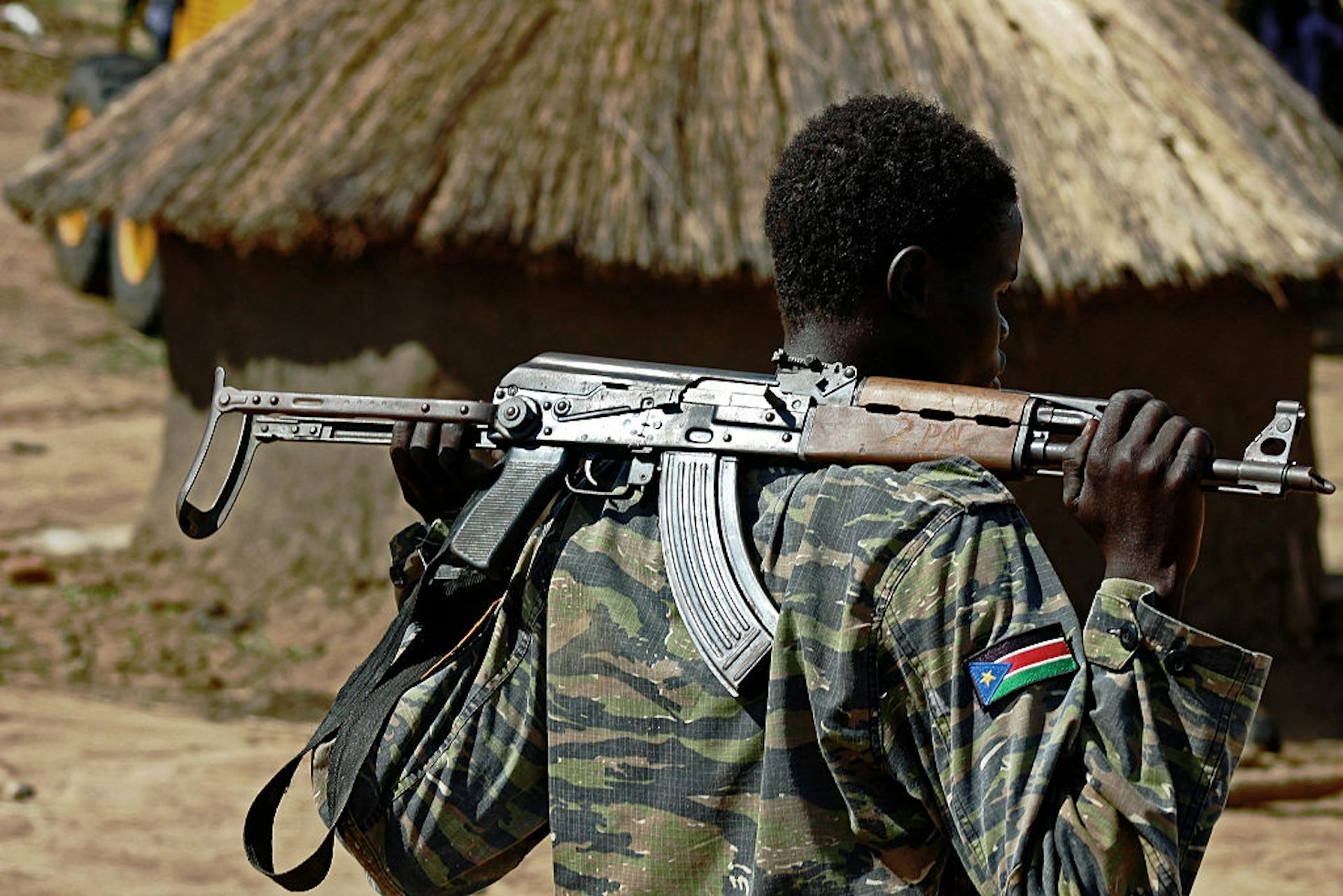
هل تغذي تخفيضات المساعدات الصراع العنيف في أفريقيا؟ كيف يمكن تعزيز السلام
Do aid cuts fuel violent conflict in Africa? How to promote peace
In areas that had received the most American aid, the probability of conflict increased by 3.1 percentage points.
في المناطق التي تلقت أكبر قدر من المساعدات الأمريكية، زاد احتمال نشوب النزاع بنسبة 3.1 نقطة مئوية.
The last 18 months have seen a historic decline in development aid budgets from various donor countries, in a period where many of them are earmarking more funds for rearmament. The biggest waves have been made by the abrupt and massive reduction in American aid.
شهدت الثمانية عشر شهراً الماضية تراجعاً تاريخياً في ميزانيات المساعدات الإنمائية من مختلف الدول المانحة، وذلك في فترة تقوم فيها العديد منها بتخصيص المزيد من الأموال لإعادة التسلح. وكانت الموجات الأكبر ناتجة عن التخفيض المفاجئ والضخم للمساعدة الأمريكية.
Less than a week after President Donald Trump’s inauguration in January 2025, his administration ordered the immediate suspension of all programmes run by the United States Agency for International Development (USAID) – historically the world’s largest national humanitarian donor. Officers had hours to vacate their posts, local contracts were terminated, and medical and food supply chains ground to a halt.
بعد أقل من أسبوع على تنصيب الرئيس دونالد ترامب في يناير 2025، أمرت إدارته بالتعليق الفوري لجميع البرامج التي تديرها الوكالة الأمريكية للتنمية الدولية (USAID) – وهي تاريخياً أكبر مانح وطني للمساعدات الإنسانية في العالم. اضطر الموظفون إلى إخلاء مناصبهم خلال ساعات، وتم إنهاء العقود المحلية، وتوقفت سلاسل إمداد الغذاء والدواء عن العمل تماماً.
Researchers have already issued warnings of the severe health toll. A study published in Lancet Global Health estimates that USAID helped prevent nearly 92 million deaths between 2001 and 2021. It also projects more than 14 million additional deaths by 2030 if the cuts continue.
أصدر الباحثون بالفعل تحذيرات بشأن الخسائر الصحية الجسيمة. وتشير دراسة نشرت في مجلة لانسيت للصحة العالمية إلى أن الوكالة الأمريكية للتنمية الدولية ساعدت في منع ما يقرب من 92 مليون حالة وفاة بين عامي 2001 و 2021. كما تتوقع الدراسة وقوع أكثر من 14 مليون حالة وفاة إضافية بحلول عام 2030 إذا استمرت التخفيضات.
The rapid and massive decline in foreign aid experienced by various recipient countries can have very substantial consequences, ranging from health outcomes to armed conflict. Recent evidence suggests what types of international support could allow countries to build back better and foster peace and prosperity for coming generations.
يمكن أن يكون للتراجع السريع والضخم في المساعدات الخارجية التي شهدتها مختلف البلدان المتلقية عواقب جوهرية للغاية، تتراوح من النتائج الصحية إلى النزاعات المسلحة. وتشير الأدلة الحديثة إلى أنواع الدعم الدولي التي يمكن أن تسمح للبلدان بالبناء بشكل أفضل وتعزيز السلام والازدهار للأجيال القادمة.
Development aid also matters for various socio-economic outcomes. Hence one would expect aid cuts to have wide-ranging societal consequences as well. Drawing on our past work on political economic topics and development economics, we have decided to investigate this question.
تعد المساعدات الإنمائية أيضاً أمراً مهماً لمختلف النتائج الاجتماعية والاقتصادية. ومن هنا، يتوقع المرء أن يكون لتخفيضات المساعدات عواقب مجتمعية واسعة النطاق أيضاً. وبناءً على عملنا السابق حول الموضوعات الاقتصادية السياسية واقتصاديات التنمية، قررنا التحقيق في هذا السؤال.
Our new study finds that the sudden cuts to USAID programmes are associated with surging armed conflict in various regions across Africa.
تجد دراستنا الجديدة أن التخفيضات المفاجئة لبرامج الوكالة الأمريكية للتنمية الدولية مرتبطة بتصاعد النزاع المسلح في مناطق مختلفة من جميع أنحاء إفريقيا.
We cross-referenced geolocated data on historical USAID disbursements with violent incidents recorded by the Armed Conflict Location and Event Data (ACLED) project across 870 African regions and over nearly two years. The project monitors conflicts.
لقد قمنا بمقارنة البيانات الجغرافية المحددة لمبالغ الصرف التاريخية للوكالة الأمريكية للتنمية الدولية مع الحوادث العنيفة التي سجلها مشروع تحديد مواقع وأحداث النزاعات المسلحة (ACLED) عبر 870 منطقة إفريقية وعلى مدى ما يقرب من عامين. يراقب المشروع النزاعات.
The data paint a clear picture: in areas that had received the most American aid, the probability of conflict increased by 3.1 percentage points after January 2025 relative to the control group of places not benefiting from USAID. To account for the fact that places with US aid and others may be different from each other, we filter out the time-invariant conflict risk of particular places and focus solely on changes over time.
ترسم البيانات صورة واضحة: في المناطق التي تلقت أكبر قدر من المساعدة الأمريكية، زاد احتمال نشوب الصراع بنسبة 3.1 نقطة مئوية بعد يناير 2025 مقارنة بالمجموعة الضابطة من الأماكن التي لم تستفد من الوكالة الأمريكية للتنمية الدولية. ولأخذ حقيقة أن الأماكن ذات الدعم الأمريكي وأخرى قد تختلف عن بعضها البعض في الاعتبار، قمنا بتصفية مخاطر النزاع غير المتغيرة زمنياً لتلك الأماكن وركزنا فقط على التغيرات بمرور الوقت.
This amounts to a relative rise in conflict risk of 6.5%. Battles increased by nearly 7%, protests and riots by more than 5%, and conflict-related deaths by roughly 9%. These effects appear within the first few weeks and intensify over time.
يبلغ هذا ارتفاعاً نسبياً في خطر الصراع بنسبة 6.5%. وزادت المعارك بما يقرب من 7%، واحتجاجات وشغب بأكثر من 5%، والوفيات المتعلقة بالصراع بحوالي 9%. وتظهر هذه التأثيرات خلال الأسابيع القليلة الأولى وتتفاقم بمرور الوقت.
International aid has always divided opinion. Some economists see it as a lever for stability; others, as fertile ground for corruption and conflict, by creating resources worth fighting over. Academic work has indeed found evidence pointing in both peace-promoting and conflict-fuelling directions when it comes to gradual aid flows. But a massive, sudden withdrawal follows a different logic – and our results confirm this.
لطالما أثارت المساعدات الدولية آراء متباينة. يراها بعض الاقتصاديين رافعة للاستقرار؛ بينما يراها آخرون أرضاً خصبة للفساد والصراع، من خلال خلق موارد تستحق القتال عليها. وقد وجدت الأعمال الأكاديمية بالفعل أدلة تشير في الاتجاهين: تعزيز السلام وتغذية الصراع عندما يتعلق الأمر بتدفقات المساعدات التدريجية. لكن الانسحاب الضخم والمفاجئ يتبع منطقاً مختلفاً – ونتائجنا تؤكد ذلك.
When aid vanishes abruptly, economic opportunities contract very quickly. The cost of rebellion mechanically decreases, as participants have less to lose, yet many of the underlying reasons for conflict – economic rents, territorial disputes, ethnic tensions, political grievances – remain intact.
عندما تختفي المساعدة فجأة، تتقلص الفرص الاقتصادية بسرعة كبيرة. وينخفض تكلفة التمرد ميكانيكياً، حيث يصبح لدى المشاركين ما يخسرونه أقل، ومع ذلك تبقى العديد من الأسباب الكامنة للصراع – مثل الريوع الاقتصادية، والمنازعات الإقليمية، والتوترات العرقية، والمظالم السياسية – سليمة.
This mechanism may explain why violence flares up precisely where aid had been most present. Our data also show that institutions play a buffering role: where governance is stronger, the destabilising effects are markedly weaker.
قد يفسر هذا الآلية سبب اندلاع العنف تحديداً حيث كانت المساعدة موجودة في أقصى درجة. وتظهر بياناتنا أيضاً أن المؤسسات تلعب دور التخفيف: فكلما كانت الحوكمة أقوى، كانت التأثيرات المزعزعة للاستقرار أضعف بشكل ملحوظ.
We find no evidence, however, that the presence of Chinese aid projects softens the impact of USAID’s withdrawal.
ومع ذلك، لا نجد دليلاً على أن وجود مشاريع المساعدات الصينية يخفف من تأثير سحب الوكالة الأمريكية للتنمية الدولية.
What to do next?
ماذا أفعل بعد ذلك؟
Sub-Saharan Africa, where USAID primarily funded health, food security and basic services, is also the continent where state fragility is most widespread. Our estimates likely represent a lower bound: other European donors (including France) have begun reducing their own contributions. If these cuts accumulate, the effects could exceed what we are measuring so far.
أفريقيا جنوب الصحراء الكبرى، التي مولت فيها الوكالة الأمريكية للتنمية الدولية (USAID) بشكل أساسي قطاعات الصحة والأمن الغذائي والخدمات الأساسية، هي أيضاً القارة التي تنتشر فيها هشاشة الدولة على نطاق واسع. من المحتمل أن تمثل تقديراتنا حداً أدنى: فقد بدأ مانحون أوروبيون آخرون (بما في ذلك فرنسا) في خفض مساهماتهم الخاصة. وإذا تراكمت هذه التخفيضات، يمكن أن تتجاوز الآثار ما نقيسه حتى الآن.
Since today’s conflicts are the best predictor of tomorrow’s, a spike in violence can quickly become a trap that is very hard to escape.
بما أن صراعات اليوم هي أفضل مؤشر على ما سيحدث غداً، فإن تصاعد العنف يمكن أن يتحول بسرعة إلى فخ يصعب الهروب منه للغاية.
Hence, the policy implications of these results are manifold. As far as other major donors are concerned, one interpretation of our findings is that at present they may want to act slowly and cautiously. After having witnessed a very significant drop in global aid and a surge in armed fighting, a rapid and massive disengagement of other major donor countries may very well accentuate the serious effects that we have documented.
وبالتالي، فإن التداعيات السياسية لهذه النتائج متعددة الأوجه. أما بالنسبة للمانحين الرئيسيين الآخرين، فيمكن تفسير نتائجنا بأنهم قد يرغبون حاليًا في التصرف ببطء وحذر. فبعد أن شهدوا انخفاضًا كبيرًا جدًا في المساعدات العالمية وتصاعدًا في القتال المسلح، فإن الانسحاب السريع والضخم من الدول المانحة الكبرى الأخرى قد يزيد بالتأكيد من تفاقم الآثار الخطيرة التي وثقناها.
Rethinking development aid
إعادة التفكير في المساعدات الإنمائية
In the wake of USAID’s dismantlement there is an urgent need to rethink development aid. It is the right moment to ask difficult questions and reassess the type of international support that is best suited to promote peace and prosperity. Many questions arise: how can aid be made more resilient, less dependent on a single donor, more firmly rooted in local institutions?
في أعقاب تفكيك الوكالة الأمريكية للتنمية الدولية، هناك حاجة ملحة لإعادة التفكير في المساعدات الإنمائية. إنها اللحظة المناسبة لطرح الأسئلة الصعبة وإعادة تقييم نوع الدعم الدولي الأنسب لتعزيز السلام والازدهار. وتثار العديد من التساؤلات: كيف يمكن جعل المساعدات أكثر مرونة، وأقل اعتماداً على مانح واحد، وأكثر رسوخاً في المؤسسات المحلية؟
A growing academic literature on optimal policies for peace can serve as a useful guide. A synthesis of recent research highlights the role of sound institutions, security guarantees and productivity-promoting policies. While institution building is often home-grown, international cooperation is key for the other two aspects. In particular, a series of recent studies documents the paramount importance of UN blue helmets for guaranteeing security. The presence of United Nations troops prevents the worst atrocities, suggesting that what the international community should do is to increase the blue helmets budget rather than cutting it.
يمكن للأدبيات الأكاديمية المتنامية حول السياسات المثلى للسلام أن تكون بمثابة دليل مفيد. ويسلط تجميع الأبحاث الحديثة الضوء على دور المؤسسات السليمة وضمانات الأمن والسياسات المعززة للإنتاجية. وفي حين أن بناء المؤسسات غالباً ما يكون محلياً، فإن التعاون الدولي هو المفتاح للجوانب الأخرى. وعلى وجه الخصوص، توثق سلسلة من الدراسات الحديثة الأهمية القصوى لقوات الأمم المتحدة الزرقاء لضمان الأمن. ويمنع وجود قوات الأمم المتحدة أسوأ الفظائع، مما يشير إلى أن ما يجب على المجتمع الدولي فعله هو زيادة ميزانية القبعات الزرقاء بدلاً من خفضها.
Relatedly, financial aid can play a key role when it comes to investments into the economy, with wide-ranging consequences. When people have opportunities and perspective in life, they are much less likely to engage in armed conflict as leaving legal employment would entail much larger opportunity costs. Hence, it is not surprising that policies such as school construction, better health treatments and labour-market access have been found to promote peace.
وفي سياق متصل، يمكن للمساعدات المالية أن تلعب دوراً رئيسياً عندما يتعلق الأمر بالاستثمارات في الاقتصاد، مع عواقب واسعة النطاق. فعندما تتاح للناس الفرص والآفاق في الحياة، فمن غير المرجح أن ينخرطوا في صراع مسلح لأن ترك العمل القانوني سيتضمن تكاليف فرص أكبر بكثير. ومن هنا، ليس من المستغرب أن تكون السياسات مثل بناء المدارس وتحسين العلاجات الصحية وإتاحة سوق العمل قد ثبت أنها تعزز السلام.
Sound public policies and safety nets are crucial. As shown in a recent article, public employment programmes can provide insurance in the face of adverse shocks, leading to lower conflict levels.
تُعد السياسات العامة القوية وشبكات الأمان أمراً بالغ الأهمية. وكما هو موضح في مقال حديث، يمكن لبرامج التوظيف العام أن توفر تأميناً في مواجهة الصدمات السلبية، مما يؤدي إلى انخفاض مستويات النزاع.
Build back better
إعادة بناء أفضل
Now that the previous foreign aid system has been largely broken, the international community should not aim to restore much of the same. Rather we should aim to “build back better”. This starts with favouring types of investments that cannot be easily appropriated – physical capital can be stolen while human capital cannot. We need to make sure that money gets invested in ways that boost productivity and economic perspectives for everybody.
بما أن نظام المساعدات الخارجية السابق قد تضرر إلى حد كبير، فيجب ألا يهدف المجتمع الدولي إلى استعادة الكثير من نفس الشيء. بل يجب أن نهدف إلى “إعادة البناء بشكل أفضل.” يبدأ هذا بتفضيل أنواع الاستثمارات التي لا يمكن مصادرتها بسهولة – فمن الممكن سرقة رأس المال المادي بينما لا يمكن ذلك لرأس المال البشري. نحن بحاجة إلى التأكد من استثمار الأموال بطرق تعزز الإنتاجية والآفاق الاقتصادية للجميع.
Together with domestic pushes for the strengthening of institutions and of inclusive governance, such international financial aid can bear fruits for generations to come.
بالتضافر مع الجهود المحلية لتعزيز المؤسسات والحوكمة الشاملة، يمكن لمثل هذه المساعدات المالية الدولية أن تثمر لأجيال قادمة.
Dominic Rohner receives funding from CEPR through the research initiative Reducing Conflict and Improving Performance in the Economy (ReCIPE) funded by FCDO. He is affiliated with CEPR/ReCIPE.
يتلقى دومينيك رونر التمويل من CEPR عبر مبادرة البحث المعنونة “تقليل النزاع وتحسين الأداء في الاقتصاد” (ReCIPE) بتمويل من FCDO. وهو منتسب إلى CEPR/ReCIPE.
Austin L. Wright receives funding from CEPR through the research initiative Reducing Conflict and Improving Performance in the Economy (ReCIPE) funded by FCDO. He is affiliated with CEPR/ReCIPE.
يتلقى أوستن ل. رايت التمويل من CEPR عبر مبادرة البحث المعنونة “تقليل النزاع وتحسين الأداء في الاقتصاد” (ReCIPE) بتمويل من FCDO. وهو منتسب إلى CEPR/ReCIPE.
Oliver Vanden Eynde receives funding from CEPR through the research initiative Reducing Conflict and Improving Performance in the Economy (ReCIPE) funded by FCDO. He is affiliated with CEPR/ReCIPE.
يتلقى أوليفر فاندن آيندي التمويل من CEPR عبر مبادرة البحث المعنونة “تقليل النزاع وتحسين الأداء في الاقتصاد” (ReCIPE) بتمويل من FCDO. وهو منتسب إلى CEPR/ReCIPE.
Uwe Sunde receives funding from CEPR through the research initiative Reducing Conflict and Improving Performance in the Economy (ReCIPE) funded by FCDO. He is affiliated with CEPR/ReCIPE. He is affiliated with CEPR/ReCIPE.
يتلقى أووي سونديه التمويل من CEPR عبر مبادرة البحث المعنونة “تقليل النزاع وتحسين الأداء في الاقتصاد” (ReCIPE) بتمويل من FCDO. وهو منتسب إلى CEPR/ReCIPE. وهو منتسب إلى CEPR/ReCIPE.
Jing-Rong Zeng does not work for, consult, own shares in or receive funding from any company or organisation that would benefit from this article, and has disclosed no relevant affiliations beyond their academic appointment.
جينغ-رونغ تشنغ لا يعمل لدى، أو يستشير، أو يمتلك حصصاً في، أو يتلقى تمويلاً من أي شركة أو منظمة قد تستفيد من هذه المقالة، ولم يفصح عن أي انتماءات ذات صلة تتجاوز تعيينه الأكاديمي.
Read more
-

كأس العالم: ما هو الطول المثالي للاعب كرة القدم؟
World Cup: what’s just the right height for a soccer player?
-
كأس العالم يدخل مرحلته التالية بعد السحرة والمفاجآت وتوصيلات البيرة الطارئة
The World Cup enters its next stage after witch doctors, surprises and emergency beer deliveries