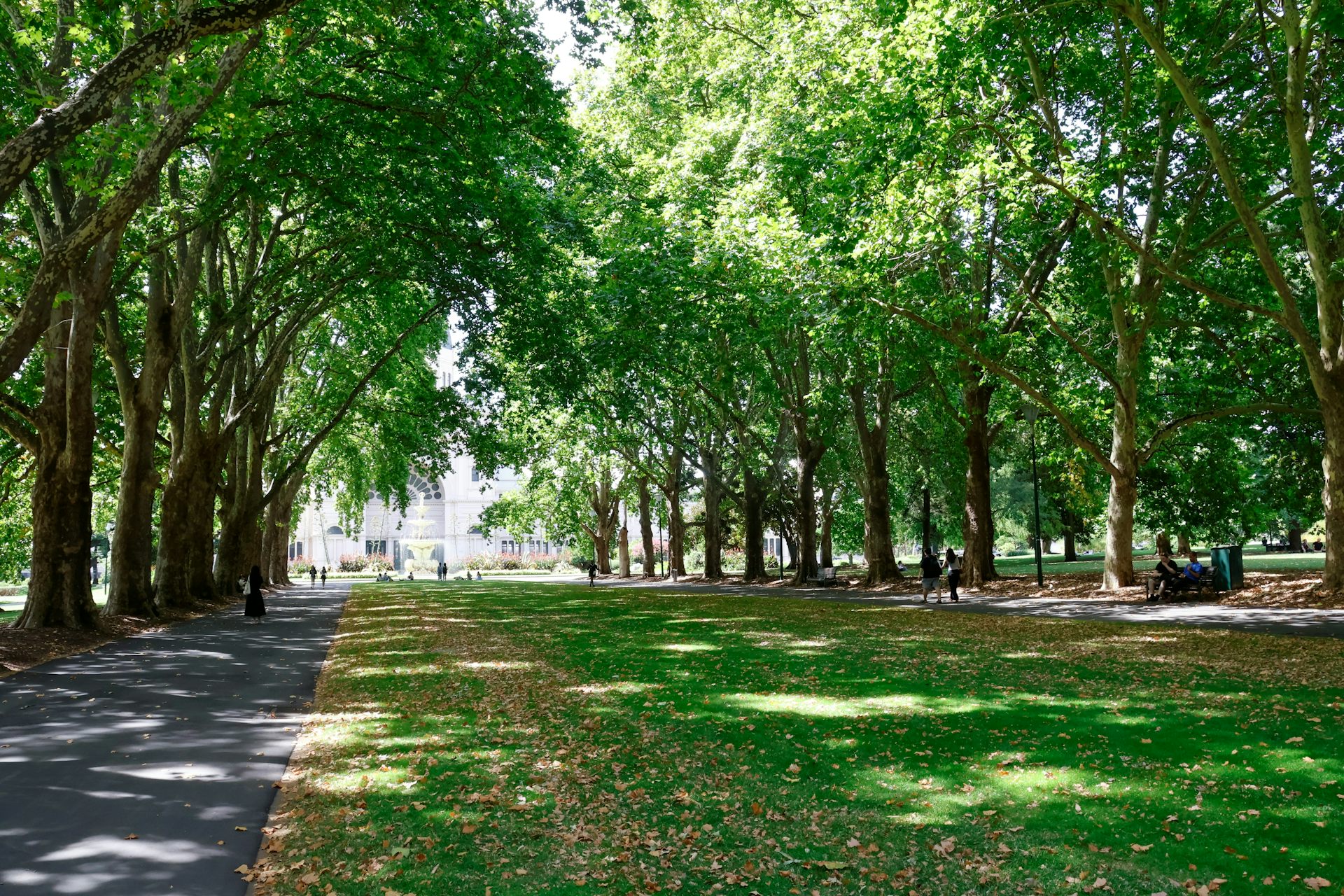
يمكن للأشجار والنباتات تبريد المدن بما يصل إلى 18 درجة مئوية – ولكن فقط إذا كانت من النوع المناسب
Trees and greenery can cool cities by as much as 18°C – but only if they’re the right type
A new study has shown that more vegetation is not automatically better.
أظهرت دراسة جديدة أن زيادة الغطاء النباتي ليست أفضل بالضرورة.
Cities around the world are planting more trees to cope with rising urban heat. But our research shows trees alone are often not enough. In some cases, the wrong kind of greening can even make streets feel less comfortable on a hot day.
تزرع المدن حول العالم المزيد من الأشجار للتكيف مع ارتفاع الحرارة الحضرية. لكن بحثنا يظهر أن الأشجار وحدها غالبًا ما لا تكون كافية. وفي بعض الحالات، يمكن لنوع التخضير الخاطئ أن يجعل الشوارع تبدو أقل راحة في يوم حار.
We compared field measurements from Melbourne, Munich and Hong Kong to test how different kinds of urban planting changed the heat people experience outdoors.
لقد قمنا بمقارنة القياسات الميدانية من ملبورن وميونخ وهونغ كونغ لاختبار كيف غيرت أنواع مختلفة من الزراعة الحضرية الحرارة التي يشعر بها الناس في الهواء الطلق.
The results showed layered vegetation – where trees are combined with shrubs and ground cover – often cooled cities more effectively than trees alone. We also found local climate and street design strongly shaped whether greening worked well.
أظهرت النتائج أن الغطاء النباتي الطبقي – حيث يتم الجمع بين الأشجار والشجيرات والغطاء الأرضي – غالبًا ما يبرد المدن بفعالية أكبر من الأشجار وحدها. ووجدنا أيضًا أن المناخ المحلي وتصميم الشارع شكّلا بقوة مدى نجاح التخضير.
These findings matter because urban greening is no longer just about aesthetics. As cities spend billions adapting to extreme heat, planting design may matter as much as planting quantity.
تكتسب هذه النتائج أهمية لأن التخضير الحضري لم يعد يتعلق بالجماليات فحسب. ومع إنفاق المدن مليارات الدولارات للتكيف مع الحرارة الشديدة، قد يكون لتصميم الزراعة أهمية بقدر كمية الزراعة.
Cities are getting hotter
تزداد حرارة المدن
Cities trap heat. Roads, buildings and asphalt absorb solar energy during the day and slowly release it back into the air, especially at night.
تحبس المدن الحرارة. تمتص الطرق والمباني والأسفلت الطاقة الشمسية خلال النهار وتطلقها ببطء مرة أخرى في الهواء، خاصة في الليل.
This “urban heat island” effect, combined with climate change, is making heatwaves more intense and more dangerous in our cities.
هذا التأثير المسمى “الجزر الحرارية الحضرية”، بالإضافة إلى تغير المناخ، يجعل موجات الحر أكثر شدة وأكثر خطورة في مدننا.
Trees are one of the most popular responses because they provide shade and reduce the amount of heat absorbed by surrounding surfaces. But outdoor comfort depends on more than air temperature alone.
تُعد الأشجار أحد أكثر الاستجابات شيوعًا لأنها توفر الظل وتقلل من كمية الحرارة التي تمتصها الأسطح المحيطة. لكن الراحة في الهواء الطلق تعتمد على أكثر من مجرد درجة حرارة الهواء.
People experience heat through sunlight, reflected heat, humidity and airflow. A shaded street can still feel uncomfortable if humidity is high or if wind cannot move through the space.
يختبر الناس الحرارة من خلال أشعة الشمس، والحرارة المنعكسة، والرطوبة، وتدفق الهواء. يمكن أن يظل الشارع المظلل غير مريح إذا كانت الرطوبة عالية أو إذا لم تتمكن الرياح من المرور عبر المساحة.
That is why a “one-size fits all” greening strategy can fail. A planting design that works well in Melbourne may behave very differently in Hong Kong or Munich.
لهذا السبب، يمكن أن تفشل استراتيجية التخضير “الموحدة للجميع.” قد يختلف تصميم الزراعة الذي ينجح في ملبورن اختلافًا كبيرًا في هونغ كونغ أو ميونيخ.
What we found
ما وجدناه
To better understand how urban vegetation affects heat stress, we did field measurements in three cities with different climates: temperate Melbourne, cooler Munich and humid subtropical Hong Kong.
لفهم كيفية تأثير الغطاء النباتي الحضري على الإجهاد الحراري بشكل أفضل، أجرينا قياسات ميدانية في ثلاث مدن ذات مناخات مختلفة: ملبورن المعتدلة، وميونخ الأبرد، وهونغ كونغ شبه الاستوائية الرطبة.
Rather than relying only on computer models, we measured real conditions in streets and green spaces during summer.
بدلاً من الاعتماد فقط على النماذج الحاسوبية، قمنا بقياس الظروف الحقيقية في الشوارع والمساحات الخضراء خلال فصل الصيف.
We compared open urban spaces (with no plantings) , sites with trees only, and layered planting (which means trees, shrubs and ground cover together) .
وقارنا بين المساحات الحضرية المفتوحة (الخالية من أي زراعات) ، والمواقع التي تحتوي على الأشجار فقط، والزراعة الطبقية (التي تعني الأشجار والشجيرات وغطاء الأرض معًا) .
Importantly, we did not just measure air temperature. We also measured “mean radiant temperature”, which captures the heat radiating from roads, walls and other surfaces onto the human body.
والأهم من ذلك، أننا لم نقم بقياس درجة حرارة الهواء فحسب. بل قمنا أيضًا بقياس “متوسط درجة الحرارة الإشعاعية”، الذي يلتقط الحرارة المنبعثة من الطرق والجدران والأسطح الأخرى على جسم الإنسان.
In Melbourne, street trees reduced radiant heat absorbed by pedestrians by more than 18°C, compared with open streets. Even where air temperatures changed only slightly, shaded streets felt substantially cooler.
في ملبورن، قللت أشجار الشارع الحرارة الإشعاعية التي يمتصها المشاة بأكثر من 18 درجة مئوية، مقارنة بالشوارع المفتوحة. وحتى في الأماكن التي لم تتغير فيها درجات حرارة الهواء إلا بشكل طفيف، شعرت الشوارع المظللة بأنها أبرد بشكل ملحوظ.
Munich showed the strongest benefits from layered planting. There, streets and green spaces containing trees, shrubs and ground cover reduced afternoon heat stress by almost 8°C compared with more open spaces.
أظهرت ميونخ أقوى الفوائد من الزراعة الطبقية. هناك، قللت الشوارع والمساحات الخضراء التي تحتوي على الأشجار والشجيرات وغطاء الأرض من الإجهاد الحراري بعد الظهر بما يقرب من 8 درجات مئوية مقارنة بالمساحات الأكثر انفتاحاً.
Hong Kong also benefited from vegetation, especially through shade created by overlapping tree canopies. But the results there were more mixed because the humid climate changed how cooling worked (more on that later) .
استفادت هونغ كونغ أيضًا من الغطاء النباتي، خاصة من خلال الظل الذي تخلقه مظلات الأشجار المتداخلة. لكن النتائج هناك كانت أكثر تباينًا لأن المناخ الرطب غيّر طريقة عمل التبريد (سنتحدث عن ذلك لاحقًا) .
Across all three cities, one finding stood out: vegetation structure matters.
عبر المدن الثلاث، برز اكتشاف واحد: هيكل الغطاء النباتي مهم.
Combining trees with shrubs and ground cover often performed better than trees alone, but the benefits depended on how the planting interacted with the local environment.
غالبًا ما كان الجمع بين الأشجار والشجيرات وغطاء الأرض أفضل أداءً من الأشجار وحدها، لكن الفوائد اعتمدت على كيفية تفاعل الزراعة مع البيئة المحلية.
Why some greening can fail
لماذا قد يفشل بعض التشجير
The study showed that more vegetation is not automatically better.
أظهرت الدراسة أن زيادة الغطاء النباتي ليست بالضرورة أفضل.
In Hong Kong, dense vegetation sometimes increased humidity enough to reduce some of the cooling benefit. Plants release water vapour into the air through transpiration, which can help to cool dry climates. But in already humid cities, extra moisture can make outdoor spaces feel sticky and uncomfortable because sweat evaporates less efficiently.
في هونغ كونغ، أدى الغطاء النباتي الكثيف في بعض الأحيان إلى زيادة الرطوبة بما يكفي لتقليل بعض فوائد التبريد. تطلق النباتات بخار الماء في الهواء من خلال النتح، مما يمكن أن يساعد في تبريد المناخات الجافة. ولكن في المدن الرطبة بالفعل، يمكن للرطوبة الإضافية أن تجعل الأماكن الخارجية تبدو لزجة وغير مريحة لأن العرق يتبخر بكفاءة أقل.
In some Munich streets, dense vegetation reduced airflow through narrow urban corridors, trapping warm air and slowing the movement of vehicle pollution away from pedestrians.
في بعض شوارع ميونيخ، قلل الغطاء النباتي الكثيف من تدفق الهواء عبر الممرات الحضرية الضيقة، محاصراً الهواء الدافئ وبطيئاً حركة تلوث المركبات بعيداً عن المشاة.
These findings highlight why cities cannot rely on generic canopy targets copied from elsewhere. Climate, street width and airflow all shape whether vegetation improves comfort or creates unintended side effects.
تُسلط هذه النتائج الضوء على سبب عدم قدرة المدن على الاعتماد على أهداف مظلة عامة مقتبسة من أماكن أخرى. فالمناخ وعرض الشارع وتدفق الهواء كلها تشكل ما إذا كان الغطاء النباتي يحسن الراحة أم يخلق آثاراً جانبية غير مقصودة.
Designing cooler cities
تصميم مدن أكثر برودة
The solution is not to stop planting trees. It is to design urban greening more carefully.
الحل ليس في التوقف عن زراعة الأشجار. بل هو تصميم التخضير الحضري بعناية أكبر.
Cities need planting strategies tailored to local conditions rather than universal greening formulas. In parks and open green spaces, layered vegetation can provide strong cooling while also supporting biodiversity. In dense streets, planners may need to balance shade with ventilation.
تحتاج المدن إلى استراتيجيات زراعة مصممة خصيصًا للظروف المحلية بدلاً من الصيغ العامة للتخضير. ففي الحدائق والمساحات الخضراء المفتوحة، يمكن للغطاء النباتي المتعدد الطبقات أن يوفر تبريدًا قويًا ويدعم التنوع البيولوجي في الوقت ذاته. وفي الشوارع الكثيفة، قد يحتاج المخططون إلى الموازنة بين الظل والتهوية.
The findings also suggest cities should move beyond measuring success through tree numbers alone. The arrangement, density and type of vegetation matter just as much as canopy cover.
كما تشير النتائج إلى أن المدن يجب أن تتجاوز قياس النجاح بعدد الأشجار وحده. فترتيب الغطاء النباتي وكثافته ونوعه لا يقل أهمية عن الغطاء الشجري.
Designing for local conditions
التصميم وفقاً للظروف المحلية
Our research shows urban vegetation can reduce heat stress, but the benefits depend on how and where cities plant it.
تُظهر أبحاثنا أن الغطاء النباتي الحضري يمكن أن يقلل من الإجهاد الحراري، لكن الفوائد تعتمد على كيفية ومكان زراعة المدن له.
Melbourne demonstrated the strong cooling effect of street trees on radiant heat, Munich showed the added value of layered vegetation, and Hong Kong revealed how dense planting can sometimes backfire in humid conditions.
أظهرت ملبورن التأثير التبريدي القوي لأشجار الشوارع على الحرارة المشعة، وأظهرت ميونيخ القيمة المضافة للنباتات الطبقية، وكشفت هونغ كونغ كيف يمكن أن يؤدي الزراعة الكثيفة أحياناً إلى نتائج عكسية في الظروف الرطبة.
Cities need climate-smart green spaces designed for local conditions, airflow and human comfort to remain liveable as temperatures rise.
تحتاج المدن إلى مساحات خضراء ذكية مناخياً ومصممة للظروف المحلية، وتدفق الهواء، وراحة الإنسان، لتبقى صالحة للعيش مع ارتفاع درجات الحرارة.
Mohammad A Rahman receives funding from the German Research Foundation (DFG) , TREE Fund, Humboldt Foundation, Bavarian State Ministry of the Environment and Consumer Protection, German Academic Exchange Service (DAAD) , Sustainable Consumption Institute (SCI) , University of Manchester and the European Union.
يتلقى محمد أ. رحمن تمويلاً من المؤسسة الألمانية للبحوث (DFG) ، وصندوق شجرة (TREE Fund) ، ومؤسسة هومبولت، ووزارة بافاريا البيئة وحماية المستهلك، وخدمة التبادل الأكاديمي الألمانية (DAAD) ، ومعهد الاستهلاك المستدام (SCI) ، وجامعة مانشستر، والاتحاد الأوروبي.
Read more
-

قرار المحكمة العليا بشأن قانون حقوق التصويت يجعل من الصعب حماية القوة التصويتية للأقليات ويغير مشهد الانتخابات المستقبلية
Supreme Court’s Voting Rights Act ruling makes it harder to protect minority voting power and alters the landscape of future elections
-
غبار النجوم المحبوس في جليد القارة القطبية الجنوبية يكشف عن عشرات الآلاف من السنين من ماضي النظام الشمسي.
Stardust trapped in Antarctic ice reveals tens of thousands of years of Solar System’s past