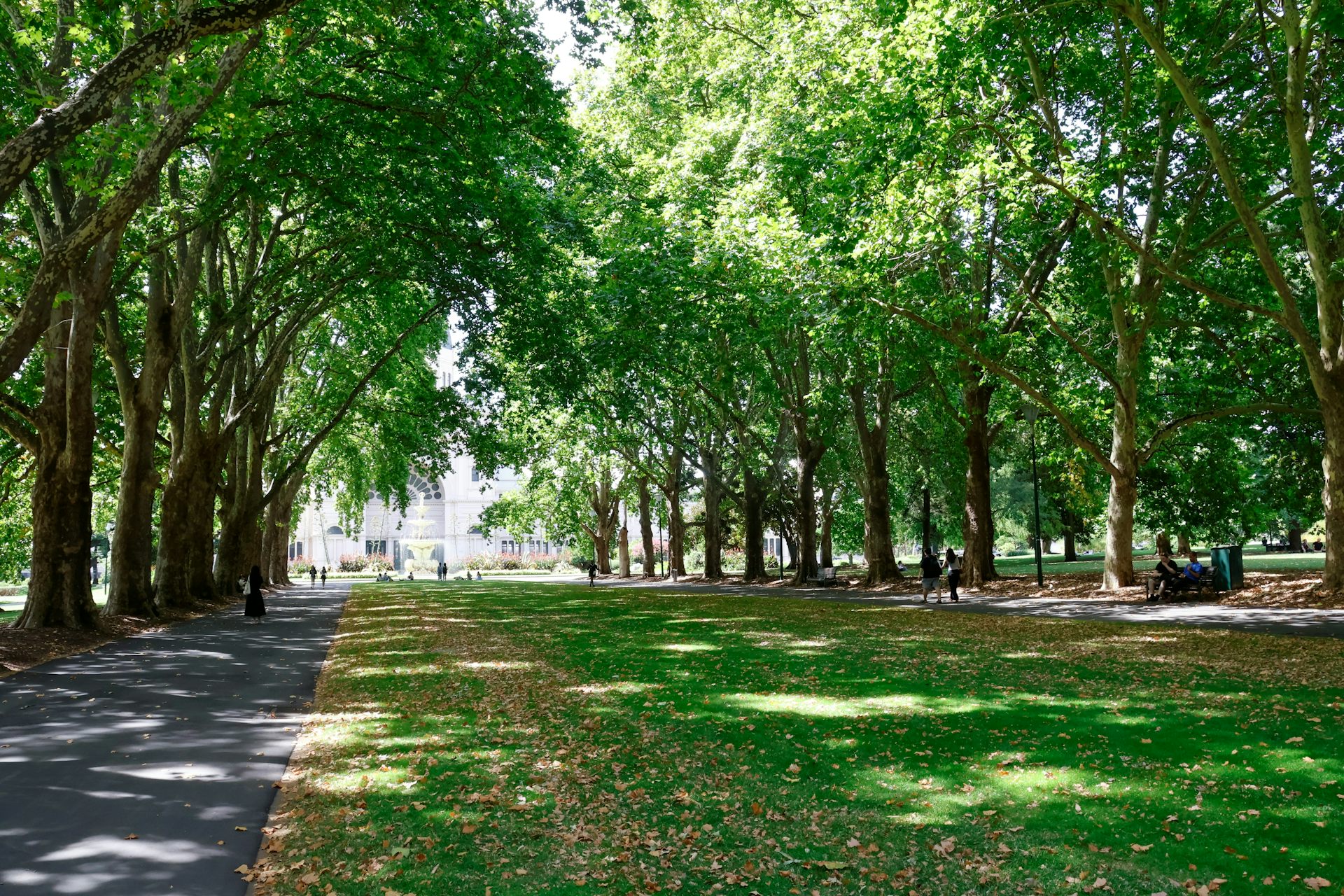
पेड़ और हरियाली शहरों को 18°C तक ठंडा कर सकती है – लेकिन केवल अगर वे सही प्रकार के हों
Trees and greenery can cool cities by as much as 18°C – but only if they’re the right type
A new study has shown that more vegetation is not automatically better.
एक नए अध्ययन ने दिखाया है कि अधिक वनस्पति स्वचालित रूप से बेहतर नहीं होती है।
Cities around the world are planting more trees to cope with rising urban heat. But our research shows trees alone are often not enough. In some cases, the wrong kind of greening can even make streets feel less comfortable on a hot day.
दुनिया भर के शहर बढ़ती शहरी गर्मी से निपटने के लिए अधिक पेड़ लगा रहे हैं। लेकिन हमारे शोध से पता चलता है कि केवल पेड़ अक्सर पर्याप्त नहीं होते। कुछ मामलों में, गलत तरह की हरियाली भी गर्म दिन पर सड़कों को कम आरामदायक बना सकती है।
We compared field measurements from Melbourne, Munich and Hong Kong to test how different kinds of urban planting changed the heat people experience outdoors.
हमने यह जांचने के लिए मेलबर्न, म्यूनिख और हांगकांग के क्षेत्रीय मापों की तुलना की कि विभिन्न प्रकार की शहरी रोपण ने लोगों के बाहर अनुभव की जाने वाली गर्मी को कैसे बदला।
The results showed layered vegetation – where trees are combined with shrubs and ground cover – often cooled cities more effectively than trees alone. We also found local climate and street design strongly shaped whether greening worked well.
परिणामों से पता चला कि स्तरीय वनस्पति – जहाँ पेड़ों को झाड़ियों और ग्राउंड कवर के साथ मिलाया जाता है – अक्सर अकेले पेड़ों की तुलना में शहरों को अधिक प्रभावी ढंग से ठंडा करती है। हमें यह भी पता चला कि स्थानीय जलवायु और सड़क डिजाइन ने इस बात को दृढ़ता से आकार दिया कि हरियाली कितनी अच्छी तरह काम करती है।
These findings matter because urban greening is no longer just about aesthetics. As cities spend billions adapting to extreme heat, planting design may matter as much as planting quantity.
ये निष्कर्ष महत्वपूर्ण हैं क्योंकि शहरी हरियाली अब केवल सौंदर्यशास्त्र के बारे में नहीं है। जैसे-जैसे शहर अत्यधिक गर्मी के अनुकूल ढलने के लिए अरबों खर्च कर रहे हैं, रोपण डिजाइन उतना ही महत्वपूर्ण हो सकता है जितना कि रोपण की मात्रा।
Cities are getting hotter
शहर गर्म होते जा रहे हैं
Cities trap heat. Roads, buildings and asphalt absorb solar energy during the day and slowly release it back into the air, especially at night.
शहर गर्मी को फँसा लेते हैं। सड़कें, इमारतें और डामर दिन के दौरान सौर ऊर्जा को अवशोषित करते हैं और रात में, विशेष रूप से, इसे धीरे-धीरे हवा में छोड़ते हैं।
This “urban heat island” effect, combined with climate change, is making heatwaves more intense and more dangerous in our cities.
यह “शहरी ऊष्मा द्वीप” प्रभाव, जलवायु परिवर्तन के साथ मिलकर, हमारे शहरों में लू (हीटवेव) को अधिक तीव्र और अधिक खतरनाक बना रहा है।
Trees are one of the most popular responses because they provide shade and reduce the amount of heat absorbed by surrounding surfaces. But outdoor comfort depends on more than air temperature alone.
पेड़ सबसे लोकप्रिय प्रतिक्रियाओं में से एक हैं क्योंकि वे छाया प्रदान करते हैं और आसपास की सतहों द्वारा अवशोषित गर्मी की मात्रा को कम करते हैं। लेकिन बाहरी आराम केवल हवा के तापमान पर निर्भर नहीं करता है।
People experience heat through sunlight, reflected heat, humidity and airflow. A shaded street can still feel uncomfortable if humidity is high or if wind cannot move through the space.
लोग धूप, परावर्तित गर्मी, आर्द्रता और वायु प्रवाह के माध्यम से गर्मी का अनुभव करते हैं। यदि आर्द्रता अधिक है या हवा उस स्थान से नहीं गुज़र सकती है, तो एक छायादार गली भी असहज महसूस हो सकती है।
That is why a “one-size fits all” greening strategy can fail. A planting design that works well in Melbourne may behave very differently in Hong Kong or Munich.
इसीलिए एक “सबके लिए उपयुक्त” हरियाली रणनीति विफल हो सकती है। मेल्बोर्न में जो रोपण डिज़ाइन अच्छा काम करता है, वह हांगकांग या म्यूनिख में बहुत अलग तरह से व्यवहार कर सकता है।
What we found
हमने क्या पाया
To better understand how urban vegetation affects heat stress, we did field measurements in three cities with different climates: temperate Melbourne, cooler Munich and humid subtropical Hong Kong.
यह बेहतर ढंग से समझने के लिए कि शहरी वनस्पति गर्मी के तनाव को कैसे प्रभावित करती है, हमने तीन अलग-अलग जलवायु वाले शहरों में क्षेत्र माप किए: समशीतोष्ण मेलबर्न, ठंडा म्यूनिख और आर्द्र उपोष्णकटिबंधीय हांगकांग।
Rather than relying only on computer models, we measured real conditions in streets and green spaces during summer.
केवल कंप्यूटर मॉडल पर निर्भर रहने के बजाय, हमने गर्मियों के दौरान सड़कों और हरित स्थानों में वास्तविक परिस्थितियों को मापा।
We compared open urban spaces (with no plantings) , sites with trees only, and layered planting (which means trees, shrubs and ground cover together) .
हमने खुले शहरी स्थानों (बिना किसी रोपण के) , केवल पेड़ों वाले स्थानों, और स्तरीय रोपण (जिसका अर्थ है पेड़, झाड़ियाँ और ग्राउंड कवर एक साथ) की तुलना की।
Importantly, we did not just measure air temperature. We also measured “mean radiant temperature”, which captures the heat radiating from roads, walls and other surfaces onto the human body.
महत्वपूर्ण बात यह है कि हमने केवल हवा का तापमान नहीं मापा। हमने “औसत विकिरण तापमान” (mean radiant temperature) भी मापा, जो सड़कों, दीवारों और अन्य सतहों से मानव शरीर पर विकीर्ण होने वाली गर्मी को दर्शाता है।
In Melbourne, street trees reduced radiant heat absorbed by pedestrians by more than 18°C, compared with open streets. Even where air temperatures changed only slightly, shaded streets felt substantially cooler.
मेलबर्न में, सड़क के पेड़ पैदल चलने वालों द्वारा अवशोषित विकिरण गर्मी को खुले सड़कों की तुलना में 18°C से अधिक कम करते थे। यहाँ तक कि जहाँ हवा का तापमान केवल थोड़ा बदला, छायादार सड़कें काफी ठंडी महसूस हुईं।
Munich showed the strongest benefits from layered planting. There, streets and green spaces containing trees, shrubs and ground cover reduced afternoon heat stress by almost 8°C compared with more open spaces.
म्यूनिख में स्तरीय रोपण से सबसे अधिक लाभ दिखाई दिए। वहाँ, पेड़, झाड़ियाँ और ग्राउंड कवर से युक्त सड़कें और हरित स्थान, अधिक खुले स्थानों की तुलना में दोपहर के गर्मी के तनाव को लगभग 8°C तक कम करते थे।
Hong Kong also benefited from vegetation, especially through shade created by overlapping tree canopies. But the results there were more mixed because the humid climate changed how cooling worked (more on that later) .
हांगकांग को भी वनस्पति से लाभ हुआ, खासकर ओवरलैपिंग पेड़ के चंदवा द्वारा बनाए गए छाया से। लेकिन वहाँ के परिणाम अधिक मिश्रित थे क्योंकि आर्द्र जलवायु ने शीतलन के काम करने के तरीके को बदल दिया था (इस पर बाद में अधिक चर्चा की जाएगी) ।
Across all three cities, one finding stood out: vegetation structure matters.
तीनों शहरों में, एक निष्कर्ष प्रमुख था: वनस्पति की संरचना मायने रखती है।
Combining trees with shrubs and ground cover often performed better than trees alone, but the benefits depended on how the planting interacted with the local environment.
पेड़ों को झाड़ियों और ग्राउंड कवर के साथ मिलाना अक्सर अकेले पेड़ों की तुलना में बेहतर प्रदर्शन करता था, लेकिन लाभ इस बात पर निर्भर करते थे कि रोपण स्थानीय वातावरण के साथ कैसे इंटरैक्ट करता है।
Why some greening can fail
कुछ हरियाली क्यों विफल हो सकती है
The study showed that more vegetation is not automatically better.
अध्ययन में पता चला कि अधिक वनस्पति होना स्वचालित रूप से बेहतर नहीं होता है।
In Hong Kong, dense vegetation sometimes increased humidity enough to reduce some of the cooling benefit. Plants release water vapour into the air through transpiration, which can help to cool dry climates. But in already humid cities, extra moisture can make outdoor spaces feel sticky and uncomfortable because sweat evaporates less efficiently.
हांगकांग में, घनी वनस्पति कभी-कभी आर्द्रता को इतना बढ़ा देती है कि शीतलन के कुछ लाभ कम हो जाते हैं। पौधे वाष्पोत्सर्जन (transpiration) के माध्यम से हवा में जल वाष्प छोड़ते हैं, जो शुष्क जलवायु को ठंडा करने में मदद कर सकता है। लेकिन पहले से ही नम शहरों में, अतिरिक्त नमी बाहरी स्थानों को चिपचिपा और असहज बना सकती है क्योंकि पसीना कम कुशलता से वाष्पित होता है।
In some Munich streets, dense vegetation reduced airflow through narrow urban corridors, trapping warm air and slowing the movement of vehicle pollution away from pedestrians.
म्यूनिख की कुछ सड़कों पर, घनी वनस्पति ने संकरे शहरी गलियारों से वायु प्रवाह को कम कर दिया, जिससे गर्म हवा फँस गई और पैदल यात्रियों से दूर वाहन प्रदूषण की गति धीमी हो गई।
These findings highlight why cities cannot rely on generic canopy targets copied from elsewhere. Climate, street width and airflow all shape whether vegetation improves comfort or creates unintended side effects.
ये निष्कर्ष बताते हैं कि शहर क्यों कहीं और से कॉपी किए गए सामान्य चंदवा लक्ष्यों पर भरोसा नहीं कर सकते। जलवायु, सड़क की चौड़ाई और वायु प्रवाह ये सभी निर्धारित करते हैं कि वनस्पति आराम में सुधार करती है या अनपेक्षित दुष्प्रभाव पैदा करती है।
Designing cooler cities
अधिक ठंडे शहरों का डिज़ाइन
The solution is not to stop planting trees. It is to design urban greening more carefully.
समाधान यह नहीं है कि पेड़ लगाना बंद कर दिया जाए। बल्कि यह है कि शहरी हरियाली का डिज़ाइन अधिक सावधानी से किया जाए।
Cities need planting strategies tailored to local conditions rather than universal greening formulas. In parks and open green spaces, layered vegetation can provide strong cooling while also supporting biodiversity. In dense streets, planners may need to balance shade with ventilation.
शहरों को सार्वभौमिक हरियाली सूत्रों के बजाय स्थानीय परिस्थितियों के अनुरूप रोपण रणनीतियों की आवश्यकता है। पार्कों और खुले हरे स्थानों में, स्तरित वनस्पति मजबूत शीतलन प्रदान कर सकती है, साथ ही जैव विविधता का समर्थन भी कर सकती है। घनी गलियों में, योजनाकारों को छाया और वेंटिलेशन के बीच संतुलन बनाने की आवश्यकता हो सकती है।
The findings also suggest cities should move beyond measuring success through tree numbers alone. The arrangement, density and type of vegetation matter just as much as canopy cover.
निष्कर्ष यह भी बताते हैं कि शहरों को केवल पेड़ों की संख्या के आधार पर सफलता मापने से आगे बढ़ना चाहिए। वनस्पति की व्यवस्था, घनत्व और प्रकार, चंदवा आवरण जितना ही महत्वपूर्ण होते हैं।
Designing for local conditions
स्थानीय परिस्थितियों के लिए डिज़ाइन करना
Our research shows urban vegetation can reduce heat stress, but the benefits depend on how and where cities plant it.
हमारे शोध से पता चलता है कि शहरी वनस्पति गर्मी के तनाव को कम कर सकती है, लेकिन इसके लाभ इस बात पर निर्भर करते हैं कि शहर इसे कैसे और कहाँ लगाते हैं।
Melbourne demonstrated the strong cooling effect of street trees on radiant heat, Munich showed the added value of layered vegetation, and Hong Kong revealed how dense planting can sometimes backfire in humid conditions.
मेलबर्न ने रेडिएंट हीट पर स्ट्रीट पेड़ों के मजबूत शीतलन प्रभाव का प्रदर्शन किया, म्यूनिख ने स्तरीय वनस्पति का अतिरिक्त मूल्य दिखाया, और हांगकांग ने खुलासा किया कि आर्द्र परिस्थितियों में घनी रोपाई कभी-कभी विपरीत परिणाम दे सकती है।
Cities need climate-smart green spaces designed for local conditions, airflow and human comfort to remain liveable as temperatures rise.
तापमान बढ़ने के साथ रहने योग्य बने रहने के लिए शहरों को स्थानीय परिस्थितियों, वायु प्रवाह और मानव आराम के लिए डिज़ाइन किए गए जलवायु-स्मार्ट हरित स्थानों की आवश्यकता है।
Mohammad A Rahman receives funding from the German Research Foundation (DFG) , TREE Fund, Humboldt Foundation, Bavarian State Ministry of the Environment and Consumer Protection, German Academic Exchange Service (DAAD) , Sustainable Consumption Institute (SCI) , University of Manchester and the European Union.
मोहम्मद ए रहमान को जर्मन रिसर्च फाउंडेशन (DFG) , ट्री फंड, हम्बोल्ट फाउंडेशन, बवेरियन स्टेट मिनिस्ट्री ऑफ द एनवायरनमेंट एंड कंज्यूमर प्रोटेक्शन, जर्मन एकेडमिक एक्सचेंज सर्विस (DAAD) , सस्टेनेबल कंजम्पशन इंस्टीट्यूट (SCI) , मैनचेस्टर विश्वविद्यालय और यूरोपीय संघ से फंडिंग प्राप्त होती है।
Read more
-

यूक्रेन युद्ध अब प्रथम विश्व युद्ध से भी अधिक लंबा हो गया है – लेकिन इसकी समानताएँ चिंताजनक हैं।
Ukraine war now longer than the first world war – but the similarities are unsettling
-
हजारों छोटे स्तंभों से ढकी नई प्लास्टिक फिल्म संपर्क में आने पर वायरसों को फाड़ सकती है
New plastic film covered in thousands of tiny pillars can tear apart viruses on contact