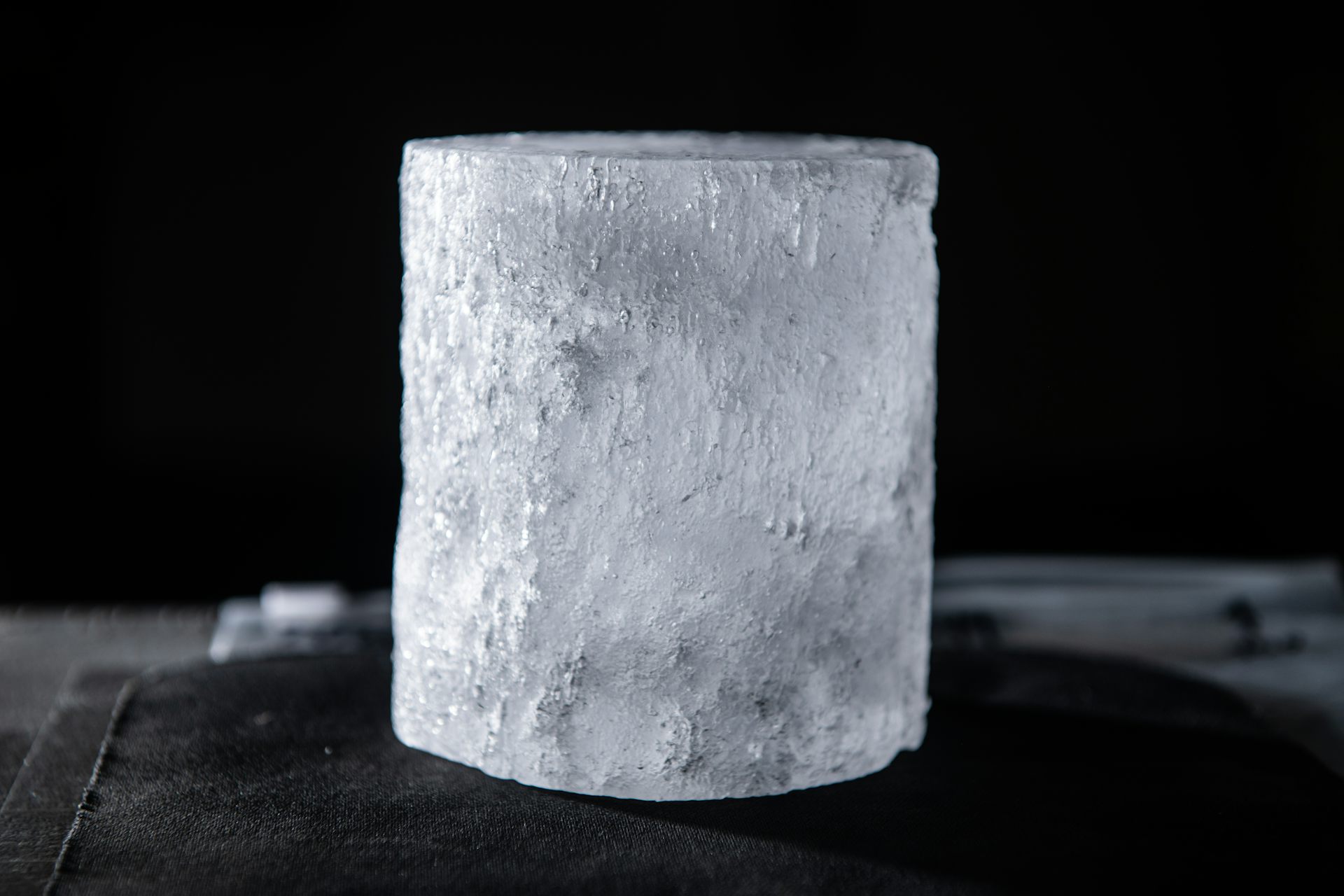
غبار النجوم المحبوس في جليد القارة القطبية الجنوبية يكشف عن عشرات الآلاف من السنين من ماضي النظام الشمسي.
Stardust trapped in Antarctic ice reveals tens of thousands of years of Solar System’s past
We can study the cosmos by tracing debris from exploding stars right here on Earth.
يمكننا دراسة الكون عن طريق تتبع الحطام من النجوم المتفجرة هنا على الأرض.
When you think of outer space, you’re likely picturing stars, planets and moons. But much of space is filled with clouds of gas, plasma and stardust – known as interstellar clouds.
عندما تفكر في الفضاء الخارجي، فمن المحتمل أن تتخيل النجوم والكواكب والأقمار. لكن جزءاً كبيراً من الفضاء مملوء بسحب من الغاز والبلازما وغبار النجوم – تُعرف باسم السحب بين النجمية.
In the local parts of our galaxy alone there’s a complex of roughly 15 individual interstellar clouds. The Solar System is currently traversing one of them, aptly named the Local Interstellar Cloud. The origin and history of these clouds are believed to be tightly connected to the birth and death of stars. But we can see their imprints right here on Earth, in a place you might not expect – Antarctic ice.
في أجزاء مجرتنا المحلية وحدها، توجد مجموعة من حوالي 15 سحابة نجمية بين النجوم منفصلة. يمر نظامنا الشمسي حاليًا عبر إحداها، والتي سُميت ببراعة السحابة النجمية المحلية. ويُعتقد أن أصل وتاريخ هذه السحب مرتبط ارتباطًا وثيقًا بميلاد ونهاية النجوم. ولكن يمكننا رؤى آثارها هنا على الأرض، في مكان قد لا تتوقعه – الجليد في القارة القطبية الجنوبية.
My colleagues and I have been studying stardust trapped in old Antarctic snow and ice to trace the history of our solar neighbourhood, including the Solar System itself.
نقوم أنا وزملاؤي بدراسة غبار النجوم العالق في الثلج والجليد الأنتاركتيكي القديم لتتبع تاريخ جوارنا الشمسي، بما في ذلك النظام الشمسي نفسه.
In a new study published in Physical Review Letters, we found a subtle clue that reveals our Solar System’s movement through the local interstellar environment over the past 80,000 years.
في دراسة جديدة نُشرت في مجلة Physical Review Letters، وجدنا دليلاً خفياً يكشف عن حركة نظامنا الشمسي عبر البيئة النجمية البينية المحلية على مدى الثمانين ألف سنة الماضية.
Looking down to see the sky
النظر إلى الأسفل لرؤية السماء
Astronomy usually looks outward. Telescopes collect light from distant stars and galaxies, allowing us to observe events across vast stretches of space and time. From these observations, we infer how stars live and die, how elements are formed, and how the universe evolves.
عادةً ما ينظر علم الفلك إلى الخارج. تجمع التلسكوبات الضوء من النجوم والمجرات البعيدة، مما يسمح لنا بمراقبة الأحداث عبر مساحات شاسعة من الفضاء والزمان. من هذه الملاحظات، نستنتج كيف تعيش النجوم وتموت، وكيف تتشكل العناصر، وكيف يتطور الكون.
Our approach turns that idea on its head.
نهجنا يقلب هذه الفكرة رأساً على عقب.
Instead of observing the light coming to us, we study the debris of exploding stars right here on Earth. As cosmic furnaces, stars forge many elements in their cores, from carbon and oxygen to calcium and iron. This includes rare isotopes (variants of chemical elements) such as iron-60.
بدلاً من مراقبة الضوء القادم إلينا، ندرس حطام النجوم المتفجرة هنا على الأرض. فكنوا أفران كونية، تُصهر النجوم العديد من العناصر في نوىها، من الكربون والأكسجين إلى الكالسيوم والحديد. ويشمل ذلك النظائر النادرة (متغيرات للعناصر الكيميائية) مثل الحديد-60.
When massive stars explode into supernovae at the end of their life, these elements are ejected into space and become interstellar dust.
عندما تنفجر النجوم الضخمة في مستعرات عظمى (سوبرنوفا) في نهاية حياتها، يتم قذف هذه العناصر إلى الفضاء وتصبح غباراً بين النجوم.
Tiny grains of this dust then drift through the galaxy and occasionally find their way to Earth’s surface. Radioactive iron-60, a fingerprint of stellar explosions, is embedded within these grains. By searching for these atoms in geological archives on Earth, we can probe astrophysical events like supernovae long after their light has faded.
تنجرف حبيبات صغيرة من هذا الغبار عبر المجرة وتجد طريقها أحياناً إلى سطح الأرض. يُضم الحديد المشع-60، وهو بصمة لانفجارات النجوم، داخل هذه الحبيبات. من خلال البحث عن هذه الذرات في الأرشيفات الجيولوجية على الأرض، يمكننا استكشاف الأحداث الفيزيائية الفلكية مثل المستعرات العظمى بعد وقت طويل من تلاشي ضوئها.
This is why Antarctica is so valuable. Its snow accumulates slowly and remains largely undisturbed, forming a layered record that stretches back tens of thousands of years. Each layer captures a snapshot of the material that was present in our cosmic neighbourhood at the time.
لهذا السبب فإن القارة القطبية الجنوبية ذات قيمة كبيرة. يتراكم ثلجها ببطء ويبقى غير مضطرب إلى حد كبير، مشكلاً سجلاً طبقياً يمتد لآلاف السنين. يلتقط كل طبقة لقطة من المادة التي كانت موجودة في محيطنا الكوني في ذلك الوقت.
Finding stardust in Antarctic ice
إيجاد غبار النجوم في جليد القارة القطبية الجنوبية
When we studied 500kg of recent snow in Antarctica, we unexpectedly found this rare radioactive isotope. Where did it come from? There was no recent near-Earth supernova.
عندما درسنا 500 كجم من الثلج الحديث في القارة القطبية الجنوبية، وجدنا بشكل غير متوقع هذا النظير المشع النادر. من أين أتى؟ لم يكن هناك مستعر أعظم حديث بالقرب من الأرض.
But our solar neighbourhood is filled with 15 clouds, with the Solar System currently traversing at least one of them. Is the stardust waiting in the clouds to be picked up by Earth? If yes, then the amount of stardust Earth collects should be related to their structure: the denser the clouds, the more iron-60 they contain. This was our educated guess in 2019.
لكن مجاورتنا الشمسية مليئة بـ 15 سحابة، يدور النظام الشمسي حاليًا عبر واحدة على الأقل منها. هل غبار النجوم ينتظر في السحب ليتم التقاطه من قبل الأرض؟ إذا كان الأمر كذلك، فيجب أن تكون كمية غبار النجوم الذي تجمعها الأرض مرتبطة ببنيتها: كلما كانت السحب أكثر كثافة، زادت كمية الحديد-60 التي تحتويها. كان هذا تخميننا المستنير في عام 2019.
Soon, other explanations were brought forward. Millions of years ago Earth received large showers of iron-60 from massive supernovae. Is the iron-60 in Antarctic snow the last remnant or an echo of this signal? A rain that became a drizzle?
سرعان ما تم تقديم تفسيرات أخرى. منذ ملايين السنين، تلقت الأرض موجات كبيرة من الحديد-60 من مستعرات عظمى. هل الحديد-60 في ثلج القارة القطبية الجنوبية هو البقايا الأخيرة أو صدى لهذه الإشارة؟ مطر أصبح رذاذاً خفيفاً؟
To find out, we analysed a 300kg section of Antarctic ice, dating from 40,000 to 80,000 years ago. The process is painstaking. The ice needs to be melted and chemically treated to isolate tiny amounts of iron, including the iron-60 from the stardust.
لكي نكتشف ذلك، قمنا بتحليل جزء يزن 300 كجم من جليد القارة القطبية الجنوبية، يعود تاريخه إلى 40,000 إلى 80,000 سنة مضت. العملية شاقة. يحتاج الجليد إلى الذوبان والمعالجة الكيميائية لعزل كميات ضئيلة من الحديد، بما في ذلك الحديد-60 من غبار النجوم.
Then, using the sensitive atom counting technique of accelerator mass spectrometry at the Heavy-Ion Accelerator Facility at Australian National University, we counted individual atoms of iron-60.
بعد ذلك، باستخدام تقنية العد الذري الحساسة في مطيافية كتلة المُسرِّع (accelerator mass spectrometry) في منشأة مُسرِّع الأيونات الثقيلة في الجامعة الوطنية الأسترالية، قمنا بعدّ الذرات الفردية من الحديد-60.
The expectation was straightforward: based on previous measurements from surface snow of Antarctica and several thousand-year-old ocean sediments, we anticipated a certain steady level of iron-60 deposition.
كان التوقع واضحًا: بناءً على القياسات السابقة من ثلوج السطح في القارة القطبية الجنوبية ورواسب المحيط التي يعود عمرها لآلاف السنين، توقعنا مستوى ثابتًا معينًا من ترسب الحديد-60.
Instead, we found less. Not zero, but noticeably lower than expected.
بدلاً من ذلك، وجدنا كمية أقل. ليس صفرًا، ولكن أقل بشكل ملحوظ مما كان متوقعًا.
This result suggests that less interstellar dust was reaching Earth during that period. This is a remarkable change on a comparatively short astrophysical timescale and does not fit the long timescales of the iron-60 deposits that landed here millions of years ago. Instead, we needed to look for a smaller, more local source for the isotope.
تشير هذه النتيجة إلى أن كمية أقل من الغبار النجمي كانت تصل إلى الأرض خلال تلك الفترة. هذا تغيير ملحوظ على مقياس فيزيائي قصير نسبيًا ولا يتناسب مع الأطر الزمنية الطويلة لترسبات الحديد-60 التي هبطت هنا قبل ملايين السنين. بدلاً من ذلك، احتجنا إلى البحث عن مصدر أصغر وأكثر محلية للنظير.
A fitting story
قصة مناسبة
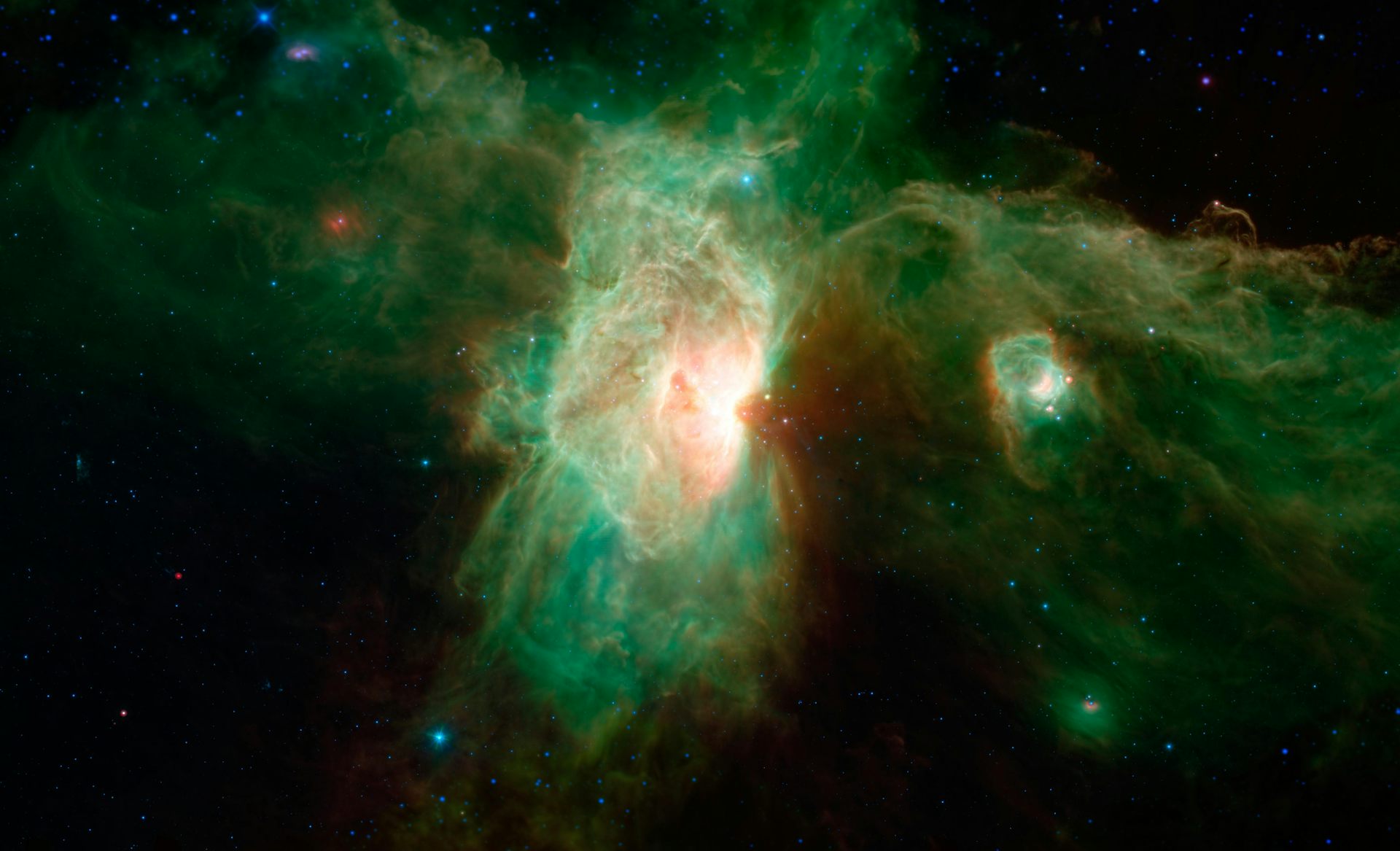
Naturally, astronomers are also quite interested in the clouds around the Solar System. Last year, a study reconstructing the history of the clouds arrived at the conclusion that they most likely originated in a stellar explosion. Furthermore, they found the Solar System has been traversing the Local Interstellar Cloud from sometime between 40,000 and 124,000 years ago.
بطبيعة الحال، يهتم علماء الفلك أيضًا بالغيوم المحيطة بالنظام الشمسي. في العام الماضي، توصلت دراسة أعادت بناء تاريخ هذه الغيوم إلى أن من المرجح أنها نشأت في انفجار نجمي. علاوة على ذلك، وجدوا أن النظام الشمسي كان يعبر السحابة بين النجمية المحلية من وقت ما بين 40,000 و 124,000 سنة مضت.
If that’s correct, we would expect that the amount of iron-60 collected on Earth should have changed sometime in the same time period – between 40,000 and 124,000 years ago.
إذا كان هذا صحيحًا، فمن المتوقع أن يكون مقدار الحديد-60 الذي جُمع على الأرض قد تغير في نفس الفترة الزمنية – بين 40,000 و 124,000 سنة مضت.
This is exactly what our results showed in Antarctica.
هذا بالضبط ما أظهرته نتائجنا في القارة القطبية الجنوبية.
The story doesn’t fit perfectly, though. If these clouds did originate directly from an exploding star, we would expect way more iron-60 than we actually see in Antarctic ice.
ومع ذلك، فإن القصة لا تتناسب تمامًا. إذا كانت هذه الغيوم قد نشأت مباشرة من نجم متفجر، لكنا نتوقع كمية أكبر بكثير من الحديد-60 مما نراه بالفعل في جليد القارة القطبية الجنوبية.
Nevertheless, these clouds are imprinted in Earth’s geological record. If we look deeper and analyse even older ice, we might soon unravel the mystery of these local interstellar clouds, revealing their full history and uncertain origins.
على الرغم من ذلك، فإن هذه الغيوم منقوشة في السجل الجيولوجي للأرض. إذا نظرنا أعمق وحللنا الجليد الأقدم، فقد نكشف قريبًا عن لغز هذه السحب بين النجمية المحلية، كاشفين تاريخها الكامل وأصولها غير المؤكدة.
Dominik Koll receives funding from the Australian Institute of Nuclear Science and Engineering (AINSE) .
يتلقى دومينيك كولل تمويلاً من المعهد الأسترالي للعلوم والهندسة النووية (AINSE) .
Read more
-

حروب الدعاية الرخيصة: كيف (ولماذا) تغمر الولايات المتحدة وإيران المنطقة بالضجيج الفيروسي الناتج عن الذكاء الاصطناعي
Slopaganda wars: how (and why) the US and Iran are flooding the zone with viral AI-generated noise
-

يبدو صراع الشرق الأوسط بشكل متزايد كحرب لا يمكن لأحد الفوز بها
Middle East conflict looks increasingly like a war nobody can win