
قرار المحكمة العليا بشأن قانون حقوق التصويت يجعل من الصعب حماية القوة التصويتية للأقليات ويغير مشهد الانتخابات المستقبلية
Supreme Court’s Voting Rights Act ruling makes it harder to protect minority voting power and alters the landscape of future elections
The conservative majority at the US Supreme Court has issued a ruling in a gerrymandering case that one liberal justice called the ‘now-completed demolition of the Voting Rights Act.’
أصدرت الأغلبية المحافظة في المحكمة العليا الأمريكية حكماً في قضية تلاعب بالدوائر الانتخابية، وصفه أحد القضاة الليبراليين بأنه “تدمير مكتمل لقانون حقوق التصويت”.
In a major ruling that would permit weakening the voting power of minorities in the United States, the Supreme Court on April 29, 2026, struck down a Black-majority district in Louisiana’s congressional map as “an unconstitutional gerrymander” and altered the court’s interpretation of the Voting Rights Act.
في حكم كبير من شأنه أن يسمح بإضعاف القوة التصويتية للأقليات في الولايات المتحدة، ألغت المحكمة العليا في 29 أبريل 2026 دائرة أغلبية سوداء في الخريطة الكونغرسية لولاية لويزيانا ووصفتها بأنها “تلاعب انتخابي غير دستوري”، وغيرت تفسير المحكمة لقانون حقوق التصويت.
In a 6-3 decision, the court’s conservative majority argued that Louisiana had violated the law by drawing a second Black-majority district. Justice Samuel Alito wrote that the court was upholding a key part of the Voting Rights Act known as Section 2, which prohibits “voting practices or procedures that discriminate on the basis of race, color, or membership in one of the language minority groups identified” in the act.
في قرار بأغلبية 6 مقابل 3، جادلت الأغلبية المحافظة في المحكمة بأن لويزيانا انتهكت القانون برسم دائرة ثانية بأغلبية سوداء. وكتب القاضي صامويل أليتو أن المحكمة تؤكد جزءاً رئيسياً من قانون حقوق التصويت يُعرف باسم القسم 2، والذي يحظر “الممارسات أو الإجراءات التصويتية التي تميّز على أساس العرق أو اللون أو العضوية في إحدى مجموعات الأقليات اللغوية المحددة” في القانون.
But the conservative justices also devised a new interpretation for its application based on historical developments. By doing that, the court majority made it more difficult for plaintiffs to challenge redistricting plans under the act.
لكن القضاة المحافظين ابتكروا أيضاً تفسيراً جديداً لتطبيقه بناءً على التطورات التاريخية. وبقيامهم بذلك، جعلت أغلبية المحكمة من الصعب على المدعين الطعن في خطط إعادة تقسيم الدوائر بموجب القانون.
In a dissent, Justice Elena Kagan called the decision the “latest chapter in the majority’s now-completed demolition of the Voting Rights Act.”
في رأي مخالف، وصفت القاضية إيلينا كاغان القرار بأنه “الفصل الأخير في هدم الأغلبية لقانون حقوق التصويت الذي اكتمل الآن.”
Kagan, joined by the other two liberal justices, argued that the decision will make it effectively impossible to use race in redistricting – as has been done historically under the Voting Rights Act – and more difficult to prove discrimination under the act. She wrote, “The court’s decision will set back the foundational right Congress granted of racial equality in electoral opportunity.”
جادلت كاغان، بالاشتراك مع القاضيين الليبراليين الآخرين، بأن القرار سيجعل من المستحيل عملياً استخدام العرق في إعادة تقسيم الدوائر – كما حدث تاريخياً بموجب قانون حقوق التصويت – ويجعل إثبات التمييز بموجب القانون أكثر صعوبة. وكتبت: “سيُقوّض قرار المحكمة الحق الأساسي الذي منحته الكونغرس للمساواة العرقية في الفرصة الانتخابية.”
I’m a scholar of national political institutions, election law and democratic representation. The timing of the case carries major implications for the 2026 midterm elections. The decision, by weakening the Voting Rights Act, could make it easier for states to draw partisan gerrymanders of their congressional districts that reduce the power of minorities.
أنا باحث في المؤسسات السياسية الوطنية وقانون الانتخابات والتمثيل الديمقراطي. يحمل توقيت القضية تداعيات كبيرة على الانتخابات النصفية لعام 2026. وقد يؤدي القرار، بإضعاف قانون حقوق التصويت، إلى تسهيل قيام الولايات برسم تلاعبات انتخابية حزبية لدوائرها الكونغرسية تقلل من قوة الأقليات.
Long legal battle
معركة قانونية طويلة
The central question in the case was to what extent race can, or must, be used when congressional districts are redrawn.
كان السؤال المحوري في القضية هو إلى أي مدى يمكن استخدام العرق، أو يجب استخدامه، عند إعادة رسم الدوائر الانتخابية.
Plaintiffs challenged whether the longstanding interpretation of Section 2 of the Voting Rights Act, which requires protection of minority voting power in redistricting, violates the equal protection clause of the U.S. Constitution, which guarantees that individuals should be treated the same by the law.
طعن المدّعون فيما إذا كان التفسير القديم للمادة 2 من قانون حقوق التصويت، الذي يتطلب حماية قوة التصويت للأقليات في إعادة التقسيم، ينتهك بند الحماية المتساوية في الدستور الأمريكي، الذي يضمن معاملة الأفراد بالطريقة نفسها بموجب القانون.
In short, the plaintiffs argued that the state of Louisiana’s use of race to make a second Black-majority district was forbidden by the U.S. Constitution. From my perspective as a scholar of U.S. federal courts and electoral systems, this case represent the collision of decades of Supreme Court decisions on race, redistricting and the Voting Rights Act.
باختصار، جادل المدّعون بأن استخدام ولاية لويزيانا للعرق لإنشاء دائرة ثانية ذات أغلبية سوداء محظور بموجب الدستور الأمريكي. من وجهة نظري كباحث في المحاكم الفيدرالية الأمريكية والأنظمة الانتخابية، تمثل هذه القضية تصادم عقود من قرارات المحكمة العليا بشأن العرق وإعادة التقسيم وقانون حقوق التصويت.
To understand the stakes of the current case, it’s important to know what the Voting Rights Act does. Initially passed in 1965, the act helped end decades of racially discriminatory voting laws by providing federal enforcement of voting rights.
لفهم مخاطر القضية الحالية، من المهم معرفة ما يفعله قانون حقوق التصويت. فقد تم إقراره في الأصل عام 1965، وساعد القانون في إنهاء عقود من قوانين التصويت التمييزية العرقية من خلال توفير إنفاذ فيدرالي لحقوق التصويت.
Section 2 of the Voting Rights Act forbids discrimination by states in relation to voting rights and has been used for decades to challenge redistricting plans.
تحظر المادة 2 من قانون حقوق التصويت التمييز من قبل الولايات فيما يتعلق بحقوق التصويت، وقد استُخدمت لعقود لتحدي خطط إعادة التقسيم.
Callais had its roots in the redistricting of Louisiana’s congressional districts following the 2020 Census. States are required to redraw districts each decade based on new population data. Louisiana lawmakers redrew the state’s six congressional districts without major changes in 2022.
تعود جذور قضية كالاي إلى إعادة تقسيم الدوائر الكونغرسية في لويزيانا بعد تعداد عام 2020. يُطلب من الولايات إعادة رسم الدوائر كل عقد بناءً على بيانات السكان الجديدة. وأعاد مشرعو لويزيانا رسم الدوائر الكونغرسية الست للولاية دون تغييرات جوهرية في عام 2022.
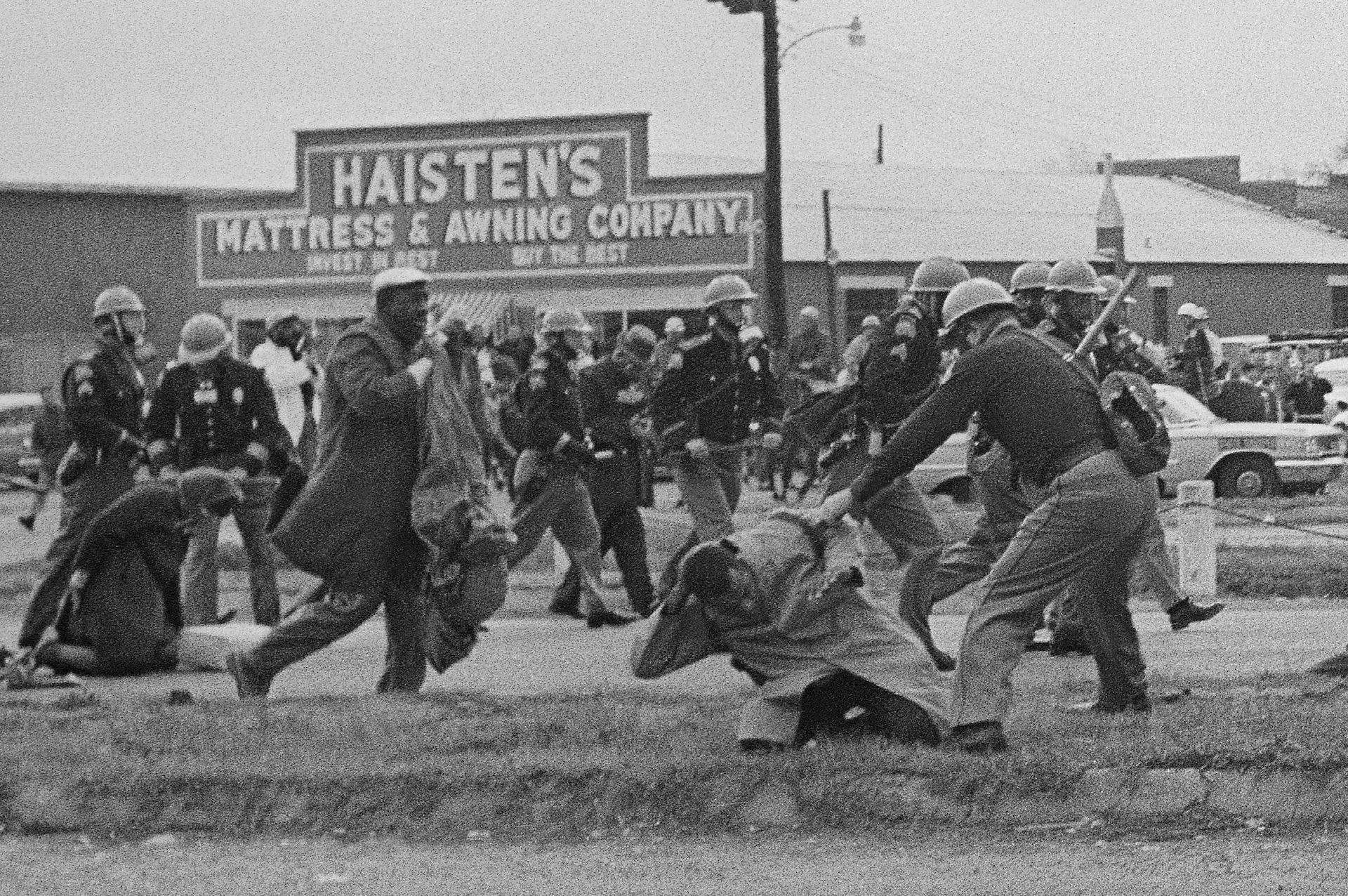
Soon after the state redistricted, a group of Black voters challenged the map in federal court as a violation of the Voting Rights Act. The plaintiffs argued that the new map was discriminatory because the voting power of Black citizens in the state was being illegally diluted. The state’s population was 31% Black, but only one of the six districts featured a majority-Black population.
بعد فترة وجيزة من إعادة تقسيم الولاية، تحدى مجموعة من الناخبين السود الخريطة في المحكمة الفيدرالية باعتبارها انتهاكًا لقانون حقوق التصويت. جادل المدّعون بأن الخريطة الجديدة كانت تمييزية لأن قوة تصويت المواطنين السود في الولاية كانت تتعرض للتخفيف غير القانوني. كان عدد سكان الولاية 31% من السود، ولكن دائرة واحدة فقط من الدوائر الست كانت تتمتع بأغلبية سوداء.
Federal courts in 2022 sided with the plaintiffs’ claim that the plan did violate the Voting Rights Act and ordered the state legislature to redraw the congressional plan with a second Black-majority district.
في عام 2022، أيدت المحاكم الفيدرالية مطالبة المدّعين بأن الخطة تنتهك قانون حقوق التصويت وأمرت الهيئة التشريعية بالولاية بإعادة رسم الخطة الكونغرسية بدائرة ثانية ذات أغلبية سوداء.
The judges relied on an interpretation of Section 2 of the Voting Rights Act from a 1986 Supreme Court decision in the case known as Thornburg v. Gingles. Under this interpretation, Section 2’s nondiscrimination requirement means that congressional districts must be drawn in a way that allows large, politically cohesive and compact racial minorities to be able to elect representatives of their choice.
اعتمد القضاة على تفسير المادة 2 من قانون حقوق التصويت من قرار صادر عن المحكمة العليا عام 1986 في القضية المعروفة باسم ثورنبرغ ضد جينغليس. بموجب هذا التفسير، يعني شرط عدم التمييز في المادة 2 أنه يجب رسم الدوائر الكونغرسية بطريقة تسمح للأقليات العرقية الكبيرة والمتماسكة سياسياً والمدمجة بالتصويت لاختيار ممثليهم.
In 2023, the Supreme Court upheld a lower court’s interpretation of Section 2 of the Voting Rights Act in a similar racial gerrymandering case in Alabama.
في عام 2023، أيدت المحكمة العليا تفسير محكمة أدنى لمادة 2 من قانون حقوق التصويت في قضية مماثلة للتلاعب العرقي بالدوائر في ألاباما.
Louisiana lawmakers redraw districts
يعيد مشرعو لويزيانا رسم الدوائر الانتخابية
Following the court order, the Louisiana state legislature passed Senate Bill 8 in January 2024, redrawing the congressional map and creating two districts where Black voters composed a substantial portion of the electorate in compliance with the Gingles ruling. This map was used in the 2024 congressional election and both Black-majority districts elected Democrats, while the other four districts elected Republicans.
بعد أمر المحكمة، أقرّت الهيئة التشريعية لولاية لويزيانا مشروع قانون مجلس الشيوخ رقم 8 في يناير 2024، حيث أعادت رسم الخريطة الكونغرسية وأنشأت دائرتين كان فيها الناخبون السود يشكلون جزءاً كبيراً من قاعدة الناخبين امتثالاً لحكم جينغليس. وقد استُخدمت هذه الخريطة في الانتخابات الكونغرسية لعام 2024، حيث انتخب الديمقراطيون في كلتا دائرتي الأغلبية السوداء، بينما انتخب الجمهوريون في الدوائر الأربع الأخرى.
These new congressional districts from Senate Bill 8 were challenged by a group of white voters in 2024 in a set of cases that became Louisiana v. Callais.
طعن مجموعة من الناخبين البيض في عام 2024 في هذه الدوائر الكونغرسية الجديدة من مشروع قانون مجلس الشيوخ رقم 8، وذلك في مجموعة من القضايا التي أصبحت تُعرف باسم “لويزيانا ضد كولايس.”
The plaintiffs argued that the Louisiana legislature’s drawing of districts based on race in Senate Bill 8 was in violation of the 14th Amendment’s equal protection clause, which requires equal treatment of individuals by the government, and the 15th Amendment, which forbids denying the right to vote based on race.
جادل المدّعون بأن رسم الهيئة التشريعية في لويزيانا للدوائر بناءً على العرق في مشروع قانون مجلس الشيوخ رقم 8 يمثل انتهاكاً لبند الحماية المتساوية في التعديل الرابع عشر، الذي يتطلب معاملة الأفراد معاملة متساوية من قبل الحكومة، والتعديل الخامس عشر، الذي يحظر حرمان أي شخص من حق التصويت على أساس العرق.
Essentially, the plaintiffs claimed that the courts’ interpretation of Section 2 of the Voting Rights Act was unconstitutional and that the use of race to create a majority-minority district is itself discriminatory. Similar arguments about the 14th Amendment’s equal protection clause were also the basis of the Supreme Court’s recent decisions striking down race-based affirmative action in college admissions.
بشكل أساسي، ادعى المدّعون أن تفسير المحاكم للمادة 2 من قانون حقوق التصويت كان غير دستوري، وأن استخدام العرق لإنشاء دائرة أغلبية-أقلية هو بحد ذاته تمييزي. وكانت الحجج المماثلة حول بند الحماية المتساوية في التعديل الرابع عشر هي أيضاً أساس قرارات المحكمة العليا الأخيرة بإلغاء الإجراءات الإيجابية القائمة على العرق في القبول الجامعي.
In 2024, a three-judge district court sided with the white plaintiffs in Louisiana v. Callais, with a 2-1 decision. The Black plaintiffs from the original case and the state of Louisiana appealed the case to the Supreme Court. The court originally heard the case at the end of the 2024-2025 term before ordering the case reargued for 2025-2026.
في عام 2024، أيدت محكمة مقاطعة من ثلاثة قضاة المدّعين البيض في قضية “لويزيانا ضد كولايس”، بقرار بفارق صوتين مقابل صوت واحد. وقمّ كل من المدّعين السود من القضية الأصلية وولايـزة لويزيانا بالطعن في القضية أمام المحكمة العليا. واستمعت المحكمة في الأصل إلى القضية في نهاية فترة 2024-2025 قبل أن تأمر بإعادة النظر في القضية للفترة 2025-2026.
Major implications
تداعيات رئيسية
The court’s opinion reinterprets key precedent on the Voting Rights Act and the application of Section 2 to redistricting. It carries major consequences for the federal courts, gerrymandering and the voting rights of individuals.
يعيد رأي المحكمة تفسير سابقة رئيسية بشأن قانون حقوق التصويت وتطبيق المادة 2 على إعادة تقسيم الدوائر. ويحمل ذلك عواقب وخيمة على المحاكم الفيدرالية والتلاعب بالدوائر الانتخابية وحقوق التصويت للأفراد.
For 39 years, Section 2 of the Voting Rights Act has required redistricting institutions to consider racial and ethnic minority representation when devising congressional districts. Majority-minority districting is required when a state has large, compact and cohesive minority communities. Historically, some states have redistricted minority communities in ways that dilute their voting power, such as “cracking” a community into multiple districts where they compose a small percentage of the electorate.
على مدى 39 عامًا، اشترطت المادة 2 من قانون حقوق التصويت على مؤسسات إعادة تقسيم الدوائر النظر في تمثيل الأقليات العرقية والإثنية عند وضع الدوائر الكونغرسية. ويُطلب تقسيم الدوائر على أساس الأغلبية والأقلية عندما تمتلك الولاية مجتمعات أقلية كبيرة ومكتظة ومتماسكة. تاريخياً، أعادت بعض الولايات تقسيم المجتمعات الأقلية بطرق تضعف من قوتها التصويتية، مثل “تفتيت” مجتمع ما إلى دوائر متعددة حيث يشكلون نسبة صغيرة من الناخبين.
Section 2 also provided voters and residents with a legal tool that has been used to challenge districts as discriminatory. Many voters and groups have used Section 2 successfully to challenge redistricting plans.
كما وفرت المادة 2 للناخبين والمقيمين أداة قانونية استُخدمت للطعن في الدوائر باعتبارها تمييزية. وقد استخدم العديد من الناخبين والمجموعات المادة 2 بنجاح للطعن في خطط إعادة تقسيم الدوائر.
Section 2 has been the main legal tool for challenging racial discrimination in redistricting for the past decade. In 2013, the Supreme Court effectively ended the other major component of the Voting Rights Act, the preclearance provision, which required certain states to have changes to their elections laws approved by the federal government, including redistricting.
كانت المادة 2 هي الأداة القانونية الرئيسية للطعن في التمييز العنصري في إعادة تقسيم الدوائر على مدى العقد الماضي. وفي عام 2013، أنهت المحكمة العليا بشكل فعال المكون الرئيسي الآخر لقانون حقوق التصويت، وهو بند الموافقة المسبقة، الذي كان يتطلب من ولايات معينة الحصول على موافقة الحكومة الفيدرالية على التغييرات التي تطرأ على قوانينها الانتخابية، بما في ذلك إعادة تقسيم الدوائر.
In this case the court did not fully overrule the previous interpretation of Section 2, but it has altered its application. The effect is that it limits the legality of using race in redistricting and the most common way to challenge discriminatory redistricting.
في هذه الحالة، لم تنقض المحكمة التفسير السابق للمادة 2 بالكامل، لكنها غيرت من تطبيقها. ويتمثل الأثر في أنها تحد من قانونية استخدام العرق في إعادة تقسيم الدوائر، ومن أكثر الطرق شيوعاً للطعن في إعادة التقسيم التمييزية.
Additionally, because of the strong relationship between many minority communities and the Democratic party, the court’s decision has major implications for partisan control of the House of Representatives.
بالإضافة إلى ذلك، ونظراً للعلاقة القوية بين العديد من المجتمعات الأقلية والحزب الديمقراطي، فإن قرار المحكمة يحمل تداعيات رئيسية على السيطرة الحزبية في مجلس النواب.
By changing the interpretation of Section 2, Republicans could use the ruling to redraw congressional districts across the country to benefit their party. Politico reported that Democrats could lose as many as 19 House seats if the Supreme Court sided with the lower court.
من خلال تغيير تفسير المادة 2، يمكن للجمهوريين استخدام الحكم لإعادة رسم الدوائر الكونغرسية في جميع أنحاء البلاد لصالح حزبهم. وأفادت “بوليتيكو” بأن الديمقراطيين قد يخسرون ما يصل إلى 19 مقعداً في مجلس النواب إذا اتجهت المحكمة العليا إلى قرار المحكمة الأدنى.
This case builds directly on a recent case also authored by Alito. In 2024, the court overruled a lower court’s finding of racial vote dilution in South Carolina.
ترتكز هذه القضية مباشرة على قضية حديثة أخرى كتبها أيضاً أليتو. ففي عام 2024، نقضت المحكمة قرار محكمة أدنى بشأن تخفيف الأصوات العرقية في كارولينا الجنوبية.
This is an updated version of a story that originally published on Oct. 13, 2025.
هذا هو إصدار محدث لقصة نُشرت أصلاً في 13 أكتوبر 2025.
Sam D. Hayes does not work for, consult, own shares in or receive funding from any company or organization that would benefit from this article, and has disclosed no relevant affiliations beyond their academic appointment.
لا يعمل سام د. هايز لدى، أو يستشير، أو يمتلك حصصاً في، أو يتلقى تمويلاً من أي شركة أو منظمة تستفيد من هذه المقالة، ولم يفصح عن أي انتماءات ذات صلة تتجاوز تعيينه الأكاديمي.
Read more
-
أفضل ستة تكييفات لشكسبير ليست باللغة الإنجليزية
The six best Shakespeare adaptations that aren’t in English
-
هل صورة ترامب المزعومة “ليوحنا” كانت تجديفاً؟ خبير ديني يشرح
Was Trump’s so-called ‘Jesus’ image blasphemy? A religious expert explains