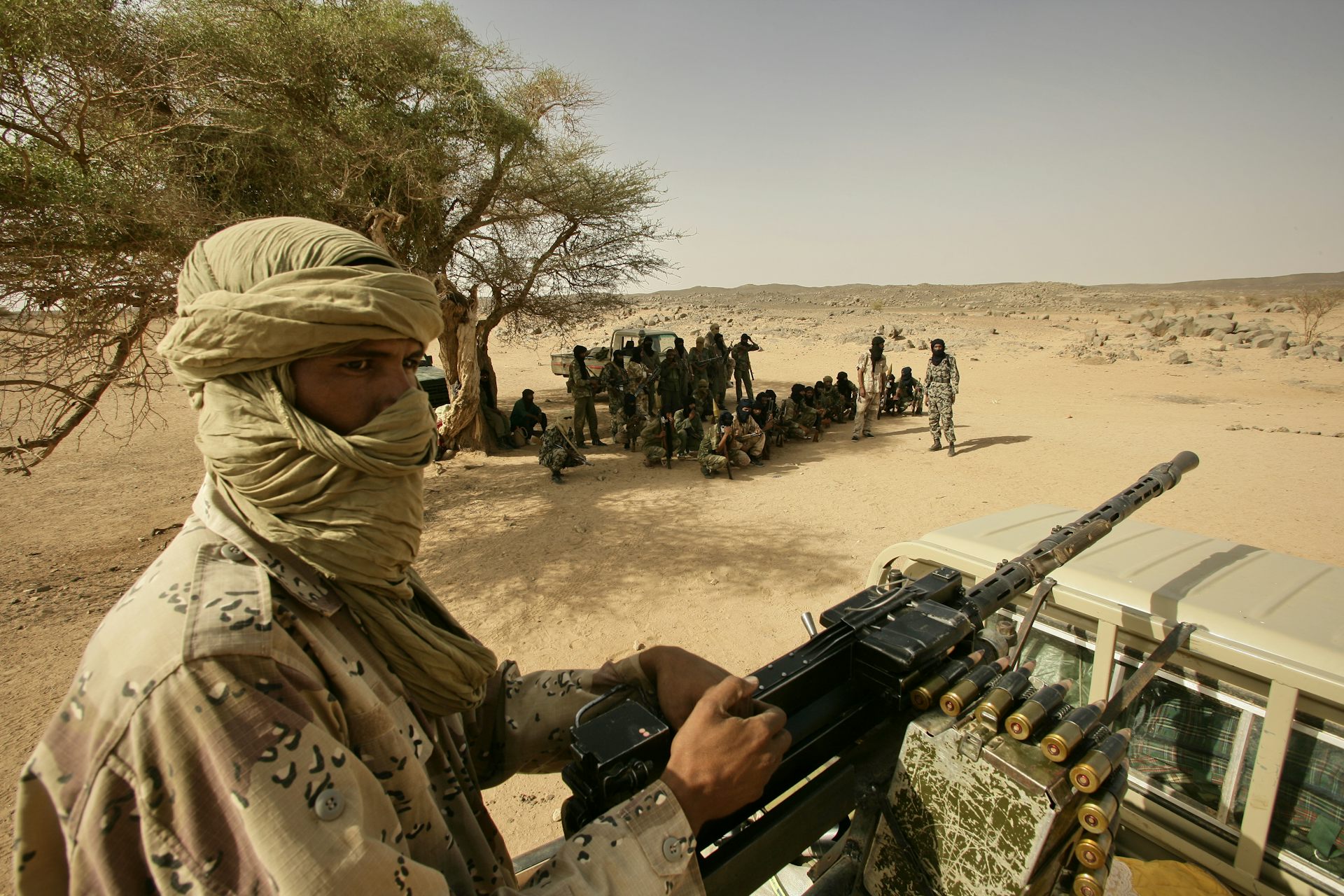
هجمات مالي: مظالم الطوارق هي مفتاح السلام
Mali attacks: Tuareg grievances hold the key to peace
Mali’s security situation requires resolution of Tuareg grievances, restoration of trust in the state, and political inclusion.
يتطلب الوضع الأمني في مالي حل مظالم الطوارق، واستعادة الثقة في الدولة، والإدماج السياسي.
The precarious security situation in Mali took a turn for the worse in late April 2026. Well coordinated attacks targeted several cities and claimed the lives of the defence minister, Sadio Camara, and several Malian soldiers.
تدهور الوضع الأمني الهش في مالي بشكل كبير في أواخر أبريل 2026. استهدفت هجمات منسقة جيداً عدة مدن وأسفرت عن مقتل وزير الدفاع، ساديو كامارا، والعديد من الجنود الماليين.
The events are a culmination of increased attacks over the past few years on the military and state institutions in Mali.
تُعد هذه الأحداث تتويجاً لتصاعد الهجمات على المؤسسات العسكرية والحكومية في مالي على مدى السنوات القليلة الماضية.
We have been researching insecurity and politics in west Africa and the Sahel for over a decade. We believe the recent attacks trace back to grievances expressed by Tuaregs that the current military regime has not addressed. The Tuaregs are nomadic Berber communities in northern Mali.
لقد كنا نبحث في انعدام الأمن والسياسة في غرب إفريقيا والساحل لأكثر من عقد من الزمان. ونعتقد أن الهجمات الأخيرة تعود إلى مظالم عبر عنها الطوارق لم يعالجها النظام العسكري الحالي. الطوارق هم مجتمعات أمازيغية بدوية في شمال مالي.
First is the inability or unwillingness to address Tuareg discontent. Their grievances centre on political autonomy, marginalisation, cultural recognition, resource control, security and perceived state neglect.
أولاً هو العجز أو عدم الرغبة في معالجة استياء الطوارق. وتتمحور مظالمهم حول الحكم الذاتي السياسي، والتهميش، والاعتراف الثقافي، والسيطرة على الموارد، والأمن، والإهمال المتصور من الدولة.
Second, the continuous use of force by the military against rebels in the northern regions without regard for the collateral damage. The Tuaregs have long contested the militarisation policies of successive Malian governments.
ثانياً، الاستخدام المستمر للقوة من قبل الجيش ضد المتمردين في المناطق الشمالية دون اعتبار للضرر الجانبي. وقد طعن الطوارق منذ فترة طويلة في سياسات عسكرة الحكومات المالية المتعاقبة.
Third, the uneven distribution of resources, which keeps the northern region marginalised. These include northern Mali’s resources such as gold deposits, salt mines, grazing lands, and strategic trade corridors. Revenues from these sources remain controlled by the state’s centre based in the south.
ثالثاً، التوزيع غير المتكافئ للموارد، مما يُبقي المنطقة الشمالية مهمشة. وتشمل هذه الموارد رواسب الذهب، ومناجم الملح، والأراضي الرعوية، والممرات التجارية الاستراتيجية في شمال مالي. وتظل عائدات هذه المصادر تحت سيطرة مركز الدولة في الجنوب.
Addressing resource marginalisation could have a number of benefits. It could temper Tuareg grievances, restore trust in the Malian state, and shift conflict incentives away from rebellion towards political inclusion, stability, and sustainable peace in northern Mali.
إن معالجة التهميش في الموارد يمكن أن يحمل العديد من الفوائد. فقد يخفف من مظالم الطوارق، ويستعيد الثقة في الدولة المالية، ويحول حوافز الصراع بعيداً عن التمرد باتجاه الاندماج السياسي والاستقرار والسلام المستدام في شمال مالي.
The breakdown
الانهيار
In April 2026 the jihadist group Jama’at Nusrat al-Islam wal-Muslimin (JNIM) joined forces with ethnic Tuareg rebels from the northern Azawad Liberation Front (FLA) to attack several cities in the country recently.
في أبريل 2026، ضمت جماعة أنصار الإسلام والمسلمين الجهادية (جماعة نصرة الإسلام والمسلمين- JNIM) صفوفها مع المتمردين الطوارق العرقيين من جبهة تحرير أزواد الشمالية (FLA) لمهاجمة عدة مدن في البلاد مؤخرًا.
This mirrors a similar attack in 2012 when the Tuareg and al-Qaeda-affiliated militants launched an offensive against the state. The Tuareg-dominated National Movement for the Liberation of Azawad (MNLA) attempted to secede and initiated a rebellion.
يعكس هذا هجومًا مماثلاً وقع في عام 2012، عندما شن الطوارق والمقاتلون التابعون لتنظيم القاعدة هجومًا على الدولة. حاولت الحركة الوطنية الطوارقية لتحرير أزواد (MNLA) ، التي يسيطر عليها الطوارق، الانفصال وبدأت تمردًا.
The MNLA is a Tuareg‑dominated separatist movement. Founded in 2011, it is mainly composed of ex-Libyan war returnees and northern Malian Tuaregs. The organisation had about 10,000 fighters at its peak in 2012.
تُعد الحركة الوطنية الطوارقية لتحرير أزواد (MNLA) حركة انفصالية يسيطر عليها الطوارق. تأسست عام 2011، وتتكون بشكل رئيسي من العائدين من الحرب الليبية والطوارق الشماليين الماليين. بلغ عدد المقاتلين في المنظمة حوالي 10,000 مقاتل في ذروتها عام 2012.
Despite their numbers, they lacked the military power to hold the territory. As a result they aligned with Islamists Ansar Dine, al-Qaeda in the Islamic Maghreb (AQIM) , and the Movement for Unity and Jihad in West Africa (MUJAO) . Shortly after pushing back Malian forces in late 2012, the alliance disintegrated.
على الرغم من أعدادهم، فقد افتقروا إلى القوة العسكرية اللازمة للسيطرة على الإقليم. ونتيجة لذلك، تحالفوا مع الإسلاميين أنصار الدين، والقاعدة في المغرب الإسلامي (AQIM) ، وحركة التوحيد والجهاد في غرب إفريقيا (MUJAO) . وبعد فترة وجيزة من صد القوات المالية في أواخر عام 2012، تفكك هذا التحالف.
The Islamist groups were better armed and funded. They forced the secular separatists out of major towns like Gao, Timbuktu and Kidal. The intervention of French forces in 2013 helped the Malian government regain most of the lost territories.
كانت الجماعات الإسلامية أكثر تسليحًا وتمويلاً. وقد أجبروا الانفصاليين العلمانيين على مغادرة المدن الرئيسية مثل غاو وتيمبكتو وكيدال. وساعد تدخل القوات الفرنسية في عام 2013 الحكومة المالية على استعادة معظم الأراضي المفقودة.
AQIM and its allies then moved into the mountains and surrounding desert areas. They shifted to guerrilla tactics, including suicide bombings and landmines.
ثم تحركت القاعدة في المغرب الإسلامي وحلفاؤها إلى الجبال والمناطق الصحراوية المحيطة. وتحولوا إلى تكتيكات حرب العصابات، بما في ذلك التفجيرات الانتحارية والألغام الأرضية.
The withdrawal of French forces in 2022 seems to have emboldened the Islamist militants. It removed counter‑terrorism pressure, disrupted intelligence and logistics and created a security vacuum amid weak Malian state capacity. This allowed Islamist groups to expand operations, recruit locally and regain territorial influence.
يبدو أن انسحاب القوات الفرنسية في عام 2022 قد منح المقاتلين الإسلاميين جرأة. فقد أزال الضغط لمكافحة الإرهاب، وعطل الاستخبارات واللوجستيات، وخلق فراغًا أمنيًا وسط ضعف القدرات الحكومية المالية. وقد سمح هذا للجماعات الإسلامية بتوسيع عملياتها، وتجنيد السكان المحليين، واستعادة النفوذ الإقليمي.
Lessons unlearnt
الدروس التي لم تُتعلَّم
The largely popular military regime of Assimi Goita has failed to address the demands of Tuareg separatists. The Tuaregs have historically complained about exclusion from power by the southern dominated Malian state. Since the country’s independence in 1960, Tuareg leaders have argued that the structure of the Malian state does not reflect their political identity, economic interests and governance traditions. The demand for self-rule or autonomy has been suppressed, often by force.
فشل النظام العسكري الشعبي إلى حد كبير بقيادة أسيمي جويتا في تلبية مطالب الانفصاليين الطوارق. وقد اشتكى الطوارق تاريخياً من الإقصاء من السلطة من قبل الدولة المالية التي يهيمن عليها الجنوب. ومنذ استقلال البلاد عام 1960، جادل قادة الطوارق بأن هيكل الدولة المالية لا يعكس هويتهم السياسية أو مصالحهم الاقتصادية أو تقاليد حكمهم. وقد تم قمع المطالبة بالحكم الذاتي أو الاستقلال الذاتي، غالباً بالقوة.
More recently, increased drought, desertification and climate variability has devastated Tuareg pastoral livelihoods. These grievances pre-date Islamic insurgency and are fundamental in understanding the approach of the group.
وفي الآونة الأخيرة، أدت زيادة الجفاف والتصحر وتقلب المناخ إلى تدمير سبل العيش الرعوية للطوارق. وتسبق هذه المظالم التمرد الإسلامي وهي أساسية لفهم مقاربة المجموعة.
The second unaddressed issue is that counterterrorism operations use force which creates collateral damage. Recent analysis shows that counterterrorism operations in northern and central Mali have resulted in large scale civilian harm, displacement and collective punishments. These have included arbitrary arrests and mass killings.
القضية الثانية التي لم يتم تناولها هي أن عمليات مكافحة الإرهاب تستخدم القوة التي تخلق أضراراً جانبية. وتُظهر تحليلات حديثة أن عمليات مكافحة الإرهاب في شمال ووسط مالي أسفرت عن أضرار مدنية واسعة النطاق، والتهجير، والعقوبات الجماعية. وشملت هذه الأضرار اعتقالات تعسفية وإعدامات جماعية.
These factors have created conditions which Islamist groups have exploited for recruitment, territorial control and legitimacy.
وقد خلقت هذه العوامل ظروفاً استغلتها الجماعات الإسلامية لأغراض التجنيد والسيطرة الإقليمية والشرعية.
The blame for this has been put on successive Malian regimes and previous French operations. This has been a key reason for France’s interventions being labelled as failures.
وقد وُجّه اللوم في هذا الشأن إلى الأنظمة المالية المتعاقبة والعمليات الفرنسية السابقة. وكان هذا سبباً رئيسياً لوصف تدخلات فرنسا بالفشل.
The third major driver of violence in Mali relates to the uneven distribution of resources. Since independence, public investment, infrastructure, social services and political attention have been heavily concentrated in the southern parts of the country.
أما المحرك الرئيسي الثالث للعنف في مالي فيتعلق بالتوزيع غير المتكافئ للموارد. فمنذ الاستقلال، تركز الاستثمار العام، والبنية التحتية، والخدمات الاجتماعية، والاهتمام السياسي بشدة في الأجزاء الجنوبية من البلاد.
Previous peace agreements have promised decentralisation, funding and integration of northern elites and ex-combatants. But implementation have been slow or nonexistent.
وقد وعدت اتفاقيات السلام السابقة باللامركزية، وتمويل، ودمج النخب الشمالية والمقاتلين السابقين. لكن التنفيذ كان بطيئاً أو غير موجود.
Is there a way forward?
هل هناك طريق للمضي قدمًا؟
The Tuareg question must be answered to reduce the tension between the regions of the country. It can be argued that Tuareg actors have twice miscalculated by entering arrangements with jihadist groups. But this does not diminish the need to address the structural inequalities and long-standing grievances underpinning Tuareg demands.
يجب الإجابة على قضية الطوارق لتقليل التوتر بين مناطق البلاد. يمكن القول إن فاعلين من الطوارق أخطأوا مرتين بالدخول في ترتيبات مع الجماعات الجهادية. لكن هذا لا يقلل من الحاجة إلى معالجة التفاوتات الهيكلية والمظالم القديمة التي تكمن وراء مطالب الطوارق.
To achieve this, the Malian regime can copy the blueprint of former president Mahamadou Issoufou of Niger. Prior to his presidency, the Nigerien Tuaregs were similarly aggrieved. When he became president in 2011, he:
لتحقيق ذلك، يمكن للنظام المالي أن يقتدي بخطة الرئيس السابق محمدو إيسوفو من النيجر. قبل رئاسته، كان الطوارق النيجريون يعانون من مظالم مماثلة. وعندما أصبح رئيسًا في عام 2011، فقد:
integrated Tuareg elites and former rebels into state institutions
دمج النخب الطارقية والمتمردين السابقين في مؤسسات الدولة.
decentralised state authority by allowing administrative and budgetary control at the regional level
قام بلامركزة السلطة الحكومية من خلال السماح بالرقابة الإدارية والميزانية على المستوى الإقليمي.
introduced disarmament, demobilisation and reintegration programmes.
أدخل برامج نزع السلاح والتسريح وإعادة الإدماج.
Issoufou also invested in infrastructural development in the areas that directly affected the Tuaregs. This included pastoralism, education and livelihood support. Water access in arid pastoral areas was improved. And connectivity and road safety was expanded.
استثمر إيسوفو أيضًا في التنمية البنية التحتية في المجالات التي أثرت بشكل مباشر على الطوارق. وشمل ذلك الرعي، والتعليم، ودعم سبل العيش. وتم تحسين الوصول إلى المياه في المناطق الرعوية القاحلة. وتم توسيع الاتصال وسلامة الطرق.
Addressing the Tuareg agitations would reduce tensions in Mali.
إن معالجة تحركات الطوارق من شأنها أن تقلل من التوترات في مالي.
The authors do not work for, consult, own shares in or receive funding from any company or organisation that would benefit from this article, and have disclosed no relevant affiliations beyond their academic appointment.
لا يعمل المؤلفون لدى، أو يستشارون من قبل، أو يملكون حصصًا في، أو يتلقون تمويلاً من أي شركة أو منظمة تستفيد من هذه المقالة، ولم يفصحوا عن أي انتماءات ذات صلة تتجاوز تعيينهم الأكاديمي.
Read more
-

يمكن للروبوتات أن تجري ماراثوناً وتلعب كرة الطاولة. ولكن، هل سيحققون يوماً عظمة رياضية حقيقية؟
Robots can run a marathon and play ping pong. But will they ever achieve true sporting greatness?
-
صوتك خافت! لا أستطيع سماعك: الحيتان القائدة تصرخ لتسمع نفسها فوق ضوضاء السفن.
Squeak up! I can’t hear you: pilot whales are shouting to hear themselves over ship noise