هل يحفظ الجسد حقاً “الحسابات” بعد الصدمة؟ وكيف تعود فكرة “الذكريات المكبوتة” التي تم دحضها مجددًا
Does the body really ‘keep the score’ after trauma? How the debunked idea of ‘repressed memories’ is making a comeback
In the 1990s, repressed memories sparked a major scientific dispute about how trauma works. Now, the idea is back – with a twist.
في التسعينيات، أثارت الذكريات المكبوتة جدلاً علمياً كبيراً حول كيفية عمل الصدمة. والآن، عادت هذه الفكرة – ولكن مع تطور جديد.
Have you heard someone say online or in casual conversation, when responding to someone’s struggles, “well, the body keeps the score”?
هل سمعت أحداً يقول عبر الإنترنت أو في محادثة عادية، عند الرد على معاناة شخص ما، “الجسم يحتفظ بالنتيجة”؟
For many people, this phrase is a useful way to name the physical toll stress and trauma can take when the body is in “fight or flight” mode.
بالنسبة للكثيرين، تُعد هذه العبارة طريقة مفيدة لتسمية الثمن الجسدي الذي يمكن أن يفرضه التوتر والصدمات عندما يكون الجسم في وضع “القتال أو الهروب.”
The everyday use of this phrase also demonstrates the extraordinary reach of the 2014 non-fiction book that popularised it, The Body Keeps the Score by Dutch psychiatrist Bessel van der Kolk. But as the idea has spread, it’s also been simplified.
كما أن الاستخدام اليومي لهذه العبارة يدل أيضاً على الانتشار الهائل لكتاب غير الخيال الصادر عام 2014 والذي شيّعها، وهو كتاب “الجسم يحتفظ بالنتيجة” للنافس النفسي الهولندي بيسيل فان دير كولك. ولكن مع انتشار الفكرة، فقد تم تبسيطها أيضاً.
In fact, this book – which has spent almost six years on The New York Times bestseller list – goes beyond arguing that trauma affects the body. It rests on a far more contentious claim: that traumatic memories live in the body, inaccessible to conscious memory.
في الواقع، يتجاوز هذا الكتاب – الذي قضى ما يقرب من ست سنوات في قائمة الكتب الأكثر مبيعاً لصحيفة نيويورك تايمز – مجرد الجدال بأن الصدمات تؤثر على الجسم. بل يرتكز على ادعاء أكثر إثارة للجدل: وهو أن الذكريات الصادمة تعيش في الجسم، وغير متاحة للذاكرة الواعية.
This idea of repressed memories has a long and controversial history. Here’s why we’re worried it’s making a comeback.
لفكرة الذكريات المكبوتة تاريخ طويل ومثير للجدل. وإليك سبب قلقنا من عودتها بقوة.
The memory wars
حروب الذاكرة
During the 1990s, the idea of repressed memories sparked a major scientific dispute known as the “memory wars”. Clinicians and memory researchers disagreed over whether traumatic events could be completely inaccessible to conscious memory, only to be recovered later in therapy.
خلال التسعينيات، أثارت فكرة الذكريات المكبوتة جدلاً علمياً كبيراً عُرف باسم “حروب الذاكرة.” اختلف الأطباء والباحثون في مجال الذاكرة حول ما إذا كانت الأحداث الصادمة يمكن أن تكون غير متاحة تماماً للذاكرة الواعية، بل يتم استعادتها لاحقاً في العلاج.
The core idea, rooted in psychoanalytic theory, was that traumatic experiences are so overwhelming that the mind unconsciously represses them as a defence mechanism, removing them from conscious awareness while they continue to produce psychological symptoms.
كانت الفكرة الأساسية، المتجذرة في النظرية التحليل النفسي، هي أن التجارب الصادمة ساحقة لدرجة أن العقل يكبّتها بشكل لا واعي كآلية دفاع، مُزيلًا إياها من الوعي بينما تستمر في إنتاج أعراض نفسية.
After more than a decade of research raising serious doubts about repression as a reliable mechanism, many believed this debate had been settled.
بعد أكثر من عقد من البحث الذي أثار شكوكاً جدية حول الكبت كآلية موثوقة، اعتقد الكثيرون أن هذا النقاش قد حُسم.
Yet the idea of repressed memories is returning.
ومع ذلك، فإن فكرة الذكريات المكبوتة تعود للظهور.
Today, the claim is not only that traumatic memories can be repressed, but that the body stores them. These repressed, stored memories are said to re-emerge later through physical symptoms.
اليوم، لم يعد الادعاء مقتصراً على إمكانية كبت الذكريات الصادمة فحسب، بل بأن الجسم يخزنها. ويقال إن هذه الذكريات المخزنة والمكبوته تظهر لاحقاً من خلال أعراض جسدية.
The Body Keeps the Score suggests healing requires “releasing” or “integrating” these hidden memories of trauma through a variety of alternative, often non-evidence-based therapies, such as yoga, pyschedelic-assisted therapy and guided imagery.
يقترح كتاب “الجسم يتذكر” أن الشفاء يتطلب “تحرير” أو “دمج” ذكريات الصدمة الخفية هذه من خلال مجموعة متنوعة من العلاجات البديلة، التي غالباً ما تفتقر إلى الأدلة العلمية، مثل اليوغا والعلاج بمساعدة المادة المخدرة والتصوير المُوجّه.
Traumatic experiences are further described as disrupting the nervous system in lasting ways – even beyond a person’s conscious awareness or memory of what happened. This argument has shifted public perceptions of trauma.
كما وُصِفَت التجارب الصادمة بأنها تُخلّ بالنظام العصبي بطرق دائمة – حتى بما يتجاوز الوعي الشخصي أو ذاكرته لما حدث. وقد غيّر هذا الجدل التصورات العامة للصدمة.
Trauma and the body
الصدمة والجسم
The kind of memory research we do does not deny trauma, nor that it can affect the body. The concern is specifically about how this relates to memory.
إن نوع أبحاث الذاكرة التي نقوم بها لا ينكر الصدمة، ولا أنها يمكن أن تؤثر على الجسم. القلق يتعلق تحديداً بكيفية ارتباط هذا بالذاكرة.
There is broad scientific agreement that stress, often associated with traumatic experiences, can alter hormone levels such as adrenaline, noradrenaline and cortisol, which can then impact other systems of the body. This can elevate blood pressure, affect libido, and influence how safe or unsafe the world feels on a bodily level.
هناك اتفاق علمي واسع بأن التوتر (الإجهاد) ، الذي يرتبط غالباً بالتجارب الصادمة، يمكن أن يغير مستويات الهرمونات مثل الأدرينالين والنورأدرينالين والكورتيزول، مما قد يؤثر بدوره على أنظمة الجسم الأخرى. يمكن لهذا أن يرفع ضغط الدم، ويؤثر على الرغبة الجنسية (الليبيدو) ، ويؤثر على مدى شعور المرء بالأمان أو عدم الأمان على المستوى الجسدي.
For some people, trauma can lead to post-traumatic stress disorder (PTSD) which involves physical symptoms such as nausea, panic attacks, difficulty breathing, trouble sleeping, and feeling exhausted from constantly being “on guard”.
بالنسبة لبعض الأشخاص، يمكن أن تؤدي الصدمة إلى اضطراب ما بعد الصدمة (PTSD) ، والذي يشمل أعراضاً جسدية مثل الغثيان، ونوبات الهلع، وصعوبة التنفس، ومشاكل النوم، والشعور بالإرهاق من حالة “اليقظة المستمرة.”
How memory works
كيف تعمل الذاكرة
Memory doesn’t work like a recording device we can simply “play back”.
الذاكرة لا تعمل مثل جهاز تسجيل يمكننا ببساطة “تشغيل” محتوياته.
Decades of research show that autobiographical memory is reconstructed each time an event is recalled. This means the context we’re in – including new information, our emotions, and other people’s expectations – can influence what we remember. This may distort or alter our memories.
تُظهر عقود من البحث أن الذاكرة السردية الذاتية (autobiographical memory) يتم إعادة بنائها في كل مرة يتم فيها استرجاع حدث ما. وهذا يعني أن السياق الذي نمر به – بما في ذلك المعلومات الجديدة، وعواطفنا، وتوقعات الآخرين – يمكن أن يؤثر على ما نتذكره. وقد يشوه هذا أو يغير ذكرياتنا.
Suggestive therapy techniques – for example, hypnosis or guided imagery, where patients enter a highly suggestible state – are especially prone to implanting false memories.
تعد تقنيات العلاج الإيحائي (Suggestive therapy techniques) – مثل التنويم المغناطيسي أو التصوير الموجه، حيث يدخل المرضى في حالة عالية القابلية للإيحاء – عرضة بشكل خاص لزرع الذكريات الكاذبة.
Major professional organisations, such as the American Psychological Association and the British Psychological Society have repeatedly warned that these therapeutic techniques designed to recover supposedly buried memories can create false memories.
حذرت منظمات مهنية كبرى، مثل الجمعية الأمريكية لعلم النفس والجمعية البريطانية لعلم النفس، مراراً وتكراراً من أن هذه التقنيات العلاجية المصممة لاستعادة ذكريات يُفترض أنها مدفونة يمكن أن تخلق ذكريات زائفة.
Everyone seems to be talking about trauma. Do we know more about it? Or has the meaning changed? In this five-part series, we explore the shifting definition of trauma, why talking about it doesn’t always help, and what else can work.
يبدو أن الجميع يتحدثون عن الصدمة (trauma) . هل نعرف عنها أكثر؟ أم أن معناها قد تغير؟ في هذه السلسلة المكونة من خمسة أجزاء، نستكشف التعريف المتغير للصدمة، ولماذا لا يساعد التحدث عنها دائماً، وما الذي يمكن أن ينجح بدلاً من ذلك.
Alternative therapies
العلاجات البديلة
The Body Keeps the Score promotes a broad range of therapies for trauma as alternatives to more established PTSD treatments, including yoga and psychodrama, which is the use of roleplay to re-enact the traumatic experience.
يشجع كتاب “الجسد يحتفظ بالنتيجة” (The Body Keeps the Score) مجموعة واسعة من العلاجات للصدمات كبدائل لعلاجات اضطراب ما بعد الصدمة (PTSD) الأكثر رسوخاً، بما في ذلك اليوجا والدراما النفسية، وهي استخدام لعب الأدوار لإعادة تمثيل التجربة المؤلمة.
Some of these approaches may be helpful for some people. There is no harm in doing yoga if you have PTSD and feel it helps to reduce stress.
قد تكون بعض هذه المناهج مفيدة لبعض الأشخاص. لا ضرر من ممارسة اليوجا إذا كنت تعاني من اضطراب ما بعد الصدمة وتشعر أنها تساعد في تقليل التوتر.
However, problems arise when these techniques are claimed to be able to help people “access repressed memories”.
ومع ذلك، تظهر المشكلات عندما يُزعم أن هذه التقنيات قادرة على مساعدة الناس في “الوصول إلى الذكريات المكبوتة.”
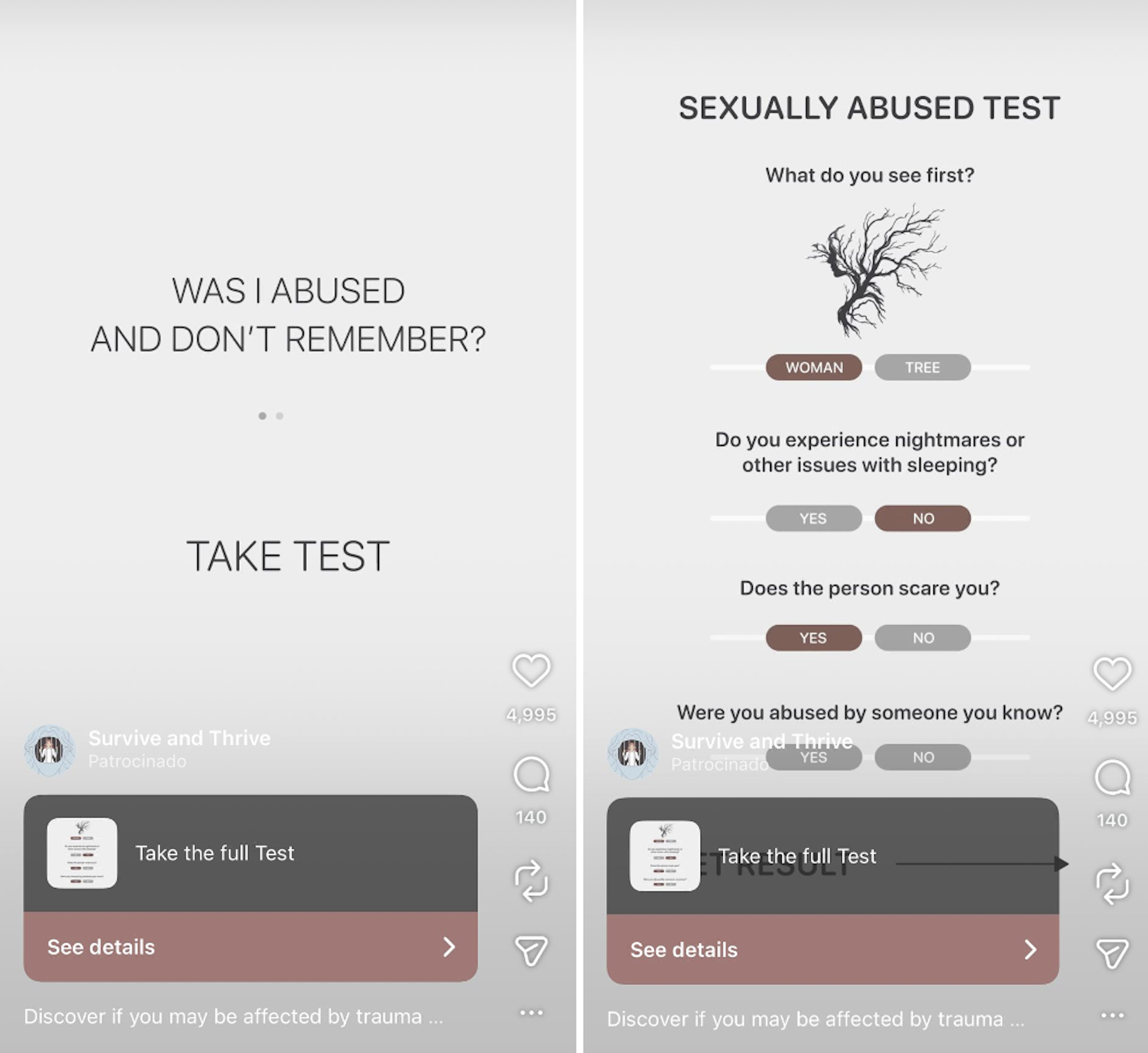
This idea can be exploited. Recent ads on social media suggest nightmares or trouble sleeping could be due to extensive trauma you don’t remember. A quick quiz will deliver your test results and redirect you to a “trauma-informed” online coaching program that you pay for.
يمكن استغلال هذه الفكرة. تشير الإعلانات الحديثة على وسائل التواصل الاجتماعي إلى أن الكوابيس أو صعوبة النوم قد تكون ناتجة عن صدمة واسعة النطاق لا تتذكرها. سيقدم اختبار سريع نتائجك ويوجهك إلى برنامج تدريب عبر الإنترنت “مستنير بالصدمات” تدفع ثمنه.
What about psychedelics and MDMA?
ماذا عن المواد المهلوسة و MDMA؟
More recently, van der Kolk and others have turned attention to psychedelic-assisted therapy.
في الآونة الأخيرة، وجه فان دير كولك وغيره الاهتمام إلى العلاج بمساعدة المواد المهلوسة.
Substances such as MDMA and psilocybin have shown promise in tightly controlled research settings. They appear to influence brain pathways, though the mechanisms are not yet fully understood.
أظهرت مواد مثل MDMA والسايلوسيبين (psilocybin) وعوداً في بيئات بحثية خاضعة لرقابة مشددة. يبدو أنها تؤثر على مسارات الدماغ، رغم أن آلياتها لم تُفهم بالكامل بعد.
From a memory perspective, psychedelics raise specific concerns. Research suggests psychedelics can affect memory in some worrying ways.
من منظور الذاكرة، تثير المواد المهلوسة مخاوف محددة. تشير الأبحاث إلى أن المواد المهلوسة يمكن أن تؤثر على الذاكرة بطرق مقلقة بعض الشيء.
They make people more suggestible, meaning they are more likely to accept ideas or stories as true, even when they come from an outside source. They also create a powerful feeling that what people experience is deeply and certainly real.
إنها تجعل الناس أكثر قابلية للتأثر بالاقتراحات (suggestible) ، مما يعني أنهم أكثر عرضة لقبول الأفكار أو القصص على أنها حقيقية، حتى لو جاءت من مصدر خارجي. كما أنها تخلق شعوراً قوياً بأن ما يمر به الشخص هو شيء واقعي وعميق بالتأكيد.
This is a risky combination, because a person could come away with a false memory they feel convinced has happened.
هذا مزيج محفوف بالمخاطر، لأنه قد يغادر الشخص بذكرى زائفة يشعر أنه مقتنع بحدوثها.
Early qualitative reports already describe cases in which apparent memories of trauma emerged during psychedelic therapy, with uncertainty about their accuracy.
تصف التقارير النوعية المبكرة بالفعل حالات ظهرت فيها ذكريات ظاهرية لصدمة أثناء العلاج بالمواد المهلوسة، مع وجود شكوك حول دقتها.
Recent US research found the vast majority of people endorse belief in repressed memories and the idea that “the body keeps the score”. This research is currently being replicated in Australia, with preliminary findings suggesting these beliefs may be even more widespread over here.
وجدت أبحاث أمريكية حديثة أن الغالبية العظمى من الناس يؤيدون الاعتقاد بالذكريات المكبوتة وفكرة أن “الجسد يحتفظ بالنتيجة.” ويجري حالياً تكرار هذا البحث في أستراليا، مع نتائج أولية تشير إلى أن هذه المعتقدات قد تكون أكثر انتشاراً هنا.
The authors do not work for, consult, own shares in or receive funding from any company or organisation that would benefit from this article, and have disclosed no relevant affiliations beyond their academic appointment.
لا يعمل المؤلفون لدى أو يستشارون من قبل أو يملكون حصصاً في أو يتلقون تمويلاً من أي شركة أو منظمة يمكن أن تستفيد من هذه المقالة، ولم يفصحوا عن أي انتماءات ذات صلة تتجاوز تعيينهم الأكاديمي.
Read more
-
ما هي الحرب العادلة؟ داخل حرب الكلمات بين إدارة ترامب والكنيسة الكاثوليكية
What is a just war? Inside the war of words between the Trump administration and the Catholic church
-
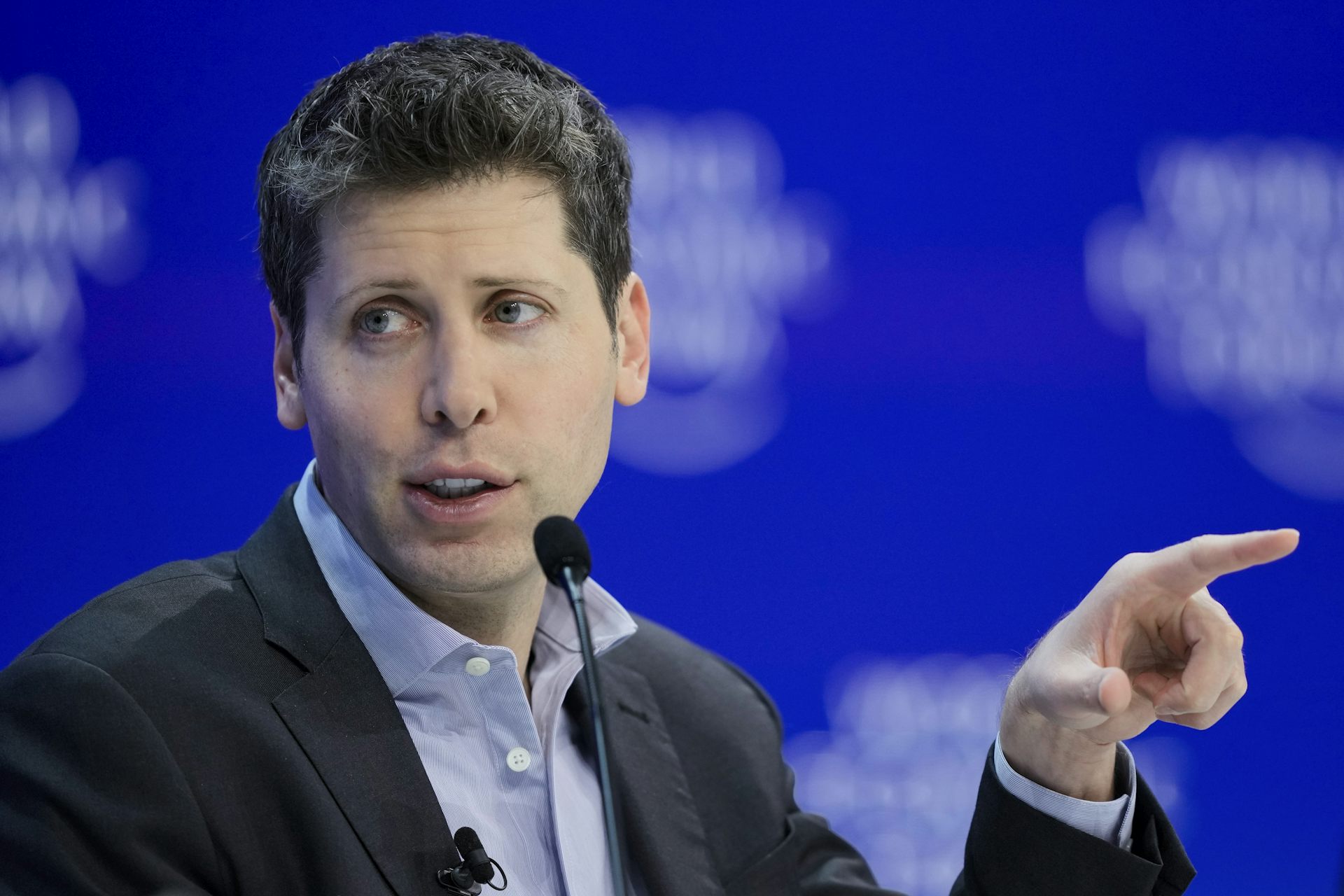
“تجاهل تام للمخاطر على الحياة البشرية”: فلوريدا تقاضي OpenAI وسام ألتمان بشأن سلامة الذكاء الاصطناعي
‘Utter disregard for the risk to human life’: Florida sues OpenAI and Sam Altman over AI safety