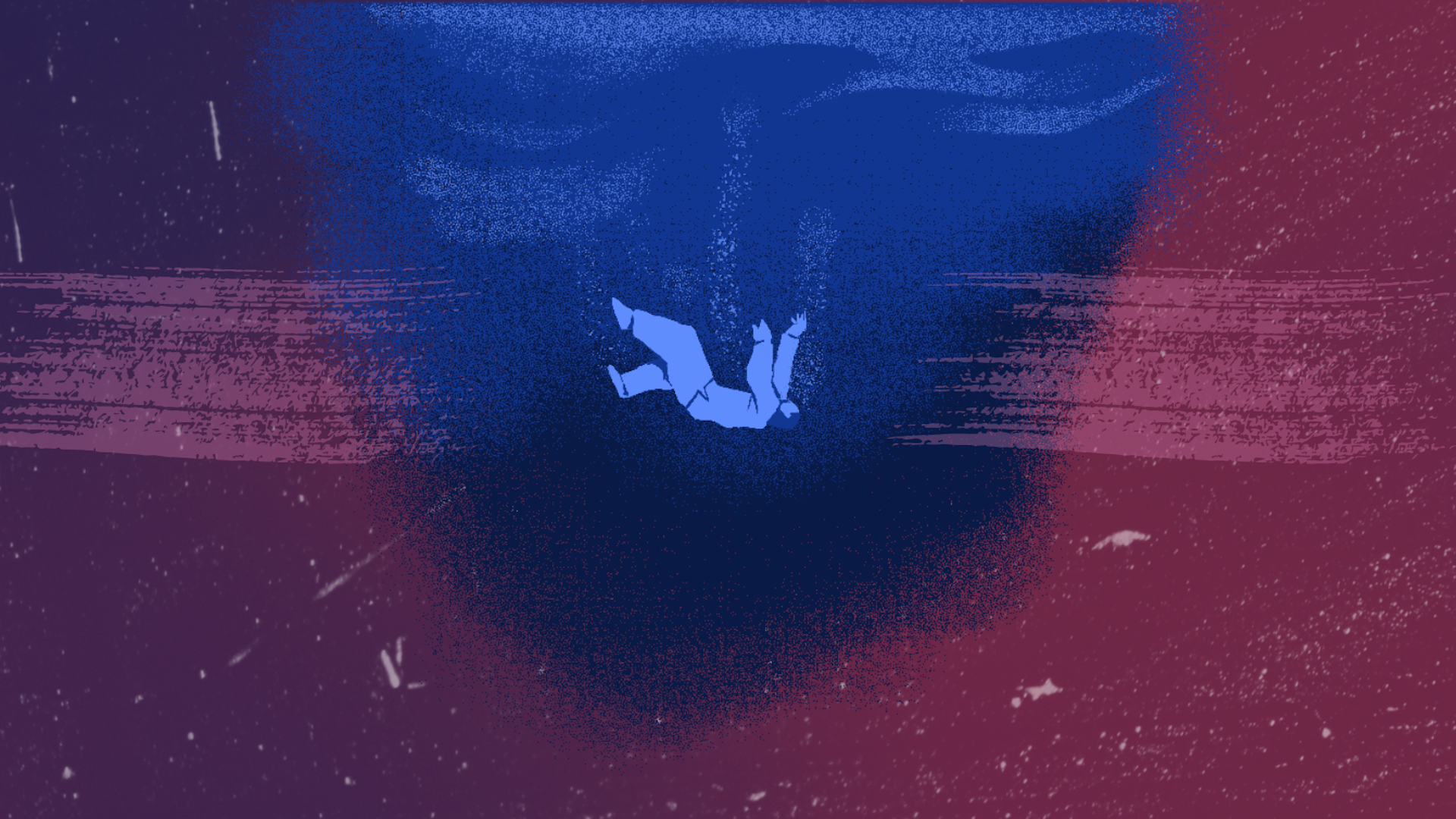
क्या शरीर वास्तव में आघात के बाद ‘स्कोर रखता’ है? कैसे ‘दमित यादों’ का खंडित विचार फिर से उभर रहा है
Does the body really ‘keep the score’ after trauma? How the debunked idea of ‘repressed memories’ is making a comeback
In the 1990s, repressed memories sparked a major scientific dispute about how trauma works. Now, the idea is back – with a twist.
1990 के दशक में, दमित यादों ने इस बात को लेकर एक बड़ा वैज्ञानिक विवाद खड़ा किया कि आघात कैसे काम करता है। अब, यह विचार एक नए मोड़ के साथ वापस आ गया है।
Have you heard someone say online or in casual conversation, when responding to someone’s struggles, “well, the body keeps the score”?
क्या आपने कभी किसी को ऑनलाइन या सामान्य बातचीत में, किसी के संघर्षों का जवाब देते हुए, यह कहते सुना है कि “शरीर हिसाब रखता है”?
For many people, this phrase is a useful way to name the physical toll stress and trauma can take when the body is in “fight or flight” mode.
बहुत से लोगों के लिए, यह वाक्यांश तनाव और आघात के शारीरिक नुकसान को नाम देने का एक उपयोगी तरीका है जब शरीर “लड़ो या भागो” (fight or flight) मोड में होता है।
The everyday use of this phrase also demonstrates the extraordinary reach of the 2014 non-fiction book that popularised it, The Body Keeps the Score by Dutch psychiatrist Bessel van der Kolk. But as the idea has spread, it’s also been simplified.
इस वाक्यांश का रोज़मर्रा का उपयोग उस 2014 की गैर-काल्पनिक पुस्तक की असाधारण पहुँच को भी दर्शाता है जिसने इसे लोकप्रिय बनाया, जो डच मनोचिकित्सक बेसेल वैन डेर कोल्क द्वारा लिखी गई ‘द बॉडी कीप्स द स्कोर’ (The Body Keeps the Score) है। लेकिन जैसे-जैसे यह विचार फैला है, इसे सरल भी किया गया है।
In fact, this book – which has spent almost six years on The New York Times bestseller list – goes beyond arguing that trauma affects the body. It rests on a far more contentious claim: that traumatic memories live in the body, inaccessible to conscious memory.
वास्तव में, यह पुस्तक – जिसे न्यूयॉर्क टाइम्स बेस्टसेलर सूची पर लगभग छह साल बिता चुके हैं – केवल यह तर्क देने से कहीं आगे जाती है कि आघात शरीर को कैसे प्रभावित करता है। यह एक बहुत अधिक विवादास्पद दावे पर आधारित है: कि दर्दनाक यादें शरीर में रहती हैं, जो सचेत स्मृति के लिए दुर्गम होती हैं।
This idea of repressed memories has a long and controversial history. Here’s why we’re worried it’s making a comeback.
दबी हुई यादों का यह विचार एक लंबा और विवादास्पद इतिहास रखता है। यहाँ बताया गया है कि हम क्यों चिंतित हैं कि यह वापस आ रहा है।
The memory wars
स्मृति युद्ध
During the 1990s, the idea of repressed memories sparked a major scientific dispute known as the “memory wars”. Clinicians and memory researchers disagreed over whether traumatic events could be completely inaccessible to conscious memory, only to be recovered later in therapy.
1990 के दशक के दौरान, दमित स्मृतियों का विचार एक बड़े वैज्ञानिक विवाद को जन्म देने वाला था जिसे “स्मृति युद्ध” के नाम से जाना जाता है। चिकित्सक और स्मृति शोधकर्ता इस बात पर असहमत थे कि क्या आघातजन्य घटनाएँ चेतन स्मृति के लिए पूरी तरह से अगम्य हो सकती हैं, या उन्हें केवल बाद में थेरेपी में पुनः प्राप्त किया जा सकता है।
The core idea, rooted in psychoanalytic theory, was that traumatic experiences are so overwhelming that the mind unconsciously represses them as a defence mechanism, removing them from conscious awareness while they continue to produce psychological symptoms.
मनोविश्लेषणात्मक सिद्धांत में निहित मूल विचार यह था कि आघातजन्य अनुभव इतने अत्यधिक होते हैं कि मन उन्हें एक रक्षा तंत्र के रूप में अचेतन रूप से दबा देता है, जिससे वे चेतन जागरूकता से दूर हो जाते हैं, जबकि वे मनोवैज्ञानिक लक्षण उत्पन्न करना जारी रखते हैं।
After more than a decade of research raising serious doubts about repression as a reliable mechanism, many believed this debate had been settled.
दमन को एक विश्वसनीय तंत्र बताते हुए एक दशक से अधिक समय तक शोध करने के बाद, कई लोगों का मानना था कि यह बहस सुलझ चुकी है।
Yet the idea of repressed memories is returning.
फिर भी, दमित स्मृतियों का विचार लौट रहा है।
Today, the claim is not only that traumatic memories can be repressed, but that the body stores them. These repressed, stored memories are said to re-emerge later through physical symptoms.
आज, दावा केवल इतना नहीं है कि आघातजन्य यादों को दबाया जा सकता है, बल्कि यह भी है कि शरीर उन्हें संग्रहीत करता है। कहा जाता है कि ये दबी हुई, संग्रहीत यादें बाद में शारीरिक लक्षणों के माध्यम से फिर से उभरती हैं।
The Body Keeps the Score suggests healing requires “releasing” or “integrating” these hidden memories of trauma through a variety of alternative, often non-evidence-based therapies, such as yoga, pyschedelic-assisted therapy and guided imagery.
‘द बॉडी कीप्स द स्कोर’ (The Body Keeps the Score) बताता है कि उपचार के लिए योग, मनोदैहिक सहायता प्राप्त थेरेपी और निर्देशित कल्पना जैसी विभिन्न वैकल्पिक, अक्सर गैर-प्रमाण-आधारित थेरेपी के माध्यम से आघात की इन छिपी हुई यादों को “मुक्त करना” या “एकीकृत करना” आवश्यक है।
Traumatic experiences are further described as disrupting the nervous system in lasting ways – even beyond a person’s conscious awareness or memory of what happened. This argument has shifted public perceptions of trauma.
आघातजन्य अनुभवों का वर्णन आगे स्थायी तरीकों से तंत्रिका तंत्र को बाधित करने के रूप में किया जाता है – यहाँ तक कि किसी व्यक्ति की चेतन जागरूकता या जो हुआ उसकी स्मृति से भी परे। इस तर्क ने आघात के प्रति सार्वजनिक धारणाओं को बदल दिया है।
Trauma and the body
आघात और शरीर
The kind of memory research we do does not deny trauma, nor that it can affect the body. The concern is specifically about how this relates to memory.
हम जिस तरह का स्मृति अनुसंधान करते हैं, वह आघात से इनकार नहीं करता है, न ही यह कि यह शरीर को प्रभावित कर सकता है। चिंता विशेष रूप से इस बात पर है कि यह स्मृति से कैसे संबंधित है।
There is broad scientific agreement that stress, often associated with traumatic experiences, can alter hormone levels such as adrenaline, noradrenaline and cortisol, which can then impact other systems of the body. This can elevate blood pressure, affect libido, and influence how safe or unsafe the world feels on a bodily level.
इस बात पर व्यापक वैज्ञानिक सहमति है कि तनाव, जो अक्सर आघातपूर्ण अनुभवों से जुड़ा होता है, एड्रेनालिन, नोरेड्रेनालिन और कोर्टिसोल जैसे हार्मोन के स्तर को बदल सकता है, जिससे शरीर की अन्य प्रणालियों पर प्रभाव पड़ सकता है। यह रक्तचाप बढ़ा सकता है, कामेच्छा (libido) को प्रभावित कर सकता है, और शारीरिक स्तर पर दुनिया को कितना सुरक्षित या असुरक्षित महसूस होता है, इस पर भी प्रभाव डाल सकता है।
For some people, trauma can lead to post-traumatic stress disorder (PTSD) which involves physical symptoms such as nausea, panic attacks, difficulty breathing, trouble sleeping, and feeling exhausted from constantly being “on guard”.
कुछ लोगों के लिए, आघात पोस्ट-ट्रॉमेटिक स्ट्रेस डिसऑर्डर (PTSD) का कारण बन सकता है, जिसमें मतली, घबराहट के दौरे, सांस लेने में कठिनाई, नींद न आना और लगातार “सतर्क” रहने से थका हुआ महसूस करना जैसे शारीरिक लक्षण शामिल होते हैं।
How memory works
स्मृति कैसे काम करती है
Memory doesn’t work like a recording device we can simply “play back”.
स्मृति किसी रिकॉर्डिंग डिवाइस की तरह काम नहीं करती जिसे हम बस “प्ले बैक” कर सकें।
Decades of research show that autobiographical memory is reconstructed each time an event is recalled. This means the context we’re in – including new information, our emotions, and other people’s expectations – can influence what we remember. This may distort or alter our memories.
दशकों के शोध से पता चलता है कि आत्मकथात्मक स्मृति (autobiographical memory) हर बार जब कोई घटना याद की जाती है, तो उसका पुनर्निर्माण किया जाता है। इसका मतलब है कि जिस संदर्भ में हम होते हैं – जिसमें नई जानकारी, हमारी भावनाएँ और अन्य लोगों की अपेक्षाएँ शामिल हैं – वह इस बात को प्रभावित कर सकता है कि हमें क्या याद रहता है। यह हमारी स्मृतियों को विकृत या बदल सकता है।
Suggestive therapy techniques – for example, hypnosis or guided imagery, where patients enter a highly suggestible state – are especially prone to implanting false memories.
सुझावी थेरेपी तकनीकें – उदाहरण के लिए, हिप्नोसिस या निर्देशित कल्पना (guided imagery) , जहाँ मरीज़ अत्यधिक सुझाव योग्य अवस्था में प्रवेश करते हैं – झूठी यादें प्रत्यारोपित करने की विशेष रूप से संभावना रखती हैं।
Major professional organisations, such as the American Psychological Association and the British Psychological Society have repeatedly warned that these therapeutic techniques designed to recover supposedly buried memories can create false memories.
अमेरिकन साइकोलॉजिकल एसोसिएशन और ब्रिटिश साइकोलॉजिकल सोसाइटी जैसे प्रमुख पेशेवर संगठनों ने बार-बार चेतावनी दी है कि कथित तौर पर दबी हुई स्मृतियों को पुनः प्राप्त करने के लिए डिज़ाइन की गई ये चिकित्सीय तकनीकें झूठी यादें पैदा कर सकती हैं।
Everyone seems to be talking about trauma. Do we know more about it? Or has the meaning changed? In this five-part series, we explore the shifting definition of trauma, why talking about it doesn’t always help, and what else can work.
हर कोई आघात (trauma) के बारे में बात करता हुआ प्रतीत होता है। क्या हम इसके बारे में अधिक जानते हैं? या इसका अर्थ बदल गया है? इस पाँच-भाग श्रृंखला में, हम आघात की बदलती परिभाषा का पता लगाते हैं, कि इसके बारे में बात करना हमेशा क्यों मददगार नहीं होता, और और क्या काम कर सकता है।
Alternative therapies
वैकल्पिक उपचार पद्धतियाँ
The Body Keeps the Score promotes a broad range of therapies for trauma as alternatives to more established PTSD treatments, including yoga and psychodrama, which is the use of roleplay to re-enact the traumatic experience.
‘द बॉडी कीप्स द स्कोर’ आघात के लिए उपचारों की एक विस्तृत श्रृंखला को बढ़ावा देता है, जो स्थापित पीटीएसडी उपचारों के विकल्प हैं। इसमें योग और साइकोड्रामा शामिल है, जिसमें दर्दनाक अनुभव को फिर से जीने के लिए रोलप्ले का उपयोग किया जाता है।
Some of these approaches may be helpful for some people. There is no harm in doing yoga if you have PTSD and feel it helps to reduce stress.
इन दृष्टिकोणों में से कुछ कुछ लोगों के लिए मददगार हो सकते हैं। यदि आपको पीटीएसडी है और आपको लगता है कि यह तनाव कम करने में मदद करेगा, तो योग करने में कोई नुकसान नहीं है।
However, problems arise when these techniques are claimed to be able to help people “access repressed memories”.
हालांकि, समस्याएं तब उत्पन्न होती हैं जब यह दावा किया जाता है कि ये तकनीकें लोगों को “दबी हुई यादों तक पहुंचने” में मदद कर सकती हैं।
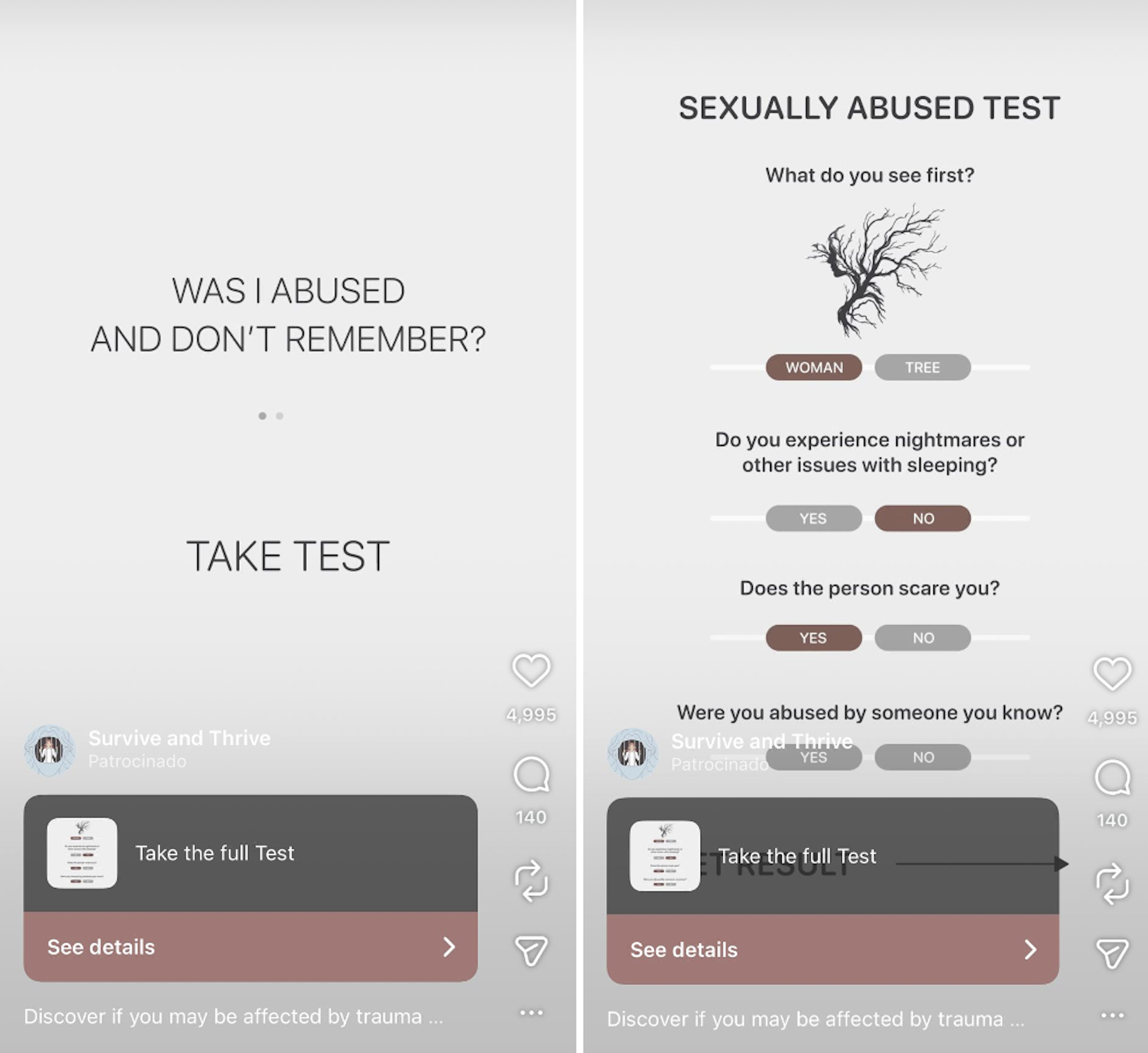
This idea can be exploited. Recent ads on social media suggest nightmares or trouble sleeping could be due to extensive trauma you don’t remember. A quick quiz will deliver your test results and redirect you to a “trauma-informed” online coaching program that you pay for.
इस विचार का शोषण किया जा सकता है। सोशल मीडिया पर हाल के विज्ञापनों में सुझाव दिया गया है कि बुरे सपने या नींद की समस्या व्यापक आघात के कारण हो सकती है जिसे आप याद नहीं करते हैं। एक त्वरित क्विज़ आपके टेस्ट परिणाम देगा और आपको एक “ट्रॉमा-सूचित” ऑनलाइन कोचिंग कार्यक्रम पर रीडायरेक्ट करेगा जिसके लिए आपको भुगतान करना होगा।
What about psychedelics and MDMA?
साइकेडेलिक्स और एमडीएमए का क्या?
More recently, van der Kolk and others have turned attention to psychedelic-assisted therapy.
हाल ही में, वैन डेर कोल्क और अन्य लोगों ने साइकेडेलिक-सहायता प्राप्त थेरेपी की ओर ध्यान दिया है।
Substances such as MDMA and psilocybin have shown promise in tightly controlled research settings. They appear to influence brain pathways, though the mechanisms are not yet fully understood.
एमडीएमए और साइलोसिबिन जैसे पदार्थों ने सख्ती से नियंत्रित शोध सेटिंग्स में वादा दिखाया है। वे मस्तिष्क के मार्गों को प्रभावित करते प्रतीत होते हैं, हालांकि तंत्र अभी पूरी तरह से समझे नहीं गए हैं।
From a memory perspective, psychedelics raise specific concerns. Research suggests psychedelics can affect memory in some worrying ways.
स्मृति के दृष्टिकोण से, साइकेडेलिक्स विशिष्ट चिंताएँ उठाते हैं। शोध बताते हैं कि साइकेडेलिक्स कुछ परेशान करने वाले तरीकों से स्मृति को प्रभावित कर सकते हैं।
They make people more suggestible, meaning they are more likely to accept ideas or stories as true, even when they come from an outside source. They also create a powerful feeling that what people experience is deeply and certainly real.
वे लोगों को अधिक सुझाव योग्य बनाते हैं, जिसका अर्थ है कि वे विचारों या कहानियों को सच मानने की अधिक संभावना रखते हैं, भले ही वे किसी बाहरी स्रोत से आएं। वे एक शक्तिशाली भावना भी पैदा करते हैं कि लोग जो अनुभव करते हैं वह गहरा और निश्चित रूप से वास्तविक है।
This is a risky combination, because a person could come away with a false memory they feel convinced has happened.
यह एक जोखिम भरा संयोजन है, क्योंकि कोई व्यक्ति झूठी याद के साथ बाहर निकल सकता है जिसके बारे में उसे यकीन हो कि वह हुई थी।
Early qualitative reports already describe cases in which apparent memories of trauma emerged during psychedelic therapy, with uncertainty about their accuracy.
प्रारंभिक गुणात्मक रिपोर्ट पहले से ही ऐसे मामलों का वर्णन करती हैं जिनमें साइकेडेलिक थेरेपी के दौरान आघात की स्पष्ट यादें उभरीं, जिनकी सटीकता पर अनिश्चितता थी।
Recent US research found the vast majority of people endorse belief in repressed memories and the idea that “the body keeps the score”. This research is currently being replicated in Australia, with preliminary findings suggesting these beliefs may be even more widespread over here.
हालिया अमेरिकी शोध में पाया गया कि अधिकांश लोग दमित यादों और इस विचार को मानते हैं कि “शरीर स्कोर रखता है”। यह शोध वर्तमान में ऑस्ट्रेलिया में दोहराया जा रहा है, जिसमें प्रारंभिक निष्कर्ष बताते हैं कि ये विश्वास यहाँ भी और भी व्यापक हो सकते हैं।
The authors do not work for, consult, own shares in or receive funding from any company or organisation that would benefit from this article, and have disclosed no relevant affiliations beyond their academic appointment.
लेखक किसी भी कंपनी या संगठन के लिए काम नहीं करते हैं, न ही वे इसमें परामर्श देते हैं, शेयर रखते हैं या फंडिंग प्राप्त करते हैं जो इस लेख से लाभान्वित होगा, और अपने अकादमिक पद से परे कोई प्रासंगिक संबद्धता का खुलासा नहीं किया है।
Read more
-
इज़राइल और लेबनान ने युद्धविराम पर हस्ताक्षर किए हैं। लेकिन यह युद्ध का एक साफ अंत नहीं है और ध्यान जल्दी ही कहीं और चला जाता है।
Israel and Lebanon have signed a ceasefire. But this isn’t a tidy end to a war and attention moves on quickly
-
१७७६ में अमेरिकी स्वतंत्रता को प्रेरित करने में कनाडा की कम ज्ञात भूमिका
Canada’s little-known role in helping to spur American independence in 1776