身体在经历创伤后是否真的会“记仇”?关于“被压抑记忆”这一已被证伪的理论是如何卷土重来的
Does the body really ‘keep the score’ after trauma? How…
In the 1990s, repressed memories sparked a major scientific dispute about how trauma works. Now, the idea is back – with a twist.
在上世纪九十年代,被压抑的记忆引发了关于创伤如何运作的重大科学争议。现在,这个想法又回来了——但带着新的转折。
Have you heard someone say online or in casual conversation, when responding to someone’s struggles, “well, the body keeps the score”?
你是否曾在网络或日常对话中听到有人在回应别人的困境时说:“嗯,身体会记下这些账单”?
For many people, this phrase is a useful way to name the physical toll stress and trauma can take when the body is in “fight or flight” mode.
对许多人来说,这个短语是一种描述压力和创伤在身体处于“战或逃”模式时所造成的生理负担的有用方式。
The everyday use of this phrase also demonstrates the extraordinary reach of the 2014 non-fiction book that popularised it, The Body Keeps the Score by Dutch psychiatrist Bessel van der Kolk. But as the idea has spread, it’s also been simplified.
这个短语的日常使用也展示了普及该书《身体会记下这些账单》(The Body Keeps the Score)——由荷兰精神科医生贝塞尔·范德科尔克(Bessel van der Kolk)撰写,出版于2014年的非虚构作品所具有的巨大影响力。但随着这个想法的传播,它也变得简化了。
In fact, this book – which has spent almost six years on The New York Times bestseller list – goes beyond arguing that trauma affects the body. It rests on a far more contentious claim: that traumatic memories live in the body, inaccessible to conscious memory.
事实上,这本书——它在《纽约时报》畅销书榜单上停留了近六年——的论点远不止于创伤会影响身体。它的核心建立在一个更具争议性的主张之上:即创伤记忆存在于身体中,无法通过意识回忆获取。
This idea of repressed memories has a long and controversial history. Here’s why we’re worried it’s making a comeback.
这种“压抑记忆”的想法有着悠久且充满争议的历史。以下是我们需要担心它正在复兴的原因。
The memory wars
记忆战争
During the 1990s, the idea of repressed memories sparked a major scientific dispute known as the “memory wars”. Clinicians and memory researchers disagreed over whether traumatic events could be completely inaccessible to conscious memory, only to be recovered later in therapy.
在20世纪90年代,被压抑的记忆概念引发了一场重大的科学争论,被称为“记忆战争”。临床医生和记忆研究人员对于创伤事件是否可能完全无法进入意识记忆、而只能在治疗中后期恢复,存在分歧。
The core idea, rooted in psychoanalytic theory, was that traumatic experiences are so overwhelming that the mind unconsciously represses them as a defence mechanism, removing them from conscious awareness while they continue to produce psychological symptoms.
其核心思想植根于精神分析理论,认为创伤经历过于巨大,以至于心智会将其无意识地压抑作为一种防御机制,使其脱离意识认知,但这些记忆仍然持续引发心理症状。
After more than a decade of research raising serious doubts about repression as a reliable mechanism, many believed this debate had been settled.
经过十多年关于质疑压抑是否可靠机制的研究后,许多人相信这场争论已经尘埃落定。
Yet the idea of repressed memories is returning.
然而,被压抑的记忆概念正在回归。
Today, the claim is not only that traumatic memories can be repressed, but that the body stores them. These repressed, stored memories are said to re-emerge later through physical symptoms.
如今,声称的不仅是创伤记忆可以被压抑,而且身体会储存它们。据说这些被压抑、存储的记忆会通过身体症状在后期重新浮现。
The Body Keeps the Score suggests healing requires “releasing” or “integrating” these hidden memories of trauma through a variety of alternative, often non-evidence-based therapies, such as yoga, pyschedelic-assisted therapy and guided imagery.
《身体记住伤痕》提出,治愈需要通过瑜伽、迷幻药物辅助疗法和引导式意象等各种替代性(通常缺乏证据支持)疗法来“释放”或“整合”这些隐藏的创伤记忆。
Traumatic experiences are further described as disrupting the nervous system in lasting ways – even beyond a person’s conscious awareness or memory of what happened. This argument has shifted public perceptions of trauma.
此外,创伤经历被描述为以持久的方式扰乱神经系统——即使超出了个人的意识认知或对所发生事件的记忆。这一论点改变了公众对创伤的认知。
Trauma and the body
创伤与身体
The kind of memory research we do does not deny trauma, nor that it can affect the body. The concern is specifically about how this relates to memory.
我们进行的记忆研究并不否认创伤,也不否认它会影响身体。我们的关注点是它如何与记忆相关联。
There is broad scientific agreement that stress, often associated with traumatic experiences, can alter hormone levels such as adrenaline, noradrenaline and cortisol, which can then impact other systems of the body. This can elevate blood pressure, affect libido, and influence how safe or unsafe the world feels on a bodily level.
科学界普遍认为,压力——这种压力通常与创伤经历相关联——会改变肾上腺素、去甲肾上腺素和皮质醇等激素水平,进而影响身体的其他系统。这可能会升高血压,影响性欲,并影响个体在生理层面上对世界的安全感或不安全感。
For some people, trauma can lead to post-traumatic stress disorder (PTSD) which involves physical symptoms such as nausea, panic attacks, difficulty breathing, trouble sleeping, and feeling exhausted from constantly being “on guard”.
对于一些人来说,创伤可能导致创伤后应激障碍(PTSD),其症状包括恶心、恐慌发作、呼吸困难、睡眠问题,以及由于持续处于“戒备状态”而感到筋疲力尽。
How memory works
记忆如何运作
Memory doesn’t work like a recording device we can simply “play back”.
记忆不像录音设备,可以简单地“回放”。
Decades of research show that autobiographical memory is reconstructed each time an event is recalled. This means the context we’re in – including new information, our emotions, and other people’s expectations – can influence what we remember. This may distort or alter our memories.
数十年的研究表明,自传体记忆在每次回忆事件时都会被重构。这意味着我们所处的环境——包括新信息、我们的情绪以及他人的期望——可能会影响我们记住的内容。这可能会扭曲或改变我们的记忆。
Suggestive therapy techniques – for example, hypnosis or guided imagery, where patients enter a highly suggestible state – are especially prone to implanting false memories.
暗示疗法技术——例如催眠或引导式想象,患者处于高度可受暗示的状态——特别容易植入虚假记忆。
Major professional organisations, such as the American Psychological Association and the British Psychological Society have repeatedly warned that these therapeutic techniques designed to recover supposedly buried memories can create false memories.
美国心理学会和英国心理学会等主要专业组织一再警告说,这些旨在恢复所谓埋藏记忆的治疗技术可能会制造出虚假记忆。
Everyone seems to be talking about trauma. Do we know more about it? Or has the meaning changed? In this five-part series, we explore the shifting definition of trauma, why talking about it doesn’t always help, and what else can work.
每个人似乎都在谈论创伤。我们是否了解得更多了?还是其含义已经改变了?在这系列五篇文章中,我们将探讨创伤不断变化的定义、为什么讨论它并不总是有帮助,以及还有哪些方法是有效的。
Alternative therapies
替代疗法
The Body Keeps the Score promotes a broad range of therapies for trauma as alternatives to more established PTSD treatments, including yoga and psychodrama, which is the use of roleplay to re-enact the traumatic experience.
《身体记住伤痕》推广了各种创伤疗法,作为替代更成熟的PTSD治疗方法,包括瑜伽和心理剧(即使用角色扮演重演创伤经历)。
Some of these approaches may be helpful for some people. There is no harm in doing yoga if you have PTSD and feel it helps to reduce stress.
这些方法对一些人可能有帮助。如果你患有PTSD,并且觉得瑜伽有助于减轻压力,那么做瑜伽本身没有危害。
However, problems arise when these techniques are claimed to be able to help people “access repressed memories”.
然而,当这些技术被宣称能够帮助人们“获取被压抑的记忆”时,问题就出现了。
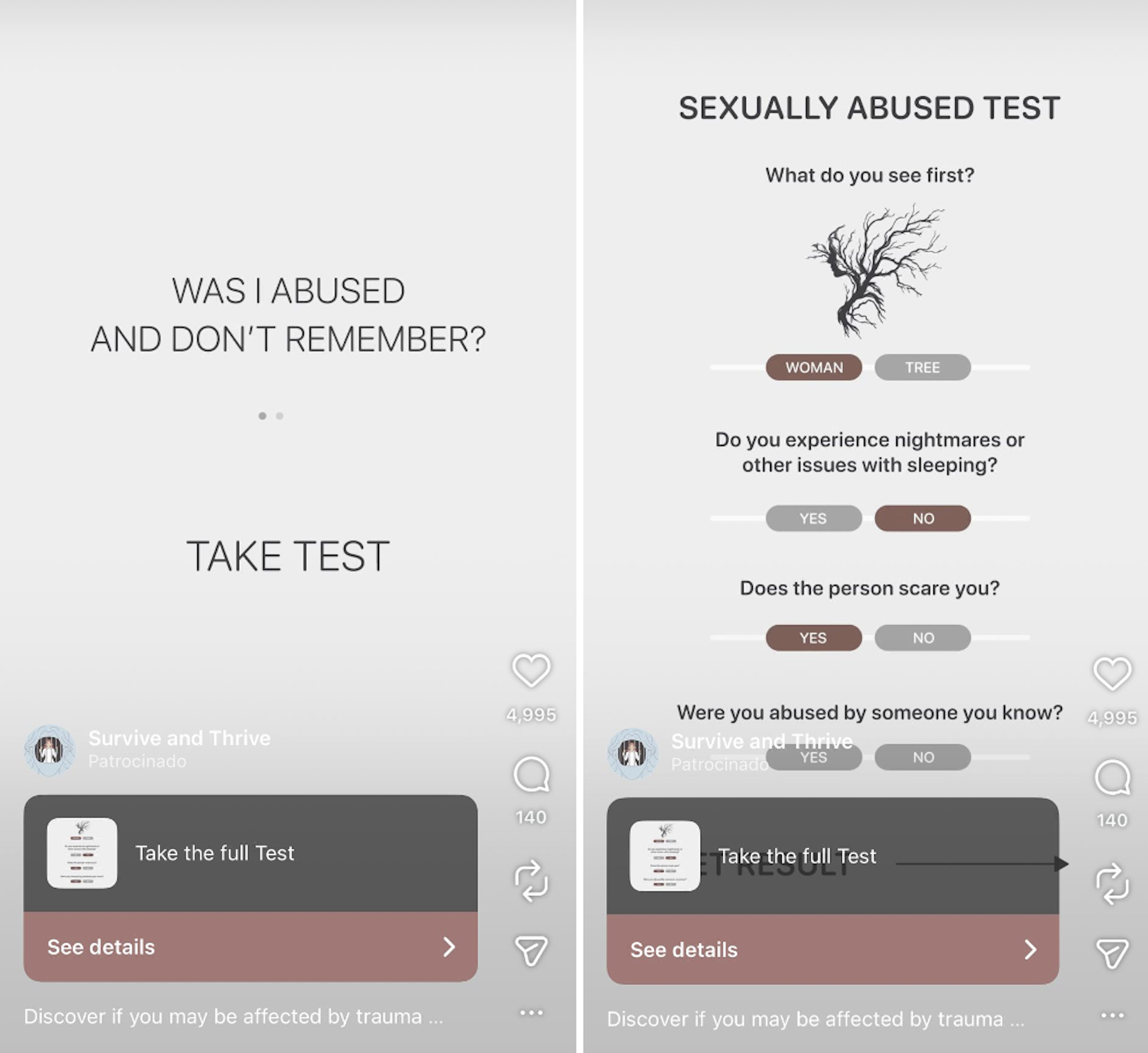
This idea can be exploited. Recent ads on social media suggest nightmares or trouble sleeping could be due to extensive trauma you don’t remember. A quick quiz will deliver your test results and redirect you to a “trauma-informed” online coaching program that you pay for.
这个想法可能会被利用。社交媒体上的最新广告暗示,噩梦或睡眠困难可能是由于你不记得的创伤造成的。一个快速测验将提供你的测试结果,并将你引导到一个需要付费的“创伤知情”在线辅导项目。
What about psychedelics and MDMA?
关于致幻剂和MDMA呢?
More recently, van der Kolk and others have turned attention to psychedelic-assisted therapy.
最近,范德科克等人将注意力转向了致幻剂辅助疗法。
Substances such as MDMA and psilocybin have shown promise in tightly controlled research settings. They appear to influence brain pathways, though the mechanisms are not yet fully understood.
像MDMA和裸盖菇素这样的物质在严格控制的研究环境中显示出潜力。它们似乎能影响大脑通路,尽管其机制尚未完全了解。
From a memory perspective, psychedelics raise specific concerns. Research suggests psychedelics can affect memory in some worrying ways.
从记忆的角度来看,致幻剂引发了特定的担忧。研究表明,致幻剂可能会以一些令人不安的方式影响记忆。
They make people more suggestible, meaning they are more likely to accept ideas or stories as true, even when they come from an outside source. They also create a powerful feeling that what people experience is deeply and certainly real.
它们会让人更具可塑性(suggestible),这意味着即使想法或故事来自外部来源,人们也更有可能接受为真。它们还会让人产生一种强烈的感觉,即所经历的事情是深刻且确凿真实的。
This is a risky combination, because a person could come away with a false memory they feel convinced has happened.
这是一种风险组合,因为一个人可能会带着一段自己深信发生的虚假记忆离开。
Early qualitative reports already describe cases in which apparent memories of trauma emerged during psychedelic therapy, with uncertainty about their accuracy.
早期的定性报告已经描述了在致幻剂疗程中出现疑似创伤记忆的案例,但这些记忆的准确性存在不确定性。
Recent US research found the vast majority of people endorse belief in repressed memories and the idea that “the body keeps the score”. This research is currently being replicated in Australia, with preliminary findings suggesting these beliefs may be even more widespread over here.
最近美国的研究发现,绝大多数人支持“压抑记忆”和“身体记住一切”(the body keeps the score)的想法。目前这项研究正在澳大利亚进行复制,初步结果表明,这里的此类信念可能更普遍。
The authors do not work for, consult, own shares in or receive funding from any company or organisation that would benefit from this article, and have disclosed no relevant affiliations beyond their academic appointment.
作者不为任何可以从本文中受益的公司或组织工作、提供咨询、拥有股份或获得资金,并且除了其学术任职之外,没有披露任何相关的隶属关系。