ساعد كأس العالم 1994 على إنقاذ “اللعبة الجميلة” من الرداءة. عند عودته إلى الولايات المتحدة، توقعوا المزيد من هذا الجمال.
The 1994 World Cup helped rescue ‘the beautiful game’ from mediocrity. On its return to the US, expect more of that beauty
Global soccer was in the doldrums in the early 1990s – with poor ethics and boring defensive tactics. Then FIFA set about changing the game.
كانت كرة القدم العالمية في فترة ركود في أوائل التسعينيات – بسبب الأخلاقيات الرديئة والتكتيكات الدفاعية المملة. ثم بدأت الفيفا بتغيير اللعبة.
Ahead of the 1994 World Cup – the first staged in the United States – players were asked to do something they never had before: sign a fair play declaration. The document, in which the soccer stars of the day pledged to respect the rules and opponents, was part of a plan by governing body FIFA to restore soccer’s reputation as “the beautiful game.” And expectations ran high before kickoff.
قبل كأس العالم عام 1994 – أول بطولة تُقام في الولايات المتحدة – طُلب من اللاعبين القيام بشيء لم يسبق لهم فعله: التوقيع على إعلان للعب النظيف. كانت الوثيقة، التي تعهد فيها نجوم كرة القدم بتطبيق القواعد واحترام الخصوم، جزءاً من خطة وضعتها هيئة الحوكمة FIFA لاستعادة سمعة كرة القدم كـ “اللعبة الجميلة”. وكانت التوقعات عالية قبل انطلاق المباراة.
After all, it could not be as bad as the previous edition of the tournament, held in Italy four years earlier. That dour affair left a sour taste in the soccer world. Noting that it had the lowest goals per game in World Cup history, Eduardo Galeano, known as the game’s global poet laureate, wrote that Italia’90 consisted of “boring soccer without a drop of audacity or beauty.”
فبعد كل شيء، لم يكن من الممكن أن تكون أسوأ من النسخة السابقة من البطولة، التي أُقيمت في إيطاليا قبل أربع سنوات. لقد تركت تلك المناسبة الكئيبة مذاقاً مرّاً في عالم كرة القدم. ولاحظ إدواردو غاليانو، المعروف بشاعر كرة القدم العالمي، أنها سجلت أقل عدد من الأهداف لكل مباراة في تاريخ كأس العالم، وكتب أن إيطاليا’90 كانت تتألف من “كرة قدم مملة بلا ذرة من الجرأة أو الجمال.”
The remarks not only referred to the aesthetics of the game – tedious matches devoid of skillful merit that were unpleasing to watch. They also pointed to its ethics – questionable behaviors and strategies that belittled soccer and its practitioners. This was an era in which wasting time, intentional fouling, theatrics and defensive schemes predominated.
لم تقتصر ملاحظاته على جماليات اللعبة – وهي مباريات رتيبة تفتقر إلى الجدارة المهارية ومزعجة للمشاهدة. بل أشارت أيضاً إلى أخلاقياتها – والسلوكيات والاستراتيجيات المشكوك فيها التي قللت من شأن كرة القدم وممارسيها. لقد كانت حقبة ساد فيها إضاعة الوقت، والأخطاء المتعمدة، والمبالغات، والتكتيكات الدفاعية.
The state of soccer after Italia’90 required a holistic approach to understanding and improving the game.
لقد تطلب وضع كرة القدم بعد إيطاليا’90 نهجاً شاملاً لفهم اللعبة وتحسينها.
For almost 30 years, I have been studying the ethics and aesthetics of soccer as both a philosopher of sport and an aficionado of the beautiful game. In that time I have seen how thoughtful changes to the rules shaped the game for the better. It has left me hopeful that, borrowing from Galeano, soccer is not “condemned to mediocrity.”
منذ ما يقرب من 30 عاماً، وأنا أدرس أخلاقيات وجماليات كرة القدم كفيلسوف للرياضة ومحب للعبة الجميلة. وفي هذا الوقت، رأيت كيف أن التغييرات المدروسة في القواعد شكلت اللعبة نحو الأفضل. وقد جعلني هذا متفائلاً بأن كرة القدم ليست “محكومة بالمتوسطية”، مستلهماً من غاليانو.
FIFA’s response to an ugly tournament
رد الفيفا على بطولة قبيحة
Reviewing Italia’90, Los Angeles Times sportswriter Grahame Jones urged that something had to be done to increase goal-scoring and put an end to “the cynical, don’t-lose-at-any-cost approach” that dominated the game.
حث كراهام جونز، الكاتب الرياضي لصحيفة لوس أنجلوس تايمز، في مراجعته لبطولة إيطاليا’٩٠، على ضرورة القيام بشيء ما لزيادة تسجيل الأهداف ووضع حد لـ “النهج الساخر الذي لا يريد الخسارة بأي ثمن” الذي هيمن على اللعبة.
FIFA was not oblivious to such criticism. This was strikingly evident in the governing body’s technical report of the tournament, which described the final between Argentina and West Germany – an ugly 1-0 victory for the latter – as “a dreadful advertisement for the game of football.”
لم يكن الفيفا غافلاً عن مثل هذه الانتقادات. وقد تجلى ذلك بشكل لافت في التقرير الفني الذي أصدره الهيئة الحاكمة عن البطولة، والذي وصف النهائي بين الأرجنتين وألمانيا الغربية – وهو فوز قبيح بنتيجة 1-0 للأخيرة – بأنه “إعلان مروع عن لعبة كرة القدم.”
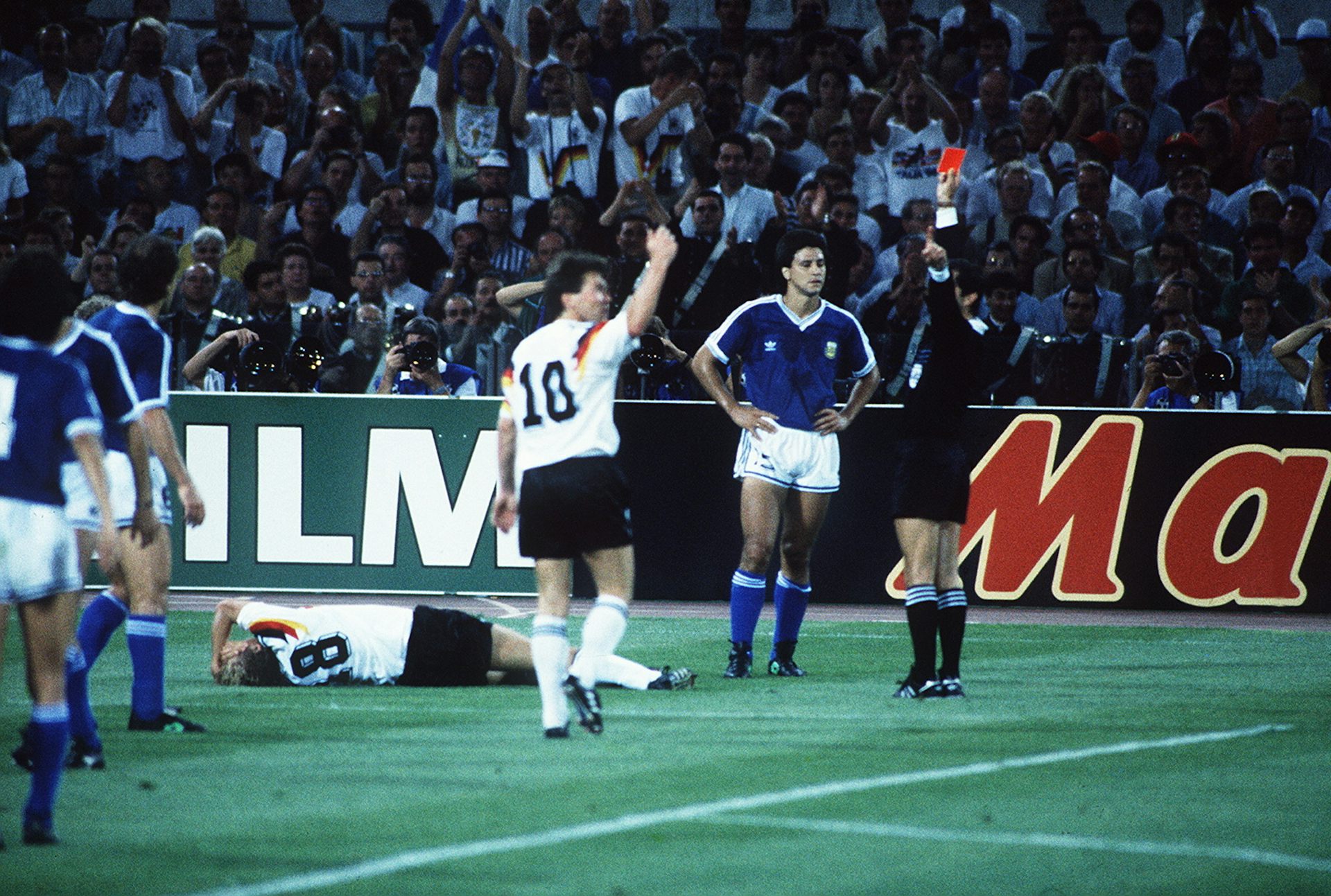
The report was not wrong. Looking back, the final is marked out by intentional fouling, the first red card in a World Cup final and plenty of simulation, including diving – a ploy players use to deceive referees and get a favorable call. Indeed, the incident resulting in the penalty from which West Germany scored is widely seen as a case of diving. That match illustrated the unimaginative and negative soccer played throughout the tournament.
لم يكن التقرير مخطئاً. وبالنظر إلى الماضي، يتسم النهائي باللعب المتعمد بالخطأ، وأول بطاقة حمراء في نهائي كأس عالم، والكثير من المبالغة في الادعاء بالاصطدام (التمثيل) – وهي حيلة يستخدمها اللاعبون لخداع الحكام والحصول على قرار مواتٍ. وبالفعل، يُنظر إلى الحادث الذي أدى إلى ركلة الجزاء التي سجلت منها ألمانيا الغربية على أنه حالة تمثيل. وقد أوضحت تلك المباراة كرة القدم غير المبتكرة والسلبية التي سادت طوال البطولة.
Sepp Blatter, then FIFA’s general secretary and later its reproved president, concluded that “something is wrong with this game.” His main concerns, shared with many within the soccer community, were the time-wasting, intentional fouling and theatrics that were extensive in Italia’90.
خلص سيب بلاتر، الأمين العام السابق للفيفا ورئيسه لاحقاً، إلى أن “هناك خطأ ما في هذه اللعبة”. وكانت اهتماماته الرئيسية، التي شاركها الكثيرون في مجتمع كرة القدم، هي إضاعة الوقت، والأخطاء المتعمدة، والمشاهد المسرحية التي كانت سائدة في إيطاليا’٩٠.
To address these concerns and improve the game, FIFA established a commission composed mainly of former players and coaches. Largely based on the observations of this group shortly after the 1990 World Cup, FIFA and the International Football Association Board, the body that oversees the game’s rules, decided to implement changes.
لمعالجة هذه المخاوف وتحسين اللعبة، أنشأ الفيفا لجنة تتألف بشكل أساسي من لاعبين ومدربين سابقين. وبناءً على ملاحظات هذه المجموعة بعد فترة وجيزة من كأس العالم عام 1990، قرر الفيفا والمجلس الدولي لكرة القدم، وهو الهيئة التي تشرف على قواعد اللعبة، تطبيق تغييرات.
One key change was the adoption of a three-point system for wins during the group phase of the 1994 World Cup instead of two. This meant that teams were rewarded more for winning, encouraging imaginative and positive play over unimaginative and negative play aimed at sneaking a win or grinding out a draw.
كان أحد التغييرات الرئيسية هو اعتماد نظام النقاط الثلاثة للانتصارات خلال مرحلة المجموعات في كأس العالم عام 1994 بدلاً من نقطتين. وهذا يعني أن الفرق كوفئت أكثر على الفوز، مما شجع على اللعب الإبداعي والإيجابي بدلاً من اللعب غير المبتكر والسلبية التي تهدف إلى تحقيق فوز خفي أو التعادل.
Another change was the refinement of the offside rule to make it less restrictive for forwards trying to score. In addition, referees were instructed to apply the rules regarding fouls and misconducts more strictly – a move meant to protect players and their inventiveness.
وكان التغيير الآخر هو تنقيح قاعدة التسلل لجعلها أقل تقييداً بالنسبة للمهاجمين الذين يحاولون التسجيل. بالإضافة إلى ذلك، طُلب من الحكام تطبيق القواعد المتعلقة بالأخطاء وسوء السلوك بشكل أكثر صرامة – وهي خطوة تهدف إلى حماية اللاعبين وابتكارهم.
However, the most momentous change was the introduction of the backpass rule, which would eventually revolutionize the game. This rule prohibited goalkeepers from receiving the ball with their hands if a teammate deliberately kicked it to them. It was planned to curb typical time-wasting that was orchestrated by goalkeepers and defenders and was painful to watch.
ومع ذلك، كان التغيير الأهم هو إدخال قاعدة التمريرة الخلفية، التي من شأنها أن تحدث ثورة في اللعبة في نهاية المطاف. وقد حظرت هذه القاعدة على حراس المرمى استقبال الكرة بأيديهم إذا قام زميل له بركلها إليه عمداً. وكان الهدف منها الحد من إضاعة الوقت المعتادة التي كان ينظمها حراس المرمى والمدافعون، وهو مشهد مؤلم للمشاهدة.
As a whole, the aspirations of these changes were to improve the aesthetics of the game, by promoting matches with plenty of forward-looking and creative play that was pleasurable to watch, as well as its ethics, by discouraging and sanctioning behaviors and strategies that disrespected soccer’s defining skills and opponents.
بشكل عام، كان طموح هذه التغييرات هو تحسين جماليات اللعبة، من خلال تعزيز المباريات التي تتضمن الكثير من اللعب الإبداعي والمستقبلي الممتع للمشاهدة، وكذلك أخلاقياتها، عن طريق تثبيط ومعاقبة السلوكيات والاستراتيجيات التي تسيء احترام المهارات والمنافسين الأساسيين لكرة القدم.
All four of these changes were in place by the time 24 nations competed in the nine U.S. venues during the 1994 World Cup.
وكانت جميع هذه التغييرات الأربعة مطبقة بحلول الوقت الذي تنافست فيه 24 دولة في الملاعب التسعة بالولايات المتحدة خلال كأس العالم عام 1994.
So, too, was FIFA’s requirement that players sign its fair play declaration. Although the latter was largely a symbolic gesture intended to emphasize desired behaviors and strategies and minimize skulduggery, the tournament was nonetheless an improved spectacle.
وكذلك كان مطلب الفيفا بأن يوقع اللاعبون على إعلان اللعب النظيف. وعلى الرغم من أن هذا الأخير كان في الغالب مجرد لفتة رمزية تهدف إلى التأكيد على السلوكيات والاستراتيجيات المرغوبة وتقليل الغش، إلا أن البطولة كانت على أي حال مشهداً محسناً.
In its technical report of the tournament, FIFA proclaimed that “USA’94 was much better than Italia’90,” with “more goals, fewer fouls, more attacking play and almost no ugly incidents between players.”
في تقريرها الفني عن البطولة، أعلنت الفيفا أن “الولايات المتحدة’٩٤ كانت أفضل بكثير من إيطاليا’٩٠”، مع “مزيد من الأهداف، وأقل من الأخطاء، والمزيد من اللعب الهجومي، وقليل جداً من الحوادث القبيحة بين اللاعبين.”
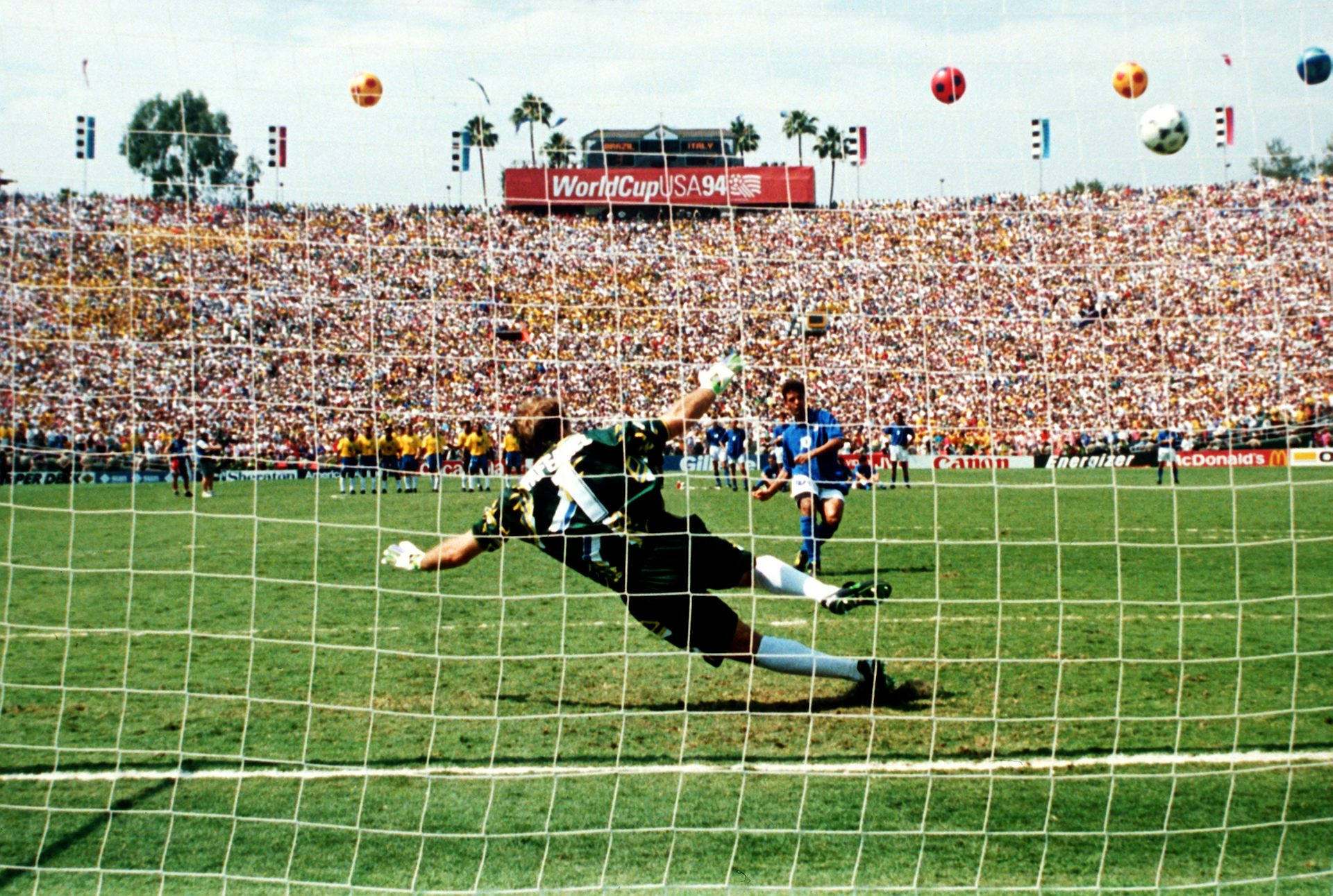
While for FIFA it was “most encouraging to see that the new measures … were so successful,” it admitted that the final between Brazil and Italy, won by the former in a penalty kick shootout, “did not live up to expectations,” with “few highlights in terms of pure skills.”
بينما كان الأمر “الأكثر تشجيعاً للفيفا هو رؤية أن التدابير الجديدة… كانت ناجحة للغاية”، فقد أقرت بأن النهائي بين البرازيل وإيطاليا، الذي فاز فيه الأول بركلات الترجيح، “لم يرتقِ إلى التوقعات”، مع “قلة اللقطات البارزة من حيث المهارات الخالصة”.
A mediocre final aside, USA’94 was seen favorably. George Vecsey, reporting for The New York Times, spoke for many when he said, “It was a very good World Cup.”
على الرغم من النهائي المتواضع، نالت الولايات المتحدة في عام 94 تقييماً إيجابياً. وقد صرّح جورج فيسي، مراسلاً لصحيفة نيويورك تايمز، نيابة عن الكثيرين عندما قال: “لقد كان كأس عالم جيداً جداً.”
What to expect in Canada/Mexico/USA’26?
ما الذي يمكن توقعه في كندا/المكسيك/الولايات المتحدة عام 2026؟
Much has shifted in soccer since USA’94. But the game has definitely benefited from the changes introduced ahead of that tournament and some that came after.
لقد طرأت الكثير من التغييرات على كرة القدم منذ كأس العالم في الولايات المتحدة عام 1994. لكن اللعبة استفادت بالتأكيد من التغييرات التي قُدمت قبل تلك البطولة وبعض التغييرات التي جاءت بعدها.
In 1998, for instance, FIFA introduced the six-second rule, which prohibits goalkeepers from controlling the ball with their hands for more than six seconds. Eventually, new sanctions for actions such as diving along with the use of video assistance for referees were also brought in. Other developments have helped advance the game, from better training methods and medical care to innovative tactics and skill improvement, expanded youth talent identification and development, and data-driven match plans.
ففي عام 1998، على سبيل المثال، أدخلت الفيفا قاعدة الست ثواني، التي تحظر على حراس المرمى التحكم بالكرة بأيديهم لأكثر من ست ثوانٍ. وفي نهاية المطاف، تم تطبيق عقوبات جديدة على تصرفات مثل الانزلاق (التمثيل) إلى جانب استخدام المساعدة المرئية للحكام. وقد ساعدت التطورات الأخرى في تقدم اللعبة، بدءاً من طرق التدريب والرعاية الطبية الأفضل وصولاً إلى التكتيكات المبتكرة وتحسين المهارات، وتوسيع تحديد المواهب وتطويرها للشباب، وخطط المباريات القائمة على البيانات.
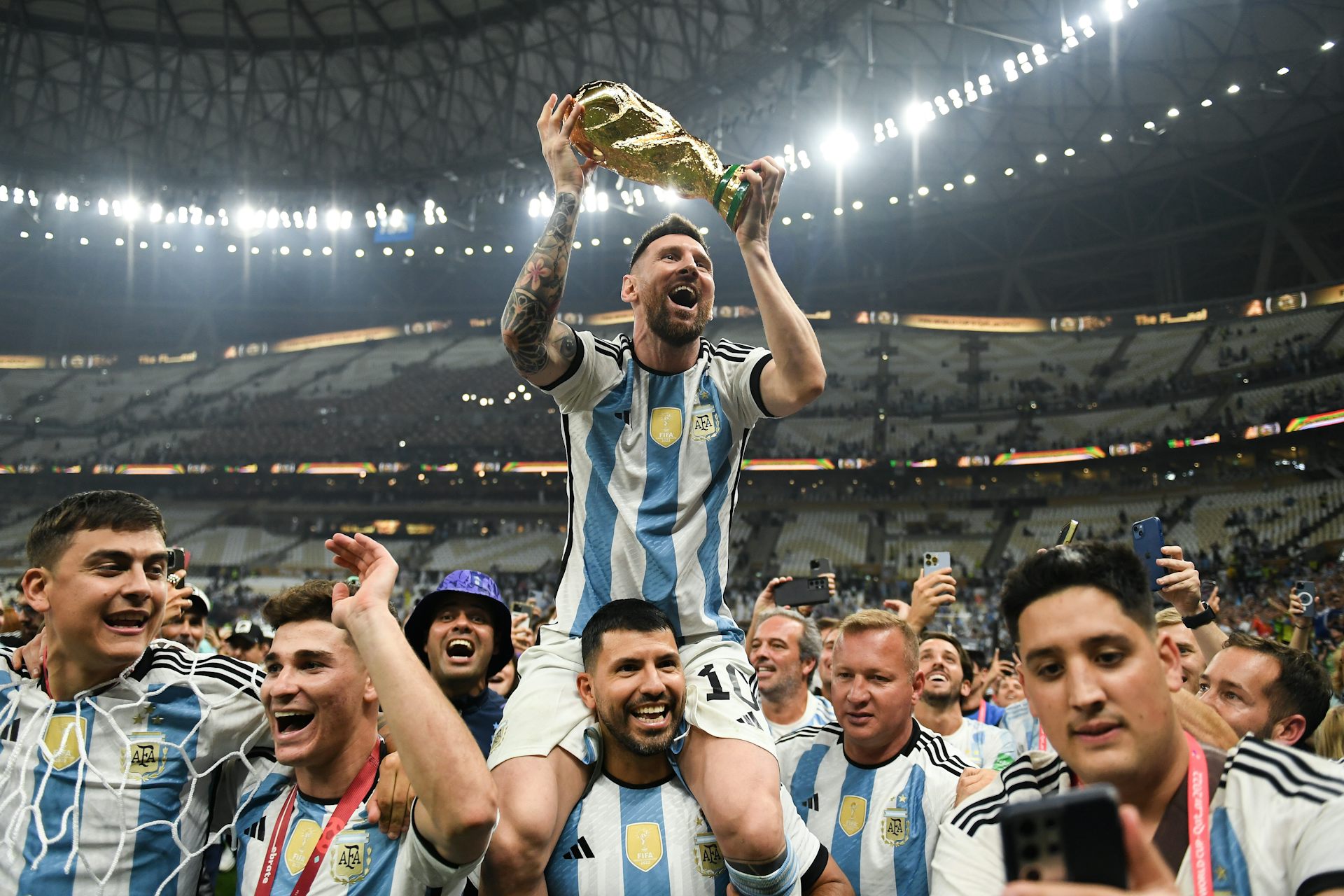
Clearly, the level of the game has been elevated. FIFA considered the last World Cup, held in Qatar in 2022, to have “produced arguably some of the most intricate and entertaining technical and tactical football that the World Cup has ever seen,” culminating in “a scintillating game” that many consider as “one of the best FIFA World Cup final matches ever witnessed.”
من الواضح أن مستوى اللعبة قد ارتفع. واعتبرت الفيفا كأس العالم الأخيرة، التي أُقيمت في قطر عام 2022، أنها “أنتجت بلا شك بعضاً من أكثر كرة القدم تقنية وتكتيكية وإثارة التي شهدتها كأس العالم على الإطلاق”، وتوجت بـ “مباراة ساحرة” يعتبرها الكثيرون “واحدة من أفضل مباريات نهائي كأس العالم للفيفا التي شوهدت على الإطلاق”.
Given the current state of the game, it is reasonable to expect exciting, enjoyable-to-watch soccer at the upcoming World Cup, co-hosted by Canada, Mexico and the United States. This does not mean that time-wasting, intentional fouling and theatrics – as well as occasionally prosaic play – will not rear their ugly heads. Such tactics have not been, and probably will never be, eradicated from the game. Consider, too, relatively new forms of trickery, such as manipulating substitution procedures or spying on rivals.
بالنظر إلى الحالة الراهنة للعبة، فمن المعقول توقع كرة قدم مثيرة وممتعة للمشاهدة في كأس العالم القادمة، التي تستضيفها كندا والمكسيك والولايات المتحدة بالاشتراك. وهذا لا يعني أن إضاعة الوقت، أو الأخطاء المتعمدة، أو المسرحيات – بالإضافة إلى اللعب العادي في بعض الأحيان – لن تظهر مجدداً. لم يتم، ولن يتم على الأرجح، اقتلاع مثل هذه التكتيكات من اللعبة. ويجب أيضاً الأخذ في الاعتبار الأشكال الأحدث من الخداع، مثل التلاعب بإجراءات الاستبدال أو التجسس على المنافسين.
Yet, while there are still some who embrace the “dark arts” of soccer, such practices do not seem to have the favor they once had. Indeed, there is a widespread belief that soccer is experiencing another golden age. And even though soccer has many ethical and aesthetic flaws, both on and off the pitch, the beautiful game seems to have been largely restored.
ومع ذلك، فبينما لا يزال هناك من يتبنون “الفنون المظلمة” لكرة القدم، لا يبدو أن مثل هذه الممارسات تحظى بالقبول الذي كانت تتمتع به في السابق. بل هناك اعتقاد واسع بأن كرة القدم تمر بعصر ذهبي آخر. وعلى الرغم من أن كرة القدم بها العديد من العيوب الأخلاقية والجمالية، سواء داخل الملعب أو خارجه، إلا أن اللعبة الجميلة تبدو وكأنها قد استعادت الكثير.
Cesar R. Torres is also Distinguished Professor Emeritus of Kinesiology, Sport Studies, and Physical Education, The College at Brockport, State University of New York
سيزار ر. توريس هو أيضاً أستاذ فخري متميز في علم الحركة ودراسات الرياضة والتربية البدنية، في كلية بروكبورت، جامعة ولاية نيويورك.
Read more
-
تجمع القوات العسكرية الإيرانية بين الطائرات بدون طيار المتطورة والمخترقين وأسلحة تقليدية قديمة
Iran’s military forces combine state-of-the-art drones and hackers with out-of-date conventional weapons