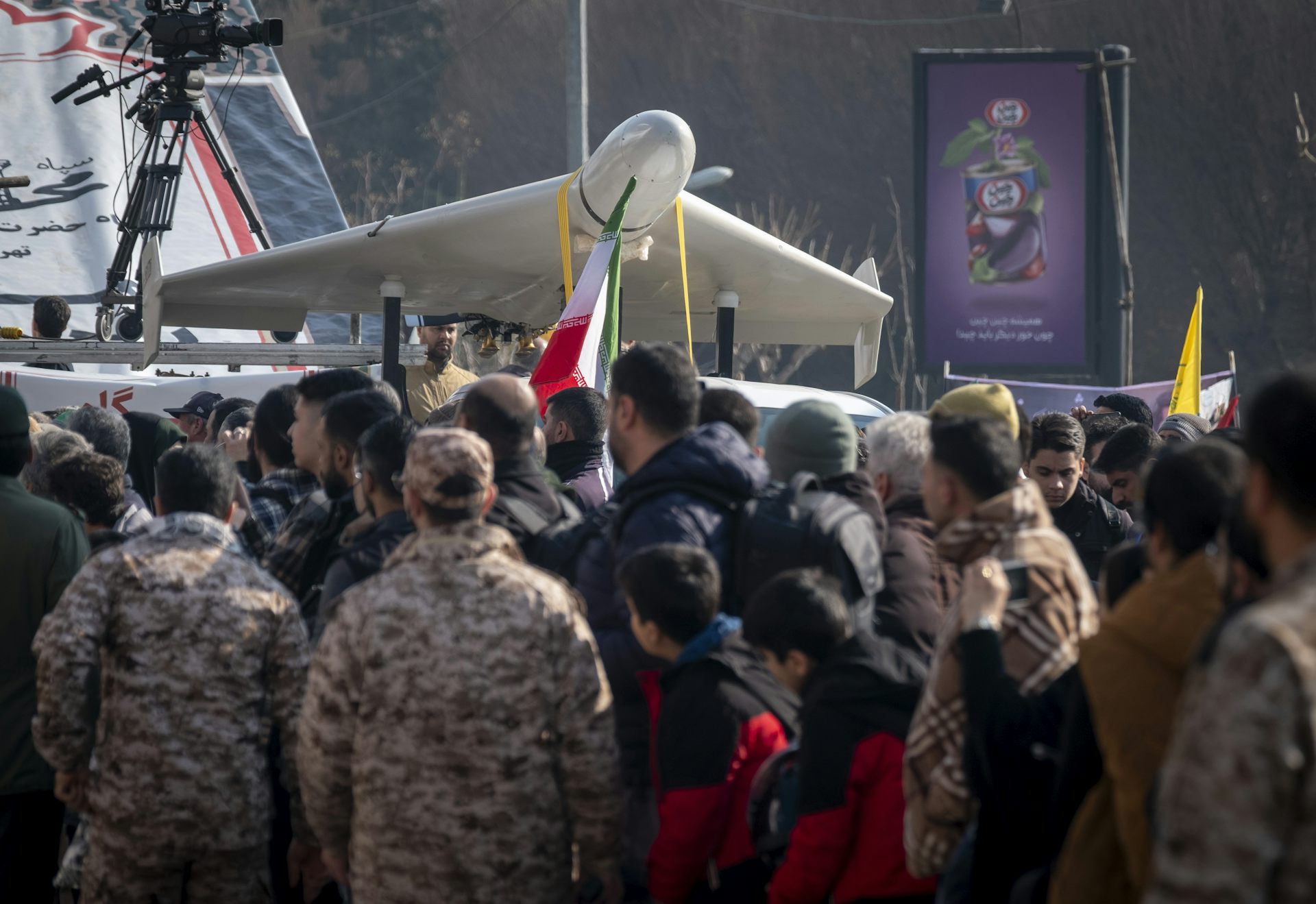
تجمع القوات العسكرية الإيرانية بين الطائرات بدون طيار المتطورة والمخترقين وأسلحة تقليدية قديمة
Iran’s military forces combine state-of-the-art drones and hackers with out-of-date conventional weapons
Knowing what comes next in Operation Epic Fury is better understood by grasping the evolution of Iran’s military structure and capabilities.
إن معرفة ما سيأتي في عملية الغضب الملحمي (Operation Epic Fury) تُفهم بشكل أفضل من خلال استيعاب تطور الهيكل والقدرات العسكرية الإيرانية.
Six weeks of U.S. and Israeli bombardment have served to degrade Iran’s nuclear facilities and cripple parts of its military.
ساهمت ستة أسابيع من القصف الأمريكي والإسرائيلي في تدهور المنشآت النووية لإيران وشل أجزاء من قواتها العسكرية.
But the Islamic Republic’s offensive capabilities have been built up over nearly 50 years, during which Iran has been either at war or under the threat of conflict.
لكن القدرات الهجومية للجمهورية الإسلامية قد بُنيت على مدى ما يقرب من 50 عامًا، خلالها كانت إيران إما في حالة حرب أو تحت تهديد الصراع.
As an expert in military history and theory, I believe that to understand what may come next in Operation Epic Fury, it’s valuable to grasp the development of Iran’s modern military structure, capabilities and international activities.
بصفتي خبيرًا في التاريخ والنظرية العسكرية، أعتقد أنه لفهم ما قد يأتي بعد ذلك في عملية “الغضب الملحمي” (Operation Epic Fury) ، من المهم استيعاب تطور الهيكل العسكري الحديث لإيران وقدراتها وأنشطتها الدولية.
Iranian military technology
التكنولوجيا العسكرية الإيرانية
Prior to the establishment of the Islamic Republic of Iran in 1979, Iran’s military was largely supplied by Western powers, particularly the United States.
قبل تأسيس الجمهورية الإسلامية الإيرانية في عام 1979، كان الجيش الإيراني يعتمد بشكل كبير على التزود بالأسلحة من القوى الغربية، وخاصة الولايات المتحدة.
It entered the Iran-Iraq war in 1980 with a substantial amount of then-modern equipment. That included nearly 80 F-14 fighter aircraft, over 200 F-4 and F-5 aircraft and thousands of tanks.
دخل الحرب العراقية الإيرانية في عام 1980 بكمية كبيرة من المعدات الحديثة آنذاك. وشمل ذلك ما يقرب من 80 طائرة مقاتلة من طراز F-14، وأكثر من 200 طائرة من طرازي F-4 و F-5، وآلاف الدبابات.
But Iran’s military was exhausted when the war ended in 1988. And the government had by then become a world pariah, making resupply all but impossible.
لكن الجيش الإيراني استُنزف عندما انتهت الحرب في عام 1988. وكانت الحكومة في ذلك الوقت قد أصبحت منبوذة عالمياً، مما جعل إعادة التزود بالعتاد شبه مستحيلة.
Although Iran imported some military equipment from the Soviet Union and China in 1990, its economy could not support substantial military spending.
على الرغم من أن إيران استوردت بعض المعدات العسكرية من الاتحاد السوفيتي والصين في عام 1990، إلا أن اقتصادها لم يستطع دعم الإنفاق العسكري الكبير.
Ironically, the arms embargoes that Iran faced during and after its war with Iraq made the regime self-reliant on its weapons stockpiles. And that triggered the development of a substantial domestic arms industry.
ومن المفارقات أن الحظرين على الأسلحة اللذين واجهتهما إيران خلال وبعد حربها مع العراق جعل النظام يعتمد على مخزون أسلحته الذاتي. وقد أدى ذلك إلى تحفيز تطوير صناعة أسلحة محلية كبيرة.
Most modern Iranian military equipment consists of reverse-engineered American and Soviet equipment, much of it obsolete. Since 1990, however, Iranian missile technology has substantially improved. That’s due to domestic production and importing expertise from other marginalized states, such as North Korea.
يتكون معظم المعدات العسكرية الإيرانية الحديثة من معدات أمريكية وسوفيتية مُعاد هندستها، وكثير منها قديم. ومع ذلك، فقد تحسنت تكنولوجيا الصواريخ الإيرانية بشكل كبير منذ عام 1990. ويعود ذلك إلى الإنتاج المحلي واستيراد الخبرات من دول مهمشة أخرى، مثل كوريا الشمالية.
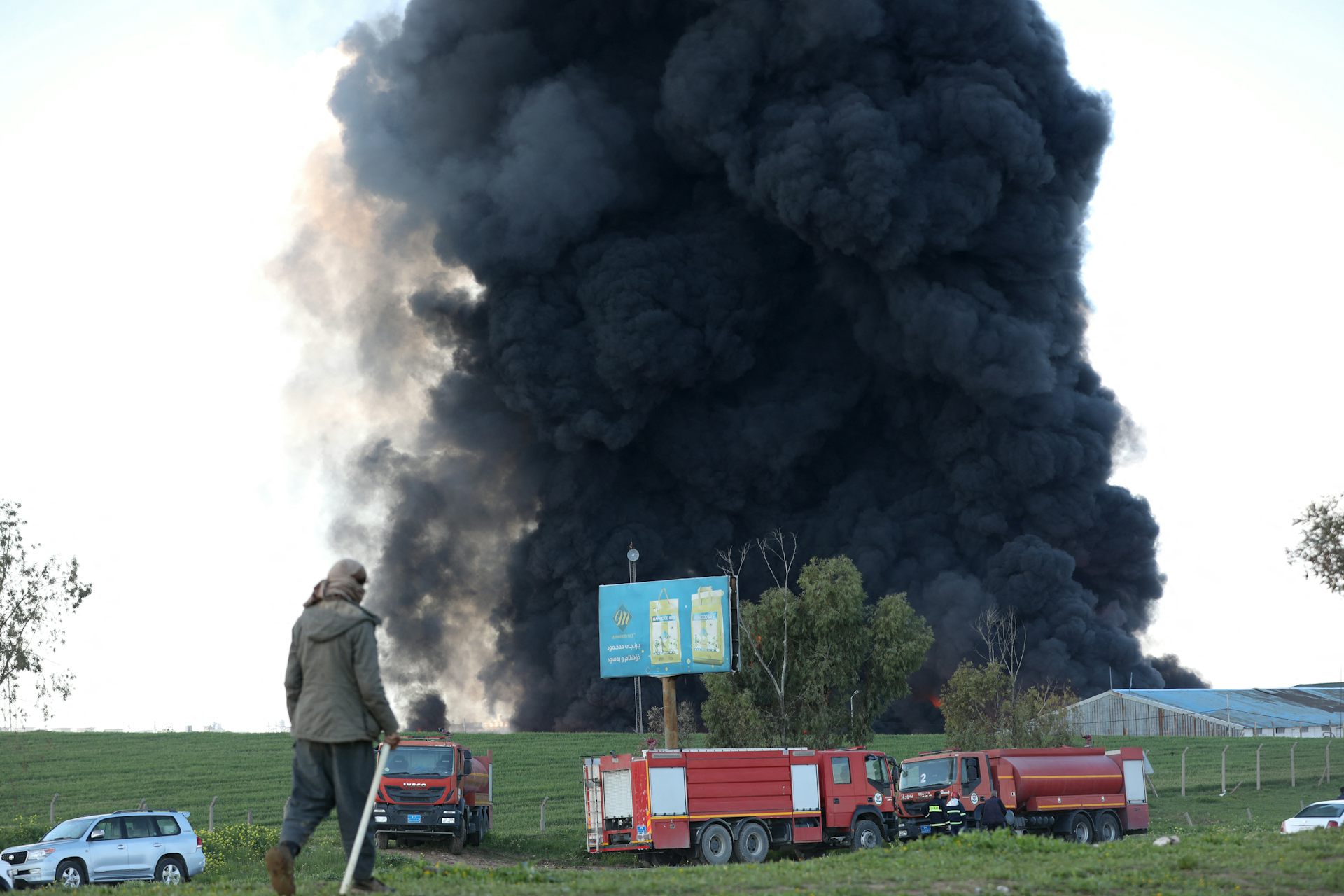
Starting in the 1990s, Iran also innovated a series of one-way attack drones, a relatively inexpensive way to attack distant targets.
بدءاً من التسعينيات، ابتكرت إيران أيضاً سلسلة من الطائرات المسيرة الهجومية ذات الاتجاه الواحد، وهي طريقة غير مكلفة نسبياً لمهاجمة الأهداف البعيدة.
The modern Iranian military
الجيش الإيراني الحديث
The Iranian military is split into the regular military, or “Artesh,” and the Islamic Revolutionary Guard Corps. The Artesh plays a domestic defense role akin to a militia, while the Revolutionary Guard serves as the more professional military force.
ينقسم الجيش الإيراني إلى الجيش النظامي، أو “الارتش”، وحرس الثورة الإسلامية. يلعب الارتش دور الدفاع المحلي الشبيه بالميليشيا، بينما يعمل الحرس الثوري كقوة عسكرية أكثر احترافية.
The Revolutionary Guard projects regional power. During the 2003 U.S.-Iraq war, for instance, it provided improvised explosive devices to insurgents targeting American forces.
يُسقط الحرس الثوري القوة الإقليمية. فخلال حرب الولايات المتحدة والعراق عام 2003، على سبيل المثال، قام بتوفير عبوات ناسفة للمتمردين الذين استهدفوا القوات الأمريكية.
The Revolutionary Guard tends to receive the bulk of Iranian military resources, including the best personnel and equipment. Quds Force, the unconventional warfare wing of the Revolutionary Guard, has long played a role in exporting the revolutionary beliefs of the Iranian rulers. The Quds Force provides arms and guidance to proxies throughout the Middle East, primarily by fomenting insurrections against Arab Sunni governments.
يميل الحرس الثوري إلى تلقي الجزء الأكبر من الموارد العسكرية الإيرانية، بما في ذلك أفضل الأفراد والمعدات. وقد لعبت قوة القدس، الجناح غير التقليدي للحرب التابع للحرس الثوري، دوراً طويلاً في تصدير المعتقدات الثورية للحكام الإيرانيين. وتزود قوة القدس بالأسلحة والتوجيه للوكلاء في جميع أنحاء الشرق الأوسط، وذلك بشكل أساسي عن طريق تأجيج الانتفاضات ضد الحكومات العربية السنية.
Iran has long been the patron of Hezbollah, based in Lebanon, whose primary goal is the eradication of Israel. More recently, Iran has also engaged in substantial support of Hamas in Gaza, despite the fact that Hamas is a Sunni organization, while the rulers of Iran are members of the Shiite branch of Islam.
لطالما كان إيران راعياً لحزب الله، ومقره لبنان، الذي يتمثل هدفه الأساسي في محو إسرائيل. ومؤخراً، انخرطت إيران أيضاً في دعم كبير لحماس في غزة، على الرغم من أن حماس منظمة سنية، بينما ينتمي حكام إيران إلى المذهب الشيعي من الإسلام.
Iran has constantly sought means of exerting military influence beyond its borders, without risking external attack. It has embraced the use of cyber warfare, a method of attack with a relatively low cost for participation and a potentially outsized influence on the world stage.
سعت إيران باستمرار إلى إيجاد سبل لممارسة النفوذ العسكري خارج حدودها، دون المخاطرة بهجوم خارجي. وقد تبنت استخدام الحرب السيبرانية، وهي طريقة هجوم بتكلفة منخفضة نسبياً للمشاركة وتأثير محتمل كبير على الساحة العالمية.
Iranian hackers have attacked Western military and government networks, including a hack of FBI Director Kash Patel’s personal emails. Iranian-backed hackers have also launched attacks on infrastructure and cultural institutions, including U.S. wastewater treatment plants and electrical grids.
هاجم قراصنة إيرانيون شبكات عسكرية وحكومية غربية، بما في ذلك اختراق رسائل البريد الإلكتروني الشخصية للمدير الفيدرالي للتحقيقات (FBI) كاش باتيل. كما أطلق قراصنة مدعومون من إيران هجمات على البنية التحتية والمؤسسات الثقافية، بما في ذلك محطات معالجة مياه الصرف الصحي والشبكات الكهربائية الأمريكية.
Iran’s pursuit of atomic weaponry
سعي إيران نحو الأسلحة الذرية
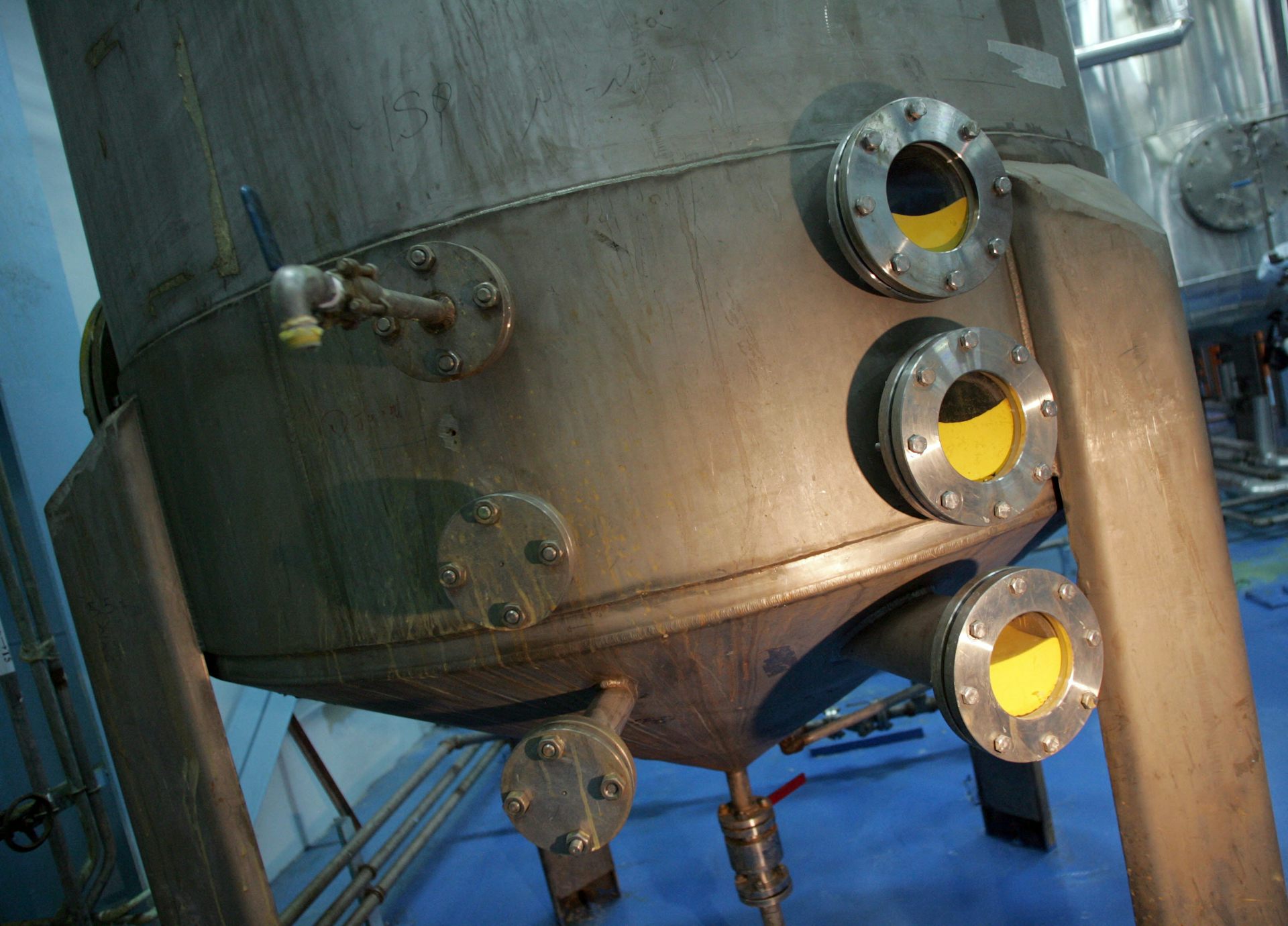
Iran’s government has relentlessly pursued nuclear weapons since at least the 1980s.
سعت حكومة إيران بلا هوادة نحو الأسلحة النووية منذ الثمانينيات على الأقل.
The Iranian government has always maintained that its nuclear program is to provide power for the developing nation, rather than weaponry. But definitive evidence of uranium enrichment far beyond the requirements of power generation have caused Western states to demand an end to the Iranian nuclear program.
لطالما أكدت الحكومة الإيرانية أن برنامجها النووي يهدف إلى توفير الطاقة للدولة النامية، وليس لتصنيع الأسلحة. لكن الأدلة القاطعة على تخصيب اليورانيوم بما يتجاوز متطلبات توليد الطاقة دفعت الدول الغربية للمطالبة بإنهاء البرنامج النووي الإيراني.
In 2010, cybersecurity researcher Sergey Ulasen discovered an incredibly complex malware program, dubbed Stuxnet, that was created to undermine the Iranian nuclear program by disrupting the function of enrichment centrifuges. No nation has ever taken responsibility for the attack, which set back Iranian uranium enrichment efforts by years.
في عام 2010، اكتشف باحث الأمن السيبراني سيرجي أولاسين برنامجاً ضاراً معقداً للغاية، أطلق عليه اسم “ستوكسنت” (Stuxnet) ، والذي تم إنشاؤه لتقويض البرنامج النووي الإيراني عن طريق تعطيل وظيفة أجهزة الطرد المركزي للتخصيب. لم تتولَّ أي دولة مسؤولية الهجوم، الذي أخر جهود إيران لتخصيب اليورانيوم لسنوات.
In 2015, after negotiations with the five permanent members of the U.N. Security Council and Germany, Iran agreed to halt its uranium enrichment program in exchange for relief from economic sanctions and the release of frozen Iranian assets. The negotiations resulted in the Joint Comprehensive Plan of Action, or JCPOA.
في عام 2015، وبعد مفاوضات مع الأعضاء الخمسة الدائمين لمجلس الأمن التابع للأمم المتحدة وألمانيا، وافقت إيران على وقف برنامج تخصيب اليورانيوم مقابل رفع العقوبات الاقتصادية وتحرير الأصول الإيرانية المجمدة. وأسفرت المفاوضات عن خطة العمل الشاملة المشتركة، أو (JCPOA) .
Although the Trump administration withdrew the U.S. from the JCPOA in 2018, the agreement continued to function, and Iran seemed poised to reenter the global economy.
على الرغم من انسحاب إدارة ترامب بالولايات المتحدة من خطة العمل الشاملة المشتركة (JCPOA) في عام 2018، استمر الاتفاق في العمل، وبدت إيران مستعدة للعودة إلى الاقتصاد العالمي.
However, in 2020 the Iranians restarted their nuclear program. They also ramped up production of ballistic missiles and one-way attack drones.
ومع ذلك، في عام 2020، أعادت إيران تشغيل برنامجها النووي. كما كثفت إنتاج الصواريخ الباليستية والطائرات المسيرة الهجومية ذات الاتجاه الواحد.
In June 2025, the United States and Israel launched a massive aerial attack on Iranian nuclear facilities, an effort that Trump characterized as having destroyed Iran’s nuclear facilities.
في يونيو 2025، شنت الولايات المتحدة وإسرائيل هجوماً جوياً ضخماً على المنشآت النووية الإيرانية، وهي جهود وصفها ترامب بأنها دمرت المنشآت النووية الإيرانية.
Iran responded by launching a wave of ballistic missiles and drones toward Israel, most of which were intercepted before entering Israeli airspace.
ردت إيران بإطلاق موجة من الصواريخ الباليستية والطائرات المسيرة باتجاه إسرائيل، والتي تم اعتراض معظمها قبل دخول الأجواء الإسرائيلية.
The missile and interceptor war
حرب الصواريخ والصواريخ الاعتراضية
Prior to Operation Epic Fury, analysts estimated that Iran possessed 3,000 ballistic missiles and tens of thousands of one-way attack drones. They also concluded that Iran had a substantial production capacity to increase its stockpiles.
قبل عملية “الغضب الملحمي”، قدّر المحللون أن إيران تمتلك 3000 صاروخ باليستي وعشرات الآلاف من الطائرات المسيرة الهجومية ذات الاتجاه الواحد. واستنتجوا أيضاً أن لإيران قدرة إنتاج كبيرة لزيادة مخزونها.
In the first six weeks of the current conflict, Iran expended at least 650 missiles in attacks on Israel and hundreds more against other targets in the region.
في الأسابيع الستة الأولى من الصراع الحالي، أنفقت إيران ما لا يقل عن 650 صاروخاً في هجمات على إسرائيل ومئات أخرى على أهداف أخرى في المنطقة.
The U.S. has placed a heavy emphasis on attacking missile production and storage facilities. But it’s difficult to ascertain how many missiles and drones the Iranian military might still possess.
ركزت الولايات المتحدة بشكل كبير على مهاجمة منشآت إنتاج وتخزين الصواريخ. ولكن من الصعب تحديد عدد الصواريخ والطائرات المسيرة التي قد لا يزال الجيش الإيراني يمتلكها.
Iranian production and transportation has almost certainly sustained substantial losses in capacity. And U.S. and Israeli aircraft prowl the skies over Iran seeking signs of mobile launchers or attempts to transport missiles to firing locations.
من المؤكد تقريباً أن الإنتاج والنقل الإيراني قد تكبّدا خسائر كبيرة في القدرة. وتحوم طائرات أمريكية وإسرائيلية في سماء إيران بحثاً عن علامات لمنصات الإطلاق المتنقلة أو محاولات نقل الصواريخ إلى مواقع الإطلاق.
The rate of Iranian missile fire has substantially declined since the first days of the conflict, but it has never dropped to zero. That has led some analysts to suspect that Iran maintains a significant cache of long-range weaponry in reserve, while U.S. Secretary of Defense Pete Hegseth argues that it has lost the capacity to launch major barrages.
لقد انخفض معدل إطلاق الصواريخ الإيرانية بشكل كبير منذ الأيام الأولى للصراع، لكنه لم يصل أبداً إلى الصفر. وقد دفع ذلك بعض المحللين للشك في أن إيران تحتفظ بمخزون كبير من الأسلحة بعيدة المدى احتياطاً، بينما يجادل وزير الدفاع الأمريكي بيت هيجست أن إيران فقدت القدرة على إطلاق وابلات كبيرة.
Paul J. Springer is a Senior Fellow of the Foreign Policy Research Institute. His comments represent his own opinion and do not reflect the official policy of the United States Government, the U.S. Department of Defense, or the U.S. Air Force.
بول جيه سبرينغر هو زميل أول في معهد سياسة الشؤون الخارجية. تعكس تعليقاته رأيه الشخصي ولا تعكس السياسة الرسمية لحكومة الولايات المتحدة، أو وزارة الدفاع الأمريكية، أو القوات الجوية الأمريكية.
Read more
-

المراهقون الأستراليون المتأثرون بحظر وسائل التواصل الاجتماعي يتلقون أخباراً أقل: بحث جديد
Australian teens impacted by the social media ban are getting less news: new research
-

يقول جيف بيزوس إن الشعر الذي لا يعتمد على القافية سهل – لكن الأمر ليس بهذه البساطة.
Jeff Bezos says poetry without rhyming is easy – but it’s not that simple