1994年世界杯帮助“美妙的足球”摆脱了平庸。它重返美国后,期待更多这样的美。
The 1994 World Cup helped rescue ‘the beautiful game’ f…
Global soccer was in the doldrums in the early 1990s – with poor ethics and boring defensive tactics. Then FIFA set about changing the game.
20世纪90年代初,全球足球处于低谷——充斥着不佳的道德和无聊的防守战术。随后,国际足联着手改变这项运动。
Ahead of the 1994 World Cup – the first staged in the United States – players were asked to do something they never had before: sign a fair play declaration. The document, in which the soccer stars of the day pledged to respect the rules and opponents, was part of a plan by governing body FIFA to restore soccer’s reputation as “the beautiful game.” And expectations ran high before kickoff.
在1994年世界杯——这是在美国举办的首届世界杯——之前,球员们被要求做一件前所未有的事:签署一份公平竞赛宣言。这份宣言上,当天的足球明星们承诺尊重规则和对手。这是国际足联(FIFA)为恢复足球“优美运动”声誉所制定的一项计划。在开球前,人们的期待值达到了顶峰。
After all, it could not be as bad as the previous edition of the tournament, held in Italy four years earlier. That dour affair left a sour taste in the soccer world. Noting that it had the lowest goals per game in World Cup history, Eduardo Galeano, known as the game’s global poet laureate, wrote that Italia’90 consisted of “boring soccer without a drop of audacity or beauty.”
毕竟,它不能像四年前在意大利举行的上一届赛事那样糟糕。那场沉闷的赛事给足球界留下了不好的印象。爱德华多·加莱亚诺(Eduardo Galeano)指出,该届世界杯的进球数在世界杯历史上处于最低点,他写道,意大利90年世界杯充斥着“缺乏一点胆识或美感的无聊足球”。
The remarks not only referred to the aesthetics of the game – tedious matches devoid of skillful merit that were unpleasing to watch. They also pointed to its ethics – questionable behaviors and strategies that belittled soccer and its practitioners. This was an era in which wasting time, intentional fouling, theatrics and defensive schemes predominated.
这些评论不仅指出了这项运动的美学问题——那些缺乏技巧、令人观看不愉快的枯燥比赛。它还指出了其伦理问题——那些贬低足球及其从业者的可疑行为和战术。那是一个浪费时间、故意犯规、做作表演和防守战术盛行的时代。
The state of soccer after Italia’90 required a holistic approach to understanding and improving the game.
意大利90年世界杯之后,足球运动的状态需要一种整体性的方法来理解和改进这项运动。
For almost 30 years, I have been studying the ethics and aesthetics of soccer as both a philosopher of sport and an aficionado of the beautiful game. In that time I have seen how thoughtful changes to the rules shaped the game for the better. It has left me hopeful that, borrowing from Galeano, soccer is not “condemned to mediocrity.”
作为一名体育哲学家和优美运动的爱好者,我研究足球的伦理和美学已经近30年了。在这段时间里,我亲眼目睹了规则的深思熟虑的改变如何让这项运动变得更好。这让我充满希望,相信借鉴加莱亚诺的观点,足球并没有“注定平庸”。
FIFA’s response to an ugly tournament
国际足联对一场糟糕的锦标赛的回应
Reviewing Italia’90, Los Angeles Times sportswriter Grahame Jones urged that something had to be done to increase goal-scoring and put an end to “the cynical, don’t-lose-at-any-cost approach” that dominated the game.
《洛杉矶时报》体育记者格雷厄姆·琼斯回顾了“意大利90”,呼吁必须采取行动增加进球数,结束主导比赛的“玩弄、不惜一切代价不输”的做法。
FIFA was not oblivious to such criticism. This was strikingly evident in the governing body’s technical report of the tournament, which described the final between Argentina and West Germany – an ugly 1-0 victory for the latter – as “a dreadful advertisement for the game of football.”
国际足联并未对这种批评视而不见。这在其技术报告中得到了明显的体现,该报告将阿根廷对阵西德的决赛——西德以一场糟糕的1-0获胜——描述为“对足球运动的糟糕宣传”。
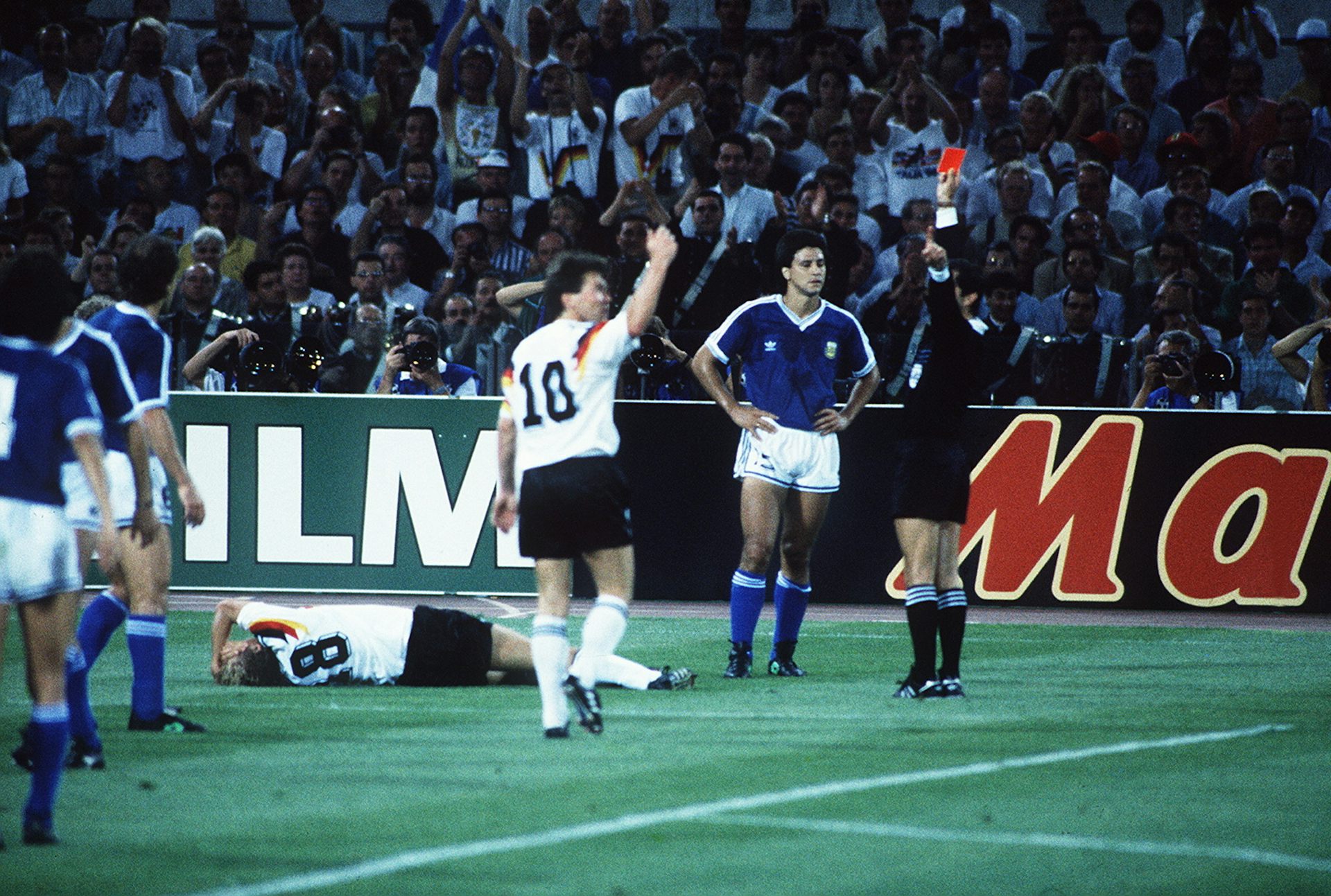
The report was not wrong. Looking back, the final is marked out by intentional fouling, the first red card in a World Cup final and plenty of simulation, including diving – a ploy players use to deceive referees and get a favorable call. Indeed, the incident resulting in the penalty from which West Germany scored is widely seen as a case of diving. That match illustrated the unimaginative and negative soccer played throughout the tournament.
这份报告没有错。回想起来,这场决赛充满了故意犯规、世界杯决赛的首张红牌以及大量的演戏,包括假摔——这是一种球员用来欺骗裁判并获得有利判罚的伎俩。事实上,导致西德进球点球的事件被广泛认为是假摔。那场比赛展示了整个锦标赛中缺乏想象力和消极的足球踢法。
Sepp Blatter, then FIFA’s general secretary and later its reproved president, concluded that “something is wrong with this game.” His main concerns, shared with many within the soccer community, were the time-wasting, intentional fouling and theatrics that were extensive in Italia’90.
时任国际足联秘书长、后来的主席塞普·布拉特得出结论:“这场比赛出了问题。”他提出的主要担忧,与足球界许多人的担忧一样,包括意大利90年期间普遍存在的浪费时间、故意犯规和做作表演。
To address these concerns and improve the game, FIFA established a commission composed mainly of former players and coaches. Largely based on the observations of this group shortly after the 1990 World Cup, FIFA and the International Football Association Board, the body that oversees the game’s rules, decided to implement changes.
为解决这些担忧并改进比赛,国际足联成立了一个由前球员和教练组成的委员会。国际足联和管理比赛规则的国际足球协会理事会(IFAB)主要基于该小组在1990年世界杯后不久的观察,决定实施改变。
One key change was the adoption of a three-point system for wins during the group phase of the 1994 World Cup instead of two. This meant that teams were rewarded more for winning, encouraging imaginative and positive play over unimaginative and negative play aimed at sneaking a win or grinding out a draw.
一项关键的改变是在1994年世界杯小组赛中,将获胜积分制度从两分改为三分。这意味着球队获得胜利的奖励更多,鼓励了富有想象力和积极的比赛,而不是为了偷取胜利或艰难平局的消极比赛。
Another change was the refinement of the offside rule to make it less restrictive for forwards trying to score. In addition, referees were instructed to apply the rules regarding fouls and misconducts more strictly – a move meant to protect players and their inventiveness.
另一个改变是完善了越位规则,使其对射门前锋的限制更少。此外,裁判被要求更严格地执行关于犯规和不当行为的规则——此举旨在保护球员和他们的创造力。
However, the most momentous change was the introduction of the backpass rule, which would eventually revolutionize the game. This rule prohibited goalkeepers from receiving the ball with their hands if a teammate deliberately kicked it to them. It was planned to curb typical time-wasting that was orchestrated by goalkeepers and defenders and was painful to watch.
然而,最重大的改变是引入了后传规则,该规则最终彻底改变了这项运动。该规则禁止球员如果队友故意将球踢给他们,他们用手接球。其目的是遏制通常由守门员和后卫策划的、令人痛苦的浪费时间的行为。
As a whole, the aspirations of these changes were to improve the aesthetics of the game, by promoting matches with plenty of forward-looking and creative play that was pleasurable to watch, as well as its ethics, by discouraging and sanctioning behaviors and strategies that disrespected soccer’s defining skills and opponents.
总的来说,这些改变的愿望是提高比赛的美学价值,通过促进观赏性强、充满前瞻性和创造力的比赛;同时提高其道德标准,通过阻止和处罚那些不尊重足球定义技能和对手的行为和策略。
All four of these changes were in place by the time 24 nations competed in the nine U.S. venues during the 1994 World Cup.
在1994年世界杯期间,当24个国家在美国九个场馆进行比赛时,所有这四项改变都已到位。
So, too, was FIFA’s requirement that players sign its fair play declaration. Although the latter was largely a symbolic gesture intended to emphasize desired behaviors and strategies and minimize skulduggery, the tournament was nonetheless an improved spectacle.
国际足联还要求球员签署其公平竞赛宣言。尽管后者在很大程度上是一个象征性的姿态,旨在强调期望的行为和策略并最大限度地减少不正当手段,但该届锦标赛的观赏性仍然得到了提升。
In its technical report of the tournament, FIFA proclaimed that “USA’94 was much better than Italia’90,” with “more goals, fewer fouls, more attacking play and almost no ugly incidents between players.”
在其技术报告中,国际足联宣布“美国94年比意大利90年好得多”,拥有“更多的进球、更少的犯规、更多的进攻性比赛,以及几乎没有球员之间的糟糕事件”。
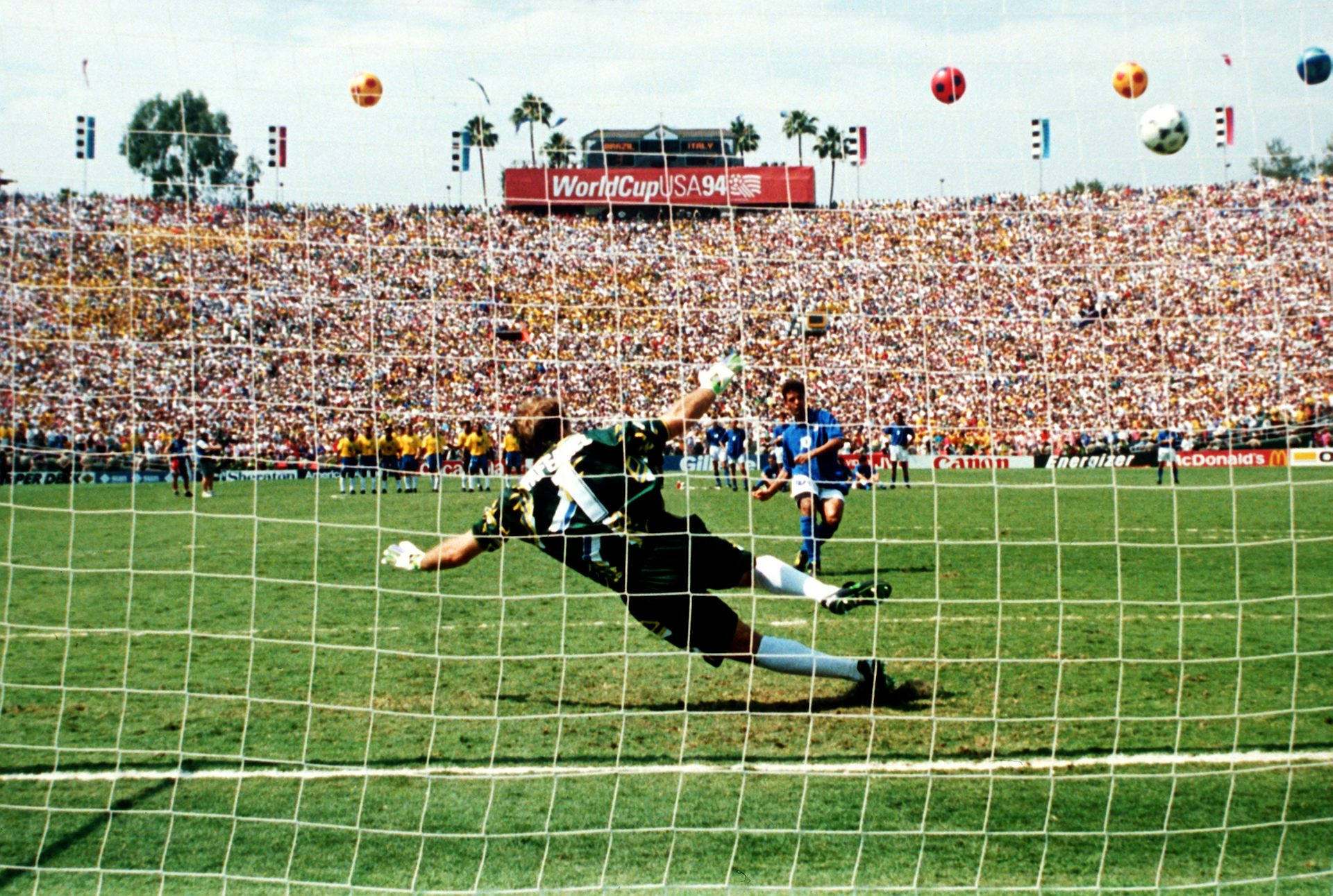
While for FIFA it was “most encouraging to see that the new measures … were so successful,” it admitted that the final between Brazil and Italy, won by the former in a penalty kick shootout, “did not live up to expectations,” with “few highlights in terms of pure skills.”
虽然国际足联认为“看到新的措施……如此成功是最令人鼓舞的”,但它承认巴西对阵意大利的决赛(由巴西队在点球大战中获胜)“未能达到预期”,在“纯粹的技能方面缺乏亮点”。
A mediocre final aside, USA’94 was seen favorably. George Vecsey, reporting for The New York Times, spoke for many when he said, “It was a very good World Cup.”
尽管决赛平平,美国94年世界杯仍受到了好评。乔治·维克西为《纽约时报》报道,他所说的话代表了许多人的心声,他说:“这是一届非常棒的世界杯。”
What to expect in Canada/Mexico/USA’26?
2026年加拿大/墨西哥/美国世界杯,可以期待什么?
Much has shifted in soccer since USA’94. But the game has definitely benefited from the changes introduced ahead of that tournament and some that came after.
自美国‘94年以来,足球发生了许多变化。但这项运动无疑受益于该届赛事前引入的改变,以及之后出现的更多变化。
In 1998, for instance, FIFA introduced the six-second rule, which prohibits goalkeepers from controlling the ball with their hands for more than six seconds. Eventually, new sanctions for actions such as diving along with the use of video assistance for referees were also brought in. Other developments have helped advance the game, from better training methods and medical care to innovative tactics and skill improvement, expanded youth talent identification and development, and data-driven match plans.
举例来说,1998年,国际足联引入了六秒规则,禁止守门员用手控制球超过六秒。最终,还引入了针对倒地等行为的新处罚,以及使用视频助理裁判系统。其他发展也推动了这项运动的进步,从更好的训练方法和医疗护理,到创新的战术和技能提升,扩大了青少年人才的识别和培养,以及数据驱动的比赛计划。
Clearly, the level of the game has been elevated. FIFA considered the last World Cup, held in Qatar in 2022, to have “produced arguably some of the most intricate and entertaining technical and tactical football that the World Cup has ever seen,” culminating in “a scintillating game” that many consider as “one of the best FIFA World Cup final matches ever witnessed.”
显然,这项运动的水平得到了提升。国际足联认为,在卡塔尔举行的2022年世界杯“展示了有史以来最复杂、最精彩的技术和战术足球”,最终呈现出“一场令人眼花缭乱的比赛”,许多人认为这是“有史以来最棒的国际足联世界杯决赛比赛之一”。
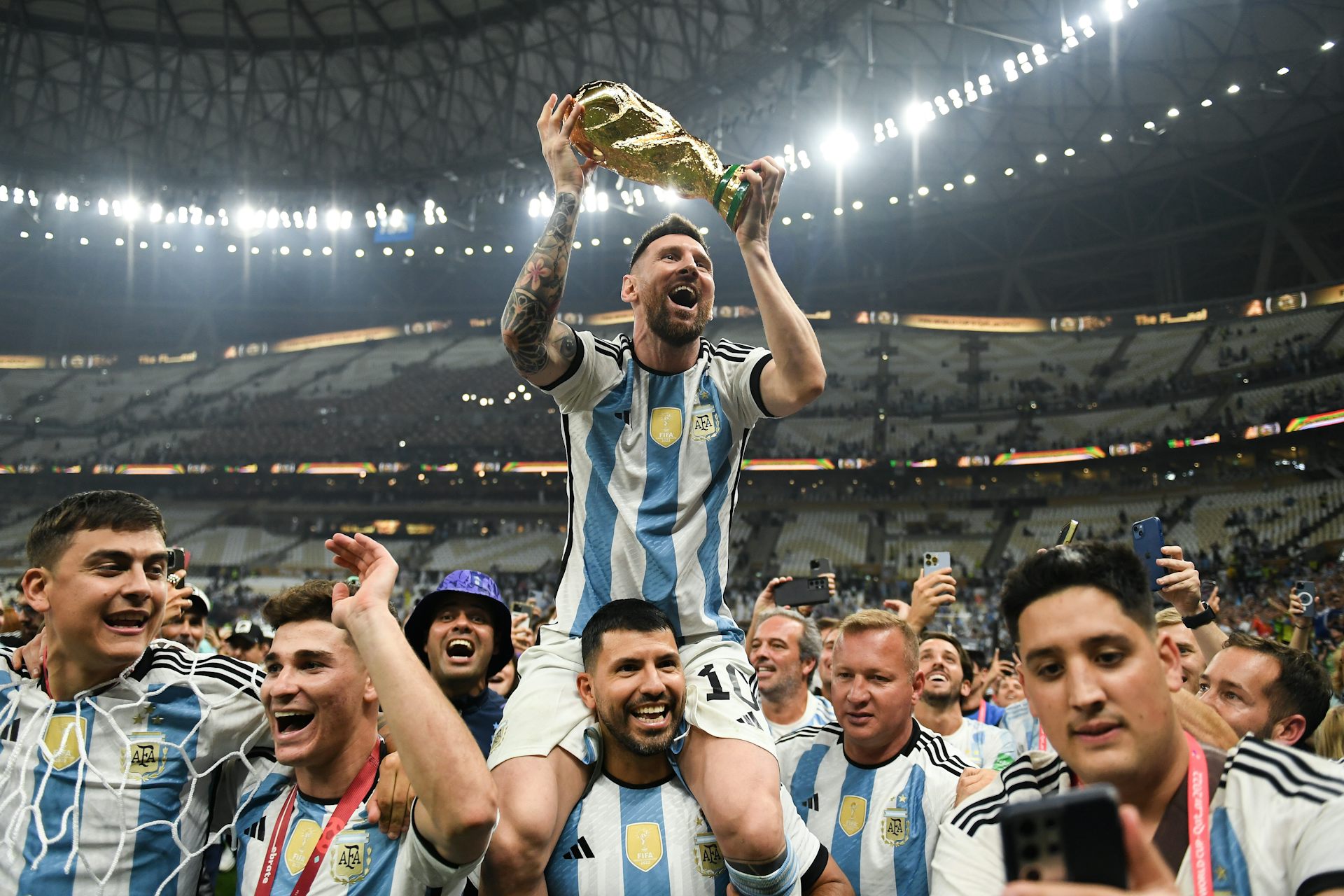
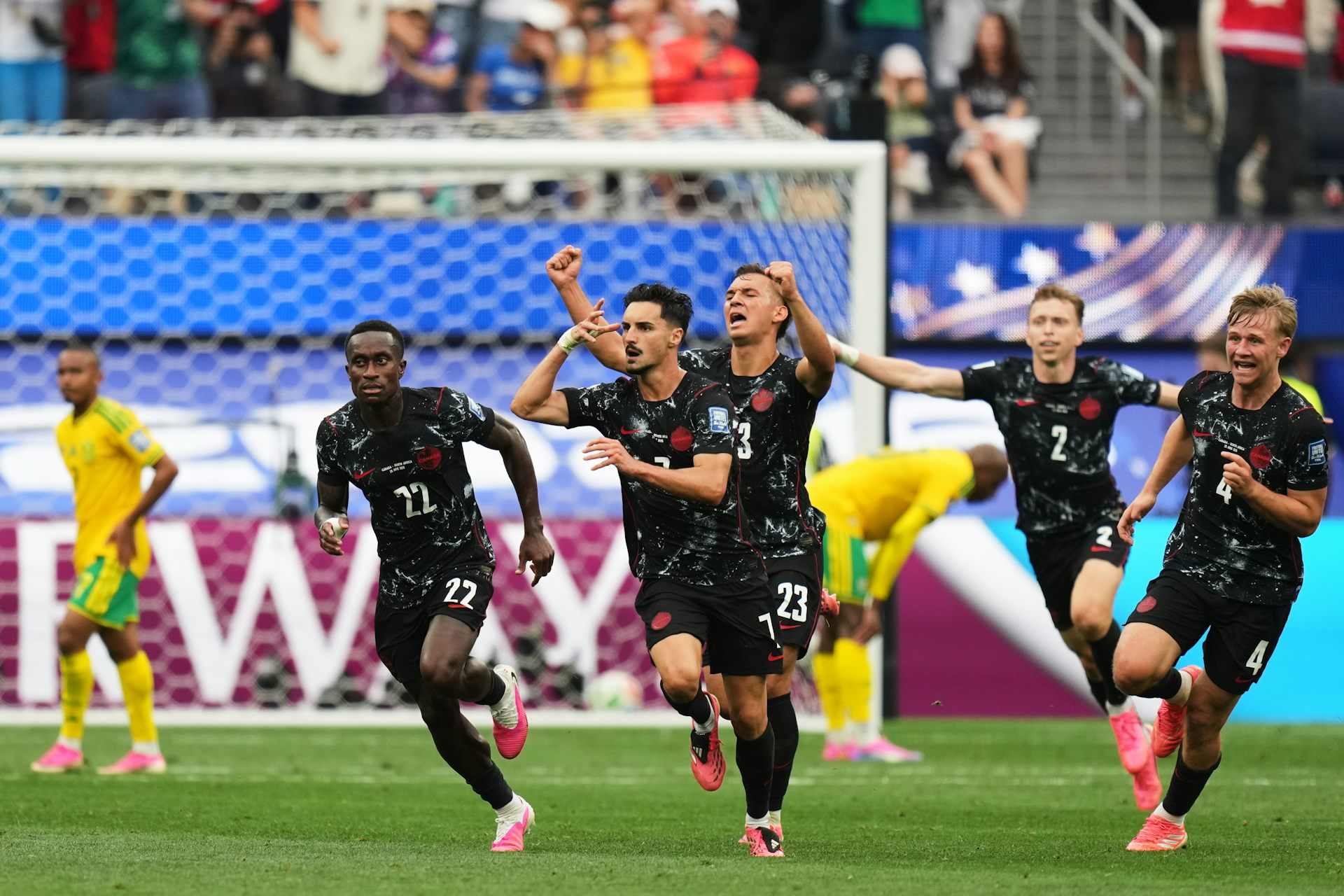
Given the current state of the game, it is reasonable to expect exciting, enjoyable-to-watch soccer at the upcoming World Cup, co-hosted by Canada, Mexico and the United States. This does not mean that time-wasting, intentional fouling and theatrics – as well as occasionally prosaic play – will not rear their ugly heads. Such tactics have not been, and probably will never be, eradicated from the game. Consider, too, relatively new forms of trickery, such as manipulating substitution procedures or spying on rivals.
鉴于这项运动目前的状况,可以合理地期待即将到来的、由加拿大、墨西哥和美国联合举办的世界杯上,能看到激动人心、令人愉悦的足球比赛。但这并不意味着浪费时间、故意犯规和做作表演——以及偶尔平庸的比赛——就不会再次出现。此类战术在过去没有被根除,未来可能也永远无法根除。此外,也要考虑到相对较新的诡计形式,例如操纵换人程序或监视对手。
Yet, while there are still some who embrace the “dark arts” of soccer, such practices do not seem to have the favor they once had. Indeed, there is a widespread belief that soccer is experiencing another golden age. And even though soccer has many ethical and aesthetic flaws, both on and off the pitch, the beautiful game seems to have been largely restored.
然而,尽管仍有一些人沉迷于足球的“黑暗艺术”,但这些做法似乎已不如从前。事实上,人们普遍认为足球正在经历另一个黄金时代。尽管足球在场上和场下都存在许多伦理和美学上的缺陷,但这项美丽的运动似乎已经得到了很大程度的恢复。
Cesar R. Torres is also Distinguished Professor Emeritus of Kinesiology, Sport Studies, and Physical Education, The College at Brockport, State University of New York
Cesar R. Torres还是纽约州立大学布罗克波特学院运动生理学、体育研究和体育教育的杰出荣誉教授。