
网络广告越来越难以察觉——但我们并非无能为力阻止它
Online ads are becoming harder to spot – but we’re not …
Increasingly, digital advertising is designed to dissolve into the flow of the content you consume online.
越来越多的数字广告被设计成融入您在线消费的内容流中。
Profound changes are ahead for online advertising. At the recent Google Marketing Live event, the tech giant outlined expanded artificial intelligence (AI) systems for digital ads.
在线广告即将迎来深刻的变化。在最近的谷歌营销直播活动上,这家科技巨头概述了用于数字广告的扩展人工智能(AI)系统。
What will that look like? Picture ads integrated directly into your conversation with an AI chatbot. Or a discounted price that only you see because an AI system served it based on your browsing behaviour, intent to buy the product, and what’s available locally. And, of course, generative AI tool suites for producing online ads start to finish.
那会是什么样子呢?想象一下广告直接集成到您与AI聊天机器人的对话中。或者,由于AI系统根据您的浏览行为、购买意图以及本地可供性为您提供的折扣价格。当然,还有从头到尾制作在线广告的生成式AI工具套件。
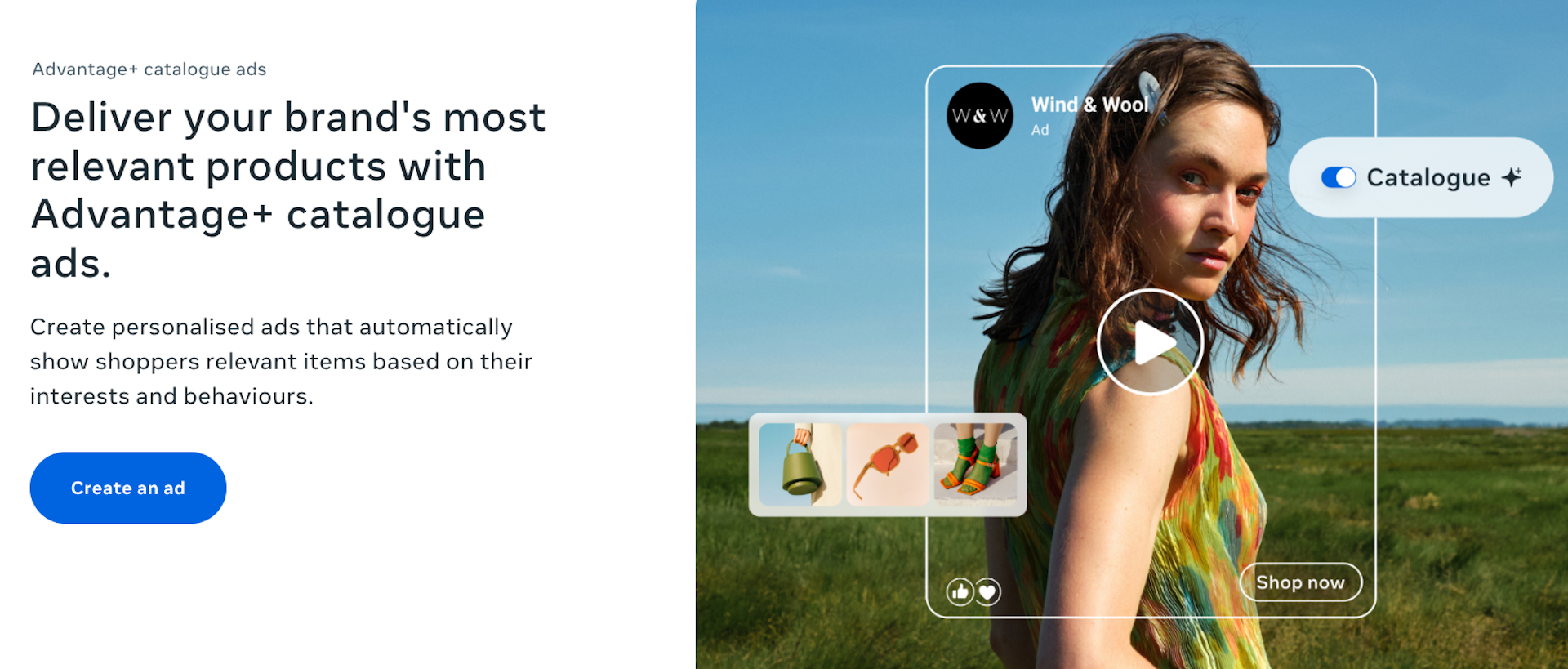
Meta and ByteDance (parent company of TikTok) have similarly accelerated the rollout of their own AI-driven advertising systems. Meta is expanding tools that automatically generate and personalise ad images, video backgrounds, captions and targeting across Facebook and Instagram feeds.
Meta和字节跳动(TikTok的母公司)也相应地加快了其自身AI驱动的广告系统的部署。Meta正在扩展工具,用于在Facebook和Instagram动态中自动生成和个性化广告图片、视频背景、标题和定位。
Bytedance’s TikTok Symphony suite can generate promotional videos, scripts, AI avatars, dubbed voiceovers, and creator-style content from simple text prompts or product links.
字节跳动的TikTok Symphony套件可以根据简单的文本提示或产品链接生成宣传视频、脚本、AI虚拟形象、配音和创作者风格的内容。
At the same time, ads on these social media platforms are becoming harder to recognise. As one example, Instagram and Facebook recently eliminated their familiar “sponsored” labels in favour of smaller “ad” markers.
与此同时,这些社交媒体平台上的广告越来越难以识别。例如,Instagram和Facebook最近取消了熟悉的“赞助”标签,改用更小的“广告”标记。
It may look like a minor interface tweak, but it signals something larger: the steady erosion of clear boundaries between advertising, entertainment, recommendation, and ordinary social interaction.
这可能看起来只是一个微小的界面调整,但它预示着更大的趋势:广告、娱乐、推荐和日常社交互动之间清晰界限的持续侵蚀。
Dissolving into the flow
融入洪流
Social media platforms have engineered ads to mimic organic content. Just think of influencer and creator partnerships, AI-personalised search results, or brands using memes.
社交媒体平台设计了广告来模仿自然内容。想想网红和创作者的合作、人工智能个性化的搜索结果,或者品牌使用迷因。
Increasingly, online ads are less of an interruption to the content you consume. Instead, they’re designed to dissolve into the flow itself.
越来越多的在线广告不再是您消费内容的干扰。相反,它们被设计成融入内容流本身。
When companies buy advertising space on social media, ads are automatically disclosed as a commercial message. With partnerships and AI-personalised results, the platforms currently offer limited forms of disclosure.
当公司在社交媒体上购买广告位时,广告会自动披露为商业信息。然而,由于合作和人工智能个性化结果,平台目前提供的披露形式有限。
The result is a blurring of the lines. Products, ideas and political messages are spread through ads that look a lot like all other, non-sponsored content. And the less an ad feels like an ad, the more effective it often becomes. This is precisely where public accountability starts to break down.
结果就是界限变得模糊。产品、思想和政治信息通过看起来与所有其他非赞助内容非常相似的广告传播。广告越不让人感觉像广告,它往往就越有效。这正是公众问责制开始瓦解的地方。
For several years, researchers like us, working through projects such as the Australian Ad Observatory and the Australian Internet Observatory, have documented how difficult it already is to observe and analyse online advertising systems.
多年来,像我们这样的研究人员,通过澳大利亚广告观察站和澳大利亚互联网观察站等项目,记录了观察和分析在线广告系统已经有多困难。
Our work has examined everything from political advertising and astroturfing campaigns, the marketing of alcohol and unhealthy foods, and the veracity of “green” claims made by advertisers.
我们的工作考察了从政治广告和“造势”活动,到酒精和不健康食品的营销,再到广告商所做“绿色”声明的真实性等方方面面。
In many cases, this work depends on relatively simple but crucial forms of signalling. Researchers need to know what counts as an advertisement, who paid for it, where it appeared, and why it was shown to particular audiences.
在许多情况下,这项工作依赖于相对简单但至关重要的信号形式。研究人员需要知道什么算作广告、谁为此付费、它出现在哪里,以及为什么会展示给特定的受众。
But those signals are weakening.
但这些信号正在减弱。
Blurry and harder to audit
模糊且难以审计
A blurred system is harder to audit. Audiences should be able to recognise when they’re targeted with ads. Without clear ad disclosures, we can’t easily detect or question commercial influence in our feeds and search results.
一个模糊的系统更难审计。受众应该能够识别出自己是否正在接受广告定向投放。如果没有清晰的广告披露,我们就很难检测或质疑信息流和搜索结果中的商业影响。
New AI tools intensify this challenge. Instead of seeing discrete ads in your feed, you might be getting a stream of product suggestions and discounts nobody else sees. This means regulators and researchers can’t even audit them.
新型人工智能工具加剧了这一挑战。你可能不会在信息流中看到独立的广告,而是接收到一连串其他人看不到的产品推荐和折扣。这意味着监管机构和研究人员甚至无法对其进行审计。
These personalised, disguised ads could also make product recommendations that are biased and potentially harmful. For instance, you might be telling an AI assistant that you’re stressed, and suddenly be offered a discount on a case of wine.
这些个性化、伪装的广告也可能做出有偏见且潜在有害的产品推荐。例如,你可能告诉一个人工智能助手你感到压力大,突然间就会收到一箱葡萄酒的折扣优惠。
AI-driven dynamic advertising is highly concerning for products that are unhealthy, harmful or regulated – such as alcohol and gambling. If ads appear one moment and are gone the next, it’s almost impossible to make sure they comply with relevant regulations.
人工智能驱动的动态广告对于不健康、有害或受监管的产品——例如酒精和赌博——构成了极大的担忧。如果广告在一瞬间出现,下一瞬间就消失了,几乎不可能确保它们符合相关规定。
The danger is not simply that users may encounter more advertising. It’s that the underlying commercial and promotional logic and messaging become even harder to see.
危险之处不仅仅是用户可能会遇到更多的广告。而是潜在的商业和促销逻辑和信息传递变得更加难以察觉。
We’re not powerless
我们并非无能为力
Australia’s emerging digital duty of care framework offers an opportunity to confront this problem directly. Much of the current discussion has focused, understandably, on harms such as misinformation, scams, abuse, or risks to children.
澳大利亚新兴的数字注意义务框架提供了一个直接应对此问题机会。目前的大部分讨论,可以理解,都集中在虚假信息、诈骗、滥用或儿童风险等危害上。
But opaque advertising systems are also a public interest issue. They shape political communication, consumer behaviour, health information, financial decision-making, and civic trust.
但不透明的广告系统也是一个公共利益问题。它们塑造着政治传播、消费者行为、健康信息、财务决策和公民信任。
If platforms increasingly profit from blurring advertising and ordinary communication, then stronger positive obligations around disclosure and transparency become essential.
如果平台越来越多地从模糊广告和普通通信的界限中获利,那么围绕披露和透明度的更强积极义务就变得至关重要。
Minimum disclosures for digital advertising on social media should include:
社交媒体数字广告的最低披露内容应包括:
consistent and clear human and machine-readable advertising labels across formats and services
跨格式和服务的、一致且清晰的人工和机器可读的广告标签
accessible ad archives for public-interest scrutiny, including AI variations
可供公众利益审查的广告档案,包括人工智能变体
inclusion of meaningful and accurate information about targeting and delivery, and
包含关于定位和投放的有意义和准确的信息,以及
clear identification of AI-generated or AI-mediated advertising, including specifics on how AI was used.
对人工智能生成或人工智能中介的广告进行明确识别,包括人工智能使用方式的具体细节。
This is not about banning advertising. Nor is it about returning to some imagined “clean” internet untouched by commerce. Advertising has always adapted to new media and will continue to do so.
这不是关于禁止广告。也不是关于回归到某个想象中未受商业影响的“干净”互联网。广告一直适应新的媒体,并将继续这样做。
But there’s a fundamental difference between visible persuasion and persuasion that disappears into the infrastructure.
但可见的说服力与消失在基础设施中的说服力之间存在根本区别。
Without clear signals on what is and isn’t an ad, we lose one of the few remaining ways to understand who is shaping the information environments we increasingly depend on every day.
如果没有关于什么是广告、什么不是广告的明确信号,我们将失去了解谁在塑造我们日益依赖的日常信息环境的少数剩余方式之一。
Daniel Angus receives funding from the Australian Research Council through Linkage Project LP190101051 ‘Young Australians and the Promotion of Alcohol on Social Media’. He is a Chief Investigator with the ARC Centre of Excellence for Automated Decision Making & Society, and QUT Node Lead for the Australian Internet Observatory.
Daniel Angus 的资金来自澳大利亚研究理事会(Australian Research Council),通过链接项目 LP190101051 “年轻澳大利亚人与社交媒体上的酒精推广”。他是自动化决策与社会卓越研究中心(ARC Centre of Excellence for Automated Decision Making & Society)的首席研究员,也是澳大利亚互联网观察站(Australian Internet Observatory)的 QUT 节点负责人。
Nicholas Carah receives funding from the Australian Research Council through Linkage Project LP190101051 ‘Young Australians and the Promotion of Alcohol on Social Media’ and Discovery Project DP250102499 ‘The Australian experience of automated advertising on digital platforms’. He is an Associate Investigator with the ARC Centre of Excellence for Automated Decision Making & Society. He is Deputy Director of the Australian Internet Observatory and Deputy Chair of the Foundation for Alcohol Research and Education.
Nicholas Carah 的资金来自澳大利亚研究理事会,通过链接项目 LP190101051 “年轻澳大利亚人与社交媒体上的酒精推广”和发现项目 DP250102499 “澳大利亚在数字平台上的自动化广告经验”。他是自动化决策与社会卓越研究中心(ARC Centre of Excellence for Automated Decision Making & Society)的副研究员。他同时担任澳大利亚互联网观察站的副主任和酒精研究教育基金会的副主席。
Lauren Hayden does not work for, consult, own shares in or receive funding from any company or organisation that would benefit from this article, and has disclosed no relevant affiliations beyond their academic appointment.
Lauren Hayden 不受任何从本文中受益的公司或组织的雇佣、咨询、拥有股份或资金支持,并且除了其学术任命外,未披露任何相关隶属关系。