电动SUV热潮为何对气候、健康和公平构成问题
Why the electric SUV boom is a problem for climate, hea…
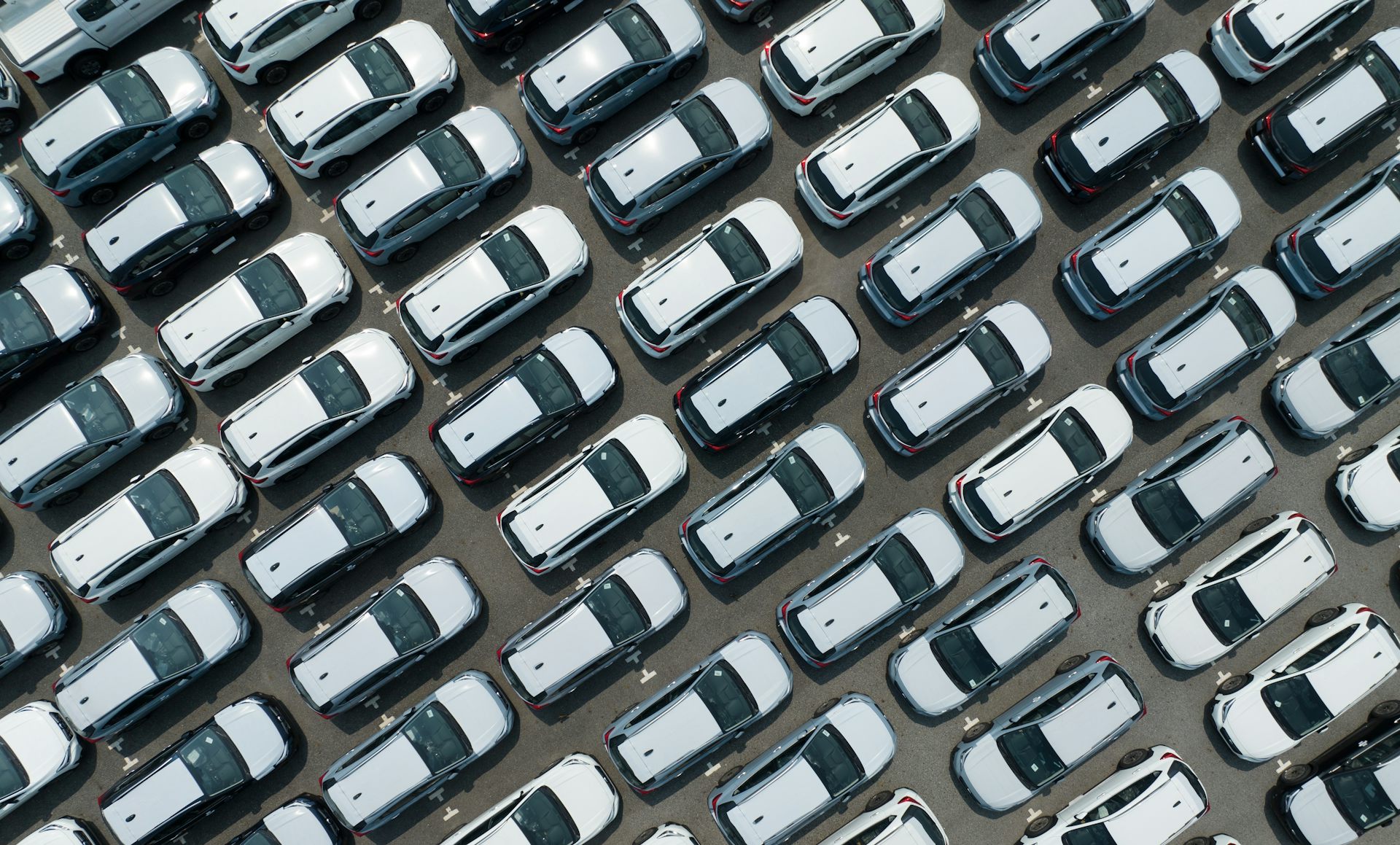
If SUVs were a country, they would be one of the world’s five biggest CO₂ emitters.
如果SUV是一个国家,它将是全球五大二氧化碳排放国之一。
Governments and car manufacturers sell electric cars as the future of green transport. But a less visible trend is challenging this story: many electric cars are getting bigger.
各国政府和汽车制造商将电动汽车宣传为绿色交通的未来。但一个不太显眼的趋势正在挑战这一叙事:许多电动汽车正在变得越来越大。
The International Energy Agency recently reported that larger models, including sports utility vehicles (SUVs) , are taking up a major share of electric car markets.
国际能源署最近报告称,包括运动型多用途车(SUV)在内的更大型号正在占据电动汽车市场的主要份额。
In China, electric SUVs accounted for more than 60% of electric car sales in 2025. In Europe, SUVs accounted for almost 75% of electric models in 2025. In the US, the figure was even higher, at more than 85%.
2025年,在中国,电动SUV占电动汽车销量的60%以上。在欧洲,SUV占电动车型的近75%。在美国,这一比例甚至更高,超过了85%。
SUV emissions are now so large that, if all SUVs were a country, they would be one of the world’s five biggest CO₂ emitters. The problem with SUVs is not only their tailpipe emissions. It is also their size, weight, cost and the way they reinforce car-dependent lifestyles.
SUV的排放量现在非常大,如果所有SUV都是一个国家,它们将成为全球五大二氧化碳排放国之一。SUV的问题不仅在于尾气排放。还在于它们的尺寸、重量、成本,以及它们强化了对汽车依赖的生活方式。
Electric SUVs may reduce tailpipe emissions compared with petrol and diesel SUVs, but they still need larger batteries, more raw materials, more energy and more road space than smaller electric cars. Their greater weight can also contribute to pollution from tyre, brake and road wear, including fine particulate matter linked to respiratory and cardiovascular diseases.
与汽油和柴油SUV相比,电动SUV的尾气排放量可能减少,但它们仍然比小型电动汽车需要更大的电池、更多的原材料、更多的能源和更多的道路空间。它们更大的重量还可能导致轮胎、刹车和道路磨损产生的污染,包括与呼吸系统和心血管疾病相关的细颗粒物。
Larger vehicles can also make streets more dangerous, especially for children. A study using Great Britain crash data found that children aged 0-18 hit by SUVs, rather than passenger cars, had 77% higher odds of fatal injury. For children under nine, the odds were more than three times higher.
大型车辆也会使街道更危险,尤其是对儿童。一项使用英国事故数据的研究发现,年龄在0-18岁、被SUV击中的儿童,其致命伤害的几率比被轿车击中的儿童高出77%。对于九岁以下的儿童,几率甚至高出三倍以上。
When roads are dominated by heavy privately owned cars, walking and cycling become less attractive, even for short everyday journeys. This matters because active travel (such as walking and cycling) is one of the easiest ways to build physical activity into daily life while producing little or no direct carbon emissions.
当道路上充斥着大量私人重型汽车时,即使是短途日常出行,步行和骑自行车也变得不那么有吸引力。这一点很重要,因为主动出行(如步行和骑自行车)是将体育活动融入日常生活最简单的方式之一,同时几乎不产生直接碳排放。
Car-dominated streets affect people unequally. Lower-income households are less likely to own new electric cars, but they still experience the traffic, danger, noise and pollution created by them. This is why the green transport transition needs to be judged by more than the number of electric cars sold. It should also be judged by whether it reduces car dependency and creates healthier, fairer streets.
汽车主导的街道对人们的影响是不均衡的。低收入家庭不太可能拥有新的电动汽车,但他们仍然要承受这些汽车带来的交通、危险、噪音和污染。这就是为什么绿色交通转型不能仅以电动汽车的销量来衡量。它还应该根据是否减少了对汽车的依赖,以及是否创造了更健康、更公平的街道来衡量。
Avoid, shift, improve
避免,转变,改进
Our new research in the journal Energy Economics uses the avoid-shift-improve framework to assess transport decarbonisation. Avoid means reducing the need for unnecessary car journeys through measures such as teleworking, compact development, and better access to local services. Shift means moving remaining trips to lower-carbon, healthier modes such as walking, cycling, public transport, and bike and car sharing. Improve means making the vehicles that are still needed cleaner, lighter and more energy efficient, including through electrification.
我们在《能源经济学》杂志上的最新研究使用“避免-转变-改进”框架来评估交通脱碳化。避免意味着通过远程办公、紧凑型发展和改善当地服务可及性等措施,减少不必要的驾车需求。转变意味着将剩余的出行转移到更低碳、更健康的模式,例如步行、骑自行车、公共交通以及自行车和汽车共享。改进则意味着使仍然需要的车辆更清洁、更轻、更节能,包括通过电气化来实现。
This order matters. If policy jumps straight to improve, it can reduce emissions per mile while leaving the wider system unchanged. A city full of electric SUVs may have no exhaust emissions, but it can still suffer from congestion, road danger, inactive travel, unequal access, non-exhaust pollution and streets dominated by large private vehicles.
顺序至关重要。如果政策直接跳到“改进”,它可能会降低每英里的排放量,但却让更广泛的系统保持不变。一个充满电动SUV的城市可能没有尾气排放,但它仍然可能遭受交通拥堵、道路危险、缺乏运动的出行、不平等的可及性、非尾气污染,以及由大型私家车主导的街道。
Too big to be green?
太大而无法环保?
In our study, the proposed model uses registrations of SUVs as an undesirable indicator of transport decarbonisation. Their growth works against the move towards smaller, lighter and more energy-efficient cars. Larger, more expensive vehicles can deepen car dependence: once people have invested in a costly car, switching to non-car modes of transport can feel like a loss.
在我们的研究中,拟议模型使用SUV的注册量作为衡量交通脱碳进程的负面指标。它们的增长趋势与向更小、更轻、更节能汽车发展的目标背道而驰。更大、更昂贵的车辆可能会加深对汽车的依赖:一旦人们投资了一辆昂贵的汽车,转换到非汽车交通模式可能会让人感觉像是一种损失。
The SUV boom illustrates this. Larger vehicles are marketed as safer, more comfortable and more desirable. Advertising presents them as symbols of freedom, family protection and status, helping to make large cars appear normal and necessary even when smaller cars and better transport options could meet many everyday needs.
SUV的蓬勃发展就说明了这一点。大型车辆被宣传为更安全、更舒适、更理想。广告将它们描绘成自由、家庭保护和地位的象征,即使更小的汽车和更好的交通选择可以满足许多日常需求,它们仍然让大型汽车显得正常和必要。
This conflicts with UK and EU climate goals, which prioritise reducing emissions, improving public health and making sustainable transport more accessible.
这与英国和欧盟的气候目标相冲突,这些目标优先考虑减少排放、改善公共健康和提高可持续交通的可及性。
There are practical alternatives. Policy can support smaller, lighter and more affordable electric cars where cars are still needed. It can also make walking, cycling and public transport the easiest choices for everyday journeys. This means protected cycle lanes, safe pavements, reliable buses, lower traffic neighbourhoods, and road pricing that reflects the space, weight and pollution costs of larger vehicles.
存在实用的替代方案。政策可以在仍需要汽车的地方,支持更小、更轻、更经济的电动汽车。它还可以让步行、骑自行车和公共交通成为日常出行最便捷的选择。这意味着需要设置受保护的自行车道、安全的人行道、可靠的公交车、限制交通的街区,以及反映大型车辆空间、重量和污染成本的道路定价。
These measures are not about blaming drivers. They are pro-health, pro-equity and pro-climate. Many people require cars, especially in rural and poorly connected areas. But the goal should be to reduce unnecessary car dependence, not to replace every petrol SUV with an electric SUV.
这些措施并非指责司机。它们是支持健康、支持公平和支持气候的。许多人需要汽车,特别是在农村和连接不佳的地区。但目标应该是减少不必要的汽车依赖,而不是用电动SUV取代每一辆汽油SUV。
The future of transport should not only be electric. It should be lighter, healthier, more affordable and less car dependent.
交通的未来不应仅仅是电动化的。它应该更轻、更健康、更经济,并且减少对汽车的依赖。
The authors do not work for, consult, own shares in or receive funding from any company or organisation that would benefit from this article, and have disclosed no relevant affiliations beyond their academic appointment.
作者不为任何可能从本文中受益的公司或组织工作、提供咨询、拥有股份或接受资金,并且除了其学术任职之外,未披露任何相关的隶属关系。