欧洲家庭为何浪费如此多食物——以及如何遏制浪费山
Why European households throw away so much food – and h…
Wastage of edible food means lost calories, lost money and a growing climate problem.
浪费可食用食物意味着能量的损失、金钱的损失,以及日益严峻的气候问题。
Europe is wasting huge amounts of food while millions of people globally experience hunger. Wars in Ukraine and the Middle East have squeezed supply chains. The cost of living crisis has pushed many families to the edge.
欧洲浪费了大量的食物,而全球数百万人口却饱受饥饿。乌克兰和中东的战争导致供应链紧张。生活成本危机使许多家庭陷入困境。
Without strengthening environmental sustainability, supply chain resilience and household affordability, food security risks will increase significantly. Yet households still throw away huge amounts of edible food. This is not just waste. It is lost calories, lost money and a growing climate problem.
如果不加强环境可持续性、供应链韧性和家庭可负担性,粮食安全风险将显著增加。然而,家庭仍然扔掉大量的可食用食物。这不仅仅是浪费。它代表着损失的卡路里、损失的金钱和一个日益严重的气候问题。
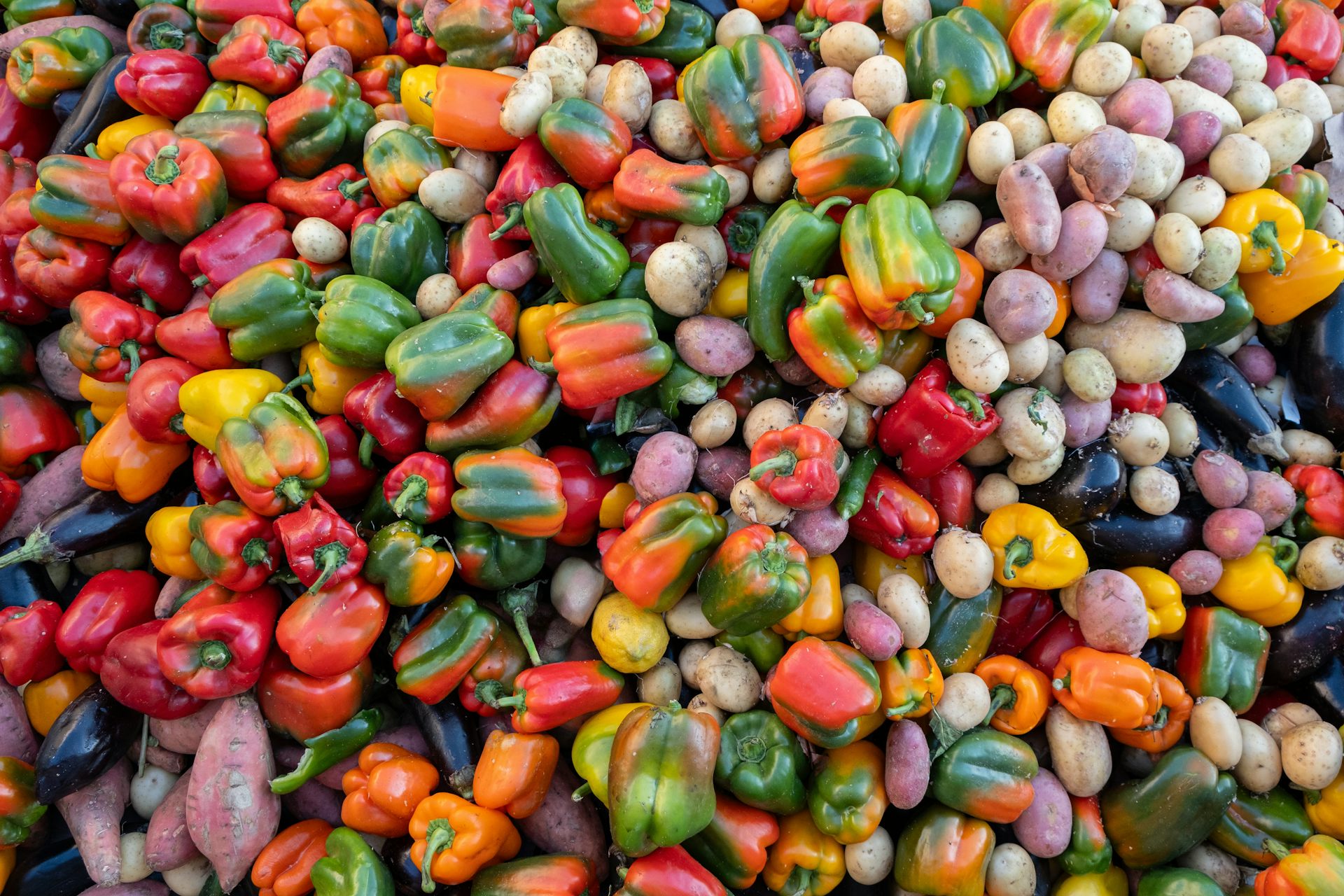
My team’s new analysis of European households find they discard more than 70kg of food per person each year. An estimated 69 million tonnes of food was wasted in Europe and the UK in 2025 according to our calculations, based on average food waste for the EU and the UK, and the current combined population. But it’s a global problem: around the world in 2022 – the latest year we have data for – households, retail and food service wasted 1.052 billion tonnes.
我们团队对欧洲家庭的新分析发现,他们每年丢弃的食物超过每人70公斤。根据我们的计算,基于欧盟和英国的平均食物浪费量以及目前的总人口,估计2025年欧洲和英国浪费了6900万吨食物。但这是一个全球性问题:根据我们拥有的最新数据,2022年全球范围内,家庭、零售和餐饮业浪费了10.52亿吨。
The European Commission reports that a four‑person household would save €400 (£346) per year on food that is ultimately wasted. But the problem is not simply about money. The main drivers of food waste are lack of knowledge and understanding, as well as health-related concerns about supposedly out-of-date food, plus an increase in eating for convenience.
欧盟委员会报告称,一个四口之家每年可以节省400欧元(346英镑)的食物浪费费用。但问题不仅仅是金钱问题。食物浪费的主要驱动因素是知识和理解的缺乏,以及对所谓的过时食物的健康顾虑,再加上为了方便而增加的饮食习惯。
Here’s why Europeans waste food and what we should do about it.
以下是欧洲人浪费食物的原因,以及我们应该如何解决这个问题。
Shopping: why we buy more than we eat
购物:我们购买的食物多于消耗的量
Promotions and panic buy triggers push people to buy more than they need. Multi-buy deals, three-for-two and buy-one-get-one-free offers nudge shoppers to take more than they need. Time pressure and shopping while hungry make this worse. Our analysis shows planning matters: people who check their fridge and shop with a list waste less.
促销和恐慌性购买的触发因素促使人们购买超出所需数量的食物。多件购买优惠、买三件享两件和买一送一的促销活动,诱导购物者购买超出所需数量的食物。时间压力和饥饿状态下的购物使情况更糟。我们的分析表明,计划很重要:检查冰箱并列出购物清单的人浪费更少。
Retail design plays a key role. Large pack sizes and limited small portion options mean single households buy food they cannot finish. Near-expiry discounts can help, but only if shoppers have a plan to use or freeze the food. Retail nudges must be paired with household tools, not left to chance.
零售设计起着关键作用。大包装和有限的小份量选择意味着单身家庭购买了无法全部吃完的食物。临期折扣会有帮助,但前提是购物者有计划使用或冷冻这些食物。零售的引导措施必须与家庭工具结合使用,不能寄希望于偶然性。
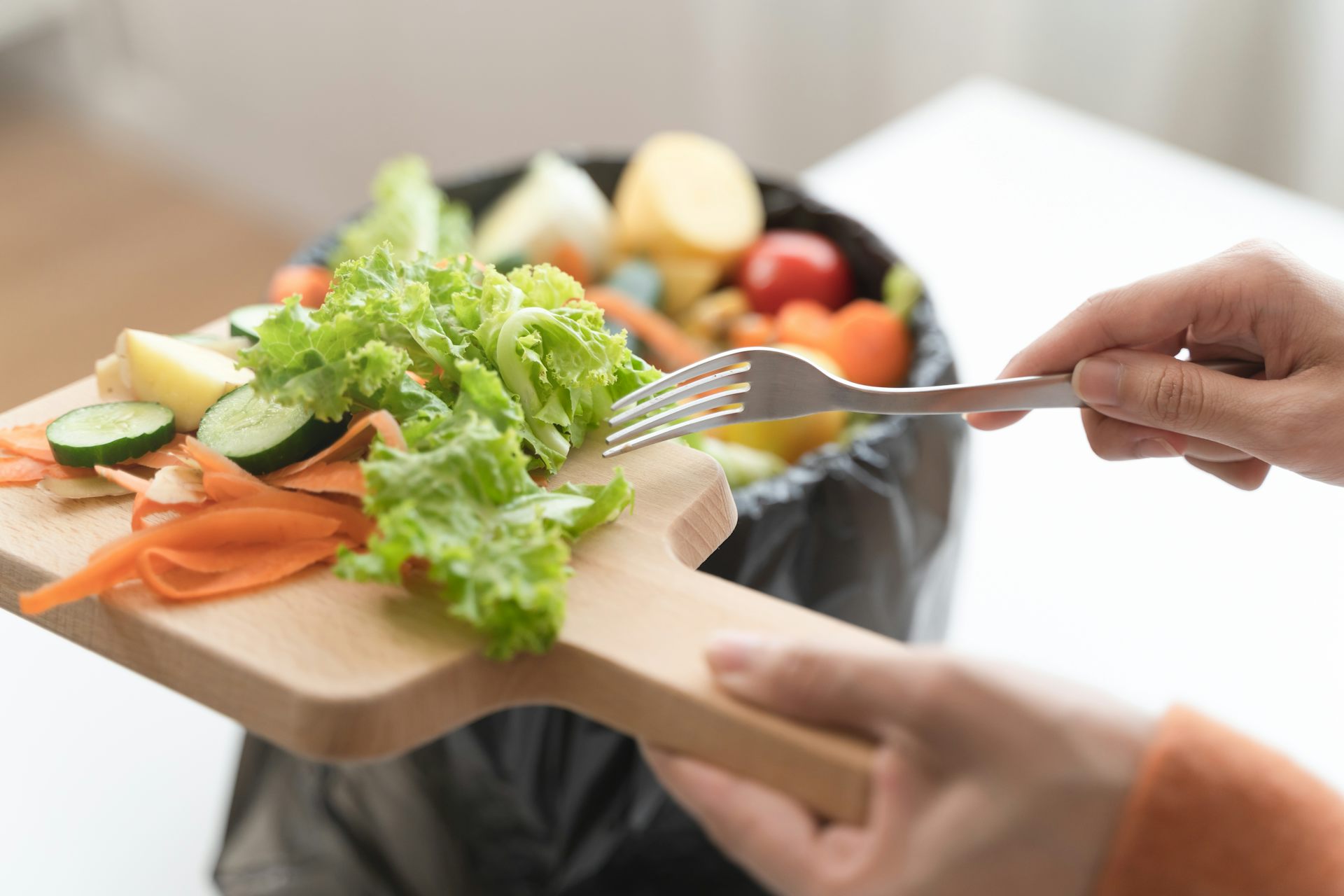
Once food is home, everyday management determines whether it is eaten or discarded. Confusion over date labels is a major driver of avoidable waste. Many people treat “best before” as a safety cutoff. They throw food away to avoid the risk of illness. This fear outweighs guilt about wasting food. Simple clarity on labels would cut discards fast.
食物进入家后,日常管理决定了它是否会被食用还是被丢弃。对日期标签的混淆是可避免浪费的主要驱动因素。许多人将“最佳食用期”视为安全截止日期。他们扔掉食物是为了避免生病的风险。这种恐惧感超过了浪费食物的负罪感。对标签提供简单的清晰说明就能迅速减少丢弃量。
Storage skills matter too. Freezing, batch cooking and first in, first out routines (using oldest stock first, with newest stock used last) dramatically reduce spoilage. Frozen food is wasted far less than fresh. Teaching basic storage and quick preservation techniques is a high‑return, low‑cost fix.
储存技能也很重要。冷冻、批量烹饪和先进先出(先使用最旧的库存,最后使用最新的库存)的习惯极大地减少了变质。冷冻食品的浪费量远少于新鲜食品。教授基本的储存和快速保存技术是一种投入成本低、回报高的解决方案。
Food planning can be hard: modern life is busy – people eat on the go and many rely on convenience meals. That convenience culture increases waste. Social norms push buying too much food. Hosting, hospitality and the desire to offer choice leads households to cook more than they need. In some cultures, abundance equals care – and that creates more uneaten food being left on plates.
食物规划可能很困难:现代生活很忙——人们边走边吃,许多人依赖便捷餐食。这种便利文化增加了浪费。社会规范推动人们购买过多的食物。招待、好客以及提供选择的愿望促使家庭烹饪超出所需数量的食物。在一些文化中,富足代表着关爱——而这造成了盘子上留下更多未吃完的食物。
Income alone does not explain the pattern. We found no simple link between national GDP (the standard measure of the size of an economy and of economic growth) and household food waste. Wealthier countries can waste less, but the relationship is inconsistent and shaped by local habits, tourism and measurement methods. The real drivers are behavioural and contextual.
仅凭收入无法解释这种模式。我们发现国家GDP(衡量经济规模和经济增长的标准指标)与家庭食物浪费之间没有简单的关联。更富裕的国家可以浪费更少的食物,但这种关系不一致,并受到当地习惯、旅游业和测量方法的影响。真正的驱动因素是行为和环境因素。
Next steps
下一步
Our study points to three clear ways to strengthen policy and build resilience of food supply chains by cutting waste.
我们的研究指出,通过减少浪费,有三种明确的方法来加强政策和建立粮食供应链的韧性。
First, fix the signals. Standardise date labels and run a public information campaign. When people understand the difference between quality and safety, they throw away less.
第一,纠正信号。标准化日期标签并开展公共信息宣传活动。当人们了解质量和安全之间的区别时,就会减少浪费。
Second, change retail practices. Encourage smaller pack sizes, resealable formats and messaging on promotions to encourage items are frozen for a future date. Incentivise supermarkets to sell imperfect produce and to price near expiry items clearly to encourage people to buy them.
第二,改变零售实践。鼓励使用更小的包装尺寸、可重新密封的格式,并在促销信息中宣传鼓励将物品冷冻以备将来使用。激励超市销售不完美农产品,并清楚标价临期物品,以鼓励人们购买。
Third, support households directly. Fund community cooking classes, fridge management campaigns and simple digital tools that track what’s in the home. Invest in kerbside food collections and food digestion treatment so unavoidable waste is diverted from landfill.
第三,直接支持家庭。资助社区烹饪课程、冰箱管理运动以及跟踪家庭物品的简单数字工具。投资于路边食品收集和食品消化处理,从而将不可避免的废弃物从垃圾填埋场转移。
No single policy will solve household food waste. Interventions must combine retail reform, clear regulation and consumer support. They must be tailored to local cultures and household types and designed to strengthen the maintenance of food security.
没有单一的政策可以解决家庭食物浪费问题。干预措施必须结合零售改革、明确的监管和消费者支持。它们必须根据当地文化和家庭类型量身定制,并旨在加强粮食安全的可维护性。
We can cut household food waste quickly by encouraging clear labels, smarter shopping and better storage. Small changes at home add up to big savings for the planet and for family budgets.
通过鼓励清晰的标签、更明智的购物和更好的储存,我们可以迅速减少家庭食物浪费。家庭中的小改变积累起来,对地球和家庭预算都能带来巨大的节约。
The next step is simple: design policies that work for people where they live, shop and cook. That not only cuts down on food waste – we will also save money, emissions and dignity (by enabling people to access and use food without shame or judgement and without the need for charitable food banks) .
下一步很简单:设计适用于人们生活、购物和烹饪的政策。这不仅能减少食物浪费——我们还能节省金钱、排放物和尊严(通过使人们无需感到羞耻或评判,无需依赖慈善食物银行就能获取和使用食物)。
This all increases our food security. The solutions are practical, cheap and ready to scale. There is no time to waste.
所有这些都提高了我们的粮食安全。这些解决方案是实用的、廉价的,并且可以扩大规模。没有时间浪费了。
Ian Williams receives funding from UK Research Councils, including the Engineering and Physical Sciences Research Council’s Impact Acceleration Account.
Ian Williams 获得英国研究理事会的资助,包括工程与物理科学研究委员会的影响力加速账户。