A strong deal would build in real penalties for going back to war: automatic, reversible costs that fall on anyone who restarts the fighting.
一个强有力的协议应该建立起重返战场的实际惩罚:自动、可逆转的成本,这些成本将落在任何重新开始冲突的人身上。
The latest U.S. military conflict with Iran appears to be over.
美国与伊朗最新的军事冲突似乎已经结束了。
Washington declared success. Tehran claimed victory. Israel insisted it remains free to strike Hezbollah.
华盛顿宣布成功。德黑兰宣称胜利。以色列坚持认为它仍保留打击真安组织的自由。
Some sticking points remain. For example, Iranian officials insist de-escalation in Lebanon was part of the deal; Israeli leaders deny it.
一些症结仍然存在。例如,伊朗官员坚称黎巴嫩的降级是协议的一部分;而以色列领导人否认这一点。
To most onlookers, the contradictions may seem like confusion, bad faith or evidence that the agreement is already unraveling.
对于大多数观察家来说,这些矛盾可能看起来像是混乱、恶意或证明该协议已经瓦解了。
But after more than two decades studying how wars end and whether the peace holds, I have learned that contradictions are often a sign the negotiations are working. The real danger lies elsewhere: in what the U.S.-Iran agreement leaves out.
但在我研究战争如何结束以及和平是否持久超过二十年之后,我学到的是:矛盾往往是谈判正在进行中的一个信号。真正的危险在于其他地方:在于美伊协议遗漏了什么。
The price of caving
妥协的代价
It would be a mistake to assume the United States and Iran are bargaining only with each other.
认为美国和伊朗只在彼此之间进行谈判,是错误的。
The political scientist Robert Putnam called diplomacy a “two-level game” in which leaders negotiate abroad and at home at once. And no deal abroad survives unless it can be sold to the audience back home.
政治学家罗伯特·普特南将外交称为“双层博弈”,在这种博弈中,领导人在国外和国内同时进行谈判。除非在本土说服了听众,否则任何国外的协议都无法维持。
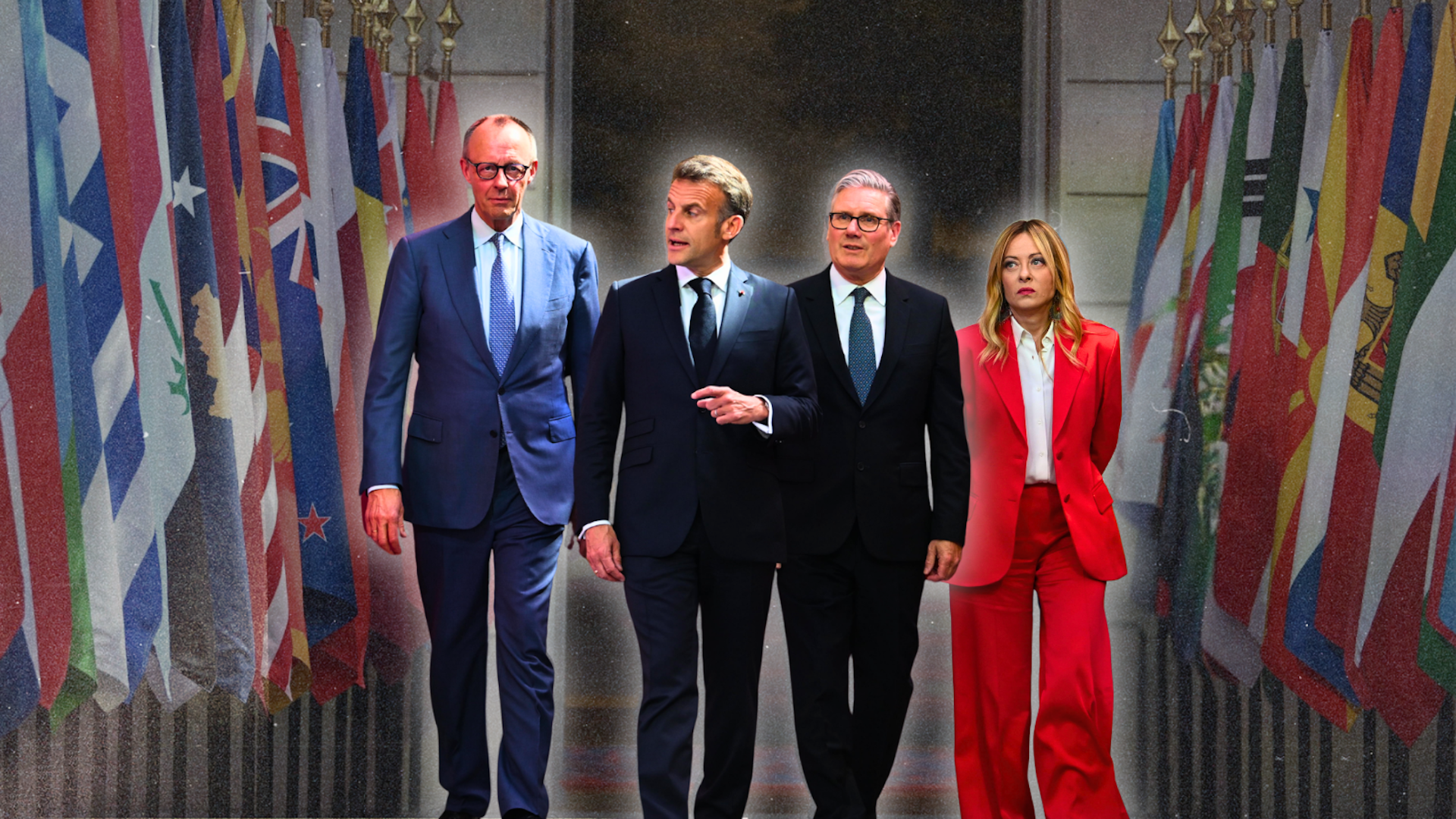
The U.S.-Iran agreement is closer to a five-level game. Washington must satisfy Iran, Israel, Congress, its Arab partners and its European allies. Tehran must satisfy Supreme Leader Ayatollah Mojtaba Khamenei and the Revolutionary Guard, Iran’s most powerful military institution. Iran must also contain a public whose anger over sanctions can spill into the streets, and it must keep Russia and China on its side.
美伊协议更接近于五层博弈。华盛顿必须令伊朗、以色列、国会、阿拉伯伙伴和欧洲盟友满意。德黑兰必须让最高领袖阿亚图拉·莫贾塔巴·哈梅内和革命卫队——伊朗最强大的军事机构——感到满意。伊朗还必须拥有一个对其制裁愤怒情绪可能蔓延到街头的民众,并且必须将俄罗斯和中国留在自己阵营。
Every gain at the negotiating table must be sold to people who are not at the table.
谈判桌上的每一点收获,都必须向不在桌边的人推销出去。
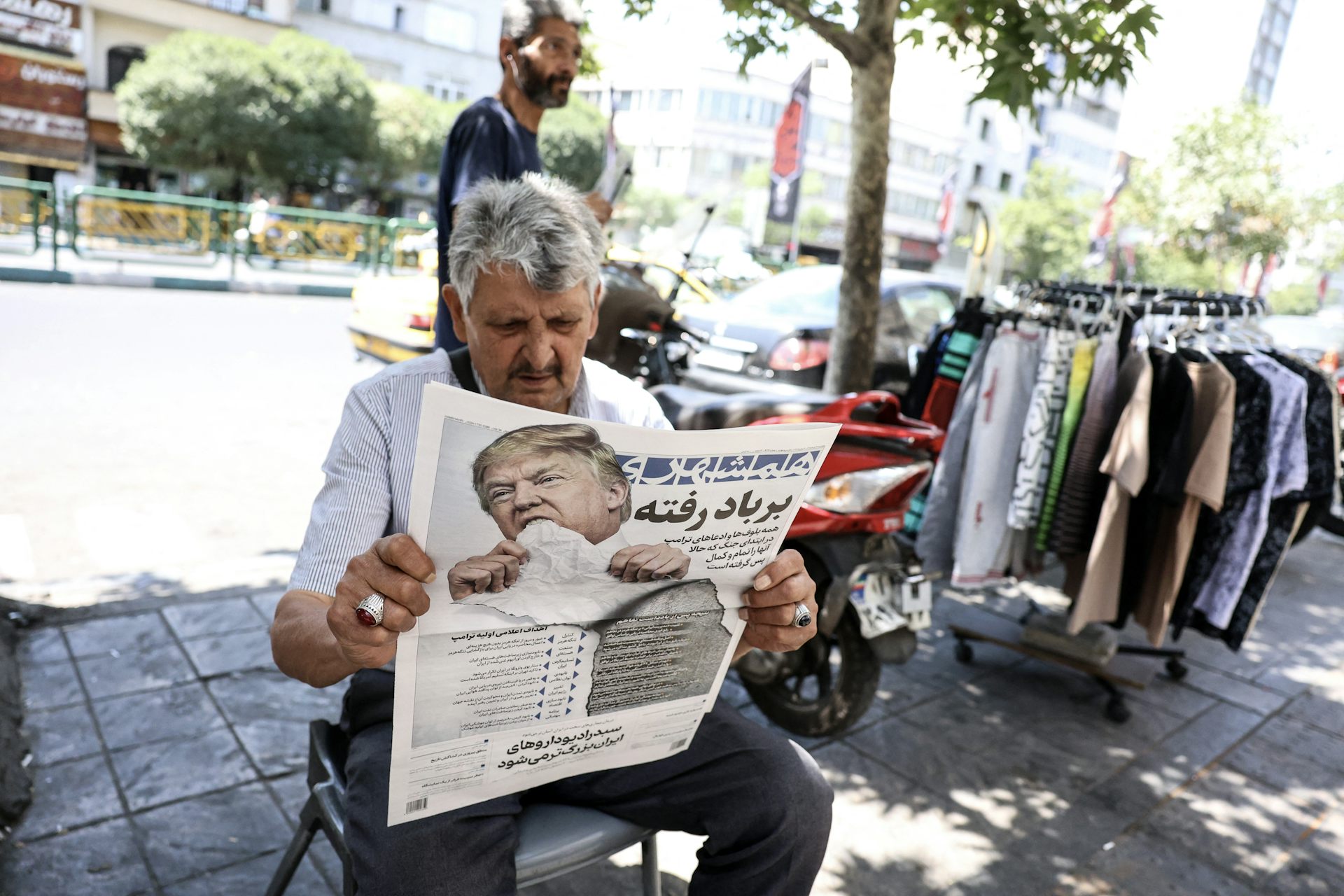
That is why the messaging contradicts itself. Each side is talking past its rival to its own people. Washington calls relief from sanctions a reversible decision. Tehran stresses its sovereignty. Israel advertises its freedom to strike.
这就是为什么其信息传递是相互矛盾的。各方都在对自己的民众说一套话,而对对手说另一套话。华盛顿称解除制裁是一个可逆转的决定;德黑兰强调其主权;以色列则宣传其自由打击的能力。
And the price of caving differs from place to place. In Washington, it might be electoral. In Tehran, factions of hard-liners may exact a heavy political price from leaders who compromise with the West, a lesson learned by President Hassan Rouhani and Foreign Minister Mohammad Javad Zarif after the 2015 nuclear deal.
妥协的代价在不同地方是不同的。在美国,它可能是选举上的代价。而在德黑兰,强硬派系可能会对与西方妥协的领导人索取沉重的政治代价,这是哈桑·鲁哈尼总统和穆罕默德·贾瓦德·扎里夫外交部长在2015年核协议后吸取的教训。
Diplomacy has always worked this way. The first recorded peace treaty, struck by Egypt and the Hittites – an ancient civilization centered in modern-day Turkey – after the battle of Kadesh 3,000 years ago, survives in two versions, each written in its own language for an audience at home.
外交一直都是这样运作的。最早记录下来的和平条约是古埃及与赫梯之间签订的——赫梯是一个以今土耳其为中心的古代文明——在三千年前卡迭什战役后签署,留存了两个版本,每个版本都用各自的语言写给本土听众。
In October 2025, I saw the Egyptian text carved into the walls at the Karnak complex, a vast array of temples, pylons and chapels near Luxor in southern Egypt. A copper replica now hangs outside the U.N. Security Council, where agreements like these are still negotiated today.
2025年10月,我在埃及南部的卢克索附近卡纳克建筑群的墙壁上看到了古埃及文字,这是一个巨大的神庙、山门和小教堂群。现在,一个青铜复制品悬挂在联合国安全理事会外,像这样的协议至今仍在进行谈判。
Peace between Egypt and the Hittites held not because the parties told the same story but because each could tell one its own people would accept.
埃及和赫梯之间的和平得以维持,并非因为双方讲述了相同的故事,而是因为各自都能向自己的民众讲述一个他们能接受的故事。
Generous with rewards, short on penalties
慷慨于奖励,缺乏惩罚
Contradictory messaging, then, is not the problem. The problem is that the same multilevel pressures that scramble public narratives also shape what negotiators are willing to put into an agreement.
因此,矛盾的信息传递本身并不是问题。问题在于,那些扰乱公众叙事的复杂多层压力,同时也塑造了谈判人员愿意纳入协议的内容。
Each side bargains hard for rewards it can display at home and resists penalties for noncompliance that it would have to defend later. The result is a U.S.-Iran deal generous with benefits and short on enforcement.
各方都在为可以展示给国内的利益而努力讨价还价,并抵制对不合规行为的惩罚,因为这些惩罚将来必须由他们自己来捍卫。结果是,一项美伊协议在奖励方面慷慨,但在执行层面缺乏约束力。
While conducting research for my 2009 book “Securing the Peace,” I found that negotiated settlements ending civil wars break down at roughly twice the rate of wars ending in outright military victory. Although my research focused on civil wars, the broader lesson applies to war settlements more generally. They fail not because of what is written on paper but because they lack credible enforcement once implementation begins.
在我撰写2009年的著作《确保和平》的研究过程中,我发现结束内战的谈判解决方案崩溃的速度,大约是那些以彻底军事胜利告终的战争的两倍。尽管我的研究侧重于内战,但更广泛的教训适用于战争解决机制。它们失败的原因并非出在纸面上写的内容,而是因为一旦实施开始,缺乏可信的执行力。
This weakness is hidden at the moment of signing, when all parties are still collecting the benefits an agreement promises. It surfaces later, once those rewards are exhausted and nothing exists to deter or punish defection.
这种弱点在签署协议时是隐藏的,那时所有各方仍在享受协议承诺的好处。它是在这些奖励耗尽、没有任何东西可以威慑或惩罚背弃行为时才会浮现出来。
The 1979 Egypt-Israel peace treaty makes the point. It endured not simply because Egypt regained the Sinai Peninsula and Israel won recognition, but because those gains were embedded in a broader enforcement structure: phased Israeli withdrawal from the Sinai tied to compliance and sustained U.S. economic and military assistance to both countries. The treaty also deployed the Multinational Force and Observers in 1982 to monitor Sinai’s demilitarization. More than four decades later, the treaty holds.
1979年的埃及-以色列和平条约就说明了这一点。它之所以能够持续,不仅仅是因为埃及收复了西奈半岛,而以色列获得了承认,更重要的是,这些收益嵌入在一个更广泛的执行结构中:以色列从西奈逐步撤军与遵守规定挂钩,并辅以美国对两国持续的经济和军事援助。该条约还于1982年部署了多国部队观察员,监测西奈半岛的非军事化。四十多个年后,该条约依然有效。
The lesson for any U.S. settlement with Iran is clear. Durable peace depends not only on what parties gain but on the institutions and incentives built to enforce it long after the signing ceremony ends.
对于任何美伊协议来说,吸取的教训是明确的。持久和平不仅取决于各方获得了什么,更取决于在签署仪式结束后,为执行和平所建立的制度和激励机制。
By that standard, the U.S.-Iran agreement is built to wobble. It is generous with rewards and short on penalties. The United States lifts its blockade, issues oil waivers, releases frozen Iranian funds and promises more than US$300 billion in reconstruction.
根据这一标准,美伊协议注定是摇摆不定的。它慷慨于奖励,缺乏惩罚。美国解除封锁,出台石油豁免令,释放冻结的伊朗资金,并承诺提供超过3000亿美元的重建资金。
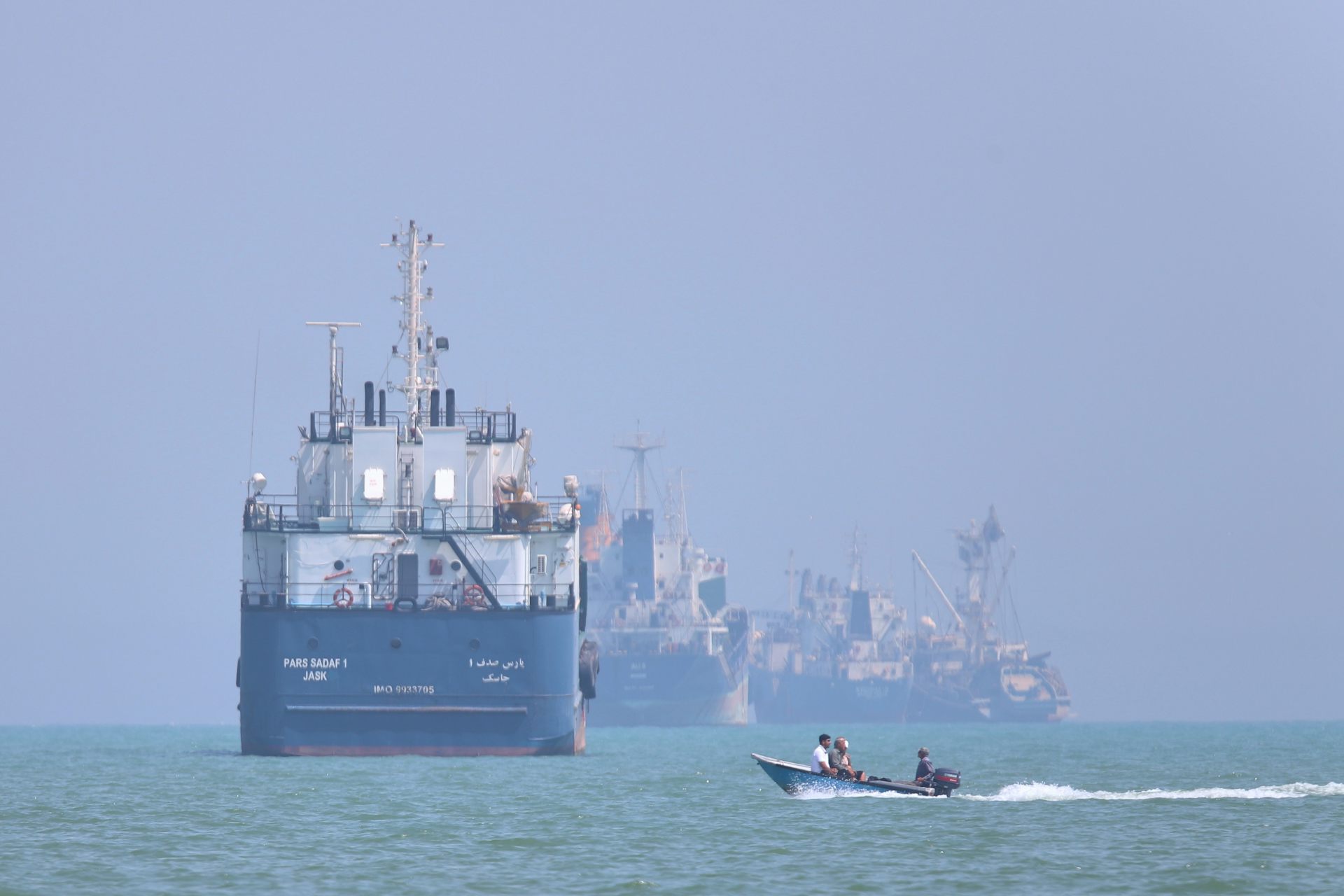
Iran reopens the Strait of Hormuz and dilutes its enriched uranium on its own soil, while keeping the machinery to enrich more. Nearly every step confers a benefit on someone; almost none imposes a cost on the party that walks away.
伊朗重新开放霍尔木兹海峡,并在本土稀释了浓缩铀,同时保留了进一步富集的机器。几乎每一步都为某人带来了好处;但很少有步骤对退出的一方施加成本。
Enforcement is left to a U.N. Security Council resolution that has not been written. The hardest question, enrichment, is pushed into a final deal that may never be reached.
执行力则留给了一项尚未撰写的联合国安理会决议。最难的问题——核燃料的富集——被推入一项最终协议中,而这项协议可能永远无法达成。
And there is a deeper problem. The actors most capable of destroying the agreement are precisely those least constrained by it. Israel, Hezbollah and the broader network of Iranian-backed militias across the region all sit outside the agreement. They gain little by complying and risk little by defecting because they never signed. A settlement that excludes powerful spoilers has no way to make breaking it hurt.
更深层次的问题在于:那些最有能力破坏协议的行为者,恰恰是受该协议约束最少的人。以色列、真主党以及整个地区伊朗支持的网络武装分子都处于协议之外。他们遵守协议所获得的利益甚微,而背弃协议的风险也极小,因为他们从未签署过任何文件。一个排除了强大破坏者的解决方案,无法让其打破代价高昂。
None of this means collapse is imminent. The history of peacemaking – from Kadesh to the Dayton Accords that ended the Bosnian war, to the Belfast Agreement that halted the 30-year sectarian conflict in Northern Ireland – shows that public blowups and threats to walk out are normal stages, not proof of failure.
但这并不意味着崩溃迫在眉睫。和平进程的历史——从卡德什战役到结束波斯尼亚战争的戴顿协议,再到阻止北爱尔兰持续30年教派冲突的贝尔法科学会协定——表明,公开爆发和威胁退出是正常的阶段,而非失败的证明。
But surviving the turbulence is not the same as lasting. The question is not whether setbacks come. History shows they will. It is whether the parties build institutions capable of deterring defection before the rewards are spent and the incentives are gone.
但能够度过动荡期,并不等同于持久。问题不在于是否会出现挫折。历史表明它们一定会出现。关键在于各方是否建立了能够在奖励耗尽、激励消失之前,威慑背弃行为的制度。
That points to a clear task, and it is not the one most are watching. The task is not to reconcile competing narratives. It is to create automatic costs for anyone who returns to violence, including actors who never sat at the negotiating table.
这指出了一个明确的任务,而这个任务恰恰不是大多数人关注的焦点。这项任务不是调和相互竞争的叙事。而是要为任何返回暴力的行为者创造自动成本,包括那些从未坐在谈判桌前的人。
Monica Duffy Toft does not work for, consult, own shares in or receive funding from any company or organization that would benefit from this article, and has disclosed no relevant affiliations beyond their academic appointment.
Monica Duffy Toft 未受任何受益于本文的公司或组织的雇佣、咨询服务、股权持有或资金资助,且除其学术职位外未披露其他相关任职关系。