خطر اتفاق وقف إطلاق النار بين الولايات المتحدة وإيران هو ما يغفله
The danger of US-Iran ceasefire agreement is what it leaves out
A strong deal would build in real penalties for going back to war: automatic, reversible costs that fall on anyone who restarts the fighting.
اتفاق قوي يضم عقوبات حقيقية للعودة إلى الحرب: تكاليف آلية وعكسية تقع على أي طرف يعاود القتال.
The latest U.S. military conflict with Iran appears to be over.
يبدو أن أحدث صراع عسكري أمريكي مع إيران قد انتهى.
Washington declared success. Tehran claimed victory. Israel insisted it remains free to strike Hezbollah.
أعلنت واشنطن عن نجاحها. وادعت طهران الانتصار. وأصرت إسرائيل على أنها لا تزال حرة في ضرب حزب الله.
Some sticking points remain. For example, Iranian officials insist de-escalation in Lebanon was part of the deal; Israeli leaders deny it.
لا تزال هناك بعض النقاط الخلافية قائمة. فعلى سبيل المثال، يصر مسؤولون إيرانيون على أن التهدئة في لبنان كانت جزءًا من الاتفاق؛ بينما ينكرها قادة إسرائيليون.
To most onlookers, the contradictions may seem like confusion, bad faith or evidence that the agreement is already unraveling.
بالنسبة لمعظم المراقبين، قد تبدو هذه التناقضات وكأنها ارتباك، أو سوء نية، أو دليل على أن الاتفاق بدأ يتفكك بالفعل.
But after more than two decades studying how wars end and whether the peace holds, I have learned that contradictions are often a sign the negotiations are working. The real danger lies elsewhere: in what the U.S.-Iran agreement leaves out.
ولكن بعد أكثر من عقدين من دراسة كيفية انتهاء الحروب وما إذا كان السلام مستدامًا، تعلمتُ أن التناقضات غالبًا ما تكون علامة على أن المفاوضات تسير بشكل جيد. الخطر الحقيقي يكمن في مكان آخر: فيما يتجاهله الاتفاق الأمريكي-الإيراني.
The price of caving
ثمن الرضوخ
It would be a mistake to assume the United States and Iran are bargaining only with each other.
سيكون من الخطأ افتراض أن الولايات المتحدة وإيران تتفاوضان فيما بينهما فقط.
The political scientist Robert Putnam called diplomacy a “two-level game” in which leaders negotiate abroad and at home at once. And no deal abroad survives unless it can be sold to the audience back home.
وصف عالم السياسة روبرت بوتنام الدبلوماسية بأنها “لعبة على مستويين”، حيث يتفاوض القادة في الخارج وفي الداخل في آن واحد. ولا يصمد أي اتفاق خارجي ما لم يتم بيعه للجمهور في الوطن.
The U.S.-Iran agreement is closer to a five-level game. Washington must satisfy Iran, Israel, Congress, its Arab partners and its European allies. Tehran must satisfy Supreme Leader Ayatollah Mojtaba Khamenei and the Revolutionary Guard, Iran’s most powerful military institution. Iran must also contain a public whose anger over sanctions can spill into the streets, and it must keep Russia and China on its side.
أقرب اتفاق بين الولايات المتحدة وإيران إلى لعبة ذات خمسة مستويات. يجب على واشنطن إرضاء إيران، وإسرائيل، والكونغرس، وشركائها العرب، وحلفائها الأوروبيين. ويجب على طهران إرضاء المرشد الأعلى آية الله المظفر خامنئي والحرس الثوري، وهو أقوى مؤسسة عسكرية في إيران. كما يجب على إيران احتواء شعب يمكن أن يتسرب غضبه من العقوبات إلى الشوارع، ويجب عليها الحفاظ على دعم روسيا والصين.
Every gain at the negotiating table must be sold to people who are not at the table.
يجب بيع كل مكسب يتم تحقيقه على طاولة المفاوضات للناس الذين ليسوا على الطاولة.
That is why the messaging contradicts itself. Each side is talking past its rival to its own people. Washington calls relief from sanctions a reversible decision. Tehran stresses its sovereignty. Israel advertises its freedom to strike.
ولهذا السبب تتناقض الرسائل. فكل طرف يتحدث مع خصمه لجمهوره الخاص. وتصف واشنطن رفع العقوبات بأنه قرار قابل للعكس. بينما تشدد طهران على سيادتها. وإسرائيل تروج لحريتها في الضرب.
And the price of caving differs from place to place. In Washington, it might be electoral. In Tehran, factions of hard-liners may exact a heavy political price from leaders who compromise with the West, a lesson learned by President Hassan Rouhani and Foreign Minister Mohammad Javad Zarif after the 2015 nuclear deal.
ويختلف ثمن الرضوخ من مكان إلى آخر. ففي واشنطن، قد يكون انتخابياً. أما في طهران، فقد تفرض فصائل المتشددين ثمناً سياسياً باهظاً على القادة الذين يتساهلون مع الغرب، وهو درس تعلمه الرئيس حسن روحاني ووزير الخارجية محمد جواد ظریف بعد اتفاق النووي لعام 2015.
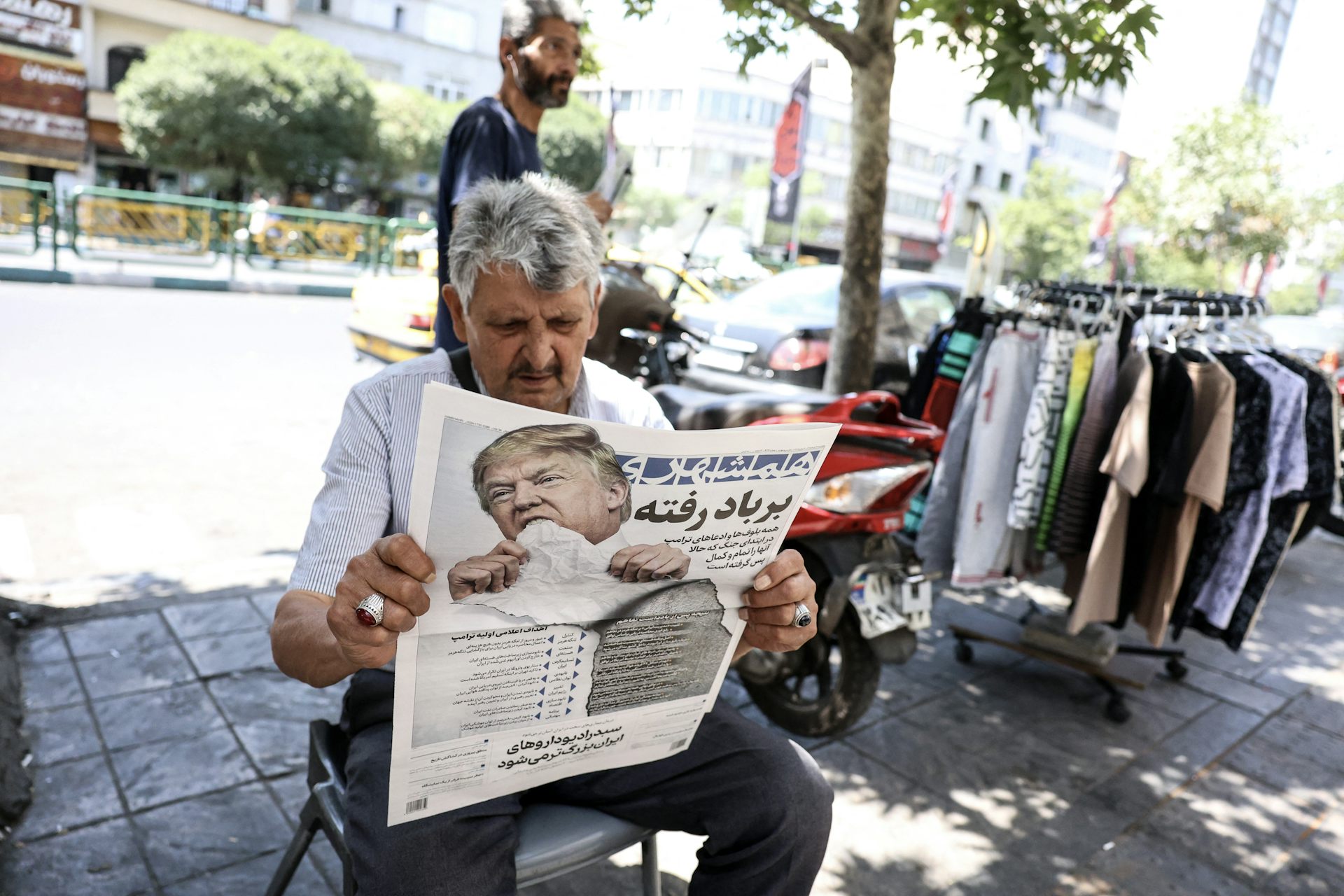
Diplomacy has always worked this way. The first recorded peace treaty, struck by Egypt and the Hittites – an ancient civilization centered in modern-day Turkey – after the battle of Kadesh 3,000 years ago, survives in two versions, each written in its own language for an audience at home.
لطالما عملت الدبلوماسية بهذه الطريقة. فمعاهدة السلام المسجلة الأولى، التي أبرمتها مصر والحيثيين – وهي حضارة قديمة تتركز في تركيا الحديثة – بعد معركة قادش قبل 3000 عام، باقية بنسختين، كل منهما مكتوبة بلغة خاصة لجمهور محلي.
In October 2025, I saw the Egyptian text carved into the walls at the Karnak complex, a vast array of temples, pylons and chapels near Luxor in southern Egypt. A copper replica now hangs outside the U.N. Security Council, where agreements like these are still negotiated today.
في أكتوبر 2025، رأيت النص المصري المنقوش على جدران مجمع الكرنك، وهي مجموعة واسعة من المعابد والأبراج والمصليات بالقرب من الأقصر في جنوب مصر. وتتدلى الآن نسخة نحاسية خارج مجلس الأمن التابع للأمم المتحدة، حيث لا تزال اتفاقيات كهذه تُتفاوض حتى اليوم.
Peace between Egypt and the Hittites held not because the parties told the same story but because each could tell one its own people would accept.
لم يتحقق السلام بين مصر والحيثيين ليس لأن الطرفين روا قصة واحدة، بل لأن كل طرف استطاع أن يروي للآخر ما سيقبله شعبه الخاص.
Generous with rewards, short on penalties
سخي بالمكافآت، وقليل بالعقوبات
Contradictory messaging, then, is not the problem. The problem is that the same multilevel pressures that scramble public narratives also shape what negotiators are willing to put into an agreement.
إذن، فإن الرسائل المتناقضة ليست هي المشكلة. المشكلة هي أن الضغوط متعددة المستويات نفسها التي تشتت السرديات العامة تشكل أيضاً ما يرغب المفاوضون في تضمينه في أي اتفاق.
Each side bargains hard for rewards it can display at home and resists penalties for noncompliance that it would have to defend later. The result is a U.S.-Iran deal generous with benefits and short on enforcement.
تتفاوض كل جهة بشدة على المكافآت التي يمكنها عرضها في الداخل وتقاوم العقوبات لعدم الامتثال التي سيتعين عليها الدفاع عنها لاحقاً. والنتيجة هي اتفاق أمريكي إيراني سخي بالمنافع وقليل بالإنفاذ.
While conducting research for my 2009 book “Securing the Peace,” I found that negotiated settlements ending civil wars break down at roughly twice the rate of wars ending in outright military victory. Although my research focused on civil wars, the broader lesson applies to war settlements more generally. They fail not because of what is written on paper but because they lack credible enforcement once implementation begins.
أثناء إجراء بحثي لكتابي عام 2009 بعنوان “تأمين السلام”، وجدت أن التسويات التفاوضية التي تنهي الحروب الأهلية تنهار بمعدل يبلغ ضعف معدل الحروب التي تنتهي بانتصار عسكري صريح تقريباً. وعلى الرغم من أن بحثي ركز على الحروب الأهلية، إلا أن الدرس الأوسع ينطبق على تسويات الحرب بشكل عام. إنها تفشل ليس بسبب ما هو مكتوب على الورق، ولكن لأنها تفتقر إلى الإنفاذ الموثوق بمجرد بدء التنفيذ.
This weakness is hidden at the moment of signing, when all parties are still collecting the benefits an agreement promises. It surfaces later, once those rewards are exhausted and nothing exists to deter or punish defection.
تكمن هذه نقطة الضعف في لحظة التوقيع، عندما لا تزال جميع الأطراف تجمع المنافع التي يعد بها الاتفاق. وتظهر لاحقاً، بمجرد استنفاد تلك المكافآت وعدم وجود شيء يردع أو يعاقب على الانحراف.
The 1979 Egypt-Israel peace treaty makes the point. It endured not simply because Egypt regained the Sinai Peninsula and Israel won recognition, but because those gains were embedded in a broader enforcement structure: phased Israeli withdrawal from the Sinai tied to compliance and sustained U.S. economic and military assistance to both countries. The treaty also deployed the Multinational Force and Observers in 1982 to monitor Sinai’s demilitarization. More than four decades later, the treaty holds.
يعكس معاهدة السلام المصرية الإسرائيلية لعام 1979 هذه النقطة. لم تصمد المعاهدة ليس فقط لأن استعادت مصر شبه جزيرة سيناء وفازت إسرائيل بالاعتراف، ولكن لأن تلك المكاسب كانت مغروسة في هيكل إنفاذ أوسع: انسحاب إسرائيلي مرحلي من سيناء مرتبط بالامتثال والمساعدة الاقتصادية والعسكرية الأمريكية المستدامة لكلا البلدين. كما نشرت المعاهدة قوة المراقبين متعددة الجنسيات في عام 1982 لمراقبة نزع السلاح عن سيناء. وبعد أكثر من أربعة عقود، لا تزال المعاهدة قائمة.
The lesson for any U.S. settlement with Iran is clear. Durable peace depends not only on what parties gain but on the institutions and incentives built to enforce it long after the signing ceremony ends.
الدرس المستفاد لأي تسوية أمريكية مع إيران واضح. فالسلام الدائم لا يعتمد فقط على ما تكسبه الأطراف، بل يعتمد أيضاً على المؤسسات والحوافز المبنية لإنفاذه بعد وقت طويل من انتهاء مراسم التوقيع.
By that standard, the U.S.-Iran agreement is built to wobble. It is generous with rewards and short on penalties. The United States lifts its blockade, issues oil waivers, releases frozen Iranian funds and promises more than US$300 billion in reconstruction.
بهذا المعيار، فإن الاتفاق الأمريكي الإيراني مهيأ للترنح. إنه سخي بالمكافآت وقليل بالعقوبات. ترفع الولايات المتحدة حصارها، وتصدر تنازلات نفطية، وتحرر الأموال الإيرانية المجمدة، وتعد بأكثر من 300 مليار دولار أمريكي لإعادة الإعمار.
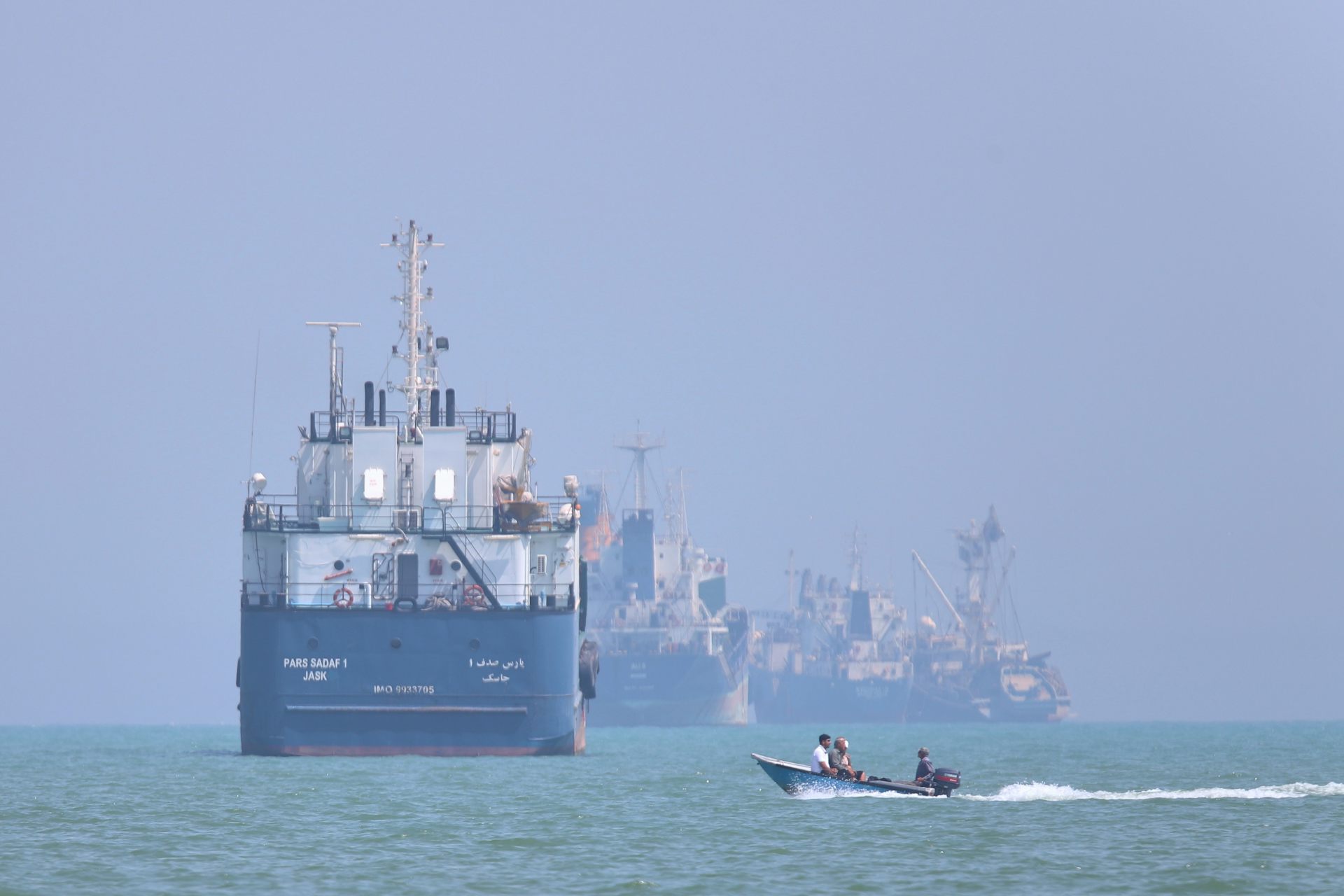
Iran reopens the Strait of Hormuz and dilutes its enriched uranium on its own soil, while keeping the machinery to enrich more. Nearly every step confers a benefit on someone; almost none imposes a cost on the party that walks away.
تعيد إيران فتح مضيق هرمز وتخفف من تركيز اليورانيوم المخصب على أراضيها، مع الاحتفاظ بالآلية لتخصيب المزيد. فكل خطوة تقريباً تمنح فائدة لشخص ما؛ وقليل منها يفرض تكلفة على الطرف الذي ينسحب.
Enforcement is left to a U.N. Security Council resolution that has not been written. The hardest question, enrichment, is pushed into a final deal that may never be reached.
ويُترك الإنفاذ لقرار مجلس الأمن التابع للأمم المتحدة لم يُكتب بعد. أما أصعب سؤال، وهو التخصيب، فقد دُفع إلى صفقة نهائية قد لا تتحقق أبداً.
And there is a deeper problem. The actors most capable of destroying the agreement are precisely those least constrained by it. Israel, Hezbollah and the broader network of Iranian-backed militias across the region all sit outside the agreement. They gain little by complying and risk little by defecting because they never signed. A settlement that excludes powerful spoilers has no way to make breaking it hurt.
وهناك مشكلة أعمق. إن الجهات الفاعلة الأكثر قدرة على تدمير الاتفاق هي تحديداً تلك الأقل تقييداً به. فإسرائيل، وحزب الله، والشبكة الأوسع من الميليشيات المدعومة إيرانيًا في جميع أنحاء المنطقة، كلها خارج نطاق الاتفاق. إنها لا تكسب شيئاً بالامتثال ولا تخاطر بشيء بالانحراف لأنها لم توقع قط. فالتسوية التي تستبعد الجهات الفاعلة المعطِّلة القوية ليس لديها طريقة لجعل خرقها مؤلماً.
None of this means collapse is imminent. The history of peacemaking – from Kadesh to the Dayton Accords that ended the Bosnian war, to the Belfast Agreement that halted the 30-year sectarian conflict in Northern Ireland – shows that public blowups and threats to walk out are normal stages, not proof of failure.
لا يعني أي من هذا أن الانهيار وشيك. إن تاريخ صناعة السلام – بدءاً من كادش وصولاً إلى اتفاقيات دايتون التي أنهت الحرب البوسنية، ووصولاً إلى اتفاق بلفاست الذي أوقف الصراع الطائفي الذي استمر 30 عاماً في شمال إيرلندا – يظهر أن الانفجارات العلنية والتهديدات بالانسحاب هي مراحل طبيعية، وليست دليلاً على الفشل.
But surviving the turbulence is not the same as lasting. The question is not whether setbacks come. History shows they will. It is whether the parties build institutions capable of deterring defection before the rewards are spent and the incentives are gone.
لكن البقاء على قيد الحياة في خضم الاضطرابات لا يعني الاستمرار. السؤال ليس ما إذا كانت الانتكاسات ستأتي. فالتاريخ يظهر أنها ستأتي. بل هو ما إذا كانت الأطراف تبني مؤسسات قادرة على ردع الانحراف قبل أن تُنفق المكافآت وتزول الحوافز.
That points to a clear task, and it is not the one most are watching. The task is not to reconcile competing narratives. It is to create automatic costs for anyone who returns to violence, including actors who never sat at the negotiating table.
وهذا يشير إلى مهمة واضحة، وهي ليست المهمة التي يراقبها معظم الناس. فالمهمة ليست التوفيق بين السرديات المتنافسة. بل هي خلق تكاليف تلقائية لأي شخص يعود إلى العنف، بما في ذلك الجهات الفاعلة التي لم تجلس قط على طاولة المفاوضات.
Monica Duffy Toft does not work for, consult, own shares in or receive funding from any company or organization that would benefit from this article, and has disclosed no relevant affiliations beyond their academic appointment.
مونيكا دافي توفت لا تعمل لصالح، ولا تقدم استشارات لـ، ولا تمتلك أسهمًا في، أو تتلقى تمويلاً من أي شركة أو منظمة قد تستفيد من هذه المقالة، ولم تكشف عن أي انتماءات ذات صلة بخلاف تعيينها الأكاديمي.
Read more
-
لقد حقق ترامب أكثر من مليار دولار من العملات المشفرة خلال عام واحد. فكيف ذلك؟
Trump has made more than $1 billion from crypto in a year. How?
-
ما هي طريقة جنون إيران؟ إغلاق مضيق هرمز يتردد صداه في مسرحية دنماركية قديمة تعود لقرون مضت – وهو مأساة للنظام العالمي.
The method in Iran’s madness? Closure of Strait of Hormuz echoes a centuries-old Danish play − and is a tragedy for the world order