地球上最古老的撞击坑真的超过了30亿年,新研究证实
Earth’s oldest crater really is over 3 billion years ol…
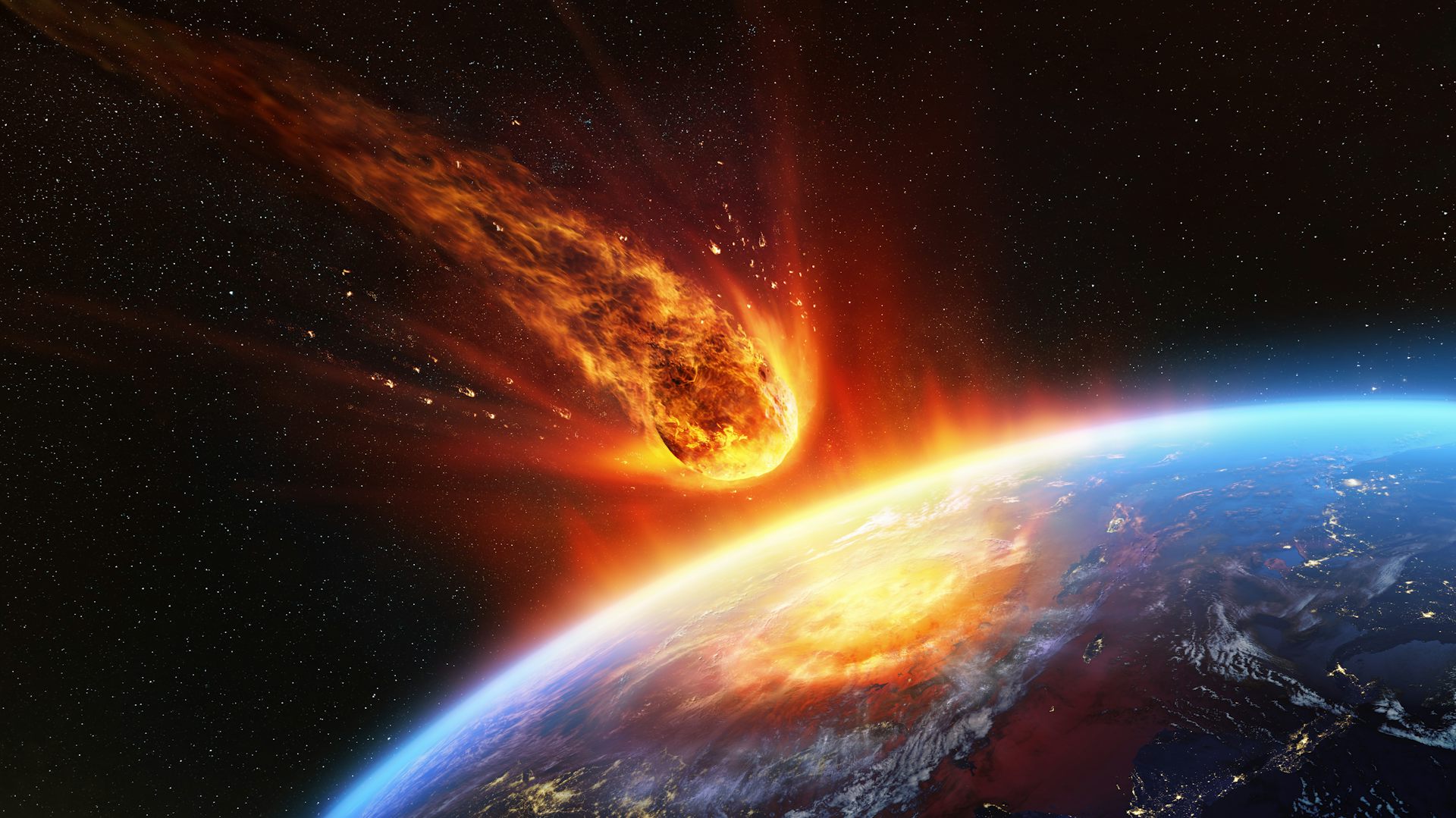
The oldest known impact structure on Earth has been confirmed in outback Australia.
地球已知最古老的撞击结构在澳大利亚内陆被确认。
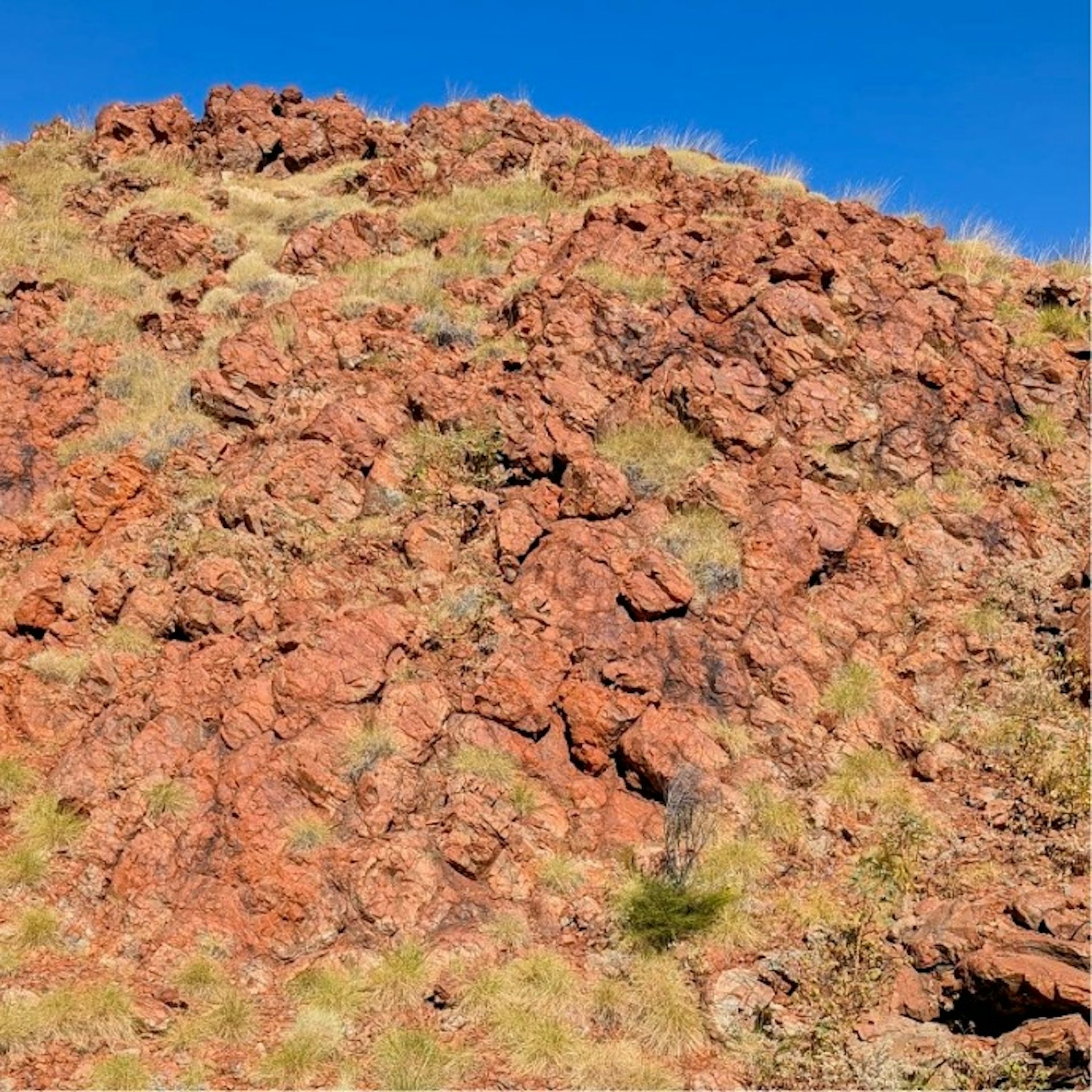
In the Pilbara of Western Australia, some of Earth’s oldest rocks lie beneath the sky, as they have for billions of years. They are dark, weathered volcanic rocks, close to 3.5 billion years old, cut by veins and stewed by deep time.
在西澳大利亚的皮尔巴拉地区,一些地球最古老的岩石深埋于地底,它们已经这样持续了数十亿年。这些是深色、风化的火山岩,年龄接近35亿年,被脉络切割,经受了漫长岁月的洗礼。
Their survival is remarkable. Most rocks this old have moved back into Earth’s interior. These ones, still on the surface, have changed, but not enough to erase their first story.
它们的存活本身就是一项奇迹。大多数如此古老的岩石都已经回到了地球内部。而这些仍然位于地表上的岩石虽然发生了变化,但尚未到足以抹去它们最初故事的程度。
In places, they still preserve the rounded forms of pillow basalts – lava that erupted underwater and cooled on an ancient sea floor.
在某些地方,它们仍保留着枕状玄武岩(pillow basalts)的圆润形态——这是在海底喷发、并在古代海床上冷却的熔岩。
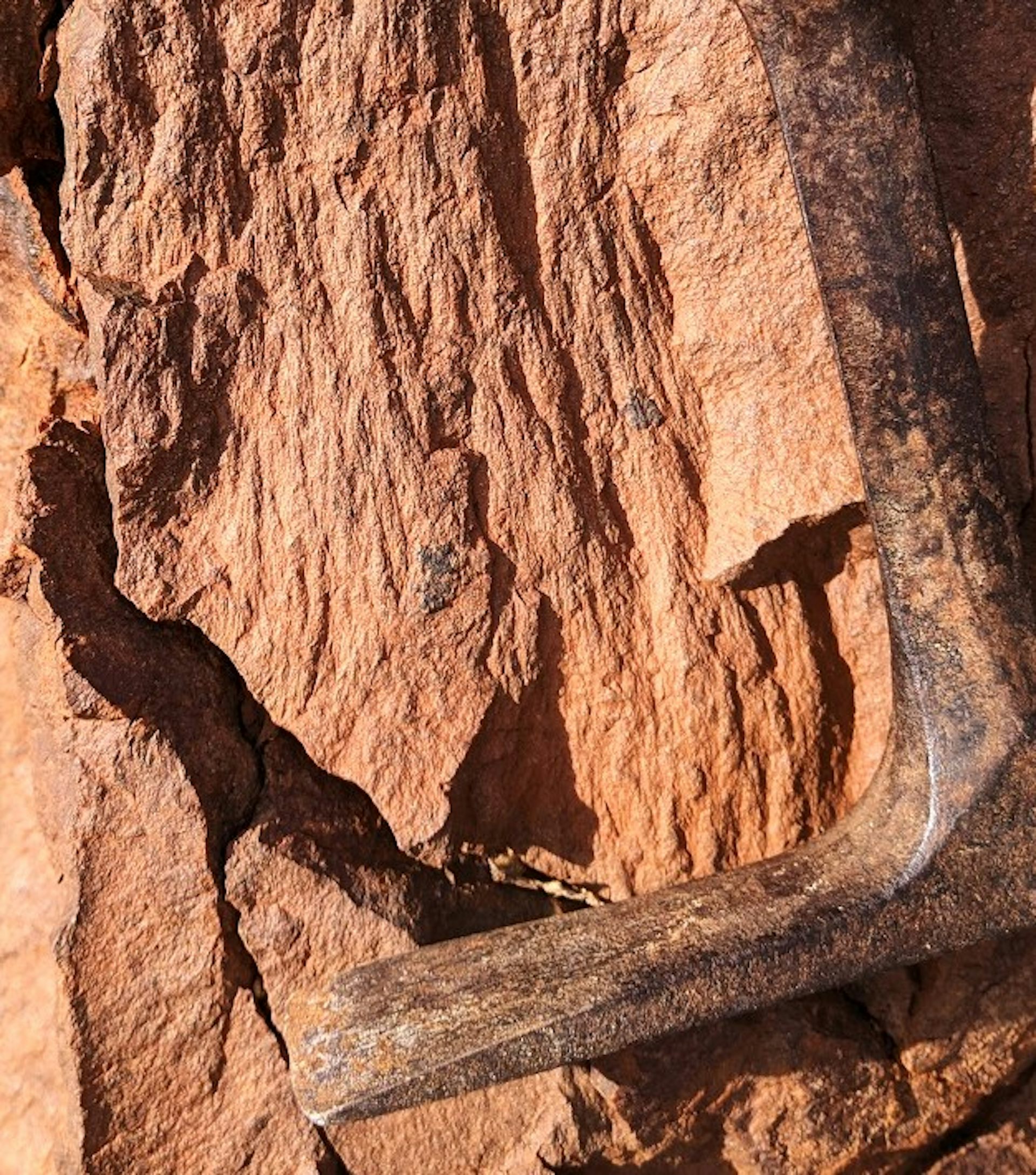
The same rock record also holds some of the earliest widely accepted evidence for life on Earth. But looking closely on some surfaces you find fine lines that fan through the rock.
同样的岩层记录也包含了地球生命最早被广泛接受的证据。但仔细观察某些表面,你会发现有细密的线条呈扇形分布于岩石之中。
These are shatter cones – the frozen signature of a meteorite shock wave, and the clearest sign that something from space once struck Earth.
这些就是破碎锥(shatter cones)——它们是陨石冲击波凝固留下的印记,也是从太空物体曾撞击地球的最清晰的证据。
When our team first reported these rocks in 2025, we suggested they were part of an ancient impact crater at the ironically named North Pole Dome. But one question remained difficult: exactly how old was the impact?
当我们的团队在2025年首次报告这些岩石时,我们推测它们属于一个名为“北极穹顶”(North Pole Dome)的古代撞击坑。但仍有一个问题难以解决:这次撞击到底有多古老?
In our new study, published in Geology, we used tiny mineral clocks inside the damaged rocks to show the impact most likely happened 3.024 billion years ago.
在我们发表于《地质学》(Geology)的新研究中,我们利用了受损岩石内部微小的矿物时钟,表明这次撞击最有可能发生在30.24亿年前。
That makes North Pole Dome the oldest known impact structure on Earth, and the only recognised impact crater from the Archean, the period between 4 and 2.5 billion years ago.
这使得北极穹顶成为地球上已知最古老的撞击结构,也是来自元古代(Archean,即4亿至25亿年之间)唯一被认可的撞击坑。
The gift of deep time
深时馈赠
This is a story about a scar on the early Earth. It is also about one of geology’s greatest gifts to society: the concept of deep time.
这是一个关于早期地球伤疤的故事。它也是关于地质学献给社会的最伟大的礼物之一:深时概念。
Humans have been around for some 300,000 years. But Earth is about 4.5 billion years old. Most of our planet’s story happened on timescales so vast, they’re difficult to imagine.
人类存在了大约30万年。但地球的年龄约为45亿年。我们星球的大部分历史发生在如此宏大的时间尺度上,以至于难以想象。
Rocks are the pages of that story. Some begin as lava flows, others as mud on a sea floor. Over time, Earth’s movements bury, harden, fold, heat and sometimes lift the rocks back to the surface. A geologist’s job is to work out the order of these pages and, where possible, put dates on them.
岩石就是这部故事的篇章。有些起源于熔岩流,有些则源自海底的泥土。随着时间的推移,地球的运动将这些岩石掩埋、硬化、折叠、加热,有时甚至将其抬升回地表。地质学家的工作就是弄清这些篇章的顺序,并在可能的情况下给它们标注年代。
One way to do this is stratigraphy, the study of rock layers. If two lava flows lie on top of one another, the lower one is usually older. If a vein cuts through a rock, the vein must be younger than the rock.
其中一种方法是地层学,即对岩层的研究。如果两股熔岩流一层叠着一层,下面的一层通常更古老。如果一条矿脉切穿了一块岩石,那么这条矿脉一定比这块岩石年轻。
But ancient rocks are rarely tidy. Over billions of years, layers can tilt, fold and erode. Geologists therefore use correlation. We match rocks from one place to another using their position, appearance, chemistry, magnetic signals or nearby layers with a precise date.
但古代的岩石很少是整齐划一的。经过数十亿年的时间,地层可能会倾斜、折叠和侵蚀。因此,地质学家使用对应法(correlation)。我们利用这些岩石的位置、外观、化学成分、磁信号或附近具有精确年代的地层,将不同地方的岩石进行匹配。
Correlation is powerful, but it’s a bit like working out where a loose page belongs in a damaged book. You may know whether it comes near the start, middle or end, but the page number itself is missing. That was the challenge at North Pole Dome; the signs of a meteorite impact were clear. But when did it happen?
对应法非常强大,但它有点像想知道一本受损书籍中一张脱落的页应该放在哪里。你可能知道它是靠近开头、中间还是结尾,但页码本身是缺失的。这正是北极穹顶面临的挑战;陨石撞击的迹象非常明显。但它到底是什么时候发生的呢?
Piecing the story together
拼凑故事线索
Early estimates suggested an extremely ancient impact, based on where the shocked rocks sat in the local rock layers. A later Harvard-led study challenged this, arguing that the impact could have happened much later, anywhere between 2.7 and 0.4 billion years ago, a span equal to roughly half of Earth’s history.
早期的估计基于冲击岩在当地地层中的位置,认为这次撞击发生得极其古老。后来哈佛大学牵头的一项研究提出了质疑,认为这次撞击可能发生在更晚的时间,时间范围介于27亿到0.4亿年前之间,这段跨度大约相当于地球历史的一半。
Both interpretations depended on matching ancient rocks across a complicated landscape. In the Pilbara, that is difficult work. Linking one fine-grained black rock to another across the outback can be surprisingly hard.
这两种解释都依赖于在复杂的地理环境中匹配古代岩石。在皮尔巴拉地区,这项工作非常困难。将一块细粒的黑色岩石与另一个岩石连接起来,穿越内陆荒漠,可能会出奇地难以实现。
So instead, we looked inside the rocks. Tiny crystals inside shocked rocks can act as clocks, recording when they formed or changed. In other words, mineral dating can sometimes recover the missing page number.
因此,我们转而研究岩石内部。冲击岩中的微小晶体可以充当“时钟”,记录它们形成或改变的时间。换句话说,矿物测年法有时可以恢复缺失的页码。
Tiny crystal clocks
微小晶体时钟
The key mineral was zircon. Zircon is tiny, tough and unusually good at keeping time. It contains uranium, which slowly decays into lead. By measuring uranium and lead in a zircon crystal, we can estimate when that crystal formed, or when something strongly altered it.
关键矿物是锆石。锆石微小、坚硬,且计时能力异常出色。它含有铀,铀会缓慢衰变成铅。通过测量锆石晶体中的铀和铅,我们可以估算出该晶体形成的时间,或其被强烈改变的时间。
In one shatter cone, we found several types of zircon. Some preserved ages older than 3.4 billion years. These likely reflect the ancient rocks that were hit.
在一个破碎锥中,我们发现了几种类型的锆石。其中一些保存的年龄超过了34亿年。这些可能反映了被撞击的古代岩石。
But another group looked very different. These zircons had skeletal shapes, like tiny frozen lightning bolts. These can form when crystals grow or recrystallise very quickly under unusual conditions. Similar zircon textures have been found in impact rocks from the Moon. The best-preserved of these skeletal zircons gave an age of 3 billion years.
但另一组看起来非常不同。这些锆石具有骨骼状,像微小的冰冻闪电。它们可以在非正常条件下快速生长或再结晶时形成。在月球的撞击岩中也发现了类似的锆石纹理。保存最好的这类骨骼状锆石测得的年龄是30亿年。
On its own, that still wasn’t enough. Skeletal zircon can form in more than one way, so we needed another clock. We found it in apatite, a phosphate mineral that also contains tiny amounts of uranium.
单凭这一点还不够。骨骼状锆石的形成方式不止一种,所以我们需要另一个“时钟”。我们在磷灰石中发现了它,这是一种也含有微量铀的磷酸盐矿物。
Apatite can grow when hot fluids move through broken rock – exactly the kind of system an impact creates, as heat and fractures drive water through a crater. The apatite gave the same age as the modified zircons.
当高温流体穿过破碎岩石时,磷灰石可以生长——这正是撞击所形成的系统类型,因为热量和裂缝将水推入陨坑。磷灰石测得的年龄与变质锆石的年龄相同。
Two clocks, in different minerals and different rocks, pointed to the same event about 3.02 billion years ago.
两枚“时钟”,分别来自不同的矿物和岩石,指向了大约30.2亿年前发生的同一事件。
A rare moment from Earth’s violent youth
地球暴力青春时期的一个罕见瞬间
Other minerals told us what happened later. Muscovite, a shiny silver mineral in a vein that cut across the shatter cone, gave an age of about 1.66 billion years. The vein’s shape told us it must have formed long after the impact, when the rocks were disturbed again by some natural process.
其他矿物告诉了我们后续发生的事情。白云母,一种在横切碎裂锥脉中的闪亮银色矿物,给出了大约16.6亿年的年代。该脉的形状告诉我们它一定是在撞击很久之后形成的,当时岩石又被某种自然过程扰动过。
But those events don’t date the impact – they are later chapters in the same damaged book.
但这些事件并不能确定撞击的日期——它们只是同一本受损书籍中的后续章节。
The story of dating this crater shows Earth’s oldest history is not gone. It’s just hard to read. Unlike the Moon, Earth constantly destroys its ancient surface through erosion, burial, heating and plate tectonics.
研究这个陨石坑定年史表明,地球最古老的历史并没有消失。只是很难阅读。与月球不同的是,地球通过侵蚀、掩埋、加热和板块构造不断破坏其古代地表。
Most craters from the early Earth have vanished. At North Pole Dome, one survived. Its rocks preserve the trace of a space impact from 3.024 billion years ago – a rare page from the violent youth of our planet, with the date still written in the stone.
大多数来自早期地球的陨石坑都已消失。在北极穹顶,只有一个幸存了下来。它的岩石保存了30.24亿年前一次太空撞击的痕迹——这是我们星球暴力青春时期的一页罕见记录,日期仍然刻在石头上。
Chris Kirkland does not work for, consult, own shares in or receive funding from any company or organisation that would benefit from this article, and has disclosed no relevant affiliations beyond their academic appointment.
Chris Kirkland 不受任何公司或组织聘用、咨询、拥有股份或接受资金支持,这些公司或组织不会从本文中受益,并且除了其学术职位外,未披露任何相关隶属关系。