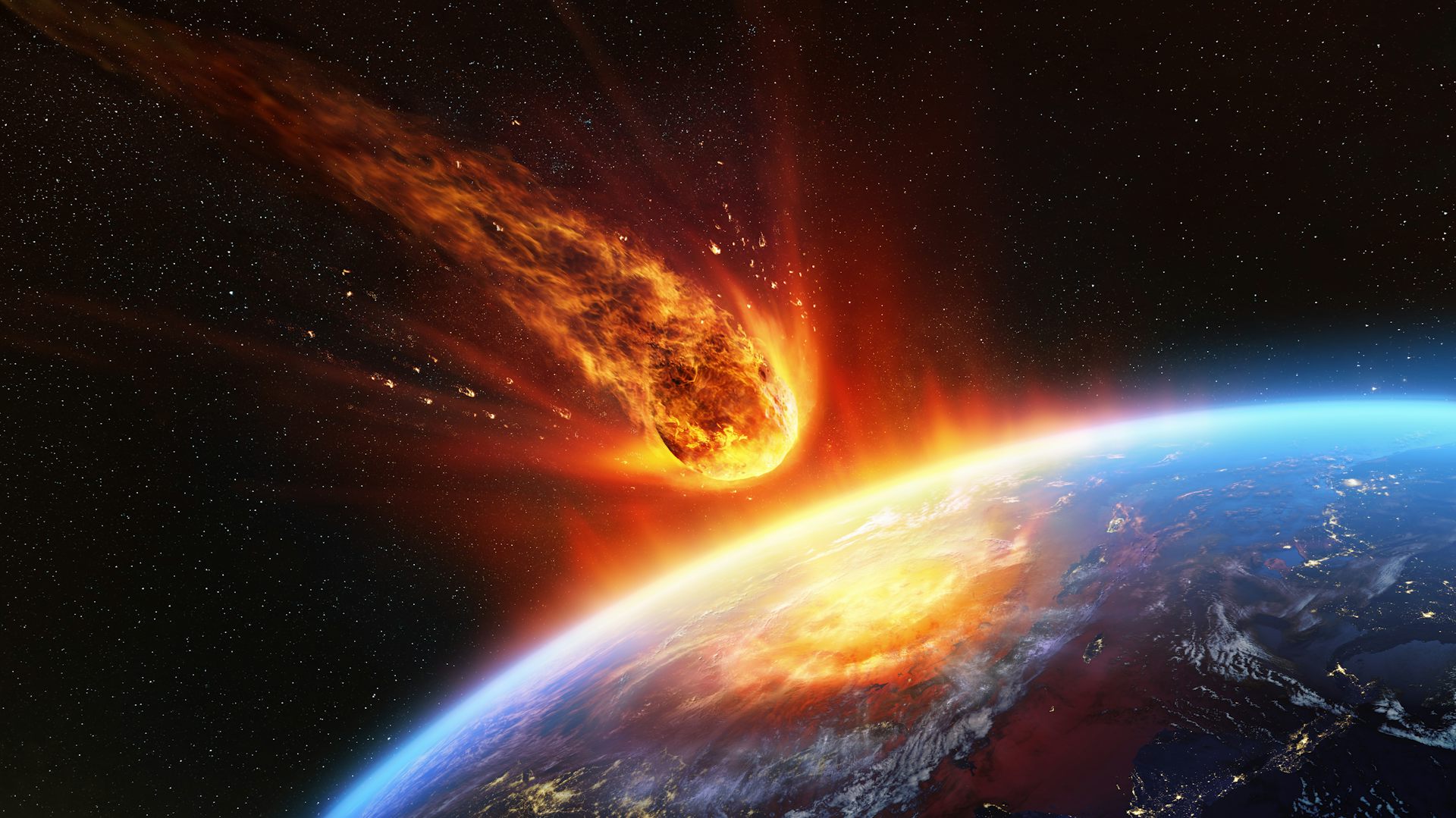
تؤكد دراسة جديدة أن أقدم فوهة على الأرض يبلغ عمرها أكثر من 3 مليارات سنة.
Earth’s oldest crater really is over 3 billion years old, new study confirms
The oldest known impact structure on Earth has been confirmed in outback Australia.
تم تأكيد أقدم هيكل اصطدام معروف على الأرض في المناطق النائية بأستراليا.
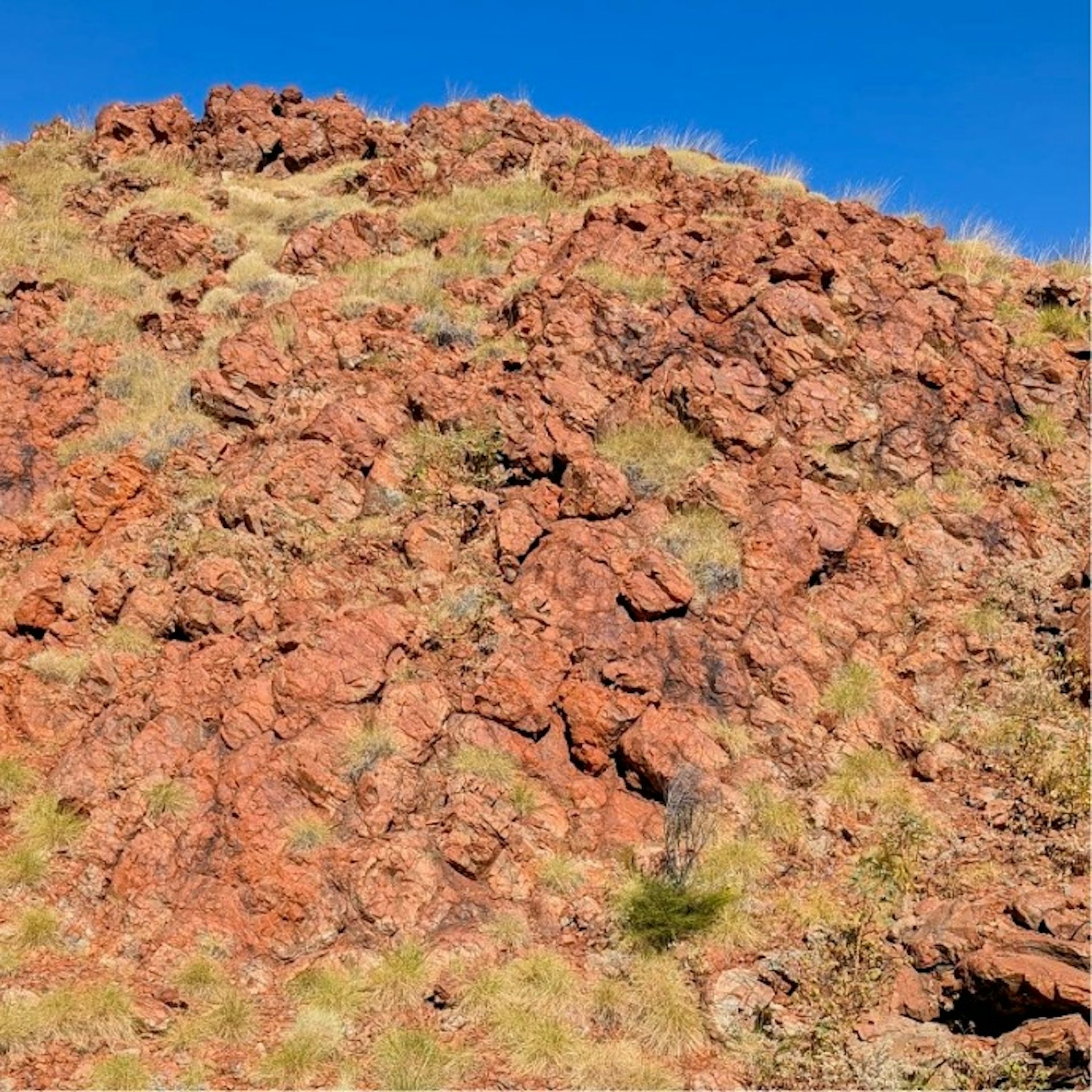
In the Pilbara of Western Australia, some of Earth’s oldest rocks lie beneath the sky, as they have for billions of years. They are dark, weathered volcanic rocks, close to 3.5 billion years old, cut by veins and stewed by deep time.
في منطقة بيلبارا في أستراليا الغربية، تقع بعض أقدم صخور الأرض تحت السماء، كما بقيت على مدى مليارات السنين. إنها صخور بركانية داكنة ومتآكلة، يبلغ عمرها ما يقرب من 3.5 مليار سنة، وقد شقّتها العروق وعلّجها عمق الزمن.
Their survival is remarkable. Most rocks this old have moved back into Earth’s interior. These ones, still on the surface, have changed, but not enough to erase their first story.
إن بقاء هذه الصخور أمر لافت للنظر. فقد انتقلت معظم الصخور بهذا القدم إلى باطن الأرض. أما هذه الصخور، التي لا تزال على السطح، فقد تغيرت، ولكن ليس بما يكفي لمحو قصتها الأولى.
In places, they still preserve the rounded forms of pillow basalts – lava that erupted underwater and cooled on an ancient sea floor.
ففي بعض الأماكن، لا تزال تحتفظ بالأشكال المستديرة من البازلت الوسادي – وهو حمم بركانية ثارت تحت الماء وبردت في قاع بحر قديم.
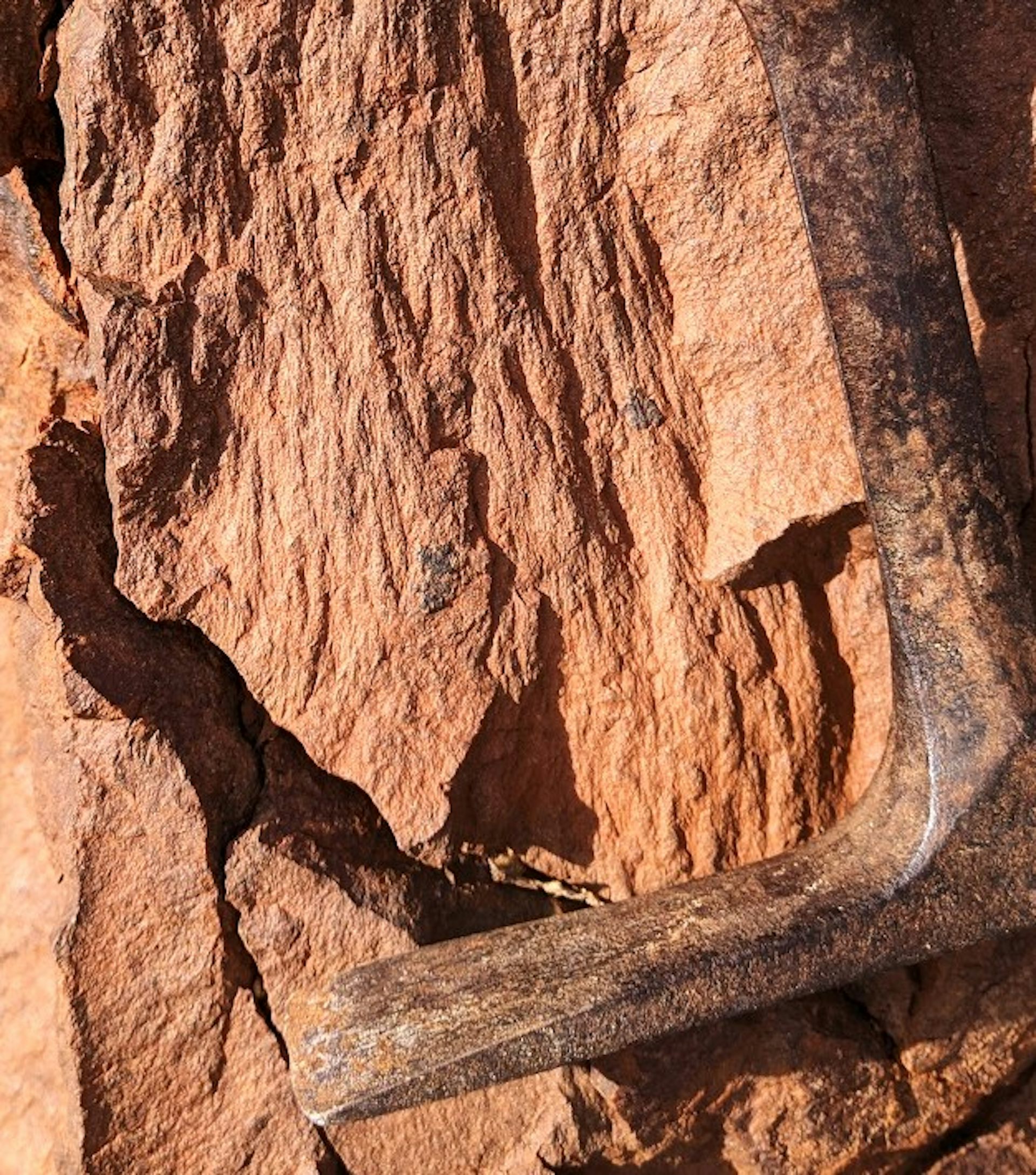
The same rock record also holds some of the earliest widely accepted evidence for life on Earth. But looking closely on some surfaces you find fine lines that fan through the rock.
ويحمل سجل الصخور نفسه أيضاً بعضاً من أقدم الأدلة المقبولة على الحياة على الأرض. ولكن بالنظر عن كثب إلى بعض الأسطح تجد خطوطاً دقيقة تتفرع عبر الصخر.
These are shatter cones – the frozen signature of a meteorite shock wave, and the clearest sign that something from space once struck Earth.
هذه هي المخاريط المتفتتة (shatter cones) – وهي البصمة المجمدة لموجة صدمة نيزكية، وأوضح دليل على أن شيئاً ما من الفضاء قد ضرب الأرض ذات مرة.
When our team first reported these rocks in 2025, we suggested they were part of an ancient impact crater at the ironically named North Pole Dome. But one question remained difficult: exactly how old was the impact?
عندما أبلغ فريقنا عن هذه الصخور لأول مرة في عام 2025، اقترحنا أنها جزء من فوهة اصطدام قديمة تحمل اسم القطب الشمالي (North Pole Dome) الذي يحمل اسماً ساخراً. لكن سؤالاً واحداً ظل صعباً: ما هو العمر الدقيق لهذا الاصطدام؟
In our new study, published in Geology, we used tiny mineral clocks inside the damaged rocks to show the impact most likely happened 3.024 billion years ago.
في دراستنا الجديدة، المنشورة في مجلة جيولوجيا (Geology) ، استخدمنا ساعات معدنية دقيقة داخل الصخور المتضررة لإظهار أن الاصطدام حدث على الأرجح قبل 3.024 مليار سنة.
That makes North Pole Dome the oldest known impact structure on Earth, and the only recognised impact crater from the Archean, the period between 4 and 2.5 billion years ago.
هذا يجعل فوهة القطب الشمالي أقدم بنية اصطدام معروفة على الأرض، وأول فوهة اصطدام معترف بها من حقبة الآركي (Archean) ، وهي الفترة ما بين 4 و 2.5 مليار سنة مضت.
The gift of deep time
هبة الزمن العميق
This is a story about a scar on the early Earth. It is also about one of geology’s greatest gifts to society: the concept of deep time.
هذه قصة عن ندبة على الأرض المبكرة. وهي أيضاً عن إحدى أعظم هبات علم الجيولوجيا للمجتمع: مفهوم الزمن العميق.
Humans have been around for some 300,000 years. But Earth is about 4.5 billion years old. Most of our planet’s story happened on timescales so vast, they’re difficult to imagine.
لقد عاش البشر منذ حوالي 300 ألف سنة. لكن عمر الأرض يبلغ حوالي 4.5 مليار سنة. حدث معظم تاريخ كوكبنا على مقاييس زمنية شاسعة، يصعب تخيلها.
Rocks are the pages of that story. Some begin as lava flows, others as mud on a sea floor. Over time, Earth’s movements bury, harden, fold, heat and sometimes lift the rocks back to the surface. A geologist’s job is to work out the order of these pages and, where possible, put dates on them.
الصخور هي صفحات تلك القصة. يبدأ بعضها كتكوينات من تدفقات الحمم البركانية، والبعض الآخر كطين في قاع البحر. بمرور الوقت، تقوم حركات الأرض بدفن الصخور وتصلبها وطيّها وتسخينها وأحياناً رفعها مرة أخرى إلى السطح. وظيفة الجيولوجي هي تحديد ترتيب هذه الصفحات، وحيثما أمكن، وضع تواريخ عليها.
One way to do this is stratigraphy, the study of rock layers. If two lava flows lie on top of one another, the lower one is usually older. If a vein cuts through a rock, the vein must be younger than the rock.
إحدى الطرق للقيام بذلك هي علم الطبقات (Stratigraphy) ، وهو دراسة طبقات الصخور. إذا تداخل تدفقان للحمم البركانية فوق بعضهما البعض، فمن المرجح أن يكون التكوين السفلي هو الأقدم. وإذا شق عرق صخرة ما، فيجب أن يكون العرق أحدث من الصخرة نفسها.
But ancient rocks are rarely tidy. Over billions of years, layers can tilt, fold and erode. Geologists therefore use correlation. We match rocks from one place to another using their position, appearance, chemistry, magnetic signals or nearby layers with a precise date.
لكن الصخور القديمة نادراً ما تكون مرتبة بشكل مثالي. على مدى مليارات السنين، يمكن للطبقات أن تميل وتتطوى وتتآكل. لذلك يستخدم الجيولوجيون الارتباط (Correlation) . نقوم بمطابقة صخور من مكان إلى آخر باستخدام موقعها أو مظهرها أو كيمياءها أو إشاراتها المغناطيسية أو الطبقات المجاورة لها مع تاريخ دقيق.
Correlation is powerful, but it’s a bit like working out where a loose page belongs in a damaged book. You may know whether it comes near the start, middle or end, but the page number itself is missing. That was the challenge at North Pole Dome; the signs of a meteorite impact were clear. But when did it happen?
الارتباط قوي، ولكنه يشبه إلى حد ما محاولة معرفة أين تنتمي صفحة مفكوكة في كتاب تالف. قد تعرف ما إذا كانت قريبة من البداية أو المنتصف أو النهاية، لكن رقم الصفحة نفسه مفقود. كان هذا هو التحدي في “قبة القطب الشمالي”؛ وكانت علامات اصطدام نيزك واضحة. ولكن متى حدث ذلك؟
Piecing the story together
تجميع أجزاء القصة
Early estimates suggested an extremely ancient impact, based on where the shocked rocks sat in the local rock layers. A later Harvard-led study challenged this, arguing that the impact could have happened much later, anywhere between 2.7 and 0.4 billion years ago, a span equal to roughly half of Earth’s history.
أشارت التقديرات المبكرة إلى اصطدام قديم للغاية، بناءً على موقع الصخور المصابة في الطبقات الصخرية المحلية. تحدى بحث لاحق بقيادة جامعة هارفارد هذا الرأي، مجادلاً بأن الاصطدام ربما حدث في وقت متأخر بكثير، في أي مكان ما بين 2.7 و 0.4 مليار سنة مضت، وهي فترة تعادل تقريباً نصف تاريخ الأرض.
Both interpretations depended on matching ancient rocks across a complicated landscape. In the Pilbara, that is difficult work. Linking one fine-grained black rock to another across the outback can be surprisingly hard.
اعتمد كلا التفسيرين على مطابقة الصخور القديمة عبر مشهد طبيعي معقد. وفي منطقة بيلبارا (Pilbara) ، يعد ذلك عملاً صعباً. فربط صخر أسود دقيق الحبيبات بصخر آخر عبر المناطق النائية يمكن أن يكون أمراً بالغ الصعوبة بشكل مفاجئ.
So instead, we looked inside the rocks. Tiny crystals inside shocked rocks can act as clocks, recording when they formed or changed. In other words, mineral dating can sometimes recover the missing page number.
لذلك، نظرنا بدلاً من ذلك إلى داخل الصخور. يمكن للبلورات الصغيرة الموجودة داخل الصخور المصابة أن تعمل كساعات، تسجل متى تشكلت أو تغيرت. بعبارة أخرى، يمكن لتأريخ المعادن أحياناً استعادة رقم الصفحة المفقود.
Tiny crystal clocks
ساعات بلورية صغيرة
The key mineral was zircon. Zircon is tiny, tough and unusually good at keeping time. It contains uranium, which slowly decays into lead. By measuring uranium and lead in a zircon crystal, we can estimate when that crystal formed, or when something strongly altered it.
كان المعدن الرئيسي هو الزركون. الزركون صغير وقوي وممتاز بشكل غير عادي في حفظ الوقت. يحتوي على اليورانيوم، الذي يتحلل ببطء إلى الرصاص. من خلال قياس اليورانيوم والرصاص في بلورة زركون، يمكننا تقدير متى تشكلت تلك البلورة، أو متى تغير شيء ما فيها بشدة.
In one shatter cone, we found several types of zircon. Some preserved ages older than 3.4 billion years. These likely reflect the ancient rocks that were hit.
في مخروط تحطم واحد، وجدنا عدة أنواع من الزركون. حافظ بعضها على أعمار أقدم من 3.4 مليار سنة. ومن المحتمل أن تعكس هذه الصخور القديمة التي تعرضت للضربة.
But another group looked very different. These zircons had skeletal shapes, like tiny frozen lightning bolts. These can form when crystals grow or recrystallise very quickly under unusual conditions. Similar zircon textures have been found in impact rocks from the Moon. The best-preserved of these skeletal zircons gave an age of 3 billion years.
لكن مجموعة أخرى بدت مختلفة جداً. كان لهذه الزيركونات أشكال هيكلية، مثل صواعق البرق الصغيرة المتجمدة. يمكن أن تتشكل هذه عندما تنمو البلورات أو يعاد تبلورها بسرعة كبيرة في ظل ظروف غير عادية. وقد وُجدت تراكيب زركون مماثلة في صخور الاصطدام من القمر. وأعطى أفضل ما تم الحفاظ عليه من الزيركونات الهيكلية عمراً قدره 3 مليارات سنة.
On its own, that still wasn’t enough. Skeletal zircon can form in more than one way, so we needed another clock. We found it in apatite, a phosphate mineral that also contains tiny amounts of uranium.
بمفرده، لم يكن ذلك كافياً بعد. يمكن أن يتشكل الزركون الهيكلي بأكثر من طريقة واحدة، لذلك احتجنا إلى ساعة أخرى. وجدناها في الأباتيت، وهو معدن فوسفاتي يحتوي أيضاً على كميات صغيرة من اليورانيوم.
Apatite can grow when hot fluids move through broken rock – exactly the kind of system an impact creates, as heat and fractures drive water through a crater. The apatite gave the same age as the modified zircons.
يمكن أن ينمو الأباتيت عندما تتحرك سوائل ساخنة عبر الصخور المتكسرة- وهو بالضبط نوع النظام الذي يخلقه الاصطدام، حيث تدفع الحرارة والتشققات الماء عبر الفوهة. وأعطى الأباتيت نفس العمر للزركونات المعدلة.
Two clocks, in different minerals and different rocks, pointed to the same event about 3.02 billion years ago.
أشارت ساعتان، في معدنين مختلفين وصخرتين مختلفتين، إلى نفس الحدث قبل حوالي 3.02 مليار سنة.
A rare moment from Earth’s violent youth
لحظة نادرة من شباب الأرض العنيف
Other minerals told us what happened later. Muscovite, a shiny silver mineral in a vein that cut across the shatter cone, gave an age of about 1.66 billion years. The vein’s shape told us it must have formed long after the impact, when the rocks were disturbed again by some natural process.
أخبرتنا المعادن الأخرى بما حدث لاحقاً. فالموسكوفيت، وهو معدن فضي لامع في عرق قطع مخروط التفتت، أعطى عمراً يبلغ حوالي 1.66 مليار سنة. وأخبرنا شكل العرق أنه يجب أن يكون قد تشكل بعد فترة طويلة من الاصطدام، عندما اضطربت الصخور مرة أخرى بواسطة عملية طبيعية ما.
But those events don’t date the impact – they are later chapters in the same damaged book.
لكن تلك الأحداث لا تحدد تاريخ الاصطدام – إنها فصول لاحقة في الكتاب التالف نفسه.
The story of dating this crater shows Earth’s oldest history is not gone. It’s just hard to read. Unlike the Moon, Earth constantly destroys its ancient surface through erosion, burial, heating and plate tectonics.
إن قصة تأريخ هذه الفوهة تظهر أن أقدم تاريخ للأرض لم يختفِ. إنه فقط صعب القراءة. على عكس القمر، تدمر الأرض باستمرار سطحها القديم من خلال التعرية والردم والتسخين وتكتونية الصفائح.
Most craters from the early Earth have vanished. At North Pole Dome, one survived. Its rocks preserve the trace of a space impact from 3.024 billion years ago – a rare page from the violent youth of our planet, with the date still written in the stone.
لقد اختفت معظم الفوهات التي تعود إلى الأرض المبكرة. وفي قبة القطب الشمالي، نجا واحدة منها. وتحافظ صخورها على أثر اصطدام فضائي يعود إلى 3.024 مليار سنة مضت – وهي صفحة نادرة من الشباب العنيف لكوكبنا، وما زال التاريخ مكتوباً في الحجر.
Chris Kirkland does not work for, consult, own shares in or receive funding from any company or organisation that would benefit from this article, and has disclosed no relevant affiliations beyond their academic appointment.
كريس كيركلاند لا يعمل لدى أو يستشير أو يمتلك حصصاً في أو يتلقى تمويلاً من أي شركة أو منظمة يمكن أن تستفيد من هذه المقالة، ولم يفصح عن أي انتماءات ذات صلة تتجاوز تعيينه الأكاديمي.
Read more
-

أصبحت حرب أوكرانيا الآن أطول من الحرب العالمية الأولى – لكن التشابهات مقلقة
Ukraine war now longer than the first world war – but the similarities are unsettling
-

ما هي “الاستقلالية الاستراتيجية” – ولماذا يتجه الجميع إليها فجأة؟
What is ‘strategic autonomy’ – and why is everyone suddenly reaching for it?