ما هي “الاستقلالية الاستراتيجية” – ولماذا يتجه الجميع إليها فجأة؟
What is ‘strategic autonomy’ – and why is everyone suddenly reaching for it?
The leaders of Canada, France, India and Turkey are among those looking to leverage their ability to say ‘no’ to Washington.
من بين القادة في كندا وفرنسا والهند وتركيا أولئك الذين يتطلعون إلى تعزيز قدرتهم على قول “لا” لواشنطن.
Strategic autonomy is having a moment.
يشهد الاستقلال الاستراتيجي اهتماماً متزايداً.
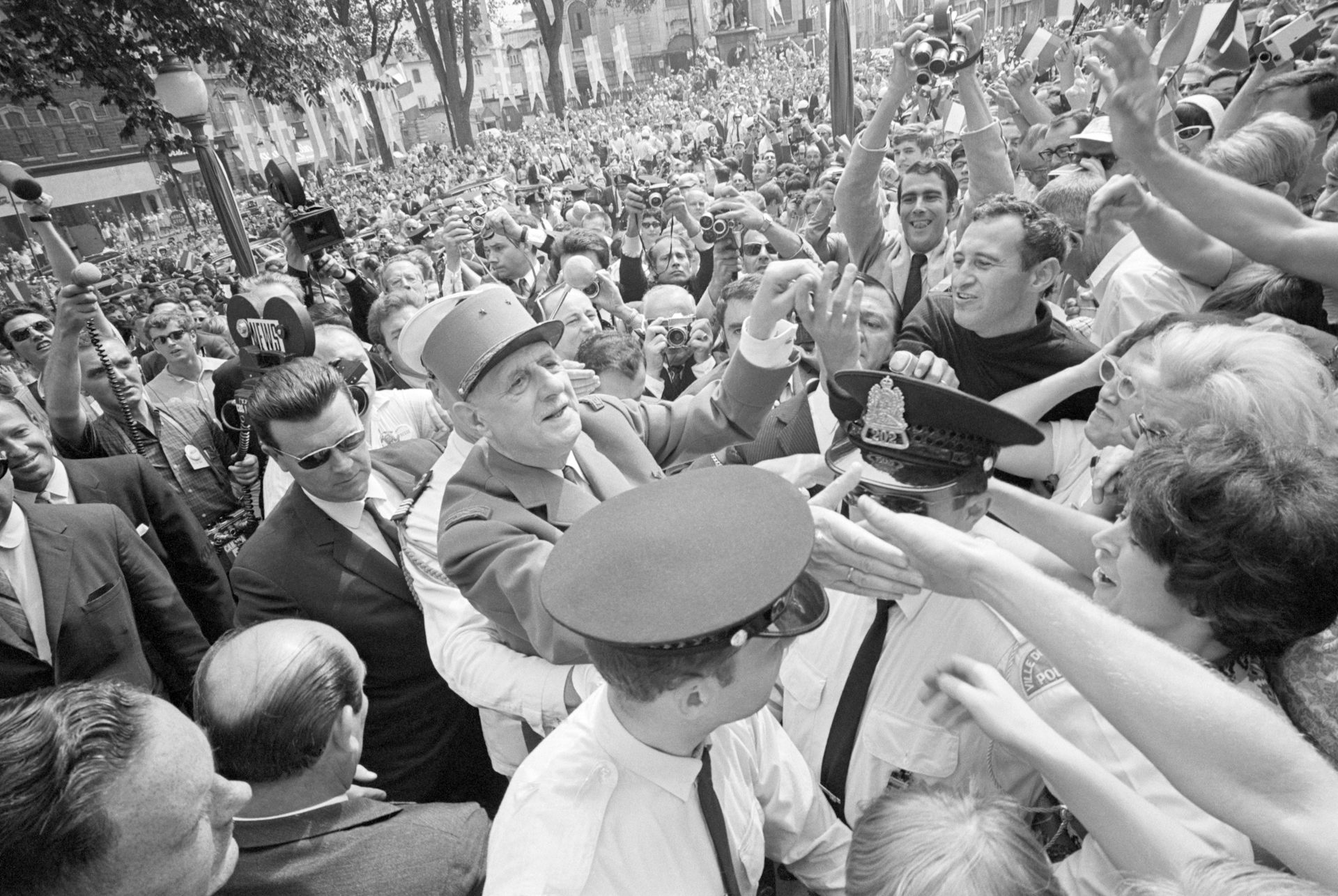
European leaders are invoking it to justify a historic defense buildup; India’s foreign ministry has made it the organizing principle of a policy that buys Russian oil while courting American investment; and Canada is treating it as a “core objective.”
يستدعي القادة الأوروبيون هذا المفهوم لتبرير بناء دفاعي تاريخي؛ وجعلت وزارة خارجية الهند منه المبدأ المنظم لسياسة تشتري النفط الروسي بينما تستقطب الاستثمار الأمريكي؛ وتعامله كندا معه باعتباره “هدفاً أساسياً.”
The phrase is everywhere in international relations circles, but the explanation is almost nowhere. So what does strategic autonomy actually mean? And why are analysts reaching for it now?
هذه العبارة في كل مكان في دوائر العلاقات الدولية، لكن التفسير يكاد يكون معدوماً. فماذا يعني الاستقلال الاستراتيجي بالفعل؟ ولماذا يلجأ إليه المحللون الآن؟
Leverage more than self-sufficiency
الاستفادة من أكثر من مجرد الاكتفاء الذاتي
The first thing to note is that autonomy does not imply withdrawal from the international order or a severing or reduction of ties with Washington.
أول ما يجب ملاحظته هو أن الاستقلال لا يعني الانسحاب من النظام الدولي أو قطع أو تقليص العلاقات مع واشنطن.
Take the European Union, for instance. As one of the few organizations that has made explicit its aspirations for strategic autonomy, the EU is boosting its collective-defense spending to hedge against an America whose long-term commitments can no longer be relied upon.
خذ الاتحاد الأوروبي، على سبيل المثال. باعتباره إحدى المنظمات القليلة التي أوضحت طموحاتها نحو الاستقلال الاستراتيجي، يقوم الاتحاد الأوروبي بتعزيز إنفاقه على الدفاع الجماعي للتحوط ضد أمريكا التي لم يعد من الممكن الاعتماد على التزاماتها طويلة الأجل.
India still participates in the Quad strategic alliance alongside the U.S., Australia and Japan, but it conducts an independent foreign policy when its interests don’t align with Washington’s. Canada is diversifying its partnerships but not decoupling.
لا تزال الهند تشارك في التحالف الاستراتيجي “كواد” إلى جانب الولايات المتحدة وأستراليا واليابان، لكنها تتبع سياسة خارجية مستقلة عندما لا تتوافق مصالحها مع مصالح واشنطن. وتعمل كندا على تنويع شراكاتها ولكنها لا تنفصل.
You can argue with the particulars of each case. But from Germany to India to Canada, the basic instinct driving these countries’ foreign policies is the same: seeking to increase their maneuvering room while remaining broadly aligned with the United States.
يمكن للمرء أن يجادل بتفاصيل كل حالة. ولكن من ألمانيا إلى الهند إلى كندا، فإن الغريزة الأساسية التي تحرك السياسات الخارجية لهذه الدول هي نفسها: السعي لزيادة هامش مناورتها مع البقاء متوافقة بشكل عام مع الولايات المتحدة.
All remain embedded in the existing U.S.-led global security and economic orders. Only now they are renegotiating the terms of their participation in those orders.
لا تزال جميعها مغروسة في الأنظمة الأمنية والاقتصادية العالمية الحالية التي تقودها الولايات المتحدة. لكنها الآن تعيد التفاوض على شروط مشاركتها في تلك الأنظمة.
Taken as such, strategic autonomy is best seen as leverage and flexibility rather than self-sufficiency. More specifically, it is the credible ability to say “no” to great-power patrons, such as the U.S.
وبناءً على ذلك، يُنظر إلى الاستقلال الاستراتيجي على أنه رافعة ومرونة أكثر من كونه اكتفاءً ذاتياً. وبشكل أكثر تحديداً، إنها القدرة الموثوقة على قول “لا” لرعاة القوى العظمى، مثل الولايات المتحدة.
A strategically autonomous nation can take diplomatic positions that the superpowers of the day dislike. It can field military force without depending entirely on another country’s hardware or authorization. And it can maintain enough control over critical supply chains to blunt coercion from rivals.
يمكن للدولة ذات الاستقلال الاستراتيجي أن تتخذ مواقف دبلوماسية لا تحبها القوى العظمى في يومنا هذا. ويمكنها نشر القوة العسكرية دون الاعتماد بالكامل على عتاد أو تفويض دولة أخرى. ويمكنها الحفاظ على سيطرة كافية على سلاسل الإمداد الحيوية لتقليل الإكراه من المنافسين.
Charles de Gaulle’s ghost
شبح شارل ديغول
The phrase itself is newer than many people realize, even if the underlying logic is not.
العبارة نفسها أحدث مما يدركه الكثيرون، حتى لو لم يكن المنطق الكامن وراءها كذلك.
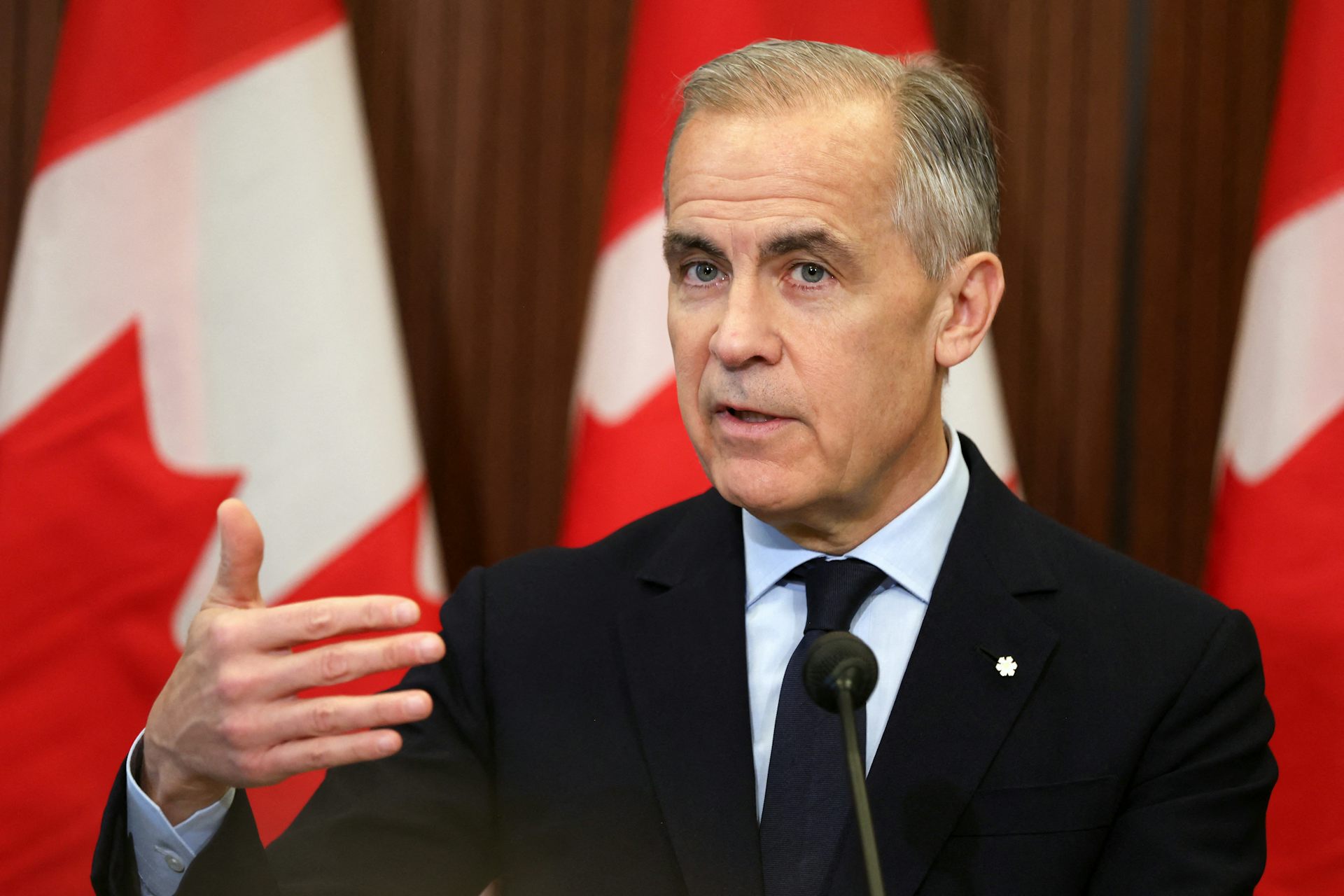
France’s postwar leader, Charles de Gaulle, spent much of the 1960s institutionalizing what later became known as strategic autonomy. In 1966 he withdrew France from NATO’s integrated military command, while keeping the country within the alliance itself. What de Gaulle objected to was de facto American authorization on matters of French security.
قضى شارل ديغول، زعيم فرنسا في فترة ما بعد الحرب، جزءاً كبيراً من الستينيات في مأسسة ما عُرف لاحقاً بالاستقلال الاستراتيجي. ففي عام 1966، سحب فرنسا من القيادة العسكرية المتكاملة لحلف الناتو، مع إبقاء البلاد ضمن التحالف نفسه. وما اعترض عليه ديغول هو التفويض الأمريكي بحكم الأمر الواقع في شؤون الأمن الفرنسي.
His reasoning was straightforward: A state dependent on another power for its security is not fully sovereign.
كان منطقه بسيطاً: إن الدولة التي تعتمد على قوة أخرى لأمنها ليست ذات سيادة كاملة.
While de Gaulle never used the phrase “strategic autonomy,” it became embedded in official French doctrine in the nation’s 1994 White Paper on Defense.
وعلى الرغم من أن ديغول لم يستخدم عبارة “الاستقلال الاستراتيجي” قط، إلا أنها تغلغلت في العقيدة الفرنسية الرسمية في “الورقة البيضاء للدفاع” الصادرة عن البلاد عام 1994.
By 1998, the concept had migrated to wider European politics through the Saint-Malo Declaration between then-U.K. and French leaders Tony Blair and Jacques Chirac. They argued that Europe required “the capacity for autonomous action, backed up by credible military forces.” The European Union formalized the policy in its 2016 Global Strategy.
وبحلول عام 1998، انتقل المفهوم إلى السياسة الأوروبية الأوسع من خلال “إعلان سان مالو” بين زعيمي المملكة المتحدة وفرنسا آنذاك، توني بلير وجاك شيراك. وجادلا بأن أوروبا تتطلب “القدرة على العمل المستقل، مدعومة بقوات عسكرية موثوقة”. وقامت المفوضية الأوروبية بإضفاء الطابع الرسمي على هذه السياسة في “استراتيجيتها العالمية” لعام 2016.
While de Gaulle was pursuing his policies, a parallel tradition through the Non-Aligned Movement saw India, Indonesia, Yugoslavia and many others chart a Cold War course between the U.S. and the Soviet Union.
بينما كان ديغول يتابع سياساته، شهد تقليد موازٍ عبر حركة عدم الانحياز أن الهند وإندونيسيا ويوغوسلافيا والعديد من الدول الأخرى رسمت مساراً يتماشى مع الحرب الباردة بين الولايات المتحدة والاتحاد السوفيتي.
Same logic, different crises
نفس المنطق، أزمات مختلفة
The resurgence of interest in strategic autonomy has a common source: A U.S.-led order that for an increasing number of nations has started to feel less like a public good and more like a burden.
تجدد الاهتمام بالسيادة الاستراتيجية له مصدر مشترك: وهو النظام الذي تقوده الولايات المتحدة، والذي بدأ بالنسبة لعدد متزايد من الدول يبدو أقل كمنفعة عامة وأكثر كعبء.
While some leaders have been ahead of the curve – France’s Emmanuel Macron argued for European strategic autonomy years before his European peers – it is President Donald Trump’s second term that has changed the political arithmetic.
على الرغم من أن بعض القادة كانوا رواداً – مثل إيمانويل ماكرون الفرنسي الذي دعا إلى الاستقلال الاستراتيجي الأوروبي قبل سنوات من نظرائه الأوروبيين – فإن فترة ولاية الرئيس دونالد ترامب الثانية هي التي غيرت الحسابات السياسية.
Governments that once assumed that American security guarantees were unconditional have discovered otherwise. European leaders are no longer asking whether independent military capacity is necessary; they are asking how quickly they can build it.
الحكومات التي افترضت في السابق أن الضمانات الأمنية الأمريكية غير مشروطة، اكتشفت خلاف ذلك. لم يعد القادة الأوروبيون يسألون عما إذا كانت القدرة العسكرية المستقلة ضرورية؛ بل يسألون عن مدى سرعة بناءها.
India’s version of strategic autonomy is, perhaps, the most developed and instructive.
إن نموذج الهند للاستقلال الاستراتيجي هو، على الأرجح، الأكثر تطوراً والأكثر إرشاداً.
The government of Narendra Modi buys Russian oil despite Western sanctions. It abstains on United Nations votes over Ukraine while deepening defense cooperation with Washington. And it engages multilateral forums that include Beijing while strengthening ties with the Quad.
تشتري حكومة ناريندرا مودي النفط الروسي على الرغم من العقوبات الغربية. كما تمتنع عن التصويت في أصوات الأمم المتحدة بشأن أوكرانيا، بينما تعمّق التعاون الدفاعي مع واشنطن. وتشارك في المنتديات متعددة الأطراف التي تشمل بكين، بينما تعزز علاقاتها مع “الرباعي.”
Viewed through the lens of traditional alliance politics, the behavior appears incoherent. But seen through the lens of strategic autonomy, it becomes more intelligible. India is maximizing leverage across competing relationships while refusing permanent dependence on any of them.
يُنظر إلى هذا السلوك من منظور سياسات التحالف التقليدية، فيبدو غير متماسك. ولكن عند النظر إليه من منظور الاستقلال الاستراتيجي، يصبح أكثر وضوحاً. الهند تزيد من نفوذها عبر العلاقات المتنافسة بينما ترفض الاعتماد الدائم على أي منها.
Canada is seemingly arriving at a similar place, albeit through a different route.
يبدو أن كندا تقترب من مكان مماثل، وإن كان ذلك عبر مسار مختلف.
Trump’s rhetoric over Canada becoming the U.S.’s 51st state exposes how much dependence Ottawa had accumulated with regards to Washington. In response, Canadian policymakers are now pursing trade diversification, renewed defense investment and broader partnerships.
يكشف خطاب ترامب حول تحول كندا إلى الولاية الحادية والخمسين للولايات المتحدة عن حجم الاعتماد الذي تراكم على أوتاوا فيما يتعلق بواشنطن. واستجابةً لذلك، يسعى صانعو السياسات الكنديون الآن إلى تنويع التجارة، واستثمار دفاعي متجدد، وشراكات أوسع.
Turkey and Saudi Arabia illustrate a harder version of the same logic. Ankara remains inside NATO while operating Russian air defense systems. Riyadh is building a domestic defense capacity while cultivating alternative weapons suppliers to Washington.
تُوضِّحُ تركيا والمملكة العربية السعودية نسخة أكثر تعقيداً من المنطق نفسه. تبقى أنقرة داخل الناتو بينما تُشغِّل أنظمة الدفاع الجوي الروسية. أما الرياض، فتبني قدرة دفاعية محلية بينما تُعزز موردين بديلين للأسلحة عن واشنطن.
These are hedging strategies adapted to today’s more fragmented international order, while the older divide separated aligned states from nonaligned states.
إنها استراتيجيات تحوط متكيفة مع النظام الدولي الأكثر تفتتاً في يومنا هذا، في حين أن التقسيم الأقدم كان يفصل بين الدول المتحالفة والدول غير المتحالفة.
A different divide is now emerging. Some governments accept deep patron dependence, whereas others are determined to preserve flexibility even inside formal alliances and partnerships.
انقسام مختلف يبرز الآن. فبينما تقبل بعض الحكومات التبعية العميقة للرعاية، تسعى حكومات أخرى إلى الحفاظ على المرونة حتى داخل التحالفات والشراكات الرسمية.
And that distinction – between those striving for strategic autonomy and those who are not – is increasingly shaping world politics.
وهذا التمايز – بين أولئك الذين يسعون إلى السيادة الاستراتيجية ومن لا يسعون إليها – يشكل بشكل متزايد السياسة العالمية.
This article is part of a series explaining foreign policy terms commonly used but rarely explained.
هذه المقالة هي جزء من سلسلة تفسر مصطلحات السياسة الخارجية التي تُستخدم بشكل شائع ولكن نادرًا ما يتم شرحها.
Andrew Latham does not work for, consult, own shares in or receive funding from any company or organization that would benefit from this article, and has disclosed no relevant affiliations beyond their academic appointment.
لا يعمل أندرو ليثام لدى، ولا يقدم استشارات لـ، ولا يمتلك أسهمًا في، ولا يتلقى تمويلاً من أي شركة أو منظمة قد تستفيد من هذه المقالة، ولم يفصح عن أي انتماءات ذات صلة تتجاوز منصبه الأكاديمي.
Read more
-
ما هو فيروس الهانتا، المرض الذي أودى بحياة 3 ركاب في سفينة سياحية؟
What is hantavirus, the disease that has killed 3 cruise ship passengers?
-

حياة الحب: ديفيد هوكني، الفنان الذي أجبر بريطانيا على إفساح المجال للألوان والبهجة والهوية المثليّة
Love life: David Hockney, the artist who forced Britain to make room for colour, joy and queerness