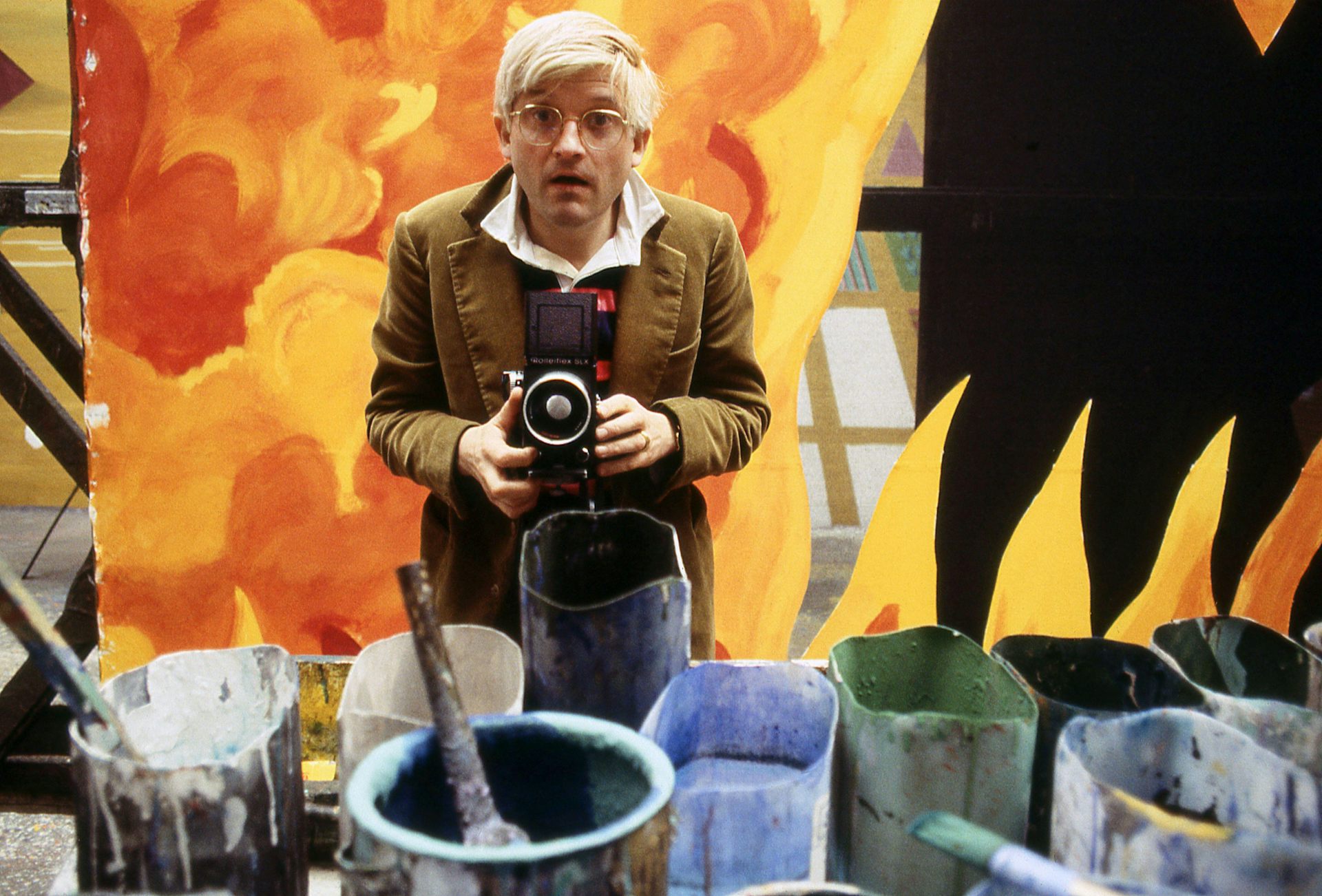
حياة الحب: ديفيد هوكني، الفنان الذي أجبر بريطانيا على إفساح المجال للألوان والبهجة والهوية المثليّة
Love life: David Hockney, the artist who forced Britain to make room for colour, joy and queerness
Hockney insisted that art is an experiment in seeing, never treating the act of looking as passive, continually adopting whatever helped him see.
أصرّ هوكني على أن الفن تجربة في الرؤية، ولا يعامل فعل النظر كشيء سلبي أبداً، بل يتبنى باستمرار كل ما يساعده على الإبصار.
Born in Bradford and shaped by northern art-school discipline, David Hockney brought a working-class, almost punk refusal to British art: do the work, trust the eye, do not ask for approval. Hockney made success look effortless: all colour, good humour, great glasses, cigarettes and smoky charm. But for a young gay artist from a northern mill town, nothing about that journey was effortless.
وُلد ديفيد هاكني في برادفورد وتشكّل تحت تأثير الانضباط الأكاديمي الفني الشمالي، فجلب إلى عالم الفن البريطاني رفضاً طبقياً من الطبقة العاملة، يكاد يكون بانك: قم بالعمل، وثق بعينك، ولا تطلب الموافقة. جعل هاكني النجاح يبدو سهلاً: كلّه لون، وروح دعابة جيدة، ونظارات رائعة، وسجائر، وسحر دخاني. ولكن بالنسبة لفنان مثلي شاب من بلدة صناعية شمالية، لم يكن أي شيء في تلك الرحلة سهلاً.
Hockney knew what it was to be judged before he was properly seen. In Britain, class prejudice travels through accent. His Bradford voice carried history, poetry and bite, but at the Royal College of Art in London it was mocked. Looking at the drawings of his fellow students who laughed, he simply outdrew them.
عرف هاكني كيف يكون الشخص محكوماً عليه قبل أن يُرى بشكل صحيح. ففي بريطانيا، ينتقل التحيز الطبقي عبر اللهجة. حمل صوت برادفورد الخاص به تاريخاً وشعراً وقساوة، ولكن في الكلية الملكية للفنون بلندن سُخر منه. عندما نظر إلى رسومات زملائه الطلاب الذين ضحكوا، قام هو ببساطة بتجاوزهم فنياً.
Bradford educated Hockney. The north was not a cultural desert waiting to be rescued by London, but a place of serious art schools, teachers, makers and visual traditions. What it lacked was not talent or discipline, but the automatic authority granted to those formed by privilege.
لقد علّمت برادفورد هاكني. لم يكن الشمال صحراء ثقافية تنتظر أن يتم إنقاذها من لندن، بل كان مكاناً لمدارس فنية جادة ومعلمين وصناع وتقاليد بصرية. ما افتقر إليه لم يكن الموهبة أو الانضباط، بل السلطة التلقائية الممنوحة لأولئك الذين تشكّلوا بالامتياز.
Hockney refused the lot assigned to him. He opened gates for those who followed, showing that art college, success and cultural authority were not reserved for those born inside old networks of taste and confidence. His answer to class prejudice, regional snobbery, homophobia and aesthetic gatekeeping was not to become deferential. He clocked into a lifelong art-making shift, working harder, looking harder and making more until the cultural gatekeepers had no choice but to rearrange around him.
رفض هاكني المصير الذي وُزّع عليه. ففتح الأبواب لمن تبعوه، مُظهراً أن الكلية الفنية والنجاح والسلطة الثقافية لم تكن مقتصرة على أولئك المولودين داخل شبكات الذوق والثقة القديمة. لم يكن رده على التحيز الطبقي، والتنمر الإقليمي، ومثلية التوجه، وحراسة البوابات الجمالية هو الخضوع. بل انخرط في تحول دائم لصناعة الفن، يعمل بجهد أكبر، وينظر بعمق أكثر، ويصنع المزيد حتى لم يعد لحراس البوابة الثقافيين خيار سوى إعادة ترتيب أنفسهم حوله.
He made works of pleasure, colour, friendship and innovation. He portrayed gay life, not through struggle – but through domesticity, tenderness and desire, a brave and piercingly clever approach before the partial decriminalisation of sex between men in England and Wales in 1967.
لقد صنع أعمالاً من المتعة واللون والصداقة والابتكار. وقد صوّر الحياة المثلية، ليس عبر الكفاح – بل عبر الحياة المنزلية والرقة والرغبة، وهو نهج شجاع وذكي بشكل لافت قبل إلغاء تجريم الجنس بين الرجال في إنجلترا وويلز جزئياً عام 1967.
Like Boy George in pop, Hockney made difference visible through colour, humour and style, in a form large audiences could enjoy before they necessarily understood its politics. Against the grey weight of inherited prejudice, he offered something bright, accessible and quietly radical. By showing ordinary happiness, he helped make the prejudice against it look ridiculous, making acceptance feel overdue.
مثل بوِي جورج في موسيقى البوب، جعل هاكني الاختلاف مرئياً من خلال اللون والفكاهة والأسلوب، في شكل يمكن للجمهور الواسع الاستمتاع به قبل أن يفهم بالضرورة سياقاته السياسية. ففي مواجهة الثقل الرمادي للتحيز الموروث، قدّم شيئاً مشرقاً ومتاحاً وثورياً بهدوء. ومن خلال إظهار السعادة العادية، ساعد في جعل التحيز ضدها يبدو سخيفاً، وجعل القبول أمراً متأخراً.
Hockney’s late career also challenged ageism and disablism. Using a wheelchair in later life, he refused the assumption that older or disabled bodies mean diminished cultural agency. Like the infirm Henri Matisse making cut-outs in his last decade, Hockney made old age active, inventive and publicly consequential.
كما تحدّت مسيرة هاكني الفنية المتأخرة التمييز العمري والتمييز الإعاقي. باستخدام الكرسي المتحرك في حياته اللاحقة، رفض الافتراض بأن الأجساد الأكبر سناً أو المعاقة تعني تضاؤل الوكالة الثقافية. ومثل هنري ماتيس العاجز الذي صنع قصاصات فنية في عقده الأخير، جعل هاكني الشيخوخة نشطة ومبتكرة وذات عواقب عامة.
The art of seeing
فن الرؤية
Beyond swimming pools and California light, Hockney insisted that art is an experiment in seeing. He never treated looking as passive. He embraced Polaroid, photo-collage, iPad, projection and immersive display. He lived in the now by continually adopting whatever helped him see.
بعيداً عن حمامات السباحة وأضواء كاليفورنيا، أصر هوكني على أن الفن تجربة في الرؤية. لم يتعامل أبداً مع النظر كعملية سلبية. لقد احتضن صور بولارويد، والكولاج الفوتوغرافي، وجهاز الآيباد، والإسقاط، والعرض الغامر. عاش في اللحظة الراهنة من خلال تبني ما يساعده على الرؤية باستمرار.
His work with physicist Charles Falco on the historical use of lenses, mirrors and optical devices in painting was not a sideline, but part of a lifelong enquiry into the technologies of vision.
لم يكن عمله مع الفيزيائي تشارلز فالكو حول الاستخدام التاريخي للعدسات والمرايا والأجهزة البصرية في الرسم مجرد نشاط جانبي، بل كان جزءاً من تحقيق مدى الحياة في تقنيات البصر.
In Pearblossom Hwy (1986) , Hockney used hundreds of photographic prints to fracture space and test perception, while refusing to accept the camera as the final authority. A mountain could be made from all the photographs that have failed to capture the majesty of a bush, an oak tree, a rolling hill or a mountain itself. For Hockney, seeing was not the same as recording: the camera could seize an instant, but landscape required time, attention, weather and the bodily experience of being there.
في “طريق أزهار الخوخ” (1986) ، استخدم هوكني مئات المطبوعات الفوتوغرافية لتفتيت الفضاء واختبار الإدراك، رافضاً قبول الكاميرا كسلطة نهائية. يمكن بناء جبل من جميع الصور التي فشلت في التقاط عظمة الشجيرة أو شجرة البلوط أو التل المتدحرج أو الجبل نفسه. بالنسبة لهوكني، لم يكن الرؤية مساوياً للتسجيل: يمكن للكاميرا أن تقتنص لحظة، لكن المشهد الطبيعي يتطلب وقتاً واهتماماً والطقس والتجربة الجسدية لوجود المرء هناك.
His later work made that fight to catch time explicit. Again and again, Hockney asked how a flat image could hold colour, light and the passing seasons. This reached monumental form in A Year in Normandie (2020) , a printed iPad frieze more than 90 metres long.
جعل عمله اللاحق هذا الصراع لالتقاط الزمن واضحاً. مراراً وتكراراً، سأل هوكني كيف يمكن لعمل مسطح أن يحمل اللون والضوء والفصول العابرة. وصل هذا إلى شكل ضخم في “عام في نورماندي” (2020) ، وهو شريط فريز مطبوع على الآيباد يمتد لأكثر من 90 متراً.
Here, time is made spatial. We walk its length, moving through winter, spring, summer and autumn as if moving through life itself. The work captures time, but also lets it slip away, teaching human frailty and humility through the simplest things: a road, a tree, a field, a burst of hawthorn blossom.
هنا، يصبح الزمن مكانياً. نمشي طوله، نمر عبر الشتاء والربيع والصيف والخريف وكأننا نمر عبر الحياة نفسها. يلتقط العمل الزمن، ولكنه يسمح له أيضاً بالزوال، معلماً الهشاشة والتواضع البشري من خلال أبسط الأشياء: طريق، شجرة، حقل، أو تفتح زهرة الشوك.
Seen alongside another northern artist, LS Lowry, Hockney’s landscapes gain further force. Lowry’s industrial worlds, social, bodily, smoky and crowded, are now – in much of the UK – pictorial memory. Hockney’s roads, trees, fields and blossoms may one day carry a similar charge. They record not only place, but a fragile idea of land, season and belonging.
عندما يُرى إلى جانب فنان شمالي آخر، إل إس لوري، يكتسب مشهد هوكني الطبيعي قوة إضافية. عوالم لوري الصناعية، الاجتماعية، الجسدية، المليئة بالدخان والازدحام، هي الآن – في جزء كبير من المملكة المتحدة – ذاكرة تصويرية. قد تحمل طرقات هوكني وأشجاره وحقوله وأزهاره يوماً ما شحنة مماثلة. إنها لا تسجل المكان فحسب، بل فكرة هشة عن الأرض والموسم والانتماء.
In an environmental age, looking carefully at blossom by the roadside, at trees, seasons and shifting light, is not an escape from politics. It is a radical act and a condition of care. In a country where 44% of adults now spend three hours or less outdoors each week, Hockney’s insistence on slow looking feels less like nostalgia than a warning.
في عصر بيئي، فإن النظر بعناية إلى الأزهار على جانب الطريق، وإلى الأشجار والفصول والضوء المتغير، ليس هروباً من السياسة. إنه فعل جذري وحالة عناية. في بلد يقضي فيه 44% من البالغين الآن ثلاث ساعات أو أقل في الهواء الطلق كل أسبوع، يبدو إصرار هوكني على النظر ببطء أقل حنينًا وأكثر تحذيراً.
Hockney did not try to escape the north or his background – instead he made the north impossible to ignore. Using the digital tools of now, he asked us to look slowly at local spaces in the round. His legacy is not only that he entered the art canon. It is that he made the canon warmer: more northern, more queer, more popular, more colourful, more technologically curious and more open to joy and pleasure.
لم يحاول هوكني الهروب من الشمال أو خلفيته – بل جعل الشمال مستحيلاً التجاهل. باستخدام الأدوات الرقمية الحالية، طلب منا أن ننظر ببطء إلى المساحات المحلية في محيطنا. لا يقتصر إرثه على دخوله ضمن المرجعية الفنية فحسب. بل هو أنه جعل هذه المرجعية أكثر دفئاً: وأكثر شمالية، وأكثر ميلاً للمثلية الجنسية، وأكثر شعبية، وأكثر ألواناً، وأكثر فضولاً تكنولوجياً، وأكثر انفتاحاً على البهجة والمتعة.
Hockney made humour, friendship and pleasure into serious forms of exchange. At a time when some voices profit from division, and when environmental crisis and war press heavily on daily life, Hockney’s sign-off message, “love life”, feels more striking than ever.
جعل هوكني الفكاهة والصداقة والمتعة أشكالاً جادة للتبادل. في وقت تستفيد فيه بعض الأصوات من الانقسام، وعندما يضغط الأزمات البيئية والحرب بشدة على الحياة اليومية، تبدو رسالة وداع هوكني، “أحب الحياة”، أكثر قوة من أي وقت مضى.
Simon Mckeown receives funding from the Arts and Humanities Research Council
يتلقى سايمون ماكيون تمويلاً من مجلس البحوث في الفنون والعلوم الإنسانية
Read more
-

تصل حيازات الذهب للبنك المركزي إلى أعلى مستوى لها منذ 50 عاماً. ما الذي يقف وراء القفزة في الاحتياطيات؟
Central bank gold holdings are at a 50-year high. What’s behind the jump in reserves?
-
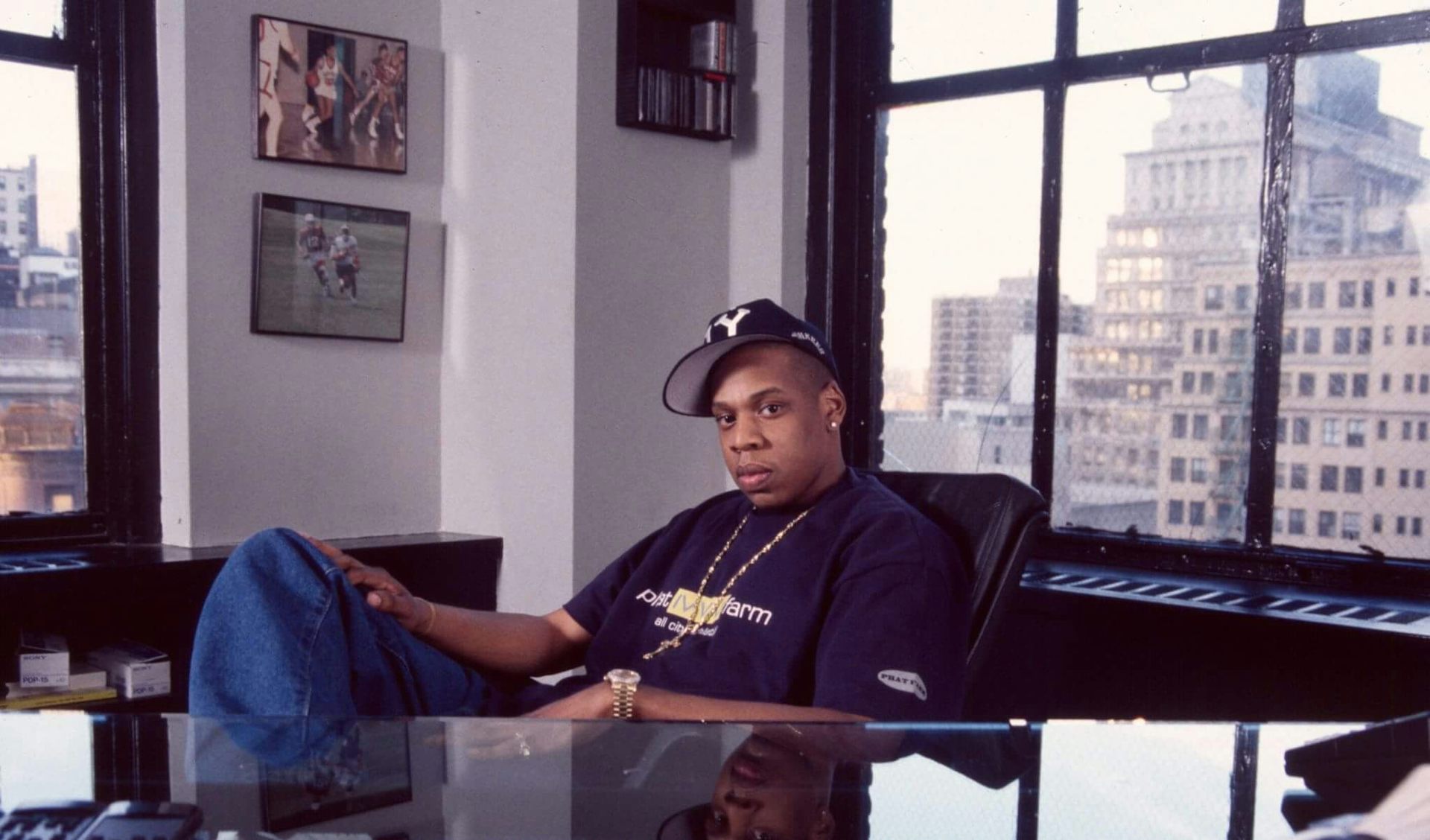
بعد ثلاثين عامًا من ألبوم “Reasonable Doubt”، تجسد مسيرة جاي زي أكبر التناقضات في موسيقى الهيب هوب.
30 years after ‘Reasonable Doubt,’ Jay-Z’s career embodies hip-hop’s biggest contradictions