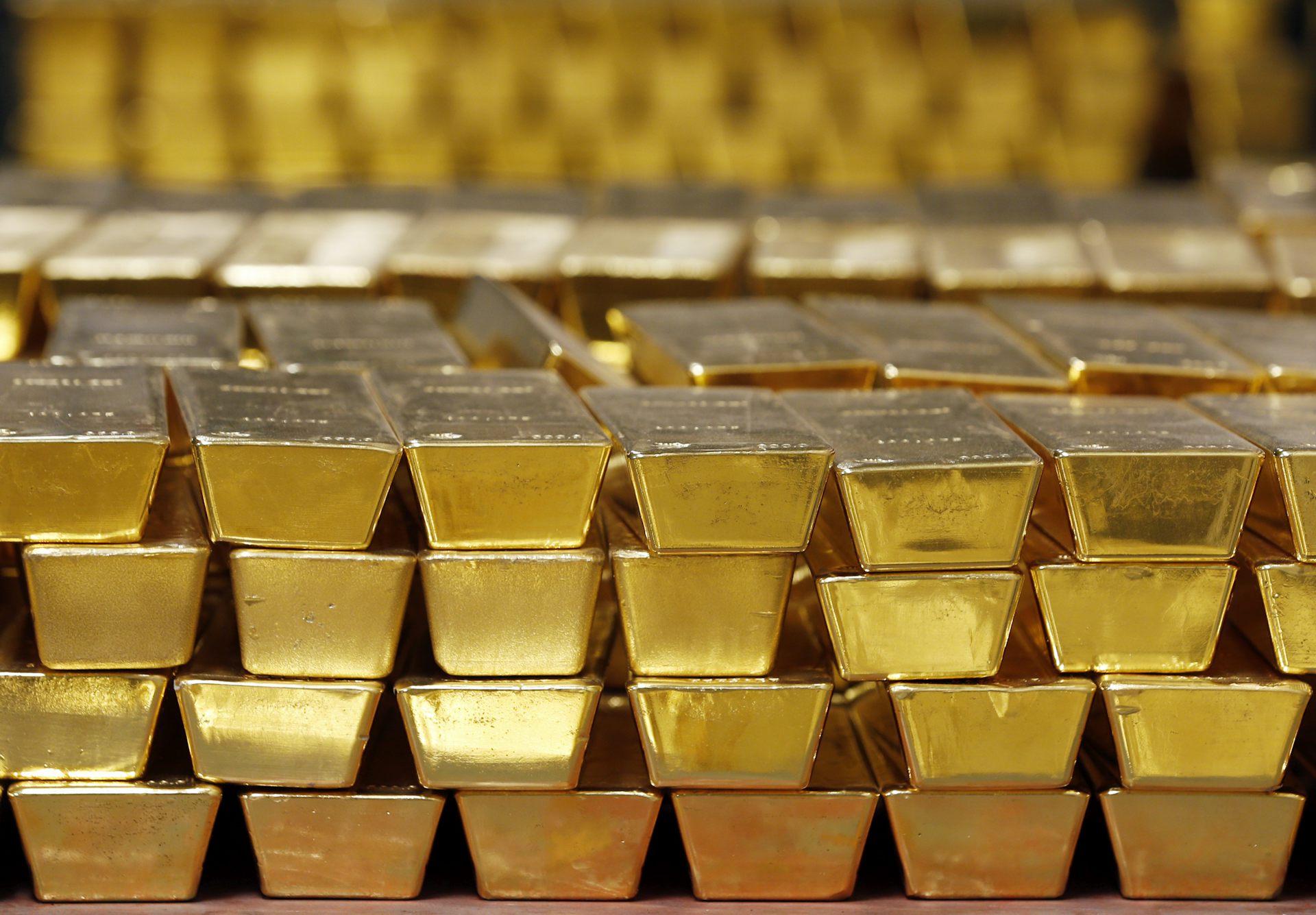
تصل حيازات الذهب للبنك المركزي إلى أعلى مستوى لها منذ 50 عاماً. ما الذي يقف وراء القفزة في الاحتياطيات؟
Central bank gold holdings are at a 50-year high. What’s behind the jump in reserves?
For some central banks, stores of gold can offer a shield against financial sanctions.
بالنسبة لبعض البنوك المركزية، يمكن أن يوفر مخزون الذهب درعاً ضد العقوبات المالية.
Over the past few years, central banks have been quietly buying up significant quantities of gold.
خلال السنوات القليلة الماضية، كانت البنوك المركزية تشتري كميات كبيرة من الذهب بصورة هادئة.
As the trend has accelerated, official agencies now hold the highest quantity of gold since 1975 – more than 36,000 tonnes of the precious metal.
ومع تسارع هذا الاتجاه، تحتفظ الآن الوكالات الرسمية بأعلى كمية من الذهب منذ عام 1975 – أي أكثر من 36,000 طن من المعدن الثمين.
Central bank buying of gold picked up after Russia’s invasion of Ukraine in 2022. The World Gold Council says central banks have bought an average of 1,000 tonnes a year over the past four years – double the average of the previous decade. It’s one factor behind the surge in the gold price last year.
تصاعد شراء البنوك المركزية للذهب بعد غزو روسيا لأوكرانيا في عام 2022. ويقول مجلس الذهب العالمي إن البنوك المركزية اشترت بمعدل 1,000 طن سنويًا على مدى السنوات الأربع الماضية – وهو ضعف متوسط العقد السابق. ويُعد هذا أحد العوامل وراء ارتفاع سعر الذهب العام الماضي.
The council also noted a record 45% of central banks surveyed expect to increase their holdings over the next year.
كما أشار المجلس إلى أن نسبة قياسية بلغت 45% من البنوك المركزية التي شملها الاستطلاع تتوقع زيادة مخزونها خلال العام المقبل.
So, what’s behind this increased desire to hold physical bullion?
إذًا، ما الذي يقف وراء هذه الرغبة المتزايدة في حيازة السبائك المادية؟
Why do central banks hold reserve assets?
لماذا تحتفظ البنوك المركزية بأصول احتياطية؟
Central banks hold a variety of assets as “reserves” or savings. They can use these assets to help intervene in financial markets to support their currency, or in times of market stress.
تحتفظ البنوك المركزية بمجموعة متنوعة من الأصول كـ “احتياطيات” أو مدخرات. يمكنها استخدام هذه الأصول للمساعدة في التدخل في الأسواق المالية لدعم عملتها، أو في أوقات الضغط على السوق.
Reserves can help absorb pressures during currency crises (such as when the Australian dollar plunged to a record low of 47.75 US cents in April 2001) or when borrowing from overseas is difficult or too expensive.
يمكن أن تساعد الاحتياطيات في امتصاص الضغوط أثناء أزمات العملة (مثلما حدث عندما انخفض الدولار الأسترالي إلى أدنى مستوى قياسي بلغ 47.75 سنتًا أمريكيًا في أبريل 2001) أو عندما يكون الاقتراض من الخارج صعباً أو مكلفاً للغاية.
These reserve assets are held in foreign currencies and typically include government debt such as US Treasuries, deposits, banknotes and precious metals such as gold.
تُحفظ أصول الاحتياطي هذه بعملات أجنبية وتشمل عادةً ديون الحكومات مثل سندات الخزانة الأمريكية، والودائع، والأوراق النقدية، والمعادن الثمينة مثل الذهب.
What’s behind the recent rise in gold holdings?
ما الذي يقف وراء الارتفاع الأخير في حيازات الذهب؟
The strong central bank demand for gold has not been broad-based. Since 2009 it has largely come from emerging markets and developing economies, led by Russia, China, Turkey, India and Kazakhstan.
لم يكن الطلب القوي للبنوك المركزية على الذهب واسع النطاق. فمنذ عام 2009، جاء هذا الطلب بشكل كبير من الأسواق الناشئة والاقتصادات النامية، بقيادة روسيا والصين وتركيا والهند وكازاخستان.
There are several reasons for this. The World Gold Council’s annual survey of central banks found 90% cited the performance of gold during times of crisis.
هناك عدة أسباب لذلك. فقد وجد الاستطلاع السنوي لمجلس الذهب العالمي للبنوك المركزية أن 90% منهم أشاروا إلى أداء الذهب خلال أوقات الأزمات.
Other top reasons were that gold is a long-term store of value, particularly during periods of high inflation; and portfolio diversification, meaning investing in a range of assets and places to reduce risk.
وكانت الأسباب الرئيسية الأخرى هي أن الذهب هو مخزن قيمة طويل الأجل، خاصة خلال فترات التضخم المرتفع؛ وتنويع المحافظ الاستثمارية، الذي يعني الاستثمار في مجموعة من الأصول والأماكن لتقليل المخاطر.
A shield against sanctions
درع ضد العقوبات
However, another important explanation has emerged. Gold also provides protection against financial sanctions that can be imposed by foreign governments.
ومع ذلك، فقد برز تفسير مهم آخر. فالذهب يوفر أيضًا الحماية ضد العقوبات المالية التي يمكن أن تفرضها الحكومات الأجنبية.
Financial sanctions are punitive measures designed to restrict or limit a country’s access to money, financial services or global markets. Governments use sanctions to put pressure on a country and influence its behaviour.
العقوبات المالية هي تدابير عقابية مصممة لتقييد أو الحد من وصول البلد إلى الأموال، أو الخدمات المالية، أو الأسواق العالمية. وتستخدم الحكومات هذه العقوبات للضغط على بلد ما والتأثير على سلوكه.
Research suggests the increasing use of financial sanctions by the United States, the European Union and other governments is behind the accelerated move into gold by emerging market economies.
تشير الأبحاث إلى أن الاستخدام المتزايد للعقوبات المالية من قبل الولايات المتحدة والاتحاد الأوروبي والحكومات الأخرى هو ما يقف وراء التحول المتسارع نحو الذهب من قبل اقتصادات الأسواق الناشئة.
Following financial sanctions imposed on Russia after it annexed Crimea in 2014, the Russian central bank accelerated gold purchases and since 2014 has bought more gold than any other nation.
في أعقاب العقوبات المالية المفروضة على روسيا بعد ضمها شبه جزيرة القرم عام 2014، قام البنك المركزي الروسي بتسريع مشتريات الذهب ومنذ عام 2014 واصل شراء كمية من الذهب تفوق أي دولة أخرى.
Russia’s exclusion from the international payments system SWIFT in 2022 and the freezing of around US$300 billion of its central bank’s foreign assets led to a further rise in gold purchases by several emerging market and developing economies, especially in China, Turkey and India.
أدى استبعاد روسيا من نظام المدفوعات الدولي سويفت (SWIFT) في عام 2022 وتجميد ما يقرب من 300 مليار دولار أمريكي من أصول بنكها المركزي الأجنبية إلى ارتفاع إضافي في مشتريات الذهب من قبل العديد من الاقتصادات الناشئة والنامية، وخاصة في الصين وتركيا والهند.
The recent survey of central banks by the World Gold Council also highlighted concerns about sanctions. Around 37% of emerging market and developing economies central banks reported “concerns about sanctions” or the “anticipation of changes in the international monetary system” as factors behind their decision to hold gold.
كما سلط المسح الأخير للبنوك المركزية الذي أجراه مجلس الذهب العالمي الضوء على المخاوف بشأن العقوبات. وأفاد بنوك مركزية في حوالي 37% من اقتصادات الأسواق الناشئة والنامية عن “مخاوف بشأن العقوبات” أو “توقع التغيرات في النظام النقدي الدولي” كعوامل وراء قرارها الاحتفاظ بالذهب.
The increased focus on gold by central banks comes as the mix of official reserves is also changing. European Central Bank research shows central bank gold reserves (27%) are now larger than holdings of US Treasuries (22%) – that is, US-government issued debt that has traditionally been seen as one of the safest assets to hold. Part of this shift is also due to the surge in the gold price.
يأتي التركيز المتزايد على الذهب من قبل البنوك المركزية في وقت يتغير فيه أيضًا مزيج الاحتياطيات الرسمية. وتظهر أبحاث البنك المركزي الأوروبي أن احتياطيات الذهب للبنوك المركزية (27٪) أكبر الآن من حيازات سندات الخزانة الأمريكية (22٪) – وهي ديون صادرة عن حكومة الولايات المتحدة واعتُبرت تقليديًا أحد أكثر الأصول أماناً للاحتفاظ بها. ويعود جزء من هذا التحول أيضًا إلى الارتفاع في سعر الذهب.
It is useful to put this demand for gold into perspective. While it is part of a deliberate move away from dependence on the globally dominant US dollar, gold is still only a small part of total official reserves. This is especially the case for emerging and developing economies.
من المفيد وضع هذا الطلب على الذهب في سياقه الصحيح. ففي حين أنه جزء من تحرك متعمد بعيداً عن الاعتماد على الدولار الأمريكي المهيمن عالمياً، يظل الذهب مجرد جزء صغير من إجمالي الاحتياطيات الرسمية. وهذه الحالة تنطبق بشكل خاص على الاقتصادات الناشئة والنامية.
Does gold still have a place in official reserves?
هل لا يزال للذهب مكان في الاحتياطيات الرسمية؟
Gold holdings by central banks are now close to the levels held towards the end of the Bretton Woods system of fixed exchange rates in 1971, when the value of the US dollar was pegged to the price of gold.
أصبحت حيازات الذهب لدى البنوك المركزية الآن قريبة من المستويات التي كانت عليها في نهاية نظام بريتون وودز لأسعار الصرف الثابتة عام 1971، عندما كان سعر الدولار الأمريكي مرتبطًا بسعر الذهب.
By the 1990s, many central banks had begun selling off significant portions of their physical gold holdings. Indeed, in 1997 the then Treasurer of Australia, Peter Costello, remarked:
بحلول التسعينيات، بدأت العديد من البنوك المركزية ببيع أجزاء كبيرة من حيازاتها المادية من الذهب. في الواقع، علّق خزانة أستراليا آنذاك، بيتركوستيلو، عام 1997:
gold no longer plays a significant role in the international financial system.
“لم يعد للذهب دور مهم في النظام المالي الدولي.”
So the Reserve Bank of Australia went ahead and sold 247 tonnes of its gold. This was during a period when the gold price had fallen below $US400 per ounce. The sale, worth around A$4 billion (US$2.8 billion) at the time, would be worth around A$49 billion now.
لذلك، قام بنك الاحتياطي الأسترالي ببيع 247 طنًا من ذهبه. كان ذلك خلال فترة انخفض فيها سعر الذهب إلى ما دون 400 دولار أمريكي للأونصة الواحدة. وكانت قيمة عملية البيع، التي بلغت حوالي 4 مليارات دولار أسترالي (2.8 مليار دولار أمريكي) في ذلك الوقت، ستصل الآن إلى حوالي 49 مليار دولار أسترالي.
With hindsight, this looks like a bad decision. But it’s not as bad as what became known as “Brown’s bottom”. Between 1999 and 2002, Gordon Brown, the UK’s Chancellor of the Exchequer, authorised the sale of 395 tonnes of the UK’s gold reserve for an average price of US$275 per ounce. At the time, this was a 20-year low in the price of gold.
بالنظر إلى الماضي، يبدو هذا قرارًا سيئًا. لكنه ليس بالسوء مما عُرف باسم “قاع براون.” فبين عامي 1999 و 2002، سمح غوردون براون، وزير الخزانة في المملكة المتحدة، ببيع 395 طنًا من احتياطي الذهب البريطاني بمتوسط سعر قدره 275 دولارًا أمريكيًا للأونصة. وفي ذلك الوقت، كان هذا أدنى مستوى لأسعار الذهب منذ 20 عامًا.
As long as economic uncertainty and geopolitical risks remain high, there will always be a desire by central banks to hold gold. But it is unlikely to return to its former glory days when major currencies were linked to the gold standard.
طالما ظلت حالة عدم اليقين الاقتصادي والمخاطر الجيوسياسية مرتفعة، فسيكون هناك دائمًا رغبة لدى البنوك المركزية في الاحتفاظ بالذهب. ولكن من غير المحتمل أن يعود إلى مجده السابق عندما كانت العملات الرئيسية مرتبطة بمعيار الذهب.
Luke Hartigan receives funding from the Australian Research Council (DP230100959) and previously worked at the Reserve Bank of Australia.
يتلقى لوك هارتيغان تمويلاً من المجلس الأسترالي للبحوث (DP230100959) وعمل سابقًا في بنك الاحتياطي الأسترالي.
Read more
-

الاختبار الكبير التالي للديمقراطية: هل يمكن لمواطن أمريكي يؤيده ترامب أن يصبح رئيس كولومبيا؟
Democracy’s next big test: could a Trump-endorsed US citizen become Colombia’s president?