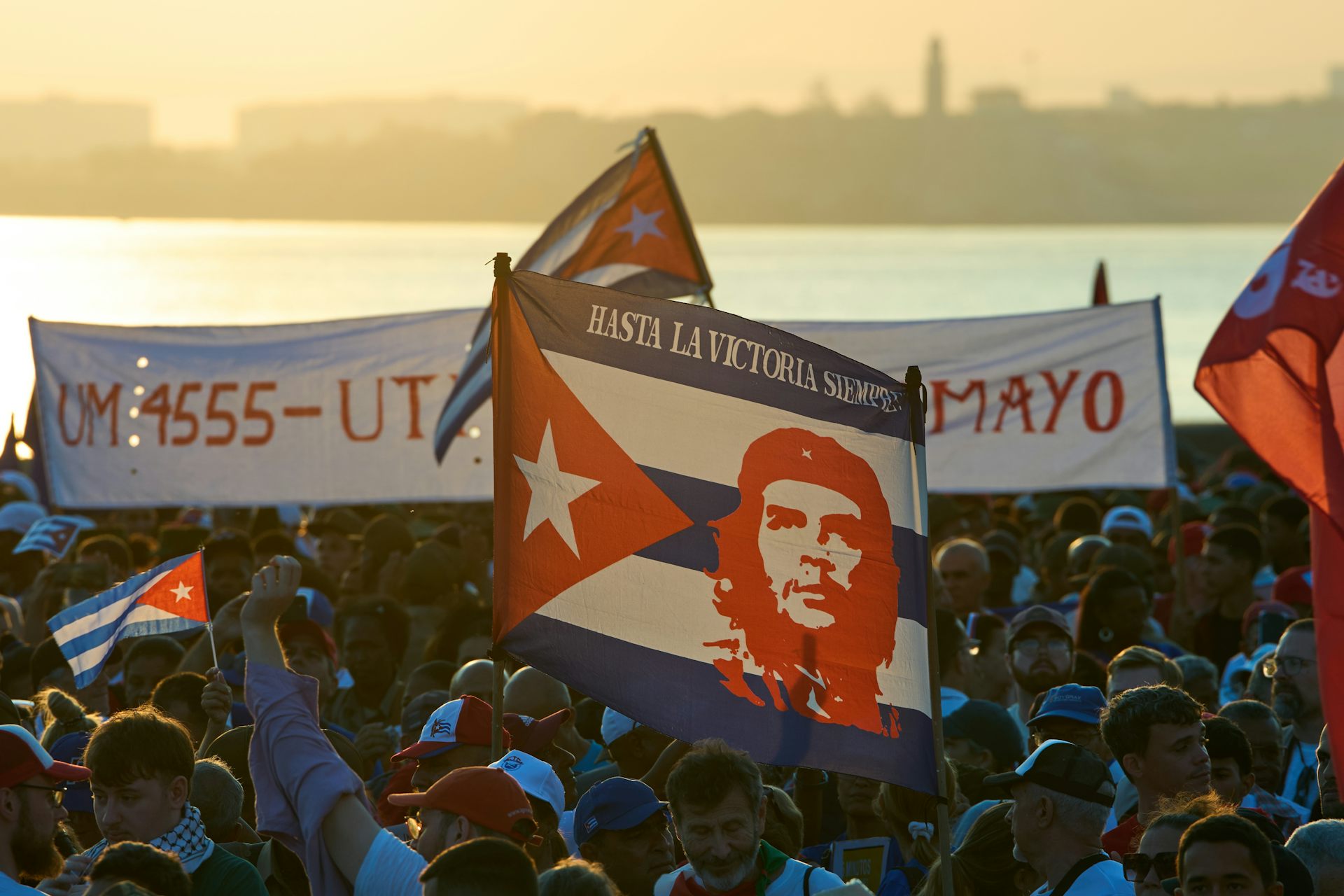
لماذا هوس الولايات المتحدة بالسيطرة على كوبا؟
Why is the US so obsessed with controlling Cuba?
Nothing angers Cubans more than being told by Americans how to run their country.
لا شيء يغضب الكوبيين أكثر من أن يُخبرهم الأمريكيون كيف يديرون بلادهم.
For months, US President Donald Trump has been fixated on Cuba. He’s issued threats and imposed additional sanctions on the island. The US military has conducted dozens of intelligence-gathering flights off the coast in recent weeks, suggesting a prelude to an invasion.
لسنوات، كان الرئيس الأمريكي دونالد ترامب مهووساً بقuba. لقد أصدر تهديدات وفرض عقوبات إضافية على الجزيرة. أجرت القوات العسكرية الأمريكية عشرات الرحلات الاستخباراتية فوق الساحل في الأسابيع الأخيرة، مما يشير إلى مقدمة غزو.
The Cuban government has indicated a readiness to negotiate with the Trump administration on some issues, such as migration, drug trafficking and investment openings for Cuban-Americans. But Cuba’s sovereignty is not negotiable.
أشار الحكومة الكوبية إلى استعدادها للتفاوض مع إدارة ترامب بشأن بعض القضايا، مثل الهجرة، وتجارة المخدرات، وفتح الاستثمارات للكوبيين-الأمريكيين. لكن سيادة كوبا غير قابلة للتفاوض.
After interviewing Cuban President Miguel Díaz-Canel last month, US journalist Kristen Welker seemed to catch on:
بعد إجراء مقابلة مع الرئيس الكوبي ميغيل دياز-كانيل الشهر الماضي، بدا الصحفي الأمريكي كريستن ويلكر أنه استوعب الأمر:
Nothing gets under [Cubans’] skin more than the notion that the United States can tell the Cuban government who should lead it or what it should be doing, how it should be governing, because that challenges the very idea of the sovereignty of the country.
لا شيء يثير غضب [الكوبيين] أكثر من فكرة أن الولايات المتحدة يمكنها أن تخبر الحكومة الكوبية من يجب أن يقودها أو ما الذي يجب أن تفعله، وكيف يجب أن تحكم، لأن ذلك يتحدى فكرة السيادة للدولة ذاتها.
This US obsession with controlling, influencing and coercing Cuba long predates Trump and even the Cold War. This is how President Theodore Roosevelt described the island in 1906:
هذا الهوس الأمريكي بالسيطرة والتأثير والإكراه على كوبا يسبق ترامب وحتى الحرب الباردة. هكذا وصف الرئيس ثيودور روزفلت الجزيرة في عام 1906:
I am so angry with that infernal little Cuban republic that I would like to wipe its people off the face of the earth. All we have wanted from them was that they would behave themselves and be prosperous and happy so that we would not have to interfere. And now, lo and behold, they have started an utterly unjustifiable and pointless revolution.
أنا غاضب جداً من تلك الجمهورية الكوبية الصغيرة اللعينة لدرجة أنني أرغب في محو شعبها من وجه الأرض. كل ما أردناه منهم هو أن يتصرفوا بشكل جيد ويكونوا مزدهرين وسعداء حتى لا نضطر إلى التدخل. والآن، ويا للعجب، لقد بدأوا ثورة لا يمكن تبريرها ولا معنى لها.
Understanding the current impasse between the two adversarial neighbours requires looking at this full arc of history. While the 1823 Monroe Doctrine sought to establish US predominance in the entire American continent, Cuba has always been a particular focus of Washington’s attention.
يتطلب فهم المأزق الحالي بين الجارين المتناحرين النظر إلى هذا المسار التاريخي بأكمله. فبينما سعت “مبدأ مونرو” لعام 1823 إلى إرساء هيمنة الولايات المتحدة في القارة الأمريكية بأكملها، كانت كوبا دائماً محور اهتمام واشنطن.
‘Americanisation’ of the island
تغريب الجزيرة
From the moment the 13 American colonies declared independence from Britain, Americans assumed Cuba would become part of the union. Successive US administrations sought to purchase, annex or otherwise control Cuba, claiming this was inevitable by virtue of the laws of gravity and geography. It was also seen as part of a self-proclaimed “civilising mission”.
منذ اللحظة التي أعلنت فيها المستعمرات الأمريكية الاثنتي عشرة استقلالها عن بريطانيا، افترض الأمريكيون أن كوبا ستصبح جزءًا من الاتحاد. سعت الإدارات الأمريكية المتعاقبة إلى شراء كوبا أو ضمها أو السيطرة عليها بأي طريقة أخرى، مدعين أن هذا كان حتمياً بموجب قوانين الجاذبية والجغرافيا. كما اعتُبرت هذه العملية جزءًا من “مهمة تحضيرية” مُعلنة ذاتيًا.
When the Cubans eventually defeated their Spanish colonial masters in 1898, the United States stepped in and occupied the island to thwart its independence.
عندما هزم الكوبيون أسيادهم الاستعماريين الإسبان في عام 1898، تدخلت الولايات المتحدة واحتلت الجزيرة لتقويض استقلالها.
At the time, at least one third of Cubans were former slaves or of mixed race. The US governor of Cuba, Leonard Wood, argued they were not ready for self-government.
في ذلك الوقت، كان ما لا يقل عن ثلث الكوبيين عبيداً سابقين أو من الأعراق المختلطة. جادل حاكم الولايات المتحدة لكوبا، ليونارد وود، بأنهم لم يكونوا مستعدين للحكم الذاتي.
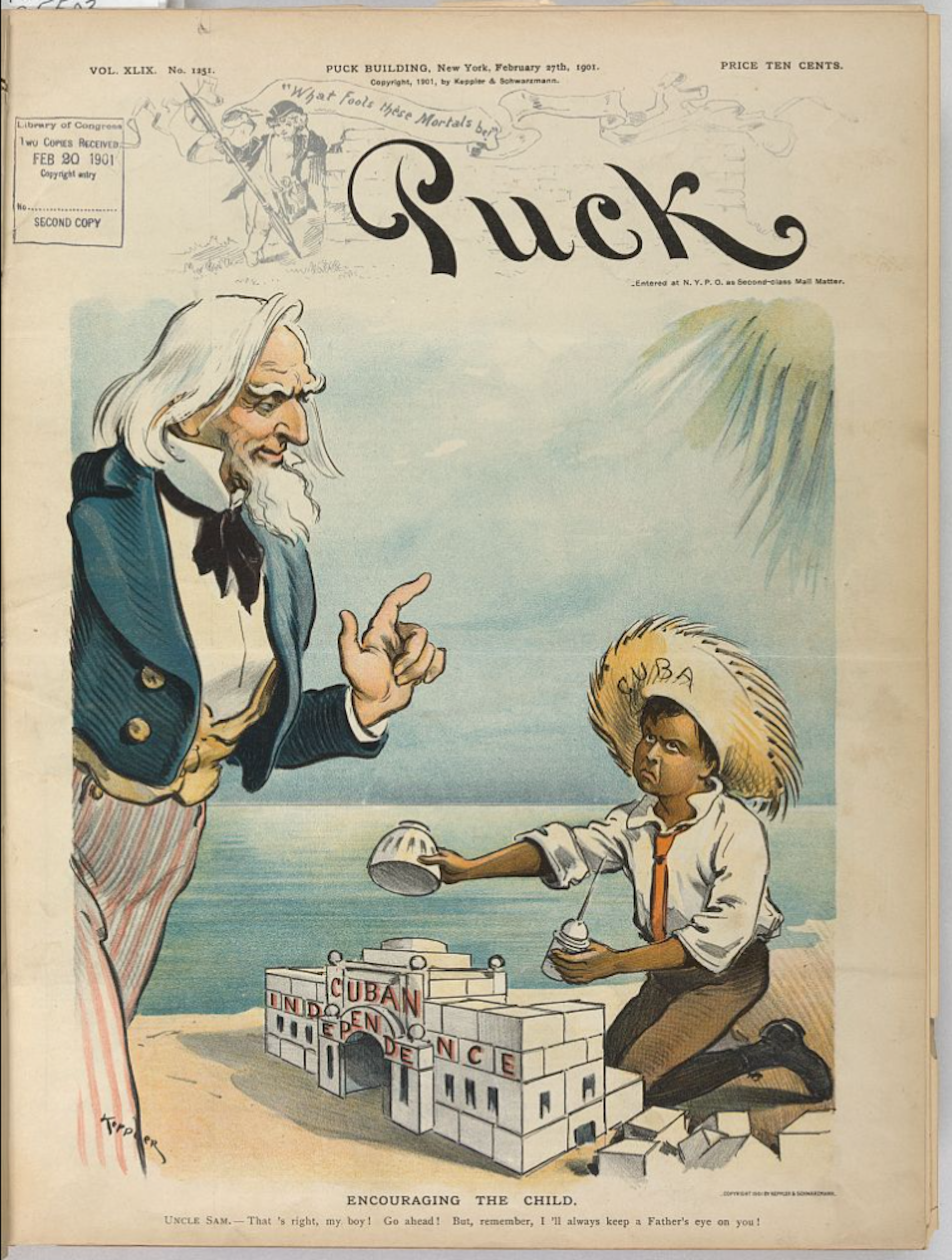
Certainly, the US – especially the Southern former slave holders – didn’t want another Haiti in its neighbourhood. Haitian slaves had seized control of their island nation from the French in a violent rebellion in 1804, echoing the cries of the French revolution for liberty, fraternity and equality.
بالتأكيد، لم تكن الولايات المتحدة – وخاصة حائزو العبيد الجنوبيون السابقون – ترغب في وجود هايتي أخرى في جوارها. كان العبيد الهايتيون قد سيطروا على أمتهم الجزرية من الفرنسيين في تمرد عنيف عام 1804، مرددين صرخات الثورة الفرنسية من أجل الحرية والأخوة والمساواة.
The US military occupation of Cuba ended in 1902 and Cuba formally declared independence – albeit with provisions. These allowed for future US intervention whenever Washington thought the Cuban people needed a guiding hand (which turned out to be fairly often) .
انتهى الاحتلال العسكري الأمريكي لكوبا في عام 1902 وأعلنت كوبا استقلالها رسمياً – على الرغم من وجود أحكام. سمحت هذه الأحكام بالتدخل الأمريكي المستقبلي كلما اعتقد واشنطن أن الشعب الكوبي يحتاج إلى يدٍ مرشدة (وهو ما تبين أنه كان يحدث في كثير من الأحيان) .
In the decades that followed, US business interests deeply penetrated every sector of Cuba’s economy and had complete sway over Cuban governments.
في العقود التي تلت ذلك، تسربت مصالح الأعمال الأمريكية بعمق إلى كل قطاع من اقتصاد كوبا وتمتلك سلطة كاملة على الحكومات الكوبية.
On a cultural level, Cuba rapidly became “Americanised” through a new US-style education system. Travel to the island picked up, too. The popular Terry’s Guide to Cuba reassured US visitors in the 1920s they would feel right at home because “thousands [of Cubans] act, think, talk and look like Americans”.
على المستوى الثقافي، أصبحت كوبا “مغربة” بسرعة من خلال نظام تعليمي جديد على النمط الأمريكي. كما ازداد السفر إلى الجزيرة. طمأن دليل تيري الشعبي لكوبا الزوار الأمريكيين في عشرينيات القرن الماضي بأنهم سيشعرون بالراحة في المنزل لأن “آلاف [الكوبيين] يتصرفون ويفكرون ويتحدثون وينظرون مثل الأمريكيين.”
Castro’s mission
مهمة كاسترو
All of this changed with the rise of Fidel Castro.
كل هذا تغير مع صعود فيدل كاسترو.
During the Cuban Revolution, Castro announced in April 1959 that the revolutionary government would be “Cubanising Cuba”. This might seem “paradoxical”, he explained, but Cubans “undervalued” everything Cuban. They had become “imbued with a type of complex of self-doubt” in the face of the overwhelming US influence on the island’s culture, politics and economy.
خلال الثورة الكوبية، أعلن كاسترو في أبريل 1959 أن الحكومة الثورية ستكون “كوبية” (Cubanising Cuba) . وفسر قائلاً: قد يبدو هذا “مفارقة”، لكن الكوبيين “قللوا من قيمة” كل ما هو كوبي. لقد أصبحوا “مفعمين بنوع من عقدة الشك الذاتي” في مواجهة النفوذ الأمريكي الساحق على ثقافة وجغرافيا واقتصاد الجزيرة.
US journalist Elizabeth Sutherland similarly observed at the time that Cubans suffered from a “cultural inferiority complex typical of colonised peoples”.
لاحظت الصحفية الأمريكية إليزابيث سذرلاند بالمثل في ذلك الوقت أن الكوبيين عانوا من “عقدة التفوق الثقافي الناتجة عن الاستعمار” الشائعة بين الشعوب المستعمرة.
For North Americans, however, Castro’s blunt statement seemed at best to reflect ingratitude, and at worst, an insult. As the US broadcaster Walter Cronkite recalled:
ومع ذلك، بالنسبة لأمريكا الشمالية، بدا تصريح كاسترو الصريح في أحسن الأحوال انعكاساً لعدم الامتنان، وفي أسوأ الأحوال، إهانة. كما تذكر المذيع الأمريكي والترتان والكرنكي:
The rise of Fidel Castro in Cuba was a terrible shock to the American people. This brought communism practically to our shores. Cuba was a resort land for Americans […] we considered it part of the United States.
كان صعود فيدل كاسترو في كوبا صدمة مروعة للشعب الأمريكي. لقد جلب الشيوعية عملياً إلى شواطئنا. كانت كوبا أرضاً سياحية للأمريكيين […] كنا نعتبرها جزءاً من الولايات المتحدة.
At the heart of Cuba’s revolutionary project has been an assertion of Cuba’s sovereignty, independence and national identity. The drive has been to create a new, united and socially just Cuban nation, as envisioned by its great national hero and poet, José Martí.
في صميم المشروع الثوري لكوبا كان هناك تأكيد على سيادة كوبا واستقلالها وهويتها الوطنية. كان الدافع هو إنشاء أمة كوبية جديدة وموحدة وعادلة اجتماعياً، كما تصوره بطلها الوطني والشاعر، خوسيه مارتي.
So, for Cubans it’s a matter of history. For North Americans, it’s a matter of self-image. They had “convinced themselves,” writes historian Louis A. Pérez, of the “beneficent purpose […] from which [the US] derived the moral authority to presume power over Cuba”.
لذلك، بالنسبة للكوبيين، إنها مسألة تاريخ. وبالنسبة لأمريكا الشمالية، إنها مسألة صورة ذاتية. كتب المؤرخ لويس أ. بيريز: لقد “أقنعوا أنفسهم” بالهدف “الخيري […] الذي استمدت منه [الولايات المتحدة] السلطة الأخلاقية للاستبداد على كوبا.”
When the Obama administration finally resumed relations with Cuba in 2014, it felt like a historic shift was taking place. The US might finally respect Cuban sovereignty and engage with Cuba on equal terms.
عندما استأنفت إدارة أوباما العلاقات مع كوبا أخيراً في عام 2014، شعروا وكأن تحولاً تاريخياً كان يحدث. ربما ستحترم الولايات المتحدة سيادة كوبا وتتفاعل مع كوبا على قدم المساواة.
As President Barack Obama said at the time:
كما قال الرئيس باراك أوباما في ذلك الوقت:
It does not serve America’s interests, or the Cuban people, to try to push Cuba toward collapse. […] We can never erase the history between us, but we believe that you should be empowered to live with dignity and self-determination.
ليس من مصلحة أمريكا، أو الشعب الكوبي، أن تحاول دفع كوبا نحو الانهيار. […] لا يمكننا أن نمحو التاريخ بيننا، لكننا نؤمن أنه يجب تمكينكم للعيش بكرامة وتقرير المصير.
Trump has now reverted to Washington’s traditional neo-colonialist view of Cuba, proclaiming he can do what he likes with the island. Perhaps it is time to try a new approach. As the spectacular debacle of the US-backed Bay of Pigs invasion showed 65 years ago, Cubans remain ready to defend their independence and their right to determine their own future.
لقد عاد ترامب الآن إلى الرؤية النيولومانية التقليدية لواشنطن حول كوبا، معلناً أنه يمكنه فعل ما يشاء بالجزيرة. ربما حان الوقت لتجربة نهج جديد. كما أظهرت الكارثة المذهلة لغزو خليج الخنازير الأمريكية المدعوم من الولايات المتحدة قبل 65 عاماً، لا يزال الكوبيون مستعدين للدفاع عن استقلالهم وحقهم في تحديد مستقبلهم.
Deborah Shnookal does not work for, consult, own shares in or receive funding from any company or organisation that would benefit from this article, and has disclosed no relevant affiliations beyond their academic appointment.
ديبور شنوكال لا تعمل لصالح، أو تستشير، أو تمتلك أسهم في، أو تتلقى تمويلاً من أي شركة أو منظمة ستستفيد من هذه المقالة، ولم تكشف عن أي انتماءات ذات صلة تتجاوز منصبها الأكاديمي.
Read more
-
نهاية النفط؟ مع تتابع صدمات الوقود، تجتمع 53 دولة لتخطيط التخلص التدريجي من الوقود الأحفوري
The end of oil? As fuel shocks cascade, 53 nations gather to plan a fossil fuel phaseout
-
آندي بورنهام: ما يمكن توقعه من رئيس وزراء المملكة المتحدة المحتمل القادم
Andy Burnham: what to expect from the UK’s likely next prime minister