什么是“战略自主”?为什么现在每个人都在追求它?
What is ‘strategic autonomy’ – and why is everyone sudd…
The leaders of Canada, France, India and Turkey are among those looking to leverage their ability to say ‘no’ to Washington.
加拿大、法国、印度和土耳其的领导人就是那些寻求利用说“不”给华盛顿的能力的人之一。
Strategic autonomy is having a moment.
战略自主性正处于风口。
European leaders are invoking it to justify a historic defense buildup; India’s foreign ministry has made it the organizing principle of a policy that buys Russian oil while courting American investment; and Canada is treating it as a “core objective.”
欧洲领导人援引它来证明历史性的国防建设;印度外交部已将其作为一项购买俄罗斯石油同时争取美国投资政策的组织原则;加拿大则将其视为“核心目标”。
The phrase is everywhere in international relations circles, but the explanation is almost nowhere. So what does strategic autonomy actually mean? And why are analysts reaching for it now?
这个短语在国际关系圈随处可见,但解释却几乎无处寻觅。那么,战略自主性到底意味着什么?分析人士现在为何热衷于提及它?
Leverage more than self-sufficiency
杠杆作用超越自给自足
The first thing to note is that autonomy does not imply withdrawal from the international order or a severing or reduction of ties with Washington.
首先需要指出的是,自主性并不意味着退出国际秩序,也不意味着与华盛顿切断或减少联系。
Take the European Union, for instance. As one of the few organizations that has made explicit its aspirations for strategic autonomy, the EU is boosting its collective-defense spending to hedge against an America whose long-term commitments can no longer be relied upon.
以欧盟为例。作为少数几个明确表达了对战略自主愿景的组织之一,欧盟正在增加其集体防御开支,以对冲一个长期承诺已无法再依赖的美国。
India still participates in the Quad strategic alliance alongside the U.S., Australia and Japan, but it conducts an independent foreign policy when its interests don’t align with Washington’s. Canada is diversifying its partnerships but not decoupling.
印度仍然参与与美国、澳大利亚和日本组成的“四方安全对话”(Quad)战略联盟,但当其利益与华盛顿不一致时,它会奉行独立外交政策。加拿大正在实现伙伴关系多元化,但并非脱钩。
You can argue with the particulars of each case. But from Germany to India to Canada, the basic instinct driving these countries’ foreign policies is the same: seeking to increase their maneuvering room while remaining broadly aligned with the United States.
你可以就每个案例的具体细节进行辩论。但从德国到印度再到加拿大,驱动这些国家外交政策的基本本能是相同的:寻求增加其操作空间,同时仍与美国保持大致一致。
All remain embedded in the existing U.S.-led global security and economic orders. Only now they are renegotiating the terms of their participation in those orders.
所有这些国家仍然嵌入现有的美国主导的全球安全和经济秩序中。只是现在,它们正在重新谈判参与这些秩序的条款。
Taken as such, strategic autonomy is best seen as leverage and flexibility rather than self-sufficiency. More specifically, it is the credible ability to say “no” to great-power patrons, such as the U.S.
从这个角度来看,战略自主最好被视为杠杆作用和灵活性,而非自给自足。更具体地说,它是一种对美国等大国赞助人说“不”的可信能力。
A strategically autonomous nation can take diplomatic positions that the superpowers of the day dislike. It can field military force without depending entirely on another country’s hardware or authorization. And it can maintain enough control over critical supply chains to blunt coercion from rivals.
一个具有战略自主性的国家可以采取当今超级大国不喜欢的外交立场。它可以在不完全依赖另一个国家的硬件或授权的情况下部署军事力量。并且它能够对关键供应链保持足够的控制力,从而抵消来自竞争对手的胁迫。
Charles de Gaulle’s ghost
夏尔·德高乐的幽灵
The phrase itself is newer than many people realize, even if the underlying logic is not.
这个短语本身比许多人想象的要新,尽管其背后的逻辑并非如此。
France’s postwar leader, Charles de Gaulle, spent much of the 1960s institutionalizing what later became known as strategic autonomy. In 1966 he withdrew France from NATO’s integrated military command, while keeping the country within the alliance itself. What de Gaulle objected to was de facto American authorization on matters of French security.
法国战后领导人夏尔·德高乐在20世纪60年代大部分时间致力于制度化后来被称为“战略自主”的事物。1966年,他将法国从北约的一体化军事指挥体系中撤出,但仍让国家留在联盟内部。德高乐反对的是在法国安全问题上,事实上由美国进行授权。
His reasoning was straightforward: A state dependent on another power for its security is not fully sovereign.
他的推理很简单:一个在安全问题上依赖于另一个大国的国家,就不能是完全主权的。
While de Gaulle never used the phrase “strategic autonomy,” it became embedded in official French doctrine in the nation’s 1994 White Paper on Defense.
尽管德高乐从未使用过“战略自主”这个短语,但它最终嵌入了法国1994年《国防白皮书》的官方教义中。
By 1998, the concept had migrated to wider European politics through the Saint-Malo Declaration between then-U.K. and French leaders Tony Blair and Jacques Chirac. They argued that Europe required “the capacity for autonomous action, backed up by credible military forces.” The European Union formalized the policy in its 2016 Global Strategy.
到1998年,这一概念通过时任英国和法国领导人托尼·布莱尔和雅克·希拉克在圣马洛宣言中,迁移到了更广泛的欧洲政治领域。他们认为,欧洲需要“有能力采取自主行动,并得到可靠军事力量的支持”。欧盟在其2016年《全球战略》中正式化了这一政策。
While de Gaulle was pursuing his policies, a parallel tradition through the Non-Aligned Movement saw India, Indonesia, Yugoslavia and many others chart a Cold War course between the U.S. and the Soviet Union.
在德高乐推行其政策的同时,通过不结盟运动的平行传统,印度、印度尼西亚、南斯拉夫和许多其他国家在美苏之间划定了冷战的路线。
Same logic, different crises
逻辑相同,危机不同
The resurgence of interest in strategic autonomy has a common source: A U.S.-led order that for an increasing number of nations has started to feel less like a public good and more like a burden.
对战略自主的兴趣复苏有一个共同的根源:一个由美国主导的秩序,对于越来越多的国家来说,开始感觉不再像公共产品,而更像是一种负担。
While some leaders have been ahead of the curve – France’s Emmanuel Macron argued for European strategic autonomy years before his European peers – it is President Donald Trump’s second term that has changed the political arithmetic.
虽然一些领导人走在了时代前列——法国总统马克龙在欧洲同行们多年之前就主张欧洲战略自主——但正是唐纳德·特朗普总统的第二个任期改变了政治算式。
Governments that once assumed that American security guarantees were unconditional have discovered otherwise. European leaders are no longer asking whether independent military capacity is necessary; they are asking how quickly they can build it.
过去曾认为美国安全保障是无条件的政府,现在发现并非如此。欧洲领导人不再问独立军事能力是否必要;他们问的是能多快建立起来。
India’s version of strategic autonomy is, perhaps, the most developed and instructive.
印度版本的战略自主,或许是最成熟和最具指导意义的。
The government of Narendra Modi buys Russian oil despite Western sanctions. It abstains on United Nations votes over Ukraine while deepening defense cooperation with Washington. And it engages multilateral forums that include Beijing while strengthening ties with the Quad.
纳伦德拉·莫迪政府在西方制裁的情况下购买俄罗斯石油。它在联合国关于乌克兰的投票中弃权,同时深化与华盛顿的防务合作。它参与包括北京的多边论坛,同时加强与“四方安全对话”(Quad)的关系。
Viewed through the lens of traditional alliance politics, the behavior appears incoherent. But seen through the lens of strategic autonomy, it becomes more intelligible. India is maximizing leverage across competing relationships while refusing permanent dependence on any of them.
从传统联盟政治的角度看,这种行为似乎不连贯。但从战略自主的角度看,它就变得更具可理解性了。印度正在最大化其在相互竞争关系中的筹码,同时拒绝对任何一方产生永久依赖。
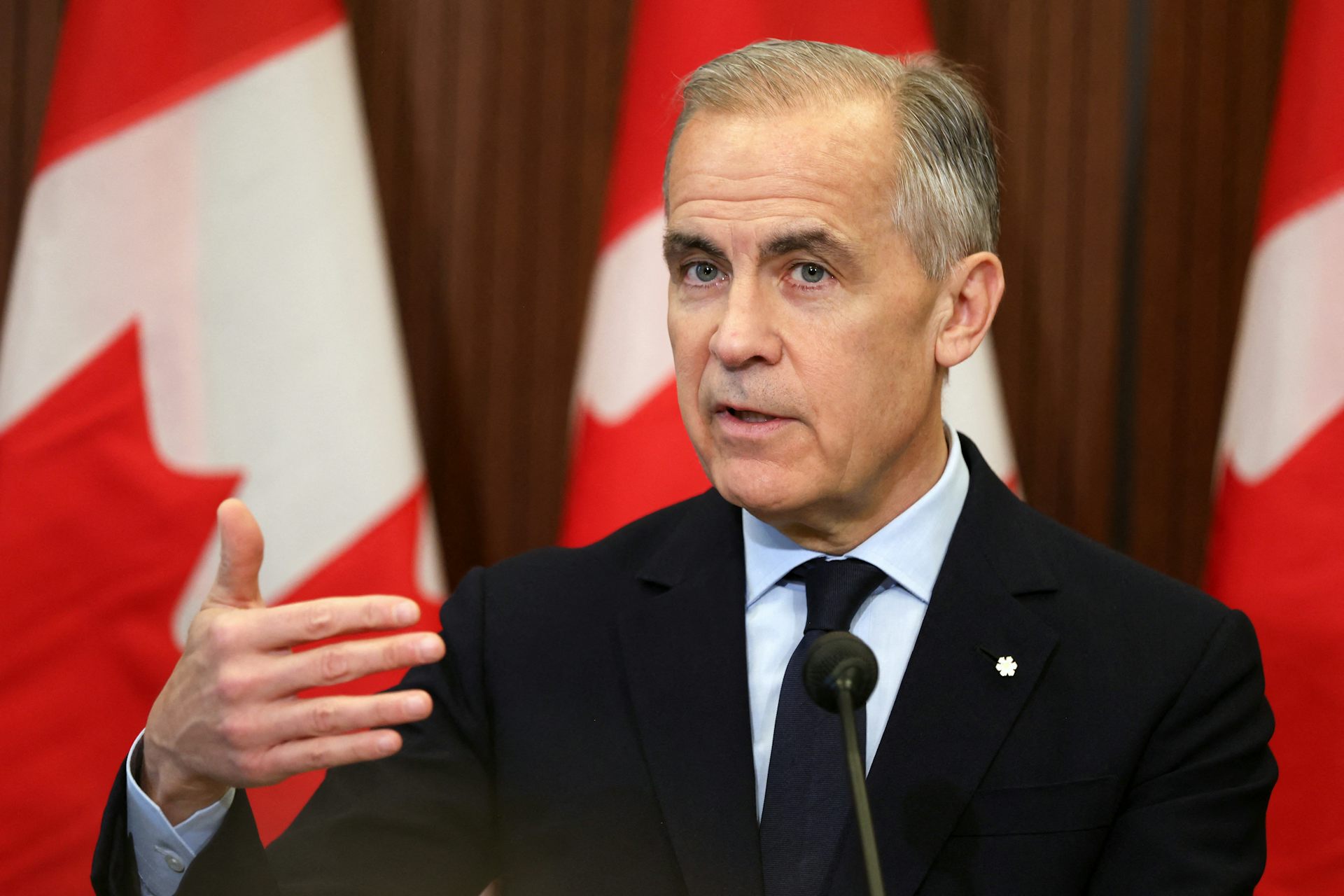
Canada is seemingly arriving at a similar place, albeit through a different route.
加拿大似乎正走向一个相似的境地,尽管其路径不同。
Trump’s rhetoric over Canada becoming the U.S.’s 51st state exposes how much dependence Ottawa had accumulated with regards to Washington. In response, Canadian policymakers are now pursing trade diversification, renewed defense investment and broader partnerships.
特朗普关于加拿大成为美国第51个州的言论,暴露了渥太华积累了多少对华盛顿的依赖。作为回应,加拿大政策制定者现在正在追求贸易多元化、恢复国防投资和更广泛的伙伴关系。
Turkey and Saudi Arabia illustrate a harder version of the same logic. Ankara remains inside NATO while operating Russian air defense systems. Riyadh is building a domestic defense capacity while cultivating alternative weapons suppliers to Washington.
土耳其和沙特阿拉伯展示了这种逻辑的一个更强硬的版本。安卡拉仍然留在北约内部,同时运行俄罗斯的防空系统。利雅得正在建立国内防御能力,同时培养替代华盛顿的武器供应商。
These are hedging strategies adapted to today’s more fragmented international order, while the older divide separated aligned states from nonaligned states.
这些是适应当今更加碎片化的国际秩序的对冲策略,而旧的划分是将结盟国家与非结盟国家区分开来。
A different divide is now emerging. Some governments accept deep patron dependence, whereas others are determined to preserve flexibility even inside formal alliances and partnerships.
现在正在出现一种不同的划分。一些政府接受深厚的宗主国依赖,而另一些政府则决心即使在正式的联盟和伙伴关系内部也要保持灵活性。
And that distinction – between those striving for strategic autonomy and those who are not – is increasingly shaping world politics.
这种区别——在那些追求战略自主的国家和那些不追求的国家之间——正日益塑造着世界政治。
This article is part of a series explaining foreign policy terms commonly used but rarely explained.
本文是系列文章的一部分,旨在解释那些常用但很少被解释的外交政策术语。
Andrew Latham does not work for, consult, own shares in or receive funding from any company or organization that would benefit from this article, and has disclosed no relevant affiliations beyond their academic appointment.
安德鲁·拉瑟姆不为任何可能受益于本文的公司或组织工作、提供咨询、拥有股份或接受资金,并且除了其学术任命之外,没有披露任何相关的隶属关系。