外星人首次接触:新规则与科幻作品的区别
Alien first contact: how the new rules differ from scie…
Astronomers should not try to message E.T. before international consultation has occurred.
天文学家不应在进行国际磋商之前尝试向外星人发送信息。
The moment of first contact with extraterrestrials is a staple of science fiction. It usually involves a frantic scientist having a Eureka moment, realising in a single dramatic instant that Earth is being visited by creatures from light-years away.
与外星文明的首次接触是科幻小说中的经典题材。通常的情节涉及一位陷入狂热状态的科学家,在某个戏剧性的瞬间顿悟,意识到地球正被来自光年之外的生物拜访。
Aliens are in the public consciousness once again thanks to Steven Spielberg’s latest film, Disclosure Day, which follows a whistleblower’s attempts to reveal extraterrestrial visitations to the world.
由于史蒂文·斯皮尔伯格的最新电影《启示日》,外星人再次进入了公众视野,该片讲述了一名举报人试图向世界揭露地外文明造访的故事。
In reality, the discovery of extraterrestrial intelligence is far more likely to emerge as a faint anomaly in astronomical data, followed by a slow, painstaking process of verification, peer review and intense international deliberation. There might be no single Eureka moment, and no lone scientist with the answer.
而在现实中,发现地外智能的可能性更可能表现为天文数据中的微弱异常信号,随后是一个缓慢、艰苦的验证过程,需要经过同行评审和深入的国际讨论。可能不会出现单一的“顿悟时刻”,也不会有某一位科学家能给出唯一的答案。
As our telescopes have advanced, so too has the complexity of the world we live in. That is why a committee of the International Academy of Astronautics (IAA) has just voted to accept a major overhaul of the “post-detection protocols” – the scientific code of conduct for what happens after we find evidence of life beyond Earth.
随着我们望远镜技术的进步,我们所生活的世界的复杂性也随之增加。因此,国际宇航学会(IAA)的一个委员会刚刚投票通过了对《探测后协议》的一次重大修订——这是关于我们在地球以外发现生命证据后的科学行为准则。
The IAA body that has approved the changes is the Search for Extraterrestrial Intelligence (Seti) Committee. Seti is the collective term for scientific projects dedicated to searching for signs of intelligent alien life in the universe.
批准这些修改的IAA机构是搜寻地外文明计划(SETI)委员会。SETI是一个总称,指的是致力于在宇宙中寻找智能外星生命迹象的各种科学项目。
The previous version of these principles was adopted way back in 2010. To put that in perspective, in 2010, the “fake news” era hadn’t quite arrived, social media was in its infancy, and the broader idea of “technosignatures”, looking for signs of alien technology such as waste heat from giant structures in space, was still largely on the fringes of mainstream astronomy.
这些原则的上一版本是在2010年制定的。如果放在当时的角度来看,2010年,“假新闻”时代尚未到来,社交媒体尚处于萌芽阶段,“技术信号”(technosignatures)这一更宏观的概念——寻找来自宇宙中巨大结构产生的废热等外星科技迹象——在主流天文学领域仍属于边缘话题。
Today, the field has exploded. We are no longer just listening out for artificial radio signals from a few select stars. Projects like Breakthrough Listen have globalised the search, and we now observe the entire electromagnetic spectrum for any sign of advanced technology.
如今,该领域已经爆发式增长。我们不再仅仅是监听少数特定恒星发出的人工无线电信号。像“突破聆听”(Breakthrough Listen)这样的项目已将搜索范围全球化,现在我们对整个电磁波谱都进行监测,以寻找任何先进技术的迹象。
Furthermore, the information landscape has become a minefield. In an era of deepfakes and instant global connectivity, a single unverified claim could trigger global panic or widespread misinformation before scientists have even had a chance to check their data.
此外,信息环境本身已经成为一个雷区。在一个深度伪造(deepfakes)和即时全球互联的时代,单个未经核实的声明可能会在科学家来得及检查数据之前,引发全球恐慌或大规模错误信息传播。
At the heart of the 2026 update is a commitment to scientific rigour. The new protocols make it clear: we do not shout “alien” the moment we see a strange blip in our data. If a researcher detects a candidate signal, which could be an artificial radio signal, or something else, such as a sign of alien technology, the first step isn’t a post on social media; it’s a quiet, rigorous attempt to prove themselves wrong. The discovery must be independently authenticated by multiple organisations using different instruments.
2026年更新的核心在于对科学严谨性的承诺。新的协议明确指出:我们不会一看到数据中奇怪的闪烁点就大喊“外星人”。如果研究人员检测到一个候选信号——它可能是人工无线电信号,也可能是什么其他迹象,例如外星技术的痕迹——第一步绝不是在社交媒体上发帖;而是进行一次安静、严谨地自我否定尝试。该发现必须由使用不同仪器的多个组织独立认证。
Only when a consensus is reached that the signal is truly credible is it brought to the world. This isn’t about secrecy for secrecy’s sake. There is no obligation to disclose verification efforts while they are ongoing, precisely to avoid embarrassing and damaging false alarms.
只有当达成共识认为该信号确实可信时,它才会被公之于众。这并非为了保密而保密。在验证工作进行过程中,没有义务披露这些努力,正是为了避免出现令人尴尬和造成损害的虚假警报。
However, once a discovery is confirmed, the protocols demand full transparency. The data, the analysis methods, and the code used must be made open to the entire global scientific community and, indeed, the general public for replication.
然而,一旦发现得到确认,协议就要求完全透明。数据、分析方法以及使用的代码必须向整个全球科学界,乃至普通公众开放,以便进行复制和核验。
Should we talk back?
我们应该反驳吗?
One significant addition to the 2026 declaration is the focus on researcher safety. We’ve seen in recent years how scientists at the centre of high profile news stories can become targets for harassment or “doxxing”, where malicious individuals post the scientist’s personal details online. The new guidelines urge institutions to protect their researchers from negative professional repercussions and physical or digital harassment.
2026年宣言的一个重要补充是关注研究人员的安全。近年来,我们看到处于重大新闻事件中心的科学家可能会成为骚扰或“人肉搜索”(doxxing)的目标,即恶意人士在网上发布科学家的个人详细信息。新指南敦促机构保护其研究人员免受负面职业后果以及身体或数字上的骚扰。
The protocols also address the “trash” of our own making: radio frequency interference (RFI) . The radio frequency bands that Seti scientists use to listen for E.T. are increasingly polluted – from below by mobile networks, radar and poorly shielded electronics, and from above by the growth of satellite “mega-constellations” like Starlink.
协议还解决了我们自己制造的“垃圾”问题:无线电频率干扰(RFI)。SETI科学家用于监听地外文明的射频波段正日益受到污染——下方来自移动网络、雷达和防护不佳的电子设备;上方则来自星链等卫星“巨型星座”的发展。
The declaration calls for extraordinary international efforts to protect the frequencies where a signal is detected, ensuring our “communication channel” isn’t drowned out by our own technology.
该宣言呼吁进行非凡的国际努力,以保护检测到信号的频率,确保我们的“通信渠道”不会被我们自身的科技所淹没。
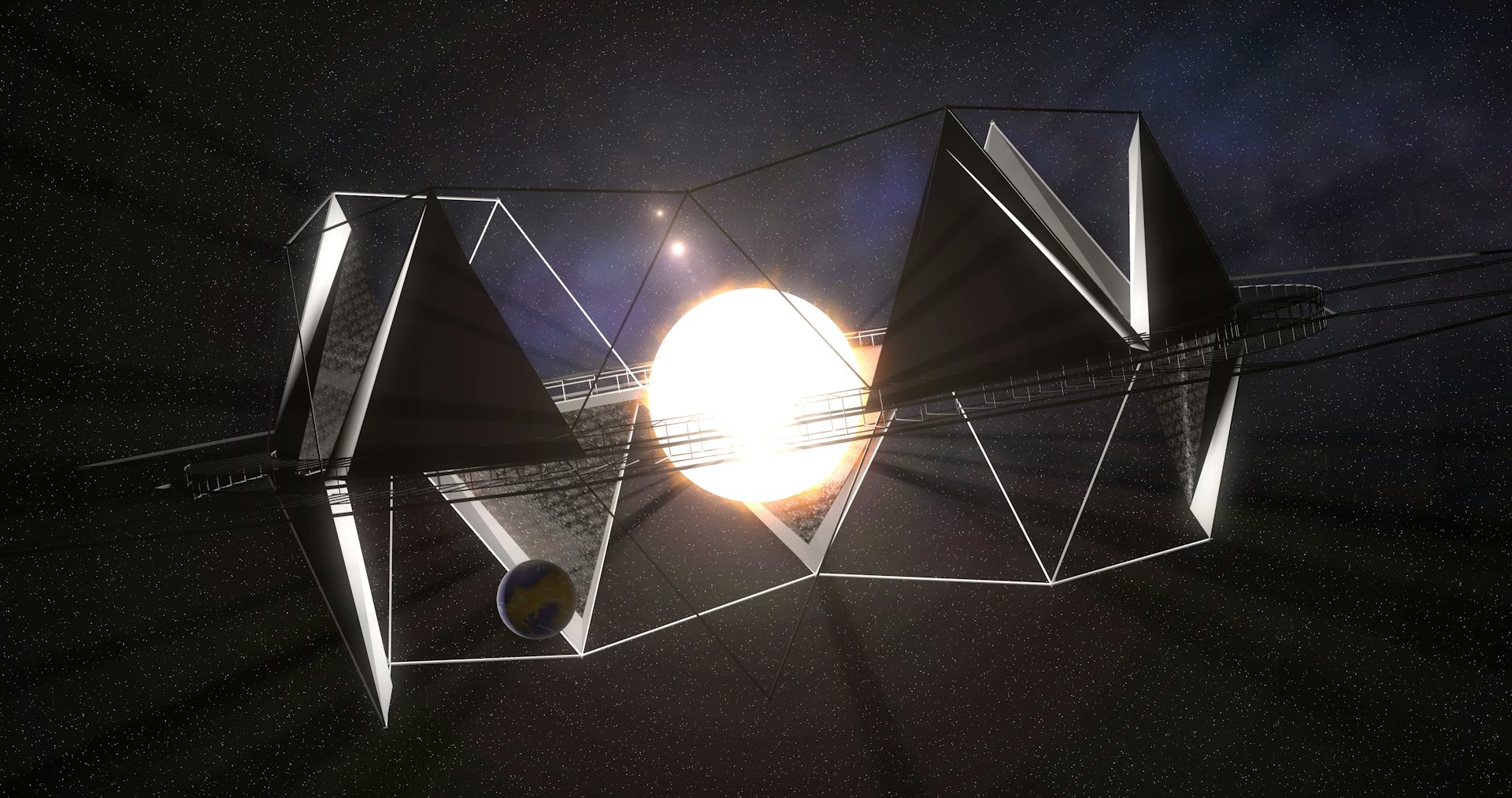
The most controversial part of Seti isn’t the searching; it’s the messaging. Known as Meti (Messaging Extraterrestrial Intelligence) , the idea of intentionally sending signals to other worlds splits the community. As enshrined in the earlier declarations, the 2026 Declaration remains firm on one point: no response should be sent until there has been a broad, international consultation.
SETI 最具争议的部分不是搜索;而是信息发送。它被称为 Meti(星际信息发送),这种有意识地向其他世界发送信号的想法分裂了整个社区。正如早期宣言中所载,2026 年宣言在一点上仍然坚定:在进行广泛的国际磋商之前,不应发送任何回应。
Deciding how to represent Earth to an alien civilisation is a choice that belongs to all of humanity, not a single institution or individual. These consultations must take place through the United Nations or other broadly representative global bodies.
决定如何向外星文明展示地球,是一个属于全人类的选择,而非某个单一的机构或个人。这些咨询必须通过联合国或其他具有广泛代表性的全球性组织进行。
The discovery of intelligent life beyond Earth would stand as one of the most transformative events in human history. To help manage the profound aftermath, the IAA SETI Committee is establishing a permanent Post-Detection Sub-Committee.
发现地球以外的智慧生命,将成为人类历史上最具变革性的事件之一。为了帮助管理由此产生的深远影响,IAA SETI 委员会正在成立一个常设的“探测后”小组委员会。
This body will not simply be a room full of astronomers; it will include international experts in ethics, law, social sciences and communications to advise on the complex, long term societal implications of contact.
该机构不会仅仅是天文学家聚集的场所;它将包括伦理学、法律、社会科学和传播学的国际专家,为接触带来的复杂长期社会影响提供建议。
The new protocols themselves are designed to be living documents, supplemented by a separate Code of Conduct and Best Practices Guidelines that will be periodically reexamined and updated to reflect the “best practice” of the day.
新的规程本身被设计为活文件,并辅以一份独立的《行为准则》和《最佳实践指南》,这些文件将定期重新审查和更新,以反映当天的“最佳实践”。
The revised declaration has recently been formally adopted by the IAA Board of Trustees and over the rest of the year it will be filed with other appropriate organisations for their endorsement.
修订后的宣言最近已获得IAA信托委员会的正式采纳,并在今年剩余时间里将提交给其他相关组织机构以获取它们的认可。
The next goal will be to present the finished framework to the wider scientific community at the International Astronautical Congress in Turkey in August 2026. Beyond that, the Committee hope that the new protocols will also be reviewed and noted by the UN.
下一个目标是在2026年8月于土耳其举行的国际宇航大会上,向更广泛的科学界展示完成的框架。除此之外,委员会希望新的规程也能得到联合国(UN)的审阅和关注。
By establishing these rigorous rules now, we ensure that if, or when, that signal finally arrives, the world is prepared to listen, verify, and respond as one planet.
通过现在建立这些严格的规则,我们确保了如果、或者当那个信号最终到来时,世界都已准备好作为一个星球来倾听、核实和回应。
Michael Garrett led a task group that included Professor Kathryn Denning (York University, Canada) , Professor Carol Oliver (University of New South Wales, Australia) and Mr. Les Tennen (Law Offices of Sterns and Tennen, USA, and Full member and Legal Counsel of the International Academy of Astronautics Board of Trustees) . This group drafted the updated 2026 protocols.
Michael Garrett 率领了一个任务小组,该小组包括卡瑟琳·丹宁教授(加拿大约克大学)、卡罗尔·奥利弗教授(澳大利亚新南威尔士大学)和莱斯·滕纳先生(美国斯特恩斯和滕纳律师事务所,以及国际宇航科学院董事会受托人委员会的正式成员兼法律顾问)。 该小组起草了更新后的2026年规程。