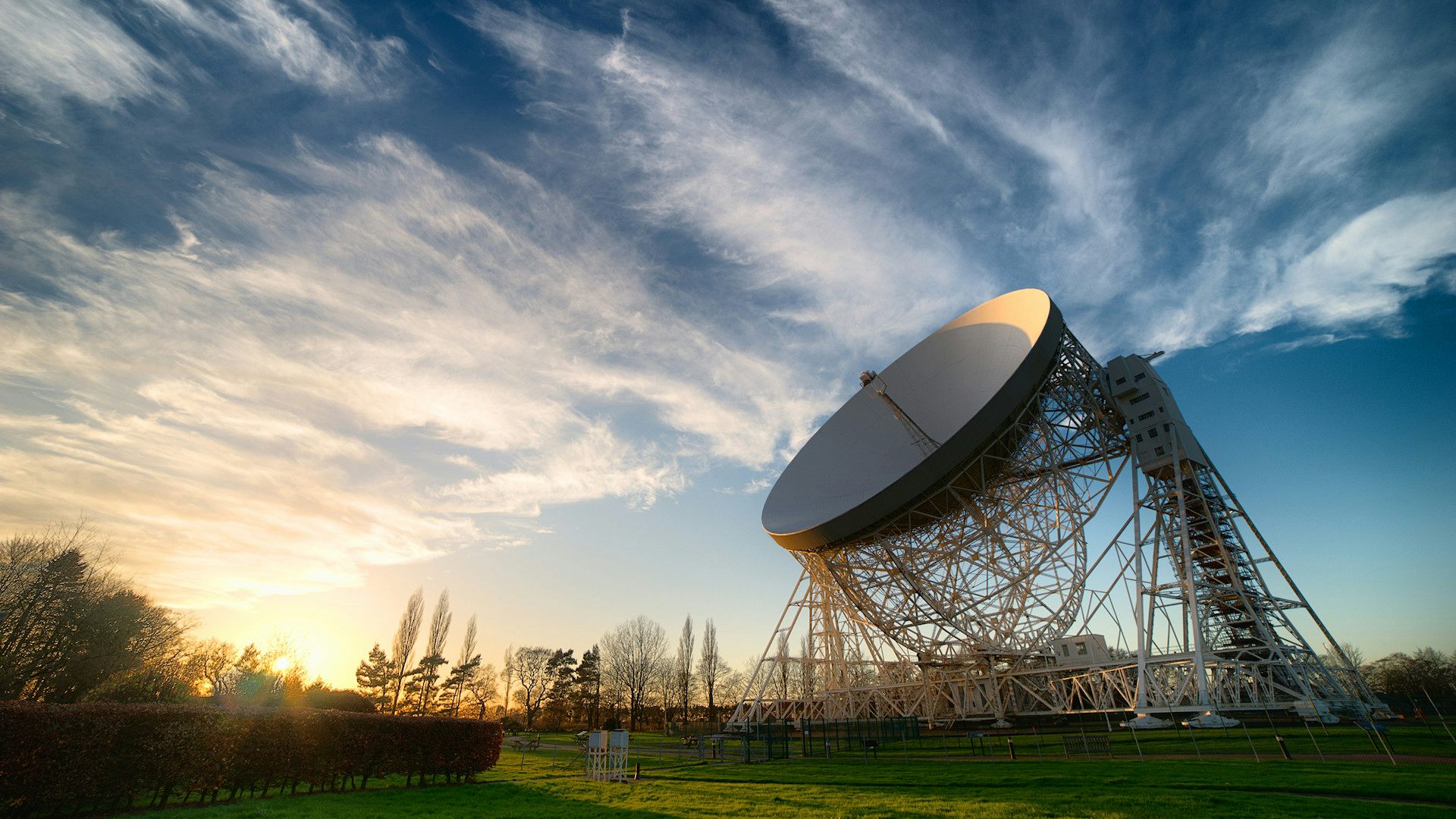
Kontak pertama alien: bagaimana aturan baru berbeda dari fiksi ilmiah
Alien first contact: how the new rules differ from science fiction
Astronomers should not try to message E.T. before international consultation has occurred.
Astronom tidak boleh mencoba mengirim pesan kepada makhluk luar bumi sebelum konsultasi internasional dilakukan.
The moment of first contact with extraterrestrials is a staple of science fiction. It usually involves a frantic scientist having a Eureka moment, realising in a single dramatic instant that Earth is being visited by creatures from light-years away.
Momen kontak pertama dengan makhluk luar bumi adalah bagian pokok dari fiksi ilmiah. Biasanya ini melibatkan seorang ilmuwan yang panik mengalami momen Eureka, menyadari dalam sekejap dramatis bahwa Bumi sedang dikunjungi oleh makhluk-makhluk dari jarak tahun cahaya.
Aliens are in the public consciousness once again thanks to Steven Spielberg’s latest film, Disclosure Day, which follows a whistleblower’s attempts to reveal extraterrestrial visitations to the world.
Makhluk asing kembali menjadi perhatian publik berkat film terbaru Steven Spielberg, Disclosure Day, yang mengikuti upaya seorang pembocor rahasia untuk mengungkap kunjungan luar bumi kepada dunia.
In reality, the discovery of extraterrestrial intelligence is far more likely to emerge as a faint anomaly in astronomical data, followed by a slow, painstaking process of verification, peer review and intense international deliberation. There might be no single Eureka moment, and no lone scientist with the answer.
Dalam kenyataannya, penemuan kecerdasan luar bumi jauh lebih mungkin muncul sebagai anomali samar dalam data astronomi, diikuti oleh proses verifikasi, tinjauan sejawat (peer review) , dan pembahasan internasional yang lambat dan teliti. Mungkin tidak ada momen Eureka tunggal, dan tidak ada ilmuwan tunggal dengan jawaban itu.
As our telescopes have advanced, so too has the complexity of the world we live in. That is why a committee of the International Academy of Astronautics (IAA) has just voted to accept a major overhaul of the “post-detection protocols” – the scientific code of conduct for what happens after we find evidence of life beyond Earth.
Seiring kemajuan teleskop kita, kompleksitas dunia tempat kita tinggal juga semakin meningkat. Oleh karena itu, sebuah komite dari Akademi Antariksa Internasional (IAA) baru saja memberikan suara untuk menerima perombakan besar atas “protokol pasca-deteksi”—kode etik ilmiah tentang apa yang terjadi setelah kita menemukan bukti kehidupan di luar Bumi.
The IAA body that has approved the changes is the Search for Extraterrestrial Intelligence (Seti) Committee. Seti is the collective term for scientific projects dedicated to searching for signs of intelligent alien life in the universe.
Badan IAA yang menyetujui perubahan ini adalah Komite Pencarian Kecerdasan Luar Bumi (Seti) . Seti adalah istilah kolektif untuk proyek-proyek ilmiah yang didedikasikan untuk mencari tanda-tanda kehidupan alien cerdas di alam semesta.
The previous version of these principles was adopted way back in 2010. To put that in perspective, in 2010, the “fake news” era hadn’t quite arrived, social media was in its infancy, and the broader idea of “technosignatures”, looking for signs of alien technology such as waste heat from giant structures in space, was still largely on the fringes of mainstream astronomy.
Versi prinsip sebelumnya diadopsi jauh pada tahun 2010. Untuk memberikan perspektif, pada tahun 2010, era “berita palsu” belum sepenuhnya tiba, media sosial masih dalam masa awal, dan gagasan yang lebih luas tentang “teknosignatur”—mencari tanda-tanda teknologi alien seperti panas sisa dari struktur raksasa di luar angkasa—masih sebagian besar berada di pinggiran astronomi arus utama.
Today, the field has exploded. We are no longer just listening out for artificial radio signals from a few select stars. Projects like Breakthrough Listen have globalised the search, and we now observe the entire electromagnetic spectrum for any sign of advanced technology.
Hari ini, bidang ini telah meledak. Kita tidak lagi hanya mendengarkan sinyal radio buatan dari beberapa bintang terpilih. Proyek-proyek seperti Breakthrough Listen telah mengglobalisasi pencarian, dan kini kita mengamati seluruh spektrum elektromagnetik untuk setiap tanda teknologi canggih.
Furthermore, the information landscape has become a minefield. In an era of deepfakes and instant global connectivity, a single unverified claim could trigger global panic or widespread misinformation before scientists have even had a chance to check their data.
Selain itu, lanskap informasi telah menjadi ladang ranjau. Di era deepfake dan konektivitas global instan, satu klaim yang belum diverifikasi dapat memicu kepanikan global atau misinformasi luas bahkan sebelum para ilmuwan sempat memeriksa data mereka.
At the heart of the 2026 update is a commitment to scientific rigour. The new protocols make it clear: we do not shout “alien” the moment we see a strange blip in our data. If a researcher detects a candidate signal, which could be an artificial radio signal, or something else, such as a sign of alien technology, the first step isn’t a post on social media; it’s a quiet, rigorous attempt to prove themselves wrong. The discovery must be independently authenticated by multiple organisations using different instruments.
Inti dari pembaruan tahun 2026 adalah komitmen terhadap ketelitian ilmiah. Protokol baru memperjelas: kita tidak akan berteriak “alien” saat melihat kilatan aneh dalam data kita. Jika seorang peneliti mendeteksi sinyal kandidat, yang mungkin merupakan sinyal radio buatan, atau sesuatu yang lain, seperti tanda teknologi alien, langkah pertama bukanlah unggahan di media sosial; melainkan upaya tenang dan ketat untuk membuktikan bahwa mereka salah. Penemuan itu harus diautentikasi secara independen oleh berbagai organisasi menggunakan instrumen yang berbeda.
Only when a consensus is reached that the signal is truly credible is it brought to the world. This isn’t about secrecy for secrecy’s sake. There is no obligation to disclose verification efforts while they are ongoing, precisely to avoid embarrassing and damaging false alarms.
Hanya ketika konsensus tercapai bahwa sinyal tersebut benar-benar kredibel barulah hal itu dibawa ke dunia. Ini bukan tentang kerahasiaan demi kerahasiaan. Tidak ada kewajiban untuk mengungkapkan upaya verifikasi selama prosesnya berlangsung, tepatnya untuk menghindari alarm palsu yang memalukan dan merusak.
However, once a discovery is confirmed, the protocols demand full transparency. The data, the analysis methods, and the code used must be made open to the entire global scientific community and, indeed, the general public for replication.
Namun, setelah penemuan dikonfirmasi, protokol menuntut transparansi penuh. Data, metode analisis, dan kode yang digunakan harus dibuka untuk seluruh komunitas ilmiah global dan, memang, masyarakat umum untuk direplikasi.
Should we talk back?
Haruskah kita membalas?
One significant addition to the 2026 declaration is the focus on researcher safety. We’ve seen in recent years how scientists at the centre of high profile news stories can become targets for harassment or “doxxing”, where malicious individuals post the scientist’s personal details online. The new guidelines urge institutions to protect their researchers from negative professional repercussions and physical or digital harassment.
Satu tambahan penting pada deklarasi 2026 adalah fokus pada keselamatan peneliti. Kami telah melihat dalam beberapa tahun terakhir bagaimana ilmuwan yang berada di pusat berita profil tinggi dapat menjadi sasaran pelecehan atau “doxxing”, di mana individu jahat memposting detail pribadi ilmuwan secara daring. Pedoman baru mendesak institusi untuk melindungi para peneliti mereka dari konsekuensi profesional negatif serta pelecehan fisik atau digital.
The protocols also address the “trash” of our own making: radio frequency interference (RFI) . The radio frequency bands that Seti scientists use to listen for E.T. are increasingly polluted – from below by mobile networks, radar and poorly shielded electronics, and from above by the growth of satellite “mega-constellations” like Starlink.
Protokol-protokol tersebut juga membahas “sampah” buatan kita sendiri: interferensi frekuensi radio (RFI) . Pita frekuensi radio yang digunakan ilmuwan SETI untuk mendengarkan ET semakin tercemar – dari bawah oleh jaringan seluler, radar, dan elektronik dengan perlindungan yang buruk, dan dari atas oleh pertumbuhan “mega-konstelasi” satelit seperti Starlink.
The declaration calls for extraordinary international efforts to protect the frequencies where a signal is detected, ensuring our “communication channel” isn’t drowned out by our own technology.
Deklarasi tersebut menyerukan upaya internasional luar biasa untuk melindungi frekuensi tempat sinyal terdeteksi, memastikan “saluran komunikasi” kita tidak tenggelam oleh teknologi kita sendiri.
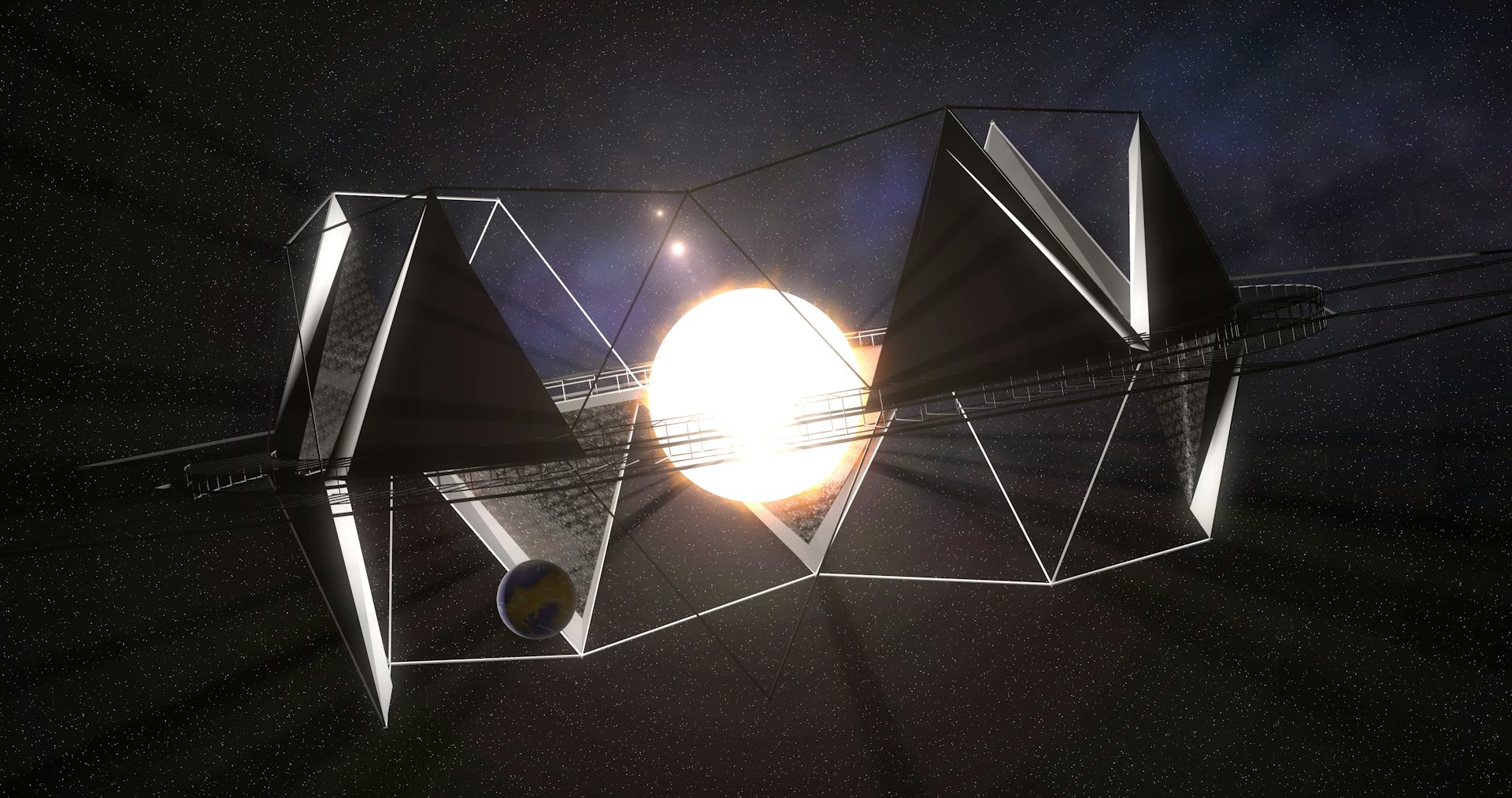
The most controversial part of Seti isn’t the searching; it’s the messaging. Known as Meti (Messaging Extraterrestrial Intelligence) , the idea of intentionally sending signals to other worlds splits the community. As enshrined in the earlier declarations, the 2026 Declaration remains firm on one point: no response should be sent until there has been a broad, international consultation.
Bagian paling kontroversial dari Seti bukanlah pencarian; melainkan pesanannya. Dikenal sebagai Meti (Messaging Extraterrestrial Intelligence) , gagasan mengirim sinyal secara sengaja ke dunia lain memecah belah komunitas. Sebagaimana diabadikan dalam deklarasi sebelumnya, Deklarasi 2026 tetap teguh pada satu poin: tidak ada respons yang boleh dikirim sampai telah dilakukan konsultasi internasional yang luas.
Deciding how to represent Earth to an alien civilisation is a choice that belongs to all of humanity, not a single institution or individual. These consultations must take place through the United Nations or other broadly representative global bodies.
Memutuskan cara merepresentasikan Bumi kepada peradaban asing adalah pilihan yang menjadi milik seluruh umat manusia, bukan institusi atau individu tunggal. Konsultasi ini harus dilakukan melalui Perserikatan Bangsa-Bangsa atau badan global lain yang sangat representatif.
The discovery of intelligent life beyond Earth would stand as one of the most transformative events in human history. To help manage the profound aftermath, the IAA SETI Committee is establishing a permanent Post-Detection Sub-Committee.
Penemuan kehidupan cerdas di luar Bumi akan menjadi salah satu peristiwa paling transformatif dalam sejarah manusia. Untuk membantu mengelola dampak mendalamnya, Komite IAA SETI membentuk Sub-Komite Pasca-Deteksi permanen.
This body will not simply be a room full of astronomers; it will include international experts in ethics, law, social sciences and communications to advise on the complex, long term societal implications of contact.
Badan ini tidak hanya akan menjadi ruangan penuh astronom; melainkan juga akan melibatkan pakar internasional di bidang etika, hukum, ilmu sosial, dan komunikasi untuk memberikan saran mengenai implikasi sosial jangka panjang yang kompleks dari kontak.
The new protocols themselves are designed to be living documents, supplemented by a separate Code of Conduct and Best Practices Guidelines that will be periodically reexamined and updated to reflect the “best practice” of the day.
Protokol baru itu sendiri dirancang untuk menjadi dokumen hidup, dilengkapi dengan Kode Etik dan Pedoman Praktik Terbaik terpisah yang akan ditinjau ulang dan diperbarui secara berkala untuk mencerminkan “praktik terbaik” pada hari itu.
The revised declaration has recently been formally adopted by the IAA Board of Trustees and over the rest of the year it will be filed with other appropriate organisations for their endorsement.
Deklarasi yang direvisi baru-baru ini secara resmi diadopsi oleh Dewan Wali Amanat IAA dan selama sisa tahun ini akan diajukan kepada organisasi lain yang sesuai untuk mendapatkan dukungan mereka.
The next goal will be to present the finished framework to the wider scientific community at the International Astronautical Congress in Turkey in August 2026. Beyond that, the Committee hope that the new protocols will also be reviewed and noted by the UN.
Tujuan selanjutnya adalah mempresentasikan kerangka kerja yang sudah selesai kepada komunitas ilmiah yang lebih luas di Kongres Astronotika Internasional di Turki pada Agustus 2026. Selain itu, Komite berharap bahwa protokol baru juga akan ditinjau dan dicatat oleh PBB.
By establishing these rigorous rules now, we ensure that if, or when, that signal finally arrives, the world is prepared to listen, verify, and respond as one planet.
Dengan menetapkan aturan ketat ini sekarang, kita memastikan bahwa jika, atau ketika, sinyal itu akhirnya tiba, dunia siap untuk mendengarkan, memverifikasi, dan merespons sebagai satu planet.
Michael Garrett led a task group that included Professor Kathryn Denning (York University, Canada) , Professor Carol Oliver (University of New South Wales, Australia) and Mr. Les Tennen (Law Offices of Sterns and Tennen, USA, and Full member and Legal Counsel of the International Academy of Astronautics Board of Trustees) . This group drafted the updated 2026 protocols.
Michael Garrett memimpin gugus tugas yang mencakup Profesor Kathryn Denning (York University, Kanada) , Profesor Carol Oliver (University of New South Wales, Australia) , dan Bapak Les Tennen (Kantor Hukum Sterns dan Tennen, AS, serta Anggota Penuh dan Penasihat Hukum Dewan Wali Amanat Akademi Antariksa Internasional) . Kelompok ini menyusun protokol tahun 2026 yang telah diperbarui.
Read more
-
Trump dan Lula di Gedung Putih: hubungan yang dibangun di atas pragmatisme dan perhitungan regional yang lebih luas
Trump and Lula at the White House: a relationship built on pragmatism and a broader regional calculus
-

Mengapa ‘keajaiban’ inflasi Javier Milei di Argentina lebih seperti fatamorgana
Why Javier Milei’s inflation ‘miracle’ in Argentina is more of a mirage