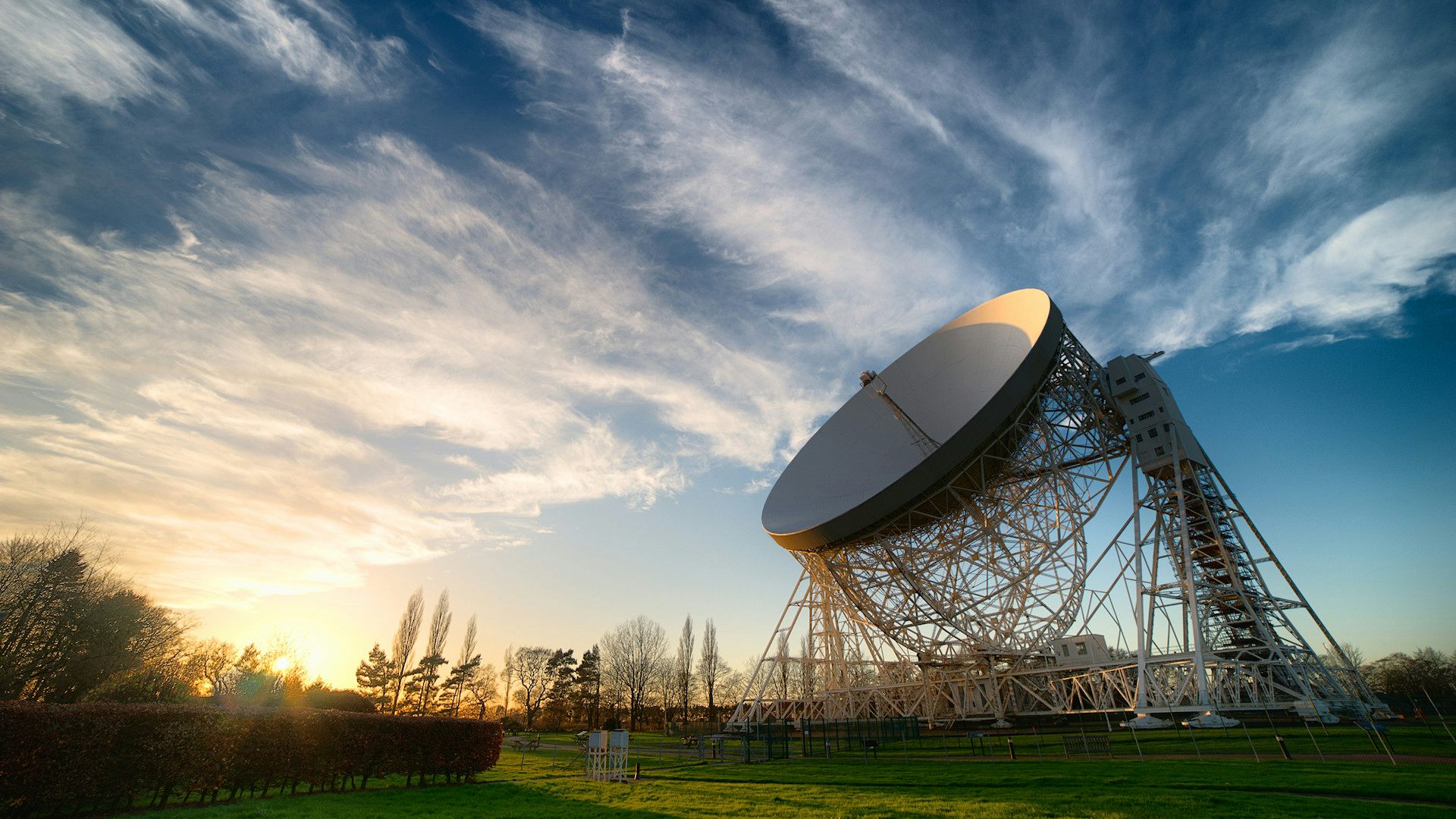
الاتصال الأول بالكائنات الفضائية: كيف تختلف القواعد الجديدة عن الخيال العلمي
Alien first contact: how the new rules differ from science fiction
Astronomers should not try to message E.T. before international consultation has occurred.
لا ينبغي لعلماء الفلك محاولة إرسال رسائل للكائنات الفضائية قبل إجراء مشاورات دولية.
The moment of first contact with extraterrestrials is a staple of science fiction. It usually involves a frantic scientist having a Eureka moment, realising in a single dramatic instant that Earth is being visited by creatures from light-years away.
يُعدّ لحظة الاتصال الأول بالكائنات خارج الأرض عنصراً أساسياً في الخيال العلمي. وعادةً ما تتضمن هذه اللحظة عالماً مذعوراً يمر بلحظة “يوريكا”، مُدركاً في ومضة درامية واحدة أن الأرض تتعرض لزيارة من كائنات قادمة من مسافات ضوئية بعيدة.
Aliens are in the public consciousness once again thanks to Steven Spielberg’s latest film, Disclosure Day, which follows a whistleblower’s attempts to reveal extraterrestrial visitations to the world.
عاد الكائنات الفضائية إلى الوعي العام مرة أخرى بفضل أحدث أفلام ستيفن سبيلبرغ، “يوم الإفصاح” (Disclosure Day) ، الذي يتبع محاولات مُبلِّغ عن المخالفات للكشف عن زيارات خارج الأرض للعالم.
In reality, the discovery of extraterrestrial intelligence is far more likely to emerge as a faint anomaly in astronomical data, followed by a slow, painstaking process of verification, peer review and intense international deliberation. There might be no single Eureka moment, and no lone scientist with the answer.
في الواقع، من المرجح أن يظهر اكتشاف الذكاء خارج الأرض كشذوذ خافت في البيانات الفلكية، يليه عملية بطيئة ومضنية من التحقق ومراجعة الأقران والمداولات الدولية المكثفة. قد لا تكون هناك لحظة “يوريكا” واحدة، ولا عالم وحيد يحمل الإجابة.
As our telescopes have advanced, so too has the complexity of the world we live in. That is why a committee of the International Academy of Astronautics (IAA) has just voted to accept a major overhaul of the “post-detection protocols” – the scientific code of conduct for what happens after we find evidence of life beyond Earth.
مع تطور تلسكوباتنا، زاد تعقيد العالم الذي نعيش فيه أيضاً. ولهذا السبب، صوتت لجنة من الأكاديمية الدولية لعلوم الفضاء (IAA) للتو للموافقة على مراجعة جذرية “لبروتوكولات ما بعد الكشف” – وهي مدونة السلوك العلمي لما يحدث بعد أن نجد دليلاً على حياة خارج الأرض.
The IAA body that has approved the changes is the Search for Extraterrestrial Intelligence (Seti) Committee. Seti is the collective term for scientific projects dedicated to searching for signs of intelligent alien life in the universe.
الهيئة التابعة للأكاديمية الدولية لعلوم الفضاء التي اعتمدت هذه التغييرات هي لجنة البحث عن ذكاء خارج الأرض (SETI) . ويُعدّ مصطلح SETI المصطلح الجماعي للمشاريع العلمية المكرسة للبحث عن علامات الحياة الغريبة الذكية في الكون.
The previous version of these principles was adopted way back in 2010. To put that in perspective, in 2010, the “fake news” era hadn’t quite arrived, social media was in its infancy, and the broader idea of “technosignatures”, looking for signs of alien technology such as waste heat from giant structures in space, was still largely on the fringes of mainstream astronomy.
تم اعتماد النسخة السابقة من هذه المبادئ في عام 2010. ولتوضيح ذلك، ففي عام 2010، لم تكن حقبة “الأخبار المزيفة” قد وصلت بعد، وكانت وسائل التواصل الاجتماعي لا تزال في مراحلها المبكرة، وكانت الفكرة الأوسع لـ “التوقيعات التكنولوجية”، التي تبحث عن علامات للتكنولوجيا الغريبة مثل الحرارة المهدرة من الهياكل العملاقة في الفضاء، لا تزال إلى حد كبير على أطراف علم الفلك السائد.
Today, the field has exploded. We are no longer just listening out for artificial radio signals from a few select stars. Projects like Breakthrough Listen have globalised the search, and we now observe the entire electromagnetic spectrum for any sign of advanced technology.
اليوم، ازدهر هذا المجال بشكل هائل. لم نعد نكتفي بالاستماع للإشارات الراديوية الاصطناعية القادمة من عدد قليل من النجوم المختارة. وقد عملت مشاريع مثل “بريكثرو” (Breakthrough Listen) على عولمة البحث، ونحن الآن نرصد الطيف الكهرومغناطيسي بأكمله بحثاً عن أي علامة لتكنولوجيا متقدمة.
Furthermore, the information landscape has become a minefield. In an era of deepfakes and instant global connectivity, a single unverified claim could trigger global panic or widespread misinformation before scientists have even had a chance to check their data.
علاوة على ذلك، أصبح المشهد المعلوماتي بمثابة حقل ألغام. في عصر التزييف العميق والاتصال العالمي الفوري، يمكن أن يؤدي ادعاء واحد غير مُتحقق إلى إثارة ذعر عالمي أو معلومات مضللة واسعة النطاق قبل أن تتاح للعلماء فرصة التحقق من بياناتهم.
At the heart of the 2026 update is a commitment to scientific rigour. The new protocols make it clear: we do not shout “alien” the moment we see a strange blip in our data. If a researcher detects a candidate signal, which could be an artificial radio signal, or something else, such as a sign of alien technology, the first step isn’t a post on social media; it’s a quiet, rigorous attempt to prove themselves wrong. The discovery must be independently authenticated by multiple organisations using different instruments.
في صميم تحديث عام 2026 يكمن الالتزام بالصرامة العلمية. وتوضح البروتوكولات الجديدة: نحن لا نصرخ “كائن فضائي” بمجرد رؤيتنا لومضة غريبة في بياناتنا. وإذا اكتشف باحث إشارة مرشحة، قد تكون إشارة راديو اصطناعية، أو شيئاً آخر، مثل علامة على تكنولوجيا فضائية، فإن الخطوة الأولى ليست منشوراً على وسائل التواصل الاجتماعي؛ بل هي محاولة هادئة ومضنية لإثبات خطأ الاكتشاف. ويجب تأكيد هذا الاكتشاف بشكل مستقل من قبل مؤسسات متعددة باستخدام أدوات مختلفة.
Only when a consensus is reached that the signal is truly credible is it brought to the world. This isn’t about secrecy for secrecy’s sake. There is no obligation to disclose verification efforts while they are ongoing, precisely to avoid embarrassing and damaging false alarms.
ولا يُعرض الأمر للعالم إلا عندما يتم التوصل إلى إجماع بأن الإشارة ذات مصداقية حقيقية. والأمر لا يتعلق بالسرية لذاتها. ولا يوجد واجب الكشف عن جهود التحقق أثناء سيرها، تحديداً لتجنب الإنذارات الكاذبة المحرجة والضارة.
However, once a discovery is confirmed, the protocols demand full transparency. The data, the analysis methods, and the code used must be made open to the entire global scientific community and, indeed, the general public for replication.
ومع ذلك، بمجرد تأكيد الاكتشاف، تتطلب البروتوكولات شفافية كاملة. ويجب أن تكون البيانات وطرق التحليل والشفرات المستخدمة متاحة للمجتمع العلمي العالمي بأكمله، بل ولعامة الناس أيضاً من أجل التكرار.
Should we talk back?
هل يجب أن نرد؟
One significant addition to the 2026 declaration is the focus on researcher safety. We’ve seen in recent years how scientists at the centre of high profile news stories can become targets for harassment or “doxxing”, where malicious individuals post the scientist’s personal details online. The new guidelines urge institutions to protect their researchers from negative professional repercussions and physical or digital harassment.
تتمثل إحدى الإضافات المهمة إلى إعلان عام 2026 في التركيز على سلامة الباحثين. لقد رأينا في السنوات الأخيرة كيف يمكن للعلماء الذين يتوسطون قصصاً إخبارية بارزة أن يصبحوا أهدافاً للمضايقة أو “نشر البيانات الشخصية” (doxxing) ، حيث يقوم أشخاص خبيثون بنشر التفاصيل الشخصية للعالم عبر الإنترنت. وتحث المبادئ التوجيهية الجديدة المؤسسات على حماية باحثيها من التداعيات المهنية السلبية والمضايقات الجسدية أو الرقمية.
The protocols also address the “trash” of our own making: radio frequency interference (RFI) . The radio frequency bands that Seti scientists use to listen for E.T. are increasingly polluted – from below by mobile networks, radar and poorly shielded electronics, and from above by the growth of satellite “mega-constellations” like Starlink.
تتناول البروتوكولات أيضاً “النفايات” التي صنعناها بأنفسنا: التداخل بالترددات الراديوية (RFI) . إن نطاقات الترددات الراديوية التي يستخدمها علماء سيتي للاستماع إلى الكائنات الفضائية تتلوث بشكل متزايد – من الأسفل بسبب شبكات الهاتف المحمول والرادار والإلكترونيات ذات الحماية الضعيفة، ومن الأعلى بسبب نمو “التجمعات الميجا” للأقمار الصناعية مثل ستارلينك.
The declaration calls for extraordinary international efforts to protect the frequencies where a signal is detected, ensuring our “communication channel” isn’t drowned out by our own technology.
يدعو الإعلان إلى جهود دولية استثنائية لحماية الترددات التي يتم فيها اكتشاف إشارة، لضمان ألا تغمر تقنيتنا الخاصة “قناة اتصالنا.”
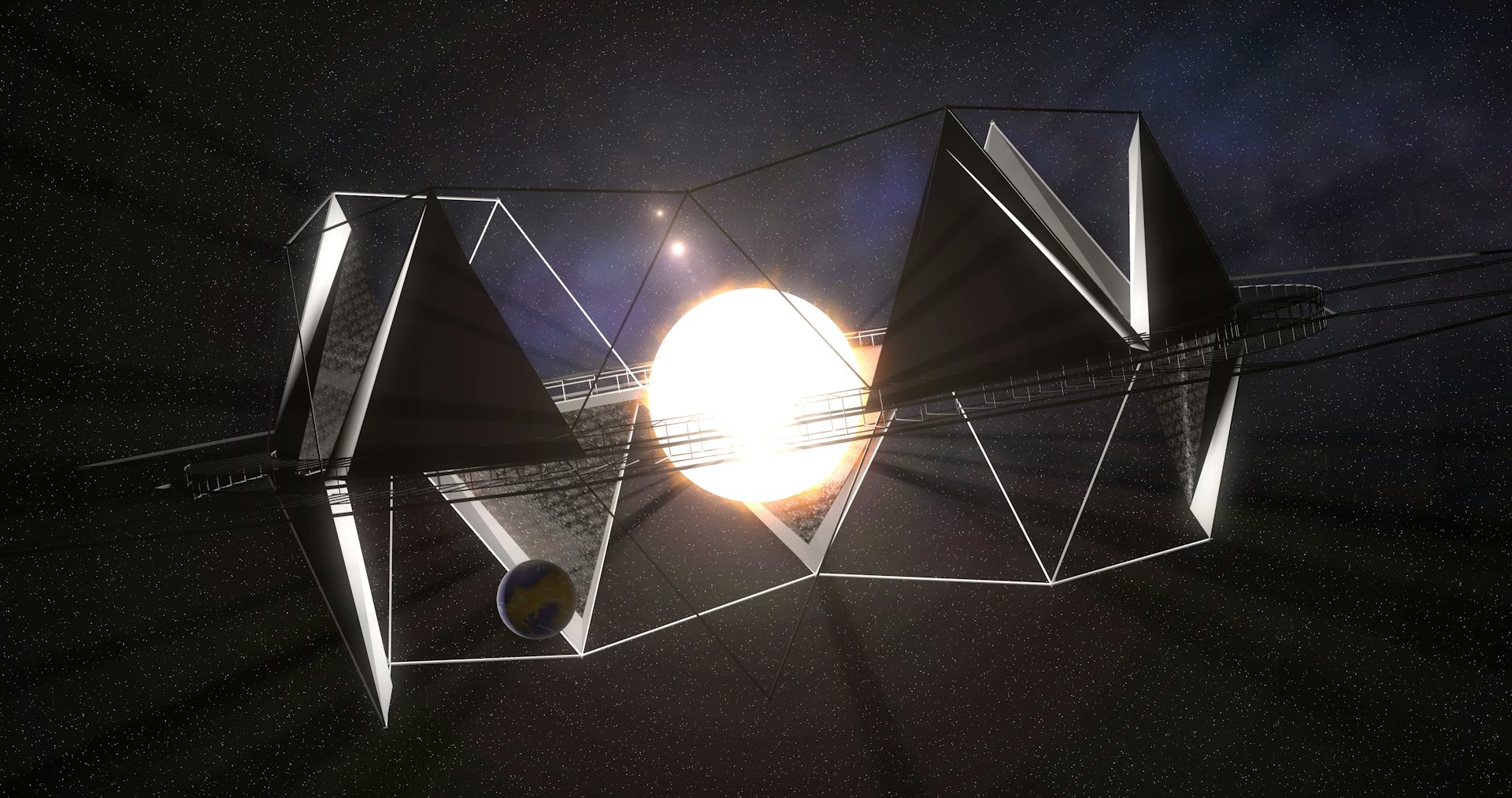
The most controversial part of Seti isn’t the searching; it’s the messaging. Known as Meti (Messaging Extraterrestrial Intelligence) , the idea of intentionally sending signals to other worlds splits the community. As enshrined in the earlier declarations, the 2026 Declaration remains firm on one point: no response should be sent until there has been a broad, international consultation.
إن الجزء الأكثر إثارة للجدل في مشروع “سيتي” ليس البحث؛ بل هو الإرسال. ويُعرف هذا بمصطلح “ميتي” (Messaging Extraterrestrial Intelligence) ، وتُقسّم فكرة إرسال الإشارات عمداً إلى عوالم أخرى المجتمع. وكما هو منصوص عليه في الإعلانات السابقة، يظل “إعلان 2026” حازماً بشأن نقطة واحدة: لا ينبغي إرسال أي رد حتى تتم مشاورات دولية واسعة.
Deciding how to represent Earth to an alien civilisation is a choice that belongs to all of humanity, not a single institution or individual. These consultations must take place through the United Nations or other broadly representative global bodies.
إن قرار كيفية تمثيل الأرض لحضارة فضائية هو خيار يعود إلى الإنسانية جمعاء، وليس لمؤسسة واحدة أو فرد بعينه. ويجب أن تتم هذه المشاورات عبر الأمم المتحدة أو الهيئات العالمية الأخرى التي تتمتع بتمثيل واسع.
The discovery of intelligent life beyond Earth would stand as one of the most transformative events in human history. To help manage the profound aftermath, the IAA SETI Committee is establishing a permanent Post-Detection Sub-Committee.
سيُشكّل اكتشاف حياة ذكية خارج كوكب الأرض أحد أكثر الأحداث تحولاً في تاريخ البشرية. وللمساعدة في إدارة التداعيات العميقة، تقوم لجنة SETI التابعة لـ IAA بتأسيس لجنة فرعية دائمة لما بعد الاكتشاف.
This body will not simply be a room full of astronomers; it will include international experts in ethics, law, social sciences and communications to advise on the complex, long term societal implications of contact.
لن تقتصر هذه الهيئة على أن تكون مجرد غرفة مليئة بعلماء الفلك؛ بل ستضم خبراء دوليين في الأخلاق والقانون والعلوم الاجتماعية والاتصالات لتقديم المشورة بشأن التداعيات المجتمعية المعقدة وطويلة الأجل للتواصل.
The new protocols themselves are designed to be living documents, supplemented by a separate Code of Conduct and Best Practices Guidelines that will be periodically reexamined and updated to reflect the “best practice” of the day.
إن البروتوكولات الجديدة بحد ذاتها مصممة لتكون وثائق حية، وتُدعم بمجموعة منفصلة من مدونة السلوك وإرشادات أفضل الممارسات، والتي سيتم إعادة فحصها وتحديثها بشكل دوري لتعكس “أفضل ممارسة” في الوقت الراهن.
The revised declaration has recently been formally adopted by the IAA Board of Trustees and over the rest of the year it will be filed with other appropriate organisations for their endorsement.
تم اعتماد البيان المعدل رسميًا مؤخرًا من قبل مجلس أمناء IAA، وسيتم إيداعه لدى المنظمات الأخرى المعنية للحصول على موافقتها خلال بقية العام.
The next goal will be to present the finished framework to the wider scientific community at the International Astronautical Congress in Turkey in August 2026. Beyond that, the Committee hope that the new protocols will also be reviewed and noted by the UN.
سيكون الهدف التالي هو تقديم الإطار المنجز للمجتمع العلمي الأوسع في المؤتمر الفلكي الدولي بتركيا في أغسطس عام ٢٠٢٦. علاوة على ذلك، تأمل اللجنة أن تتم مراجعة البروتوكولات الجديدة وتدوينها من قبل الأمم المتحدة أيضاً.
By establishing these rigorous rules now, we ensure that if, or when, that signal finally arrives, the world is prepared to listen, verify, and respond as one planet.
بوضع هذه القواعد الصارمة الآن، نضمن أنه عندما تصل تلك الإشارة أخيراً، سيكون العالم مستعداً للاستماع والتحقق والاستجابة بوصفه كوكباً واحداً.
Michael Garrett led a task group that included Professor Kathryn Denning (York University, Canada) , Professor Carol Oliver (University of New South Wales, Australia) and Mr. Les Tennen (Law Offices of Sterns and Tennen, USA, and Full member and Legal Counsel of the International Academy of Astronautics Board of Trustees) . This group drafted the updated 2026 protocols.
قاد مايكل غاريت مجموعة عمل ضمت البروفيسورة كاثرين ديننغ (جامعة يورك، كندا) ، والبروفيسورة كارول أوليفر (جامعة نيو ساوث ويلز، أستراليا) ، والسيد ليز تينرن (مكاتب ستيرنز وتينرن للمحاماة، الولايات المتحدة الأمريكية، وعضو كامل ومستشار قانوني لمجلس أمناء الأكاديمية الدولية لعلم الفضاء) . صاغت هذه المجموعة بروتوكولات عام 2026 المحدثة.
Read more
-
اتفاق وقف إطلاق النار الإيراني يؤكد ما كنا نقوله منذ سنوات: القوة العسكرية لا تجدي نفعاً.
Iran ceasefire deal confirms what we’ve been saying for years: military might doesn’t work
-

يُعاد فتح مضيق هرمز، لكن الشحن العالمي لن يعود إلى طبيعته لعدة أشهر
The Strait of Hormuz is reopening, but global shipping won’t return to normal for months