尽管伊朗尽了最大努力,也无法封锁霍尔木兹海峡。原因如下
Despite its best efforts, Iran won’t be able to toll th…
New strikes from the US and Iran continue to put the future of the crucial shipping channel in doubt, but a permanent toll is neither legal nor workable.
美国和伊朗的新一轮袭击持续让这条关键航道的未来充满不确定性,但永久性的封锁既不合法也不可行。
Tensions have again escalated in the Middle East, with the United States and Iran trading strikes around the Strait of Hormuz.
中东的紧张局势再次升级,美国和伊朗在霍尔木兹海峡附近进行交火。
It follows reports of an Iranian drone attack on a cargo ship trying to transit through the strait. Both the US and Iran have accused each other of breaking the agreed 60-day interim peace deal.
此前有报道称,伊朗无人机攻击了一艘试图穿越该海峡的货船。美国和伊朗都互相指责对方违反了商定的为期60天的临时和平协议。
Since Iran was attacked by the US and Israel it has increasingly signalled its intent to make control of the Strait of Hormuz a permanent feature. This has raised fears that after the conflict, it could permanently impose tolls on the roughly 130 ships that transit the strait each day.
自从伊朗被美国和以色列攻击以来,它越来越发出意图信号,希望将控制霍尔木兹海峡常态化。这引发了担忧,即冲突之后,它可能会永久性地对每天穿越该海峡的约130艘船征收过路费。
While Iran may desire a guaranteed source of revenue, the region is unlikely to accept it tolling the strait. More importantly, it would not work. The Strait of Hormuz is not a canal.
尽管伊朗可能渴望获得稳定的收入来源,但该地区不太可能接受它对海峡征收过路费。更重要的是,这根本行不通。霍尔木兹海峡不是一条运河。
No legal way
无法律依据
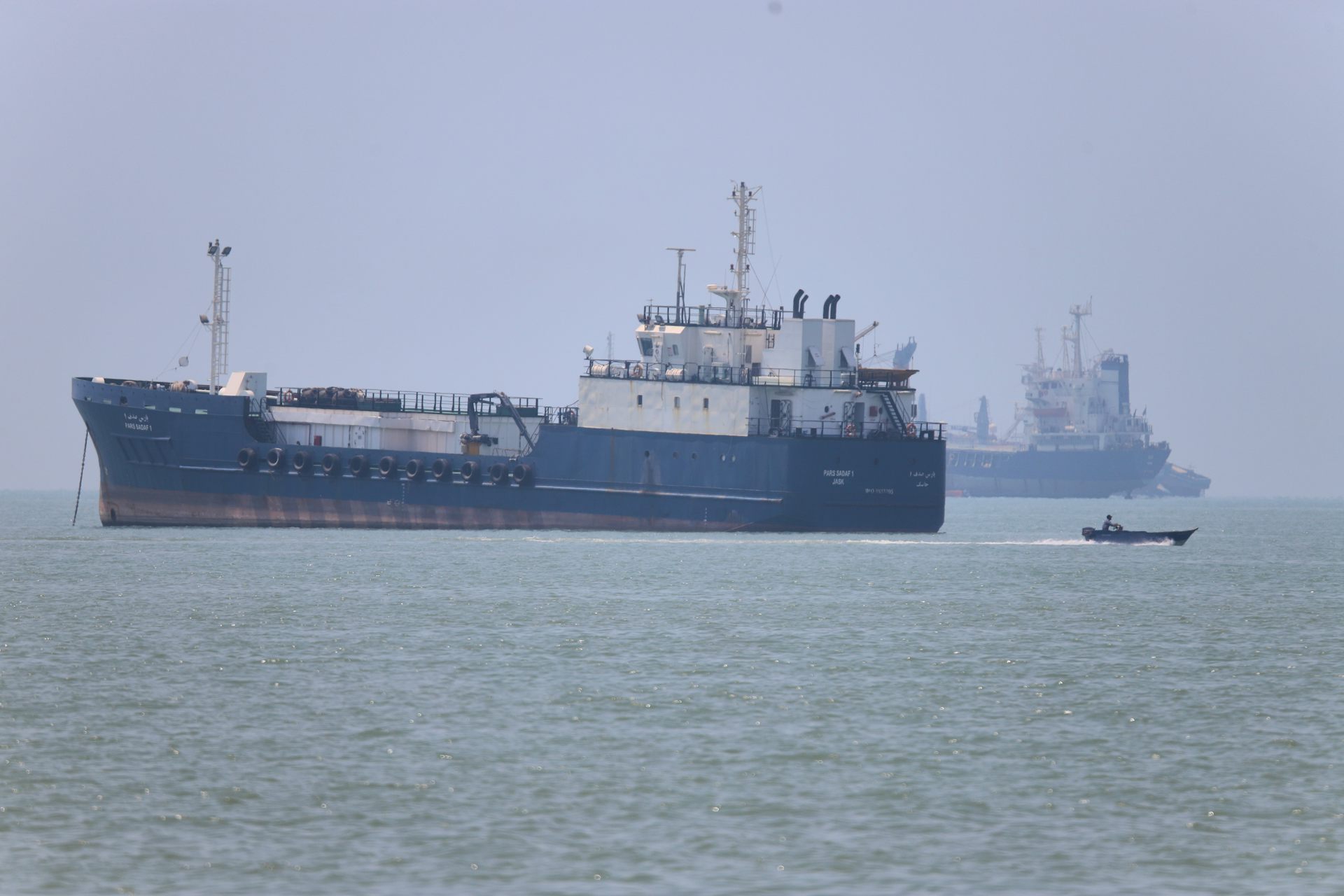
The world is right to be concerned. Since the war began, Iran has sought to deter ships from transiting the Strait of Hormuz, attacking more than 40 neutral merchant vessels and killing several innocent merchant mariners.
世界有理由担忧。自战争爆发以来,伊朗一直试图阻止船只穿越霍尔木兹海峡,攻击了40多艘中立商船,并杀害了几名无辜的商船水手。
Combined with missile and drone attacks and the placement of sea mines in the strait, commercial shipping has effectively ground to a halt for more than three months, with significant economic consequences.
加上导弹和无人机袭击以及在海峡设置的海雷,商业航运已有效地停滞了三个多月,造成了重大的经济后果。
Concern has been further fuelled by the wording of the recent 14-point interim deal, which stated that Iran would use its “best efforts” to ensure the safe passage of commercial vessels “with no charge, for 60 days only”.
最近达成的14点临时协议的措辞进一步加剧了担忧,该协议规定伊朗将“尽最大努力”确保商船安全通过,“且不收取任何费用,仅限60天”。
The plan says Iran would discuss future arrangements with Oman and other Gulf states, “in line with applicable international law and the sovereign rights of coastal states of the Strait of Hormuz”.
该计划说,伊朗将与阿曼和其他海湾国家讨论未来的安排,并“符合适用的国际法和霍尔木兹海峡沿岸国家的主权权利”。
Under the United Nations Convention on the Law of the Sea, the Strait of Hormuz is an international strait where all ships enjoy a right of transit passage that coastal states cannot suspend.
根据《联合国海洋法公约》,霍尔木兹海峡是一条国际水道,所有船只享有沿岸国无法暂停的过境通行权。
While parts of the strait pass through Iranian territorial waters, the main traffic separation scheme lies within Omani waters. Traffic separation schemes are routes established by the International Maritime Organisation to safely manage traffic in busy chokepoints. Think of them as recommended roadways.
虽然海峡的部分区域经过伊朗领海,但主要的航道分隔方案位于阿曼水域内。航道分隔方案是由国际海事组织建立的路线,用于安全管理繁忙的瓶颈处的交通。可以将其视为推荐的道路。
Despite concerns about the wording of the deal, Iran could not lawfully impose a toll on transit passage.
尽管对协议措辞存在担忧,但伊朗不能合法地对过境通行征收过路费。
But also no practical way
但也没有实际的方法
But the real question is whether Iran could practically impose a toll, particularly given it has effectively halted most commercial shipping through the Strait of Hormuz for more than three months.
但真正的问题是,伊朗是否能够实际征收过路费,特别是考虑到它已经有效地阻止了超过三个月的大部分商业航运通过霍尔木兹海峡。
At first glance, there are obvious precedents. Ships pay to transit canals such as the Suez and Panama canals.
乍一看,有明显的先例。船只需要为穿越苏伊士和巴拿马等运河付费。
But these are fundamentally different waterways. They lie within the territory of a single state and are narrow, controlled transit routes. The navigable channel of the Suez Canal, for example, is typically around 200 metres wide.
但这些水域在本质上是不同的。它们位于一个国家的领土内,并且是狭窄、受控的过境路线。例如,苏伊士运河的可航道通常宽度约为200米。
The Strait of Hormuz is different. At its narrowest point it is approximately 39 kilometres across, including areas of both Omani and Iranian waters.
霍尔木兹海峡则不同。在其最窄处,包括阿曼和伊朗两国的水域,其跨度约为39公里。
The scale of the waterway makes it far more difficult to physically stop, inspect and control vessels that refuse to pay a toll. Imposing a toll is one thing; enforcing it against unwilling ships is another entirely.
这条水道的规模使得物理上阻止、检查和控制拒绝支付过路费的船只变得更加困难。征收过路费是一回事;对不情愿的船只执行过路费则是完全另一回事。
Ships transiting the Suez Canal enter via Port Said in the north or Suez in the south, then Suez Canal Authority pilots get onboard the vessels and join a tightly controlled convoy system for the transit.
穿越苏伊士运河的船只通过北部的塞得港或南部的苏伊士进入,然后苏伊士运河管理局的引航员登上船只,并加入一个严格控制的护航系统进行过境。
The canal’s confined and highly regulated nature makes it virtually impossible for vessels to transit without complying with canal authorities and paying the required tolls.
运河受限且高度规范的性质使得船舶几乎不可能不遵守运河当局规定和支付所需费用而通过。
For the Strait of Hormuz, international law aside, shipping companies and states are unlikely to voluntarily accept a permanent toll on transit through an international strait.
对于霍尔木兹海峡而言,抛开国际法不谈,航运公司和国家不太可能自愿接受在国际海峡穿越时永久性的过路费。
The issue is not simply cost, but the precedent it would set for freedom of navigation and the governance of straits around the world.
问题不仅仅是成本,而是它将为全球海峡的自由航行和治理所树立的先例。
Leverage or long-term control?
利用权还是长期控制?
Iran would not be charging ships for a service, as occurs in the Suez or Panama canals. It would be charging vessels for exercising a pre-existing right of transit through an international strait. Oman and other Gulf states have warned that tolling arrangements would undermine free passage and set a dangerous precedent.
伊朗不会像苏伊士运河或巴拿马运河那样向船只收取服务费。它将是向船舶征收通过国际海峡的既有通行权费用。阿曼和其他湾国警告说,收费安排会破坏自由航行,并树立危险先例。
Companies would therefore have to be coerced into paying. But unlike the Suez or Panama canals, the Strait of Hormuz is far larger and more difficult to police, making enforcement challenging.
因此,公司将被迫支付费用。但与苏伊士运河或巴拿马运河不同的是,霍尔木兹海峡要大得多,也更难监管,使得执法具有挑战性。
During the current conflict, Iran has deterred shipping through the use of weapons, killing innocent mariners and disrupting global trade.
在当前的冲突中,伊朗通过使用武器威慑船只通行,杀害无辜水手并扰乱全球贸易。
While the international response has at times been muted, such actions are not a sustainable means of enforcing a permanent toll in peacetime.
尽管国际反应有时是平淡的,但这种行为不能成为和平时期强制征收永久过路费的可持续手段。
Unless Iran is willing to continue attacking innocent merchant vessels after the conflict ends, an approach that would attract significant diplomatic pressure, sanctions and criticism, including from countries such as China, it is unlikely to have either the incentive or the enforcement mechanism required to compel ships to pay a toll that is inconsistent with international law.
除非伊朗愿意在冲突结束后继续攻击无辜商船——这种做法会招致来自包括中国在内的国家的巨大外交压力、制裁和批评——否则它不太可能具备任何激励或执行机制来迫使船舶支付与国际法不符的过路费。
Iran is using its success in disrupting shipping through the Strait of Hormuz as leverage in negotiations. But leverage and long-term control are not the same thing. While Iran can disrupt shipping, it is unlikely to permanently toll the Strait of Hormuz.
伊朗正利用其扰乱霍尔木兹海峡航运方面的成功作为谈判筹码。但筹码和长期控制不是一回事。虽然伊朗可以扰乱航运,但它不太可能永久性地对霍尔木兹海峡征收过路费。
Jennifer Parker does not work for, consult, own shares in or receive funding from any company or organisation that would benefit from this article, and has disclosed no relevant affiliations beyond their academic appointment.
Jennifer Parker不为任何受益于本文的公司或组织工作、咨询、拥有股份或接受资金,并且除了其学术任命外,未披露任何相关任职关系。