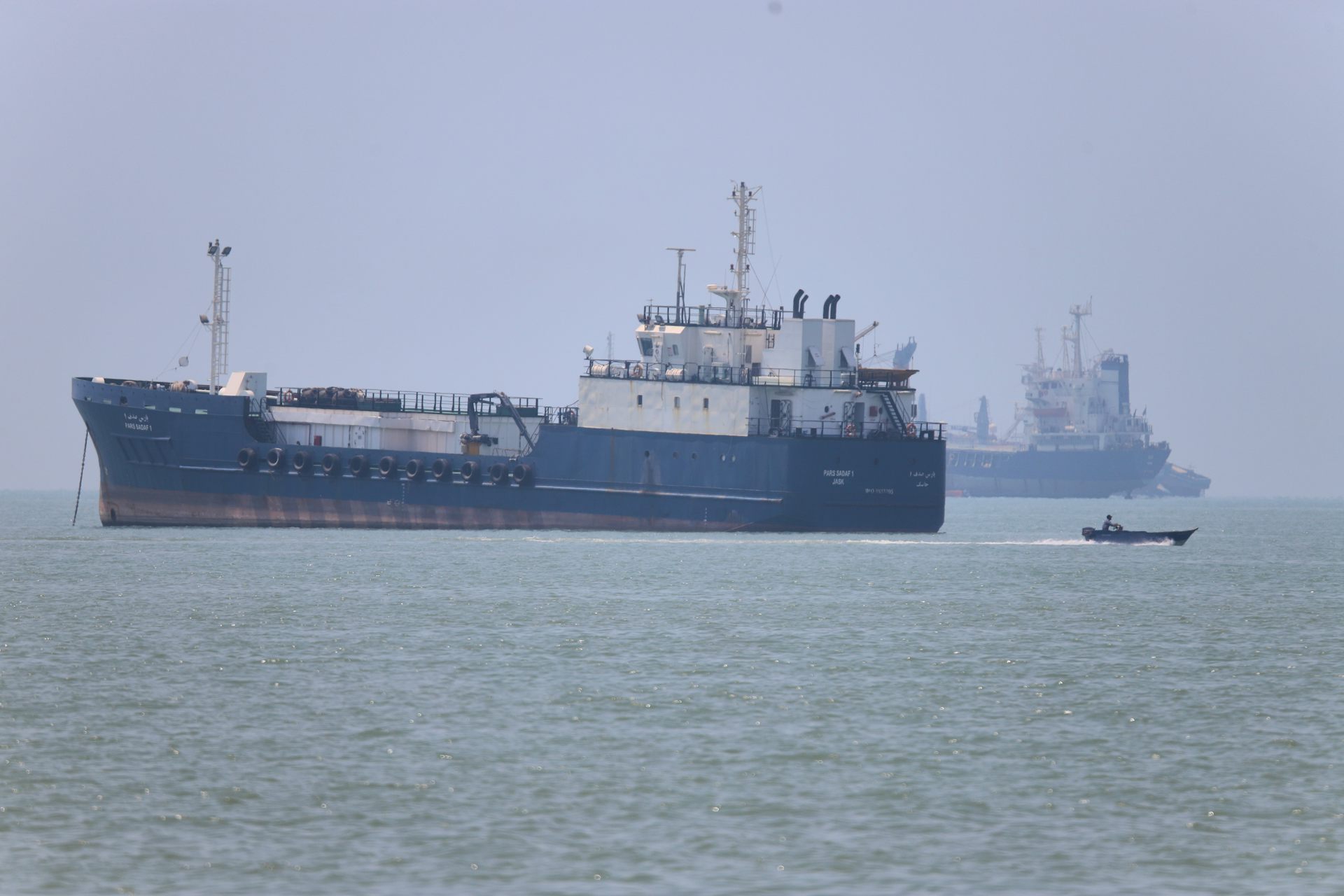
بالرغم من أفضل جهودها، لن تتمكن إيران من إغلاق مضيق هرمز. وإليك السبب.
Despite its best efforts, Iran won’t be able to toll the Strait of Hormuz. Here’s why
New strikes from the US and Iran continue to put the future of the crucial shipping channel in doubt, but a permanent toll is neither legal nor workable.
تواصل الضربات الجديدة من الولايات المتحدة وإيران التشكيك في مستقبل الممر الملاحي الحيوي، لكن السيطرة الدائمة عليه ليست قانونية ولا قابلة للتطبيق.
Tensions have again escalated in the Middle East, with the United States and Iran trading strikes around the Strait of Hormuz.
تصاعدت التوترات مجدداً في الشرق الأوسط، حيث تتبادل الولايات المتحدة وإيران الضربات حول مضيق هرمز.
It follows reports of an Iranian drone attack on a cargo ship trying to transit through the strait. Both the US and Iran have accused each other of breaking the agreed 60-day interim peace deal.
ويأتي ذلك في أعقاب تقارير عن هجوم إيراني بطائرة مسيرة على سفينة شحن تحاول العبور عبر المضيق. وقد اتهم كل من الولايات المتحدة وإيران الطرف الآخر بخرق اتفاق السلام المؤقت المتفق عليه لمدة 60 يوماً.
Since Iran was attacked by the US and Israel it has increasingly signalled its intent to make control of the Strait of Hormuz a permanent feature. This has raised fears that after the conflict, it could permanently impose tolls on the roughly 130 ships that transit the strait each day.
ومنذ تعرضت إيران لهجوم أمريكي وإسرائيلي، زادت إشاراتها عن عزمها جعل السيطرة على مضيق هرمز سمة دائمة. وقد أثار هذا مخاوف من أنها قد تفرض رسوماً باهظة بشكل دائم على ما يقرب من 130 سفينة تعبر المضيق يومياً بعد أي صراع.
While Iran may desire a guaranteed source of revenue, the region is unlikely to accept it tolling the strait. More importantly, it would not work. The Strait of Hormuz is not a canal.
على الرغم من أن إيران قد ترغب في مصدر مضمون للإيرادات، فمن غير المحتمل أن تقبل المنطقة بفرض رسوم على المضيق. والأهم من ذلك، أنه لن ينجح. مضيق هرمز ليس قناة ملاحية.
No legal way
لا يوجد سند قانوني
The world is right to be concerned. Since the war began, Iran has sought to deter ships from transiting the Strait of Hormuz, attacking more than 40 neutral merchant vessels and killing several innocent merchant mariners.
من حق العالم القلق. فمنذ بدء الحرب، سعت إيران إلى ردع السفن عن عبور مضيق هرمز، حيث هاجمت أكثر من 40 سفينة تجارية محايدة وقتلت العديد من البحارة التجاريين الأبرياء.
Combined with missile and drone attacks and the placement of sea mines in the strait, commercial shipping has effectively ground to a halt for more than three months, with significant economic consequences.
ومع هجمات الصواريخ والطائرات المسيرة ووضع الألغام البحرية في المضيق، توقفت حركة الشحن التجاري فعليًا لأكثر من ثلاثة أشهر، مما أدى إلى عواقب اقتصادية كبيرة.
Concern has been further fuelled by the wording of the recent 14-point interim deal, which stated that Iran would use its “best efforts” to ensure the safe passage of commercial vessels “with no charge, for 60 days only”.
وقد زاد القلق بسبب صياغة الاتفاق المؤقت المكون من 14 نقطة، والذي نص على أن إيران ستستخدم “أفضل جهودها” لضمان المرور الآمن للسفن التجارية “بدون رسوم، ولمدة 60 يومًا فقط.”
The plan says Iran would discuss future arrangements with Oman and other Gulf states, “in line with applicable international law and the sovereign rights of coastal states of the Strait of Hormuz”.
وتنص الخطة على أن إيران ستناقش الترتيبات المستقبلية مع عمان ودول الخليج الأخرى، “بما يتوافق مع القانون الدولي المعمول به والحقوق السيادية للدول الساحلية لمضيق هرمز.”
Under the United Nations Convention on the Law of the Sea, the Strait of Hormuz is an international strait where all ships enjoy a right of transit passage that coastal states cannot suspend.
بموجب اتفاقية الأمم المتحدة لقانون البحار، يُعد مضيق هرمز مضيقًا دوليًا تتمتع فيه جميع السفن بحق المرور العابر الذي لا يمكن للدول الساحلية تعليقه.
While parts of the strait pass through Iranian territorial waters, the main traffic separation scheme lies within Omani waters. Traffic separation schemes are routes established by the International Maritime Organisation to safely manage traffic in busy chokepoints. Think of them as recommended roadways.
وفي حين تمر أجزاء من المضيق عبر المياه الإقليمية الإيرانية، يقع نظام الفصل الرئيسي لحركة المرور ضمن المياه العمانية. وهي مسارات أنشأتها المنظمة البحرية الدولية لإدارة حركة المرور بأمان في نقاط الاختناق المزدحمة. يمكن اعتبارها طرقًا موصى بها.
Despite concerns about the wording of the deal, Iran could not lawfully impose a toll on transit passage.
وعلى الرغم من المخاوف بشأن صياغة الاتفاق، لم يكن بإمكان إيران فرض رسوم على المرور العابر بشكل قانوني.
But also no practical way
ولكن لا توجد طريقة عملية أيضاً
But the real question is whether Iran could practically impose a toll, particularly given it has effectively halted most commercial shipping through the Strait of Hormuz for more than three months.
لكن السؤال الحقيقي هو ما إذا كان بإمكان إيران فرض رسوم عبور عملياً، خاصة بالنظر إلى أنها أوقفت فعلياً معظم الشحن التجاري عبر مضيق هرمز لأكثر من ثلاثة أشهر.
At first glance, there are obvious precedents. Ships pay to transit canals such as the Suez and Panama canals.
للوهلة الأولى، هناك سوابق واضحة. تدفع السفن مقابل العبور في قنوات مثل قناة السويس وقناة بنما.
But these are fundamentally different waterways. They lie within the territory of a single state and are narrow, controlled transit routes. The navigable channel of the Suez Canal, for example, is typically around 200 metres wide.
لكن هذه الممرات المائية مختلفة جوهرياً. فهي تقع ضمن أراضي دولة واحدة وهي طرق عبور ضيقة ومُتحكَّم بها. على سبيل المثال، يبلغ عرض القناة الملاحية لقناة السويس عادة حوالي 200 متر.
The Strait of Hormuz is different. At its narrowest point it is approximately 39 kilometres across, including areas of both Omani and Iranian waters.
يختلف مضيق هرمز. ففي أضيق نقطة له، يمتد عبر مسافة تبلغ حوالي 39 كيلومتراً، بما في ذلك مناطق من المياه العمانية والإيرانية على حد سواء.
The scale of the waterway makes it far more difficult to physically stop, inspect and control vessels that refuse to pay a toll. Imposing a toll is one thing; enforcing it against unwilling ships is another entirely.
إن حجم الممر المائي يجعل من الصعب بكثير إيقاف وتفتيش والتحكم جسديًا في السفن التي ترفض دفع رسوم عبور. فرض الرسوم أمر، وإنفاذها ضد سفن غير راغبة هو شيء آخر تماماً.
Ships transiting the Suez Canal enter via Port Said in the north or Suez in the south, then Suez Canal Authority pilots get onboard the vessels and join a tightly controlled convoy system for the transit.
عندما تعبر السفن قناة السويس، تدخل عبر بورسعيد في الشمال أو السويس في الجنوب، ثم يتولى مرشدو هيئة قناة السويس الصعود إلى متن السفن والانضمام إلى نظام قافلة مُتحكَّم به بإحكام للعبور.
The canal’s confined and highly regulated nature makes it virtually impossible for vessels to transit without complying with canal authorities and paying the required tolls.
إن الطبيعة المقيدة والمُنظَّمة للغاية للقناة تجعل من المستحيل عملياً أن تعبر السفن دون الامتثال لسلطات القناة ودفع الرسوم المطلوبة.
For the Strait of Hormuz, international law aside, shipping companies and states are unlikely to voluntarily accept a permanent toll on transit through an international strait.
بالنسبة لمضيق هرمز، بمعزل عن القانون الدولي، فمن غير المرجح أن توافق شركات الشحن والدول طوعاً على رسوم عبور دائمة عبر مضيق دولي.
The issue is not simply cost, but the precedent it would set for freedom of navigation and the governance of straits around the world.
القضية ليست مجرد تكلفة، بل السابقة التي ستؤسسها لحرية الملاحة وحوكمة المضائق حول العالم.
Leverage or long-term control?
الاستفادة من الموقف أم السيطرة طويلة الأمد؟
Iran would not be charging ships for a service, as occurs in the Suez or Panama canals. It would be charging vessels for exercising a pre-existing right of transit through an international strait. Oman and other Gulf states have warned that tolling arrangements would undermine free passage and set a dangerous precedent.
لن تفرض إيران رسومًا على السفن مقابل خدمة، كما يحدث في قناة السويس أو قناة بنما. بل ستفرضها على السفن لممارسة حق مرور قائم مسبقاً عبر مضيق دولي. وقد حذرت عُمان ودول خليجية أخرى من أن ترتيبات فرض الرسوم ستقوض المرور الحر وتؤسس لسابقة خطيرة.
Companies would therefore have to be coerced into paying. But unlike the Suez or Panama canals, the Strait of Hormuz is far larger and more difficult to police, making enforcement challenging.
لذلك، سيتعين إجبار الشركات على الدفع. ولكن على عكس قناة السويس أو بنما، فإن مضيق هرمز أكبر بكثير وأصعب في المراقبة، مما يجعل الإنفاذ تحدياً.
During the current conflict, Iran has deterred shipping through the use of weapons, killing innocent mariners and disrupting global trade.
خلال النزاع الحالي، ردعت إيران حركة الشحن باستخدام الأسلحة، ومقتلة البحارة الأبرياء ومُعطّشة التجارة العالمية.
While the international response has at times been muted, such actions are not a sustainable means of enforcing a permanent toll in peacetime.
وفي حين أن الاستجابة الدولية كانت خافتة في بعض الأحيان، فإن مثل هذه الإجراءات ليست وسيلة مستدامة لفرض رسوم دائمة في زمن السلم.
Unless Iran is willing to continue attacking innocent merchant vessels after the conflict ends, an approach that would attract significant diplomatic pressure, sanctions and criticism, including from countries such as China, it is unlikely to have either the incentive or the enforcement mechanism required to compel ships to pay a toll that is inconsistent with international law.
ما لم تكن إيران على استعداد لمواصلة مهاجمة السفن التجارية البريئة بعد انتهاء النزاع، وهو نهج من شأنه أن يجذب ضغوطاً دبلوماسية وعقوبات وانتقادات كبيرة، بما في ذلك من دول مثل الصين، فمن غير المحتمل أن تمتلك الحافز أو آلية الإنفاذ المطلوبة لإجبار السفن على دفع رسوم تتعارض مع القانون الدولي.
Iran is using its success in disrupting shipping through the Strait of Hormuz as leverage in negotiations. But leverage and long-term control are not the same thing. While Iran can disrupt shipping, it is unlikely to permanently toll the Strait of Hormuz.
تستخدم إيران نجاحها في تعطيل حركة الشحن عبر مضيق هرمز كورقة ضغط في المفاوضات. لكن ورقة الضغط والسيطرة طويلة الأمد ليسا شيئاً واحداً. فبينما يمكن لإيران تعطيل حركة الشحن، فمن غير المحتمل أن تفرض رسوماً دائمة على مضيق هرمز.
Jennifer Parker does not work for, consult, own shares in or receive funding from any company or organisation that would benefit from this article, and has disclosed no relevant affiliations beyond their academic appointment.
لا تعمل جينيفر باركر لدى أو تستشير أو تمتلك حصصاً في أي شركة أو منظمة أو تتلقى منها تمويلاً قد يستفيد من هذا المقال، ولم تكشف عن أي انتماءات ذات صلة بخلاف تعيينها الأكاديمي.
Read more
-
تثير تعرُّشات الحيتان استجابات عاطفية. لكن عمليات الإنقاذ المتكررة يمكن أن تسبب ضررًا أكبر.
Whale strandings draw emotional responses. But repeated rescues can cause more harm
-
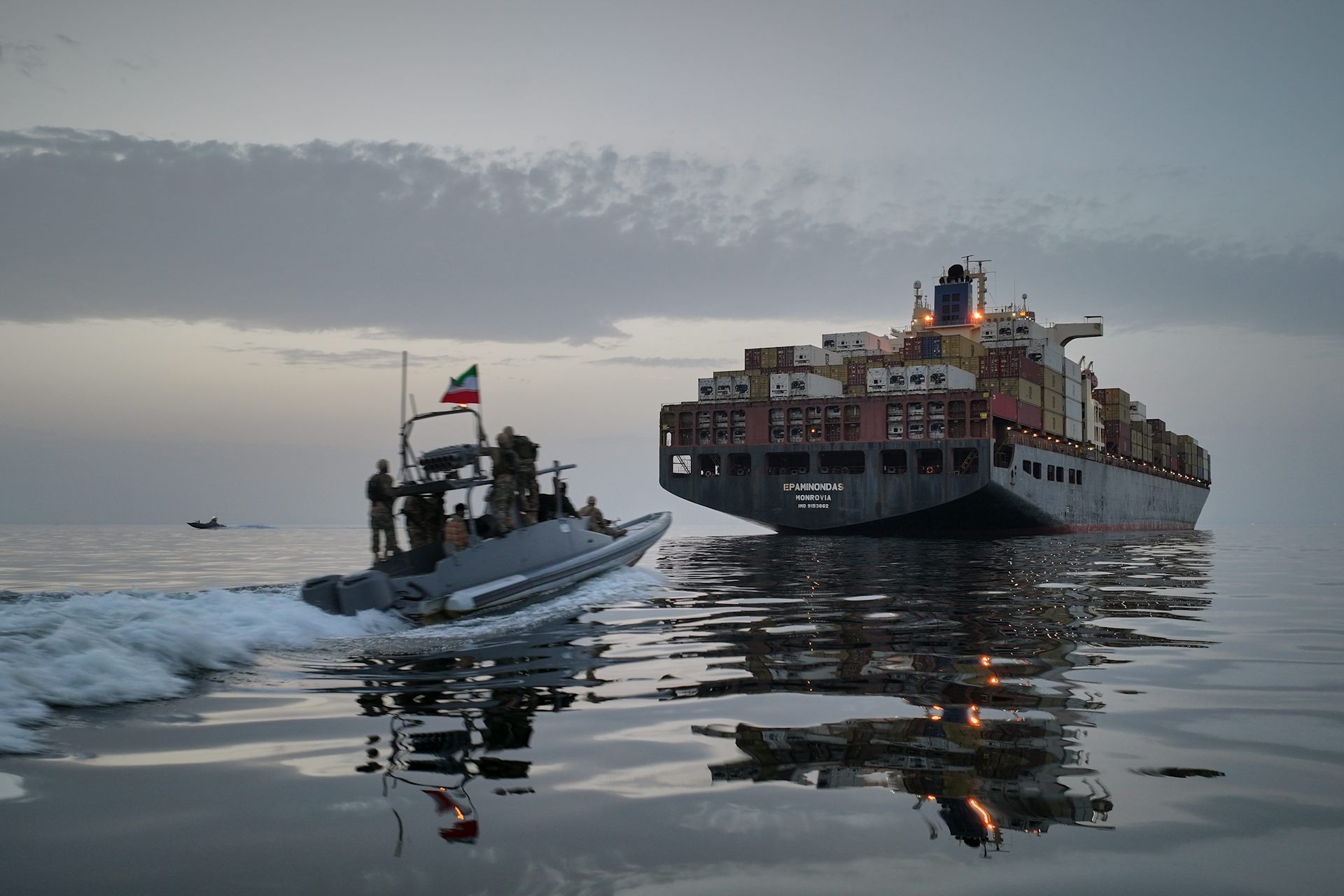
يواجه عشرون ألف بحار عالق في مضيق هرمز مخاوف الصواريخ والإرهاق والعزلة
20,000 stranded seafarers in the Strait of Hormuz face missile fears, exhaustion and isolation