阿波洛尼亚:一个抵抗大西洋奴隶贸易的非洲王国的故事
Appolonia: the story of an African kingdom that resiste…
Why did Appolonia trade so few enslaved people? Short answer: unique economy and sacred beliefs.
为什么阿波洛尼亚贩卖了如此少的奴隶?简短的答案是:独特的经济和神圣的信仰。
The transatlantic slave trade was a multilayered, highly commercialised global enterprise that lasted from the early 1500s to the mid 1800s.
跨大西洋奴隶贸易是一个多层次、高度商业化的全球性企业,持续了从15世纪初到19世纪中叶。
The events over this period are far too complex to fit into a straightforward perpetrator-victim narrative. While the trade catastrophically dehumanised and commodified over 12.5 million Africans, it was not just an external conquest.
这一时期的事件过于复杂,无法用简单的施害者-受害者叙事来概括。虽然这场贸易灾难性地非人化和商品化了超过1250万非洲人,但这不仅仅是一场外部的征服。
Europeans lacked the geographical knowledge, immunity to endemic tropical diseases, and the military power to venture into the African interior. So they became dependent on African states and merchant elites for the supply of captives.
欧洲人缺乏进入非洲内陆所需的地理知识、对地方热带疾病的免疫力以及军事力量。因此,他们不得不依赖非洲国家和商人精英来获取奴隶。
By controlling coastal ports, regulating market access, and managing the interior trade routes that brought captives to the coast, these African brokers enabled and shaped the European trade in human beings.
通过控制沿海港口、规范市场准入,并管理将俘虏运至海岸的内陆贸易路线,这些非洲经纪人促成了并塑造了欧洲的人类贸易。
Yet, this internal participation was rarely uniform. While certain powerful African societies and groups largely procured captives from weaker communities through warfare or raids, a few centralised African states chose neither to fully participate in nor completely abstain from the slave trade.
然而,这种内部参与很少是统一的。虽然某些强大的非洲社会和群体主要通过战争或掠夺从较弱小的社区获取俘虏,但少数几个中央集权的非洲国家既没有完全参与奴隶贸易,也没有彻底回避。
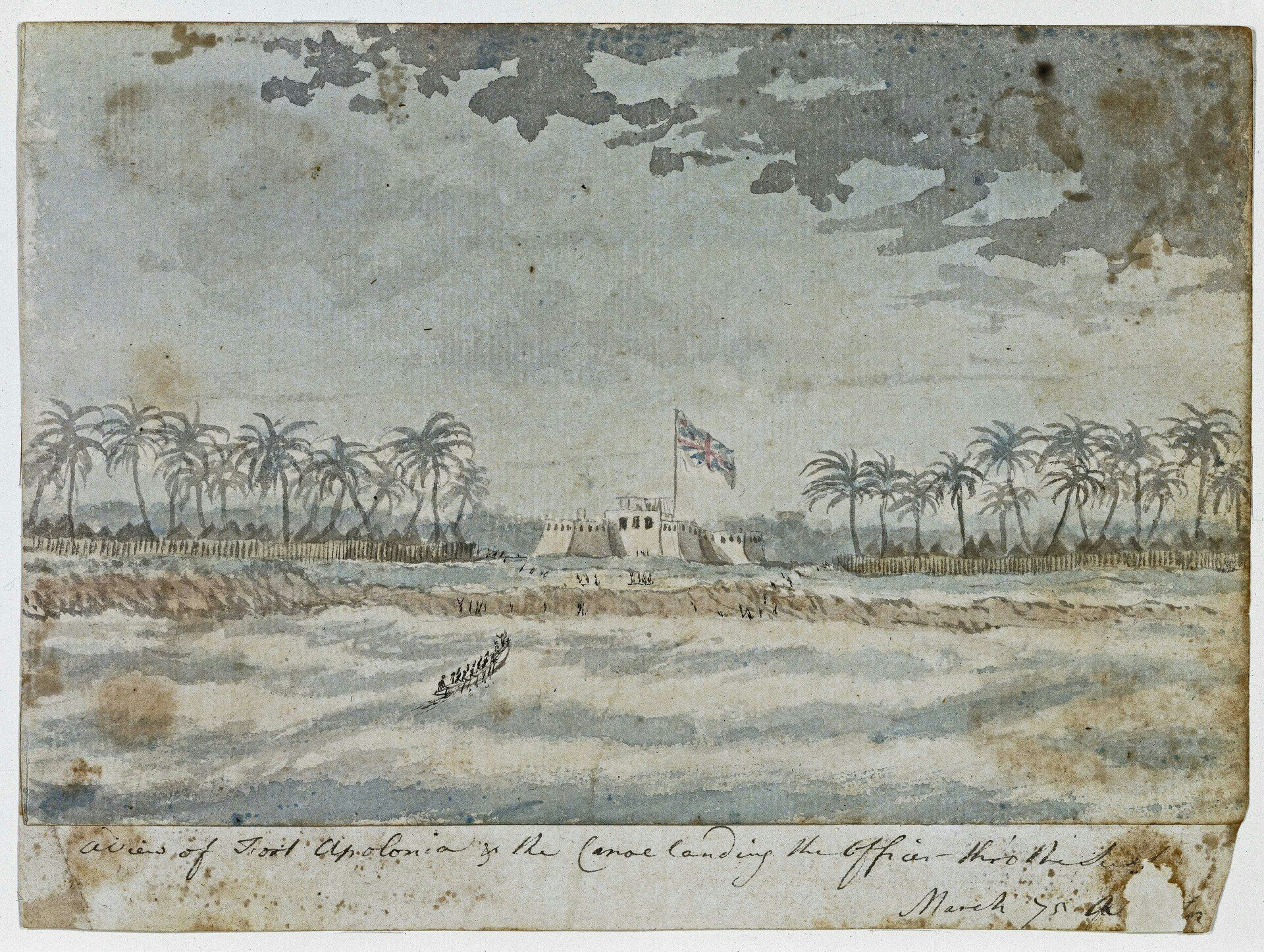
One such society was the Kingdom of Appolonia (today known as the Nzema State) in the southwestern Gold Coast (present-day Ghana) . Throughout the four centuries of Atlantic slavery, Appolonia traded only 352 captives while other Gold Coast towns like Elmina and Cape Coast each shipped hundreds of thousands of enslaved people.
其中一个社会就是阿波洛尼亚王国(现称恩泽马州),位于金海岸的西南地区(今加纳)。在整个大西洋奴隶贸易的四个世纪里,阿波洛尼亚只交易了352名俘虏,而埃尔米纳和开普敦等其他金海岸城镇每艘船都运走了数以十万计的奴隶。
As a historian of west Africa, particularly Ghana, specialising in environmental and water history as well as the slave trade, I have spent nearly a decade researching Appolonia’s role in the Atlantic slave trade. My recent study reveals that Appolonia was the only port region on the Gold Coast where the Atlantic slave trade did not thrive, although indigenous African slavery was practised in the kingdom. Appolonia stands out as a statistical and geographical outlier within the slave trade economy.
作为一名专注于西非、尤其是加纳历史的学者,我的研究领域涵盖环境史、水文史以及奴隶贸易,我花费了近十年时间研究阿波洛尼亚在大西洋奴隶贸易中的作用。我的最新研究表明,尽管该王国存在本土奴役习俗,但阿波洛尼亚是金海岸唯一一个大西洋奴隶贸易未能蓬勃发展的港口地区。从统计学和地理学的角度来看,阿波洛尼亚在奴隶贸易经济中是一个显著的异常点。
Appolonia’s story raises several critical questions. Why did the kingdom trade so few enslaved people? Why is it important to study regions of Africa where the slave trade was less dominant? And what do outliers like Appolonia teach us about historical and reparative justice?
阿波洛尼亚的故事提出了几个关键问题。为什么这个王国交易的奴隶人数如此之少?研究那些奴隶贸易不占主导地位的非洲地区为何重要?像阿波洛尼亚这样的“异常点”能教会我们关于历史和修复性正义什么呢?
Appolonia in historical context
阿波洛尼亚的历史背景
Appolonia is an Akan society in southwestern Ghana, located at the border with Côte d’Ivoire. The Portuguese named this region after Saint Appolonia, an Egyptian Christian virgin, because they discovered the area on her festival day.
阿波洛尼亚是加纳西南部的一个阿坎族社会,与科特迪瓦接壤。葡萄牙人因他们在该地的节日期间发现了这里,便以圣阿波洛尼亚——一位埃及基督教处女的名字命名了这片地区。
The region was made up of small villages that came together to establish the Appolonian Kingdom in the late 1600s. It was here that Ghana’s first president, Kwame Nkrumah, was born in 1909.
该地区由许多小村庄组成,这些村庄在17世纪末聚集起来建立了阿波洛尼亚王国。正是在这里,加纳的第一任总统夸梅·恩克鲁玛于1909年出生。
The founding of the Appolonian Kingdom coincided with other grand historical developments on the Gold Coast. These include the rise of the Asante Kingdom to superpower status and the transformation of the region into a centre for the Atlantic slave trade.
阿波洛尼亚王国的建立与黄金海岸其他重大的历史发展同步发生。其中包括阿散蒂王国崛起成为超级大国,以及该地区转变为大西洋奴隶贸易的中心。
These events drew Appolonia into the larger Atlantic economy. However, Appolonia was probably the only Gold Coast society that effectively said “no” to the Atlantic slave trade.
这些事件将阿波洛尼亚纳入了更大的大西洋经济体系。然而,阿波洛尼亚可能是黄金海岸唯一一个有效地对大西洋奴隶贸易说“不”的社会。
Saying “no” did not mean a complete abstinence. The 352 enslaved individuals that Appolonia shipped account for 0.0028% of the Africans transported across the Atlantic Ocean. My intention is not to reduce these precious lives to mere statistics. Rather, I aim to show that, in percentage terms, Appolonia’s involvement in the trade was minimal.
说“不”并不意味着完全禁绝。阿波洛尼亚运走的352名奴隶占跨越大西洋的非洲人总数的0.0028%。我的意图并非将这些宝贵的生命简化为单纯的统计数字。相反,我旨在表明,从百分比的角度来看,阿波洛尼亚参与贸易的程度是微不足道的。
To illustrate this point, let’s examine some comparative data.
为了说明这一点,让我们考察一些比较数据。
The table displays slave exports from various regions of the Gold Coast. This information was obtained from the SlaveVoyages database, compiled over decades by various researchers in an international collaborative effort. It offers statistics on enslaved individuals shipped from Africa and those who survived the journey.
该表展示了黄金海岸各个地区奴隶出口量。这些信息来自“奴隶航行数据库”,由国际研究人员在数十年间汇编而成。它提供了关于从非洲运走的奴隶人数以及幸存者的统计数据。
For instance, in the 18th-century Gold Coast, port towns like Anomabo recorded 168,348 slave exports, Cape Coast 100,434 and Elmina 85,636 – compared with Appolonia’s 352.
例如,在18世纪的黄金海岸,像阿诺马博(Anomabo)这样的港口城镇记录了168,348名奴隶出口;开普敦海岸(Cape Coast)是100,434人;埃尔米纳(Elmina)是85,636人——而阿波洛尼亚的数字仅为352。
Consider the figures alongside the historical population densities of these areas.
请将这些数据与这些地区的历史人口密度进行比较考虑。
During the 1700s, Anomabu had approximately 8,750 inhabitants; yet a staggering 168,348 captives were shipped from there. This indicates significant slave trading. Similarly, Cape Coast and Elmina had projected populations of around 5,000 and 25,000 residents, yet recorded high slave exports.
在18世纪,阿诺马博的人口大约有8,750人;然而,却运走了惊人的168,348名俘虏。这表明了严重的奴隶贸易。同样地,开普敦海岸和埃尔米纳的预计人口分别为约5,000人和25,000人,但记录的奴隶出口量很高。
Appolonia, on the other hand, had an estimated population of 15,600-19,600 inhabitants but traded only 352.
另一方面,阿波洛尼亚估计的人口为15,600至19,600人,但其贸易数量仅有352人。
What this means
这意味着什么
Why did Appolonia trade so few enslaved people? Using demographic database analysis, European archival records, and oral histories, my research suggests two main reasons.
为什么阿波罗尼亚交易的奴隶这么少?利用人口数据库分析、欧洲档案记录和口述历史,我的研究提出了两个主要原因。
First, Appolonia was not a slaving society. Its economy depended rather on the gold and ivory trade.
首先,阿波洛尼亚并非奴隶社会。它的经济更多地依赖于黄金和象牙贸易。
Second, the kingdom implemented policies, such as the amonle covenant, that prevented the sale of Appolonian subjects. Amonle was a sacred ritual involving human sacrifice of Appolonian royals and the mixing of their blood with a special herbal concoction. It was then drunk by both Appolonian rulers and migrants who settled in the kingdom.
其次,王国实施了政策,例如阿蒙勒盟约,防止了阿波罗尼亚臣民的买卖。阿蒙勒是一种神圣仪式,涉及献祭阿波罗尼亚王室成员,并将他们的血液与特殊的草药混合物混合。随后,它被阿波罗尼亚的统治者和定居在王国中的移民饮用。
This powerful ritual served as the binding oath against selling Appolonian locals and refugees, cursing anyone who broke the oath. This policy undermined any internal system for producing enslaved people within the kingdom for sale.
这个强大的仪式充当了禁止出售阿波罗尼亚当地人和难民的约束性誓言,并诅咒任何违反誓言的人。这项政策破坏了王国内部任何为出售而生产奴隶的系统。
The question of reparations
赔偿问题
Appolonia’s story further complicates our understanding and approach to seeking historical justice and reparations for the slave trade. It is one thing for a known victim to demand justice and reparations from an identifiable perpetrator, whether through symbolic acts like an apology, or through monetary compensation.
阿波洛尼亚的故事进一步复杂化了我们对寻求历史正义和奴隶贸易赔偿的理解和方法。对于一位已知的受害者向一个可识别的加害者要求正义和赔偿,无论是通过道歉等象征性行为,还是通过金钱补偿,都是一回事。
It’s a different matter when the identities of both the victim and the perpetrator are unknown – or when the perpetrator and the victim are one and the same. Who dispenses reparations to whom?
当受害者和加害者的身份都未知——或者当加害者和受害者是同一人时,情况就不同了。谁向谁支付赔偿?
In the case of Appolonia, we do not know the identities of the 352 victims exported, nor have scholars, including myself, been able to trace these captives to a specific African homeland.
在阿波洛尼亚的案例中,我们不知道那352名被运出的受害者的身份,包括我自己在内的学者也无法将这些俘虏追溯到特定的非洲家园。
We have not found historical records indicating that the people of Appolonia captured or purchased these individuals for resale. Given this context, should Appolonia be expected to offer reparations? If yes, to whom?
我们没有找到历史记录表明阿波洛尼亚的人民曾捕获或购买过这些人用于转售。鉴于这一背景,是否应该期望阿波洛尼亚提供赔偿?如果是,向谁支付?
Conversely, is it ethically justifiable for Appolonia to seek reparative justice from the unknown Europeans who purchased the 352 captives?
反之,从伦理上讲,阿波洛尼亚是否可以向购买这352名俘虏的不知名的欧洲人寻求恢复性正义?
Appolonia’s story complicates the call for reparative justice. However, it does not contradict the landmark March 2026 United Nations resolution officially declaring the transatlantic slave trade as the “gravest crime against humanity”. For the slave trade is indeed the most violent and catastrophic of the many atrocities committed against Africans and African descended people.
阿波洛尼亚的故事使呼吁恢复性正义变得复杂。然而,它并不与联合国于2026年3月正式宣布跨大西洋奴隶贸易为“危害人类罪最严重的犯罪”这一里程碑式的决议相矛盾。因为奴隶贸易确实是针对非洲人和后裔所犯的许多暴行中最暴力、最具灾难性的。
Nana Kesse receives funding from the National Endowment for the Humanities, Fulbright-Hays program, Charlotte W. Newcombe Foundation, and the Otumfuo Education Fund.
Nana Kesse接受国家人文基金会、富布赖特-海斯项目、夏洛特·W·纽科姆基金会和奥图姆福教育基金会的资助。