哥伦比亚新总统“猛虎”承诺铁腕治国——但这可能无法解决他继承的暴力问题
Colombia’s new president ‘El Tigre’ promises an iron fi…
Dismantling the 2016 peace agreement and introducing a military clampdown is not the answer to rising levels of violence.
废除2016年和平协议并引入军事镇压,并非解决日益加剧的暴力水平的答案。
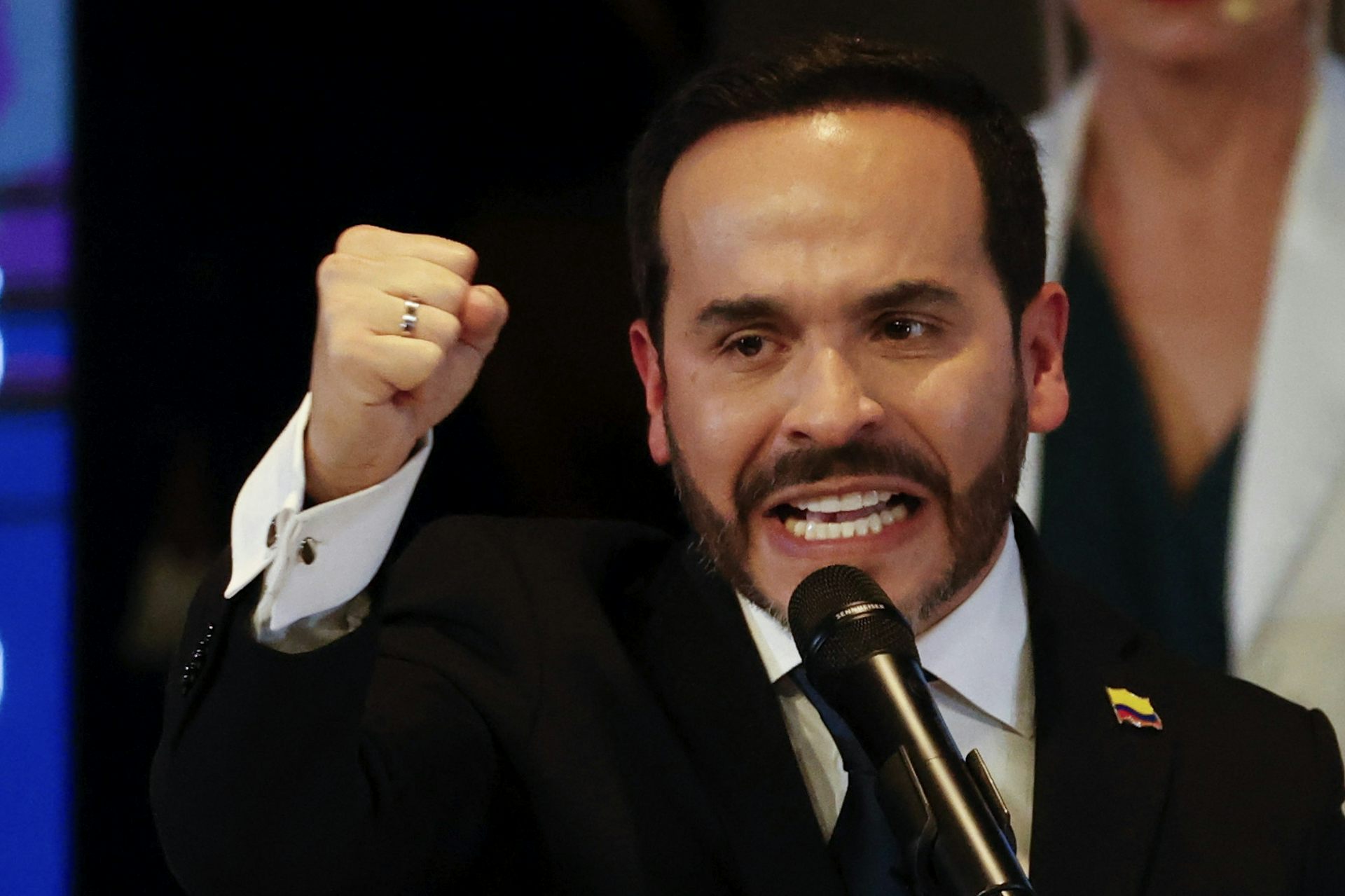
Colombia’s president-elect, Abelardo De La Espriella, widely known as “El Tigre”, will inherit a country deeply affected by insecurity.
哥伦比亚的当选总统阿贝尔亚多·德拉埃斯普里耶利亚(Abelardo De La Espriella),人称“猛虎”,将继承一个深受不安全感影响的国家。
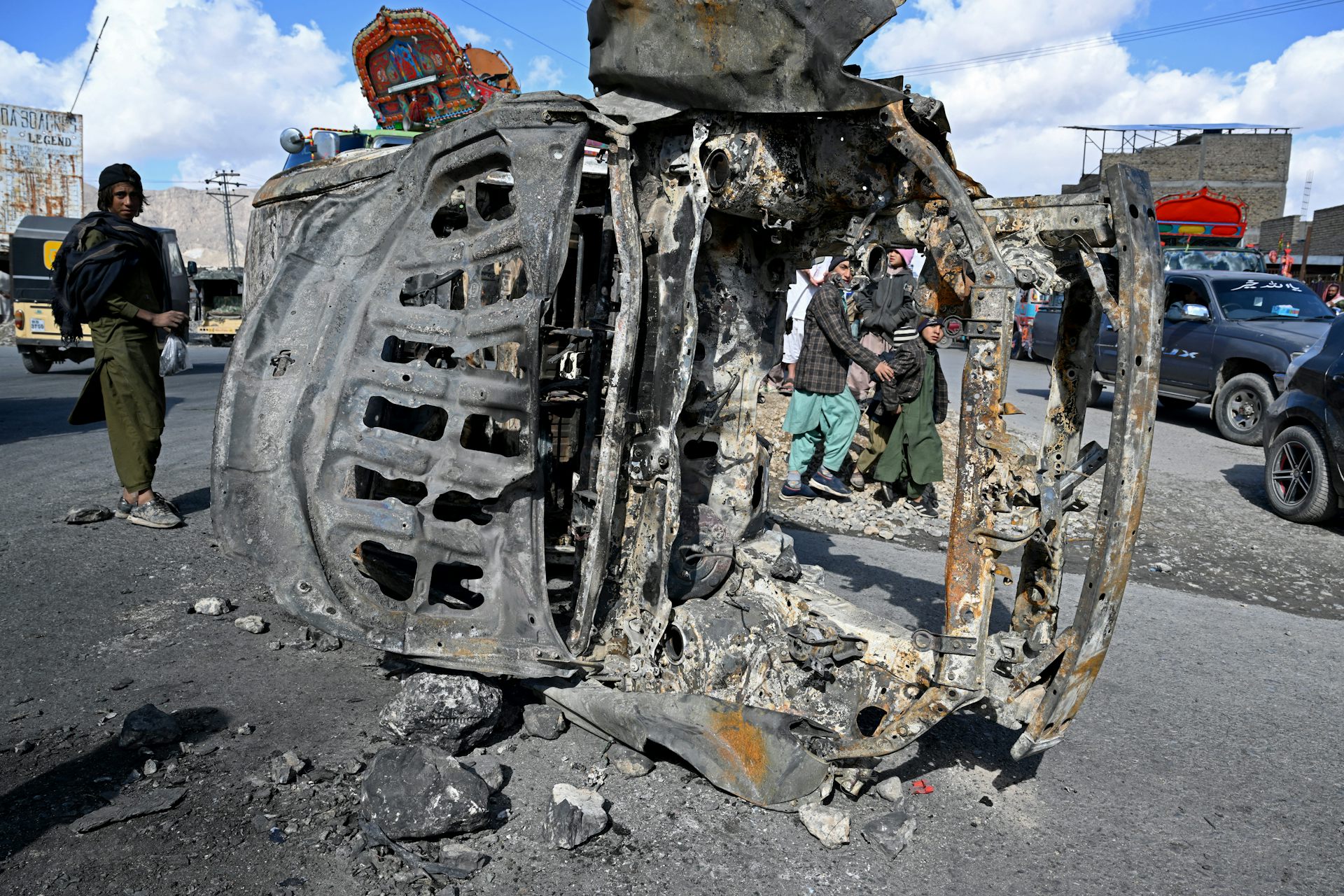
The Paz Total (total peace) strategy of outgoing president, Gustavo Petro, leaves a difficult legacy. Dialogue with armed groups has produced limited results. Meanwhile Colombia has watched armed and criminal organisations consolidate territorial power, expand their violent capabilities and profit from coca cultivation, illegal mining and extortion.
现任总统古斯塔沃·佩特罗推行的“总和和平”(Paz Total)战略留下了一个艰难的遗产。与武装团体的对话只取得了有限的结果。与此同时,哥伦比亚目睹了武装和犯罪组织巩固其领土权力,扩大其暴力能力,并从可卡种植、非法采矿和敲诈勒索中牟利。
De la Espriella capitalised on these problems in his election campaign, promising an “iron fist” policy. This means no more negotiations with armed groups, stronger military pressure, fumigation and eradication of coca crops, extradition of criminals to the United States and the construction of mega-prisons.
德拉埃斯普里耶利亚在其竞选活动中利用了这些问题,承诺推行一项“铁腕”政策。这意味着不再与武装团体进行谈判,加强军事压力,焚烧和根除可卡作物,将罪犯引渡到美国,并修建大型监狱。
In a country where many communities live under the authority of armed groups rather than the state, these promises have clear political appeal. But is this iron fist programme well-suited to solve the problems that Colombia currently faces? One reason to be sceptical is the difficulty of tackling violent groups that are deeply intertwined with local communities.
在一个许多社区生活在武装组织而非国家权威下的国家,这些承诺具有明显的政治吸引力。但这种铁腕计划是否适合解决哥伦比亚目前面临的问题?一个令人怀疑的原因是,处理与当地社区深度交织的暴力团体难度极高。
The relatively centralised rebel governance, the Revolutionary Armed Forces of Colombia (Farc) , once exercised across rural Colombia, has been largely replaced by a fragmented criminal governance run by professional and internationalised armed groups. These that have significantly expanded since the 2016 peace agreement and Farc’s demobilisation.
曾经在哥伦比亚农村地区行使相对集中的叛乱治理权——哥伦比亚革命武装部队(Farc),很大程度上已被由专业化和国际化的武装组织运行的碎片化犯罪治理所取代。这些组织自2016年和平协议和Farc解除武装以来显著扩张。
The Colombian state did not fill the ensuing power vacuum. This was instead filled by the far-left National Liberation Army (ELN) , the Gulf Clan (Gaitanist Self-Defense Forces of Colombia or AGC) , Farc splinter groups and a shifting constellation of local gangs. All of these compete and collude over coca production and trafficking, illegal mining, extortion and other criminal activities.
哥伦比亚国家未能填补随之而来的权力真空。相反,这个真空被极左翼民族解放军(ELN)、湾区帮派(哥伦比亚加伊塔尼斯特自卫部队或AGC)、Farc的分裂团体以及不断变化的当地帮派群落所占据。所有这些组织都在可卡生产和贩运、非法采矿、敲诈勒索和其他犯罪活动方面竞争和勾结。
One core problem that arises from this is that these criminal groups do not stand outside the local communities in which they operate – they are intertwined with them. They recruit local youth, tax local shops, move goods along the roads everyone uses and often offer the only income many households can rely on.
由此产生的一个核心问题是,这些犯罪集团并非游离于他们活动的当地社区之外——它们与当地社区交织在一起。它们招募当地青年,向当地商店征税,沿所有人都使用的道路运输货物,并且经常提供许多家庭赖以生存的唯一收入来源。
When armed actors and civilians are this entangled, an iron-fist policy cannot reliably tell combatants from civilians. This matters because the approach assumes that the state can identify an enemy, apply overwhelming force and restore order. That may make for a persuasive message in an election campaign. But it’s much harder in territories where armed groups are not clearly separate from the social and economic life of local communities.
当武装行为者和平民如此纠缠不清时,“铁腕”政策无法可靠地区分战斗人员和平民。这一点很重要,因为该方法假设国家能够识别敌人、施加压倒性武力并恢复秩序。这在竞选活动中可能是一个有说服力的信息。但在武装团体与当地社区的社会和经济生活没有明显分离的地区,情况则困难得多。
This does not mean the Colombian government should avoid force. The state has a duty to protect civilians and confront armed organisations that kill, extort, recruit children and control territory. But the question is what kind of force, against whom and with what political strategy behind it.
但这并不意味着哥伦比亚政府应该避免使用武力。国家有责任保护平民,并对抗那些杀人、敲诈勒索、招募儿童和控制领土的武装组织。但问题在于:应采取何种形式的武力?针对谁?以及其背后隐藏着怎样的政治战略?
2016 peace agreement at risk
2016年和平协议面临风险
A security policy focused mainly on military pressure also risks weakening the 2016 peace agreement. That agreement was never only about demobilising Farc. It also recognised that criminal violence in Colombia is sustained by rural inequality, weak state presence, restricted political participation, insecure land rights and the dependence of many communities on illicit economies.
主要侧重军事压力的安全政策,也存在削弱2016年和平协议的风险。该协议从未仅仅关乎解除FARC武装。它还承认,哥伦比亚的犯罪暴力是由农村不平等、国家治理薄弱、政治参与受限、土地权缺乏保障以及许多社区对非法经济依赖等因素所维持的。
One of its core pillars, the first chapter of the agreement, is the Comprehensive Rural Reform (CRR) programme, which seeks to redistribute land, among other things. This reform matters because land inequality has long been one of the drivers of conflict in Colombia. More equitable access to land, along with other kinds of support for disadvantaged rural citizens, can reduce the dependence of rural communities on armed groups and illicit economies.
其核心支柱之一,即协议的第一章,是全面农村改革(CRR)计划,该计划旨在重新分配土地等资源。此次改革至关重要,因为土地不平等长期以来一直是哥伦比亚冲突的驱动因素之一。更公平的土地获取权,以及为处于不利地位的农村公民提供的其他支持,可以减少农村社区对武装团体和非法经济的依赖。
A strategy that replaces rural reform with military security and private sector-led development risks leaving small farmers out of the equation. It’s a dangerous approach. If peasants remain without land security, infrastructure and legal income, armed groups will continue to offer coercive forms of protection and illicit employment. In such conditions, the state may win military battles in the short term, but it’s unlikely to be able to establish enduring legitimacy or authority.
用军事安全和私营部门主导的发展取代农村改革的战略,可能会让小农户掉队。这是一种危险的做法。如果农民缺乏土地安全、基础设施和合法收入,武装团体将继续提供强制性的保护和非法的就业机会。在这种情况下,国家短期内或许能赢得军事战役,但很难建立起持久的合法性和权威。
The same problem applies to the proposed anti-narcotics policy. Fumigation and forced eradication can destroy coca crops. But they do not create alternative legal livelihoods. Without viable alternatives, many farmers replant coca or move deeper into the control of armed groups. A policy that treats coca farmers mainly as criminals also risks alienating communities whose cooperation is essential for any durable security strategy.
同样的问题也适用于拟议的禁毒政策。熏蒸和强制清除可以摧毁可卡作物,但它们没有创造替代性的合法生计。如果没有可行的替代方案,许多农民会重新种植可卡或更深入地卷入武装团体的控制之下。一项将可卡种植者主要视为罪犯的政策,也存在疏远社区的风险,而这些社区的合作对于任何持久的安全战略都是至关重要的。
Finally, De la Espriella has threatened to dismantle the transitional justice system. Colombia has a group of institutions responsible for guaranteeing victims of the armed conflict their rights to justice, reparation, truth and non-repetition of violence. The peace agreement and the transitional justice framework are both protected by Legislative Act 02 of 2017 and woven into the wider system of truth, justice and reparation.
最后,德拉·埃斯普里埃拉威胁要瓦解过渡正义体系。哥伦比亚拥有一个机构群,负责保障武装冲突的受害者获得正义、赔偿、真相和防止暴力重演的权利。和平协议和过渡正义框架都受到《2017年第02号立法法案》的保护,并融入了更广泛的真相、正义和赔偿体系之中。
Even if eliminating them is difficult because of their protected constitutional status, wide support in the Colombian Congress and international pressure, there is a realistic threat of slow strangulation via budget cuts, delegitimisation and selective compliance with their demands. That would damage trust in the state at a moment when Colombia needs greater civilian cooperation in conflict-affected territories.
即使由于其受宪法保护的地位、在哥伦比亚国会获得广泛支持以及国际压力,消除它们非常困难,但仍存在通过削减预算、使其失去合法性以及选择性遵守其要求等方式进行缓慢扼杀的现实威胁。这将在哥伦比亚亟需在冲突影响地区获得更多平民合作的时刻,损害对国家的信任。
The wider danger is that Colombia’s next government treats peace and security as opposing projects. They are not. The peace agreement’s provisions are not obstacles to security. Properly implemented, they are part of the state-building process required to reduce the power of armed groups.
更大的危险在于,哥伦比亚的下一届政府会将和平与安全视为对立的项目。但它们并非如此。和平协议的各项条款不是安全领域的障碍。如果得到妥善实施,它们是削弱武装团体力量所需的国家建设过程的一部分。
Johanna Amaya-Panche does not work for, consult, own shares in or receive funding from any company or organisation that would benefit from this article, and has disclosed no relevant affiliations beyond their academic appointment.
约翰娜·阿玛雅-潘切不为任何可能从本文受益的公司或组织工作、提供咨询服务、持有股份或接受资金支持,并且除了其学术任命之外,未披露任何相关的关联关系。