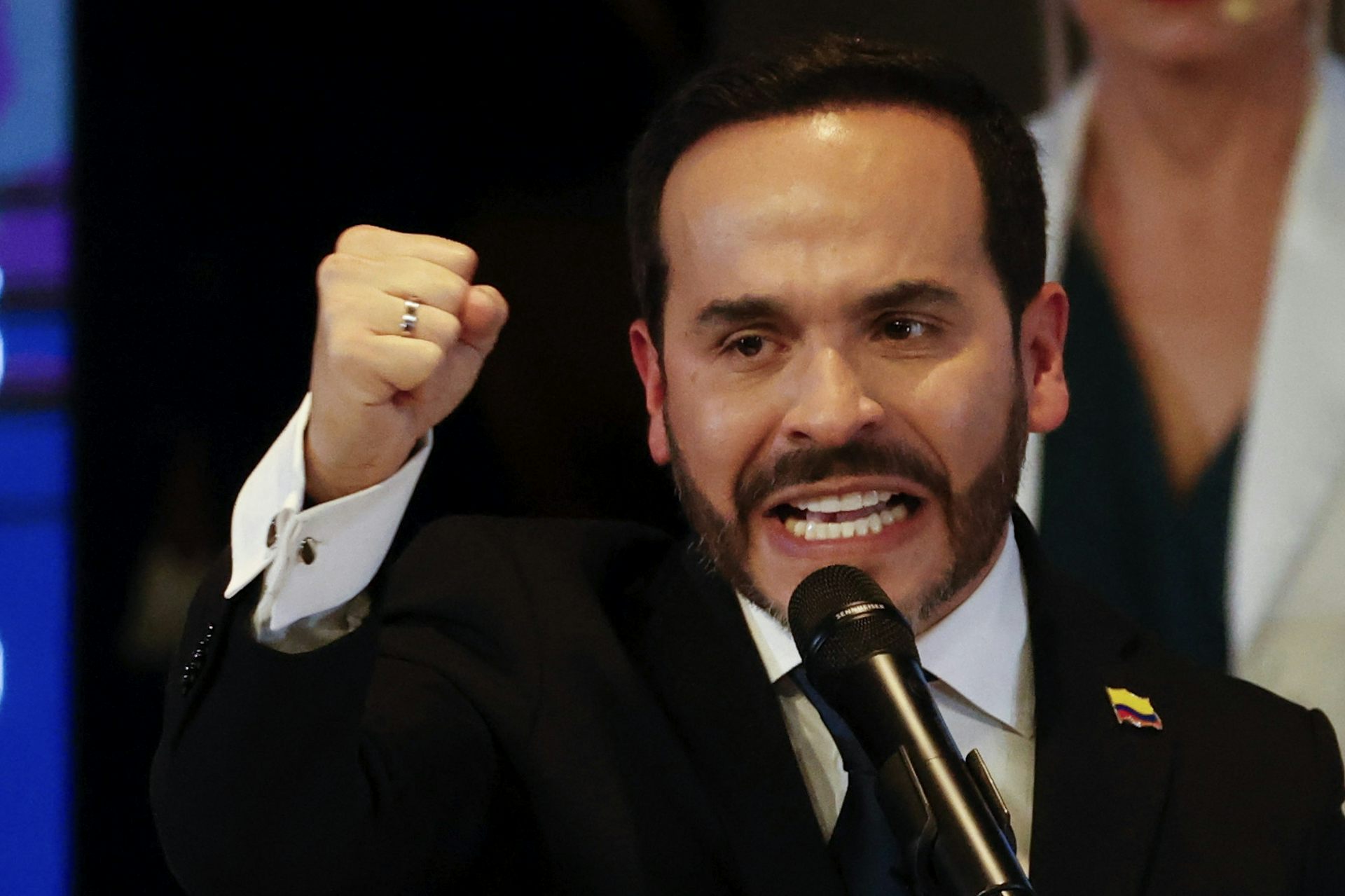
الرئيس الكولومبي الجديد “إل تيغري” يعد بقبضة من حديد – لكن هذا قد لا يحل العنف الذي ورثه
Colombia’s new president ‘El Tigre’ promises an iron fist – but that may not solve the violence he has inherited
Dismantling the 2016 peace agreement and introducing a military clampdown is not the answer to rising levels of violence.
إن تفكيك اتفاق السلام لعام 2016 وفرض إجراءات عسكرية قاسية ليس هو الحل لتصاعد مستويات العنف.
Colombia’s president-elect, Abelardo De La Espriella, widely known as “El Tigre”, will inherit a country deeply affected by insecurity.
سيرث الرئيس المنتخب كولومبيا، أبيلاردو دي لا إسبرييلا، المعروف على نطاق واسع باسم “التيغري”، بلداً متأثراً بعمق بانعدام الأمن.
The Paz Total (total peace) strategy of outgoing president, Gustavo Petro, leaves a difficult legacy. Dialogue with armed groups has produced limited results. Meanwhile Colombia has watched armed and criminal organisations consolidate territorial power, expand their violent capabilities and profit from coca cultivation, illegal mining and extortion.
تترك استراتيجية “السلام الكلي” (Paz Total) التي يتبعها الرئيس المنتهية ولايته، غوستافو بيترو، إرثاً صعباً. فقد أسفر الحوار مع الجماعات المسلحة عن نتائج محدودة. وفي الوقت نفسه، راقبت كولومبيا التنظيمات المسلحة والجنائية وهي تعزز نفوذها الإقليمي، وتوسع قدراتها العنيفة، وتحقق الأرباح من زراعة الكوكا والتعدين غير القانوني والابتزاز.
De la Espriella capitalised on these problems in his election campaign, promising an “iron fist” policy. This means no more negotiations with armed groups, stronger military pressure, fumigation and eradication of coca crops, extradition of criminals to the United States and the construction of mega-prisons.
استغل دي لا إسبرييلا هذه المشكلات في حملته الانتخابية، واعداً بسياسة “القبضة الحديدية.” وهذا يعني عدم إجراء المزيد من المفاوضات مع الجماعات المسلحة، وزيادة الضغط العسكري، وتطهير ومكافحة محاصيل الكوكا، وتسليم المجرمين إلى الولايات المتحدة وبناء السجون العملاقة.
In a country where many communities live under the authority of armed groups rather than the state, these promises have clear political appeal. But is this iron fist programme well-suited to solve the problems that Colombia currently faces? One reason to be sceptical is the difficulty of tackling violent groups that are deeply intertwined with local communities.
في بلد تعيش فيه العديد من المجتمعات تحت سلطة الجماعات المسلحة بدلاً من الدولة، فإن هذه الوعود تحمل جاذبية سياسية واضحة. ولكن هل برنامج “القبضة الحديدية” هذا مناسب لحل المشكلات التي تواجهها كولومبيا حالياً؟ أحد أسباب التشكيك هو صعوبة التعامل مع المجموعات العنيفة المتشابكة بعمق مع المجتمعات المحلية.
The relatively centralised rebel governance, the Revolutionary Armed Forces of Colombia (Farc) , once exercised across rural Colombia, has been largely replaced by a fragmented criminal governance run by professional and internationalised armed groups. These that have significantly expanded since the 2016 peace agreement and Farc’s demobilisation.
لقد حلّ محل الحكم الثوري شبه المركزي، الذي مارسته سابقاً القوات المسلحة الثورية في كولومبيا (Farc) عبر الريف الكولومبي، حكم إجرامي مجزأ تديره جماعات مسلحة محترفة وعالمية. وقد توسعت هذه الجماعات بشكل كبير منذ اتفاق السلام لعام 2016 ونزع سلاح القوات المسلحة الثورية.
The Colombian state did not fill the ensuing power vacuum. This was instead filled by the far-left National Liberation Army (ELN) , the Gulf Clan (Gaitanist Self-Defense Forces of Colombia or AGC) , Farc splinter groups and a shifting constellation of local gangs. All of these compete and collude over coca production and trafficking, illegal mining, extortion and other criminal activities.
لم تملأ الدولة الكولومبية فراغ السلطة الذي تبع ذلك. بل ملأته الجيش الوطني للتحرير (ELN) من اليسار المتطرف، وعشيرة الخليج (القوات الدفاعية الذاتية الغايتانية في كولومبيا أو AGC) ، وفصائل متفرعة من القوات المسلحة الثورية، ومجموعة متغيرة من العصابات المحلية. تتنافس كل هذه الجهات وتتآمر على إنتاج الكوكا وتهريبها، والتعدين غير القانوني، والابتزاز، وغيرها من الأنشطة الإجرامية.
One core problem that arises from this is that these criminal groups do not stand outside the local communities in which they operate – they are intertwined with them. They recruit local youth, tax local shops, move goods along the roads everyone uses and often offer the only income many households can rely on.
إحدى المشكلات الأساسية التي تنبع من هذا هي أن هذه الجماعات الإجرامية لا تقف خارج المجتمعات المحلية التي تعمل فيها – بل هي متشابكة معها. فهي تجند الشباب المحلي، وتفرض ضرائب على المتاجر المحلية، وتنقل البضائع عبر الطرق التي يستخدمها الجميع، وغالباً ما توفر الدخل الوحيد الذي يمكن للعديد من الأسر الاعتماد عليه.
When armed actors and civilians are this entangled, an iron-fist policy cannot reliably tell combatants from civilians. This matters because the approach assumes that the state can identify an enemy, apply overwhelming force and restore order. That may make for a persuasive message in an election campaign. But it’s much harder in territories where armed groups are not clearly separate from the social and economic life of local communities.
عندما يكون الفاعلون المسلحون والمدنيون متشابكين إلى هذا الحد، لا يمكن لسياسة “القبضة الحديدية” أن تميز بشكل موثوق بين المقاتلين والمدنيين. وهذا أمر مهم لأن النهج يفترض أن الدولة قادرة على تحديد العدو وتطبيق قوة ساحقة واستعادة النظام. وقد يشكل ذلك رسالة مقنعة في حملة انتخابية. لكن الأمر أصعب بكثير في الأقاليم التي لا تكون فيها الجماعات المسلحة منفصلة بوضوح عن الحياة الاجتماعية والاقتصادية للمجتمعات المحلية.
This does not mean the Colombian government should avoid force. The state has a duty to protect civilians and confront armed organisations that kill, extort, recruit children and control territory. But the question is what kind of force, against whom and with what political strategy behind it.
هذا لا يعني أن الحكومة الكولومبية يجب أن تتجنب القوة. فالدولة ملزمة بحماية المدنيين ومواجهة المنظمات المسلحة التي تقتل، وتبتز، وتجند الأطفال، وتسيطر على الأراضي. لكن السؤال هو ما نوع القوة، ومن الخصم، وما هي الاستراتيجية السياسية الكامنة وراءها.
2016 peace agreement at risk
اتفاق السلام لعام ٢٠١٦ في خطر
A security policy focused mainly on military pressure also risks weakening the 2016 peace agreement. That agreement was never only about demobilising Farc. It also recognised that criminal violence in Colombia is sustained by rural inequality, weak state presence, restricted political participation, insecure land rights and the dependence of many communities on illicit economies.
سياسة أمنية تركز بشكل أساسي على الضغط العسكري تُهدد أيضاً بإضعاف اتفاق السلام لعام 2016. لم يكن ذلك الاتفاق يتعلق فقط بتسريح عناصر القوات المسلحة غير النظامية (FARC) . بل أقرّ أيضاً بأن العنف الإجرامي في كولومبيا يُغذيه التفاوت الريفي، وضعف الوجود الحكومي، ومحدودية المشاركة السياسية، وعدم أمن حقوق الأراضي، واعتماد العديد من المجتمعات على الاقتصادات غير المشروعة.
One of its core pillars, the first chapter of the agreement, is the Comprehensive Rural Reform (CRR) programme, which seeks to redistribute land, among other things. This reform matters because land inequality has long been one of the drivers of conflict in Colombia. More equitable access to land, along with other kinds of support for disadvantaged rural citizens, can reduce the dependence of rural communities on armed groups and illicit economies.
أحد أركانه الأساسية، والفصل الأول من الاتفاقية، هو برنامج الإصلاح الريفي الشامل (CRR) ، الذي يسعى إلى إعادة توزيع الأراضي، من بين أمور أخرى. يكتسب هذا الإصلاح أهمية لأن عدم المساواة في الأراضي لطالما كان أحد محركات الصراع في كولومبيا. يمكن أن يساهم الوصول الأكثر إنصافاً إلى الأراضي، إلى جانب أنواع أخرى من الدعم للمواطنين الريفيين المحرومين، في تقليل اعتماد المجتمعات الريفية على الجماعات المسلحة والاقتصادات غير المشروعة.
A strategy that replaces rural reform with military security and private sector-led development risks leaving small farmers out of the equation. It’s a dangerous approach. If peasants remain without land security, infrastructure and legal income, armed groups will continue to offer coercive forms of protection and illicit employment. In such conditions, the state may win military battles in the short term, but it’s unlikely to be able to establish enduring legitimacy or authority.
إن استراتيجية تستبدل الإصلاح الريفي بالأمن العسكري والتنمية التي يقودها القطاع الخاص تخاطر بتهميش صغار المزارعين عن المعادلة. إنه نهج خطير. إذا ظل الفلاحون دون ضمان للأرض، أو البنية التحتية، أو الدخل القانوني، فستواصل الجماعات المسلحة تقديم أشكال قسرية من الحماية والتوظيف غير المشروع. في مثل هذه الظروف، قد تفوز الدولة بمعارك عسكرية على المدى القصير، ولكن من المستبعد أن تتمكن من ترسيخ شرعية أو سلطة دائمة.
The same problem applies to the proposed anti-narcotics policy. Fumigation and forced eradication can destroy coca crops. But they do not create alternative legal livelihoods. Without viable alternatives, many farmers replant coca or move deeper into the control of armed groups. A policy that treats coca farmers mainly as criminals also risks alienating communities whose cooperation is essential for any durable security strategy.
تنطبق المشكلة ذاتها على سياسة مكافحة المخدرات المقترحة. فالتطهير والإبادة القسرية يمكن أن تدمر محاصيل الكوكا، لكنها لا تخلق سبل عيش قانونية بديلة. وبدون بدائل قابلة للحياة، يعيد العديد من المزارعين زراعة الكوكا أو يتجهون إلى عمق سيطرة الجماعات المسلحة. كما أن السياسة التي تتعامل مع مزارعي الكوكا بشكل أساسي كمجرمين تخاطر أيضاً بنفور المجتمعات التي يعد تعاونها أمراً ضرورياً لأي استراتيجية أمن مستدامة.
Finally, De la Espriella has threatened to dismantle the transitional justice system. Colombia has a group of institutions responsible for guaranteeing victims of the armed conflict their rights to justice, reparation, truth and non-repetition of violence. The peace agreement and the transitional justice framework are both protected by Legislative Act 02 of 2017 and woven into the wider system of truth, justice and reparation.
أخيرًا، هدد دي لا إسبرييلا بتفكيك نظام العدالة الانتقالية. تمتلك كولومبيا مجموعة من المؤسسات المسؤولة عن ضمان حقوق ضحايا النزاع المسلح في الحصول على العدالة والتعويض والحقيقة وعدم تكرار العنف. إن اتفاق السلام وإطار العدالة الانتقالية كلاهما محمي بموجب القانون التشريعي رقم 02 لعام 2017 ومنسوج في النظام الأوسع للحقيقة والعدالة والتعويض.
Even if eliminating them is difficult because of their protected constitutional status, wide support in the Colombian Congress and international pressure, there is a realistic threat of slow strangulation via budget cuts, delegitimisation and selective compliance with their demands. That would damage trust in the state at a moment when Colombia needs greater civilian cooperation in conflict-affected territories.
حتى لو كان إلغاؤهم صعباً بسبب وضعهم الدستوري المحمي، والدعم الواسع في الكونجرس الكولومبي والضغط الدولي، فإن هناك تهديداً واقعياً بالخنق البطيء عبر تخفيضات الميزانية، ونزع الشرعية، والامتثال الانتقائي لمطالبهم. وهذا من شأنه أن يضر بثقة الناس في الدولة في وقت تحتاج فيه كولومبيا إلى تعاون مدني أكبر في المناطق المتأثرة بالنزاع.
The wider danger is that Colombia’s next government treats peace and security as opposing projects. They are not. The peace agreement’s provisions are not obstacles to security. Properly implemented, they are part of the state-building process required to reduce the power of armed groups.
الخطر الأكبر هو أن تتعامل الحكومة القادمة في كولومبيا مع السلام والأمن كمشروعين متعارضين. لكنهما ليسا كذلك. إن أحكام اتفاق السلام ليست عوائق أمام الأمن. عند تطبيقها بشكل سليم، فهي جزء من عملية بناء الدولة اللازمة لتقليل نفوذ المجموعات المسلحة.
Johanna Amaya-Panche does not work for, consult, own shares in or receive funding from any company or organisation that would benefit from this article, and has disclosed no relevant affiliations beyond their academic appointment.
يوهانا أمايا-بانشي لا تعمل لدى، ولا تستشير، ولا تمتلك أسهمًا في، أو تتلقى تمويلاً من أي شركة أو منظمة قد تستفيد من هذه المقالة، ولم تفصح عن أي انتماءات ذات صلة بخلاف تعيينها الأكاديمي.
Read more
-
الغرف الخلفية: كيف أصبحت سلسلة يوتيوب المخيفة لمراهق أكثر أنواع الرعب ترقباً لهذا العام.
The Backrooms: how a teenager’s creepy YouTube series became the year’s most anticipated horror
-
تستخدم النخب السياسية اللبنانية النزوح والأزمة الإنسانية لتأجيل الانتخابات مرة أخرى
Lebanon’s political elites are using displacement and humanitarian crisis to delay elections again