تستخدم النخب السياسية اللبنانية النزوح والأزمة الإنسانية لتأجيل الانتخابات مرة أخرى
Lebanon’s political elites are using displacement and humanitarian crisis to delay elections again
With the return of Israeli forces, the Lebanese parliament scrapped elections scheduled for May. The move is a recurring theme in the country’s fractured politics.
مع عودة القوات الإسرائيلية، ألغى البرلمان اللبناني الانتخابات المقررة في مايو. وتُعد هذه الخطوة موضوعاً متكرراً في السياسة المنقسمة في البلاد.
Lebanon was meant to be preparing for key parliamentary elections in May 2026. Then came the return of war.
كان من المفترض أن يستعد لبنان لانتخابات برلمانية رئيسية في مايو 2026. ثم عاد القتال.
Two days after the U.S. and Israel launched their military operation in Iran on Feb. 28, Hezbollah and Israel resumed their own full-scale hostilities. That marked the final collapse of a much-violated ceasefire that for a little over a year had barely kept a lid on fighting. With Israel’s full-scale bombardment of the country and invasion of southern Lebanon again underway, the Lebanese parliament on March 9 postponed scheduled elections by extending its own mandate by two years.
بعد يومين من إطلاق الولايات المتحدة وإسرائيل عمليتهما العسكرية في إيران في 28 فبراير، استأنف حزب الله وإسرائيل أعمال العدائية واسعة النطاق الخاصة بهما. وقد مثّل ذلك الانهيار النهائي لوقف إطلاق نار انتُهك بشدة، والذي بالكاد احتوى القتال لمدة تزيد قليلاً عن عام. ومع استمرار القصف واسع النطاق من قبل إسرائيل للبلاد وغزو جنوب لبنان مرة أخرى، أجل البرلمان اللبناني في 9 مارس الانتخابات المقررة بتمديد ولايته الخاصة لمدة عامين.
Its justification was a now familiar one: war, instability and a security situation deemed incompatible with democratic process. As conflict escalates across the region and further destabilizes Lebanon with the possibility of long-term Israeli occupation, officials insist that elections are simply not feasible.
كان تبريره تبريراً مألوفاً الآن: الحرب، وعدم الاستقرار، والوضع الأمني الذي اعتُبر غير متوافق مع العملية الديمقراطية. ومع تصاعد الصراع في جميع أنحاء المنطقة وزيادة زعزعة استقرار لبنان باحتمالية الاحتلال الإسرائيلي طويل الأمد، يصر المسؤولون على أن الانتخابات ببساطة غير ممكنة.
But this is not the first time Lebanese elections have been postponed.
لكن هذه ليست المرة الأولى التي يتم فيها تأجيل الانتخابات اللبنانية.
Since 2013, the Lebanese government has delayed parliamentary elections multiple times, citing among other factors the war in neighboring Syria, political deadlock and disputes over electoral law. Each delay has been framed as temporary, necessary and exceptional. Yet taken together, they reveal a pattern: Elections in Lebanon seem to be always approaching – and continually postponed.
منذ عام 2013، أجلت الحكومة اللبنانية الانتخابات البرلمانية عدة مرات، مستشهدة بعوامل أخرى مثل الحرب في سوريا المجاورة، والجمود السياسي، والخلافات حول القانون الانتخابي. وقد تم تأطير كل تأجيل على أنه مؤقت وضروري واستثنائي. ومع ذلك، فإنها مجتمعة تكشف عن نمط: تبدو الانتخابات في لبنان وكأنها تقترب دائماً – وتتأجل باستمرار.
This is not simply a story of crisis interrupting democracy. It is a story of how crisis is used to govern it.
هذه ليست مجرد قصة أزمة تقاطع الديمقراطية. إنها قصة لكيفية استخدام الأزمة لحكمها.
Crisis as justification and opportunity
الأزمة كذريعة وفرصة
There is little question that the latest postponement of elections comes amid trying conditions – airstrikes, displacement and mounting insecurity – that make the logistics of an election extremely difficult.
ليس هناك شك في أن التأجيل الأخير للانتخابات يأتي وسط ظروف عصيبة – الضربات الجوية، والنزوح، وتصاعد انعدام الأمن – مما يجعل لوجستيات إجراء الانتخابات صعبة للغاية.
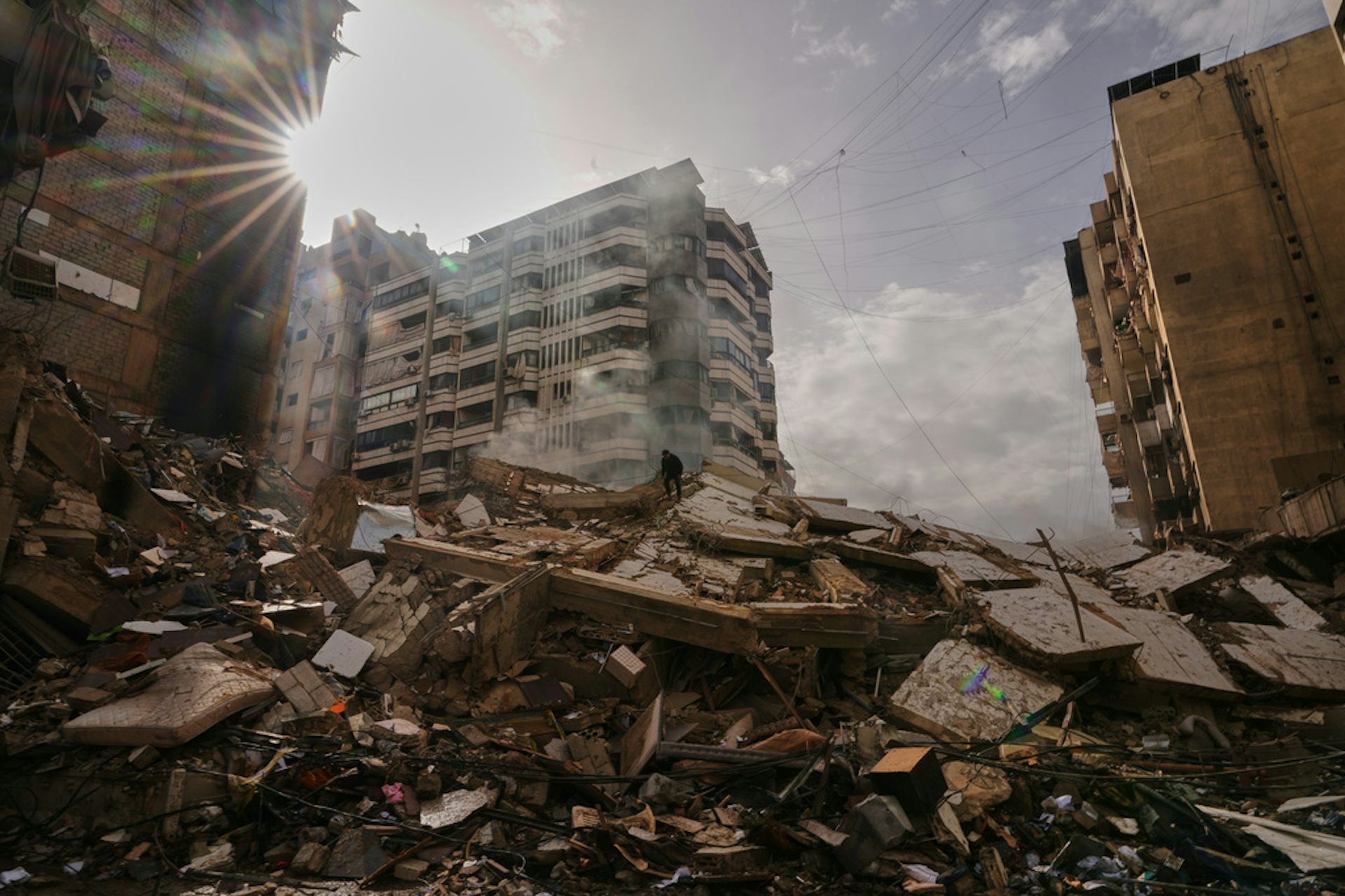
Indeed, on its face the parliament’s decision appears pragmatic. Elections require mobility, stability and functioning institutions, all of which are currently under strain.
في الواقع، يبدو قرار البرلمان عمليًا للوهلة الأولى. تتطلب الانتخابات التنقل، والاستقرار، والمؤسسات العاملة، وكلها تمر حاليًا بضغوط.
But arguments for postponement obscure an important reality: Political crises in Lebanon have contributed to a self-fulfilling logic that protects the political status quo.
لكن الحجج المؤيدة لتأجيل الانتخابات تحجب حقيقة مهمة: فقد ساهمت الأزمات السياسية في لبنان في منطق يحقق ذاته ويحافظ على الوضع السياسي القائم.
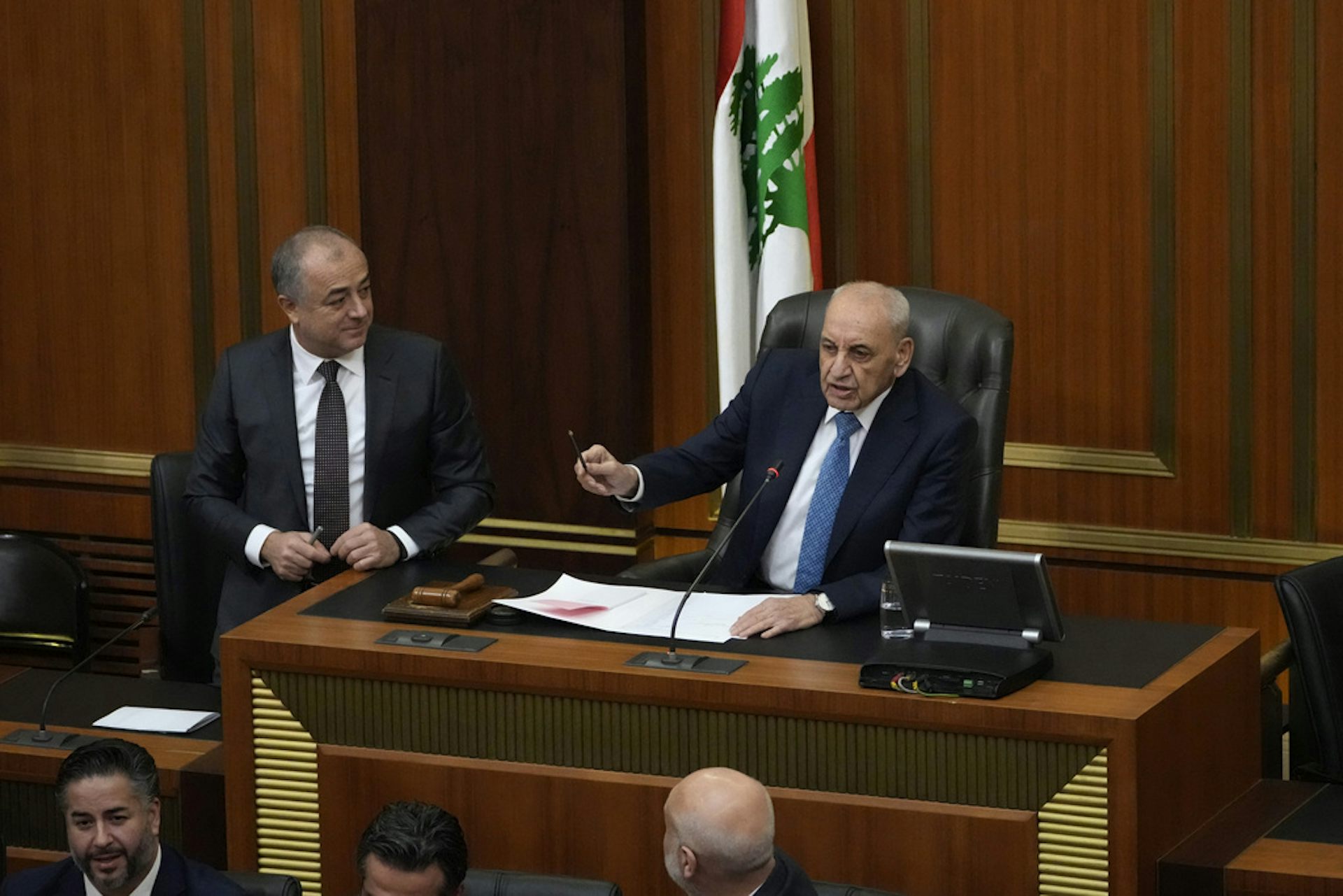
The extension of parliament’s term was announced by Speaker Nabih Berri, a central figure in the country’s political order since Lebanon’s civil war ended in 1990. That order has long been defined by power-sharing among entrenched elites, as well as a system widely criticized for enabling corruption, patronage and institutional paralysis.
أعلن رئيس البرلمان نبيه بري عن تمديد ولاية البرلمان، وهو شخصية محورية في النظام السياسي للبلاد منذ انتهاء الحرب الأهلية اللبنانية عام 1990. وقد تم تعريف هذا النظام لفترة طويلة بتقاسم السلطة بين النخب الراسخة، بالإضافة إلى نظام ينتقد على نطاق واسع لتمكينه الفساد، والمحسوبية، والشلل المؤسسي.
The current system was formalized in the Taif Agreement, which formally ended Lebanon’s devastating 15-year civil war. The accord distributed power along sectarian lines, with key state positions allocated to religious communities. While intended to ensure representation, it instead entrenched elite bargaining and veto power, making consensus both necessary and perpetually elusive.
تم إضفاء الطابع الرسمي على النظام الحالي في اتفاق الطائف، الذي أنهى رسميًا الحرب الأهلية المدمرة التي استمرت 15 عامًا في لبنان. وزع الاتفاق السلطة على خطوط طائفية، حيث خُصصت المناصب الحكومية الرئيسية للطوائف الدينية. وبينما كان الهدف ضمان التمثيل، فقد رسخ بدلاً من ذلك المساومة النخبوية وحق النقض (الفيتو) ، مما جعل التوافق ضروريًا ولكنه بعيد المنال باستمرار.
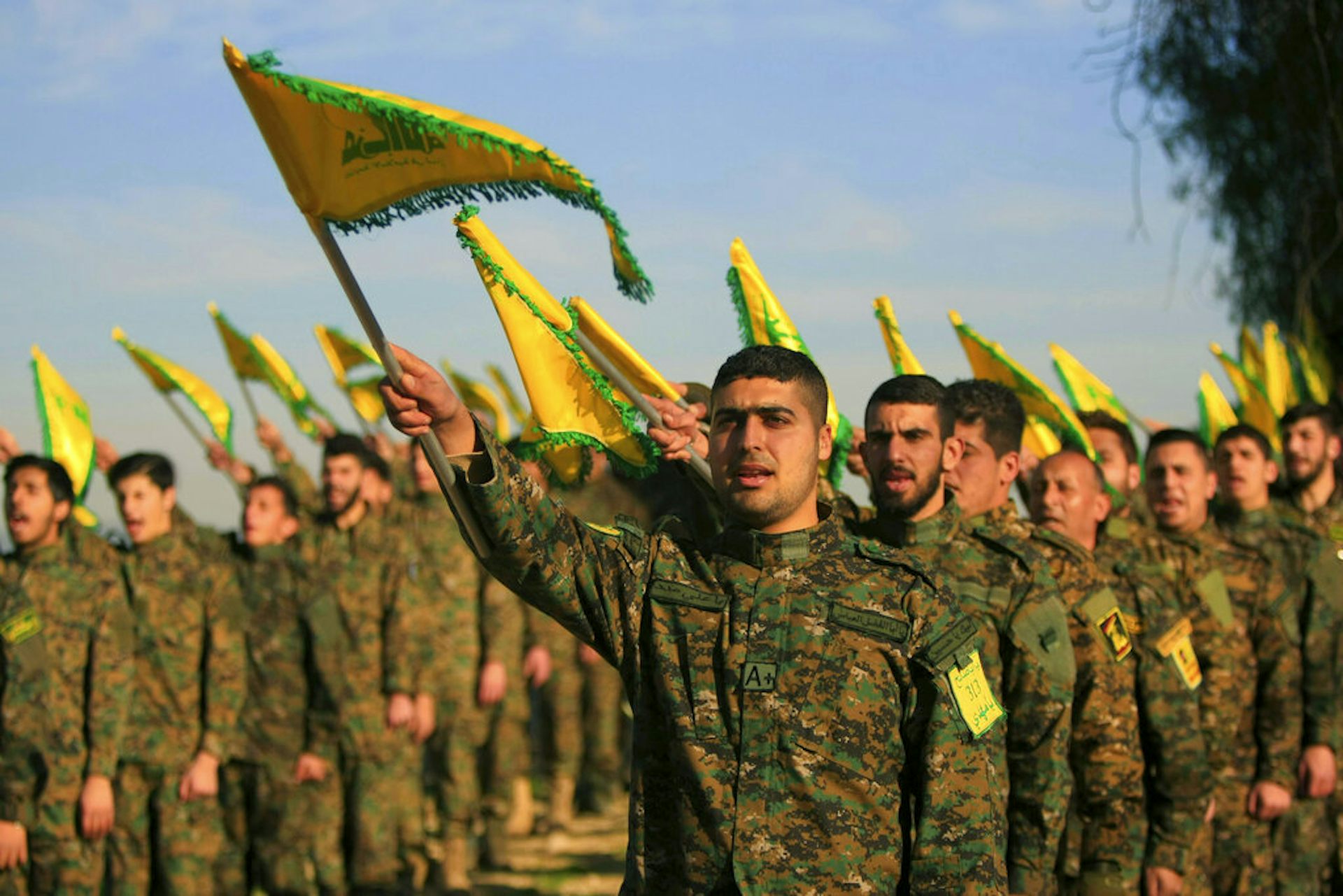
Over time, this has produced a political system defined less by governance than by managed deadlock – where institutional paralysis is not incidental but built into the system itself. This fragility is compounded by the interplay of domestic and external forces, including the significant political and military role of Hezbollah. Emerging out of the Lebanese civil war and the broader context of Israeli occupation in the 1980s, Hezbollah developed as an armed resistance movement and later consolidated its position as both a political actor and a military force operating alongside the state, complicating the already tenuous balance of power.
بمرور الوقت، أنتج هذا نظامًا سياسيًا يحدده الشلل المُدار أكثر من حكمه – حيث لا يكون الشلل المؤسسي عرضيًا بل مدمجًا في النظام نفسه. وتتفاقم هذه الهشاشة بسبب تفاعل القوى المحلية والخارجية، بما في ذلك الدور السياسي والعسكري الكبير لحزب الله. نشأ حزب الله من الحرب الأهلية اللبنانية والسياق الأوسع للاحتلال الإسرائيلي في الثمانينيات، وتطور كحركة مقاومة مسلحة، ثم عزز موقعه كفاعل سياسي وقوة عسكرية تعمل جنبًا إلى جنب مع الدولة، مما عقد توازن القوى الهش أصلاً.
This fragility is further reflected in repeated institutional deadlock, including prolonged presidential vacuums like between 2014 and 2016. Then, Hezbollah and its allies blocked consensus over a candidate, leaving the country without a head of state for over two years.
تنعكس هذه الهشاشة أيضًا في الجمود المؤسسي المتكرر، بما في ذلك الفراغات الرئاسية المطولة مثل تلك التي حدثت بين عامي 2014 و 2016. وفي تلك الفترة، عرقل حزب الله وحلفاؤه التوافق حول مرشح، تاركين البلاد بلا رئيس دولة لأكثر من عامين.
The politics of delay
سياسات التأجيل
Within Lebanon’s fractured political context, postponing elections has serious consequences. Fundamentally, it changes when and how political accountability happens in ways that benefit those already in power. In Lebanon, elections increasingly function as deferred events: always anticipated but continually postponed.
في السياق السياسي الممزق للبنان، يحمل تأجيل الانتخابات عواقب وخيمة. فمن الناحية الأساسية، إنه يغير متى وكيف تحدث المساءلة السياسية بطرق تفيد من هم بالفعل في السلطة. وفي لبنان، تعمل الانتخابات بشكل متزايد كأحداث مؤجلة: متوقعة دائمًا ولكن مؤجلة باستمرار.
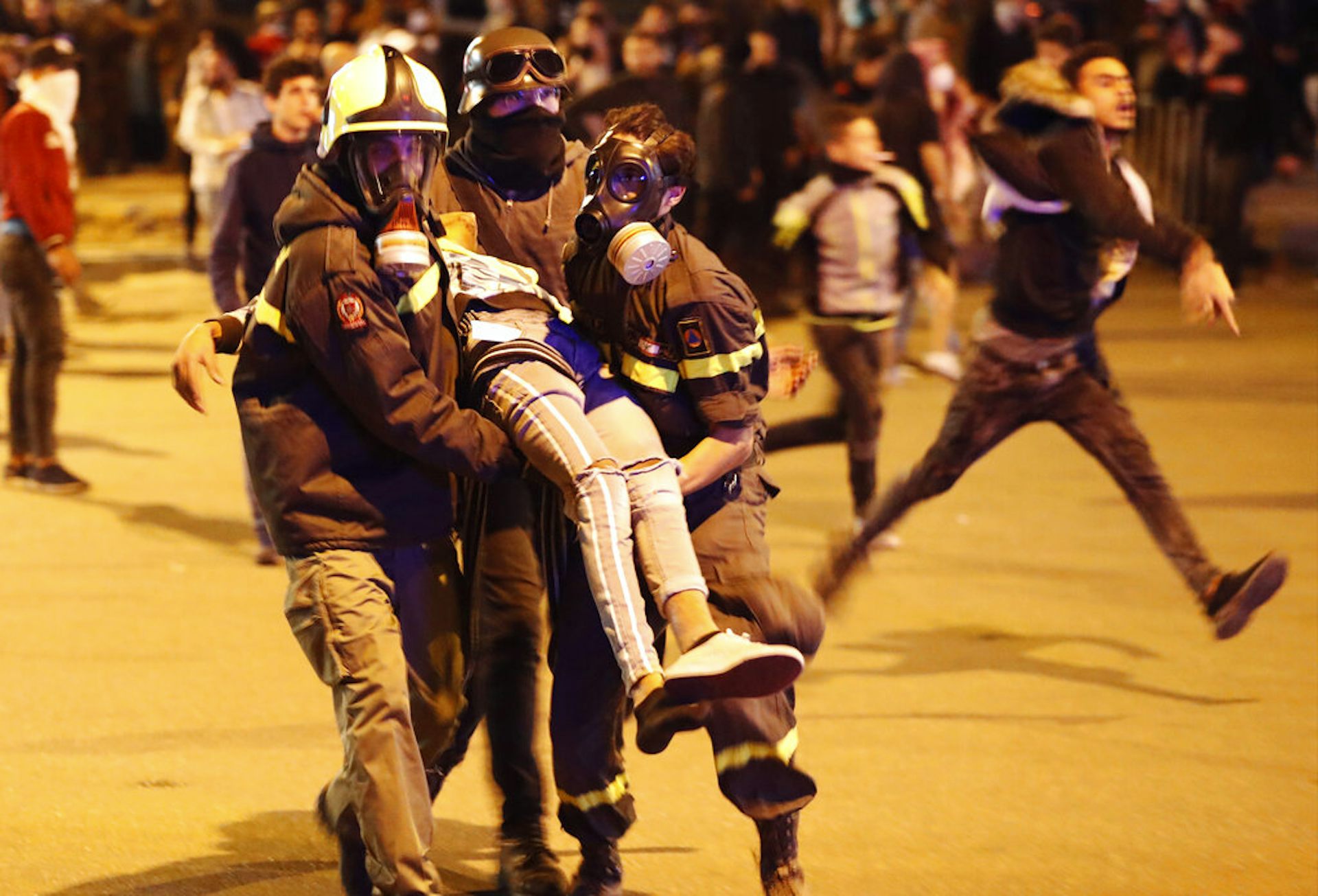
This prolongs the tenure of a political class that has faced sustained public anger since the 2019 uprising, when mass protests erupted across the country over economic mismanagement, corruption and deepening inequality. The movement forced the resignation of the government and exposed the fragility of the state’s political and economic order.
يُطيل هذا الإجراء فترة ولاية طبقة سياسية واجهت غضبًا شعبيًا مستمرًا منذ انتفاضة عام 2019، عندما اندلعت احتجاجات جماهيرية في جميع أنحاء البلاد بسبب سوء الإدارة الاقتصادية والفساد وتعمق التفاوت. وأجبرت الحركة على استقالة الحكومة وكشفت عن هشاشة النظام السياسي والاقتصادي للدولة.
While this challenges individual leaders and the broader system of governance, it did not translate into sustained structural reform or a meaningful reconfiguration of power. Instead, the post-2019 period has been marked by deepening economic collapse, institutional paralysis and repeated political deadlock that has included prolonged delays in government formation.
وفي حين أن هذا يمثل تحديًا للقادة الأفراد والنظام الأوسع للحكم، إلا أنه لم يترجم إلى إصلاح هيكلي مستدام أو إعادة تشكيل ذات مغزى للسلطة. وبدلاً من ذلك، اتسمت الفترة التي تلت عام 2019 بتعمق الانهيار الاقتصادي، والشلل المؤسسي، والجمود السياسي المتكرر الذي تضمن تأخيرات مطولة في تشكيل الحكومة.
Election delays also narrow the space for political alternatives. New parties, independent candidates and reformist movements rely on electoral cycles to gain visibility and legitimacy. Postponing elections thus also defers possibilities for political transformation.
كما أن تأجيل الانتخابات يضيّق المجال أمام البدائل السياسية. وتعتمد الأحزاب الجديدة والمرشحون المستقلون والحركات الإصلاحية على الدورات الانتخابية لاكتساب الظهور والشرعية. وبالتالي، فإن تأجيل الانتخابات يؤجل أيضًا إمكانيات التحول السياسي.
Finally, postponement reinforces a system in which accountability is continually suspended. Without elections, there is no formal mechanism through which citizens can register discontent or enact change.
أخيرًا، يعزز التأجيل نظامًا يتم فيه تعليق المساءلة باستمرار. فبدون انتخابات، لا توجد آلية رسمية يمكن للمواطنين من خلالها تسجيل السخط أو إحداث التغيير.
In this sense, delay is not simply a byproduct of instability. It is a political outcome with clear beneficiaries in power, both within the Lebanese state and among actors such as Hezbollah, whose influence is often reinforced in periods of internal and external crisis.
بهذا المعنى، فإن التأخير ليس مجرد نتاج ثانوي لعدم الاستقرار. بل هو نتيجة سياسية ذات مستفيدين واضحين في السلطة، سواء داخل الدولة اللبنانية أو بين الجهات الفاعلة مثل حزب الله، الذي غالبًا ما يتم تعزيز نفوذه في فترات الأزمات الداخلية والخارجية.
Crucially, elections are never canceled outright. They are deferred, extended, rescheduled. While the promise of democratic participation remains, its realization is continually pushed into the future.
والأهم من ذلك، أن الانتخابات لا يتم إلغاؤها أبدًا بشكل قاطع. بل يتم تأجيلها، وتمديدها، وإعادة جدولتها. وفي حين أن الوعد بالمشاركة الديمقراطية لا يزال قائمًا، فإن تحقيقه يُدفع باستمرار إلى المستقبل.
Displacement and exclusion
التهجير والإقصاء
The current crisis also raises deeper questions about who is able to participate in Lebanon’s political life. Escalating violence in the south has displaced thousands, disrupting livelihoods, mobility and access to basic services. Participation in elections becomes not only difficult but, for many, secondary to survival.
تثير الأزمة الحالية أيضاً تساؤلات أعمق حول من يستطيع المشاركة في الحياة السياسية اللبنانية. أدى تصاعد العنف في الجنوب إلى تهجير الآلاف، مما أخل بالمعيشة والتنقل والوصول إلى الخدمات الأساسية. وأصبح المشاركة في الانتخابات ليس فقط صعباً، بل بالنسبة للكثيرين، ثانوياً للبقاء على قيد الحياة.
This dynamic is not new. Periods of conflict in south Lebanon, from the prolonged Israeli occupation prior to 2000 to the 2006 Israel-Hezbollah war, have repeatedly disrupted electoral participation, displacing communities and reshaping who is able to vote, where, and under what conditions. Electoral processes have, at times, proceeded despite such disruptions, but often in ways that marginalize those most affected by violence.
هذه الديناميكية ليست جديدة. فقد أدت فترات الصراع في جنوب لبنان، بدءاً من الاحتلال الإسرائيلي المطول قبل عام 2000 وصولاً إلى حرب إسرائيل وحزب الله عام 2006، إلى تعطيل المشاركة الانتخابية مراراً وتكراراً، مما أدى إلى تهجير المجتمعات وإعادة تشكيل من يستطيع التصويت، وأين، وتحت أي ظروف. وفي بعض الأحيان، سارت العمليات الانتخابية على الرغم من هذه التعطيلات، ولكن غالباً بطرق تهمش الأكثر تضرراً من العنف.
This follows a broader pattern in which those most affected by crises in Lebanon are also those least able to shape the country’s political outcomes.
يتبع هذا نمطاً أوسع حيث يكون أولئك الأكثر تضرراً من الأزمات في لبنان هم أيضاً الأقل قدرة على تشكيل النتائج السياسية للبلاد.
Lebanon’s electoral system has long been marked by exclusion: from diaspora voters who face logistical and administrative barriers to those displaced – entirely excluded from the political process.
لطالما اتسم النظام الانتخابي اللبناني بالإقصاء: بدءاً من الناخبين في الشتات الذين يواجهون حواجز لوجستية وإدارية، وصولاً إلى المهجّرين – الذين يُستبعدون بالكامل من العملية السياسية.
Today, renewed conflict, including Israeli military operations in the south, intensifies these constraints.
اليوم، يفاقم الصراع المتجدد، بما في ذلك العمليات العسكرية الإسرائيلية في الجنوب، هذه القيود.
The postponement of elections, then, is marked by both genuine logistical constraints and facilitating the interests of entrenched political elites.
وبالتالي، فإن تأجيل الانتخابات يتسم بكل من القيود اللوجستية الحقيقية وتسهيل مصالح النخب السياسية المتجذرة.
It also risks deepening existing inequalities. Large segments of the population, particularly those in the majority-Shiite south, will face disproportionate barriers to participation as displacement, insecurity and the destruction of infrastructure make voter registration, campaigning and access to polling stations significantly more difficult.
كما أنه يهدد بتعميق أوجه عدم المساواة القائمة. فستواجه شرائح كبيرة من السكان، وخاصة في الجنوب الشيعي الأغلبية، حواجز غير متناسبة أمام المشاركة حيث أن التهجير وانعدام الأمن وتدمير البنية التحتية يجعل من تسجيل الناخبين، والحملات الانتخابية، والوصول إلى مراكز الاقتراع أكثر صعوبة بكثير.
These are the same communities whose political representation is most directly shaped by cycles of violence, displacement and uncertainty.
هذه هي المجتمعات نفسها التي يتشكل تمثيلها السياسي بشكل مباشر من خلال دورات العنف والتهجير وعدم اليقين.
Why elections still matter
لماذا لا تزال الانتخابات مهمة
All this does not mean that elections no longer matter in Lebanon. On the contrary, their repeated deferral points to their continued importance. But it also highlights the fragile nature of democratic processes within a system shaped by entrenched power and persistent instability.
لا يعني كل هذا أن الانتخابات لم تعد مهمة في لبنان. بل على العكس، يشير تأجيلها المتكرر إلى أهميتها المستمرة. ولكنه يسلط الضوء أيضاً على الطبيعة الهشة للعمليات الديمقراطية ضمن نظام تشكله السلطة الراسخة وعدم الاستقرار المستمر.
At the same time, there are ongoing, if uneven, efforts to reckon with this paralysis. Reform-oriented political actors and segments of civil society have continued to push for electoral transparency, diaspora participation in elections and institutional reform.
في الوقت نفسه، هناك جهود مستمرة، وإن كانت متفاوتة، لمعالجة هذا الشلل. وقد واصل الفاعلون السياسيون الموجهون نحو الإصلاح وقطاعات المجتمع المدني الضغط من أجل الشفافية الانتخابية، ومشاركة الشتات في الانتخابات، والإصلاح المؤسسي.
International actors, including the International Monetary Fund and the European Union, have also tied financial assistance and recovery frameworks to governance reforms, including calls for credible and timely elections. Yet these pressures have so far yielded limited structural change, often absorbed into the same status quo they seek to transform.
كما ربط الفاعلون الدوليون، بما في ذلك صندوق النقد الدولي والاتحاد الأوروبي، المساعدات المالية وأطر التعافي بإصلاحات الحوكمة، بما في ذلك الدعوات لإجراء انتخابات موثوقة وفي الوقت المناسب. ومع ذلك، لم تسفر هذه الضغوط حتى الآن عن تغيير هيكلي محدود، وغالباً ما يتم استيعابها في الوضع الراهن نفسه الذي يسعون إلى تحويله.
Meanwhile, the escalation of violence in the south and the persistent possibility of expanded military confrontation continues to reshape the conditions under which any future election might take place.
وفي غضون ذلك، يواصل تصاعد العنف في الجنوب واحتمالية المواجهة العسكرية الموسعة أن يعيد تشكيل الظروف التي قد تُجرى فيها أي انتخابات مستقبلية.
In Lebanon, democracy is not suspended in times of crisis but stretched. And in that stretching, the distance between citizens and political change continues to grow. That will only continue unless emerging pressures, both domestic and international, are able to create forms of genuine accountability.
في لبنان، لا يتم تعليق الديمقراطية في أوقات الأزمات بل يتم تمديدها. وفي هذا التمدد، يستمر البعد بين المواطنين والتغيير السياسي في التزايد. ولن يستمر ذلك إلا إذا تمكنت الضغوط الناشئة، المحلية والدولية على حد سواء، من خلق أشكال من المساءلة الحقيقية.
Jasmin Lilian Diab does not work for, consult, own shares in or receive funding from any company or organization that would benefit from this article, and has disclosed no relevant affiliations beyond their academic appointment.
لا تعمل ياسمين ليليان دياب لدى، أو تستشير، أو تمتلك حصصاً في، أو تتلقى تمويلاً من أي شركة أو منظمة تستفيد من هذه المقالة، ولم تكشف عن أي انتماءات ذات صلة تتجاوز منصبها الأكاديمي.
Read more
-
“السوكر” مصطلح رائع للعبة الجميلة – لا تدع أي مغرور بـ “كرة القدم” أو رئيس يخبرك بخلاف ذلك في كأس العالم هذه.
‘Soccer’ is a fine term for the beautiful game – don’t let any ‘football’ snob or president tell you otherwise this World Cup
-
غيّر الصراع الطويل في أنغولا من طريقة استخدام المزارعين للنار – وما أهمية ذلك
Angola’s long war changed the way farmers used fire – why it matters