黎巴嫩的政治精英正利用流离失所和人道主义危机再次推迟选举
Lebanon’s political elites are using displacement and h…
With the return of Israeli forces, the Lebanese parliament scrapped elections scheduled for May. The move is a recurring theme in the country’s fractured politics.
随着以色列军队的回归,黎巴嫩议会取消了原定于五月的选举。这一举动是该国分裂政治中一个反复出现的主题。
Lebanon was meant to be preparing for key parliamentary elections in May 2026. Then came the return of war.
黎巴嫩本应为2026年5月举行的关键议会选举做准备。然而,战争再次爆发。
Two days after the U.S. and Israel launched their military operation in Iran on Feb. 28, Hezbollah and Israel resumed their own full-scale hostilities. That marked the final collapse of a much-violated ceasefire that for a little over a year had barely kept a lid on fighting. With Israel’s full-scale bombardment of the country and invasion of southern Lebanon again underway, the Lebanese parliament on March 9 postponed scheduled elections by extending its own mandate by two years.
在美国和以色列于2月28日对伊朗发动军事行动两天后,真主党和以色列恢复了各自的大规模敌对行动。这标志着一个被多次违反、并仅维持了一年多时间、勉强压制住冲突的停火协议的最终崩溃。随着以色列对该国进行全面轰炸和再次入侵南黎巴嫩,黎巴嫩议会于3月9日宣布,通过将自身任期延长两年,推迟了原定的选举。
Its justification was a now familiar one: war, instability and a security situation deemed incompatible with democratic process. As conflict escalates across the region and further destabilizes Lebanon with the possibility of long-term Israeli occupation, officials insist that elections are simply not feasible.
其理由是现在已耳熟能详的:战争、不稳和被认为与民主进程不兼容的安全局势。随着地区冲突升级,并因长期以色列占领的可能性进一步动摇黎巴嫩的稳定,官员们坚持认为选举根本不可行。
But this is not the first time Lebanese elections have been postponed.
但这并非黎巴嫩选举首次推迟。
Since 2013, the Lebanese government has delayed parliamentary elections multiple times, citing among other factors the war in neighboring Syria, political deadlock and disputes over electoral law. Each delay has been framed as temporary, necessary and exceptional. Yet taken together, they reveal a pattern: Elections in Lebanon seem to be always approaching – and continually postponed.
自2013年以来,黎巴嫩政府多次推迟议会选举,援引的理由包括邻国叙利亚的战争、政治僵局以及选举法争议等。每一次推迟都被定性为临时性、必要性和例外性。然而,这些事件放在一起看,揭示了一个模式:黎巴嫩的选举似乎总是在临近——却又不断被推迟。
This is not simply a story of crisis interrupting democracy. It is a story of how crisis is used to govern it.
这不仅仅是一个关于危机打断民主的故事。这是一个关于如何利用危机来治理民主的故事。
Crisis as justification and opportunity
危机:借口与机遇
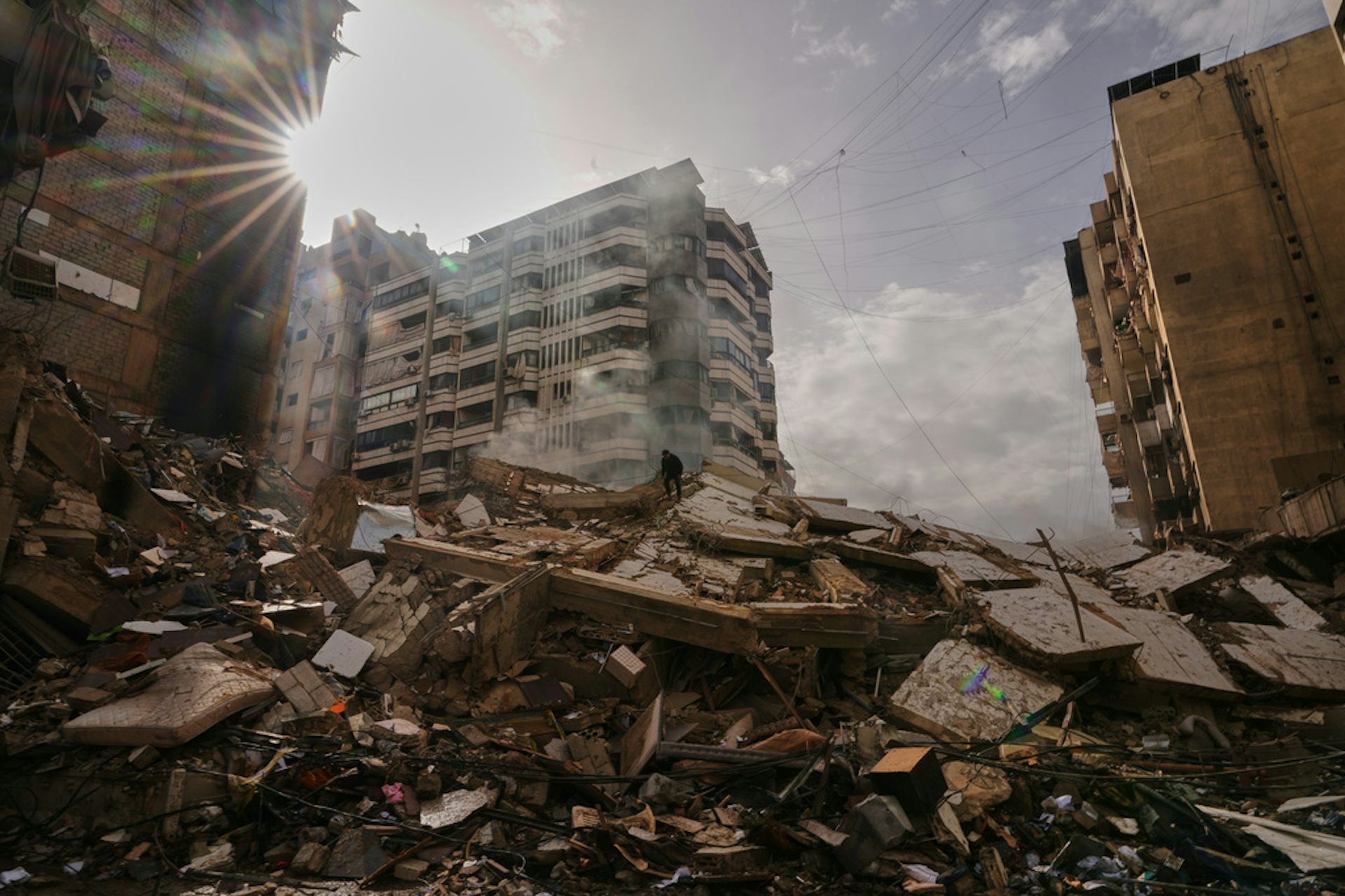
There is little question that the latest postponement of elections comes amid trying conditions – airstrikes, displacement and mounting insecurity – that make the logistics of an election extremely difficult.
关于最近推迟选举的决定,几乎没有疑问是出于当前严峻的条件——空袭、流离失所和日益加剧的不安全感——使得选举的后勤工作极其困难。
Indeed, on its face the parliament’s decision appears pragmatic. Elections require mobility, stability and functioning institutions, all of which are currently under strain.
事实上,从表面上看,议会的决定似乎是务实的。选举需要流动性、稳定性和运作良好的机构,而这些目前都处于压力之下。
But arguments for postponement obscure an important reality: Political crises in Lebanon have contributed to a self-fulfilling logic that protects the political status quo.
但支持推迟选举的论点掩盖了一个重要的现实:黎巴嫩的政治危机促成了一种自我实现的逻辑,这种逻辑保护了政治现状。
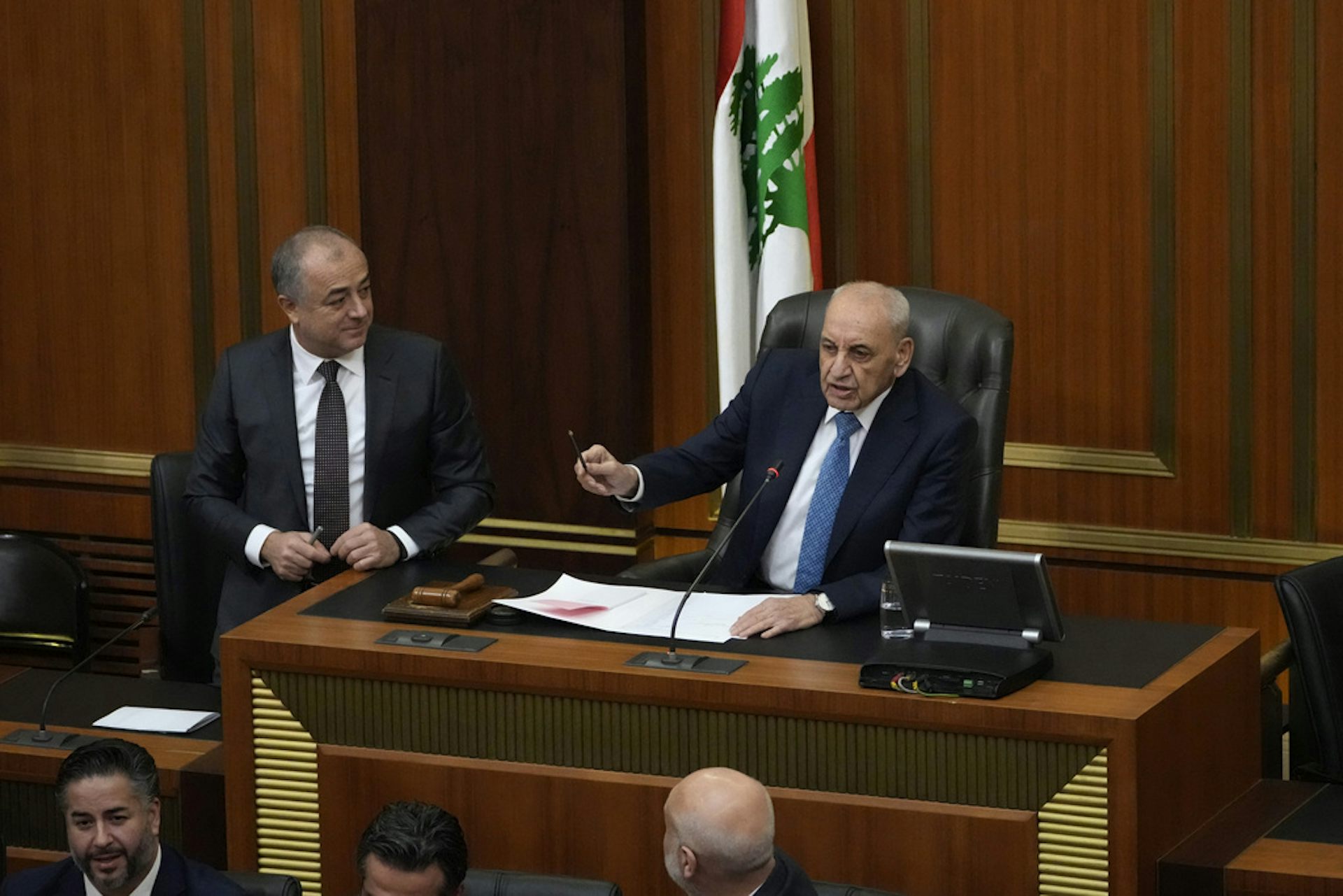
The extension of parliament’s term was announced by Speaker Nabih Berri, a central figure in the country’s political order since Lebanon’s civil war ended in 1990. That order has long been defined by power-sharing among entrenched elites, as well as a system widely criticized for enabling corruption, patronage and institutional paralysis.
延长议会任期的决定由议长纳比赫·贝里宣布,自黎巴嫩内战于1990年结束以来,他一直是该国政治秩序的核心人物。这个秩序长期以来一直由精英阶层之间的权力分享所定义,同时也存在着一个被广泛批评为助长腐败、裙带关系和制度瘫痪的体系。
The current system was formalized in the Taif Agreement, which formally ended Lebanon’s devastating 15-year civil war. The accord distributed power along sectarian lines, with key state positions allocated to religious communities. While intended to ensure representation, it instead entrenched elite bargaining and veto power, making consensus both necessary and perpetually elusive.
当前的制度是在《泰伊夫协议》中正式化的,该协议正式结束了黎巴嫩长达15年的毁灭性内战。该协议沿着教派线分配了权力,将关键的国家职位分配给了不同的宗教社区。虽然其目的是确保代表性,但它反而固化了精英间的讨价还价和否决权,使得达成共识既必要又永远难以实现。
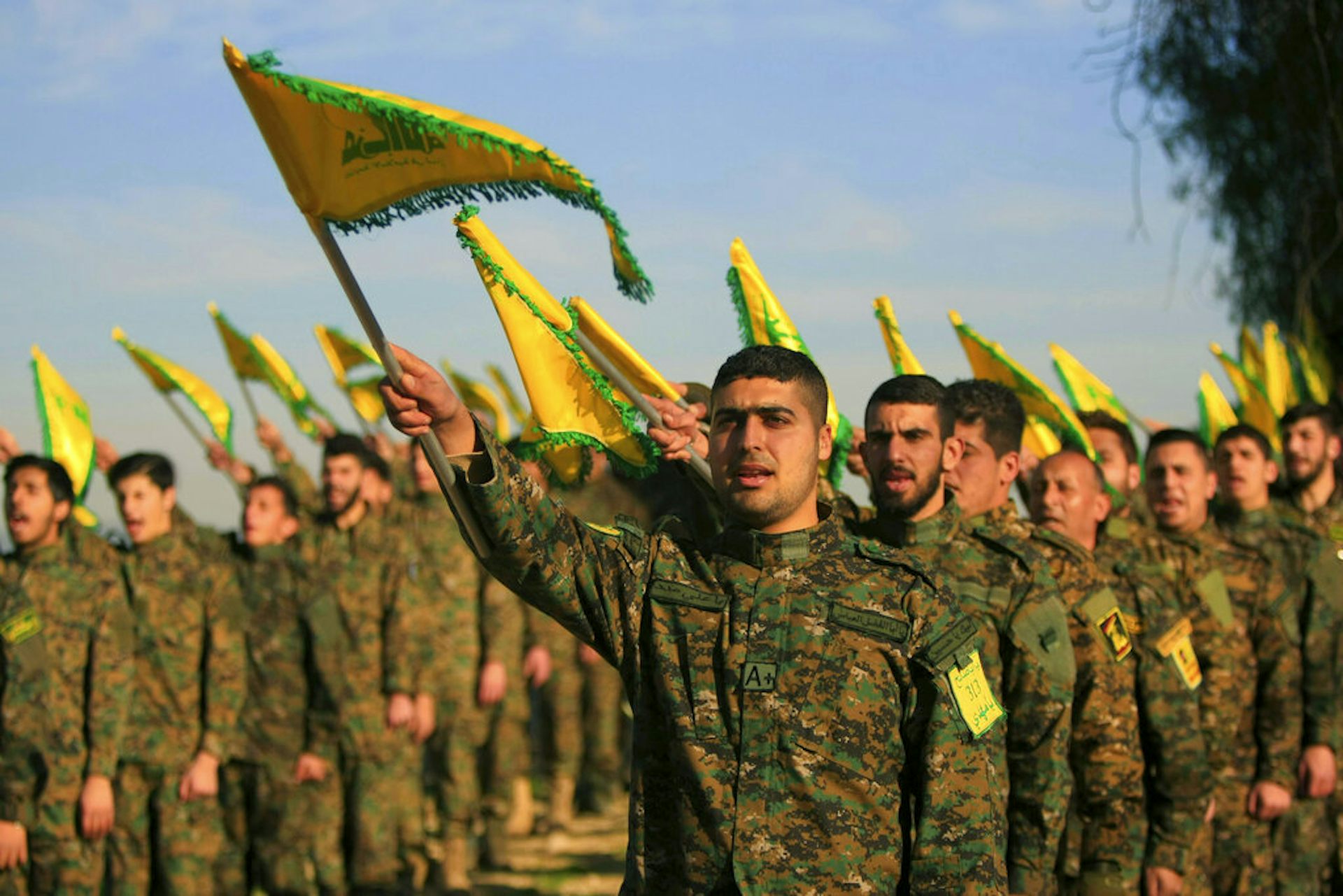
Over time, this has produced a political system defined less by governance than by managed deadlock – where institutional paralysis is not incidental but built into the system itself. This fragility is compounded by the interplay of domestic and external forces, including the significant political and military role of Hezbollah. Emerging out of the Lebanese civil war and the broader context of Israeli occupation in the 1980s, Hezbollah developed as an armed resistance movement and later consolidated its position as both a political actor and a military force operating alongside the state, complicating the already tenuous balance of power.
随着时间的推移,这产生了一个政治体系,其特征不是治理,而是“管理化的僵局”——在这种体系中,制度瘫痪不是偶然的,而是内建的。这种脆弱性因国内和外部力量的相互作用而加剧,包括真主党重要的政治和军事作用。真主党起源于黎巴嫩内战和20世纪80年代更广泛的以色列占领背景,发展成为一支武装抵抗运动,后来巩固了其作为政治行为体和与国家并行的军事力量的地位,使本已脆弱的权力平衡更加复杂。
This fragility is further reflected in repeated institutional deadlock, including prolonged presidential vacuums like between 2014 and 2016. Then, Hezbollah and its allies blocked consensus over a candidate, leaving the country without a head of state for over two years.
这种脆弱性也体现在反复的制度僵局中,包括2014年至2016年之间长期的总统真空期。当时,真主党及其盟友阻止了就候选人达成共识,使国家连续两年没有国家元首。
The politics of delay
延迟的政治学
Within Lebanon’s fractured political context, postponing elections has serious consequences. Fundamentally, it changes when and how political accountability happens in ways that benefit those already in power. In Lebanon, elections increasingly function as deferred events: always anticipated but continually postponed.
在黎巴嫩破碎的政治背景下,推迟选举具有严重后果。从根本上说,它改变了政治问责制发生的时间和方式,从而有利于那些已经掌握权力的人。在黎巴嫩,选举越来越成为一种推迟的事件:总是被预期,但却不断被推迟。
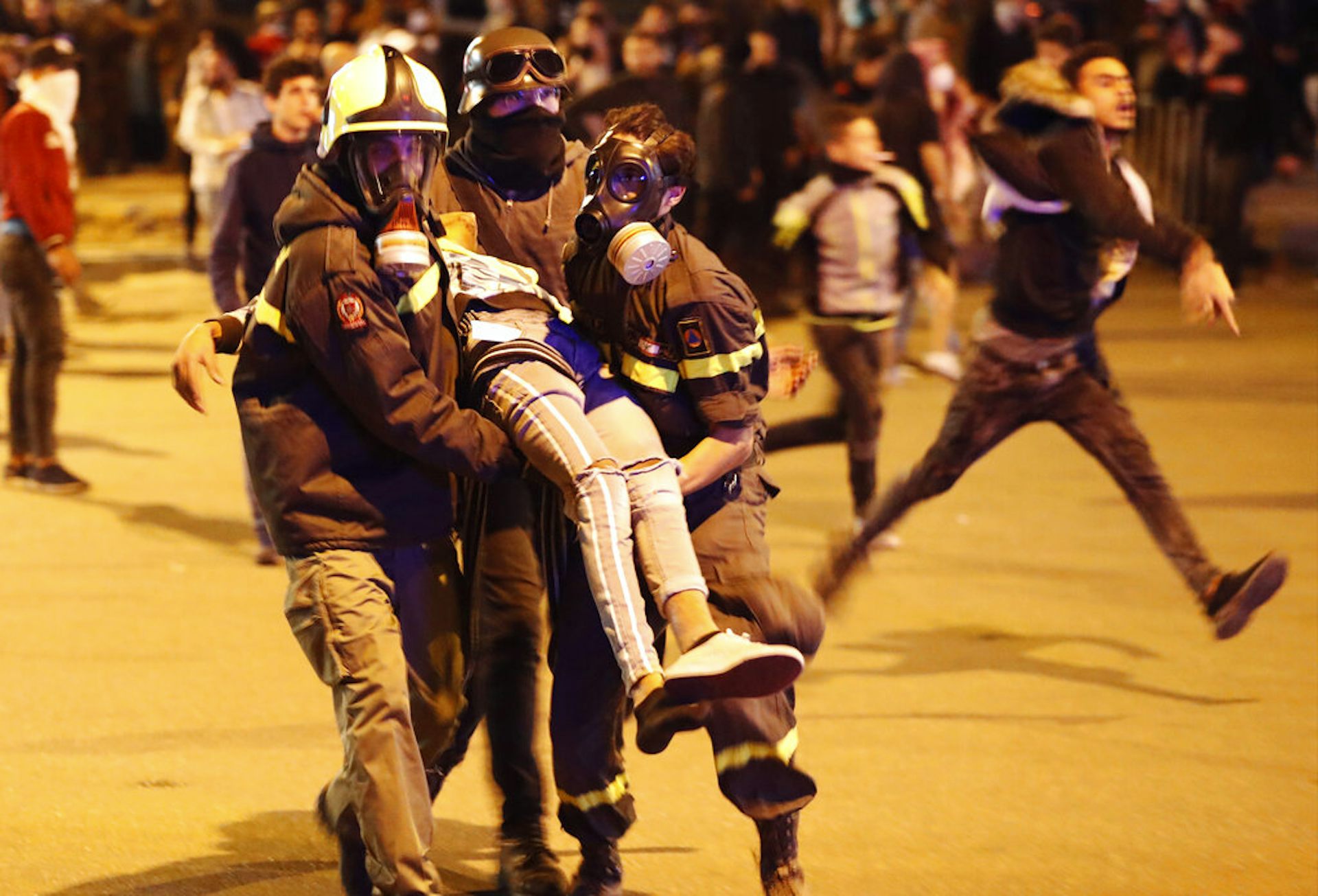
This prolongs the tenure of a political class that has faced sustained public anger since the 2019 uprising, when mass protests erupted across the country over economic mismanagement, corruption and deepening inequality. The movement forced the resignation of the government and exposed the fragility of the state’s political and economic order.
这延长了一个政治阶层的任期。自2019年起,该阶层一直面临着公众持续的愤怒,当时全国爆发了大规模抗议,抗议的原因包括经济管理不善、腐败和日益加深的贫富不均。这场运动迫使政府辞职,并暴露了国家政治和经济秩序的脆弱性。
While this challenges individual leaders and the broader system of governance, it did not translate into sustained structural reform or a meaningful reconfiguration of power. Instead, the post-2019 period has been marked by deepening economic collapse, institutional paralysis and repeated political deadlock that has included prolonged delays in government formation.
虽然这挑战了个别领导人和更广泛的治理体系,但它并未转化为持续的结构性改革或有意义的权力重组。相反,2019年以来的时期,其特点是经济崩溃加深、制度性瘫痪以及反复的政治僵局,其中包括政府组建的长期延迟。
Election delays also narrow the space for political alternatives. New parties, independent candidates and reformist movements rely on electoral cycles to gain visibility and legitimacy. Postponing elections thus also defers possibilities for political transformation.
选举延迟也缩小了政治选择的空间。新政党、独立候选人和改革运动依赖选举周期来获得能见度和合法性。因此,推迟选举也推迟了政治转型的可能性。
Finally, postponement reinforces a system in which accountability is continually suspended. Without elections, there is no formal mechanism through which citizens can register discontent or enact change.
最后,推迟强化了一个问责制不断悬置的体系。没有选举,公民就没有正式的机制来表达不满或推动变革。
In this sense, delay is not simply a byproduct of instability. It is a political outcome with clear beneficiaries in power, both within the Lebanese state and among actors such as Hezbollah, whose influence is often reinforced in periods of internal and external crisis.
从这个意义上说,延迟不仅仅是动荡不稳定的副产品。它是一种政治结果,其明确的受益者掌握着权力,无论是在黎巴嫩国家内部,还是在像真主党这样的行为体中,这些行为体的影响力往往在内部和外部危机时期得到加强。
Crucially, elections are never canceled outright. They are deferred, extended, rescheduled. While the promise of democratic participation remains, its realization is continually pushed into the future.
至关重要的是,选举从未被彻底取消。它们被推迟、延长、重新安排。尽管民主参与的承诺依然存在,但其实现却不断被推向未来。
Displacement and exclusion
流离失所与排斥
The current crisis also raises deeper questions about who is able to participate in Lebanon’s political life. Escalating violence in the south has displaced thousands, disrupting livelihoods, mobility and access to basic services. Participation in elections becomes not only difficult but, for many, secondary to survival.
当前的危机也引发了关于谁能够参与黎巴嫩政治生活的更深层次的疑问。南部日益升级的暴力事件已导致数千人流离失所,扰乱了生计、流动性和获取基本服务的能力。参与选举不仅变得困难,对许多人来说,甚至让位于生存本身。
This dynamic is not new. Periods of conflict in south Lebanon, from the prolonged Israeli occupation prior to 2000 to the 2006 Israel-Hezbollah war, have repeatedly disrupted electoral participation, displacing communities and reshaping who is able to vote, where, and under what conditions. Electoral processes have, at times, proceeded despite such disruptions, but often in ways that marginalize those most affected by violence.
这种动态并非新鲜事。自2000年之前持续的以色列占领到2006年以色列-真主党战争期间,黎巴嫩南部经历的冲突时期,反复干扰了选举参与,使社区流离失所,并重塑了谁能够在何地、在何种条件下投票。选举程序有时在这些干扰下得以进行,但往往是以边缘化受暴力影响最深群体的方式。
This follows a broader pattern in which those most affected by crises in Lebanon are also those least able to shape the country’s political outcomes.
这遵循了一个更广泛的模式:在黎巴嫩,受危机影响最深的人,也是最无力塑造国家政治结果的人。
Lebanon’s electoral system has long been marked by exclusion: from diaspora voters who face logistical and administrative barriers to those displaced – entirely excluded from the political process.
黎巴嫩的选举制度长期以来一直伴随着排斥:从面临后勤和行政障碍的海外侨民选民,到完全被排除在政治进程之外的流离失所者。
Today, renewed conflict, including Israeli military operations in the south, intensifies these constraints.
今天,包括以色列在南部军事行动在内的冲突重燃,加剧了这些限制。
The postponement of elections, then, is marked by both genuine logistical constraints and facilitating the interests of entrenched political elites.
因此,推迟选举的做法,既体现了真实的后勤限制,也迎合了根深蒂固的政治精英的利益。
It also risks deepening existing inequalities. Large segments of the population, particularly those in the majority-Shiite south, will face disproportionate barriers to participation as displacement, insecurity and the destruction of infrastructure make voter registration, campaigning and access to polling stations significantly more difficult.
它还可能加剧现有的不平等。由于流离失所、不安全和基础设施的破坏,选民登记、竞选活动和进入投票站的难度显著增加,导致人口的大部分群体,特别是南部多数什叶派群体,在参与方面面临不成比例的障碍。
These are the same communities whose political representation is most directly shaped by cycles of violence, displacement and uncertainty.
这些正是其政治代表性最直接受到暴力、流离失所和不确定性周期影响的社区。
Why elections still matter
选举为何仍然重要
All this does not mean that elections no longer matter in Lebanon. On the contrary, their repeated deferral points to their continued importance. But it also highlights the fragile nature of democratic processes within a system shaped by entrenched power and persistent instability.
这并不意味着选举在黎巴嫩不再重要。相反,它们一再推迟恰恰证明了其持续的重要性。但这同时也凸显了在一个由根深蒂固的权力结构和持续的不稳定因素塑造的体系内,民主进程的脆弱本质。
At the same time, there are ongoing, if uneven, efforts to reckon with this paralysis. Reform-oriented political actors and segments of civil society have continued to push for electoral transparency, diaspora participation in elections and institutional reform.
与此同时,仍有持续的、尽管不均衡的努力来应对这种瘫痪。以改革为导向的政治参与者和民间社会的部分群体持续推动选举透明化、侨民参与选举和制度改革。
International actors, including the International Monetary Fund and the European Union, have also tied financial assistance and recovery frameworks to governance reforms, including calls for credible and timely elections. Yet these pressures have so far yielded limited structural change, often absorbed into the same status quo they seek to transform.
包括国际货币基金组织和欧盟在内的国际行为体,也将财政援助和复苏框架与治理改革挂钩,包括呼吁进行可信和及时的选举。然而,到目前为止,这些压力仅带来了有限的结构性变化,这些变化往往被吸收到它们试图改变的现有状态中。
Meanwhile, the escalation of violence in the south and the persistent possibility of expanded military confrontation continues to reshape the conditions under which any future election might take place.
同时,南部暴力升级和扩大军事对抗的持续可能性,继续重塑着任何未来选举可能发生的条件。
In Lebanon, democracy is not suspended in times of crisis but stretched. And in that stretching, the distance between citizens and political change continues to grow. That will only continue unless emerging pressures, both domestic and international, are able to create forms of genuine accountability.
在黎巴嫩,民主在危机时期并非暂停,而是被拉伸。而在这种拉伸的过程中,公民与政治变革之间的距离持续扩大。除非出现国内外的新压力能够创造出真正的问责制形式,否则这种情况只会持续下去。
Jasmin Lilian Diab does not work for, consult, own shares in or receive funding from any company or organization that would benefit from this article, and has disclosed no relevant affiliations beyond their academic appointment.
Jasmin Lilian Diab 不受任何从本文中受益的公司或组织的雇佣、咨询、拥有股份或资金支持,并且除了其学术任命外,未披露任何相关隶属关系。