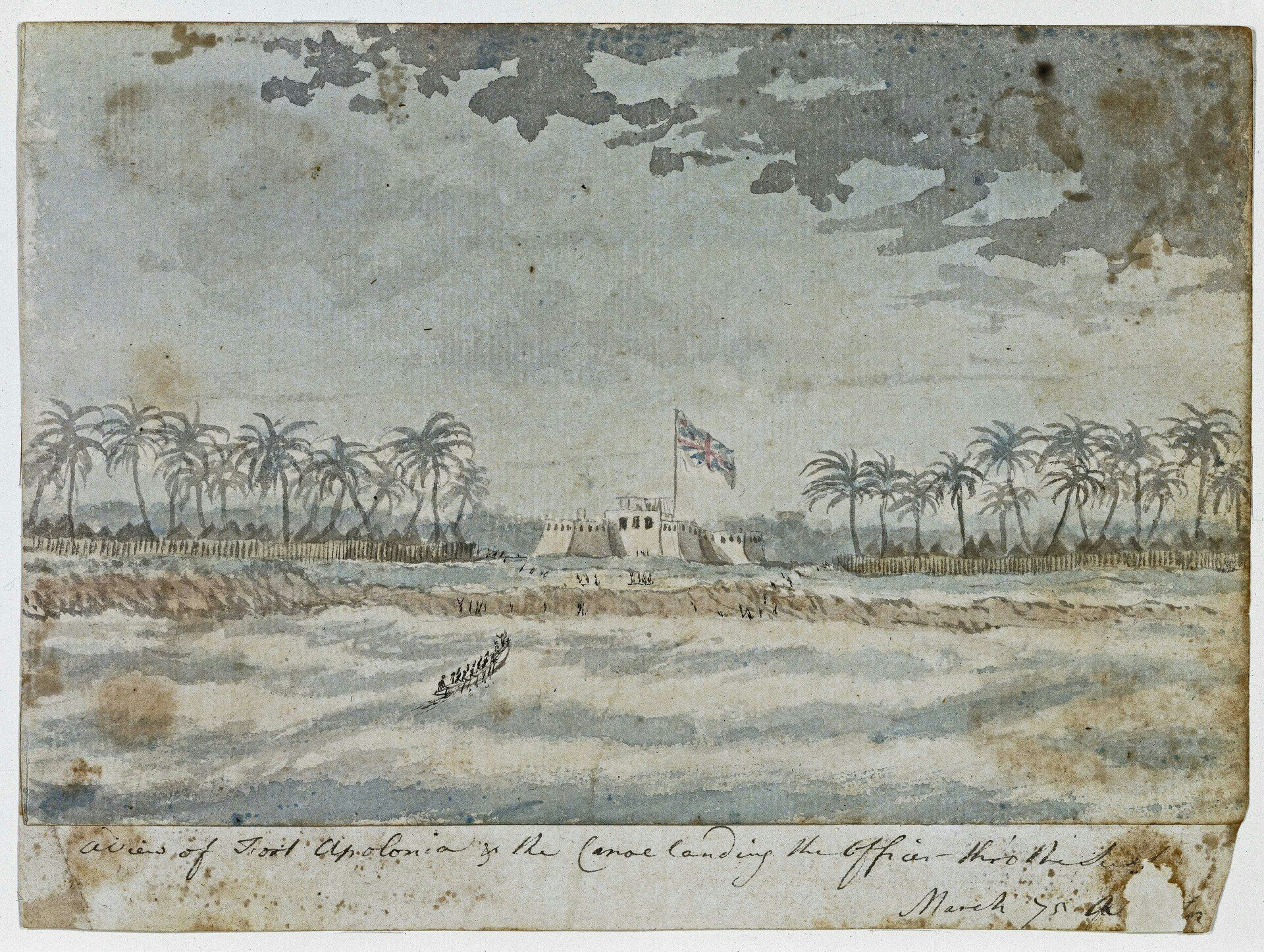
अपोलोनिया: एक अफ्रीकी साम्राज्य की कहानी जिसने अटलांटिक दास व्यापार का विरोध किया
Appolonia: the story of an African kingdom that resisted the Atlantic slave trade
Why did Appolonia trade so few enslaved people? Short answer: unique economy and sacred beliefs.
अपोलोनिया ने इतने कम गुलाम क्यों बेचे? संक्षिप्त उत्तर: एक अनूठी अर्थव्यवस्था और पवित्र विश्वास।
The transatlantic slave trade was a multilayered, highly commercialised global enterprise that lasted from the early 1500s to the mid 1800s.
ट्रांसअटलांटिक दास व्यापार एक बहुस्तरीय, अत्यधिक व्यावसायीकृत वैश्विक उद्यम था जो 1500 के दशक की शुरुआत से लेकर 1800 के दशक के मध्य तक चला।
The events over this period are far too complex to fit into a straightforward perpetrator-victim narrative. While the trade catastrophically dehumanised and commodified over 12.5 million Africans, it was not just an external conquest.
इस अवधि की घटनाएँ इतनी जटिल हैं कि उन्हें किसी सीधी उत्पीड़क-पीड़ित कथा में समेटना असंभव है। हालाँकि इस व्यापार ने कैटास्ट्रॉफिक रूप से 12.5 मिलियन से अधिक अफ्रीकियों का अमानवीकरण और वस्तुकरण किया, लेकिन यह केवल एक बाहरी विजय नहीं थी।
Europeans lacked the geographical knowledge, immunity to endemic tropical diseases, and the military power to venture into the African interior. So they became dependent on African states and merchant elites for the supply of captives.
यूरोपीय लोगों के पास अफ्रीकी आंतरिक भागों में जाने के लिए भौगोलिक ज्ञान, स्थानिक उष्णकटिबंधीय रोगों के प्रति प्रतिरक्षा, और सैन्य शक्ति का अभाव था। इसलिए वे कैदियों की आपूर्ति के लिए अफ्रीकी राज्यों और व्यापारी अभिजात वर्ग पर निर्भर हो गए।
By controlling coastal ports, regulating market access, and managing the interior trade routes that brought captives to the coast, these African brokers enabled and shaped the European trade in human beings.
तटीय बंदरगाहों को नियंत्रित करके, बाजार पहुंच को विनियमित करके, और उन आंतरिक व्यापार मार्गों का प्रबंधन करके जो कैदियों को तट तक लाते थे, इन अफ्रीकी बिचौलियों ने मानव प्राणियों में यूरोपीय व्यापार को सक्षम बनाया और आकार दिया।
Yet, this internal participation was rarely uniform. While certain powerful African societies and groups largely procured captives from weaker communities through warfare or raids, a few centralised African states chose neither to fully participate in nor completely abstain from the slave trade.
फिर भी, यह आंतरिक भागीदारी शायद ही कभी एकसमान थी। जहाँ कुछ शक्तिशाली अफ्रीकी समाजों और समूहों ने युद्ध या छापे के माध्यम से कमजोर समुदायों से बड़े पैमाने पर कैदी प्राप्त किए, वहीं कुछ केंद्रीकृत अफ्रीकी राज्यों ने दास व्यापार में पूरी तरह भाग न लेने और न ही पूरी तरह से इससे दूर रहने का विकल्प चुना।
One such society was the Kingdom of Appolonia (today known as the Nzema State) in the southwestern Gold Coast (present-day Ghana) . Throughout the four centuries of Atlantic slavery, Appolonia traded only 352 captives while other Gold Coast towns like Elmina and Cape Coast each shipped hundreds of thousands of enslaved people.
ऐसे ही एक समाज था अपोलोनिया साम्राज्य (जिसे आज न्ज़ेमा राज्य के नाम से जाना जाता है) जो गोल्ड कोस्ट के दक्षिण-पश्चिम में स्थित था। अटलांटिक गुलामी के चार शताब्दियों के दौरान, अपोलोनिया ने केवल 352 कैदियों का व्यापार किया, जबकि एल्मिना और केप कोस्ट जैसे अन्य गोल्ड कोस्ट शहरों ने प्रत्येक सैकड़ों हजारों गुलाम लोगों को भेजा।
As a historian of west Africa, particularly Ghana, specialising in environmental and water history as well as the slave trade, I have spent nearly a decade researching Appolonia’s role in the Atlantic slave trade. My recent study reveals that Appolonia was the only port region on the Gold Coast where the Atlantic slave trade did not thrive, although indigenous African slavery was practised in the kingdom. Appolonia stands out as a statistical and geographical outlier within the slave trade economy.
पश्चिमी अफ्रीका, विशेष रूप से घाना के इतिहासकार होने के नाते, जो पर्यावरण और जल इतिहास के साथ-साथ दास व्यापार में भी विशेषज्ञता रखते हैं, मैंने अटलांटिक दास व्यापार में अपोलोनिया की भूमिका पर लगभग एक दशक तक शोध किया है। मेरा हालिया अध्ययन बताता है कि अपोलोनिया गोल्ड कोस्ट का एकमात्र बंदरगाह क्षेत्र था जहाँ अटलांटिक दास व्यापार फला-फूला नहीं, हालाँकि साम्राज्य में स्वदेशी अफ्रीकी गुलामी का अभ्यास किया जाता था। अपोलोनिया दास व्यापार अर्थव्यवस्था के भीतर एक सांख्यिकीय और भौगोलिक विसंगति (outlier) के रूप में खड़ा है।
Appolonia’s story raises several critical questions. Why did the kingdom trade so few enslaved people? Why is it important to study regions of Africa where the slave trade was less dominant? And what do outliers like Appolonia teach us about historical and reparative justice?
अपोलोनिया की कहानी कई महत्वपूर्ण प्रश्न उठाती है। साम्राज्य ने इतने कम गुलाम लोगों का व्यापार क्यों किया? अफ्रीका के उन क्षेत्रों का अध्ययन करना क्यों महत्वपूर्ण है जहाँ दास व्यापार कम प्रमुख था? और अपोलोनिया जैसी विसंगतियाँ हमें ऐतिहासिक और उपचारात्मक न्याय (reparative justice) के बारे में क्या सिखाती हैं?
Appolonia in historical context
ऐतिहासिक संदर्भ में अपोलोनिया
Appolonia is an Akan society in southwestern Ghana, located at the border with Côte d’Ivoire. The Portuguese named this region after Saint Appolonia, an Egyptian Christian virgin, because they discovered the area on her festival day.
अपोलोनिया घाना के दक्षिण-पश्चिम में एक अकान समाज है, जो कोट डी आइवर से सीमा साझा करता है। पुर्तगालियों ने इस क्षेत्र का नाम सेंट अपोलोनिया रखा, जो एक मिस्र की ईसाई कुंवारी थीं, क्योंकि उन्होंने उसके त्योहार के दिन यह क्षेत्र खोजा था।
The region was made up of small villages that came together to establish the Appolonian Kingdom in the late 1600s. It was here that Ghana’s first president, Kwame Nkrumah, was born in 1909.
यह क्षेत्र छोटे गाँवों से मिलकर बना था जो 17वीं शताब्दी के अंत में अपोलोनियन साम्राज्य की स्थापना करने के लिए एकजुट हुए थे। यहीं पर घाना के पहले राष्ट्रपति, क्वामे नक्रूमाह का जन्म 1909 में हुआ था।
The founding of the Appolonian Kingdom coincided with other grand historical developments on the Gold Coast. These include the rise of the Asante Kingdom to superpower status and the transformation of the region into a centre for the Atlantic slave trade.
अपोलोनियन साम्राज्य की स्थापना गोल्ड कोस्ट पर अन्य बड़े ऐतिहासिक विकासों के साथ मेल खाती थी। इनमें अकानते साम्राज्य का महाशक्ति बनने तक उत्थान और इस क्षेत्र का अटलांटिक दास व्यापार का केंद्र में बदलना शामिल है।
These events drew Appolonia into the larger Atlantic economy. However, Appolonia was probably the only Gold Coast society that effectively said “no” to the Atlantic slave trade.
इन घटनाओं ने अपोलोनिया को व्यापक अटलांटिक अर्थव्यवस्था से जोड़ दिया। हालांकि, अपोलोनिया शायद गोल्ड कोस्ट का एकमात्र ऐसा समाज था जिसने प्रभावी ढंग से अटलांटिक दास व्यापार के लिए “नहीं” कहा।
Saying “no” did not mean a complete abstinence. The 352 enslaved individuals that Appolonia shipped account for 0.0028% of the Africans transported across the Atlantic Ocean. My intention is not to reduce these precious lives to mere statistics. Rather, I aim to show that, in percentage terms, Appolonia’s involvement in the trade was minimal.
“नहीं कहना” पूर्ण परहेज़ नहीं था। अपोलोनिया द्वारा भेजे गए 352 गुलाम व्यक्तियों का अनुपात उन अफ्रीकियों के कुल प्रतिशत का मात्र 0.0028% है जिन्हें अटलांटिक महासागर के पार ले जाया गया था। मेरा इरादा इन कीमती जीवन को केवल आँकड़ों तक सीमित करना नहीं है। बल्कि, मैं यह दिखाना चाहता हूँ कि प्रतिशत के संदर्भ में, व्यापार में अपोलोनिया की भागीदारी नगण्य थी।
To illustrate this point, let’s examine some comparative data.
इस बिंदु को स्पष्ट करने के लिए, आइए कुछ तुलनात्मक डेटा का अध्ययन करें।
The table displays slave exports from various regions of the Gold Coast. This information was obtained from the SlaveVoyages database, compiled over decades by various researchers in an international collaborative effort. It offers statistics on enslaved individuals shipped from Africa and those who survived the journey.
यह तालिका गोल्ड कोस्ट के विभिन्न क्षेत्रों से गुलाम निर्यात प्रदर्शित करती है। यह जानकारी स्लेववॉयेजेस डेटाबेस से प्राप्त की गई थी, जिसे अंतर्राष्ट्रीय सहयोगी प्रयास में कई शोधकर्ताओं द्वारा दशकों तक संकलित किया गया था। यह अफ्रीका से भेजे गए और यात्रा के दौरान जीवित बचे गुलाम व्यक्तियों पर आँकड़े प्रदान करता है।
For instance, in the 18th-century Gold Coast, port towns like Anomabo recorded 168,348 slave exports, Cape Coast 100,434 and Elmina 85,636 – compared with Appolonia’s 352.
उदाहरण के लिए, 18वीं शताब्दी के गोल्ड कोस्ट में, अनोमाबो जैसे बंदरगाह शहरों ने 168,348 गुलाम निर्यात दर्ज किए, केप कोस्ट ने 100,434 और एल्मिना ने 85,636 – इसकी तुलना अपोलोनिया के 352 से की जाए।
Consider the figures alongside the historical population densities of these areas.
इन क्षेत्रों के ऐतिहासिक जनसंख्या घनत्व के साथ इन आँकड़ों पर विचार करें।
During the 1700s, Anomabu had approximately 8,750 inhabitants; yet a staggering 168,348 captives were shipped from there. This indicates significant slave trading. Similarly, Cape Coast and Elmina had projected populations of around 5,000 and 25,000 residents, yet recorded high slave exports.
1700 के दशक के दौरान, अनोमाबु में लगभग 8,750 निवासी थे; फिर भी वहाँ से चौंका देने वाले 168,348 कैदी भेजे गए। यह महत्वपूर्ण दास व्यापार का संकेत देता है। इसी तरह, केप कोस्ट और एल्मिना की अनुमानित आबादी क्रमशः 5,000 और 25,000 निवासियों की थी, फिर भी उन्होंने उच्च गुलाम निर्यात दर्ज किया।
Appolonia, on the other hand, had an estimated population of 15,600-19,600 inhabitants but traded only 352.
दूसरी ओर, अपोलोनिया की अनुमानित जनसंख्या 15,600-19,600 निवासी थी लेकिन उसने केवल 352 का व्यापार किया।
What this means
इसका क्या मतलब है
Why did Appolonia trade so few enslaved people? Using demographic database analysis, European archival records, and oral histories, my research suggests two main reasons.
अपोलोनिया ने इतने कम गुलाम क्यों व्यापार किए? जनसांख्यिकीय डेटाबेस विश्लेषण, यूरोपीय अभिलेखीय रिकॉर्ड्स और मौखिक इतिहासों का उपयोग करते हुए, मेरे शोध से दो मुख्य कारण पता चलते हैं।
First, Appolonia was not a slaving society. Its economy depended rather on the gold and ivory trade.
सबसे पहले, अपोलोनिया कोई दास समाज नहीं था। इसकी अर्थव्यवस्था बल्कि सोने और हाथीदांत के व्यापार पर निर्भर थी।
Second, the kingdom implemented policies, such as the amonle covenant, that prevented the sale of Appolonian subjects. Amonle was a sacred ritual involving human sacrifice of Appolonian royals and the mixing of their blood with a special herbal concoction. It was then drunk by both Appolonian rulers and migrants who settled in the kingdom.
दूसरा, राज्य ने अमोनल वाचा जैसे नियम लागू किए, जिन्होंने अपोलोनियन प्रजा की बिक्री को रोका। अमोनल एक पवित्र अनुष्ठान था जिसमें अपोलोनियन शाही परिवार की मानव बलि और उनके रक्त को एक विशेष हर्बल मिश्रण के साथ मिलाना शामिल था। इसे फिर अपोलोनियन शासकों और उन प्रवासियों दोनों द्वारा पिया जाता था जो राज्य में बस गए थे।
This powerful ritual served as the binding oath against selling Appolonian locals and refugees, cursing anyone who broke the oath. This policy undermined any internal system for producing enslaved people within the kingdom for sale.
यह शक्तिशाली अनुष्ठान एपोलोनियन स्थानीय निवासियों और शरणार्थियों को बेचने के खिलाफ एक बाध्यकारी शपथ का काम करता था, जो कोई भी शपथ तोड़ता था उसे शाप देता था। इस नीति ने राज्य के भीतर बिक्री के लिए गुलाम लोगों के उत्पादन की किसी भी आंतरिक प्रणाली को कमजोर कर दिया।
The question of reparations
क्षतिपूर्ति का प्रश्न
Appolonia’s story further complicates our understanding and approach to seeking historical justice and reparations for the slave trade. It is one thing for a known victim to demand justice and reparations from an identifiable perpetrator, whether through symbolic acts like an apology, or through monetary compensation.
अपोलोनिया की कहानी ऐतिहासिक न्याय और दास व्यापार के लिए क्षतिपूर्ति प्राप्त करने की हमारी समझ और दृष्टिकोण को और जटिल बनाती है। यह एक बात है कि एक ज्ञात पीड़ित किसी पहचान योग्य अपराधी से, चाहे वह माफ़ी जैसे प्रतीकात्मक कार्यों के माध्यम से हो या मौद्रिक मुआवजे के माध्यम से, न्याय और क्षतिपूर्ति की मांग करे।
It’s a different matter when the identities of both the victim and the perpetrator are unknown – or when the perpetrator and the victim are one and the same. Who dispenses reparations to whom?
यह एक अलग मामला है जब न तो पीड़ित और न ही अपराधी की पहचान अज्ञात होती है – या जब अपराधी और पीड़ित स्वयं एक ही होते हैं। क्षतिपूर्ति किसे और कौन प्रदान करता है?
In the case of Appolonia, we do not know the identities of the 352 victims exported, nor have scholars, including myself, been able to trace these captives to a specific African homeland.
अपोलोनिया के मामले में, हमें निर्यात किए गए 352 पीड़ितों की पहचान नहीं पता है, न ही विद्वान, जिसमें मैं भी शामिल हूँ, इन कैदियों को किसी विशिष्ट अफ्रीकी मातृभूमि से जोड़ने में सक्षम हुए हैं।
We have not found historical records indicating that the people of Appolonia captured or purchased these individuals for resale. Given this context, should Appolonia be expected to offer reparations? If yes, to whom?
हमें कोई ऐतिहासिक रिकॉर्ड नहीं मिला है जो यह दर्शाता हो कि अपोलोनिया के लोगों ने इन व्यक्तियों को पकड़कर या पुनर्विक्रय के लिए खरीदा था। इस संदर्भ में, क्या अपोलोनिया से क्षतिपूर्ति देने की अपेक्षा की जानी चाहिए? यदि हाँ, तो किसे?
Conversely, is it ethically justifiable for Appolonia to seek reparative justice from the unknown Europeans who purchased the 352 captives?
इसके विपरीत, क्या अपोलोनिया के लिए उन अज्ञात यूरोपीय लोगों से क्षतिपूर्ति न्याय की मांग करना नैतिक रूप से उचित है जिन्होंने 352 कैदियों को खरीदा था?
Appolonia’s story complicates the call for reparative justice. However, it does not contradict the landmark March 2026 United Nations resolution officially declaring the transatlantic slave trade as the “gravest crime against humanity”. For the slave trade is indeed the most violent and catastrophic of the many atrocities committed against Africans and African descended people.
अपोलोनिया की कहानी क्षतिपूर्ति न्याय की मांग को जटिल बनाती है। हालांकि, यह मार्च 2026 के संयुक्त राष्ट्र संकल्प का खंडन नहीं करती जिसमें आधिकारिक तौर पर ट्रांस-अटलांटिक दास व्यापार को “मानवता के विरुद्ध सबसे जघन्य अपराध” घोषित किया गया था। क्योंकि दास व्यापार वास्तव में अफ्रीकियों और अफ्रीकी वंश के लोगों के खिलाफ की गई कई अत्याचारों में सबसे हिंसक और विनाशकारी है।
Nana Kesse receives funding from the National Endowment for the Humanities, Fulbright-Hays program, Charlotte W. Newcombe Foundation, and the Otumfuo Education Fund.
नाना केसे को नेशनल एंडोमेंट फॉर द ह्यूमैनिटीज़, फुलब्राइट-हेज़ कार्यक्रम, शार्लोट डब्ल्यू. न्यूकोम्ब फाउंडेशन और ओटुमफुआ एजुकेशन फंड से फंडिंग मिलती है।
Read more
-

रूस द्वारा सदियों पुराने यूक्रेनी मठ परिसर पर किया गया हमला उसकी बढ़ती हताशा को दर्शाता है।
Russia’s strike on centuries-old Ukrainian monastery complex reveals its growing desperation
-
इज़राइली सेना ने लेबनान के ब्यूफ़ोर्ट कैसल पर कब्ज़ा किया, जो एक धर्मयुद्ध काल का स्थल है जिसे कभी नाइट्स टेम्पलर ने रखा था
Israeli forces capture Lebanon’s Beaufort Castle, a Crusade-era site once held by the Knights Templar