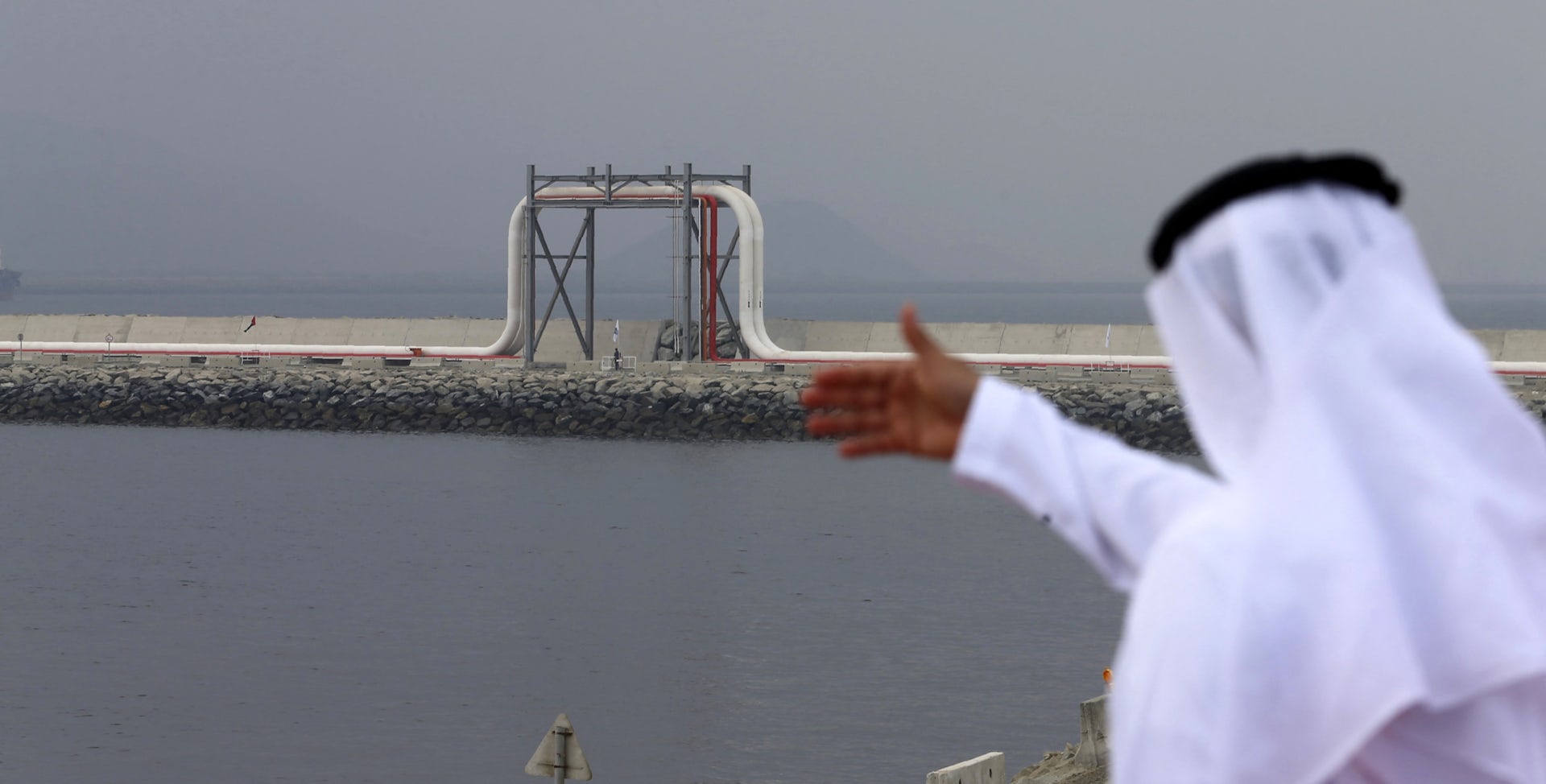
阿联酋退出OPEC的计划酝酿已久,这可能标志着海湾格局的重塑。
UAE’s OPEC exit has been long in the works – and may ma…
The UAE and Saudi Arabia have long been at odds over oil policy. The latest move is also likely to further their broader regional rivalry.
阿联酋和沙特阿拉伯在石油政策上长期存在分歧。最新举动也可能会加剧他们更广泛的地区竞争。
The United Arab Emirates’ decision to withdraw from the Organization of Petroleum Exporting Countries will leave the oil cartel weakened at a crucial time. It also illustrates the ongoing tensions between the UAE and Saudi Arabia, OPEC’s largest producer and de facto leader.
阿拉伯联合酋长国决定退出石油输出国组织,将在关键时刻削弱这个石油卡特尔。这也凸显了阿联酋与沙特阿拉伯之间持续的紧张关系,沙特是欧佩克最大的产油国和事实上的领导者。
The UAE announced on April 28, 2026, that it will depart OPEC and OPEC+, an expanded grouping which includes Russia, on May 1, depriving the groups of their third- and fourth-largest oil producer, respectively.
阿联酋于2026年4月28日宣布,它将于5月1日退出欧佩克和欧佩克+(一个包括俄罗斯的扩大集团),分别使这两个组织失去了第三和第四大产油国。
Though the move may seem abrupt, as a close observer of the UAE and intra-Gulf politics, I believe Abu Dhabi’s decision to leave OPEC and go it alone was in the cards for a while and follows years of Abu Dhabi’s complaints about the cartel.
尽管这一举动可能显得突然,但作为阿联酋和海湾内部政治的密切观察者,我认为阿布扎比决定退出欧佩克并单干,早已是不可避免的,并且延续了阿布扎比多年来对该卡特尔的不满。
The announcement also follows years of divergence between Emirati and Saudi oil policies, as well as the growth of competitive rivalries between the two countries over wider regional questions. This rift between the two largest Sunni Gulf states burst into the open in December 2025, when competing visions for security in Yemen threatened to reignite civil conflict in the war-torn country.
该宣布也源于阿联酋和沙特在石油政策上的多年分歧,以及两国在更广泛地区问题上日益增长的竞争性竞争。这两国作为最大的两个逊尼派海湾国家之间的裂痕,于2025年12月公开爆发,当时双方在也门的安全愿景产生冲突,威胁到这个饱受战火蹂躏的国家重新点燃内战。
Unity in the face of Iranian attacks since then should not mask that underlying split, of which the UAE’s OPEC decision is merely the latest manifestation.
此后面对伊朗的袭击所展现的团结,不应掩盖其潜在的分歧,而阿联酋退出欧佩克的决定,仅仅是这种分歧的最新体现。
The world’s most prominent cartel
世界上最著名的卡特尔
OPEC formed in 1960 as a way for the main oil producers to set production limits and therefore control the price of crude around the world.
石油输出国组织(OPEC)于1960年成立,目的是让主要石油生产国设定产量限制,从而控制全球原油价格。
The UAE has been a member of OPEC since the seven-emirate federation was established in 1971, although Abu Dhabi – the emirate that holds 95% of Emirati oil reserves – has been a member since 1967.
阿联酋自七酋长联邦于1971年成立以来一直是OPEC的成员国,但持有阿联酋95%石油储备的阿布扎比自1967年起就是成员国。
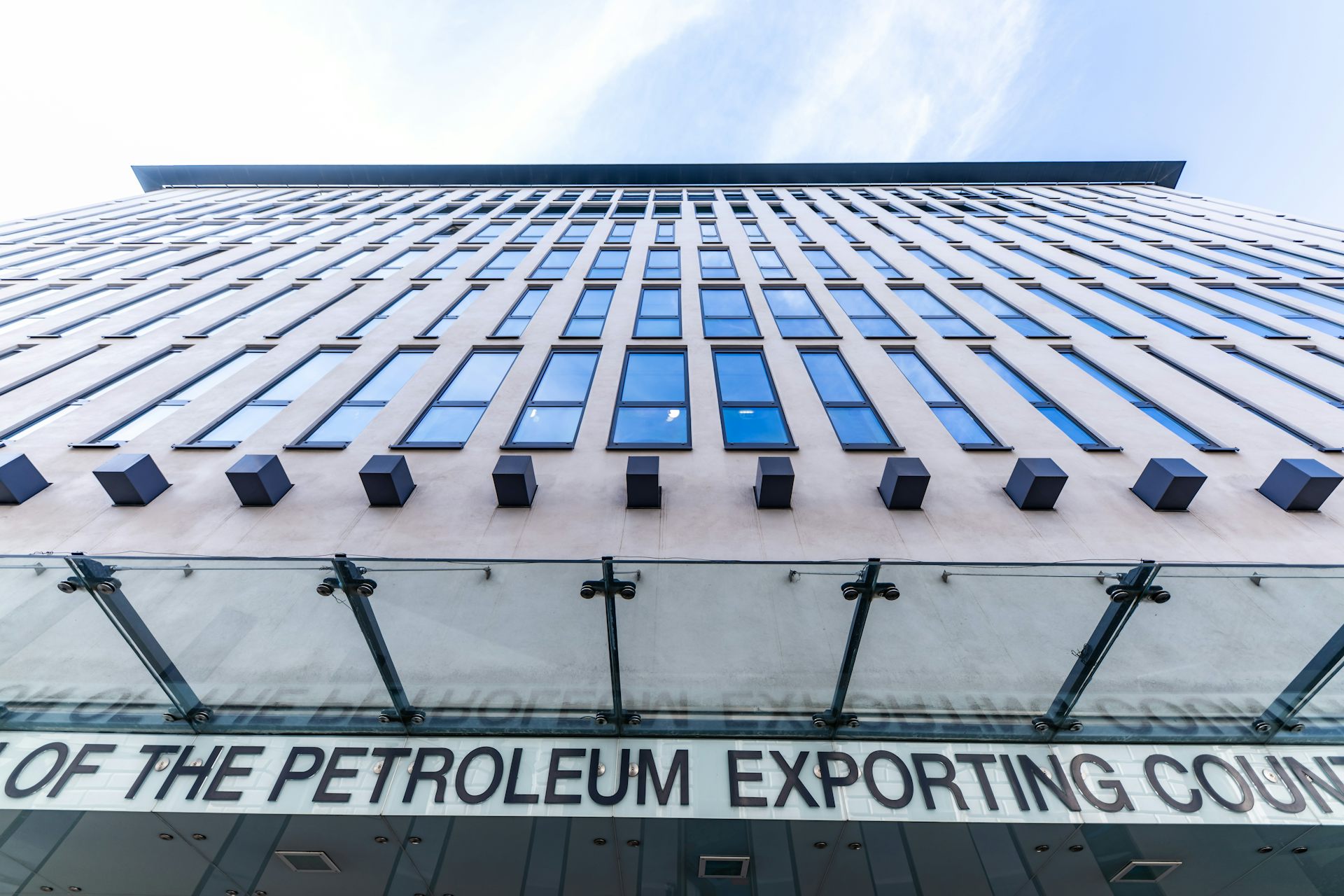
At its height in the mid- and late-1970s, OPEC played a powerful role in reshaping the balance of power between oil producers and consumers, and countering Western dominance in a postcolonial setting of resource nationalization.
在20世纪70年代中期和后期达到鼎盛时,OPEC在重塑石油生产国和消费者之间的权力平衡方面发挥了强大作用,并在资源国有化的后殖民背景下对抗西方主导地位。
While other members have withdrawn from OPEC in recent years – such as Qatar in 2019 and Angola in 2024 – the impact of the UAE’s departure is on a far greater scale, affecting about 12% of OPEC’s total oil output.
尽管近年来其他成员国已退出OPEC——例如2019年的卡塔尔和2024年的安哥拉——但阿联酋的退出影响规模要大得多,影响了OPEC总石油产量的约12%。
Furthermore, the exit of the UAE removes one of the few major swing producers from OPEC, weakening the organization’s ability to respond rapidly to changing market conditions in the future.
此外,阿联酋的退出移除了OPEC少数几个主要的摇摆型生产国之一,削弱了该组织未来对不断变化的市场状况做出快速反应的能力。
Diverging Gulf priorities
海湾国家优先事项的分歧
The UAE has been signaling a potential split for at least five years, when differences of opinion with Saudi Arabia on how to manage oil policy emerged ahead of a November 2020 OPEC+ summit. The rift became openly visible during a subsequent meeting of OPEC+ countries in July 2021.
阿联酋至少在五年前就开始暗示可能出现分裂,当时关于如何管理石油政策的意见分歧是在2020年11月的欧佩克+峰会前出现的。这场裂痕在2021年7月欧佩克+国家后续的会议上公开显现。
In both cases, the UAE wished to increase oil production – which had been sharply curtailed by OPEC members during the COVID-19 pandemic – while the Saudis sought to maintain high prices by keeping output lower and prices higher.
在这两种情况下,阿联酋都希望增加石油产量——此前该产量曾因新冠疫情而被欧佩克成员国大幅削减——而沙特阿拉伯则力求通过维持较低产量和较高价格来维持高油价。
In part, this reflects the different circumstances of the two Gulf nations. The Saudis are reliant on higher oil prices to drive the revenues needed to fund its lavish budget and pay for massive infrastructure projects like its Vision 2030 project. The Emirati economy, on the other hand, is more diversified and less directly dependent on oil revenues.
部分原因反映了这两个海湾国家不同的环境。沙特阿拉伯依赖高油价来创造所需的收入,以资助其奢华的预算,并支付其“2030愿景”等大型基础设施项目。
Instead, Abu Dhabi has invested heavily in recent years to expand capacity to be able to increase oil production from 3.4 million barrels a day before the U.S.-Israel war against Iran to 5 million barrels a day by 2027 – and potentially higher later on. This reflects a desire to monetize its reserves and move the oil to market to avoid the risk of stranded assets should global demand fall in any future transition away from fossil fuels.
另一方面,阿联酋的经济更加多元化,不直接依赖石油收入。相反,阿布扎比近年来大力投资,扩大产能,目标是将石油产量从美以冲突前(针对伊朗)的每天340万桶提高到2027年的每天500万桶,甚至未来更高。这反映了其将储备货币化、将石油推向市场,以避免未来全球需求因脱离化石燃料过渡而导致资产搁浅的风险的愿望。
Shorn of the constraints of OPEC quotas, which the Emiratis have chafed against for years, officials in Abu Dhabi will be able to increase production should it wish to do so once the impasse with Iran is broken and the Strait of Hormuz fully reopens.
阿联酋多年来一直抗拒的欧佩克配额限制的约束下,一旦与伊朗的僵局打破,霍尔木兹海峡完全重新开放,阿布扎比的官员将能够根据需要增加产量。
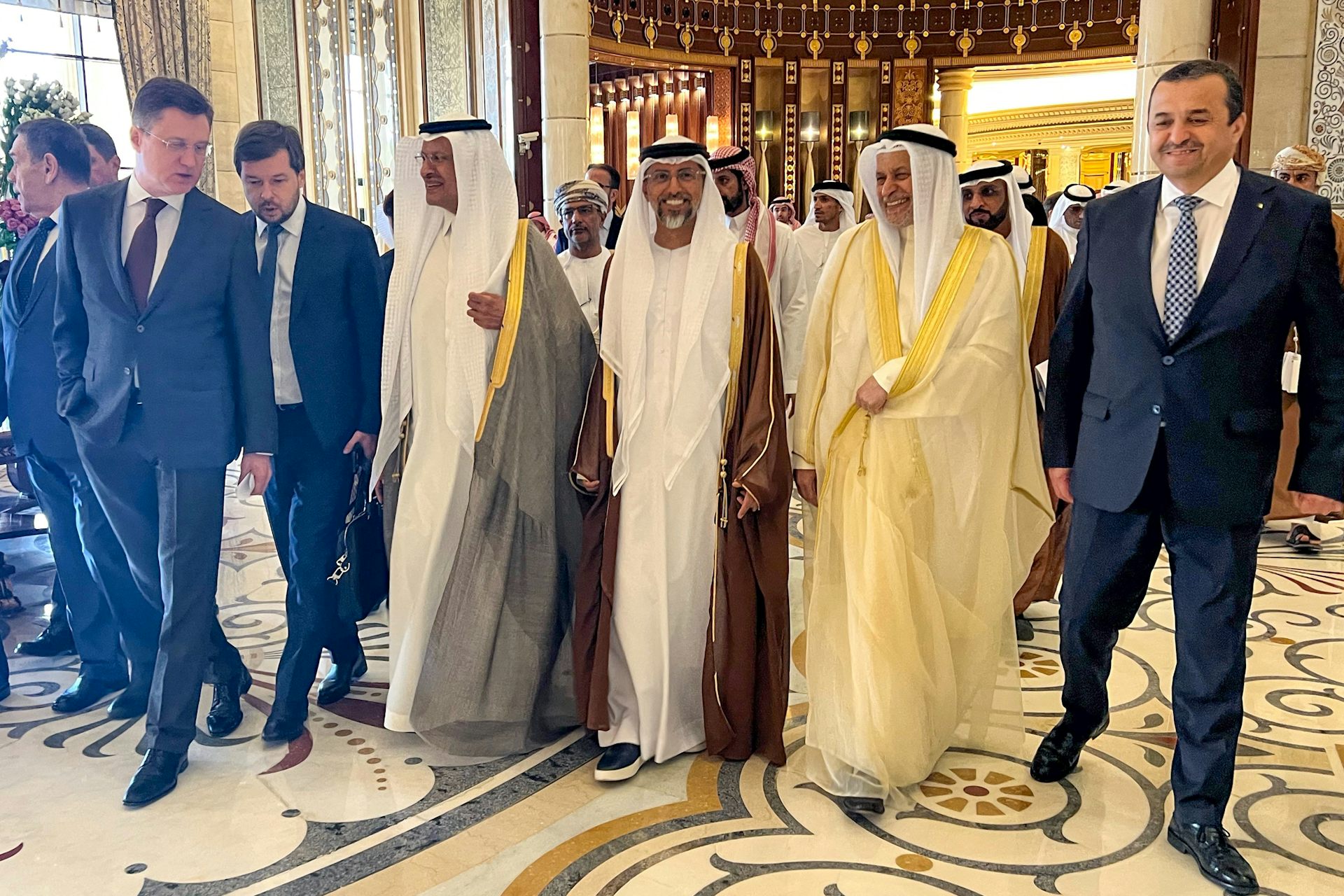
Post-Iran war regional shifts
伊朗战后区域格局变化
It is clear that UAE leadership is first and foremost intent on doubling down on the pursuit of its national interests, with an emphasis on prioritizing ties with the U.S. – and likely also Israel – over those with countries that Abu Dhabi feels reflect an old world it is now seeking to leave behind.
很明显,阿联酋领导层最关心的是推进国家利益,重点是优先考虑与美国(以及可能还有以色列)的关系,而非那些阿布扎比认为代表着它正在抛弃的旧世界的国家。
While the war in Iran may have temporarily overshadowed the eruption of Saudi-Emirati tensions over Yemen and visions for the region, the rift had not been resolved prior to the U.S. and Israeli launch of military operations on Feb. 28.
尽管伊朗战争可能暂时掩盖了沙特和阿联酋在也门问题上的紧张局势爆发以及对该地区的愿景,但早在美国和以色列于2月28日发起军事行动之前,这种分歧尚未解决。
Comments by prominent Emiratis have suggested that officials in the UAE have paid close attention to which countries have, in their view, stepped up to assist the UAE in times of crisis, and which have not.
知名阿联酋人士的评论指出,阿联酋官员密切关注了哪些国家在危机时期,在他们看来,挺身而出帮助了阿联酋,哪些国家没有。
The OPEC decision thus reflects a calculation in Abu Dhabi that there is no longer any utility in remaining part of a Saudi-dominated organization. The UAE’s reconsideration of other memberships, such as the Arab League, Organization of Islamic Conference or even the Gulf Cooperation Council, may be next, as the UAE and other regional countries begin to think ahead to an uncertain post-war landscape.
因此,石油输出国组织(OPEC)的决定反映了阿布扎比的考量,即继续留在沙特主导的组织中已不再有任何价值。随着阿联酋和其他区域国家开始为不确定的战后格局做准备,阿联酋重新考虑加入阿拉伯联盟、伊斯兰会议组织甚至海湾合作委员会等其他组织的可能性,可能是下一步。
Kristian Coates Ulrichsen does not work for, consult, own shares in or receive funding from any company or organization that would benefit from this article, and has disclosed no relevant affiliations beyond their academic appointment.
Kristian Coates Ulrichsen不为任何受益于本文的公司或组织工作、提供咨询、拥有股份或接受资金,并且除了其学术职位外,未披露任何相关任职关系。