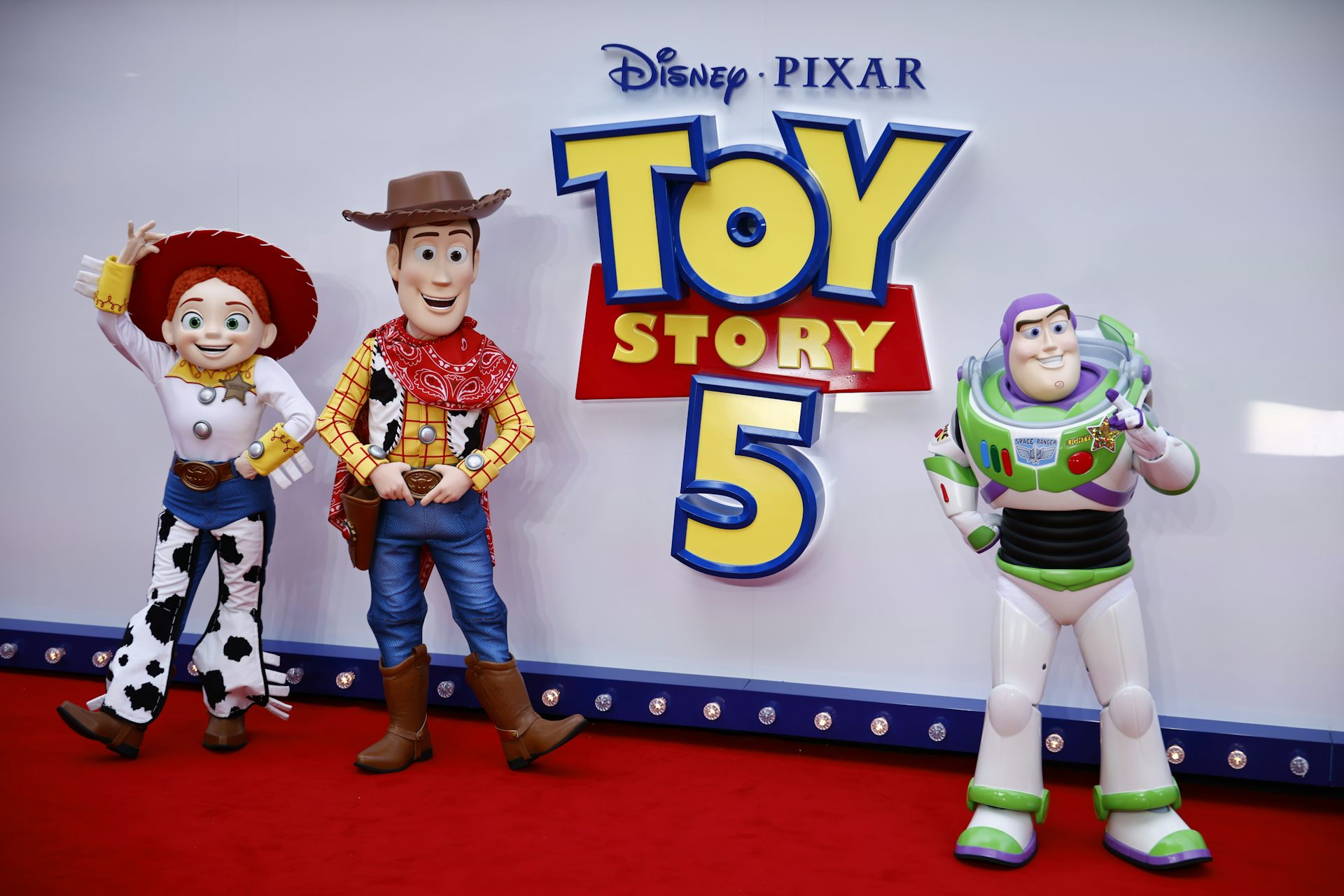
《玩具总动员5》将传统玩具与平板电脑对立。在现实生活中,家庭可以结合两者。
Toy Story 5 pits traditional toys vs a tablet. In real …
The latest instalment of the film franchise addresses a dilemma many parents face: what happens to playtime when children become obsessed with screens?
这部电影系列的最新作品探讨了许多父母面临的困境:当孩子沉迷于屏幕时,玩耍时间会发生什么?
Toy Story 5 will be released in cinemas this Thursday. The latest instalment of the film franchise addresses a dilemma many parents face: what happens to playtime when children become obsessed with screens?
《玩具总动员5》将于本周四在电影院上映。这部系列电影的最新作品探讨了一个许多父母面临的两难困境:当孩子沉迷于屏幕时,他们的玩耍时间该如何度过?
The original Toy Story movie was released in 1995. The generation of viewers who grew up with toys Woody, Buzz and Jessie are now parents themselves.
最初的《玩具总动员》电影发布于1995年。那些伴随着木奇、巴兹和杰西等玩具成长的观众群体,如今自己也成为了父母。
The latest film introduces a new character – Lilypad (a tablet) . Eight-year-old Bonnie becomes obsessed with Lilypad and screen time at the expense of her old toys. As Jessie laments, “I’m losing Bonnie to this device”.
这部最新电影引入了一个新角色——“莉莉垫”(一个平板电脑)。八岁的邦妮沉迷于“莉莉垫”和屏幕时间,甚至忽略了她以前的玩具。杰西为此哀叹:“我正在把邦妮输给这个设备。”
I’m an early childhood researcher with a focus on both digital technology and play. While Toy Story 5 might seem like a cautionary tale, perhaps the time has passed for an either/or debate about technology in children’s lives.
我是一名专注于数字技术和游戏领域的幼儿研究员。虽然《玩具总动员5》可能看起来像一个警示故事,但也许现在已经不是该就儿童生活中的科技问题进行“非此即彼”辩论的时候了。
Technology is all around children, at both home and school and in communities. We need to find ways to combine the traditional with digital to create valuable play opportunities.
科技无处不在,无论是在家庭、学校还是社区。我们需要找到将传统元素与数字技术结合起来的方法,从而创造出有价值的玩耍机会。
This means we don’t have to think of play as “tech vs traditional” toys.
这意味着我们不必再将游戏视为“科技对抗传统”的玩具选择题。
Old school toys
老式玩具
When we think of toys we traditionally think of two kinds.
当我们想到玩具时,传统上会想到两种类型。
They can be self-created from found items at home or outside, such as sticks, rocks or a cardboard box.
它们可以由家里或户外找到的物品自制而成,例如棍子、石头或纸板箱。
Children can transform these ordinary items as they use their imaginations. This may be a stick that holds special powers, or a rock that becomes a pet. Or like a character introduced in Toy Story 4, Forky, who was made with a spork and googly eyes.
孩子们可以利用想象力改变这些普通的物品。它可以是一根拥有特殊力量的棍子,或是一块变成宠物的石头。或者像《玩具总动员4》中出现的角色福奇(Forky),它是用一个餐叉和立体眼球制作而成的。
Toys can also be items specifically intended to be a toy, such as a car, dolls, dress ups or blocks. These more “traditional” toys activate children’s physical engagement as they push, pull, build, and manipulate objects. They also help children pretend – for example, driving a car around a town play mat, or hosting a tea party. This helps them understand daily life.
玩具也可以是专门设计成玩具的物品,例如汽车、玩偶、服装或积木。这些更“传统”的玩具通过让孩子推动、拉动、搭建和操作物体来激发他们的身体参与感。它们还帮助孩子们进行角色扮演——例如在城镇游戏垫上开汽车,或者举办茶会。这有助于他们了解日常生活。
Children decide what the toy becomes, how it is used, the story that unfolds, and the problems that need solving.
孩子决定玩具变成什么、如何使用它、故事的展开以及需要解决的问题。
But we know these kinds of toys are not the whole story in our modern world. The United Nations’ children’s agency UNICEF has advocated for all children to have access to safe, appropriate digital technologies so they are not left behind their peers in terms of skills, culture and development.
但我们知道,在现代世界中,这些类型的玩具并非全部。联合国儿童基金会(UNICEF)一直倡导所有儿童都能获得安全、适当的数字技术,以免他们在技能、文化和发展方面落后于同龄人。
iPads and other devices
iPads和其他设备
Children have been exposed to digital toys since the arrival of computer games in the 1970s. Toy Story 2 even introduced the idea of video games. Buzz’s character could run, jump, use his wings to double-jump, spin and activate his wrist laser in his virtual battle of enemies.
儿童自20世纪70年代计算机游戏问世以来,就接触了数字玩具。电影《玩具总动员2》甚至引入了电子游戏的概念。布鲁兹的角色可以在虚拟的敌人战斗中奔跑、跳跃、使用翅膀进行双重跳跃、旋转并激活手腕激光。
But access become much more widespread with the rise of smartphones and tablets over the past 15 years. Children can use digital devices to play games, watch videos and programs and talk to each other. Some toys also mix both worlds – for example, a virtual pet that needs “feeding” and “daily care”.
但在过去15年里,随着智能手机和平板电脑的兴起,设备的普及程度变得更加广泛。儿童可以使用数字设备玩游戏、观看视频和节目,以及互相交流。一些玩具也结合了这两种世界——例如,需要“喂养”和“日常护理”的虚拟宠物。
This can potentially expand children’s play and enhance their social, storytelling and problem solving skills – depending on what they are playing.
这有可能扩展儿童的游戏体验,并提高他们的社交、叙事和解决问题的能力——具体取决于他们玩什么。
But families will likely be familiar with potential risks around too much time on screens. These include possible impacts on physical, behavioural and mental health.
但家庭可能已经了解屏幕时间过长带来的潜在风险。这些风险包括对身体、行为和心理健康可能的冲击。
A balanced approach
平衡的方法
It is important for children to have a range of play experiences. For example, time spent inside and outside, movement and quiet time, imaginative play and games with rules, solo play and play with others.
对儿童来说,拥有各种各样的游戏体验非常重要。例如,室内和室外的时间、活动和安静的时间、想象力的游戏和有规则的游戏、独自玩耍和与他人一起玩耍。
Research shows children can move fluidly between digital and non-digital worlds and create a blended play universe.
研究表明,儿童可以在数字和非数字世界之间流畅地切换,并创造出一个融合的游戏宇宙。
We can also view tech and traditional toys in this way. It’s not a question of one or the other, but a balanced, thoughtful mix of the two.
我们可以用同样的方式来看待科技玩具和传统玩具。这不是二选一的问题,而是两者之间一种平衡、周到的结合。
How can families handle toys and tech?
家庭如何处理玩具和科技产品?
There are three practical things families can do to support their child’s play across both traditional toys and their tech counterparts.
家庭可以做三件实用的事情,来支持孩子在传统玩具和科技产品方面的玩耍。
1. Use them in combination
1. 结合使用
You can use a screen to extend other forms of play, rather than replace it.
你可以使用屏幕来延伸其他形式的玩耍,而不是取代它。
For example, a child might be interested in a worm they notice in the garden and use an iPad or your smart phone to find out more about it. When they are looking up “backyard worms” they might discover other types of worms to try and find in the garden.
例如,一个孩子可能会对花园里发现的一条蚯蚓感兴趣,并使用 iPad 或智能手机了解更多信息。当他们搜索“后院的蚯蚓”时,他们可能会发现其他种类的蚯蚓,从而尝试在花园里寻找它们。
In this way, digital and non-digital toys can not only coexist, but strengthen each other.
这样一来,数字玩具和非数字玩具不仅可以共存,还能互相增强。
2. What type of game is being played?
2. 玩的是什么类型的游戏?
Not all toys – digital or physical – are created equal. Well-designed digital toys and resources avoid overstimulation and encourage problem-solving, collaboration and storytelling.
并非所有玩具——无论是数字的还是物理的——都是平等的。设计良好的数字玩具和资源可以避免过度刺激,并鼓励解决问题、协作和讲故事的能力。
In Toy Story 5, Lilypad introduces Bonnie to online puzzles and games and virtual chat rooms. It is important to ensure children to play with toys that encourage their imagination rather than prescribing the play. We want children to be in control of their play and how they interact with their toys.
在《玩具总动员5》中,Lilypad向Bonnie介绍了在线谜题、游戏和虚拟聊天室。重要的是确保孩子玩的是能激发想象力的玩具,而不是规定他们该如何玩。我们希望孩子能够掌控自己的游戏以及与玩具的互动方式。
One example could be children designing bridges using real Lego, with online help of a an engineer.
一个例子是,孩子们使用真实的乐高积木设计桥梁,并获得工程师的在线帮助。
3. Keep it social
3. 保持社交性
Social interactions – with parents and caregivers, siblings and peers – are crucial for children. So, the benefits of play are enhanced when it involves conversations, working together and shared experiences.
与父母、看护者、兄弟姐妹和同伴的社交互动对儿童至关重要。因此,当玩耍涉及对话、共同合作和共享经历时,其益处会得到增强。
Adults should look for invitations to join children’s play. Talk with children about what they are doing, get to know what they are interested in playing, and take time to explore playful opportunities.
成人应该寻找加入孩子玩耍的契机。与孩子们谈论他们在做什么,了解他们感兴趣的玩法,并花时间探索游戏的可能性。
Also look for opportunities to involve in-person interactions into digital play. For example, playing video games with family or friends to build real-life connections.
还要寻找将线下互动融入数字游戏的机会。例如,和家人或朋友一起玩电子游戏来建立现实生活联系。
Lisa Kervin is affiliated with the ARC Centre of Excellence for the Digital Child and is a board member for Early Childhood Australia
Lisa Kervin隶属于数字儿童卓越研究中心(ARC Centre of Excellence for the Digital Child),并担任澳大利亚早期儿童协会的董事会成员。