原住民数字殖民化:互联网如何影响亚马逊原住民的生活
Indigenous digital colonisation: How the internet is af…
While technology can promote inclusion and access to information, it can also lead to dependency and affect the cultural identity of indigenous communities.
尽管技术可以促进包容性和信息获取,但它也可能导致依赖性,并影响原住民社区的文化认同。
The colonisation of Brazil, which began in the 16th century with the arrival of the Portuguese, caused profound transformations in the lives of Indigenous peoples. This included the spread of disease, loss of territory and violence.
葡萄牙人于16世纪抵达巴西,开始的殖民化,给原住民的生活带来了深刻的转变。这包括疾病的传播、领土的丧失和暴力。
Today, a comparable process is underway, one we are calling “Indigenous digital colonisation.”
如今,一个可比较的过程正在进行中,我们称之为“原住民数字殖民化”。
We have been investigating how growing access to the internet and mobile devices is impacting Indigenous communities, causing significant social, cultural and behavioural change.
我们一直在研究互联网和移动设备日益增长的接入如何影响原住民社区,从而造成重大的社会、文化和行为变化。
Recently, with support from the Association for Consumer Research, American Marketing Association and Transformative Consumer Research, we had the opportunity to conduct an ethnographic study in a series of remote Amazon tribes accessible only by humanitarian flights, such as those carried out by the “Aliança de Esperança” (“Hope Alliance”) mission.
最近,在消费者研究协会、美国营销协会和变革性消费者研究的支持下,我们有机会对一系列偏远的亚马逊部落进行民族志研究,这些部落只能通过人道主义航班到达,例如“希望联盟”任务所执行的航班。
Higor Leite, one of the co-authors of this piece, spent a week in these communities in the state of Pará in the north of Brazil. He observed the residents going about their lives and spoke with them about the impact of the internet on their communities. The experience was both productive and deeply unsettling.
本文的联合作者之一Higor Leite在巴西北部帕拉州这些社区度过了一周。他观察了居民的日常生活,并与他们谈论了互联网对他们社区的影响。这次经历既富有成效,又令人深感不安。
Connecting the disconnected
连接失联者
As a research team, we have long argued that inclusion is necessary for people experiencing vulnerability, especially when it comes to accessing resources widely available to the rest of society.
作为研究团队,我们长期以来一直认为,包容性对于经历脆弱性的人群是必要的,尤其是在获取社会其他部分广泛可用的资源方面。
In the communities Higor visited, we closely observed the positive effects of initiatives to expand connectivity in the Amazon.
在希戈尔访问的社区,我们仔细观察了扩大亚马逊地区连接性的举措带来的积极影响。
Residents reported meaningful improvements in communication with family members in urban areas and other tribes. Access to essential services has also expanded. In emergencies, the communities can now quickly contact the health system, receive initial guidance, and arrange aerial evacuation when necessary.
居民报告说,他们与城市地区和其他部落的家庭成员之间的沟通有了显著改善。基本服务的可及性也得到了扩大。在紧急情况下,社区现在可以快速联系卫生系统,获得初步指导,并在必要时安排空运撤离。
In this respect, technology functions as more than a facilitator. It can, in certain cases, save lives.
在这方面,技术的作用不仅仅是促进者。在某些情况下,它可以挽救生命。
Beyond health care, internet access opens new pathways to information. Indigenous communities members can now follow and participate in debates far beyond their tribes.
除了医疗保健,互联网接入还为信息开辟了新的途径。原住民社区的成员现在可以关注并参与到远超其部落范围的辩论中。
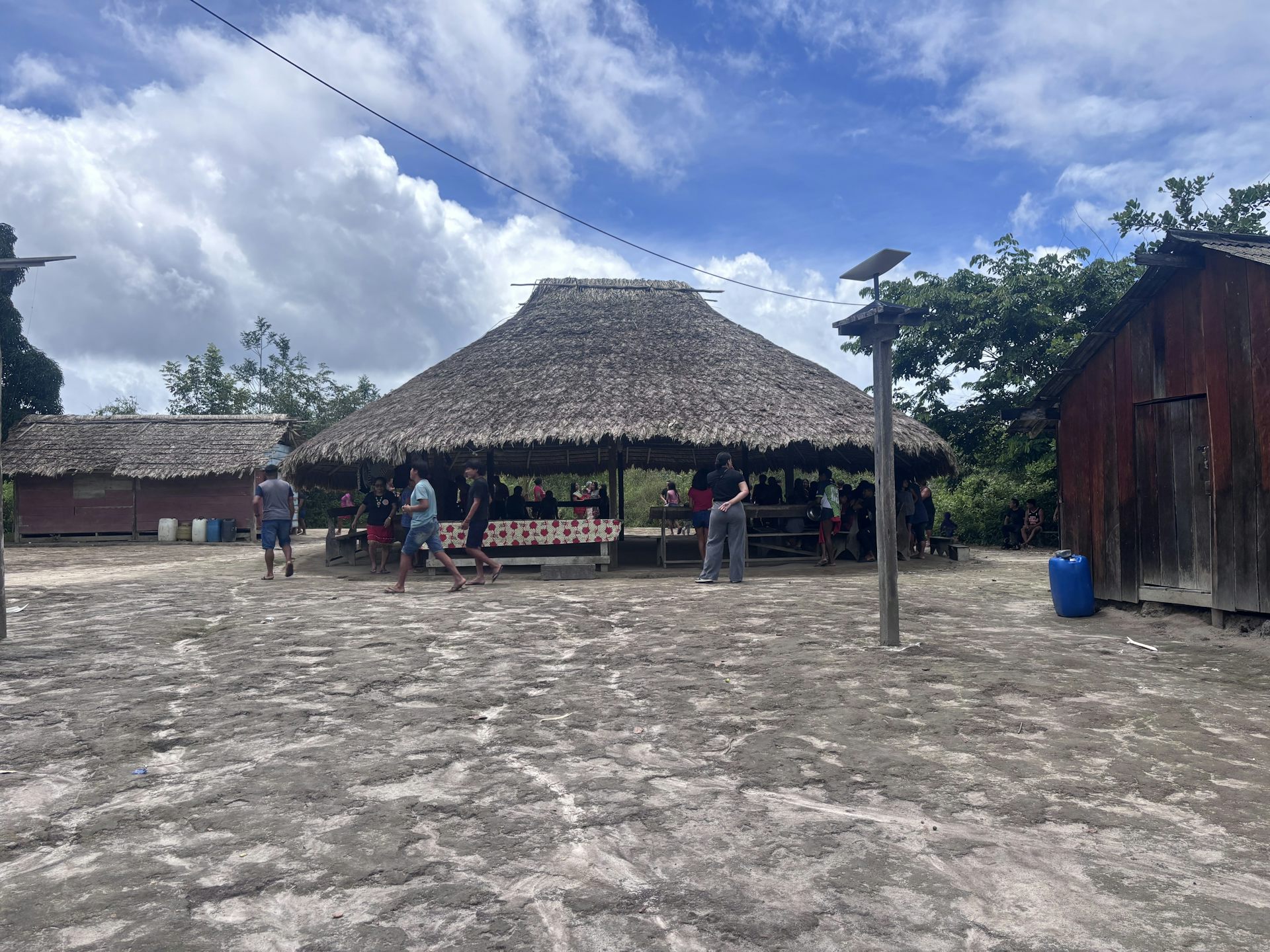
During our visits, we noticed that Starlink antennas paired with solar panels had become part of the local landscapes. What was once a single, communally shared connection is giving way to individualised access, with residents managing their own devices and accounts.
在我们的访问期间,我们注意到,与太阳能电池板配对的星链天线已经成为当地景观的一部分。曾经单一的、社区共享的连接正在让位于个人化的接入,居民正在管理自己的设备和账户。
A return to a disconnected Amazon is neither realistic nor, at this point, desirable. At first glance, this represents significant advancement with real potential for inclusion and social transformation.
恢复到失联的亚马逊既不现实,在目前看来也不可取。乍一看,这代表着巨大的进步,具有真正的包容性和社会转型的潜力。
But during our time in the field, we identified an important and under-examined gap: the limited understanding of the side effects of unequal access to technology.
但在我们实地考察期间,我们发现了一个重要且未被充分研究的空白:对技术不平等获取的副作用了解有限。
When inclusion becomes exclusion
当包容性演变为排斥性
Our conviction that inclusion is a positive process was directly challenged by what was witnessed in the communities.
我们关于包容性是一种积极过程的信念,受到了在社区所目睹情况的直接挑战。
To be clear: we continue to believe that digital inclusion is fundamental for supporting people experiencing vulnerability. But this fieldwork made clear that the effects are not uniformly positive. Alongside the gains, technology brings a set of less visible, and often unintended, consequences.
明确地说:我们仍然相信数字包容性对于支持处于弱势群体的人至关重要。但这次实地考察清楚地表明,其影响并非普遍积极。除了收益之外,技术还带来了一系列不易察觉、且往往是意料之外的后果。
Intensive use of mobile devices is already widely associated with hyperstimulation, increased screen exposure, and behavioural changes, particularly among young people. If these effects are a significant challenge in urban areas, the impacts are likely to be more acute in communities experiencing vulnerability, such as Indigenous populations who have had no gradual acclimation.
移动设备的高强度使用已被广泛与过度刺激、屏幕暴露增加和行为改变相关联,尤其是在年轻人中。如果这些影响在城市地区是一个重大挑战,那么在经历弱势的社区,例如缺乏渐进适应的土著人口,其影响可能会更为严重。
As Higor walked around the communities, he witnessed children and adolescents deeply absorbed in their phones. Many times, his presence went entirely unnoticed.
当希戈尔在社区周围走动时,他目睹了儿童和青少年沉浸在手机中。很多时候,他的存在完全没有引起注意。
Groups of people gathered together under trees, but remained isolated from one another, focused on online games, with little or no direct interaction.
一群人聚集在树下,但彼此之间保持着隔离,专注于在线游戏,几乎没有直接互动。
The impact was intensified at night, when the absence of natural light made the glow of screens all the more visible.
夜间的影响更为强烈,因为缺乏自然光使得屏幕的光芒更加明显。
A major health event also occurred in one community during Higor’s stay, which allowed for access to chiefs, teachers and leaders from neighbouring communities. They described similar scenes in their communities, where cell phone use had become compulsive, in some cases comparable to alcoholism or substance dependence.
在希戈尔逗留期间,一个社区还发生了一起重大的健康事件,这使他得以接触到来自邻近社区的酋长、教师和领导人。他们描述了社区中类似的场景,即使用手机已经变得具有强迫性,在某些情况下可与酒精中毒或物质依赖相媲美。
There were reports of residents inverting their sleep cycles, trading daytime activities for night to maximise their time online. Many had withdrawn from traditional practices, such as hunting, fishing and cultural gatherings.
有报告称,居民们颠倒了睡眠周期,用夜晚的时间来最大化在线时间,而牺牲了白天的活动。许多人已经脱离了传统的实践,例如狩猎、捕鱼和文化聚会。
When device use was interrupted, particularly among children and adolescents, many showed signs of withdrawal: heightened aggression, anxiety, verbal abuse and disrupted sleep. In the most serious cases, leaders described instances of suicide ideation or attempts.
当设备使用受到干扰时,尤其是在儿童和青少年中,许多人表现出了退缩的迹象:攻击性增强、焦虑、言语虐待和睡眠紊乱。在最严重的情况下,领导人描述了出现自杀意念或企图的案例。
This is what we have come to call “Indigenous digital colonisation”. While promoting inclusion, access to technology has also simultaneously caused dependency and put strains on elements of cultural identity that hold communities together.
这就是我们所称的“土著数字殖民化”。在促进包容性的同时,技术的可及性也同时造成了依赖性,并对维系社区的文化认同元素造成了压力。
The parallel to historical colonisation, however, runs deeper than just the metaphor.
然而,与历史殖民化的相似之处,远不止于这个比喻。
Hidden risks of Indigenous digital Colonisation
原住民数字殖民的隐患
Beyond the intensive screen time, other risks arise from exposure to the broader digital environment.
除了过度使用屏幕时间,暴露于更广阔的数字环境也会带来其他风险。
A recurring pattern involves scams via WhatsApp and Instagram. Indigenous people are being targeted through extortion, pressured into financial transfers under threat of having intimate images exposed.
一种反复出现的模式是通过WhatsApp和Instagram进行诈骗。原住民正遭受敲诈,在泄露私密图片威胁下被迫进行资金转账。
There were also accounts of recruitment attempts targeting women in particular, with promises of a better life in urban areas.
还有报道称,存在针对女性的招募企图,以在城市地区过上更美好的生活为诱饵。
These episodes point to something beyond the direct risks of connectivity. There is a significant asymmetry in preparedness between these communities and the digital environment they are now navigating.
这些事件表明,问题超出了直接的连接风险。这些社区与它们目前所处的数字环境之间,在准备程度方面存在显著的不对称性。
Distinguishing legitimate content from fraud is a challenge even for people long familiar with the internet. For communities at an early stage of technological adaptation, with social vulnerabilities, communication barriers, and limited digital literacy, exposure to harm is amplified even further.
即使是长期熟悉互联网的人,也难以区分合法内容和欺诈行为。对于处于技术适应早期阶段、存在社会脆弱性、沟通障碍和数字素养有限的社区而言,暴露于伤害的风险更是被进一步放大。
A connected Indigenous future
一个互联的原住民未来
Our research is in its early stages, and we expect further layers of complexity to emerge as our analysis continues.
我们的研究处于早期阶段,我们预计随着分析的深入,将出现更多复杂的层面。
Our central premise remains: the digital inclusion of Indigenous people must be preserved and strengthened, given its potential to expand access to rights, services and opportunities.
我们的核心前提仍然是:鉴于原住民数字包容性在扩大获取权利、服务和机会方面的潜力,必须维护和加强这种包容性。
But more work is required. The effects of Indigenous digital colonisation must be understood and mitigated to ensure technological inclusion translates into genuine improvements in wellbeing, rather than new and insidious experiences of vulnerability.
但还需要做更多的工作。必须理解并减轻原住民数字殖民化的影响,以确保技术包容性能转化为真正的福祉改善,而不是新的、隐蔽的脆弱性体验。
Our research agenda is moving toward applied solutions in four areas:
我们的研究议程正朝着四个领域的应用解决方案迈进:
developing structured protocols for internet access in communities
为社区建立互联网接入的结构化协议
producing educational materials on digital safety and privacy
制作关于数字安全和隐私的教育材料
raising awareness of risks associated with excessive screen time
提高对过度屏幕时间相关风险的认识
and building digital literacy within Indigenous communities.
并在原住民社区内建立数字素养。
The challenge is no longer simply whether to connect. How access is shaped, mediated, and supported will matter as much as the connection itself.
挑战不再仅仅是是否连接。接入方式如何塑造、调解和支持,与连接本身一样重要。
These communities deserve better than the version of connectivity that has, so far, largely been delivered to them.
这些社区值得拥有比目前主要提供给他们的连接版本更好的生活。
Higor Leite receives funding from the Transformative Consumer Research (TCR) Committee, the Association for Consumer Research (ACR) , and the American Marketing Association (AMA) .
Higor Leite 接受来自变革性消费者研究(TCR)委员会、消费者研究协会(ACR)和美国营销协会(AMA)的资助。
Alison M Joubert receives funding from the Transformative Consumer Research (TCR) Committee, the Association for Consumer Research (ACR) , and the American Marketing Association (AMA) .
Alison M Joubert 接受来自变革性消费者研究(TCR)委员会、消费者研究协会(ACR)和美国营销协会(AMA)的资助。
Amelie Burgess não presta consultoria, trabalha, possui ações ou recebe financiamento de qualquer empresa ou organização que poderia se beneficiar com a publicação deste artigo e não revelou nenhum vínculo relevante além de seu cargo acadêmico.
Amelie Burgess 不为任何可能从发表本文中受益的公司或组织提供咨询、工作、持有股票或接受资助,并且除了其学术职位外,未披露任何相关关系。