الاستعمار الرقمي للسكان الأصليين: كيف يؤثر الإنترنت على حياة الشعوب الأصلية في الأمازون
Indigenous digital colonisation: How the internet is affecting the lives of Indigenous peoples in the Amazon
While technology can promote inclusion and access to information, it can also lead to dependency and affect the cultural identity of indigenous communities.
بينما يمكن للتكنولوجيا أن تعزز الشمول والوصول إلى المعلومات، يمكنها أيضًا أن تؤدي إلى التبعية وتؤثر على الهوية الثقافية للمجتمعات الأصلية.
The colonisation of Brazil, which began in the 16th century with the arrival of the Portuguese, caused profound transformations in the lives of Indigenous peoples. This included the spread of disease, loss of territory and violence.
لقد تسبب استعمار البرازيل، الذي بدأ في القرن السادس عشر بوصول البرتغاليين، في تحولات عميقة في حياة الشعوب الأصلية. وشمل ذلك انتشار الأمراض، وفقدان الأراضي، والعنف.
Today, a comparable process is underway, one we are calling “Indigenous digital colonisation.”
اليوم، تجري عملية مماثلة، وهي ما نطلق عليه “الاستعمار الرقمي للشعوب الأصلية.”
We have been investigating how growing access to the internet and mobile devices is impacting Indigenous communities, causing significant social, cultural and behavioural change.
لقد كنا نبحث في كيفية تأثير تزايد الوصول إلى الإنترنت والأجهزة المحمولة على المجتمعات الأصلية، مما يتسبب في تغيير اجتماعي وثقافي وسلوكي كبير.
Recently, with support from the Association for Consumer Research, American Marketing Association and Transformative Consumer Research, we had the opportunity to conduct an ethnographic study in a series of remote Amazon tribes accessible only by humanitarian flights, such as those carried out by the “Aliança de Esperança” (“Hope Alliance”) mission.
مؤخراً، وبدعم من جمعية أبحاث المستهلك، وجمعية التسويق الأمريكية، وبحث المستهلك التحويلي، أتيحت لنا الفرصة لإجراء دراسة إثنوغرافية في سلسلة من القبائل الأمازونية النائية التي لا يمكن الوصول إليها إلا بالطيران الإنساني، مثل تلك التي نفذتها بعثة “تحالف الأمل” (Aliança de Esperança) .
Higor Leite, one of the co-authors of this piece, spent a week in these communities in the state of Pará in the north of Brazil. He observed the residents going about their lives and spoke with them about the impact of the internet on their communities. The experience was both productive and deeply unsettling.
قضى هيجور ليت، أحد المؤلفين المشاركين في هذا المقال، أسبوعاً في هذه المجتمعات في ولاية بارا شمال البرازيل. وقد راقب السكان وهم يمارسون حياتهم وتحدث معهم عن تأثير الإنترنت على مجتمعاتهم. وكانت التجربة مثمرة ومقلقة للغاية في آن واحد.
Connecting the disconnected
ربط المنقطع عن العالم
As a research team, we have long argued that inclusion is necessary for people experiencing vulnerability, especially when it comes to accessing resources widely available to the rest of society.
كفريق بحثي، لطالما جادلنا بأن الإدماج ضروري للأشخاص الذين يعيشون حالة من الضعف، خاصة عندما يتعلق الأمر بالوصول إلى الموارد المتاحة على نطاق واسع لبقية المجتمع.
In the communities Higor visited, we closely observed the positive effects of initiatives to expand connectivity in the Amazon.
في المجتمعات التي زارها هيجور، لاحظنا عن كثب الآثار الإيجابية للمبادرات الرامية إلى توسيع الاتصال في الأمازون.
Residents reported meaningful improvements in communication with family members in urban areas and other tribes. Access to essential services has also expanded. In emergencies, the communities can now quickly contact the health system, receive initial guidance, and arrange aerial evacuation when necessary.
أفاد السكان بتحسينات ملموسة في التواصل مع أفراد العائلة في المناطق الحضرية والقبائل الأخرى. كما توسع الوصول إلى الخدمات الأساسية. وفي حالات الطوارئ، يمكن للمجتمعات الآن الاتصال بنظام الرعاية الصحية بسرعة، وتلقي التوجيه الأولي، وترتيب الإجلاء الجوي عند الضرورة.
In this respect, technology functions as more than a facilitator. It can, in certain cases, save lives.
وفي هذا الصدد، تعمل التكنولوجيا على أنها أكثر من مجرد مُيسِّر. يمكنها، في حالات معينة، إنقاذ الأرواح.
Beyond health care, internet access opens new pathways to information. Indigenous communities members can now follow and participate in debates far beyond their tribes.
وبعيداً عن الرعاية الصحية، يفتح الوصول إلى الإنترنت مسارات جديدة للمعلومات. يمكن لأفراد المجتمعات الأصلية الآن متابعة والمشاركة في نقاشات تتجاوز قبائلهم بكثير.
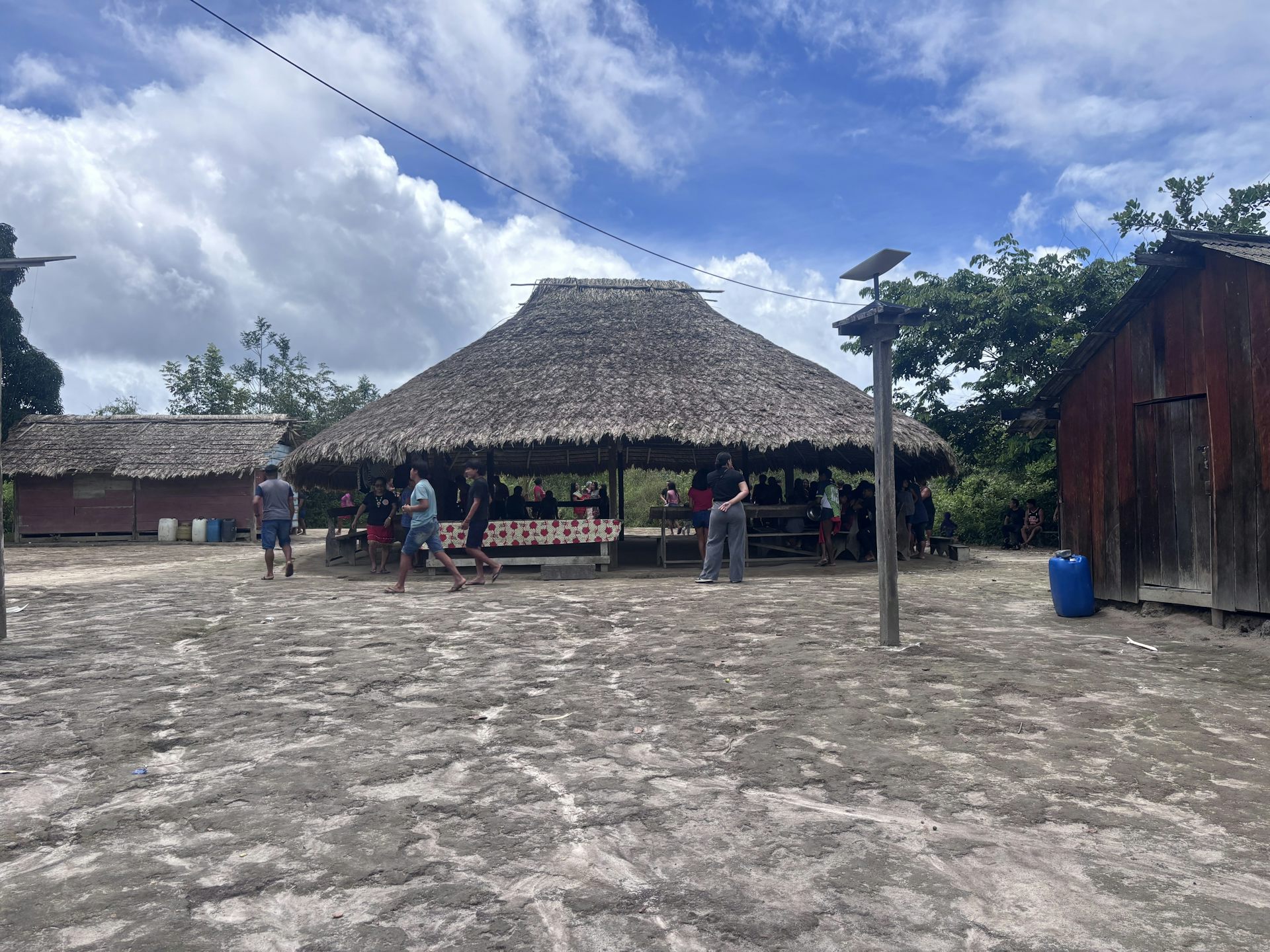
During our visits, we noticed that Starlink antennas paired with solar panels had become part of the local landscapes. What was once a single, communally shared connection is giving way to individualised access, with residents managing their own devices and accounts.
خلال زياراتنا، لاحظنا أن هوائيات ستارلينك المقترنة بالألواح الشمسية أصبحت جزءاً من المشاهد المحلية. ما كان في السابق اتصالاً واحداً مشتركاً مجتمعياً يتجه نحو الوصول الفردي، حيث يدير السكان أجهزتهم وحساباتهم الخاصة.
A return to a disconnected Amazon is neither realistic nor, at this point, desirable. At first glance, this represents significant advancement with real potential for inclusion and social transformation.
إن العودة إلى أمازون غير متصل بالشبكة ليست واقعية ولا مرغوبة في الوقت الحالي. للوهلة الأولى، يمثل هذا تقدماً كبيراً وله إمكانات حقيقية للإدماج والتحول الاجتماعي.
But during our time in the field, we identified an important and under-examined gap: the limited understanding of the side effects of unequal access to technology.
ولكن خلال فترة عملنا الميداني، حددنا فجوة مهمة وغير مدروسة بما فيه الكفاية: وهي الفهم المحدود للآثار الجانبية لعدم المساواة في الوصول إلى التكنولوجيا.
When inclusion becomes exclusion
عندما يصبح الإدماج إقصاءً
Our conviction that inclusion is a positive process was directly challenged by what was witnessed in the communities.
لقد تحدى اعتقادنا بأن الإدماج عملية إيجابية بشكل مباشر ما تم رصده في المجتمعات.
To be clear: we continue to believe that digital inclusion is fundamental for supporting people experiencing vulnerability. But this fieldwork made clear that the effects are not uniformly positive. Alongside the gains, technology brings a set of less visible, and often unintended, consequences.
للتوضيح: ما زلنا نؤمن بأن الإدماج الرقمي أساسي لدعم الأشخاص الذين يعيشون حالة من الضعف. لكن هذا العمل الميداني أوضح أن الآثار ليست إيجابية بشكل موحد. فإلى جانب المكاسب، تجلب التكنولوجيا مجموعة من العواقب الأقل وضوحاً، وغالباً ما تكون غير مقصودة.
Intensive use of mobile devices is already widely associated with hyperstimulation, increased screen exposure, and behavioural changes, particularly among young people. If these effects are a significant challenge in urban areas, the impacts are likely to be more acute in communities experiencing vulnerability, such as Indigenous populations who have had no gradual acclimation.
يرتبط الاستخدام المكثف للأجهزة المحمولة بالفعل على نطاق واسع فرط التحفيز، وزيادة التعرض للشاشات، والتغيرات السلوكية، خاصة بين الشباب. وإذا كانت هذه الآثار تشكل تحدياً كبيراً في المناطق الحضرية، فمن المرجح أن تكون التأثيرات أكثر حدة في المجتمعات التي تعاني من الضعف، مثل السكان الأصليين الذين لم يمروا بعملية تأقلم تدريجية.
As Higor walked around the communities, he witnessed children and adolescents deeply absorbed in their phones. Many times, his presence went entirely unnoticed.
بينما كان هيجور يتجول في المجتمعات، شاهد أطفالاً ومراهقين منغمسين بعمق في هواتفهم. وفي كثير من الأحيان، لم يلاحظ وجوده على الإطلاق.
Groups of people gathered together under trees, but remained isolated from one another, focused on online games, with little or no direct interaction.
تجمعت مجموعات من الناس تحت الأشجار، لكنهم ظلوا معزولين عن بعضهم البعض، ومركزين على الألعاب عبر الإنترنت، مع تفاعل مباشر قليل أو معدوم.
The impact was intensified at night, when the absence of natural light made the glow of screens all the more visible.
تفاقم التأثير ليلاً، عندما جعل غياب الضوء الطبيعي توهج الشاشات أكثر وضوحاً.
A major health event also occurred in one community during Higor’s stay, which allowed for access to chiefs, teachers and leaders from neighbouring communities. They described similar scenes in their communities, where cell phone use had become compulsive, in some cases comparable to alcoholism or substance dependence.
وقد وقع حدث صحي كبير أيضاً في إحدى المجتمعات خلال إقامة هيجور، مما أتاح الوصول إلى الزعماء والمعلمين والقادة من المجتمعات المجاورة. وقد وصفوا مشاهد مماثلة في مجتمعاتهم، حيث أصبح استخدام الهواتف الخلوية قهرياً، وفي بعض الحالات يضاهي إدمان الكحول أو تعاطي المخدرات.
There were reports of residents inverting their sleep cycles, trading daytime activities for night to maximise their time online. Many had withdrawn from traditional practices, such as hunting, fishing and cultural gatherings.
كانت هناك تقارير عن مقاطعة السكان لدورات نومهم، ومقايضة أنشطة النهار بليالي لتعظيم وقتهم عبر الإنترنت. وقد انسحب الكثيرون من الممارسات التقليدية، مثل الصيد وصيد الأسماك والتجمعات الثقافية.
When device use was interrupted, particularly among children and adolescents, many showed signs of withdrawal: heightened aggression, anxiety, verbal abuse and disrupted sleep. In the most serious cases, leaders described instances of suicide ideation or attempts.
عندما انقطع استخدام الأجهزة، خاصة بين الأطفال والمراهقين، أظهر الكثيرون علامات الانسحاب: العدوانية المفرطة، والقلق، والإساءة اللفظية، واضطراب النوم. وفي أخطر الحالات، وصف القادة حالات من التفكير في الانتحار أو محاولاته.
This is what we have come to call “Indigenous digital colonisation”. While promoting inclusion, access to technology has also simultaneously caused dependency and put strains on elements of cultural identity that hold communities together.
هذا ما أطلقنا عليه “الاستعمار الرقمي الأصلي.” فبينما يعزز الوصول إلى التكنولوجيا الإدماج، فقد تسبب أيضاً في التبعية وفي الوقت نفسه وضع ضغوطاً على عناصر الهوية الثقافية التي تجمع المجتمعات معاً.
The parallel to historical colonisation, however, runs deeper than just the metaphor.
ومع ذلك، فإن التوازي مع الاستعمار التاريخي أعمق من مجرد الاستعارة.
Hidden risks of Indigenous digital Colonisation
المخاطر الخفية للاستعمار الرقمي للسكان الأصليين
Beyond the intensive screen time, other risks arise from exposure to the broader digital environment.
وراء قضاء وقت مكثف أمام الشاشات، تنشأ مخاطر أخرى من التعرض للبيئة الرقمية الأوسع.
A recurring pattern involves scams via WhatsApp and Instagram. Indigenous people are being targeted through extortion, pressured into financial transfers under threat of having intimate images exposed.
يتضمن نمط متكرر عمليات احتيال عبر واتساب وإنستغرام. ويستهدف السكان الأصليون عبر الابتزاز، ويُجبرون على تحويلات مالية تحت تهديد الكشف عن صور حميمية لهم.
There were also accounts of recruitment attempts targeting women in particular, with promises of a better life in urban areas.
كانت هناك أيضاً تقارير عن محاولات تجنيد تستهدف النساء على وجه الخصوص، بوعود حياة أفضل في المناطق الحضرية.
These episodes point to something beyond the direct risks of connectivity. There is a significant asymmetry in preparedness between these communities and the digital environment they are now navigating.
تشير هذه الحوادث إلى شيء يتجاوز المخاطر المباشرة للاتصال. هناك تباين كبير في مستوى الاستعداد بين هذه المجتمعات والبيئة الرقمية التي تتنقل فيها الآن.
Distinguishing legitimate content from fraud is a challenge even for people long familiar with the internet. For communities at an early stage of technological adaptation, with social vulnerabilities, communication barriers, and limited digital literacy, exposure to harm is amplified even further.
يمثل التمييز بين المحتوى الشرعي والاحتيال تحدياً حتى للأشخاص المألوفين بالإنترنت منذ فترة طويلة. وبالنسبة للمجتمعات في مرحلة مبكرة من التكيف التكنولوجي، والتي تعاني من نقاط ضعف اجتماعية، وحواجز اتصال، ومحو أمية رقمية محدودة، يتفاقم التعرض للضرر بشكل أكبر.
A connected Indigenous future
مستقبل أصلي متصل
Our research is in its early stages, and we expect further layers of complexity to emerge as our analysis continues.
بحثنا في مراحله المبكرة، ونتوقع ظهور طبقات إضافية من التعقيد مع استمرار تحليلنا.
Our central premise remains: the digital inclusion of Indigenous people must be preserved and strengthened, given its potential to expand access to rights, services and opportunities.
تظل فرضيتنا الأساسية: يجب الحفاظ على الاندماج الرقمي للسكان الأصليين وتقويته، نظراً لإمكاناته لتوسيع الوصول إلى الحقوق والخدمات والفرص.
But more work is required. The effects of Indigenous digital colonisation must be understood and mitigated to ensure technological inclusion translates into genuine improvements in wellbeing, rather than new and insidious experiences of vulnerability.
ولكن لا يزال هناك حاجة لمزيد من العمل. يجب فهم وتخفيف آثار الاستعمار الرقمي للسكان الأصليين لضمان أن يترجم الاندماج التكنولوجي إلى تحسينات حقيقية في الرفاهية، بدلاً من تجارب ضعف جديدة وخبيثة.
Our research agenda is moving toward applied solutions in four areas:
يتجه جدول أعمال بحثنا نحو حلول تطبيقية في أربعة مجالات:
developing structured protocols for internet access in communities
تطوير بروتوكولات منظمة للوصول إلى الإنترنت في المجتمعات
producing educational materials on digital safety and privacy
إنتاج مواد تعليمية حول السلامة الرقمية والخصوصية
raising awareness of risks associated with excessive screen time
رفع الوعي بالمخاطر المرتبطة بوقت الشاشة المفرط
and building digital literacy within Indigenous communities.
وبناء الثقافة الرقمية داخل المجتمعات الأصلية.
The challenge is no longer simply whether to connect. How access is shaped, mediated, and supported will matter as much as the connection itself.
لم يعد التحدي مجرد مسألة ما إذا كان يجب الاتصال. إن كيفية تشكيل الوصول وتوسطه ودعمه ستكون مهمة بقدر أهمية الاتصال نفسه.
These communities deserve better than the version of connectivity that has, so far, largely been delivered to them.
تستحق هذه المجتمعات أفضل من نسخة الاتصال التي قُدمت لها حتى الآن إلى حد كبير.
Higor Leite receives funding from the Transformative Consumer Research (TCR) Committee, the Association for Consumer Research (ACR) , and the American Marketing Association (AMA) .
يتلقى هيجور ليت التمويل من لجنة أبحاث المستهلك التحويلية (TCR) ، والرابطة لأبحاث المستهلك (ACR) ، والجمعية الأمريكية للتسويق (AMA) .
Alison M Joubert receives funding from the Transformative Consumer Research (TCR) Committee, the Association for Consumer Research (ACR) , and the American Marketing Association (AMA) .
تتلقى أليسون م. جوبرت التمويل من لجنة أبحاث المستهلك التحويلية (TCR) ، والرابطة لأبحاث المستهلك (ACR) ، والجمعية الأمريكية للتسويق (AMA) .
Amelie Burgess não presta consultoria, trabalha, possui ações ou recebe financiamento de qualquer empresa ou organização que poderia se beneficiar com a publicação deste artigo e não revelou nenhum vínculo relevante além de seu cargo acadêmico.
أميلي بورغيس لا تقدم استشارات، ولا تعمل، ولا تمتلك أسهمًا، ولا تتلقى تمويلاً من أي شركة أو منظمة يمكن أن تستفيد من نشر هذه المقالة، ولم تكشف عن أي ارتباط ذي صلة بخلاف منصبها الأكاديمي.
Read more
-
وجدنا مئات من المقابر الجماعية الضخمة القديمة المخفية في صحراء الصحراء
We found hundreds of huge ancient mass graves hidden in the Sahara desert
-
تتسابق السلطات الصحية لاحتواء إيبولا في جمهورية الكونغو الديمقراطية وأوغندا. وإليك ما يجعل الأمر صعباً للغاية.
Health authorities are racing to contain Ebola in the DRC and Uganda. Here’s what’s making it so challenging