
Como encorajar uma criança a tentar coisas novas e assustadoras (sem traumatizá-la no processo)
How to encourage a child to try new, scary things (without traumatising them in the process)
If your child has ever dug their heels in on the morning of school athletics day, or refused to speak in front of the class, you’re not alone.
Se seu filho já se recusou veementemente na manhã do dia de esportes da escola, ou se recusou a falar na frente da turma, você não está sozinho(a).
If your child has ever dug their heels in on the morning of the school athletics or cross country day, or refused to speak in front of the class, you’re not alone.
Se seu filho já se recusou a cooperar na manhã do dia de atletismo ou cross country, ou se recusou a falar na frente da turma, você não está sozinho.
For some children, these kinds of events bring a heavy, anxious feeling: what if I’m the slowest, what if everyone’s watching, what if I get it wrong?
Para algumas crianças, esses tipos de eventos trazem um sentimento pesado e ansioso: e se eu for o mais lento, e se todo mundo estiver olhando, e se eu errar?
For parents, it can be hard to know what to do. Push too hard and the morning becomes a meltdown. Let them off and you worry you’ve taught them to opt out.
Para os pais, pode ser difícil saber o que fazer. Empurrar demais e a manhã vira uma crise. Deixá-los em paz e você se preocupa que ensinou a desistir.
Is it ever okay to follow their lead? And how do you give them the best chance of having a go next time?
É alguma vez aceitável seguir o ritmo deles? E como dar a eles a melhor chance de tentar da próxima vez?
Why (gently) facing fears matters
Por que enfrentar medos (gentilmente) é importante
When we avoid something we’re afraid of, we feel instant relief. That relief is powerful, and it teaches the brain that avoiding worked. Over time, the fear grows and the impulse to avoid gets stronger. This is true for all of us, not just children.
Quando evitamos algo que nos dá medo, sentimos um alívio instantâneo. Esse alívio é poderoso e ensina ao cérebro que evitar funcionou. Com o tempo, o medo cresce e o impulso de evitar fica mais forte. Isso é verdade para todos nós, não apenas para crianças.
So, in general, it helps for children to face fears sooner rather than later, before avoidance settles in.
Portanto, em geral, ajuda que as crianças enfrentem os medos mais cedo do que mais tarde, antes que a evitação se estabeleça.
But that doesn’t mean forcing a child through a panic. Pushing too hard can confirm to them the situation really is dangerous.
Mas isso não significa forçar uma criança a passar por um pânico. Empurrar demais pode confirmar para eles que a situação realmente é perigosa.
It’s worth helping your child face the fear before avoidance takes hold. What that looks like depends on what’s driving it.
Vale a pena ajudar seu filho a enfrentar o medo antes que a evitação se instale. O que isso significa depende do que está por trás disso.
Start by understanding what’s going on
Comece por entender o que está acontecendo
If you can see a tricky day coming, talk to your child about how they are feeling ahead of time. Ask gentle questions to work out what the resistance is actually about.
Se você puder ver que um dia será difícil, converse com seu filho sobre como ele está se sentindo com antecedência. Faça perguntas gentis para descobrir sobre o que é realmente a resistência.
Did something happen last time? Is something going on with friends? Is your child worried about failing, being judged, or being laughed at?
Algo aconteceu da última vez? Tem algo acontecendo com os amigos? Seu filho está preocupado em falhar, ser julgado ou ser ridicularizado?
You might say:
Você pode dizer:
I noticed you got really quiet when Dad mentioned athletics day. Is something about it worrying you?
Notei que você ficou muito quieto quando o pai mencionou o dia de atletismo. Tem algo sobre isso que está te preocupando?
Children won’t always have the words straight away, so give them time. It can help to have these conversations side-by-side rather than face-to-face: at bedtime, walking or driving together. Without eye contact, children find it easier to think and talk about hard things.
As crianças nem sempre terão as palavras imediatamente, então dê tempo a elas. Pode ajudar ter essas conversas lado a lado em vez de cara a cara: na hora de dormir, caminhando ou dirigindo juntas. Sem contato visual, as crianças acham mais fácil pensar e falar sobre coisas difíceis.
Try not to jump in to say “you’ll be fine” or “there’s nothing to worry about”. This can come across as dismissing the feeling, and your child may stop talking. Just listening can help children open up.
Tente não interromper dizendo “vai ficar tudo bem” ou “não há nada com que se preocupar”. Isso pode soar como desconsiderar o sentimento, e seu filho pode parar de falar. Apenas ouvir pode ajudar as crianças a se abrirem.
Validate the feeling
Validar o sentimento
Once you have a sense of what’s going on, let your child know the feeling makes sense before moving to suggesting what to do. Children find it easier to think about solutions once they feel heard. You might say:
Assim que você tiver uma noção do que está acontecendo, deixe seu filho saber que o sentimento faz sentido antes de sugerir o que fazer. As crianças acham mais fácil pensar em soluções quando se sentem ouvidas. Você pode dizer:
I can see this feels really big right now. It makes sense you’re worried.
Eu vejo que isso parece muito grande agora. Faz sentido você estar preocupado (a) .
Pause and stay silent for a moment. They may start crying, which is often part of processing fears.
Faça uma pausa e permaneça em silêncio por um momento. Eles podem começar a chorar, o que muitas vezes faz parte do processamento de medos.
This is often when we are tempted to rescue or reassure them. Instead, try to just remain a supportive presence. You can offer a hug and say, “This sounds really hard”.
Este é frequentemente o momento em que somos tentados a resgatá-los ou tranquilizá-los. Em vez disso, tente apenas permanecer uma presença de apoio. Você pode oferecer um abraço e dizer: “Isso parece muito difícil”.
Then work out a plan together
Então, elaborem um plano juntos
At this point, help your child think about what taking part might look like in a way that feels safe and manageable for them. You might say:
Neste ponto, ajude seu filho a pensar em como participar pode ser de uma forma que pareça segura e gerenciável para ele. Você pode dizer:
I wonder what might make it easier to go? What’s one small part of it you think you could manage?
Será que algo poderia facilitar ir? Qual é uma pequena parte disso que você acha que conseguiria fazer?
Options might be walking the cross country instead of running it, reading the speech to one trusted teacher before presenting to the class, or going along and just observing to start with.
As opções podem ser caminhar na corrida de cross country em vez de correr, ler o discurso para um professor de confiança antes de apresentar para a turma, ou ir junto e apenas observar para começar.
For some events, it’s worth having a quiet word with the teacher too, so the plan works at school as well as at home. The goal isn’t a perfect performance, it’s helping your child take part in a way they can manage.
Para alguns eventos, vale a pena conversar em particular com o professor também, para que o plano funcione na escola assim como em casa. O objetivo não é uma performance perfeita, é ajudar seu filho a participar de uma forma que ele consiga gerenciar.
Try not to rush or pressure them. If they say “I don’t know” acknowledge it can be hard to think when you are feeling worried. Sometimes it helps to take a brief break and come back to explore options later.
Tente não apressá-lo ou pressioná-lo. Se ele disser “Eu não sei”, reconheça que pode ser difícil pensar quando você está se sentindo preocupado. Às vezes, ajuda fazer uma pausa breve e voltar para explorar opções mais tarde.
On the day
No dia
You can calmly remind them of what has been discussed. It can help to state what you would like to happen and then provide opportunity for the child to express how they are feeling:
Você pode lembrá-los calmamente do que foi discutido. Pode ajudar declarar o que você gostaria que acontecesse e depois dar oportunidade para a criança expressar como ela está se sentindo:
It’s time to go. I know this is not easy and a part of you really doesn’t want to do this.
É hora de ir. Eu sei que isso não é fácil e uma parte de você realmente não quer fazer isso.
If they become upset, stay close and let the feelings be there. You don’t need to fix it or hurry them through it. A hand on their back or a quiet “I’m here” is often enough.
Se eles ficarem chateados, fique perto e deixe os sentimentos estarem ali. Você não precisa consertar ou apressá-los. Uma mão nas costas ou um silencioso “Eu estou aqui” é muitas vezes suficiente.
Children often need to feel their fear before they can move through it. This is where courage grows. Courage isn’t the absence of fear, it’s being able to move forward even when fear is present.
As crianças muitas vezes precisam sentir o medo antes de poder superá-lo. É aqui que a coragem cresce. Coragem não é a ausência de medo, é ser capaz de seguir em frente mesmo quando o medo está presente.
When children see they can carry their worries and still take part, they begin to develop confidence in their ability to cope with challenges.
Quando as crianças veem que podem carregar suas preocupações e ainda assim participar, elas começam a desenvolver confiança em sua capacidade de lidar com desafios.
Is it ever okay to follow their lead?
É sempre aceitável seguir a liderança deles?
Sometimes, yes, if your child is really distressed, a brief step back will help them regain a sense of control.
Às vezes, sim, se seu filho estiver realmente angustiado, um breve passo atrás ajudará ele a recuperar o senso de controle.
A one-off opt-out isn’t a problem, and children are allowed to dislike things.
Não recusar algo ocasionalmente não é um problema, e é permitido que as crianças não gostem de coisas.
The warning sign is a pattern: when avoidance is creeping in more often, or your child is missing out on things they actually want to do.
O sinal de alerta é um padrão: quando a evitação está surgindo com mais frequência, ou seu filho está perdendo coisas que realmente quer fazer.
If there’s a history of bullying, a bad past experience, or their fear and anxiety is starting to limit daily life, it’s worth seeing your GP for a referral to a psychologist who works with children.
Se houver histórico de bullying, uma má experiência passada, ou se o medo e a ansiedade dele estiverem começando a limitar a vida diária, vale a pena consultar seu clínico geral para um encaminhamento a um psicólogo que trabalha com crianças.
How to approach ‘achievement’ and ‘participation’ in general
Como abordar o ‘sucesso’ e a ‘participação’ em geral
Most of what helps a child “have a go” is built in to the everyday conversations at home, not on the morning of the event. It’s about gently setting expectations: that we don’t always have to win, be the best, or get it right, and that’s okay.
A maior parte do que ajuda uma criança a “tentar” é construída nas conversas do dia a dia em casa, e não na manhã do evento. Trata-se de estabelecer expectativas suavemente: de que não precisamos sempre vencer, ser os melhores ou acertar tudo, e que tudo bem.
A few themes are worth weaving in often.
A poucos temas valem a pena incorporar frequentemente.
The first is everyone has different brains and bodies so some things will come more or less easily to each of us. Difference is normal, and worth admiring rather than ranking. You might say:
O primeiro é que todos têm cérebros e corpos diferentes, então algumas coisas virão mais ou menos facilmente para cada um de nós. A diferença é normal e vale a pena admirar em vez de classificar. Você pode dizer:
I loved learning from my colleague Penny at work today. She knows so much about how water works in the environment.
Adorei aprender com minha colega Penny hoje no trabalho. Ela sabe muito sobre como a água funciona no meio ambiente.
The second is that skill is built, not bestowed. Children often think of sport, music or performance as fixed talents you either have or you don’t. But ability develops with practice. A child who plays sport every day will find running at athletics day easier, because they’ve put in the time, not because they were born for it.
O segundo é que a habilidade é construída, não concedida. As crianças muitas vezes pensam em esportes, música ou performance como talentos fixos que você ou tem ou não tem. Mas a capacidade se desenvolve com a prática. Uma criança que pratica esporte todos os dias achará correr no dia de atletismo mais fácil, porque dedicou tempo, e não porque nasceu para isso.
The third is to help children notice progress against their own past self, rather than the ranking.
O terceiro é ajudar as crianças a notar o progresso em relação ao seu próprio eu passado, em vez de focar na classificação.
Last week you could swim 20 metres, and now you are swimming almost 30!
Semana passada você conseguia nadar 20 metros, e agora você está nadando quase 30!
And the fourth, persisting at something hard is the real achievement. It’s easy to do what you’re already good at. Sticking with the thing that doesn’t come easily is harder, and worth naming when you see it.
E o quarto, persistir em algo difícil é o verdadeiro feito. É fácil fazer o que você já é bom. Manter-se em algo que não vem facilmente é mais difícil e vale a pena nomear quando você vê isso.
I can see how frustrated you are with your reading. Keeping going – when it’s this hard is the bit I’m most proud of.
Eu consigo ver o quão frustrado você está com a sua leitura. Continuar – quando é tão difícil é o que eu mais me orgulho.
The goal isn’t a fearless child
O objetivo não é uma criança destemida
The goal is a child who learns, over time and in small steps, that they can do hard things, and that being different from the child next to them is okay and a normal part of life.
O objetivo é uma criança que aprende, ao longo do tempo e em pequenos passos, que ela pode fazer coisas difíceis, e que ser diferente da criança ao lado está tudo bem e é uma parte normal da vida.
Elizabeth Westrupp receives funding from the National Health and Medical Research Council. She is Editor-in-Chief of the journal Mental Health & Prevention, affiliated with the Parenting and Family Research Alliance, and is a registered clinical psychologist.
Elizabeth Westrupp recebe financiamento do Conselho Nacional de Pesquisa em Saúde e Medicina. Ela é Editora-Chefe do periódico Mental Health & Prevention, afiliada à Parenting and Family Research Alliance, e é psicóloga clínica registrada.
Christiane Kehoe is co-author on the Tuning in to Kids suite of programs and receives royalties from the sale of the facilitator manuals used by clinicians who deliver the parenting groups. She is affiliated with the Parenting and Family Research Alliance and Deputy Editor of the journal Mental Health & Prevention.
Christiane Kehoe é coautora do conjunto de programas Tuning in to Kids e recebe royalties da venda dos manuais de facilitadores usados por clínicos que ministram os grupos de parentalidade. Ela é afiliada à Parenting and Family Research Alliance e Vice-Editora do periódico Mental Health & Prevention.
Rebecca Knapp does not work for, consult, own shares in or receive funding from any company or organisation that would benefit from this article, and has disclosed no relevant affiliations beyond their academic appointment.
Rebecca Knapp não trabalha, não consulta, não possui ações nem recebe financiamento de nenhuma empresa ou organização que se beneficiaria deste artigo, e não divulgou afiliações relevantes além de seu cargo acadêmico.
Read more
-
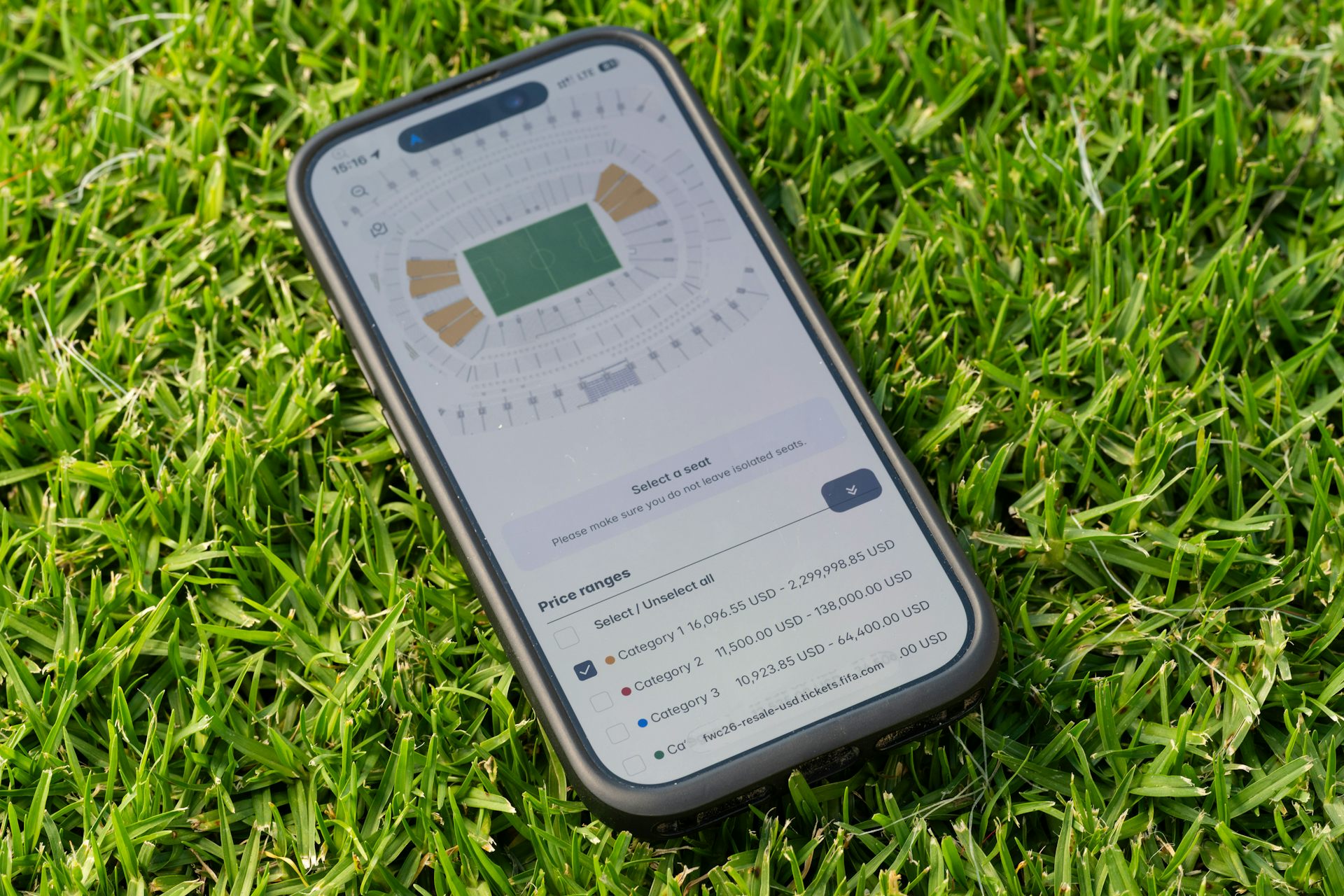
Preços de ingressos disparando poder ajudar a FIFA a arrecadar US$ 15 bilhões neste ciclo da Copa do Mundo — de onde vem o dinheiro, para onde ele vai?
Soaring ticket prices could help FIFA pull in $15B this World Cup cycle — where does the money come from, where does it go?
-
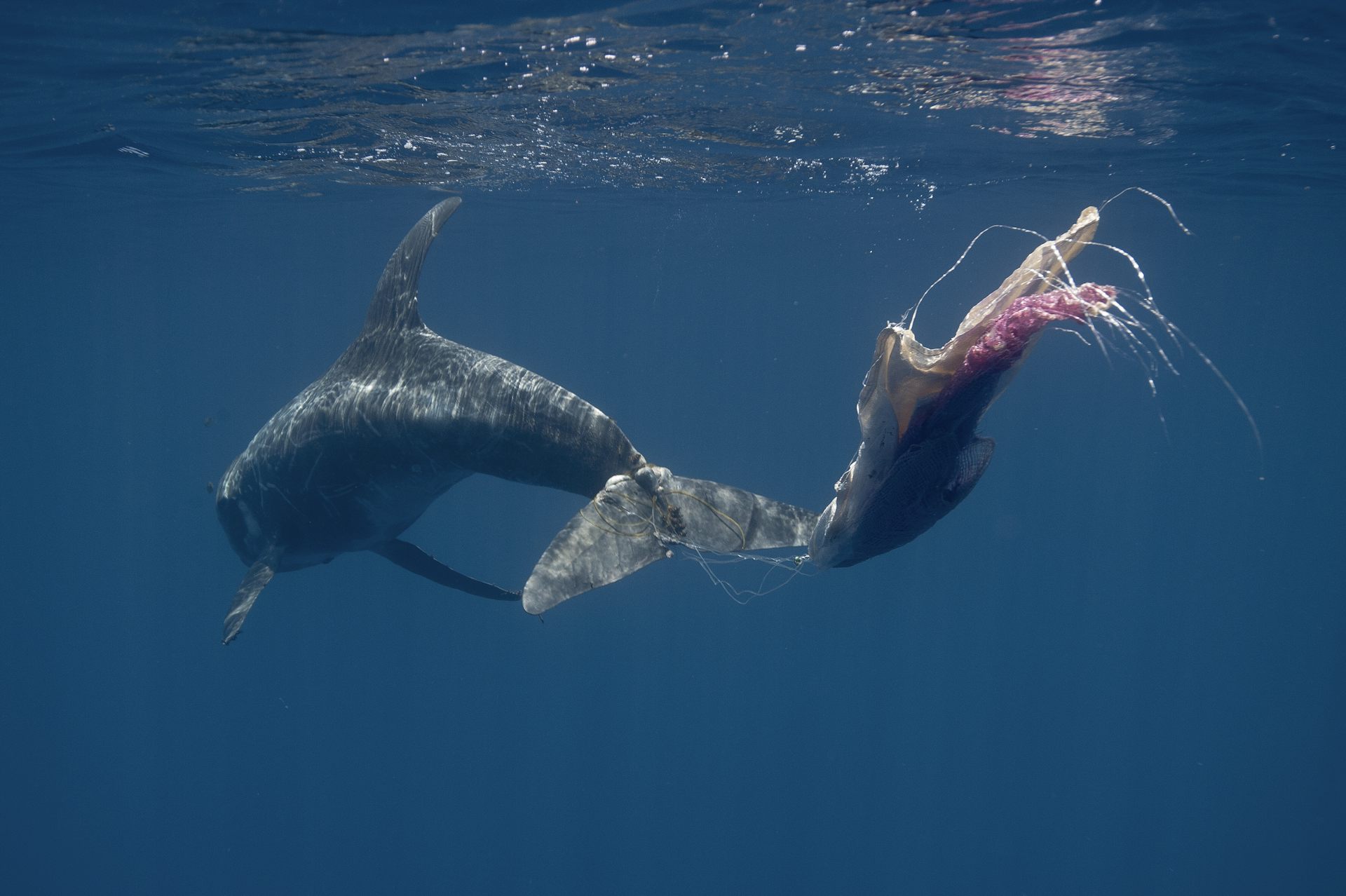
Lesões por emaranhamento causam sofrimento prolongado para baleias e golfinhos – a intervenção precoce é crucial
Entanglement injuries cause prolonged suffering for whales and dolphins – early intervention is crucial