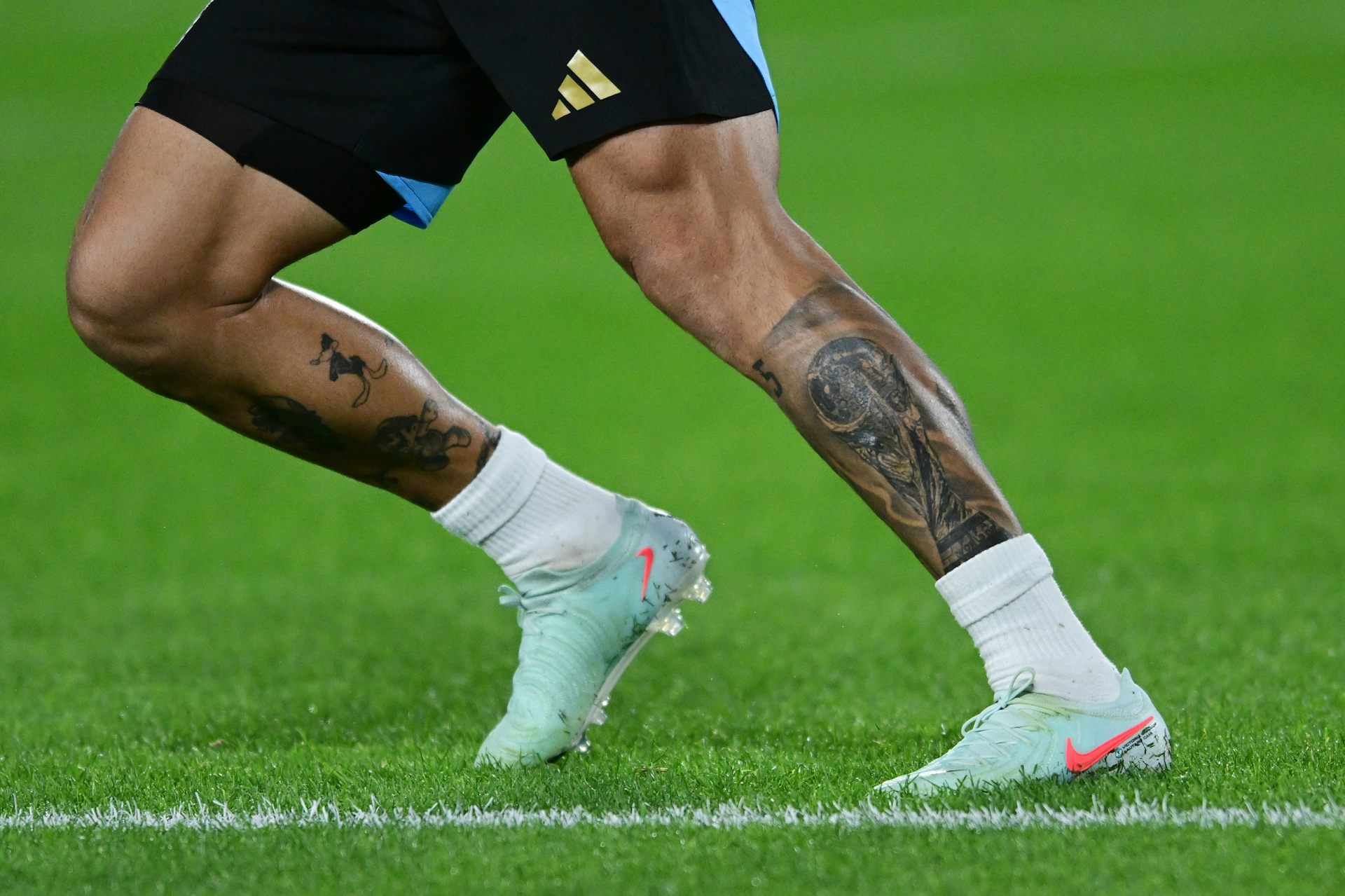
विश्व कप खिलाड़ियों के टैटू उनके प्यार, जीवन और धार्मिक विश्वासों के बारे में क्या बताते हैं
What the tattoos of World Cup players say about their love, life and religious beliefs
As millions watch the 2026 FIFA World Cup, players’ tattoos will be on display – offering a glimpse into the inner lives of soccer’s biggest stars.
जैसे ही लाखों लोग 2026 फीफा विश्व कप देखेंगे, खिलाड़ियों के टैटू प्रदर्शित होंगे – जो फुटबॉल के सबसे बड़े सितारों के निजी जीवन की एक झलक देंगे।
As the 2026 FIFA World Cup starts on June 11, 2026, traditional news and social media channels will be full of pictures of the players. Many of them will be showing their tattoos.
जैसे ही 11 जून, 2026 को फीफा विश्व कप शुरू होगा, पारंपरिक समाचार और सोशल मीडिया चैनल खिलाड़ियों की तस्वीरों से भरे रहेंगे। उनमें से कई अपने टैटू दिखाएंगे।
Body art has become increasingly part of international soccer, although its prevalence can vary across geographical regions. A study of athletes participating in the 2018 World Cup found that Latin American players were the most heavily tattooed, followed by those from Oceania and Europe. African and Asian players are the least tattooed.
बॉडी आर्ट अंतर्राष्ट्रीय फुटबॉल का एक बढ़ता हुआ हिस्सा बन गया है, हालांकि इसकी व्यापकता भौगोलिक क्षेत्रों में भिन्न हो सकती है। 2018 विश्व कप में भाग लेने वाले एथलीटों के एक अध्ययन में पाया गया कि लैटिन अमेरिकी खिलाड़ी सबसे अधिक टैटू वाले थे, इसके बाद ओशिनिया और यूरोप के खिलाड़ियों का स्थान था। अफ्रीकी और एशियाई खिलाड़ी सबसे कम टैटू वाले हैं।
I have been studying tattoos and their spiritual and religious roles since 2018. Tattoos are an investment of time and money; they tend to symbolize something important in the person’s life. For professional athletes, however, they take on another level of meaning.
मैं 2018 से टैटू और उनकी आध्यात्मिक तथा धार्मिक भूमिकाओं का अध्ययन कर रहा हूँ। टैटू समय और पैसे का निवेश होते हैं; वे किसी व्यक्ति के जीवन में कुछ महत्वपूर्ण प्रतीक करने की प्रवृत्ति रखते हैं। हालांकि, पेशेवर एथलीटों के लिए, उनका एक अलग स्तर का अर्थ होता है।
These athletes operate in controlled environments in which what they do and say with their bodies is highly regulated. A player cannot freely ski, ride, work out or take vacations without considering contractual obligations to companies and other investors. Most of the professionals playing in the World Cup have also signed sponsorship agreements that regulate what they can display on their social media.
ये एथलीट नियंत्रित वातावरण में काम करते हैं जहाँ उनके शरीर से क्या किया जाता है और क्या कहा जाता है, यह अत्यधिक विनियमित होता है। कोई खिलाड़ी कंपनी और अन्य निवेशकों के साथ संविदात्मक दायित्वों पर विचार किए बिना स्वतंत्र रूप से स्की नहीं कर सकता, कसरत नहीं कर सकता या छुट्टियां नहीं मना सकता। विश्व कप में खेलने वाले अधिकांश पेशेवरों ने प्रायोजन समझौते (sponsorship agreements) भी पर हस्ताक्षर किए हैं जो विनियमित करते हैं कि वे अपने सोशल मीडिया पर क्या प्रदर्शित कर सकते हैं।
Against this backdrop, tattoos remain one of the few spaces of personal freedom. As my colleagues and I found in our research, those who get them are choosing to reveal what is important and sacred to them.
इस पृष्ठभूमि के खिलाफ, टैटू व्यक्तिगत स्वतंत्रता के कुछ ही स्थानों में से एक बने हुए हैं। जैसा कि मेरे सहकर्मियों और मैंने अपने शोध में पाया, जो लोग इन्हें करवाते हैं, वे यह चुनने का प्रयास कर रहे हैं कि उनके लिए क्या महत्वपूर्ण और पवित्र है उसे प्रकट करें।
Breaking the code
कोड तोड़ना
Sociologists Sam Belkin and Dale Sheptak argue that tattoos are often a way for athletes to express their humanity in environments where they may be subjects of unreal expectations or treated as an asset. Belkin and Sheptak write that visible tattoos are a type of “nonverbal communication” that enables players to be honest about their personal feelings and what matters to them.
समाजशास्त्रियों सैम बेलकिन और डेल शेप्टक का तर्क है कि टैटू अक्सर एथलीटों के लिए अपनी मानवता व्यक्त करने का एक तरीका होता है, खासकर ऐसे वातावरण में जहाँ वे अवास्तविक अपेक्षाओं के विषय या संपत्ति माने जा सकते हैं। बेलकिन और शेप्टक लिखते हैं कि दिखाई देने वाले टैटू “गैर-मौखिक संचार” का एक प्रकार होते हैं जो खिलाड़ियों को अपनी व्यक्तिगत भावनाओं और उनके लिए क्या मायने रखता है, इस बारे में ईमानदार रहने में सक्षम बनाता है।
My colleagues and I analyzed the tattoos of the Argentine men’s national team that won the last World Cup in Qatar in 2022. We looked at about 200 pictures and found that 20 of the 26 players on the roster had a total of 226 tattoos.
मेरे सहकर्मियों और मैंने अर्जेंटीना की पुरुष राष्ट्रीय टीम के टैटू का विश्लेषण किया, जिसने 2022 में कतर में पिछले विश्व कप जीता था। हमने लगभग 200 तस्वीरें देखीं और पाया कि रोस्टर पर मौजूद 26 खिलाड़ियों में से 20 खिलाड़ियों के कुल 226 टैटू थे।
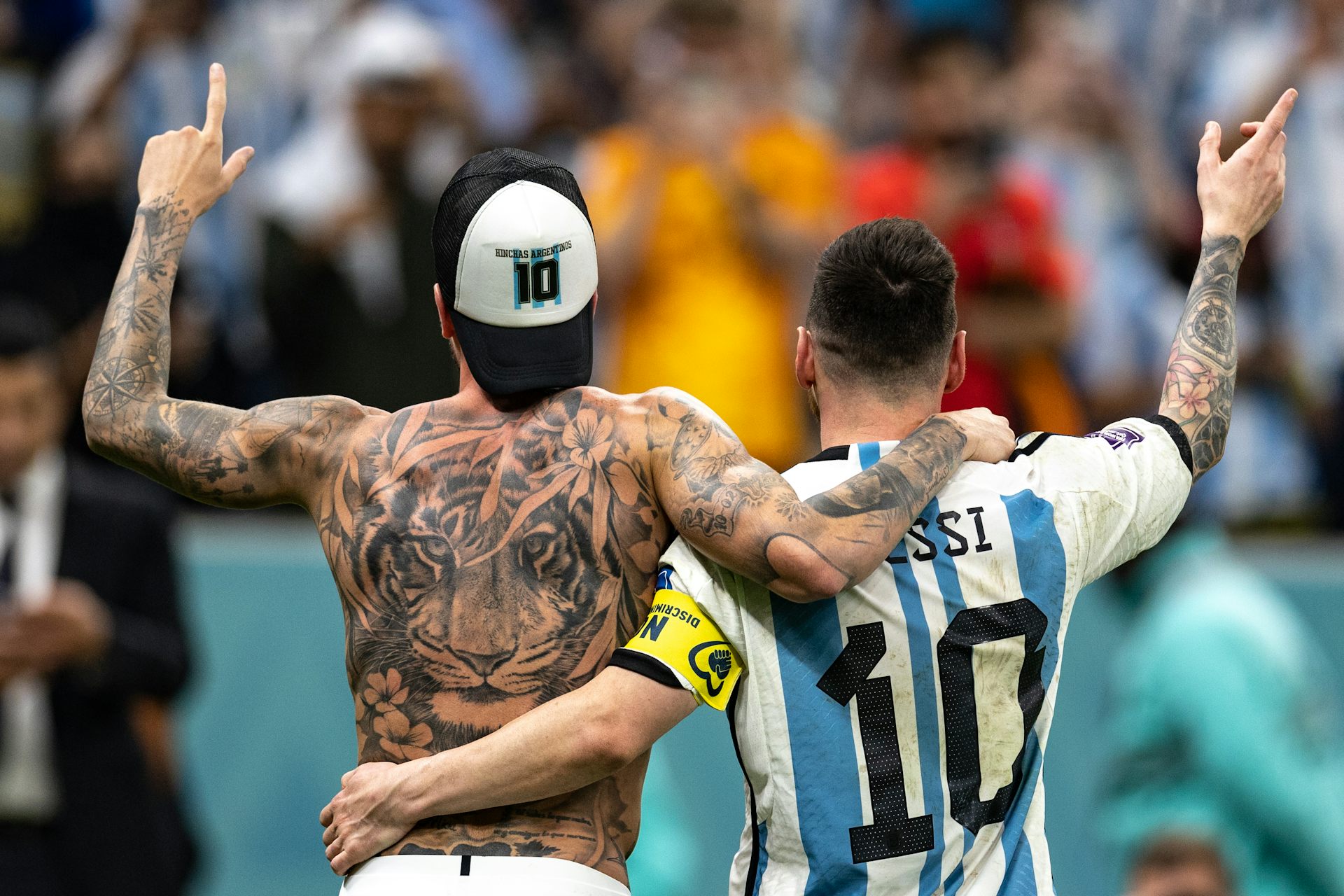
We analyzed the team’s demographics and the tattoo designs and placement on the players’ bodies. We also analyzed interviews where some of them had talked about their lives and, in some cases, the stories behind their tattoos. By placing these tattoos in the broader context of their professional paths and religious and popular culture, we were able to better understand what the body art meant to them.
हमने टीम के जनसांख्यिकी (डेमोग्राफिक्स) और खिलाड़ियों के शरीर पर टैटू डिज़ाइन और प्लेसमेंट का विश्लेषण किया। हमने उन इंटरव्यू का भी विश्लेषण किया जहाँ उनमें से कुछ ने अपने जीवन और, कुछ मामलों में, उनके टैटू के पीछे की कहानियों के बारे में बात की थी। इन टैटू को उनके पेशेवर रास्तों और धार्मिक तथा लोकप्रिय संस्कृति के व्यापक संदर्भ में रखकर, हम बेहतर ढंग से समझ पाए कि शरीर कला (बॉडी आर्ट) का उनके लिए क्या मतलब था।
A majority of players expressed their religious beliefs through their tattoos: 75% of them – 15 out of 20 – featured body art of religious figures connected to Catholicism, like the Virgin Mary, Jesus and saints; some also had tattoos of doves associated with the holy spirit, and churches.
अधिकांश खिलाड़ियों ने अपने टैटू के माध्यम से अपने धार्मिक विश्वास व्यक्त किए: उनमें से 75% – 20 में से 15 – कैथोलिक धर्म से जुड़े धार्मिक आकृतियों, जैसे वर्जिन मैरी, जीसस और संतों की शरीर कला को दर्शाते थे; कुछ के पास पवित्र आत्मा से जुड़े कबूतरों और चर्चों के टैटू भी थे।
We also saw religious diversity. There were tattoos of the Buddha, folk saints and spiritual objects. One player had a tattoo of a dream catcher – a handcrafted willow hoop with a woven net that resembles a spider’s web, typically hung above a bed to offer protection; another had the word “energía” – energy – inked on his body.
हमने धार्मिक विविधता भी देखी। बुद्ध, लोक संतों और आध्यात्मिक वस्तुओं के टैटू थे। एक खिलाड़ी के पास ड्रीम कैचर का टैटू था – जो एक हाथ से बनी विलो की अंगूठी होती है जिसमें बुना हुआ जाला होता है जो मकड़ी के जाले जैसा दिखता है, जिसे आमतौर पर सुरक्षा देने के लिए बिस्तर के ऊपर लटकाया जाता है; दूसरे के शरीर पर “एनर्जिया” (ऊर्जा) शब्द बनवाया गया था।
Seventy-five percent of the players had tattoos depicting what they achieved in their careers. Some of the symbols they used were trophies, jerseys and numbers. Usually the numbers they got corresponded to the jersey numbers they wear.
75 प्रतिशत खिलाड़ियों के टैटू उनके करियर में प्राप्त की गई चीज़ों को दर्शाते थे। उनमें से कुछ प्रतीकों में ट्रॉफी, जर्सी और नंबर थे। आमतौर पर जो नंबर वे करवाते थे, वे उन जर्सी नंबरों से मेल खाते थे जिन्हें वे पहनते हैं।
Eighty percent – 16 players – had tattoos that portrayed what they loved. These tattoos include designs of numbers – usually dates of their children’s births – names of beloved ones or their partner’s eyes or lips.
80 प्रतिशत – 16 खिलाड़ियों – के टैटू यह दर्शाते थे कि उन्हें क्या पसंद है। इन टैटू में संख्याओं के डिज़ाइन शामिल हैं – आमतौर पर उनके बच्चों के जन्म की तारीखें – प्रियजनों के नाम या उनके साथी की आँखें या होंठ।
Some tattoos expressed their extended family, including parents, grandparents, people who helped raise them, and even pets.
कुछ टैटू ने अपने विस्तारित परिवार को व्यक्त किया, जिसमें माता-पिता, दादा-दादी, वे लोग जिन्होंने उन्हें पालने में मदद की, और यहाँ तक कि पालतू जानवर भी शामिल थे।
Placement was also important. About 60% of the tattoos were on the arms and head, locations that were easily visible when they are performing on the field.
प्लेसमेंट भी महत्वपूर्ण था। लगभग 60% टैटू बाहों और सिर पर थे, ऐसे स्थान जो मैदान पर प्रदर्शन करते समय आसानी से दिखाई देते हैं।
But the design of the tattoo also decided its placement: Religious symbols were usually placed on the entire shoulder or biceps, or on the upper or lower leg. Tattoos related to professional careers were usually located on the player’s dominant leg. Animal tattoos were usually placed on backs, and not visible during games.
लेकिन टैटू के डिज़ाइन ने भी उसके प्लेसमेंट को तय किया: धार्मिक प्रतीकों को आमतौर पर पूरे कंधे या बाइसेप्स पर, या ऊपरी या निचले पैर पर रखा जाता था। पेशेवर करियर से संबंधित टैटू आमतौर पर खिलाड़ी के प्रमुख पैर पर स्थित होते थे। पशु टैटू आमतौर पर पीठ पर रखे जाते थे, और खेल के दौरान दिखाई नहीं देते थे।
Not all tattoos are the same
सभी टैटू एक जैसे नहीं होते
Many scholars who study soccer have examined its relationships with politics and explored how the sport has been a venue for politics. Diego Maradona, for example, got the Argentine Marxist revolutionary and guerrilla leader Che Guevara tattoo on his right arm and Cuban revolutionary Fidel Castro on his calf, expressing his revolutionary political view. Our research team did not find political tattoos among current players.
फुटबॉल का अध्ययन करने वाले कई विद्वानों ने इसके राजनीतिक संबंधों की जांच की है और पता लगाया है कि यह खेल राजनीति के लिए किस प्रकार एक मंच रहा है। उदाहरण के लिए, डिएगो माराडोना ने अपने क्रांतिकारी राजनीतिक दृष्टिकोण को व्यक्त करते हुए, अपनी दाहिनी बांह पर अर्जेंटीना के मार्क्सवादी क्रांतिकारी और गुरिल्ला नेता चे ग्वेरा का टैटू बनवाया और अपनी पिंडली पर क्यूबा के क्रांतिकारी फिडेल कास्त्रो का टैटू बनवाया। हमारी शोध टीम ने वर्तमान खिलाड़ियों में कोई राजनीतिक टैटू नहीं पाया।
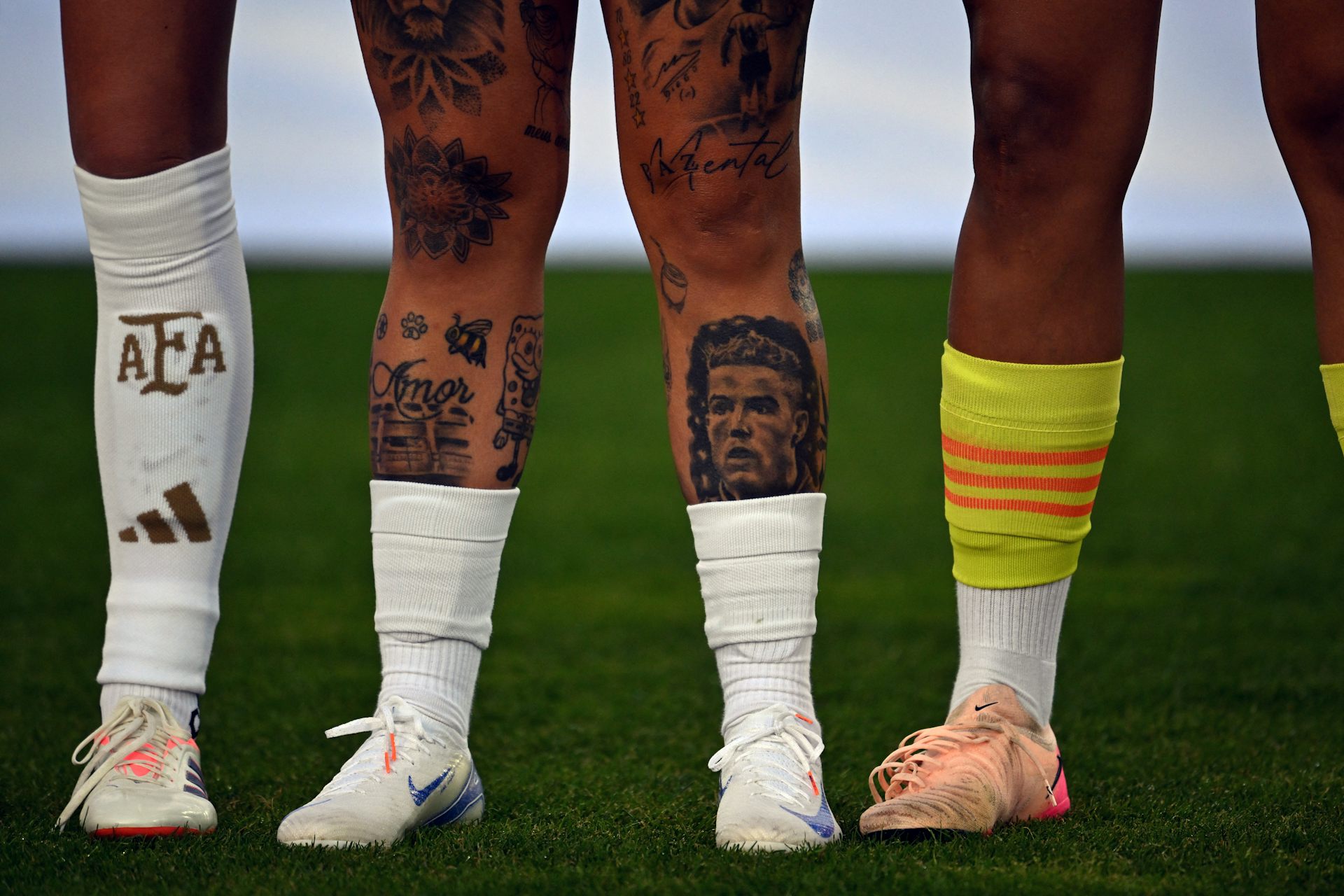
Gender is also important when looking at tattoos. Female players are often subjected to greater scrutiny than their male counterparts. When Argentina’s national women’s team captain Yamila Rodriguez revealed tattoos of Cristiano Ronaldo, she faced intense criticism from fans and media for having the Portuguese superstar and not Argentinean Lionel Messi depicted in tattoo. Rodriguez’s experience highlights that women’s bodies are subjected to personal judgment in a way that men’s are not.
टैटू को देखते समय लिंग भी महत्वपूर्ण होता है। महिला खिलाड़ियों को अक्सर अपने पुरुष समकक्षों की तुलना में अधिक जांच का सामना करना पड़ता है। जब अर्जेंटीना की राष्ट्रीय महिला टीम की कप्तान यामिला रोड्रिगेज ने क्रिस्टियानो रोनाल्डो के टैटू दिखाए, तो उन पर प्रशंसकों और मीडिया द्वारा तीव्र आलोचना का सामना करना पड़ा क्योंकि उन्होंने टैटू में पुर्तगाली सुपरस्टार को दर्शाया था न कि अर्जेंटीना के लियोनेल मेस्सी को। रोड्रिगेज का अनुभव इस बात पर प्रकाश डालता है कि महिलाओं के शरीर व्यक्तिगत निर्णय (आलोचना) का सामना ऐसे तरीके से करते हैं जो पुरुषों के साथ नहीं होता।
This World Cup, with its unprecedented global outreach, offers a unique opportunity to observe the values, beliefs and relationships that players choose to display on their bodies. In some ways, tattoos can be seen as a small window into the players’ souls.
इस विश्व कप में, अपनी अभूतपूर्व वैश्विक पहुँच के साथ, एक अद्वितीय अवसर मिलता है कि खिलाड़ी अपने शरीर पर कौन से मूल्य, विश्वास और संबंध प्रदर्शित करना चुनते हैं। कुछ मायनों में, टैटू को खिलाड़ियों की आत्मा में झाँकने वाली एक छोटी खिड़की के रूप में देखा जा सकता है।
Gustavo Morello does not work for, consult, own shares in or receive funding from any company or organization that would benefit from this article, and has disclosed no relevant affiliations beyond their academic appointment.
गुस्तावो मोरेलो किसी भी कंपनी या संगठन से जुड़े नहीं हैं जो इस लेख से लाभान्वित होगा, न ही वे उनसे परामर्श लेते हैं, शेयर रखते हैं, या फंडिंग प्राप्त करते हैं। उन्होंने अपने शैक्षणिक पद के अतिरिक्त कोई प्रासंगिक जुड़ाव का खुलासा नहीं किया है।
Read more
-
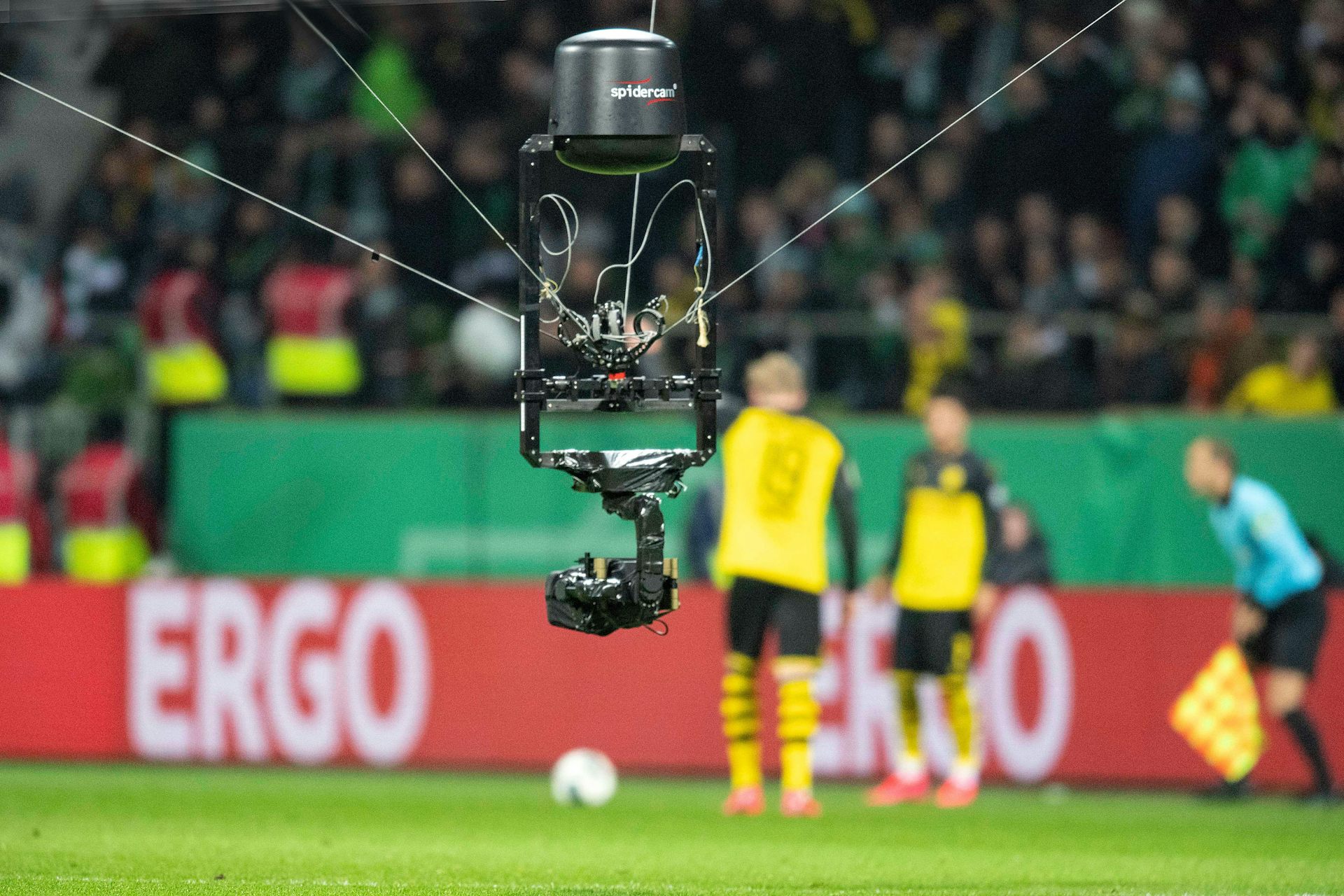
विश्व कप फिल्मांकन पिछले अमेरिकी टूर्नामेंट से कैसे विकसित हुआ है – मकड़ी कैमरों से लेकर एआई और ड्रोन तक
How World Cup filming has evolved since the last US tournament – from spider cameras to AI and drones
-
इज़राइल के इतिहास ने जिस तरह से यह युद्ध लड़ता है, उसे कैसे आकार दिया है
How Israel’s history has shaped the way it wages war